Somerville Theatre
Somerville Theatre
Boston and Cambridge are renowned as bastions of virtually every variety of music thanks to their globally acclaimed music schools, plethora of live-music venues and abundance of supremely talented musicians of every stripe. Though their respective populations of around 675,000 and 120,000 are dwarfed by music meccas like New York City, Chicago and Los Angeles, that belies the outsized role each has played on the regional, national and international scenes across an expansive array of genres, from classical, jazz, blues and rock to R&B, fusion, folk and pop.
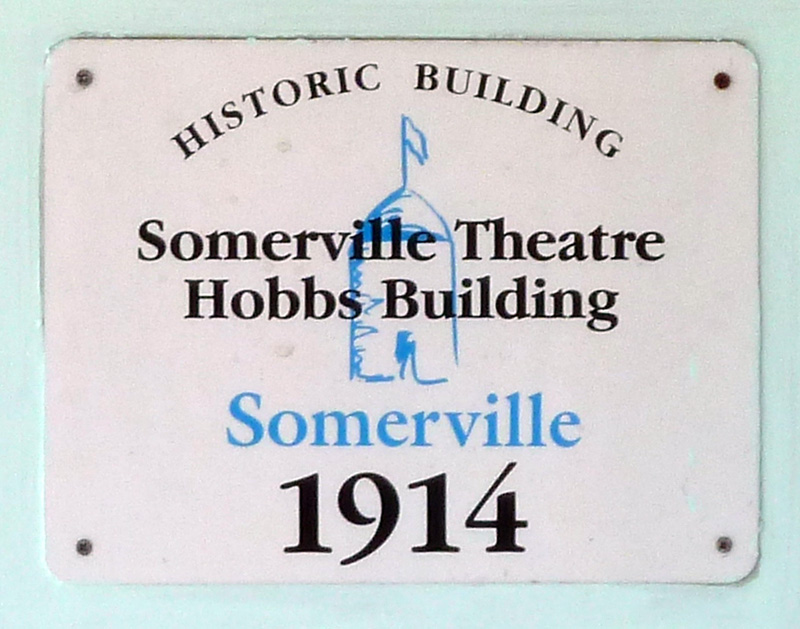
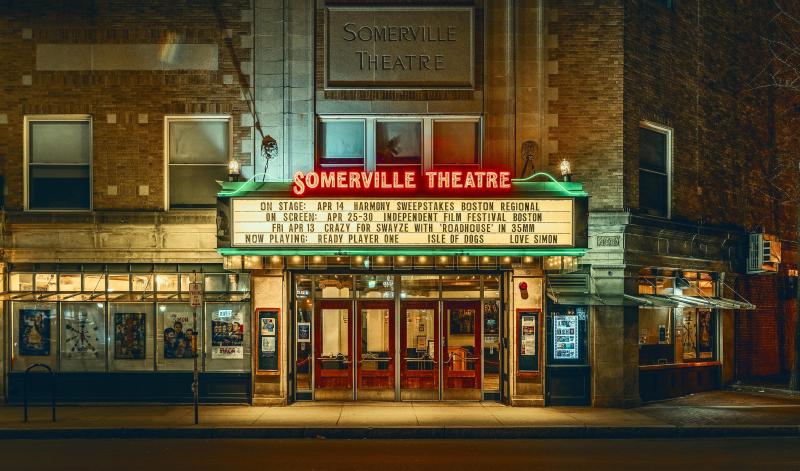
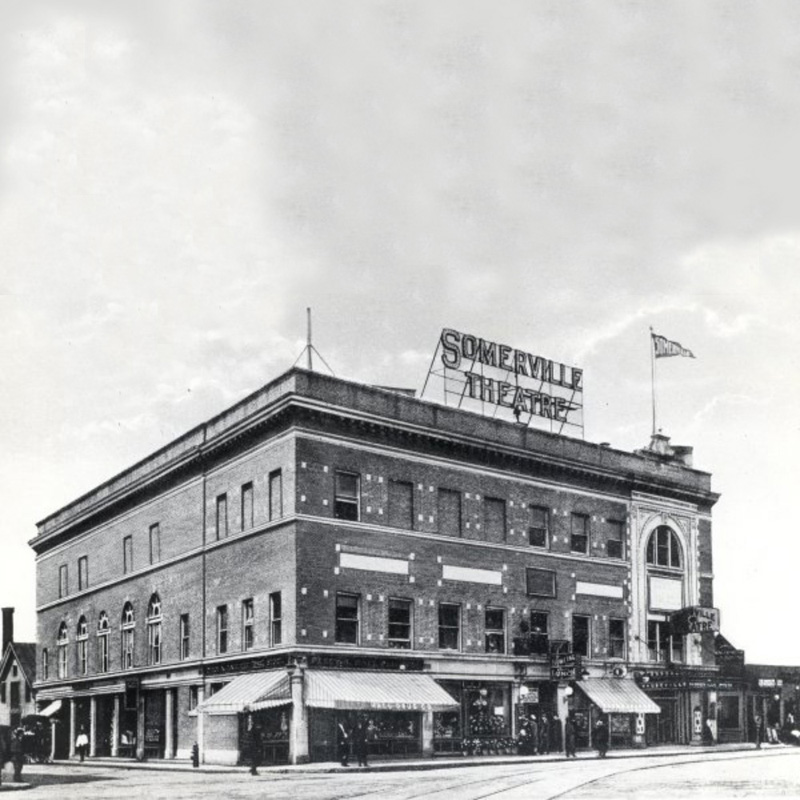
But a lesser-known city of some 83,000 that’s four miles from downtown Boston and borders Cambridge to the north has as rockin’, rollin’, groovin’ and shakin’ a scene as any place its size ever has, thanks in large part to a venue opened six weeks before the outbreak of World War I. As many from the area have probably guessed, the city is Somerville and the venue is Somerville Theatre, a storied space that’s listed in the National Register of Historic Places.
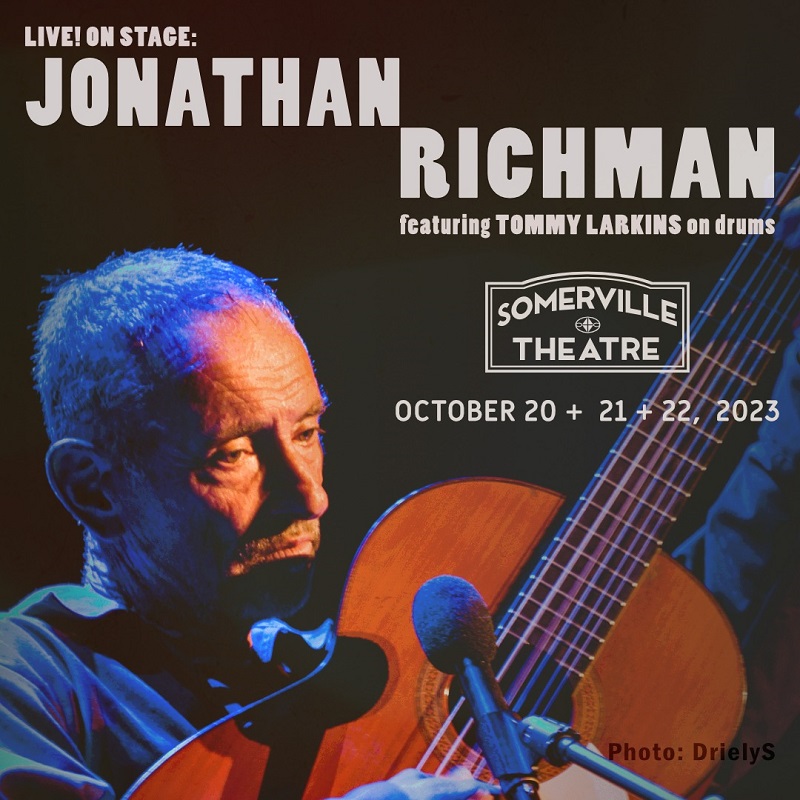
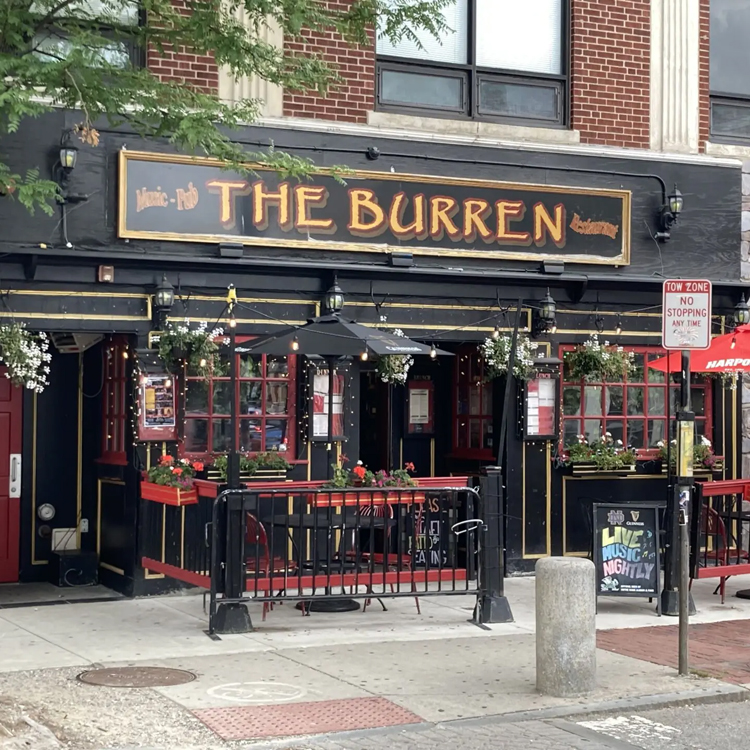
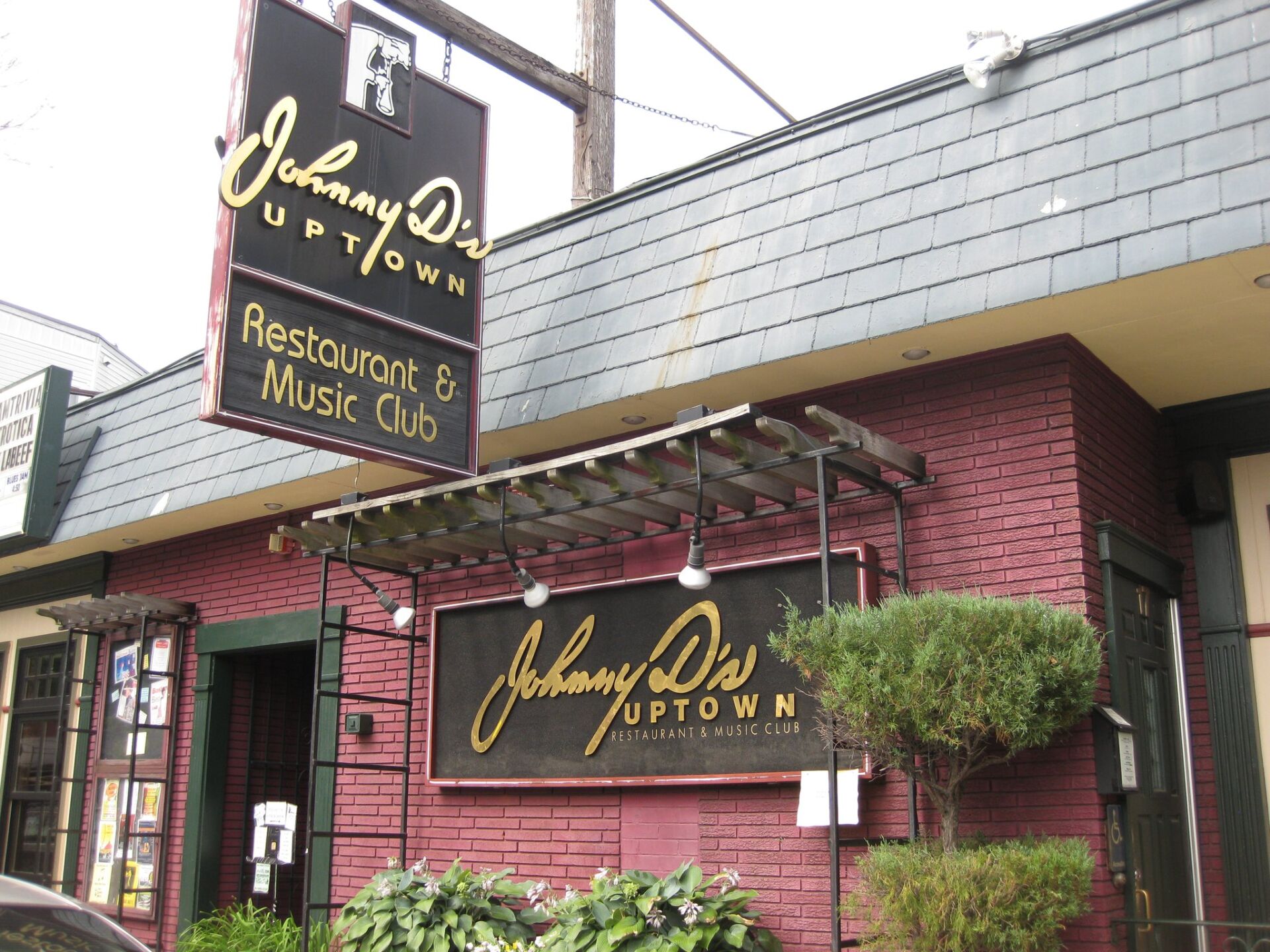
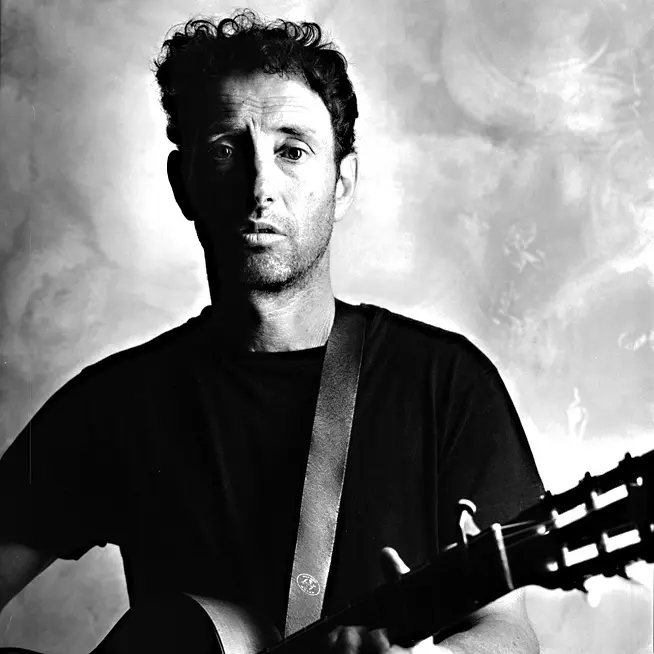
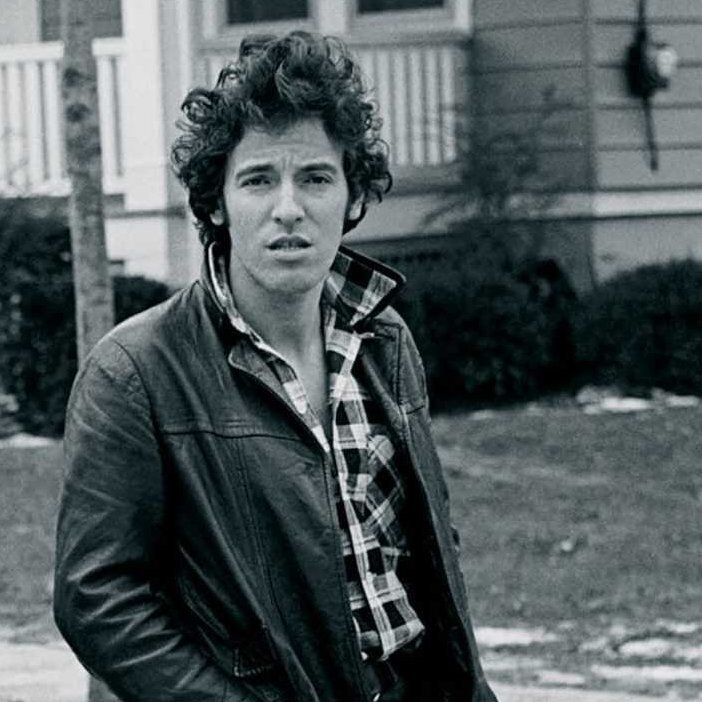
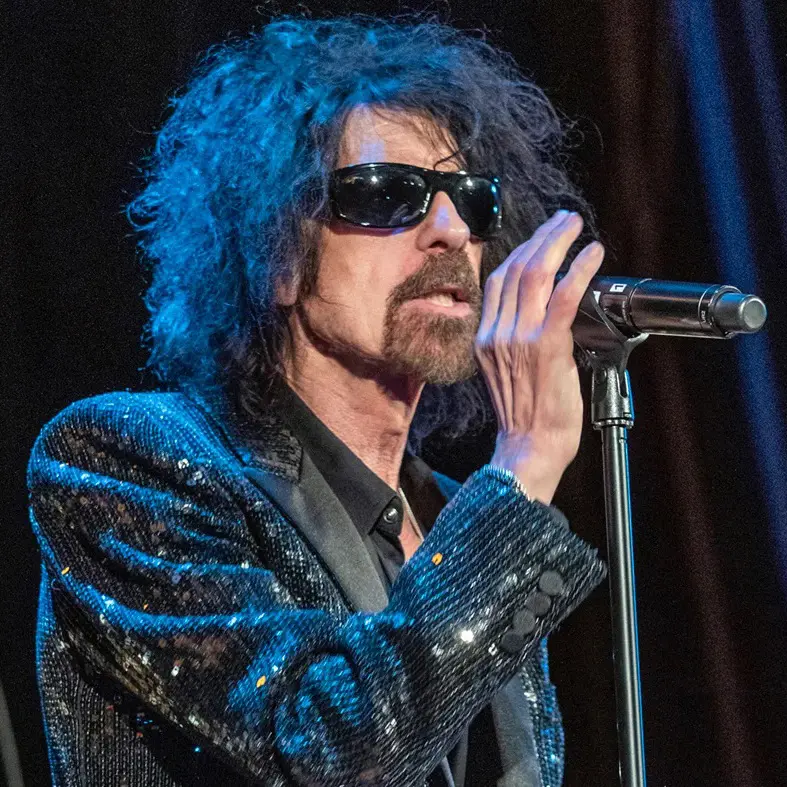
Located in Davis Square along with The Burren and The Rockwell (and Johnny D’s until 2016), the venue’s been an enormous part of the city’s cultural fabric and, like myriad other theatres throughout New England, has reflected the seismic shifts in the entertainment industry between the advent of radio and television in the 20th century and the rise of downloading and streaming in the 21st. It’s been among the region’s leading places for music since the mid-1980s, hosting a cornucopia of top talent including local luminaries Peter Wolf and Jonathan Richman, era-defining figures Jerry Garcia and Thomas Dolby, and global megastars Bruce Springsteen and U2.
OPENING, EARLY YEARS
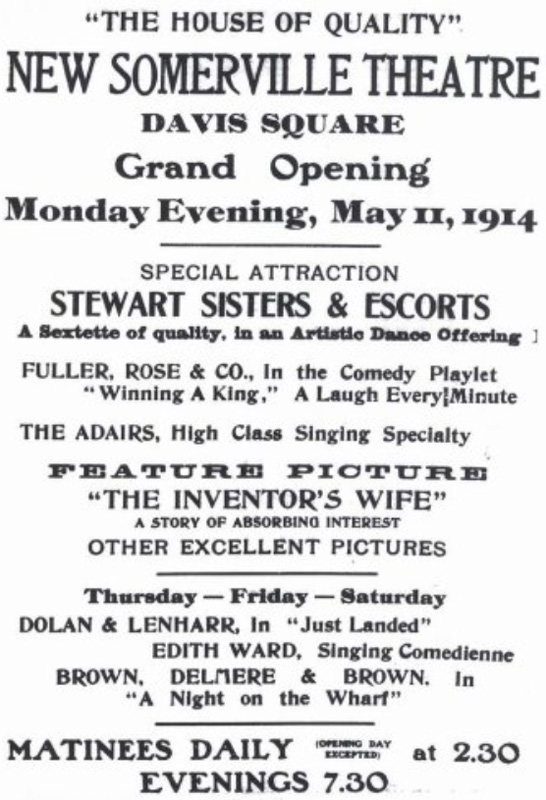
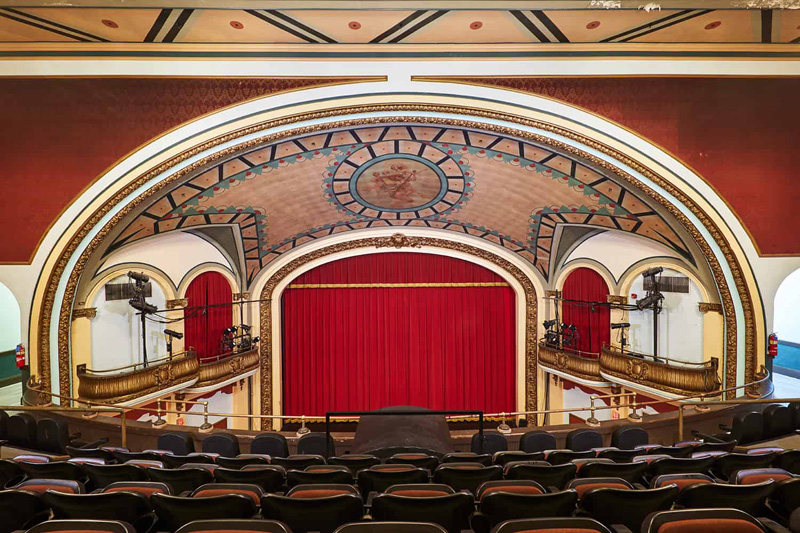
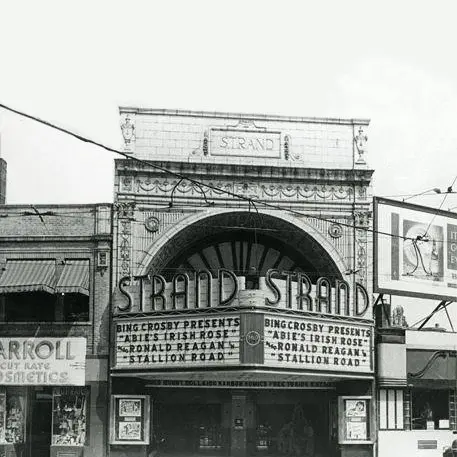
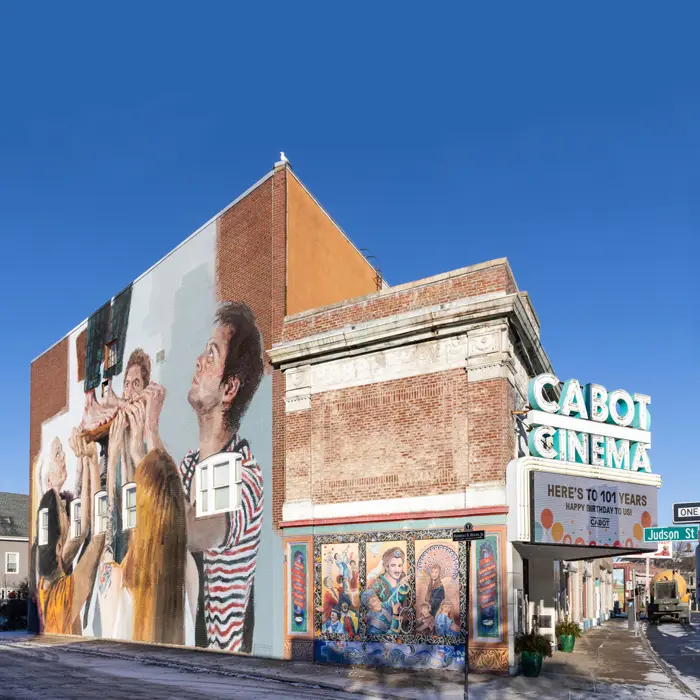
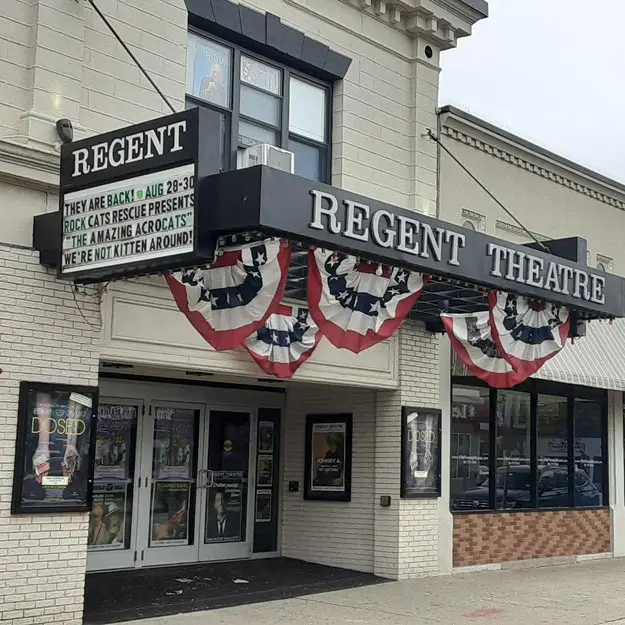
Somerville Theatre was the third venue in the United States to be designed with motion picture viewing specifically in mind, opening on May 11, 1914, 15 months after the first such venue (Regent Theatre on 7th Avenue in New York City) and exactly one month after the second (The Strand on Broadway in New York City). Designed by architectural firm Funk and Wilcox, who also designed the Strand Theatre in Dorchester and The Cabot in Beverly, the 1,100-seat space quickly became one of Greater Boston’s best-known “movie palaces” while also hosting operas, plays and vaudeville acts.
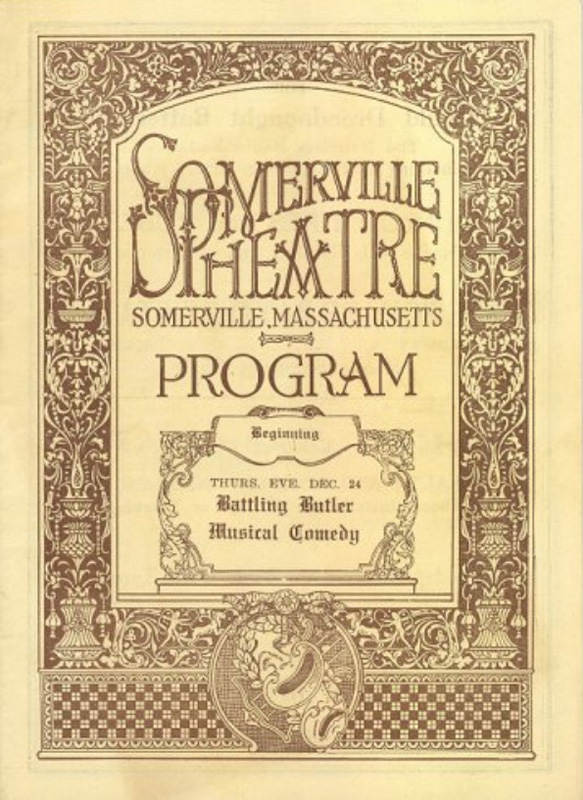
Part of the reason that the theatre drew such consistent crowds out of the gate is that it’s in the Hobbs Building, which offered a wide assortment of entertainment and leisure activities at the time of its opening: a basement café, bowling alley and billiards hall; ten ground-level storefronts; a Masonic Temple of the top floor; and the 700-seat Crystal Ballroom on the second floor. The Somerville Theater Players began their stock company presentation of weekly plays in 1915 and a number of noteworthy actors appeared over the years, among them Tallulah Bankhead, Kay Corbett and Francis X. Bushman. In the mid-’20s, Busby Berkeley, who rose to fame in the ‘30s for staging and choreographing films including 42nd Street and Footlights Parade, directed many shows at the theatre.
OWNERSHIP CHANGE, REPERTORY HOUSE, NOTABLE 1980S APPEARANCES
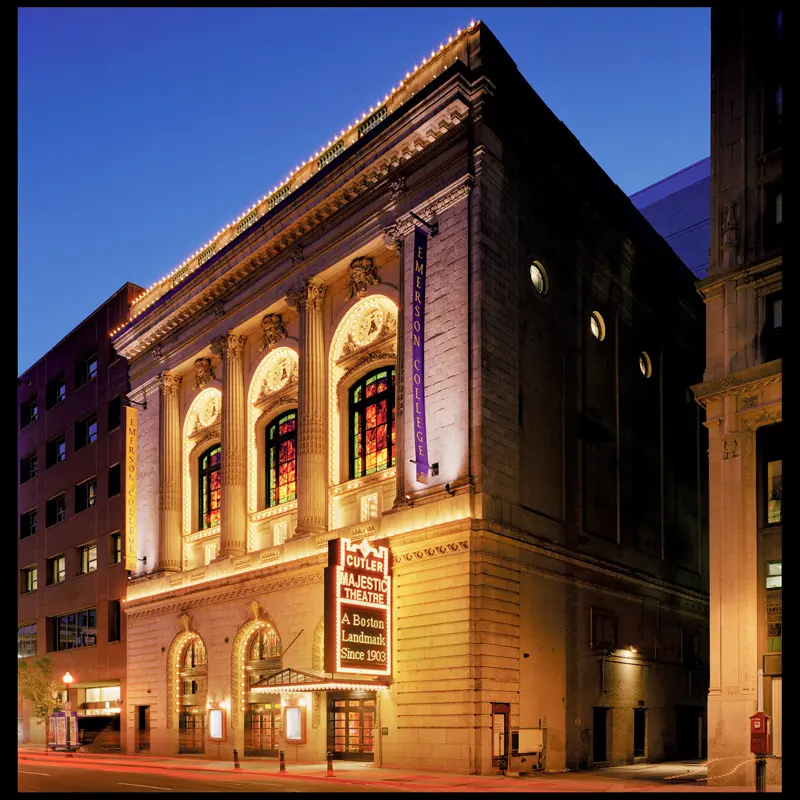
In 1926, the Hobbs family sold the theater to Arthur F. Viano, whose family owned other local venues including the Teele Square Theater in Somerville, the Broadway Theater in East Somerville and the Regent Theater in Arlington. The stock theatre company continued performing until 1932, when the Great Depression resulted in Viano establishing a “movies only” policy, and Somerville Theatre was a popular movie house through the ‘30s, ‘40s, ‘50s and ‘60s, screening new films after they’d run at major theatres in downtown Boston like the RKO Keiths (now Boston Opera House), the Majestic (now Cutler Majestic Theatre), the Metropolitan (now Boch Center) and Loew’s Orpheum (now the Orpheum Theatre). Like Viano’s other venues, it was known for promotional gimmicks including “prize nights,” when the theatre gave away dishware, appliances and other merchandise in order to draw patrons.
The business remained profitable in the 1970s, but the opening of the Fresh Pond Cinema in Cambridge in ‘79 and the Sacks Assembly Square Cinema in Somerville in ‘81 changed the competitive landscape dramatically, resulting in significantly lower attendance at neighborhood theaters such as Viano’s. Hoping to keep Somerville Theatre afloat, he leased it to Boston native Garen Daly, who used it as a repertory house while running double features of independent and offbeat films in the years before VHS-rental shops made such titles more readily available.
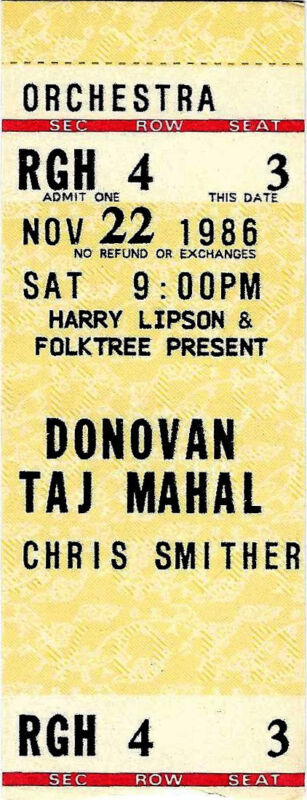
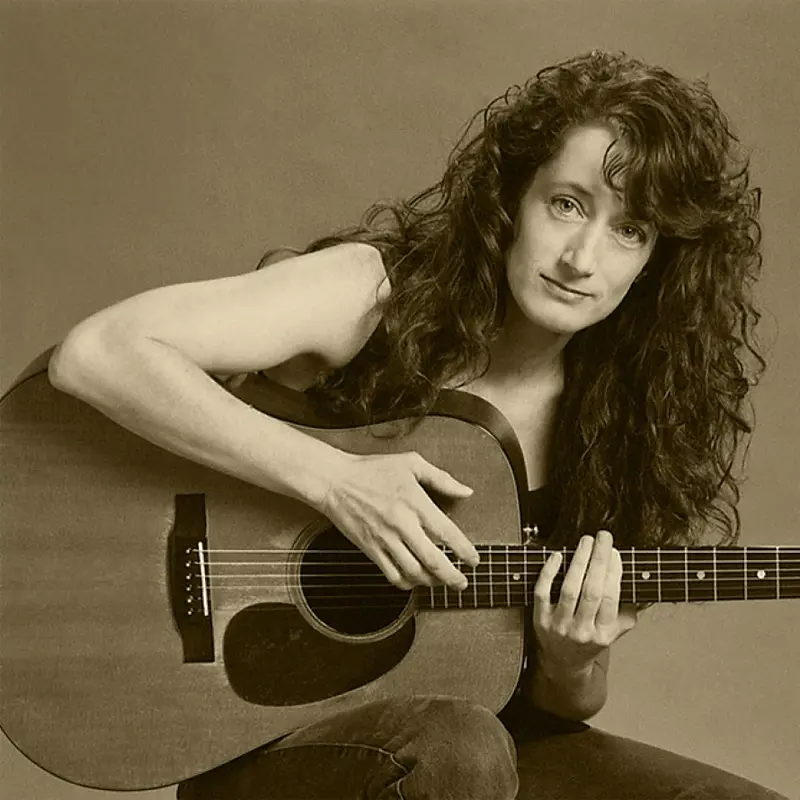
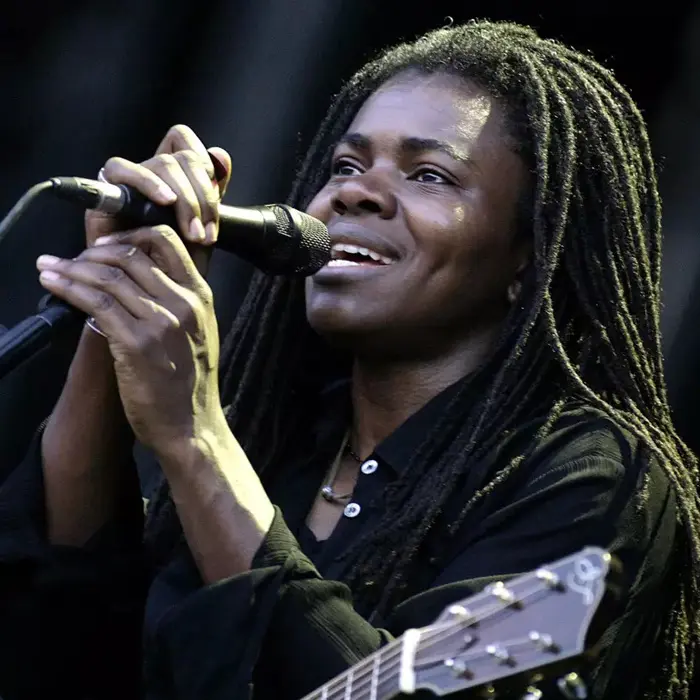
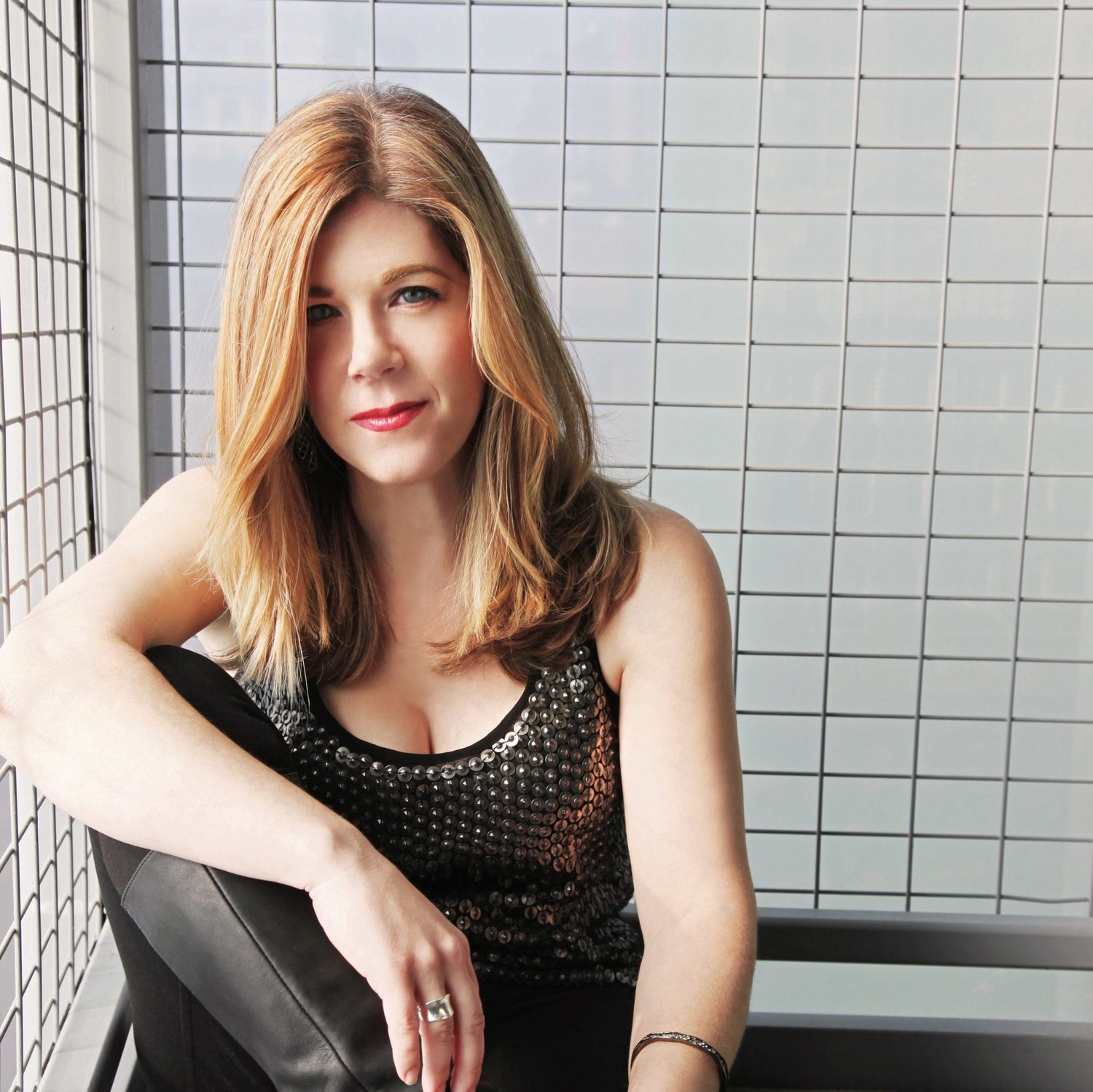
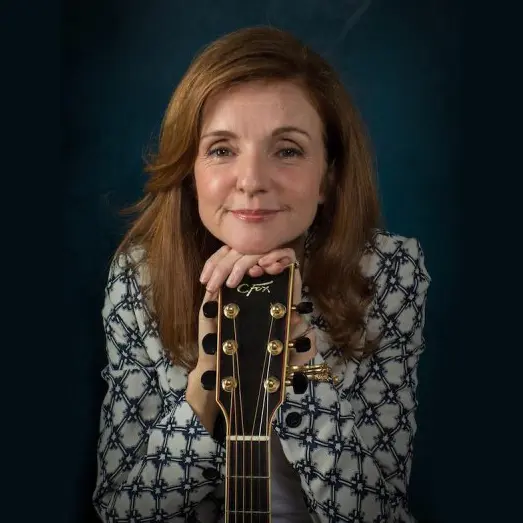
Daly also brought live performances back to the stage for the first time since the 1930s, booking folk, rock, jazz, R&B, blues, pop and world music acts starting in 1986. Among those who appeared that year were Patty Larkin, Shawn Colvin, Tracy Chapman, Billy Cobham, The Tannahill Weavers and Donovan. The roster remained impressive for the rest of the decade with appearances by John Prine, Emmylou Harris, The Clancy Brothers & Robbie O’Connell, Tangerine Dream, Mark Isham, Andy Summers and King Sunny Adé, among others.
SECOND OWNERSHIP CHANGE, NOTABLE 1990S APPEARANCES
The ‘80s saw a second ownership change, with the Hobbs Building being bought by Chatham Light Realty, whose owners, the Fraiman family, also owned the Capitol Theatre in Arlington. When Daly’s lease expired in 1989, the Fraimans decided to operate the Somerville space themselves and shuttered the venue for a series of renovations. Though some in the community expected the family to subdivide the theater into smaller cinemas – and even formed an activist group to prevent that from happening – the Fraiman’s preserved it in its original form and reopened the venue in 1990, the year Somerville Theatre was added to the National Register of Historic Places.
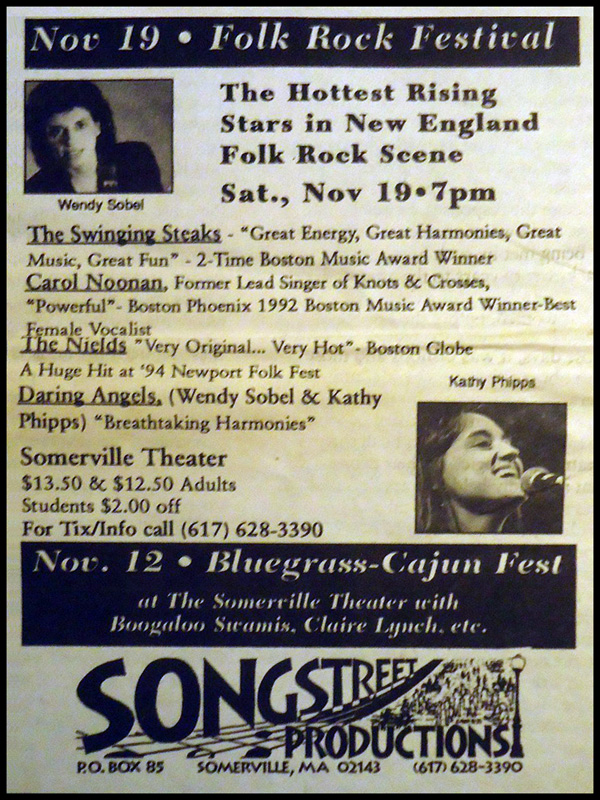
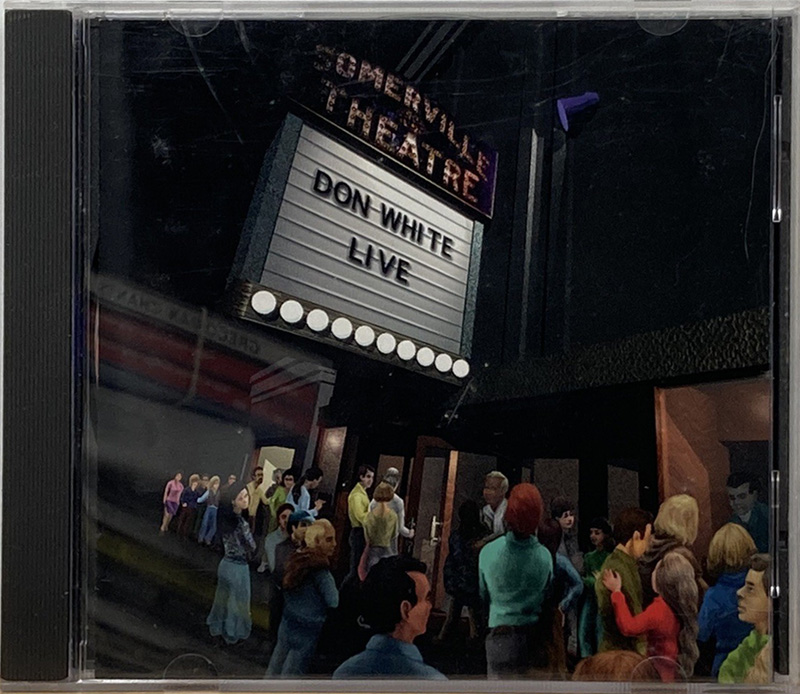
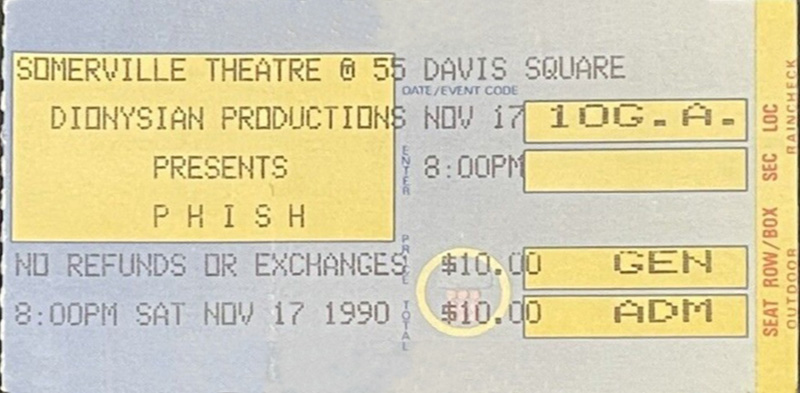
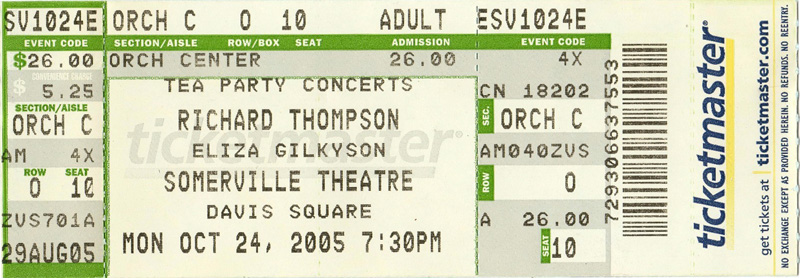
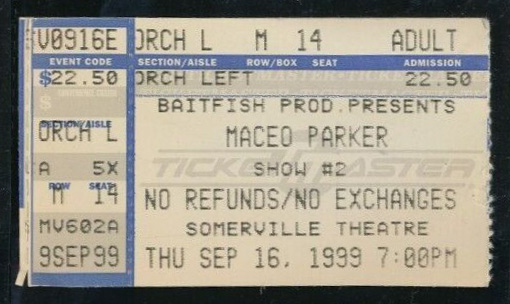
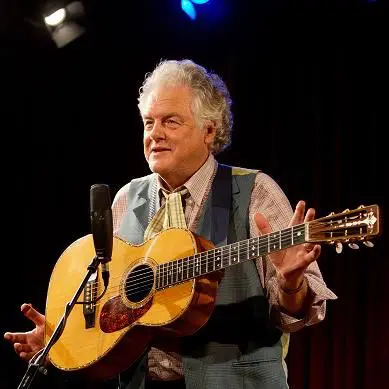
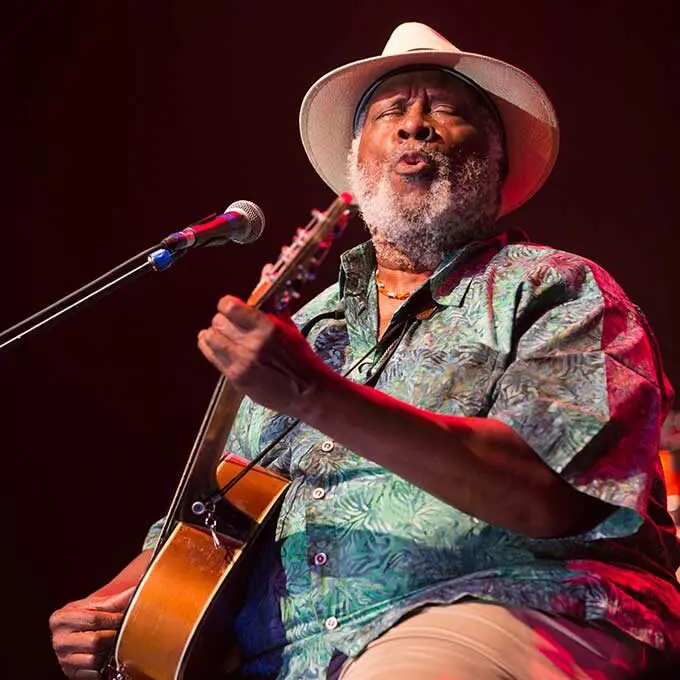
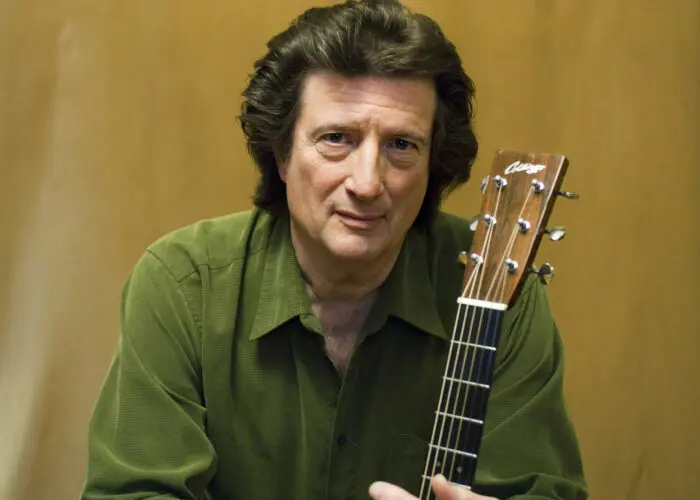
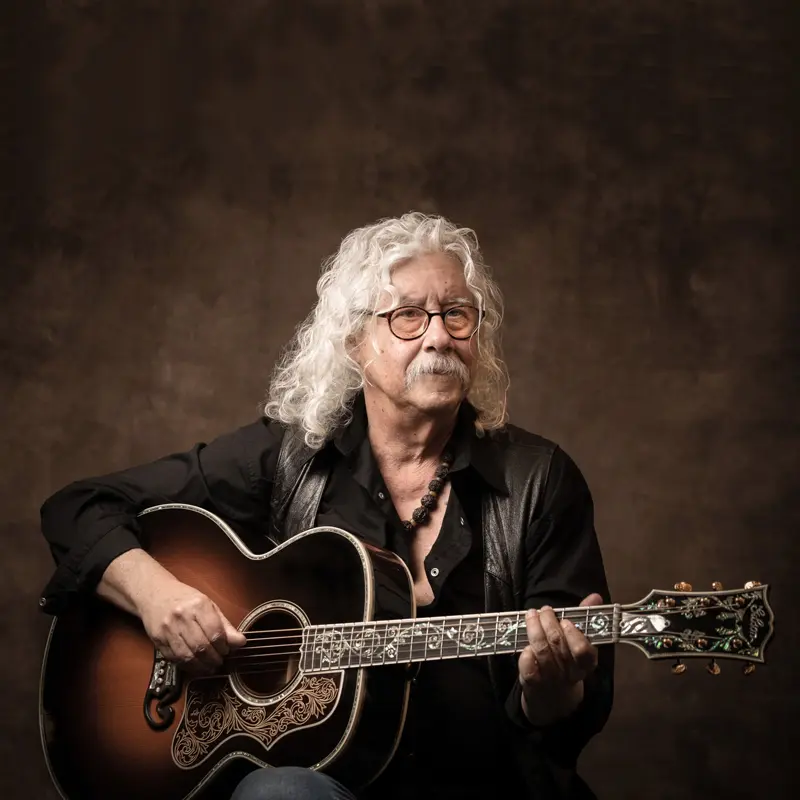
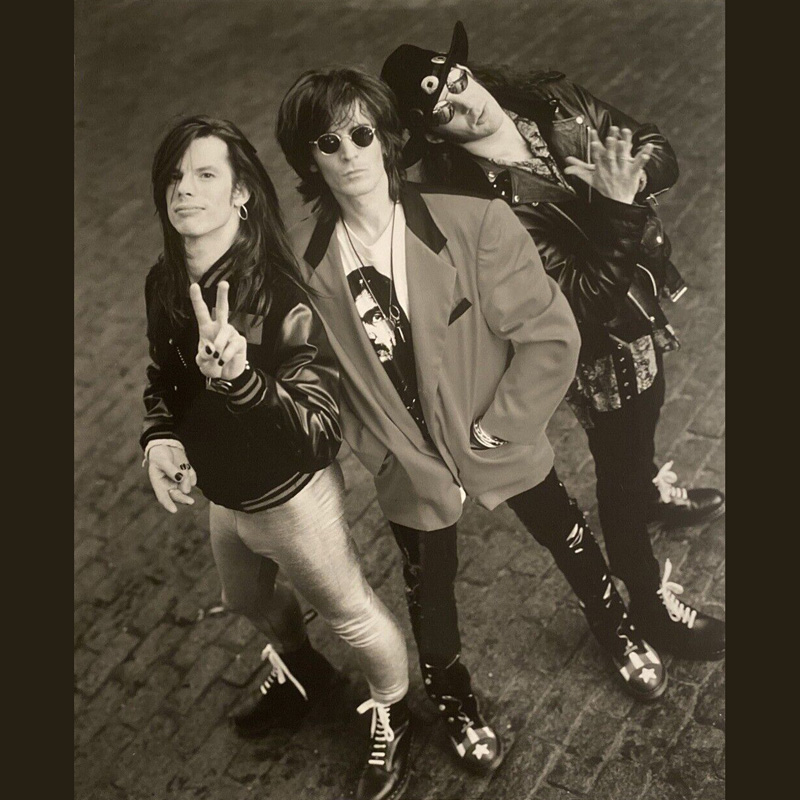
The ‘90s saw a broad swath of acts take the stage including New England-rooted Jonathan Richman, Peter Rowan, Dar Williams, Taj Mahal, Chris Smither, Arlo Guthrie, Ellis Paul, Don White, Ronnie Earl, Luna, Morphine, Guster, Throwing Muses and Phish. Among others were Jerry Garcia, Billy Bragg, Warren Zevon, Joe Jackson, Béla Fleck, Ladysmith Black Mambazo, Richard Thompson, Ani DiFranco, Richie Havens, Lucinda Williams, Maceo Parker, Sarah McLaughlan, Steve Earle and Nick Cave & The Bad Seeds.
1990S RENOVATIONS, NOTABLE 2000S APPEARANCES
Despite the new revenue stream the return of live music provided, however, movie attendance continued to drop through the ‘80s and into ‘90s, which led to most of the Hobbs Building being empty except for several storefronts and the theatre. In 1996, in an all-out effort to maintain a presence in the film business, the Fraimans began extensive renovations, using the vacant space to their advantage. After they gutted the bowling alleys in the basement and part of the ground-floor retail space to install modern rest rooms and two new film rooms, they put two new screens in the Crystal Ballroom space on the second floor; installed an elevator, new windows and a marquee reminiscent of the original; converted the second and third floors into office space; expanded the lobby by taking over an adjacent storefront; and added seats in the theatre’s orchestra section.
Additional upgrades came in 2006, including new curtains, rigging and screens, and in 2007 the venue began serving beer and wine to help cover the millions that had been spent. Further renovations in 2009 included new balcony seating, installation of a 24-speaker Dolby Digital Sound system and a revamped projection booth that has two Norelco DP-70 projectors; Somerville Theatre is one of only two theaters in greater Boston that can run 70mm film, the other being Coolidge Corner Theatre in Brookline, and it’s hosted the 70mm and Widescreen Film Festival since 2016. While the venue expanded to six screens in 2012, these days it has only three, on which it screens both first- and second-run films with a focus on independent and art-house fare.
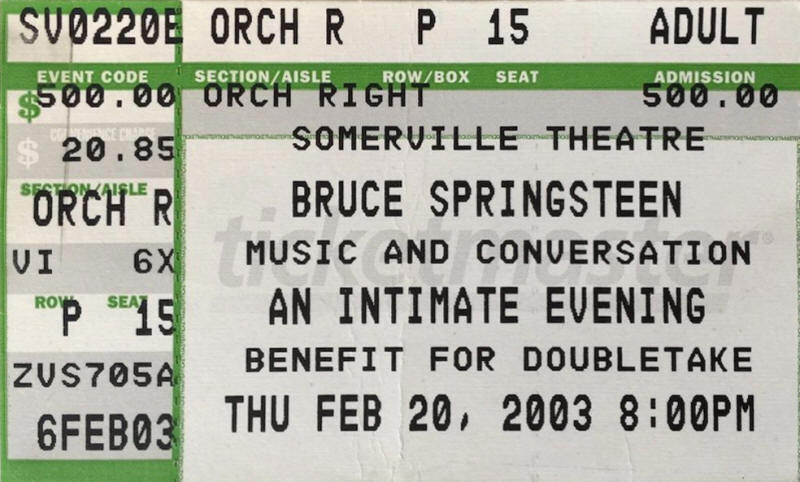
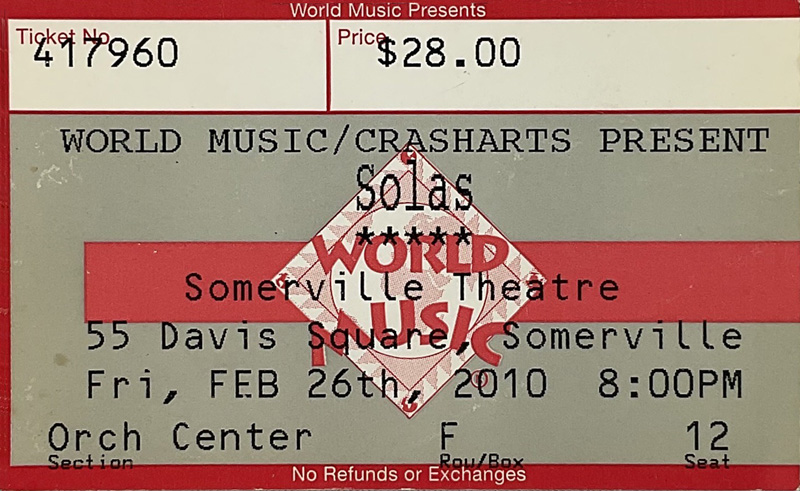
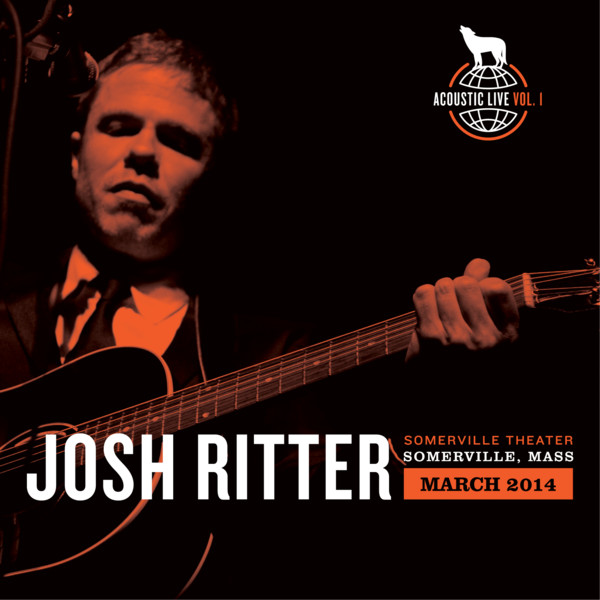
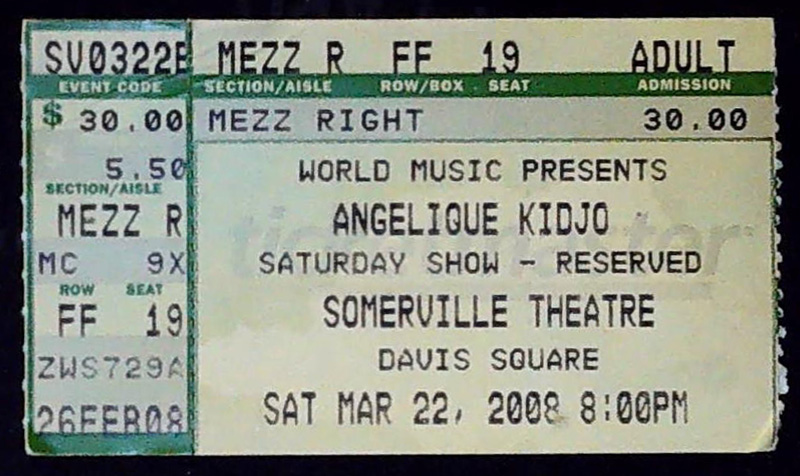
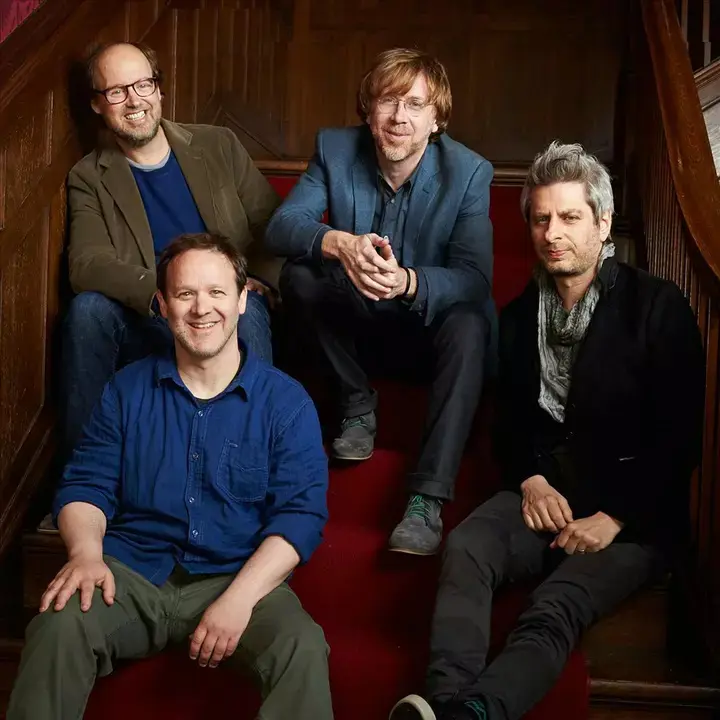
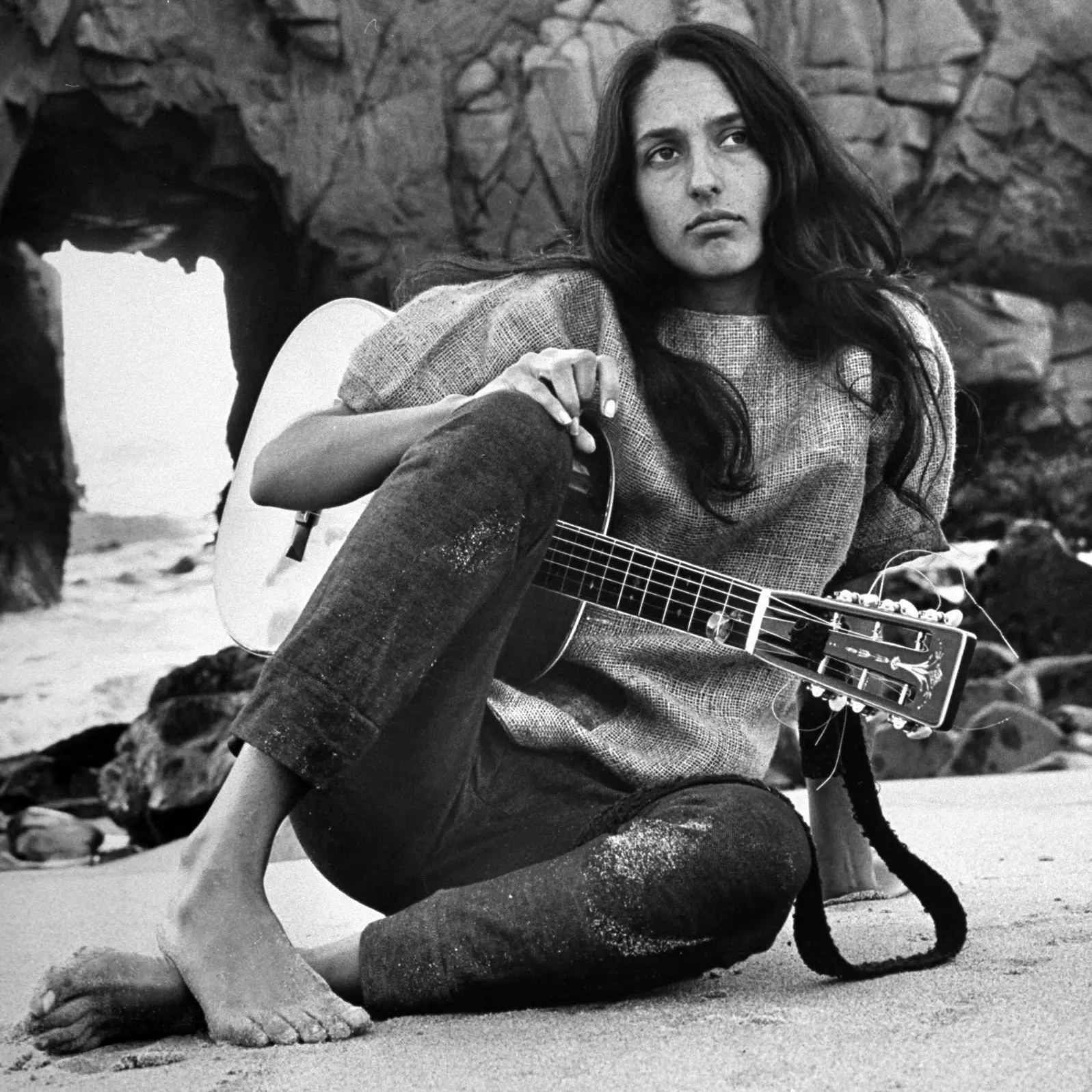
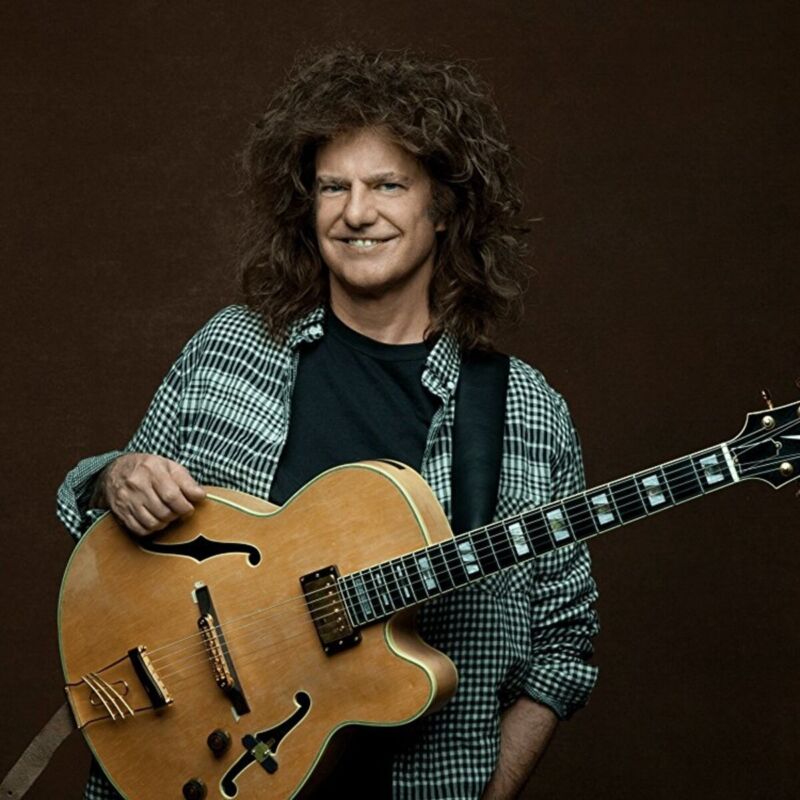
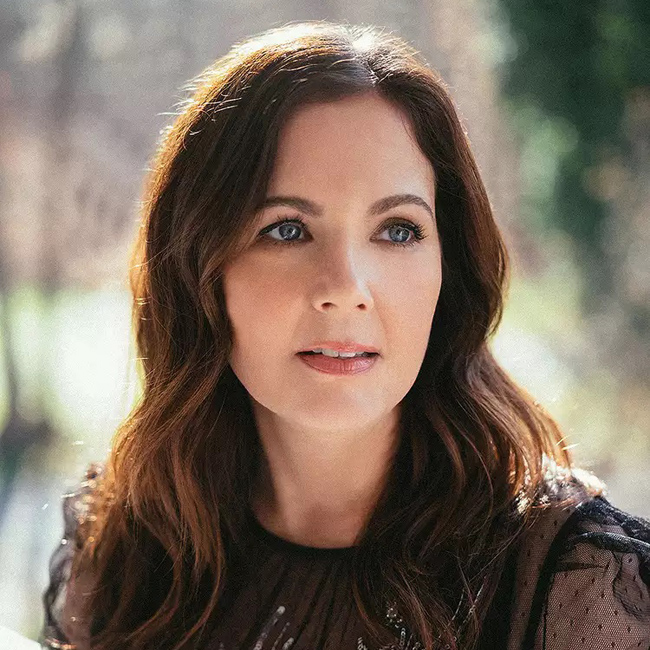
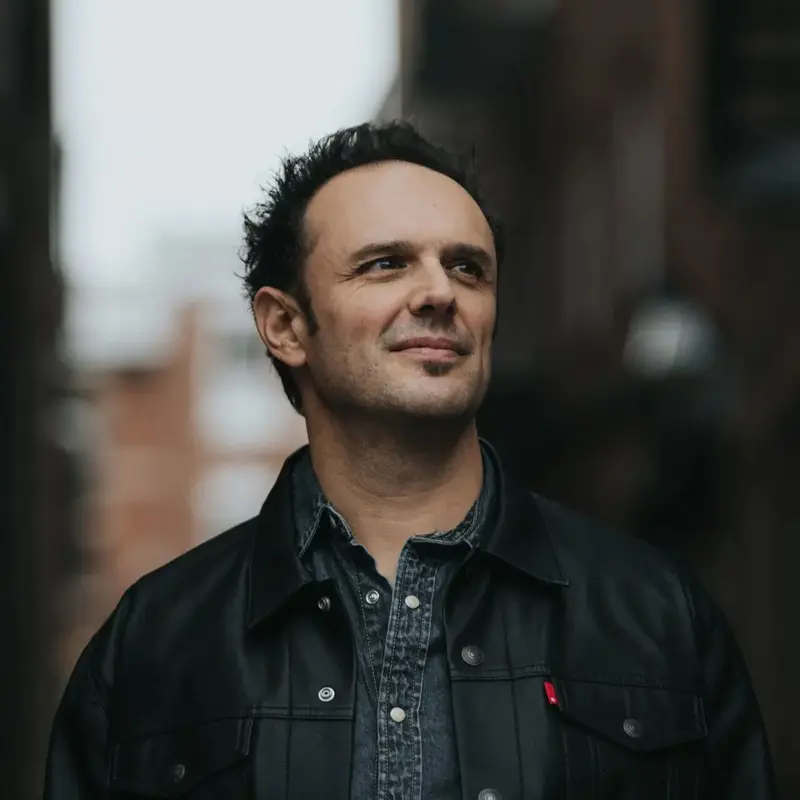
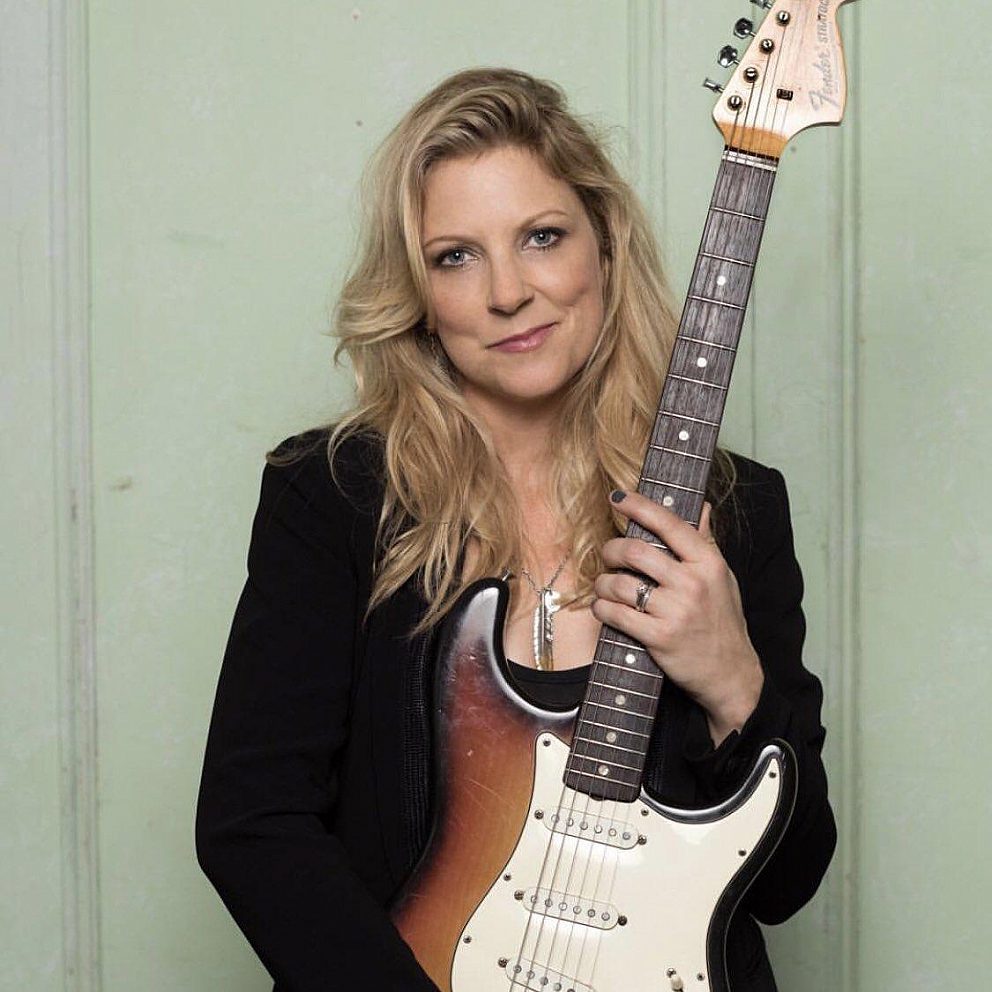
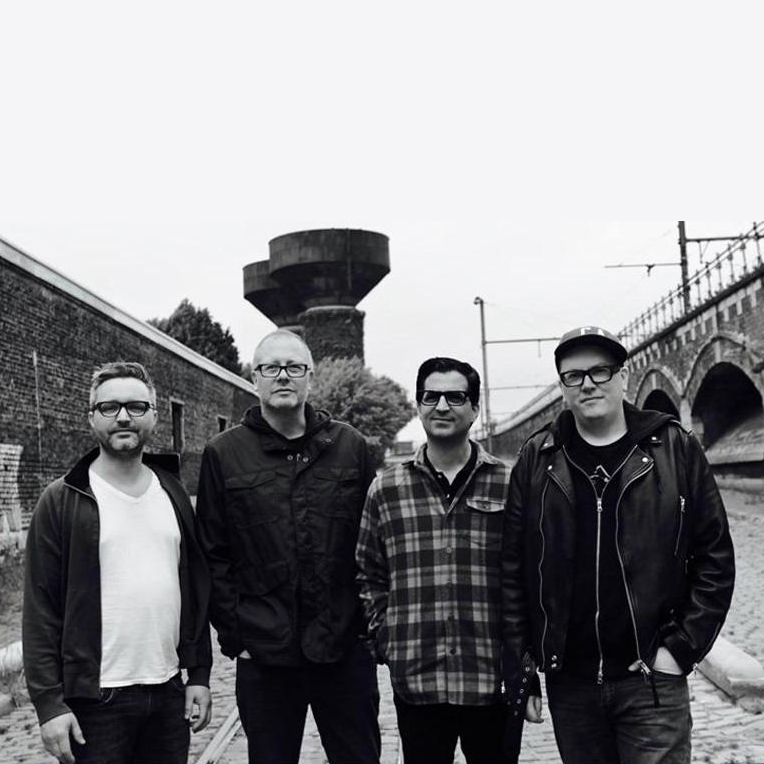
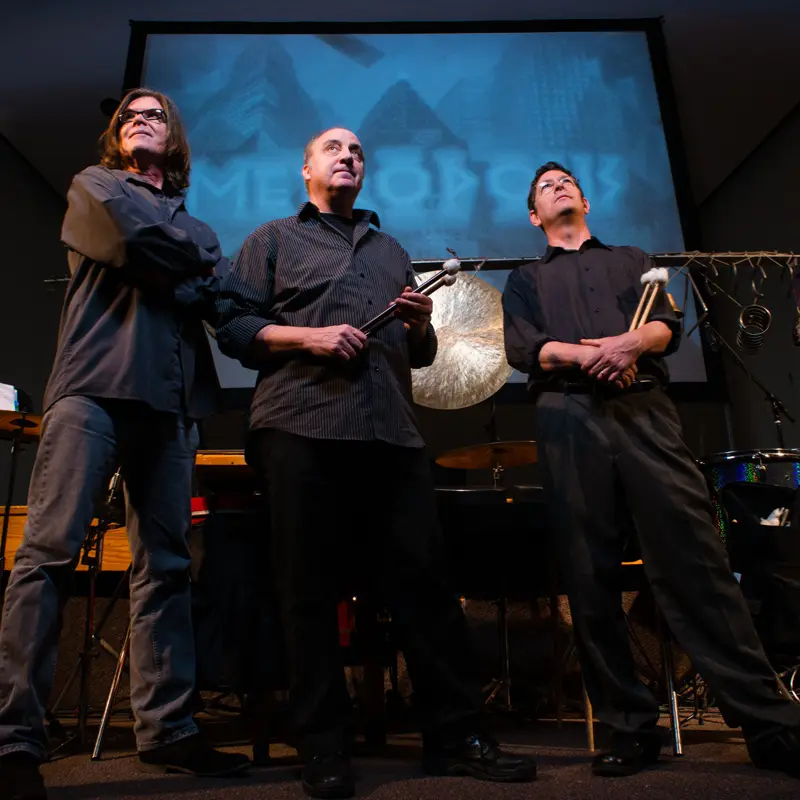
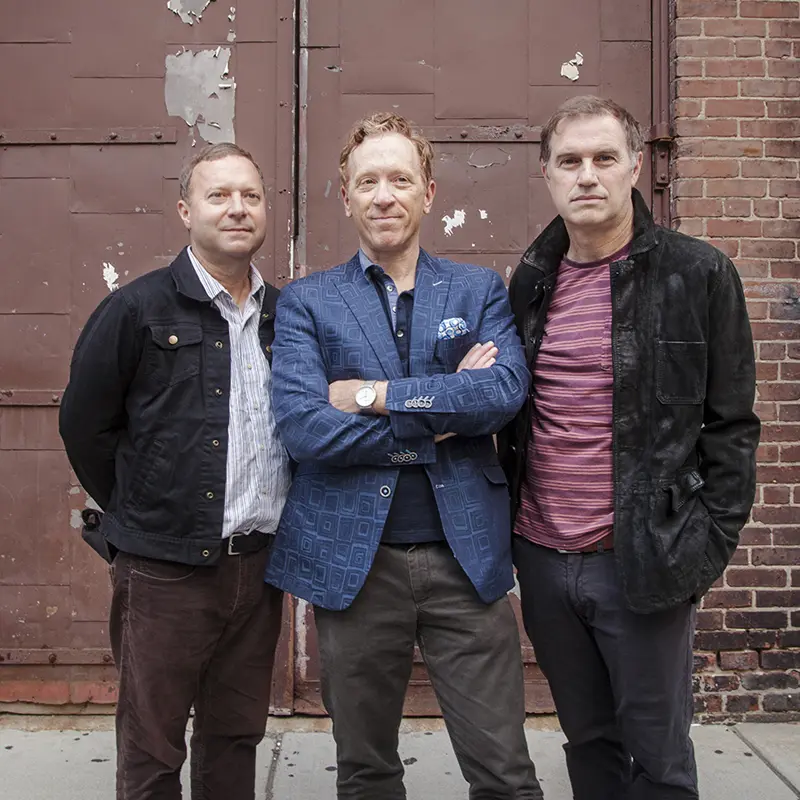
Since the dawn of the 21st century, acts with a direct connection to New England have been a regular part of the roster. The expansive list includes Vance Gilbert, Joan Baez, Pat Metheny, Lori McKenna, Aimee Mann, Tracy Bonham, Dan Zanes, Mark Erelli, Patty Griffin, Susan Tedeschi, The Sheila Devine, Alloy Orchestra, The Neighborhoods, Buffalo Tom, Girls Night Out and Mission of Burma. A multigenred parade of artists from outside the region have taken the stage, from Thomas Dolby, Mary Chapin Capenter, Stephen Stills, Robert Fripp and Nick Lowe to Keb’ Mo’, Todd Rundgren, Youssou N’Dour, Cheap Trick and Rickie Lee Jones. Others include Norah Jones, Hugh Masekela, T-Bone Burnett, Josh Ritter, Bruce Springsteen (who played a two-night stand in February 2003 to benefit the now-defunct DoubleTake magazine) and U2 (who appeared in in March 2009 on their three-city “Three Nights Live!” tour).
COVID CLOSURE, BALLROOM REOPENING, CENTENNIAL CELEBRATION
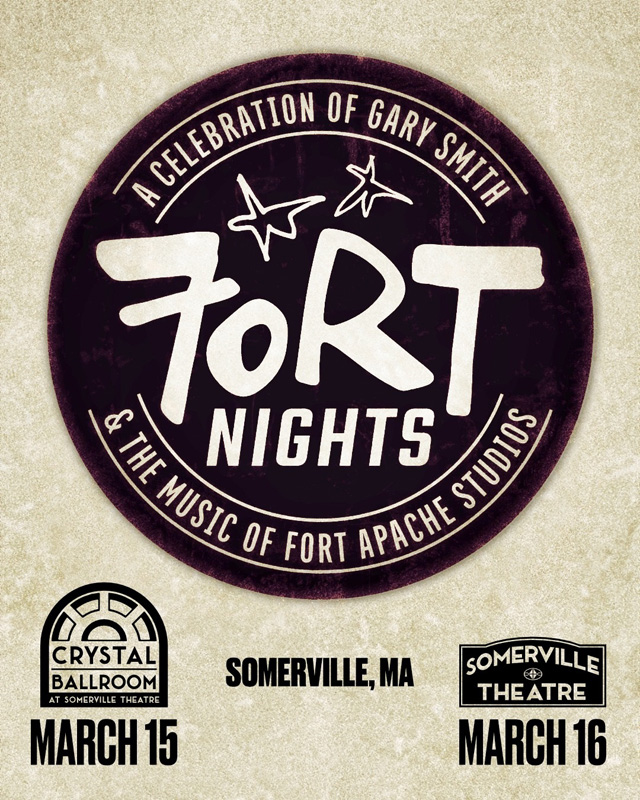
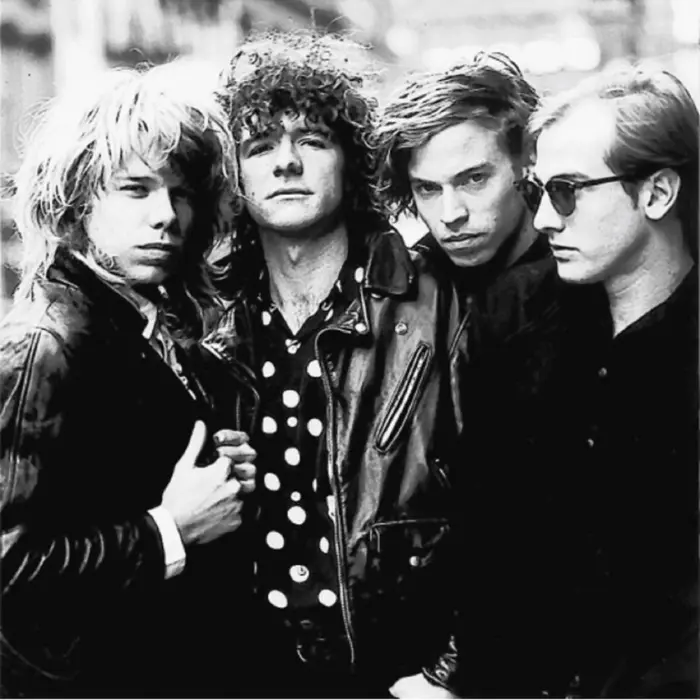
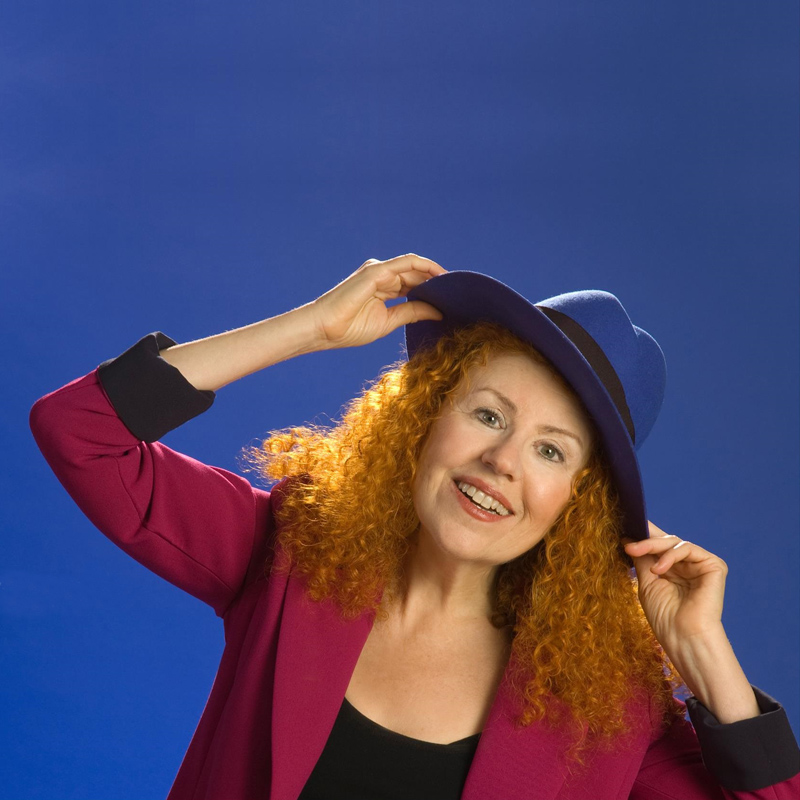
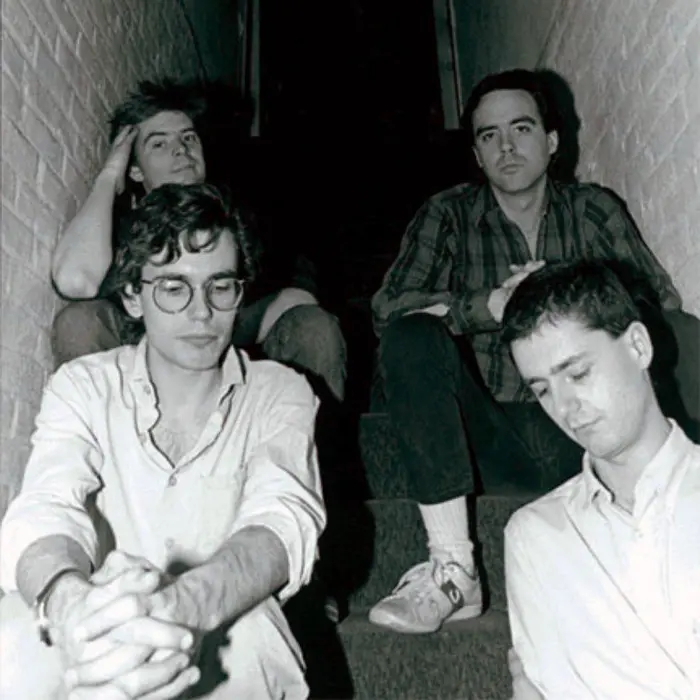
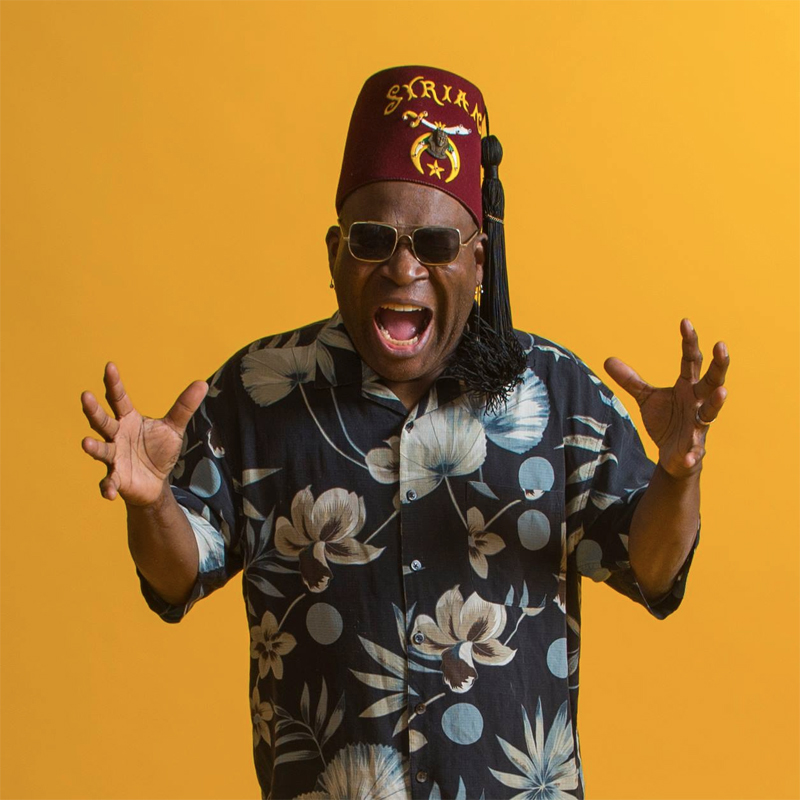
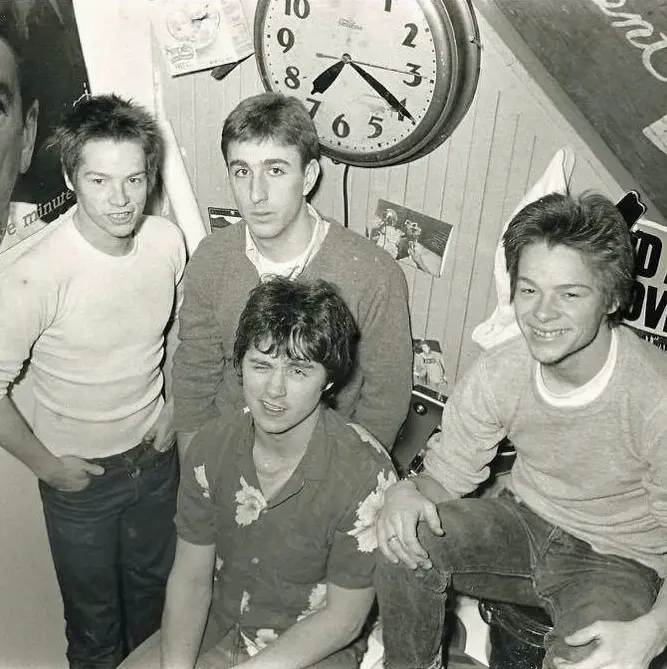
The theatre was closed for 18 months during the Covid-19 pandemic (from mid-March 2020 until mid-September 2021) and the Fraimans used that time to restore the Crystal Ballroom to its original state, removing the four movie screens that had been installed in the preceding decades. The new space, which holds 500 instead of the original 700, opened in October 2021 and has hosted a smorgasbord of notable acts, among them Gang of Four, Pussy Riot, The Dream Syndicate, Revolutionary Snake Ensemble, Barrence Whitfield, The Dogmatics, Session Americana and Bim Skala Bim.
In 2014, to celebrate its 100th birthday, the venue hosted 100 days of movies and special events, including some vaudeville acts. Reflecting on its storied history and various iterations over the century, Chief of Operations Ian Judge said the theatre had mirrored shifts in the Somerville community at large, which allowed it to stay significant for nearly the entire 20th century and into the 21st. “All of the changes we make reflect the community around us, and I think that’s how we’ve remained relevant, remained part of the fabric of Somerville,” he told Jack Adams of The Somerville Times in March 2014. “The city got funkier in the last quarter century, and our programming had to get funky, too. It has to appeal to the lives around here. We’ve always kind of been able to roll with the punches.”
(by D.S. Monahan)