Strand Theatre
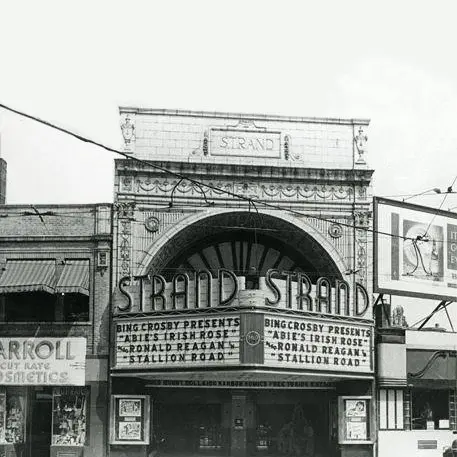
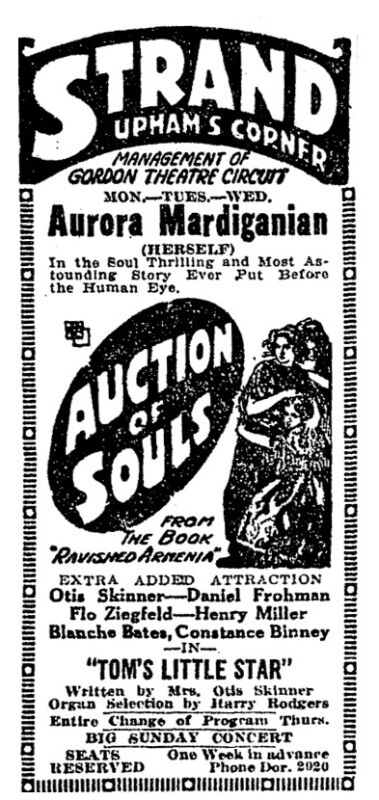
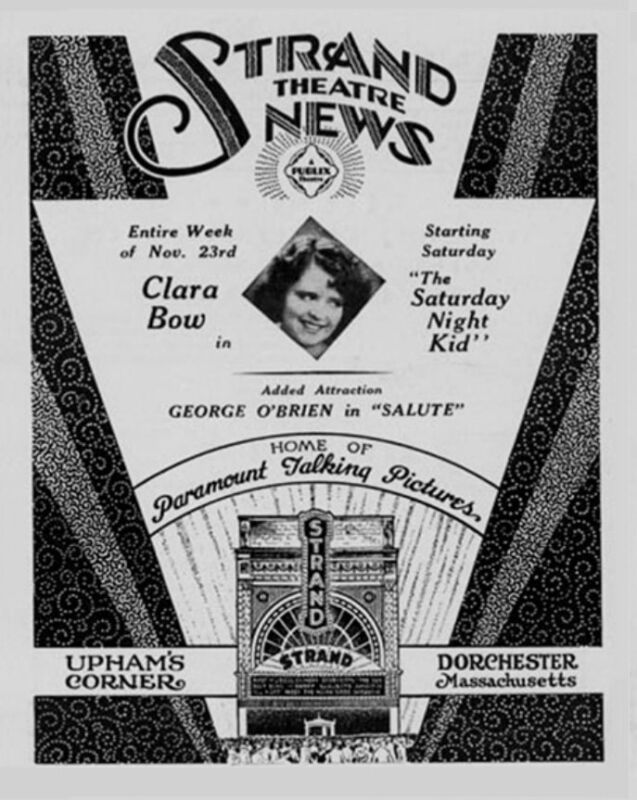
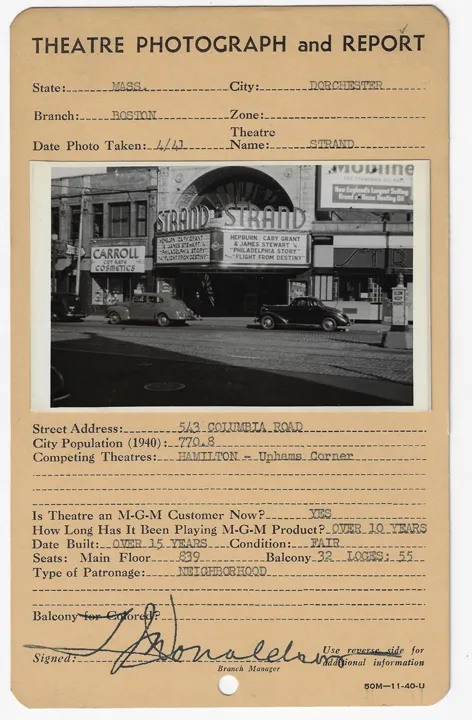
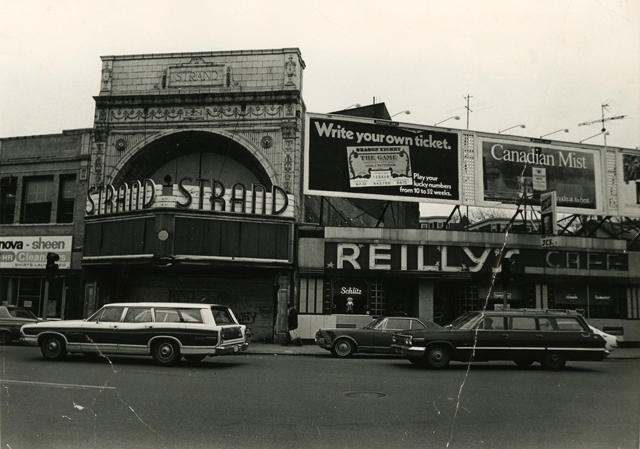
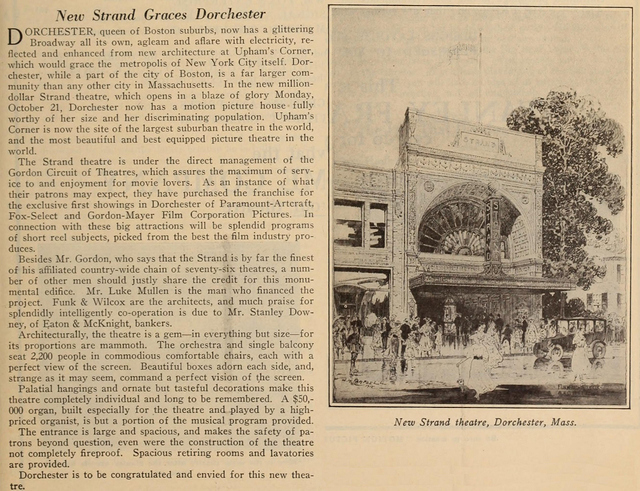
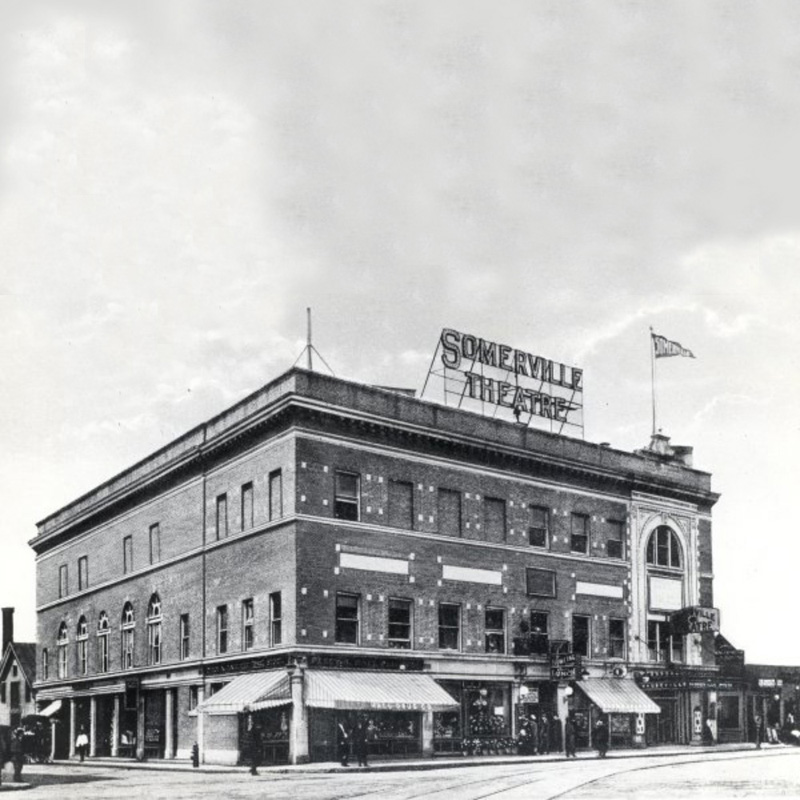
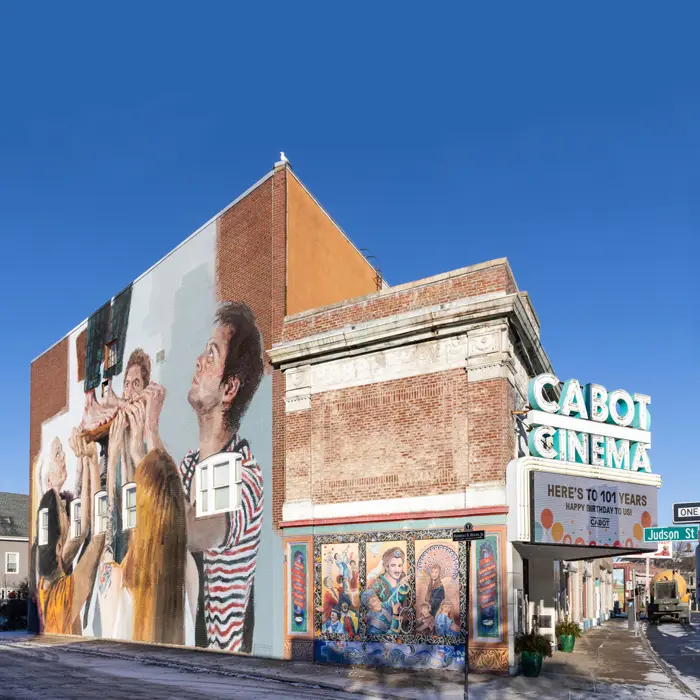
When the Strand Theatre opened on November 11, 1918, The Boston Sunday Post called it “New England’s most beautiful theatre,” declaring it “a lasting monument to an ideal – the ideal of building a great people’s theatre” and noting that the venue sold tickets “at prices so moderate that all the people could easily pay.” Designed by Boston-based Funk and Wilcox, the architectural firm behind Somerville Theatre in Davis Square and The Cabot in Beverly, its original owner was entertainment mogul Nathan H. Gordon, who had 75 other so-called “movie palaces” under his umbrella.
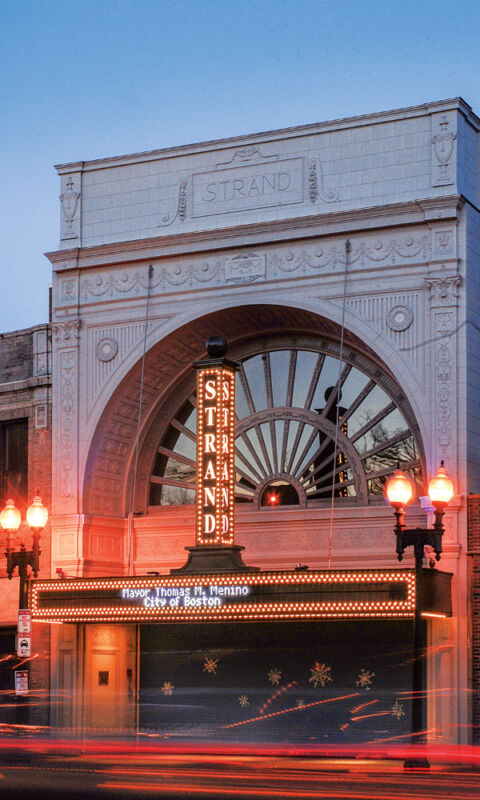
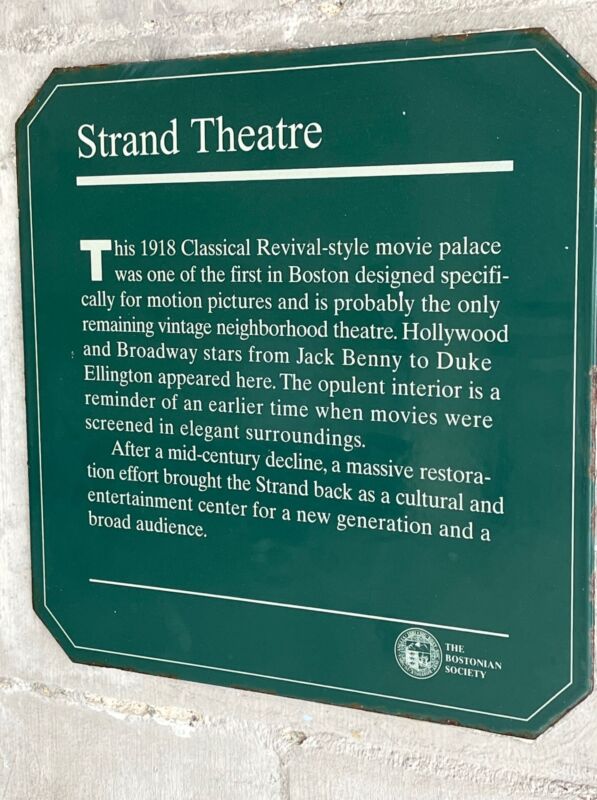
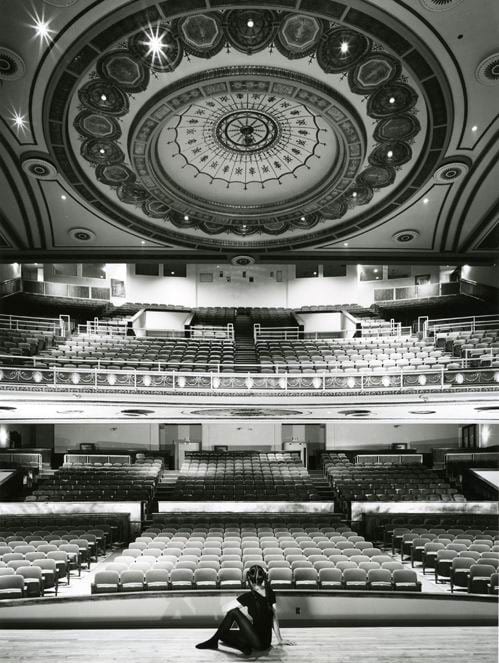
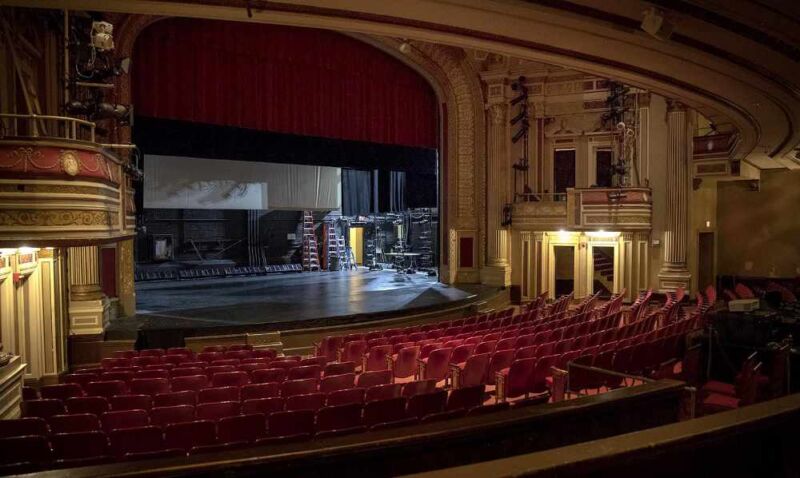
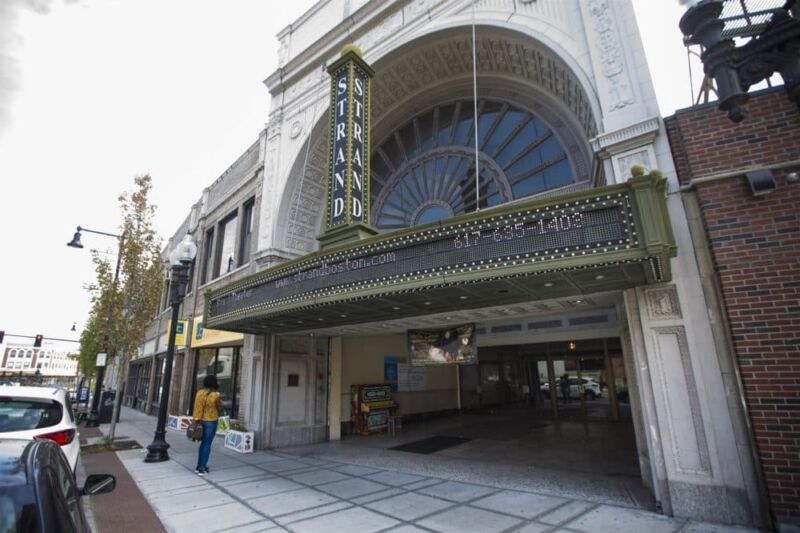
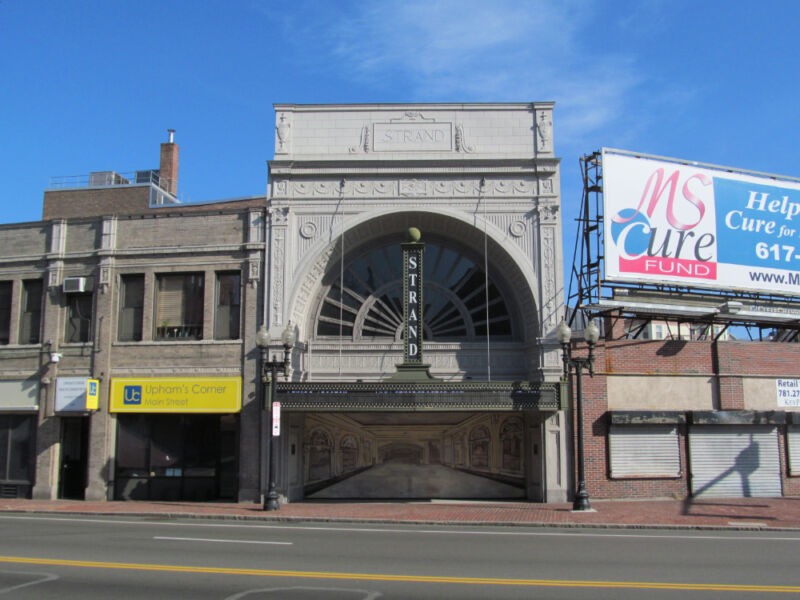
The building remains as majestic now as it was over 100 years ago, with “Corinthian columns, ornate boxes adorning the auditorium and a triumphal arch and a parapet proclaiming the theater’s name,” as a profile in Boston magazine once described it. In February 2003, the Bostonian Society recognized the theatre’s cultural significance with an historical marker.
IDENTITY CRISIS, “PAY WHAT YOU CAN” POLICY
Its historical significance aside, however, if you were to ask just about anybody who lives within the city of Boston about the Strand, the response will likely be the same across the board: “Why does it feel like nothing’s ever going on there?” The answer to that may not be as complicated as it may seem, because the venue seems to suffer from a case of identity crisis. Why? Because for all its splendor and beauty, once you get inside you may feel like you’re in any standard theater anywhere in the world. The surprise comes when you walk out the door and find yourself in Dorchester’s Uphams Corner, arguably Boston’s most diverse neighborhood.
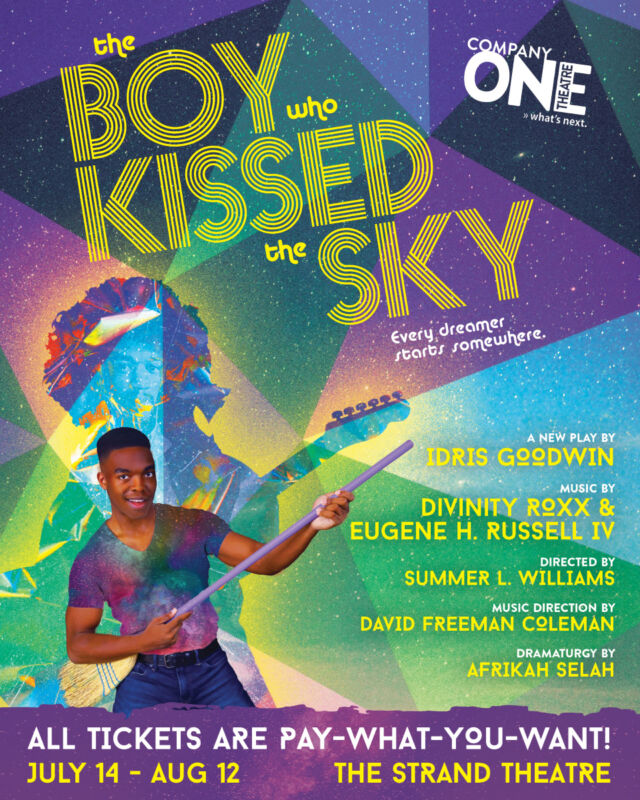
In fact, the 1,536-seat Strand hosts performances nearly every weekend of the year, though some of them draw only about 300 people and there’s still a “pay what you can” arrangement with patrons. How does the theatre maintain allegiance to its Cape Verdean, Latino and African-American neighborhood while presenting entertainment that attracts folks from far outside the area? That’s been a struggle for the Strand for several decades, and it’s the main issue that prevents the theatre from selling out on a regular basis.
NOTABLE CONCERTS, OTHER EVENTS, RENOVATIONS
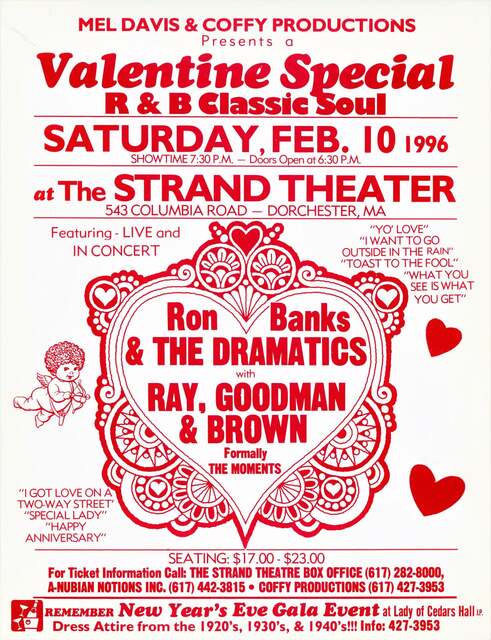
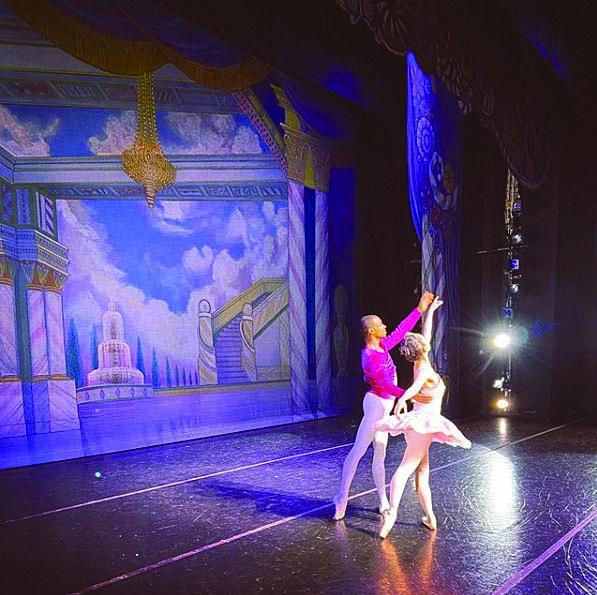
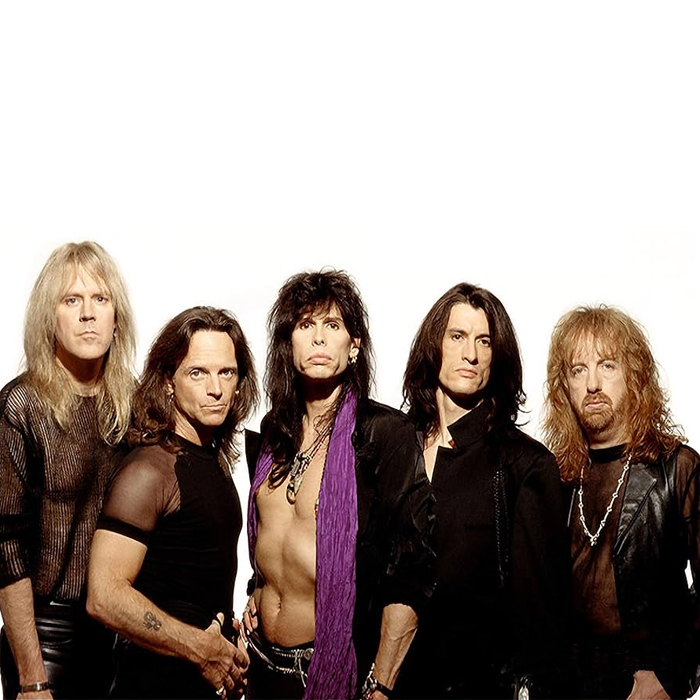
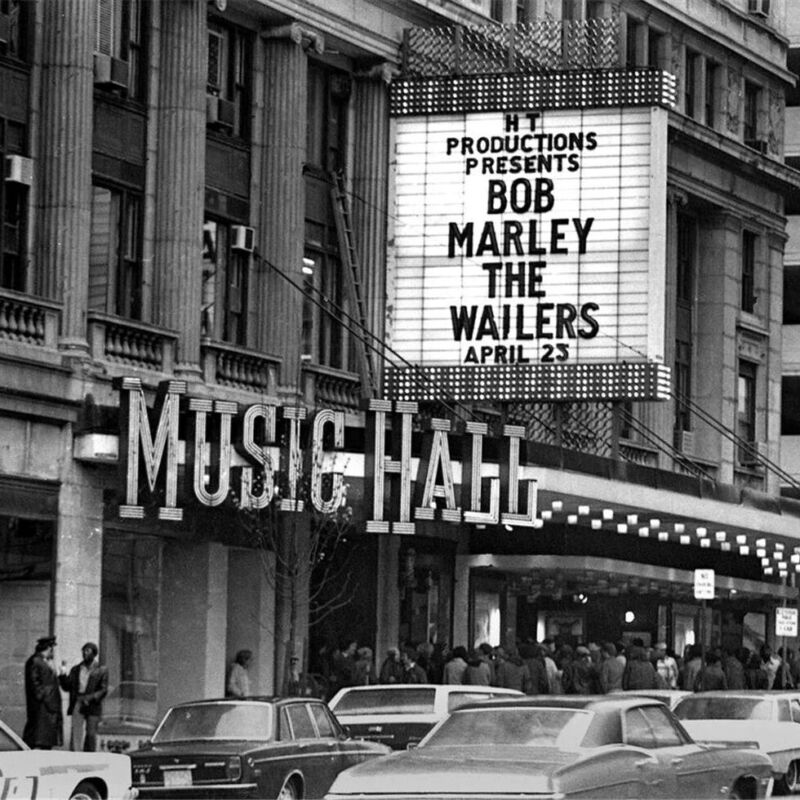
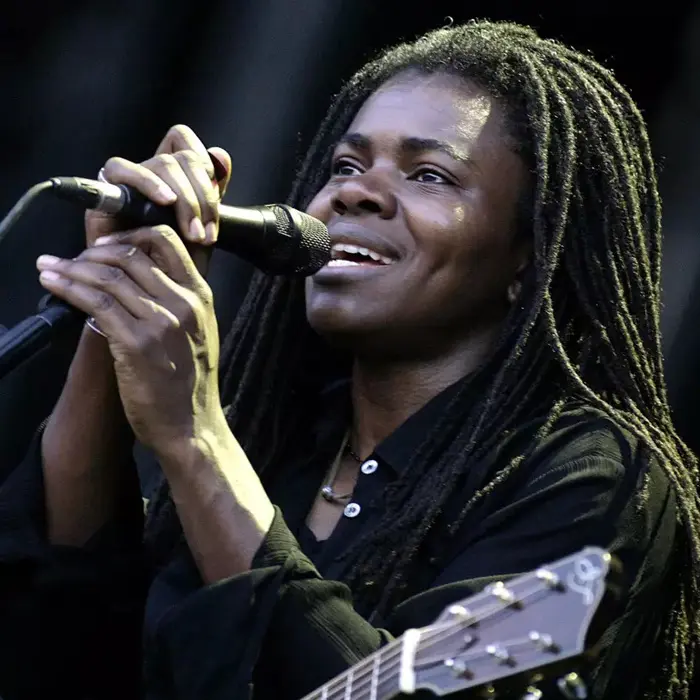
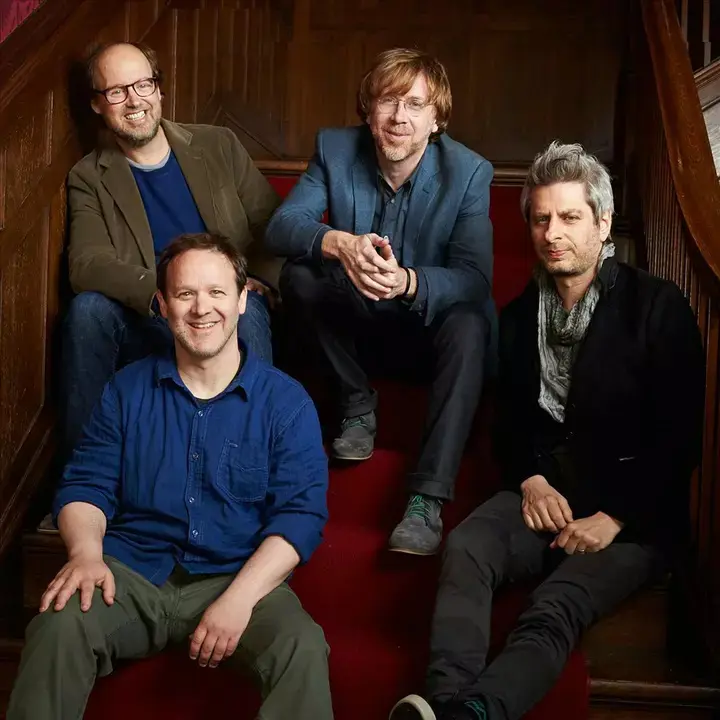
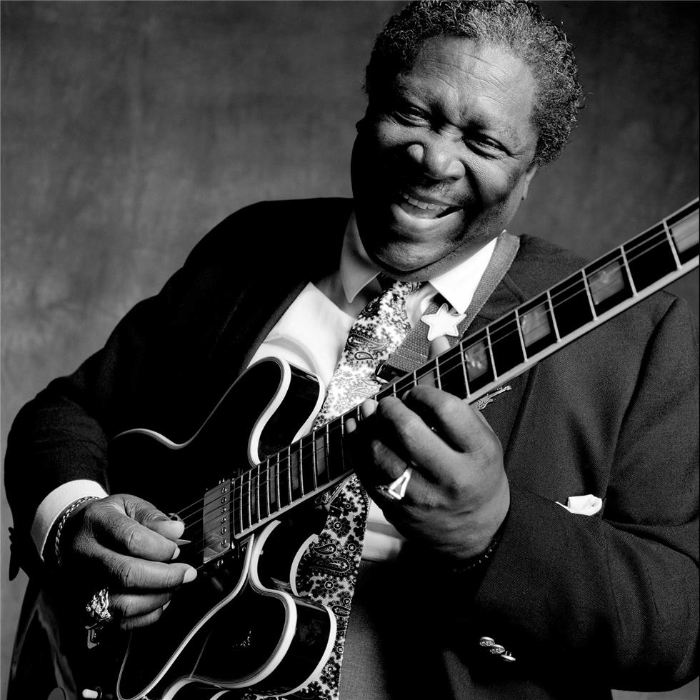
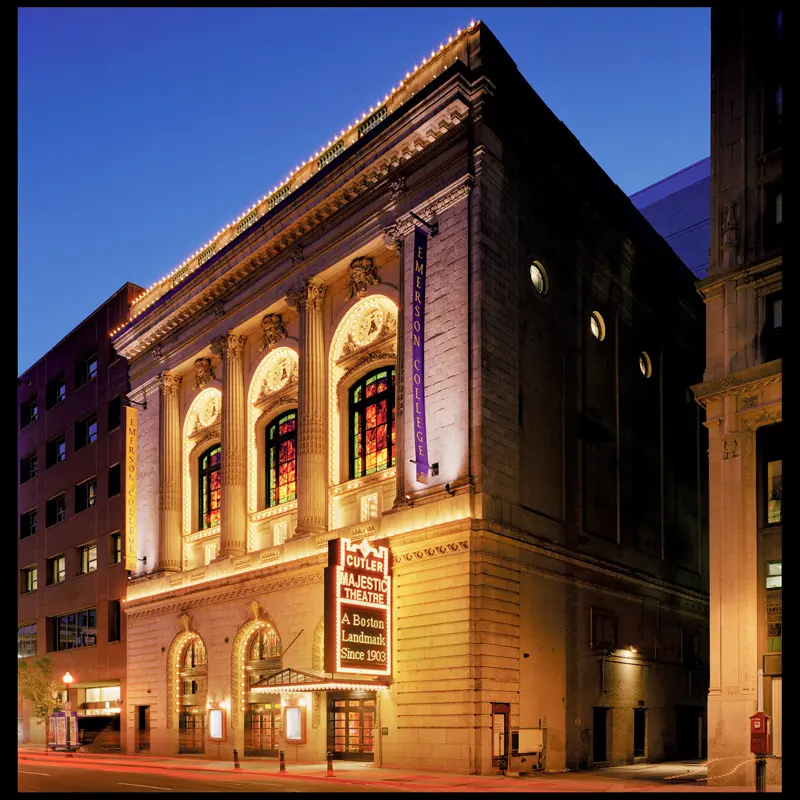
Despite all the highs and lows that the Strand has seen over the years, it’s hosted some of the biggest local acts and several well-established national ones including The Joe Perry Project, Tracy Chapman, LL Cool J, Phish and B.B. King. Much like Cutler Majestic Theatre and Wang Theatre at Boch Center, it’s presented a wide assortment of musical and other events outside of rock, folk and blues such as the Boston Ballet, the Boston Choral Chamber and the Urban Nutcracker, in addition to plays and other theatrical performances.
The owners have invested over $20 million in renovations since 2010, making the theatre one of the area’s most visually stunning. One can only hope that whoever steers the ship of this gorgeous venue in the future will utilize it for the enjoyment of all those in the Boston area while never forgetting its roots in Uphams Corner. When it comes to neighborhood venues that have served up a feast of world-class entertainment on a grand scale, few have come close to the Strand and even fewer have a 100-plus-year legacy. That said, many think that the theatre could do much more than it has in the past – and they all hope it will.
(by Edwin Sumpter)