The Neighborhoods
The Neighborhoods
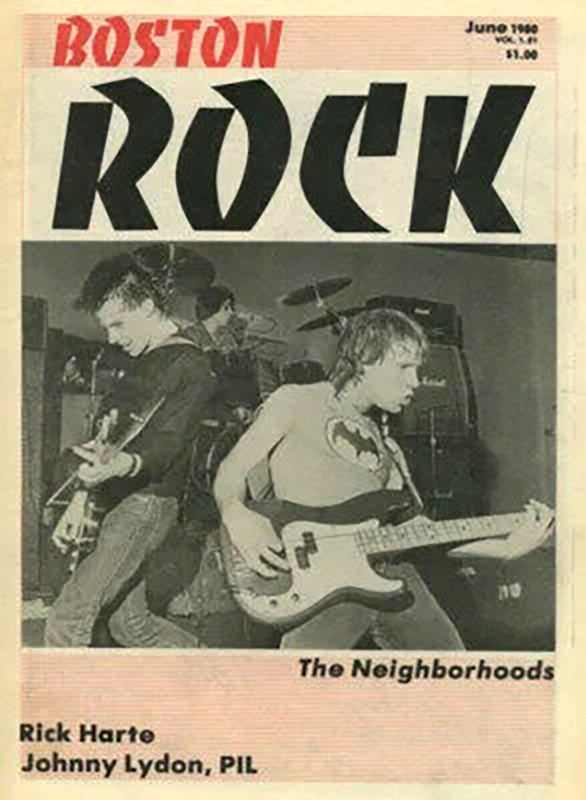
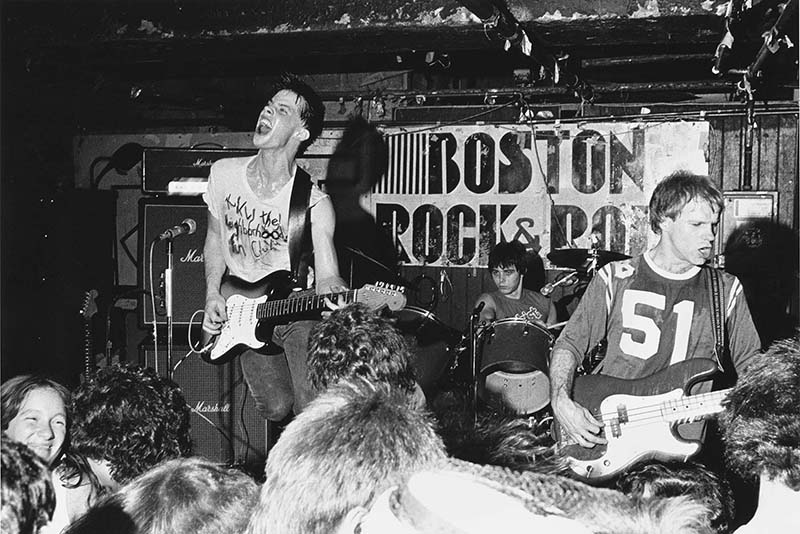
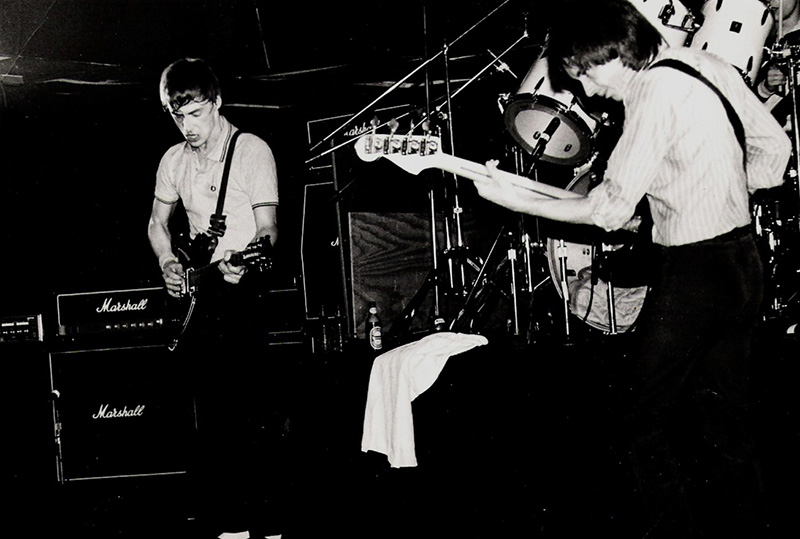
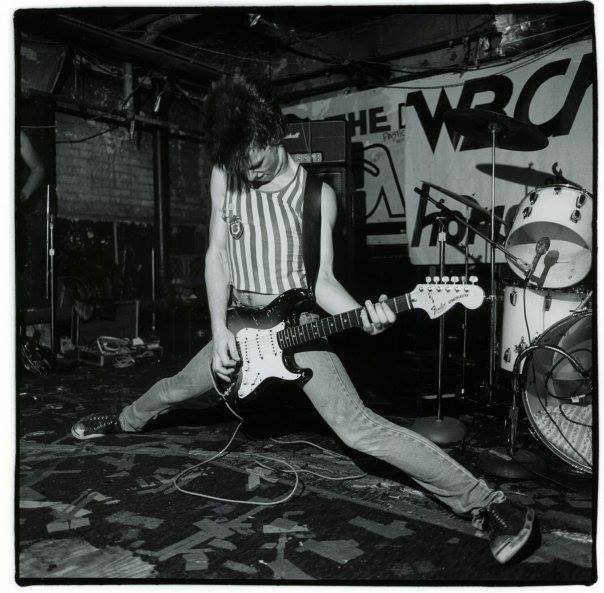
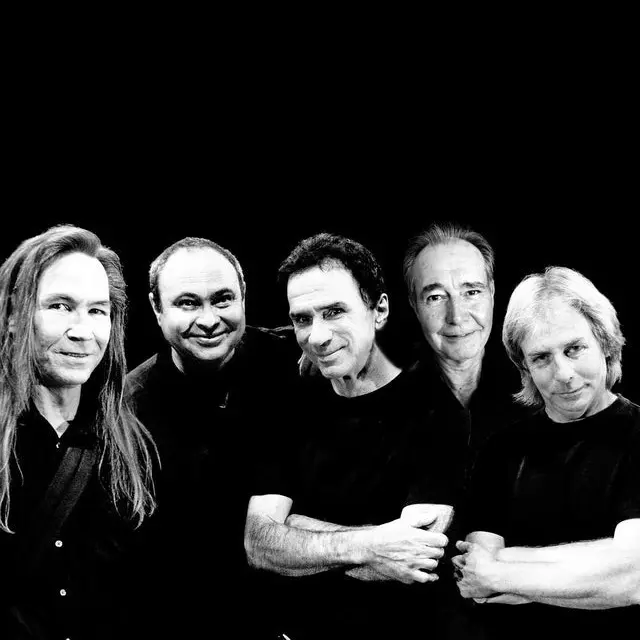
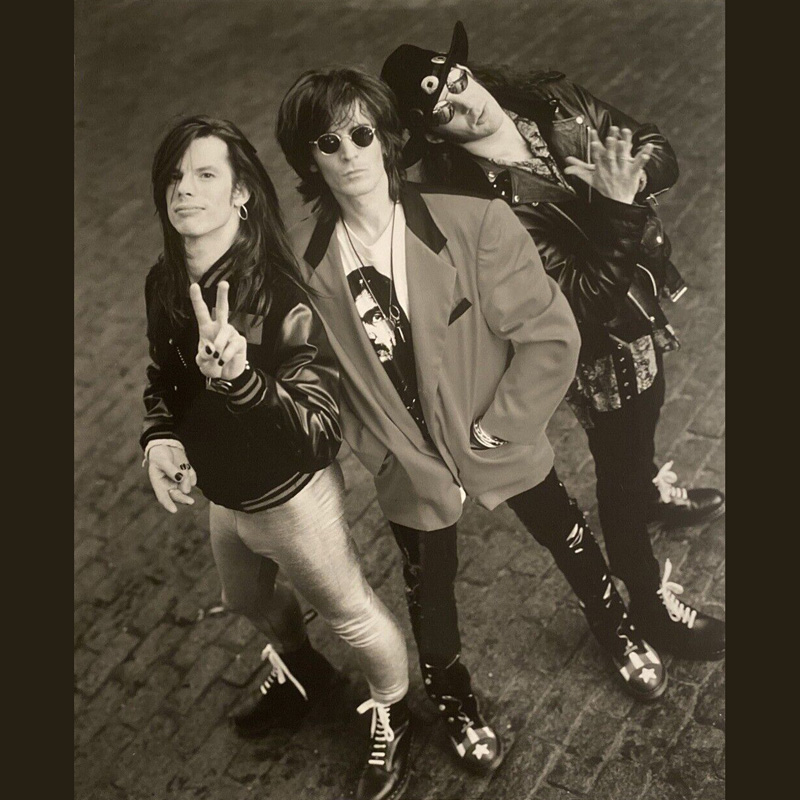
For those unfamiliar with the unfettered ferocity of The Neighborhoods’ hyped-up hybrid sound, imagine this: the infectious melodic dissonance of early material by The Who and The Jam mixed with the unhinged aggression of early punks like Dead Boys and Stiff Little Fingers and the cocksure swagger of classic rockers like Cheap Trick and Thin Lizzy. An unrelentingly raucous live act whose studio work showcased their unbridled intensity, the band is widely known as one of the most original and dynamic groups in the history of Boston rock.
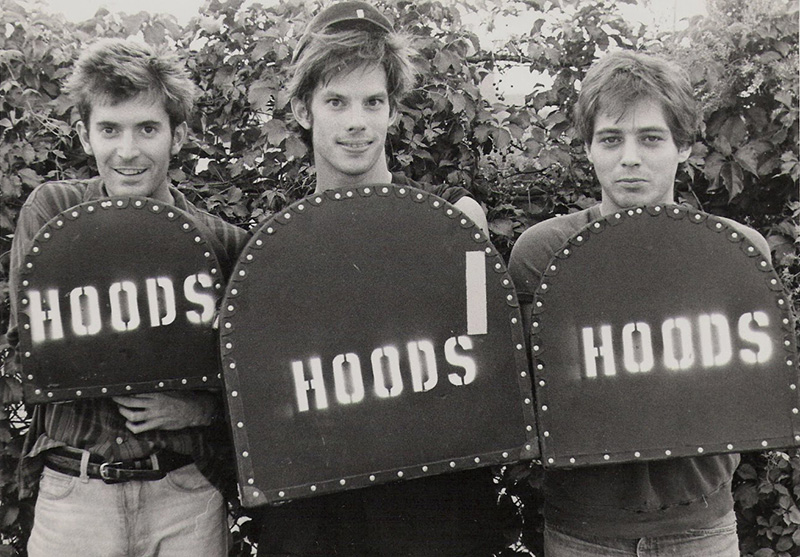
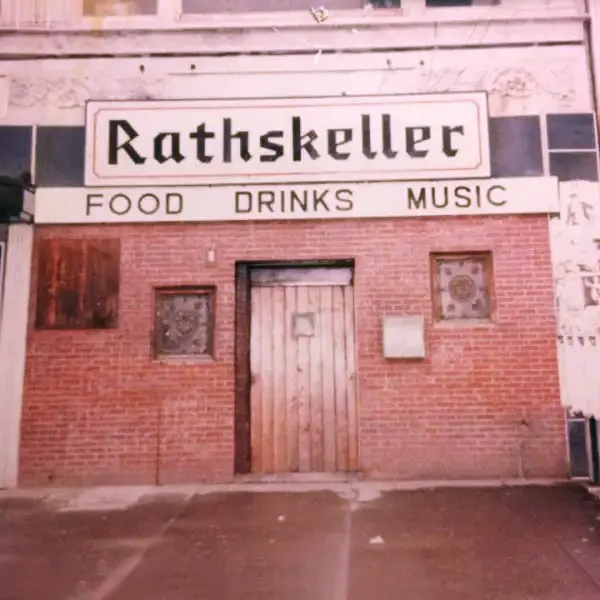
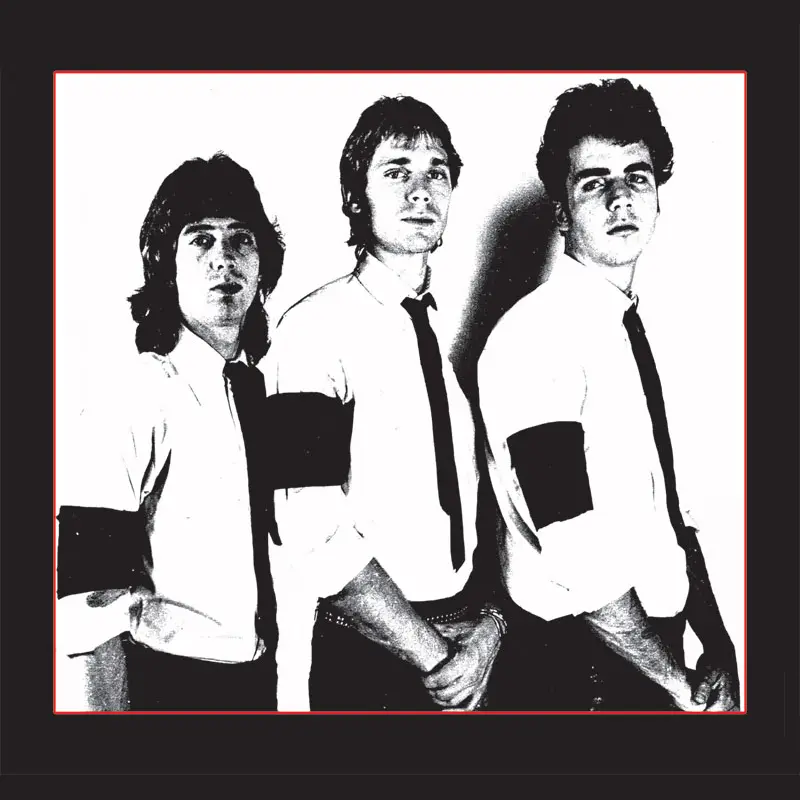
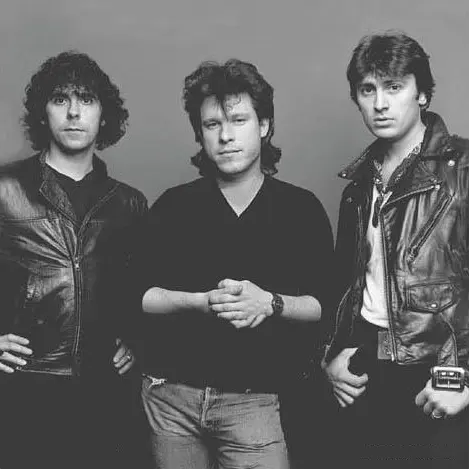
A punk-influenced power trio with a garage-rock vibe, “the Hoods,” as they were known, incorporated complex chord structures, unexpected acoustical twists, poetic lyrics and an unpretentious intellectualism into their meticulously crafted songs to become favorite sons across New England and the greater Northeast. After winning WBCN’s debut Rock ‘n’ Roll Rumble in 1979, held at The Rathskeller (”the Rat”) – beating out La Peste, Lyres, Classic Ruins, Mission of Burma and others – they cut one EP and four LPs between 1984 and 1992, followed by a live disc in 2010 (from a Rathskeller gig) and a fifth studio album in 2019.
FORMATION, INFLUENCES, “PRETTIEST GIRL”
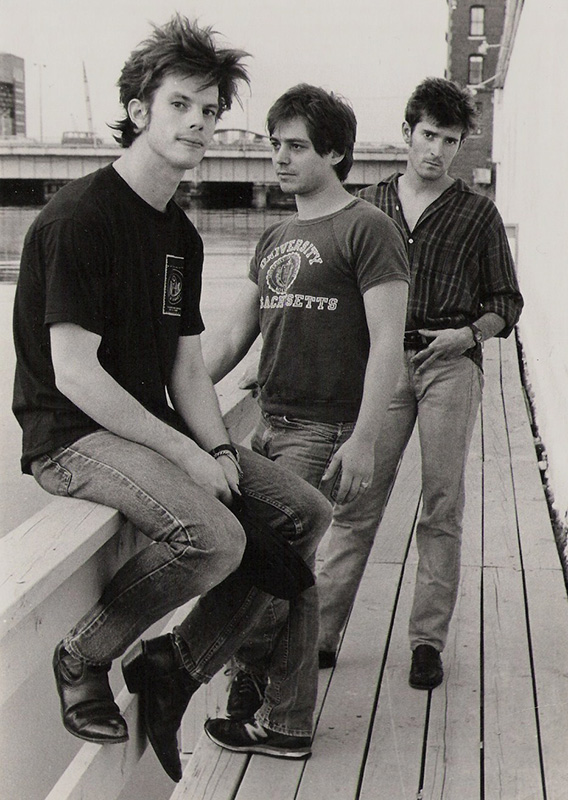
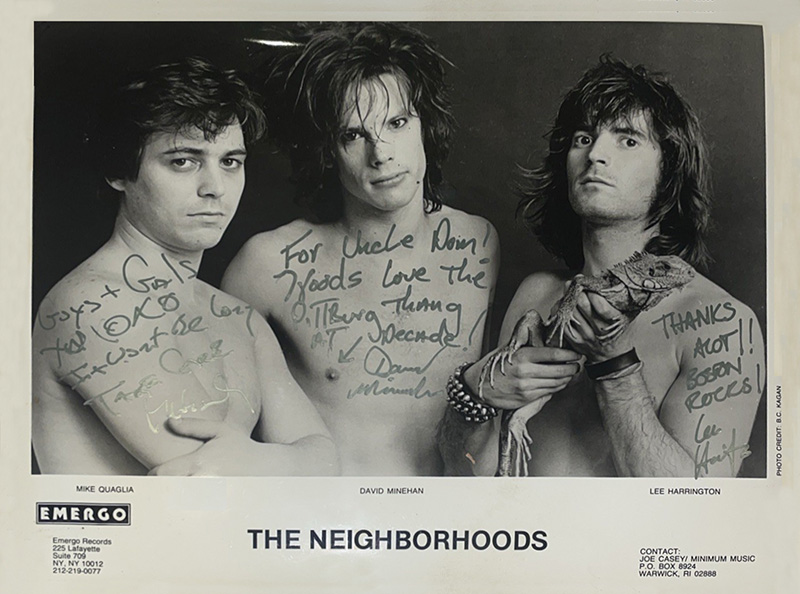
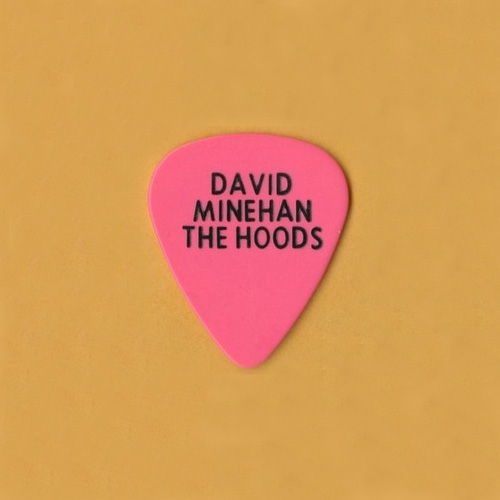
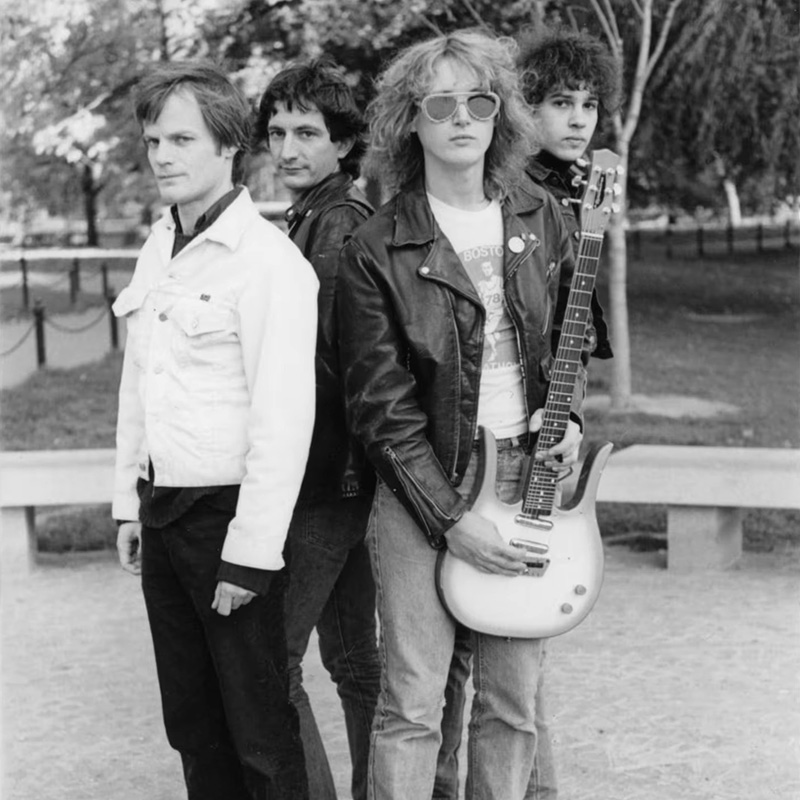
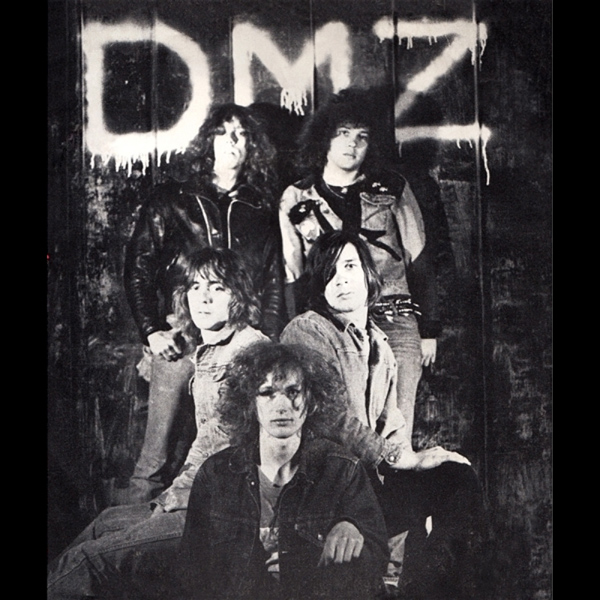
The band formed in 1978 in suburban Boston with the original lineup of 17-year-old guitarist David Minehan, 19-year-old bassist Jim Bowman and 16-year-old drummer Mike “Careful” Quaglia (so nicknamed for the way he maintained a metronomically precise beat). Minehan, the group’s chief songwriter, had played in a cover band – “very glam-rock oriented, Bowie and Bolan,” he’s said – and on his and Quaglia’s first trip into Boston together they saw DMZ, their favorite Boston band, at the Rat.
Minehan has said the most influential album of his teen years as Iggy Pop’s TV Eye Live (1977) since “everything was just so scary and intense.” He’s called Cheap Trick a “gateway band” to his punk sensibilities because they were “kind of left of center” and has said that The Ramones’ basic three-chord model led to his first songwriting attempts. Minehan cites his second-favorite Boston band of the late ‘70s as Nervous Eaters since they had “attitude galore.”
Before winning the Rumble in July ‘79, the Hoods had made something of a name for themselves by playing at colleges and universities throughout New England and at popular venues like The Space and the Paradise Rock Club in Boston. Their Rumble victory sent their popularity to new heights, of course, and in 1980 the band signed with Boston-based Ace of Hearts Records. Their first single, “Prettiest Girl” (b/w “No Place Like Home”), became a local hit and sold over 10,000 copies – an extraordinary achievement for a new band on an indie label – and that led to their debut show that year at The Living Room in Providence, where they appeared almost as often as they did at the Rat over the next several years.
THE HIGH HARD ONE, REPTILE MEN, NOTABLE OPENING SPOTS, HOODWINKED
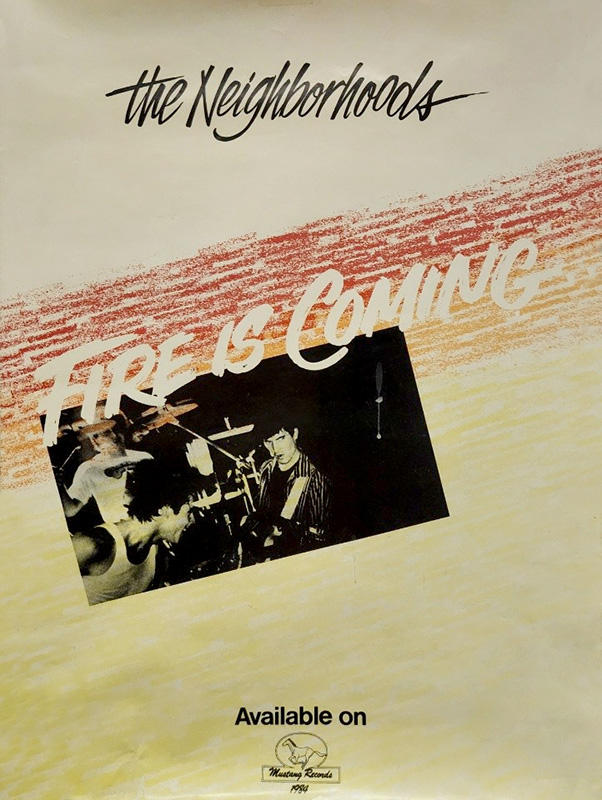
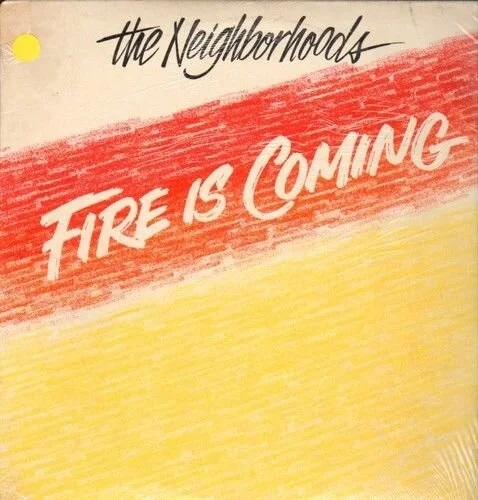
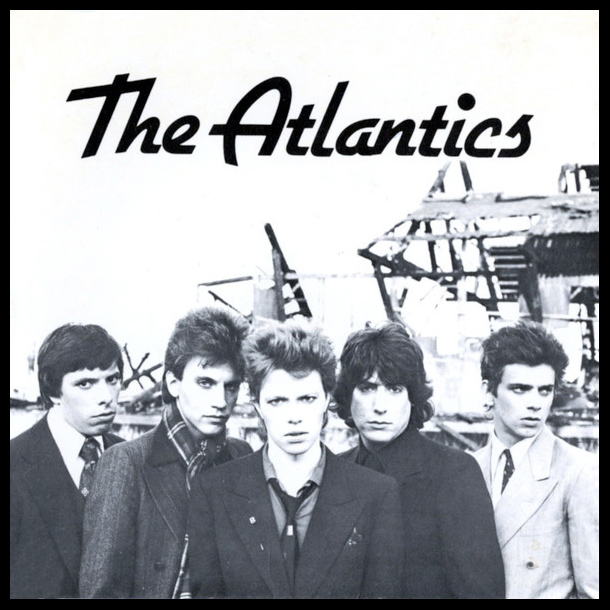
In 1982, after splitting up from mid-1980 through 1981, the Hoods reformed (with bassist Lee Harrington replacing Bowman) and spent the next two years gigging at area venues like The Channel while watching local contemporaries like Nervous Eaters, Jon Butcher Axis and The Atlantics land deals with major labels and gain traction nationwide. Their own time in the national spotlight began after Mustang Records released their 12″ EP Fire Is Coming in 1984; the disc caught the ear of execs at Enigma Records, which issued the band’s first full album, 1986’s The High Hard One, on Enigma sublabel Restless. The Hoods recorded their highly acclaimed sophomore LP, Reptile Men, at Presence Sound in Connecticut and Normandy Sound in Warren, Rhode Island and Emergo Records released it in 1987.
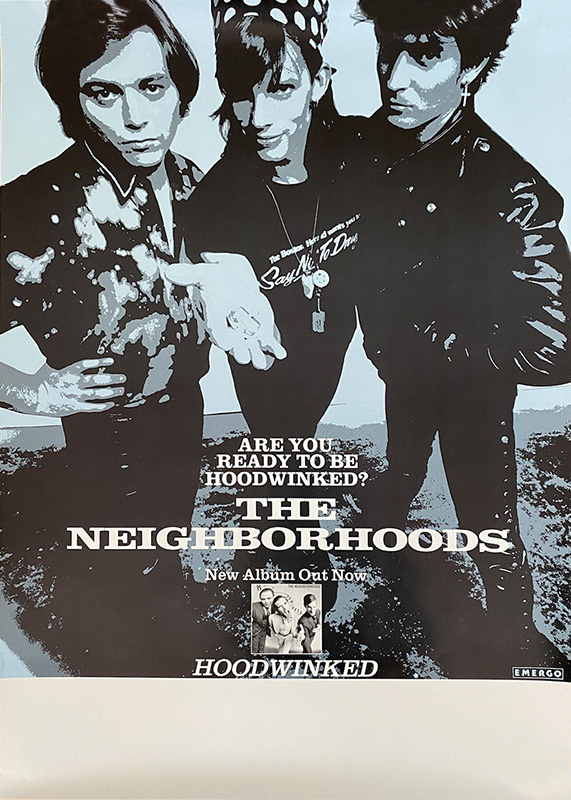
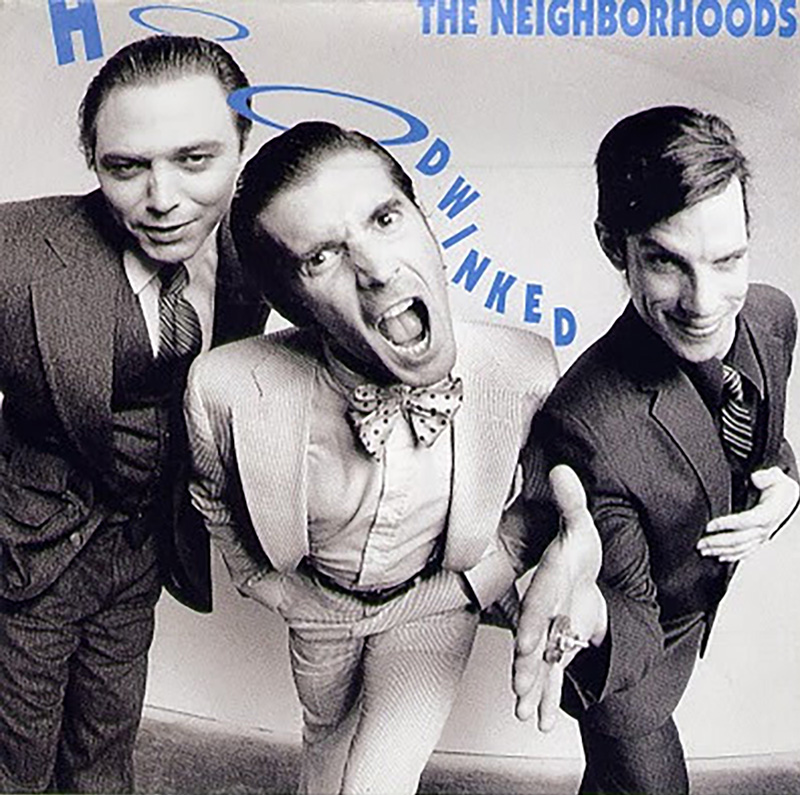
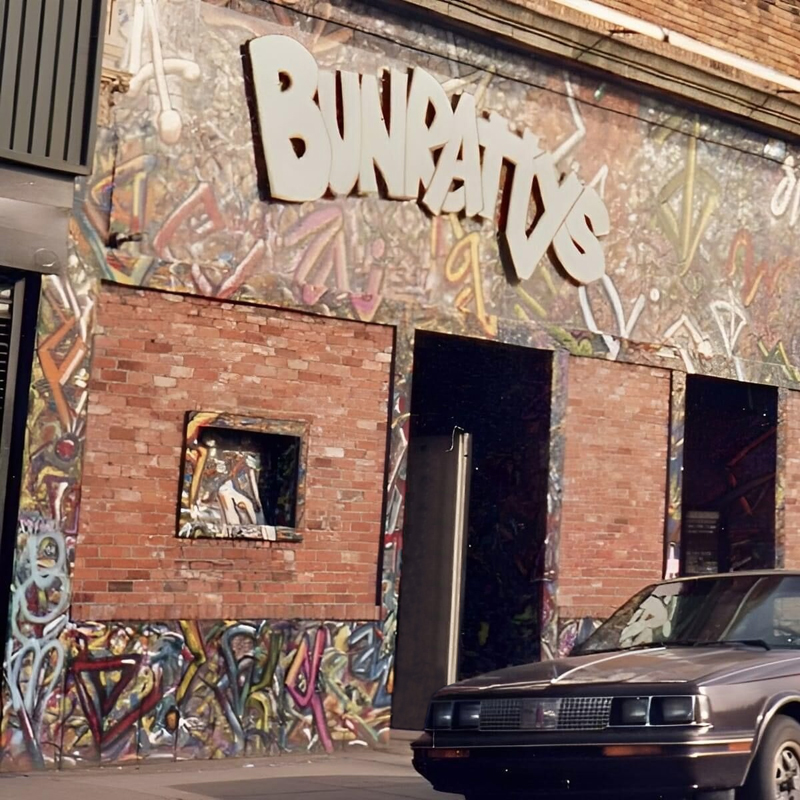
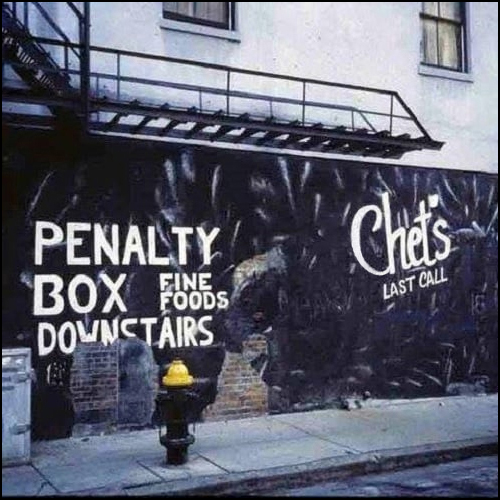
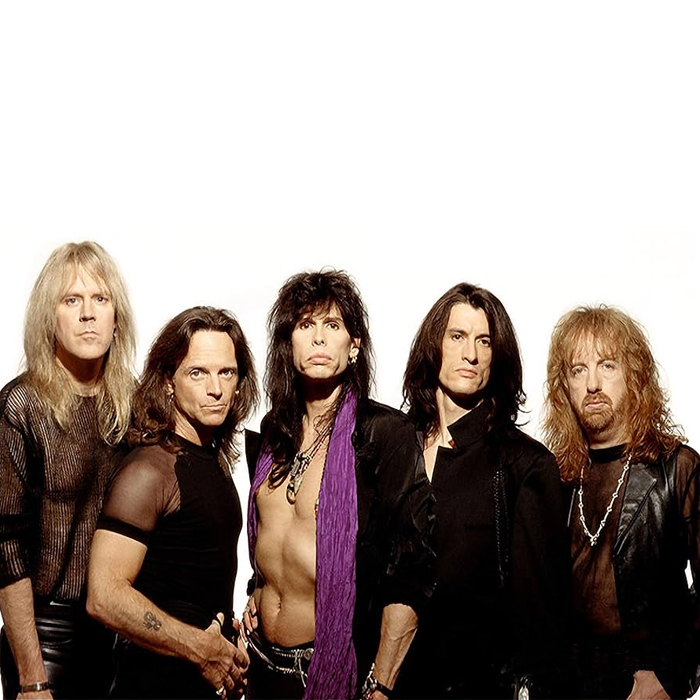
Between then and 1990, they lived the dream of virtually every rock group on the planet, playing north of 200 shows a year. They opened for David Bowie in front of over 60,000 fans at Sullivan Stadium in Foxborough, Massachusetts in 1987, then crisscrossed the US opening for The Ramones in 1988 while headlining across New England at venues like Bunratty’s and Chet’s Last Call in Boston and Toad’s Place in New Haven. The band toured North America with Bowie and Tin Machine in ‘89 and recorded their third album, Hoodwinked, produced by Aerosmith’s Brad Whitford and released by Emergo. In 1990, they hit the road again as the opener for Cheap Trick.
THE LAST RAT, BMA HALL OF FAME, LAST KNOWN ADDRESS, REUNIONS
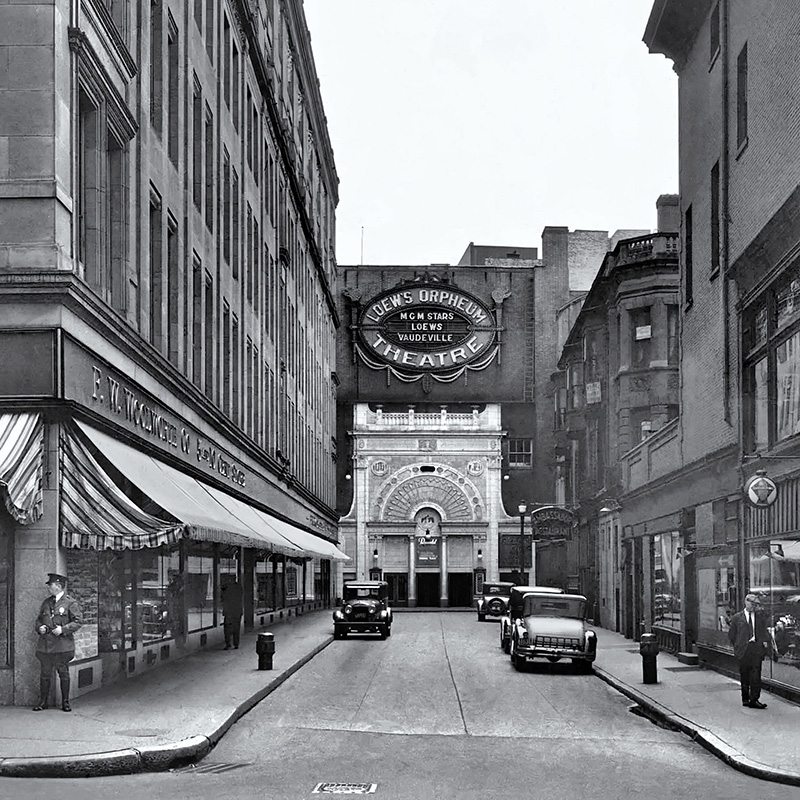
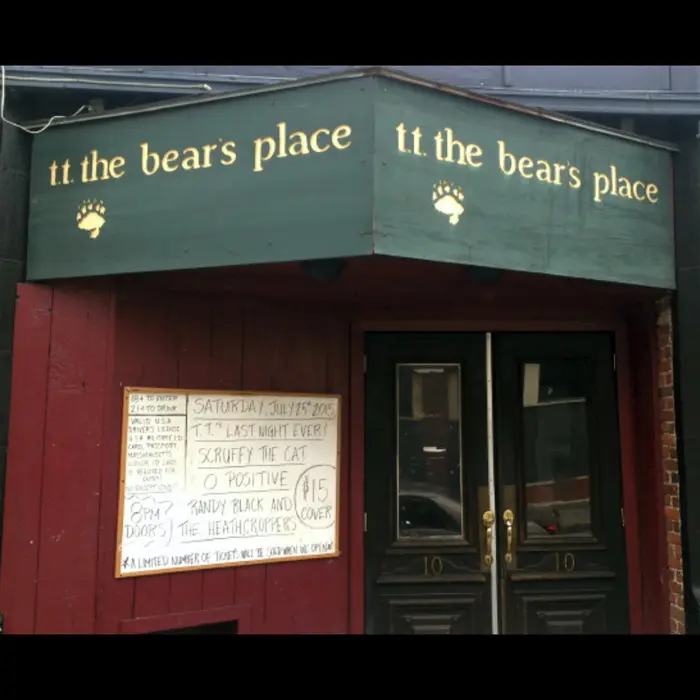
In 1991, when the Hoods debuted at the Orpheum Theatre in Boston with Tin Machine, the band signed with Atlantic-distributed label Third Stone and cut a self-titled fourth LP, also produced by Whitford but with a new lineup featuring Carl Coletti replacing Quaglia on drums and a second guitarist, Dan Batel. The Hoods spent the next year gigging throughout the Northeast including Massachusetts shows at T.T. the Bear’s Place in Cambridge, the Beat Club in Danvers, Twilight Zone in Mendon, Club 3 in Somerville and Cape Cod Melody Tent in Hyannis.
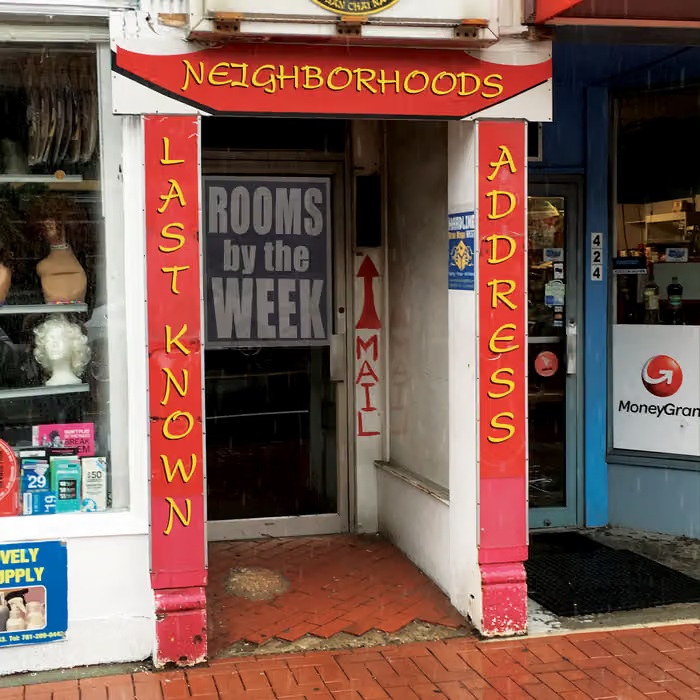
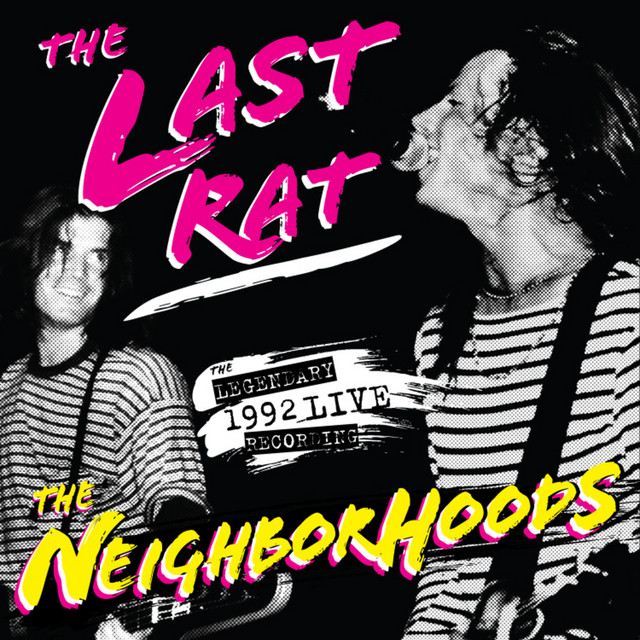
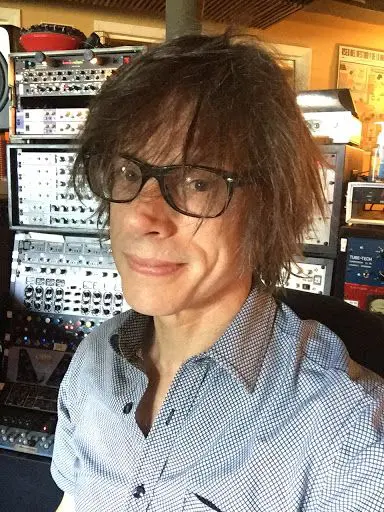
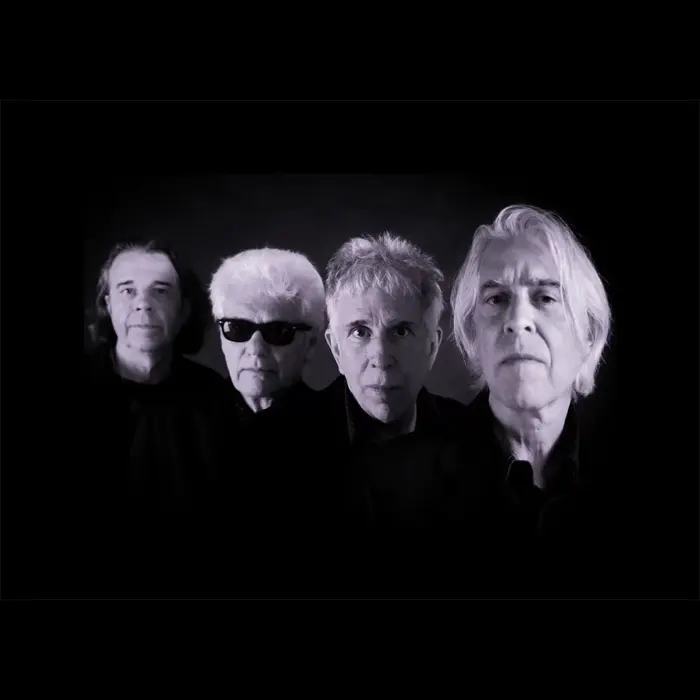
On October 24, 1992, the Hoods played at the Rat in what was billed as their final show, and in 2010 Ram Van Records released the performance on a two-CD set, The Last Rat: Live at the Rat ’92, which includes 24 originals (five previously unreleased) and five covers. The lineup is varied, with Minehan and Harrington being constant presences while drummers Coletti and Quaglia share kit duties; Whitford sits in on two songs. Minehan mixed the album without overdubs at his studio in Waltham, Massachusetts, Woolly Mammoth Sound, which he opened in 1998 and runs as owner, engineer and producer. In 2019, Tamper Proof Records released the band’s fifth (and likely final) studio album, Last Known Address.
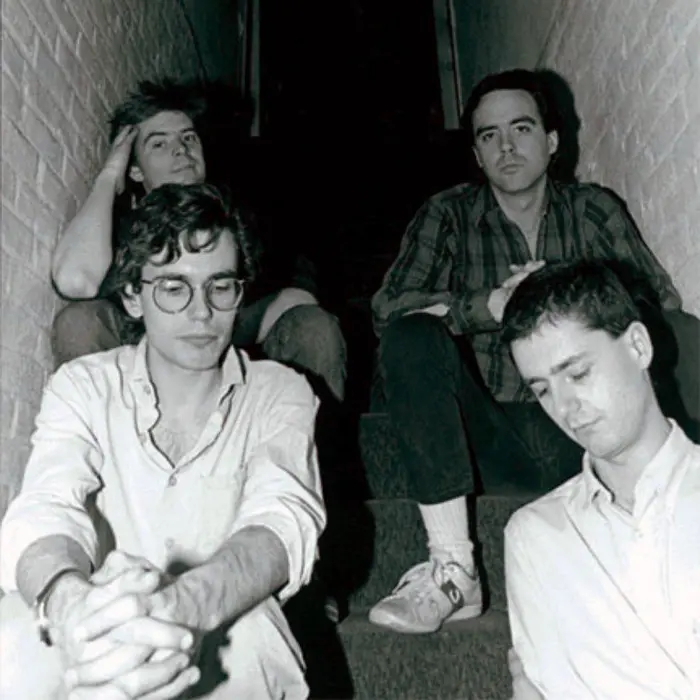
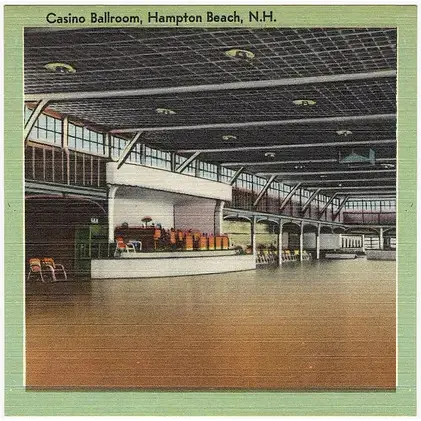
During the 2000s, the Hoods have reformed occasionally to record and play gigs with the lineup of Minehan, Harrington and former Watts’ drummer John Lynch, and they were inducted into the Boston Music Awards Hall of Fame in 2005. In 2006, the band performed at the SXSW Festival in Austin, Texas and the Locobazooka festival at the Tweeter Center (now Xfinity Center) in Mansfield, Massachusetts, and their song “Parasite” was included in the Guitar Hero 2 soundtrack and game. They performed at the 30th anniversary of the Rock ‘n’ Roll Rumble at Harper’s Ferry in Allston in 2008 and in 2009 they played at the Hampton Beach Casino Ballroom in New Hampshire and the Paradise Rock Club and House of Blues in Boston.
Asked in 2018 about the current music scene, Minehan highlighted the importance of mixing genres and audiences. “The trouble today is it seems that everyone goes to their particular musical church denominations and houses of worship, and not much cross-pollination of bands and fans in clubs is happening,” he said. “I think we’re due for another big shake-up. I’ve been lucky to see a few over the last decades, and the energy released in such explosions is very exciting.”
(by D.S. Monahan)