Classic Ruins
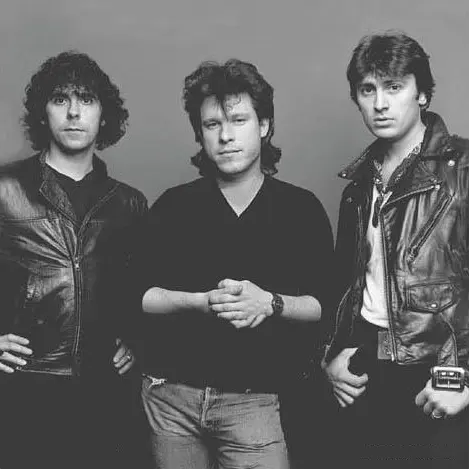
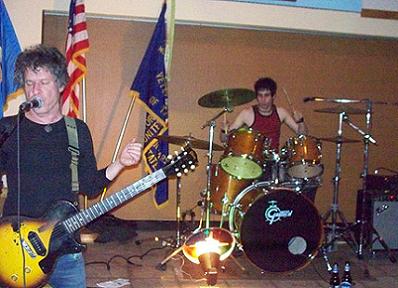
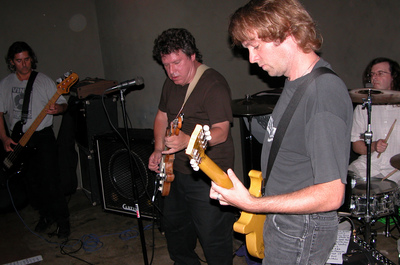
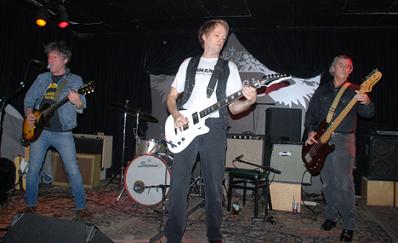
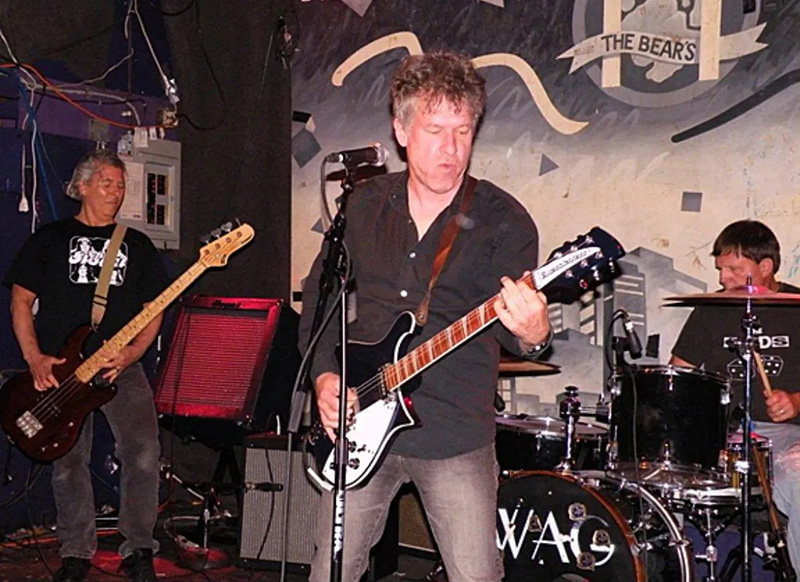
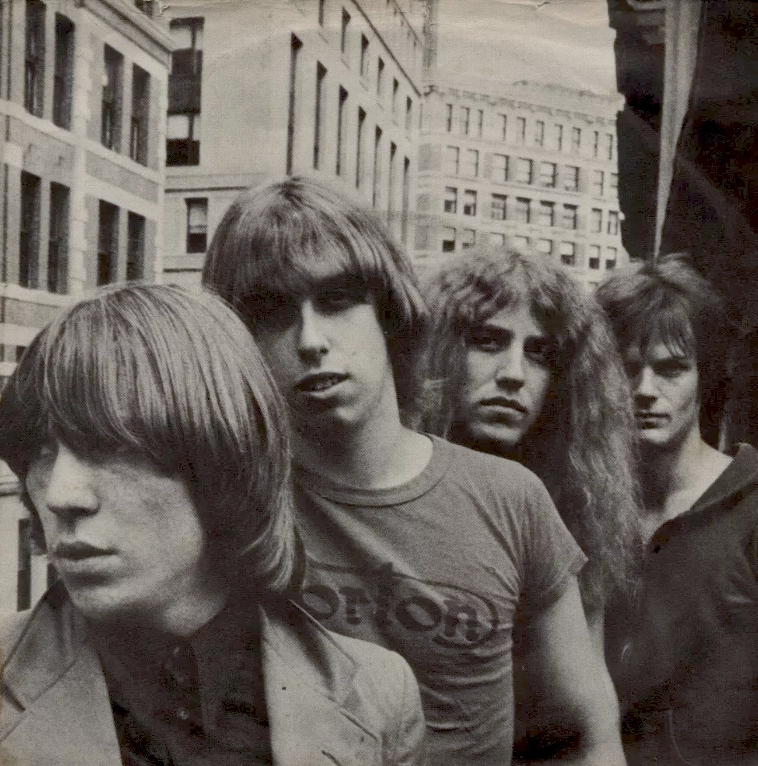
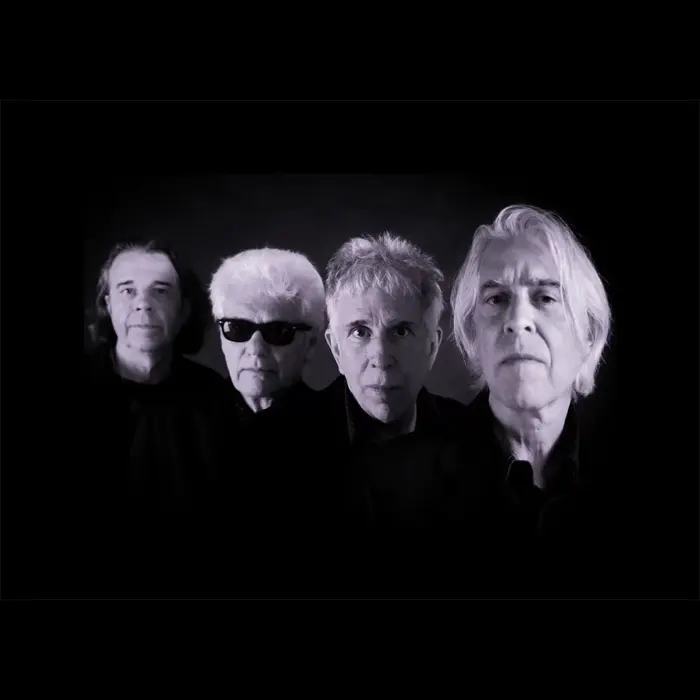
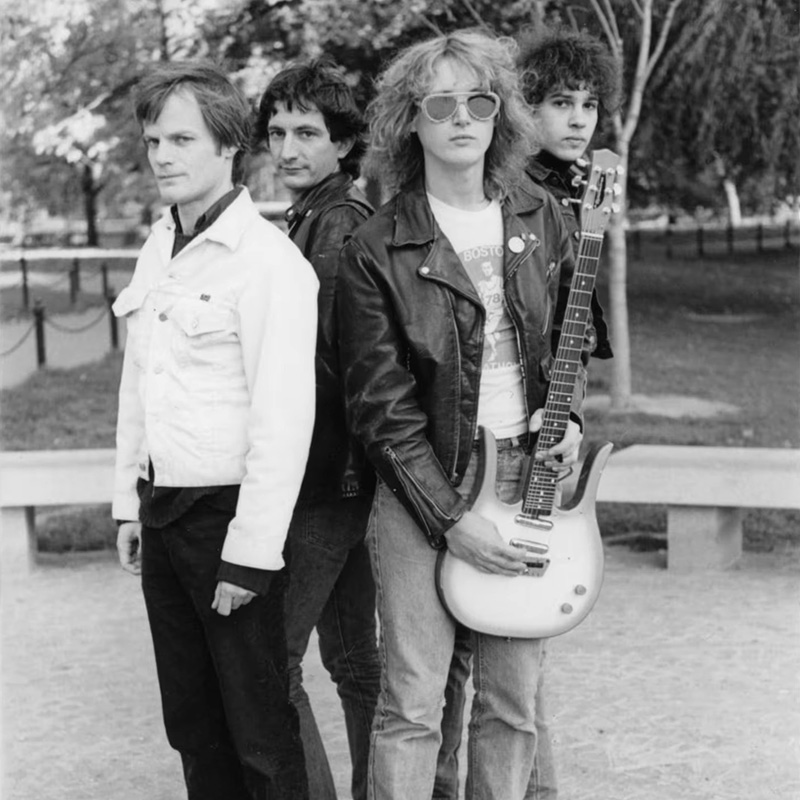
Classic Ruins - photo by Kathy Chapman
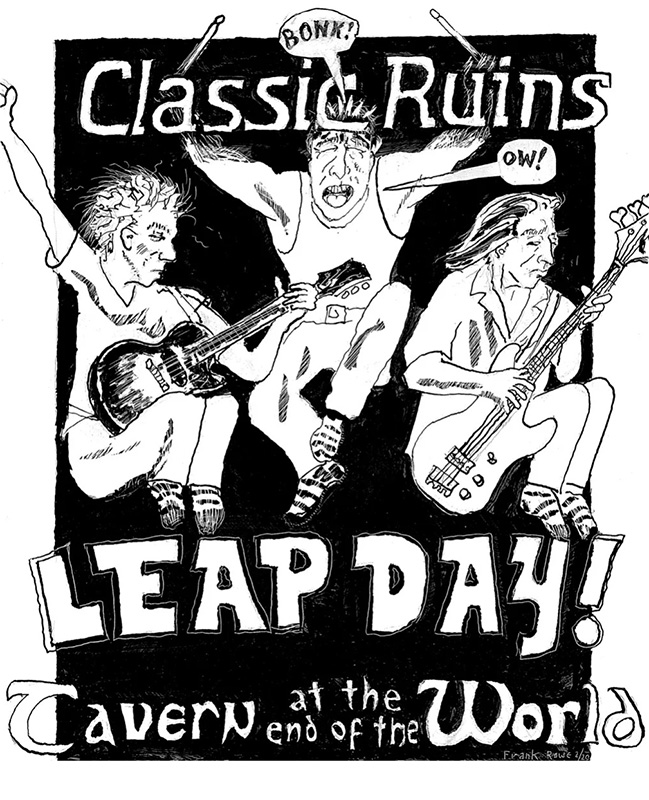
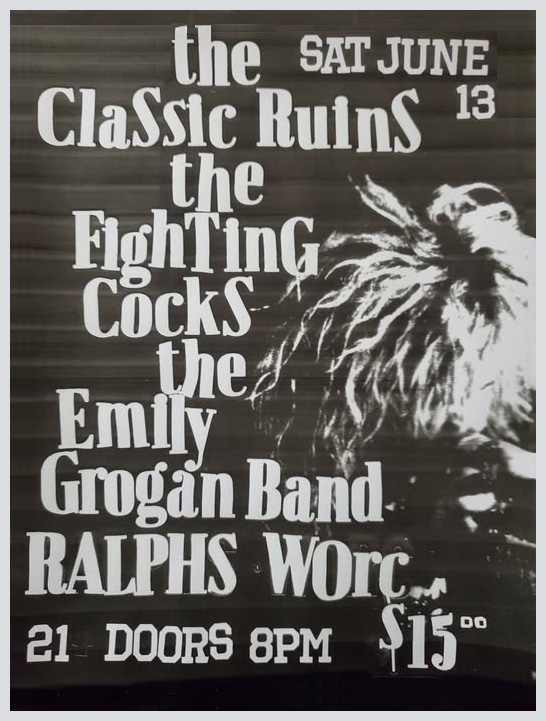
Classic Ruins is the rock ‘n’ roll rumination of guitarist-singer-songwriter Frank Rowe, who can absolutely claim that he stood at the forefront of the Boston punk scene in and around 1975, gigging his way through every basement, loft or hall until well past the halcyon days of New England’s grimy rock ‘n’ roll salient. The music never made him rich or famous, just a trustworthy player digging in the dirt and coming up with the diamonds he gave away each night to every audience, becoming one of the most beloved local characters of the entire era.
Classic Ruins has had a few core members and many more passing through, but all orbited around Rowe, whose songwriting dominated and leaned critically on a love of The Ramones, the Stones, the blues and beer – consumed liberally in his garage because the music was always WAY TOO LOUD. The band has the odd distinction of recording even fewer albums during its decades-long career than Tom Scholz and the one he formed in ‘75, Boston. While the inventor of the Rockman and his arena-rock brainchild only managed to generate six albums of new material in 37 years, the Ruins’ discography, which began in 1980, has produced just one EP and a trio of LPs in 40 years. But there’s no sense that things are winding down; it’s become obvious that this group will remain an open book so long as Rowe remains on the right side of the ground.
BABY’S ARM, CLASSIC RUINS FORMATION, DEBUT EP
Born in 1951, Rowe grew up in the Boston suburb of Winthrop and by the time he turned 18 he was playing around the area as a folk singer; he added stints in blues and cover bands in the early and mid-’70s before latching onto the fermenting local rock scene. In 1977, he formed a garage-rock quartet that rehearsed without a name until their first show in Beverly. When the emcee (Steve Cataldo of Nervous Eaters) asked for the group’s moniker in order to introduce them, Willie “Loco” Alexander piped in from nearby, “Baby’s Arm!” Apparently, that was the name of a make-believe punk band he’d conjured up in ‘75 that had an imaginary smash called “Nyquil Stinger.”
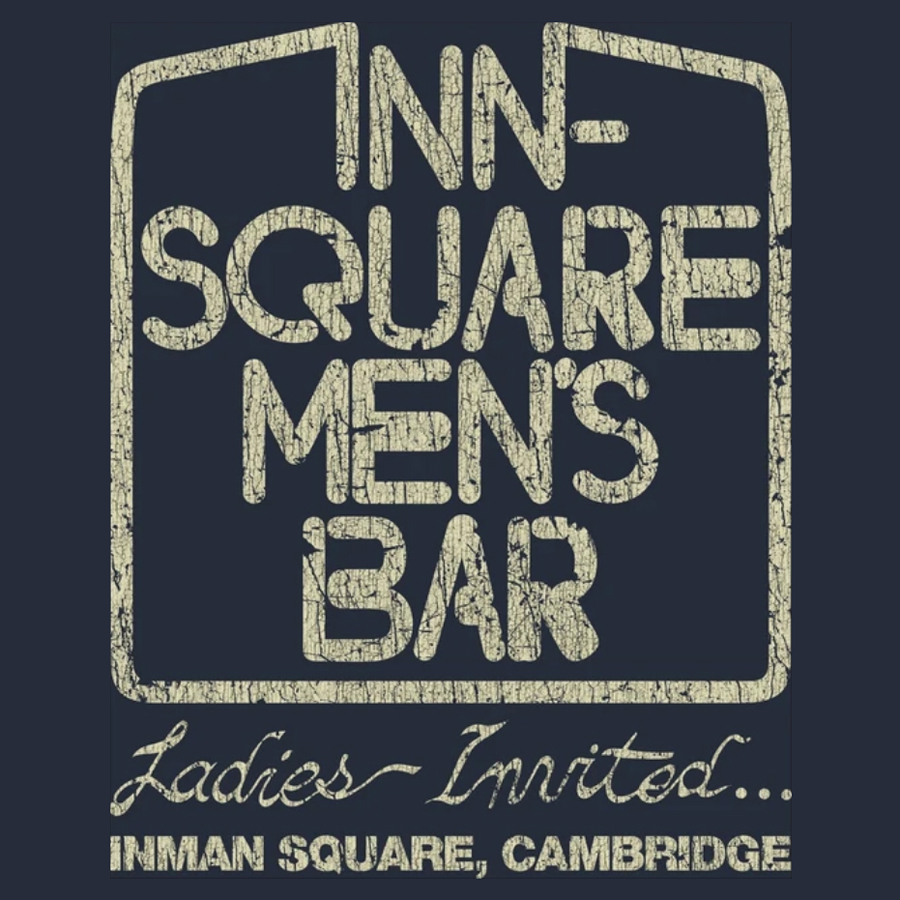
The band walked onstage appropriating Alexander’s suggested ID, and Rowe further inhabited that destiny by writing an actual song to match the fictitious yarn about the vile green cold medicine. Although Baby’s Arm stayed together for barely a couple years, they became regulars on the urban club circuit and appeared in the WBCN “Spring Rock and Roll Festival” band competition held at Inn-Square Men’s Bar in Cambridge in ‘78. Along with “Nyquil Stinger,” the band recorded a couple of nuggets for a demo tape that was never formally released, including “I’m a Wimp” and Heart Attack,” both of which received spins at MIT’s WTBS radio in Cambridge and on other college stations.
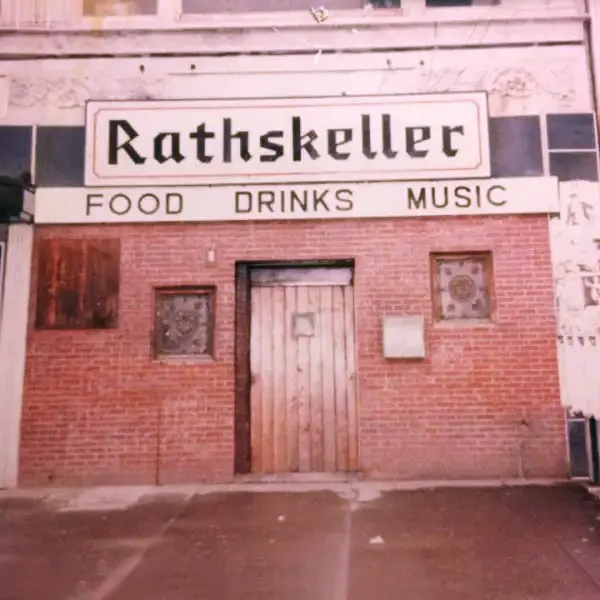
In 1978, a seismic event occurred in Boston rock when the leading protagonists of the scene, The Real Kids, took the first of several breaks while guitarist, singer and founder John Felice went off to roadie for The Ramones. For many, it was an act akin to leaving the Red Sox and joining the Yankees, but it freed up Real Kids rhythm guitarist Billy Borgioli and drummer Kevin Glasheen to begin playing with Rowe, who also grabbed a great local bass player by the mononym of “Randall” to formally erect Classic Ruins. Local gigs, including an appearance in WBCN’s very first Rock ‘n’ Roll Rumble (at The Rathskeller in 1979), generated enough cash to pay for some studio time.
The band’s first studio outing, an eponymous seven-inch EP released by Boston-based Ace of Hearts, hit the stores in March 1980. It was the second release on the nascent label, which became legendary shortly afterward by issuing singles from The Neighborhoods, Mission of Burma and Lyres, all produced meticulously by AoH owner Rick Harte. Well-toned musically after a year of gigging, Classic Ruins knocked out killer renditions of “1 + 1 < 2,” “Nyquil Stinger” and “Heart Attack,” with Rowe’s narrow vocal range aptly suited to bludgeoning a trio of aggressive garage-band-style throwdowns.
LASSIE EATS CHICKENS, RUINS CAFÉ
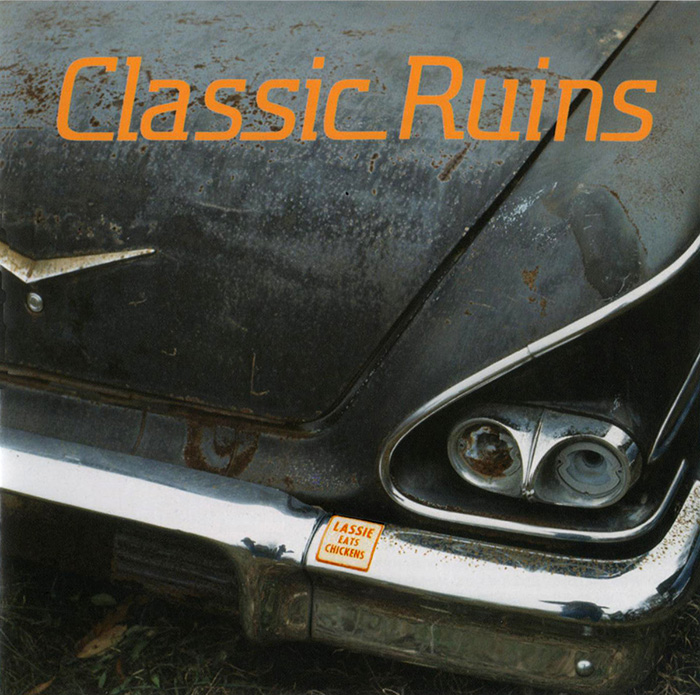
Although Classic Ruins were a regular presence on the Boston-area rock circuit in the early ‘80s, their next record didn’t see the light of day until ‘86, when they cut nine tracks for their first LP, released on the Throbbing Lobster label. By that time, the lineup had evolved with new regulars Carl Bianucci on bass and Perry Nardone on drums. As for the album’s name, Lassie Eats Chickens, a photographer sent to an auto junkyard in Lexington to snap a suitable image of automotive ruins for the cover returned with an ideal image of some ancient rust bucket. There just so happened to be a faded sticker on the jalopy’s pitted chrome bumper which read “Lassie Eats Chickens,” which seemed like rock ‘n’ roll serendipity, as if fate had given the band its album title.
The liner notes mentioned that Rowe held down a day job and worked the clubs on the weekends, writing perhaps one or two classics a year, which means Lassie Eats Chickens contained five years’ worth. They included new Ruins’ standards “Geraldine (I Need Money More Than I Need You),” “I Can’t Spell Romance” and “Rocco’s Wake,” the last of which detailed the songwriter’s practice of crashing open-bar wakes and drinking for free with the mourners. “Labatt’s,” an ode to drinking the beer in mass quantities, actually attracted interest from the famous Canadian brewer, which sent the band sponsorship funds and free beer for a time.
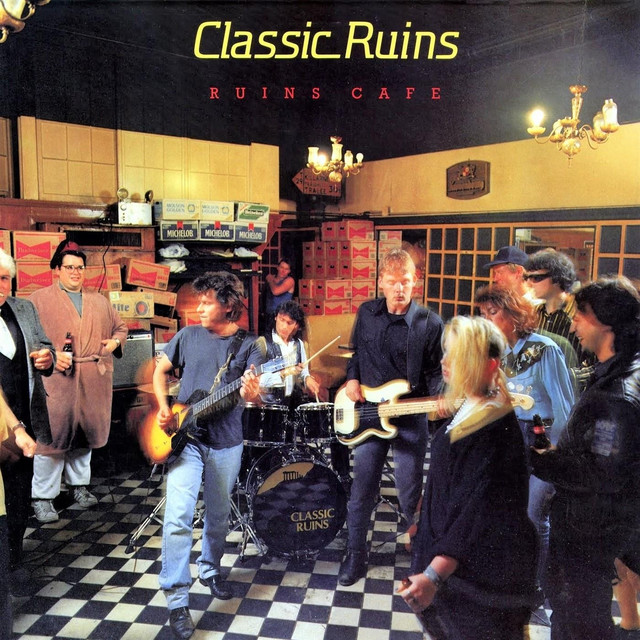
A mere three years later, in 1989, Rowe and his cohorts came up with Ruins Café, a ten-tracker featuring nine new originals written by the frontman and one penned by drummer Perry Nardone. Recorded at Euphoria Sound Studios in Revere like their previous album, the new release featured the same garage-rock rumble and tumble that more famous bands like The Replacements and The Smithereens were making a decent living from. Ruins Café came out on Lowell-based Presto Records but was picked up for international distribution by the French label New Rose. Also in ‘89, the band contributed “Love’s Made a Fool of You” to a New Rose anthology of Buddy Holly covers, Every Day is a Holly Day.
COMPILATIONS, LASSIE EXPANDED RE-RELEASE, FORGET ABOUT IT
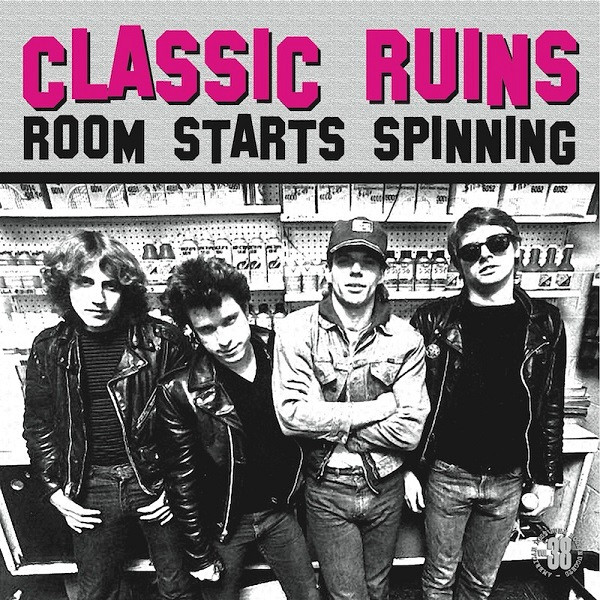
While Classic Ruins stayed out of the studio in the ‘90s and most of the ‘00s, they continued to play live and their songs were featured on several punk and indie-rock compilations including one from Rhino Records in 1993, The Boston Scene (1975-83); an Italian collection, Room Starts Spinning, on Rave-Up Records in 2002; 12 Classic 45s from Ace of Hearts in 2006; and an expanded re-release of Lassie Eats Chickens that same year.
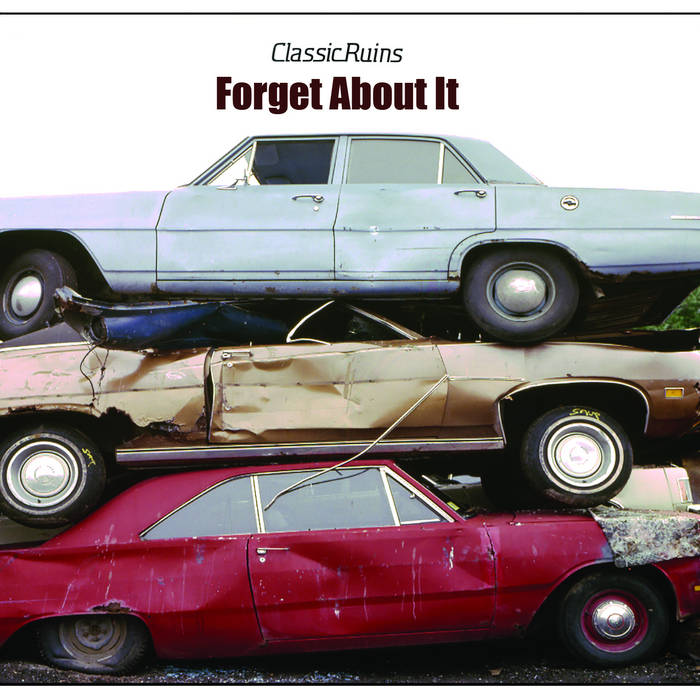
Then, out of nowhere in 2020, Rum Bar Records dropped a brand-new Classic Ruins album, Forget About It, which includes four originals and five covers (including an instrumental take on The Beatles’ “Please Please Me”). Despite the passage of 31 years between the new disc and Ruins Café, time seemed not to have passed by at all; Rowe and friends picked up right where they had left off a few decades before. The release was solidly conceived, strongly produced and not a throwaway effort by any means, critics said, even though the scene that the album addressed had long since died.
But so what if the scene was six feet under? There are certain things that certain people keep doing to remain engaged and “stay young,” if you will; septuagenarian Frank Rowe still plays his brand of rock ‘n’ roll. Perhaps when he was onstage in his 20s, amidst the adrenalin rush of staring down a blur of pogoing heads ping-ponging up and down at the Rat, he fantasized about the glow of stardom, but in the end the lovable local guy never showed much interest in compromising his style to achieve that.
(by Carter Alan)
Carter Alan is a former WBCN deejay now heard on WZLX-FM in Boston. He’s the author of Outside is America: U2 in the U.S. (Faber & Faber, 1992), U2: The Road to Pop (Faber & Faber, 1997), Radio Free Boston: The Rise and Fall of WBCN (University Press of New England, 2013) and The Decibel Diaries: A Journey Through Rock in 50 Concerts (University of New England Press, 2017).