Nightstage
Nightstage Logo
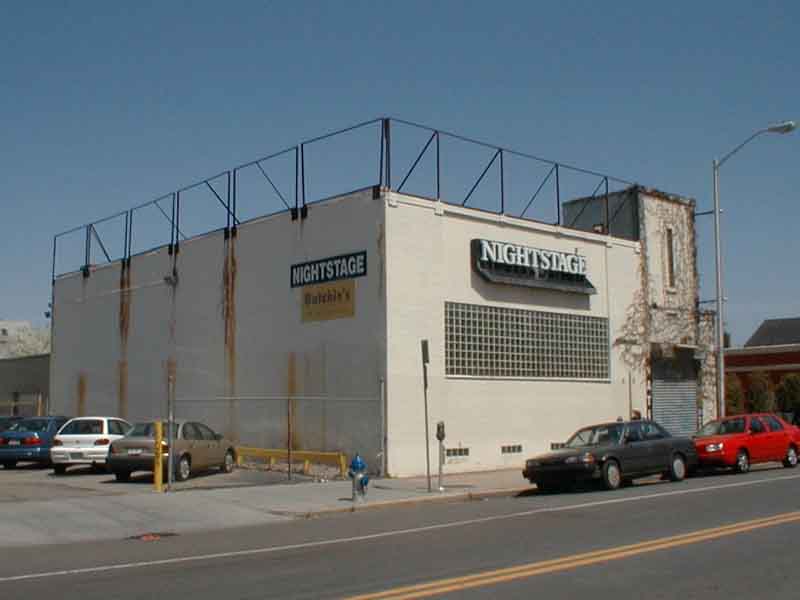
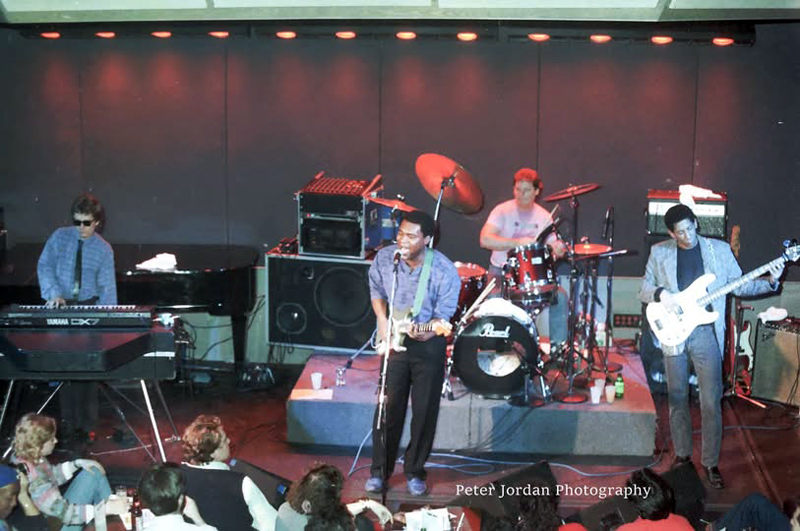
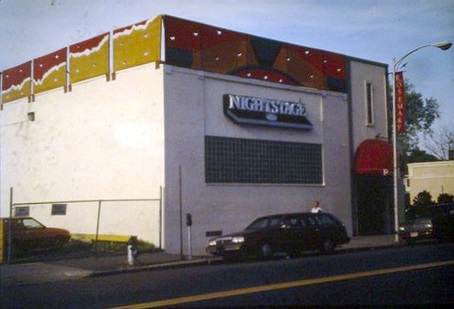
On Saturday, September 28, 1985, the day after Hurricane Gloria devastated much of the coast from North Carolina to Connecticut but spared the Boston area, Nightstage opened at 823 Main Street in Cambridge, quickly becoming one of the hottest, hippest small venues around, particularly among the era’s burgeoning yuppie crowd. Boston magazine named it Best Club in ‘86, noting that it was “arguably the best-dressed club in the area,” and once again in ‘88, calling it “the liveliest of Boston’s live-music clubs.”
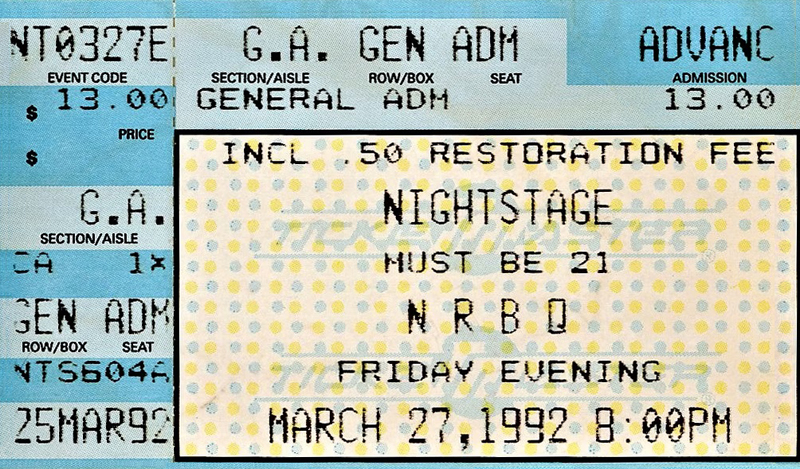
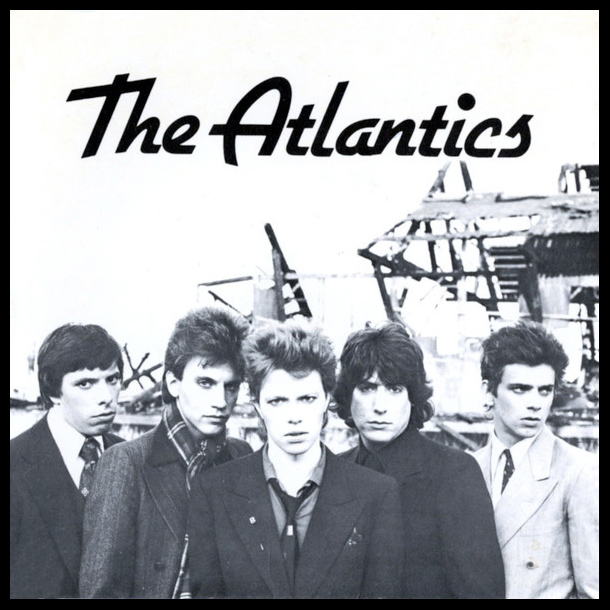
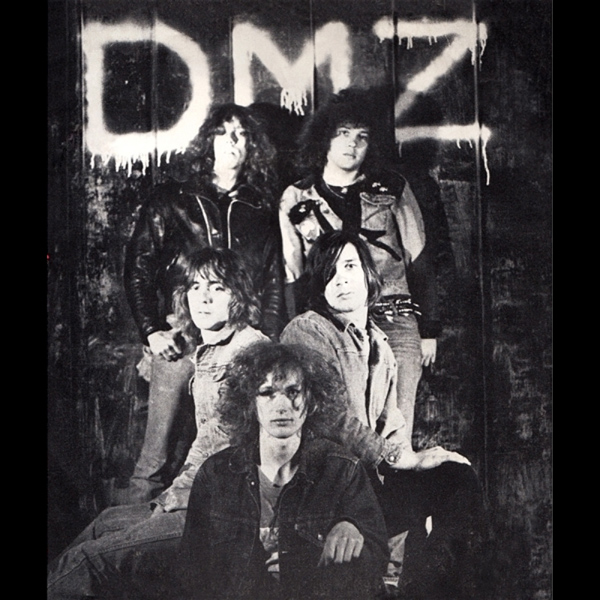
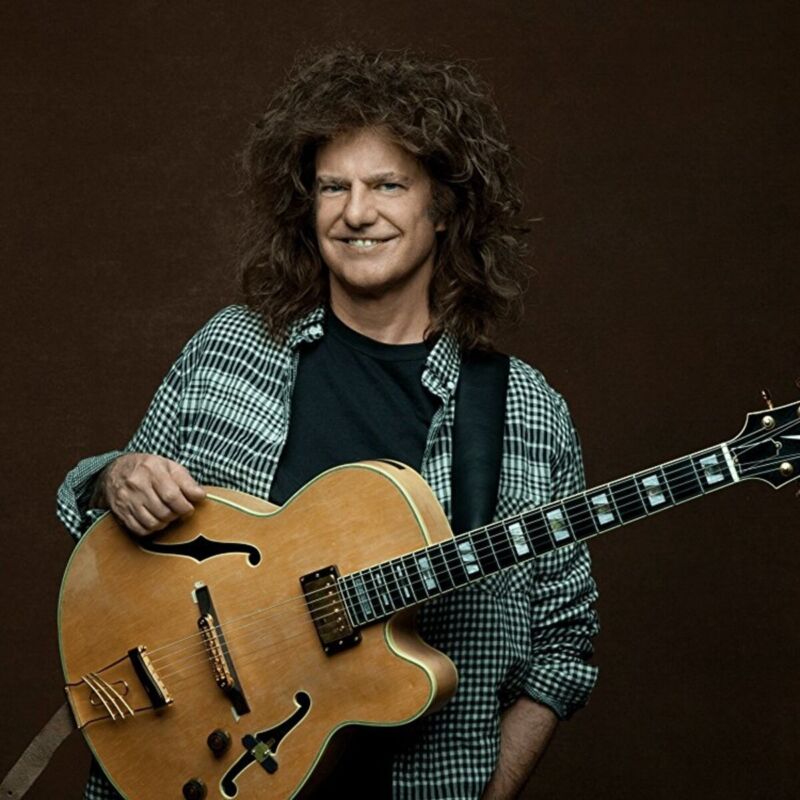
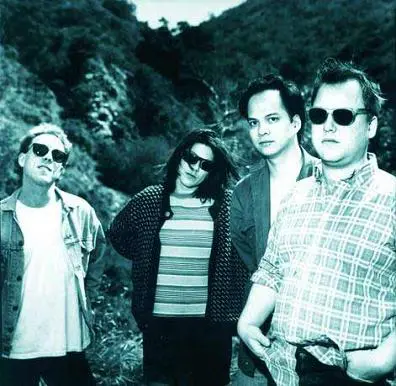
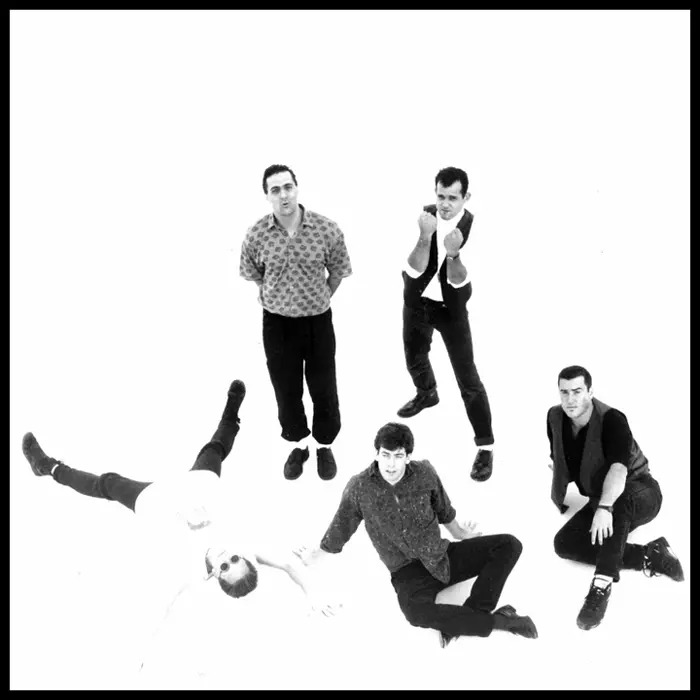
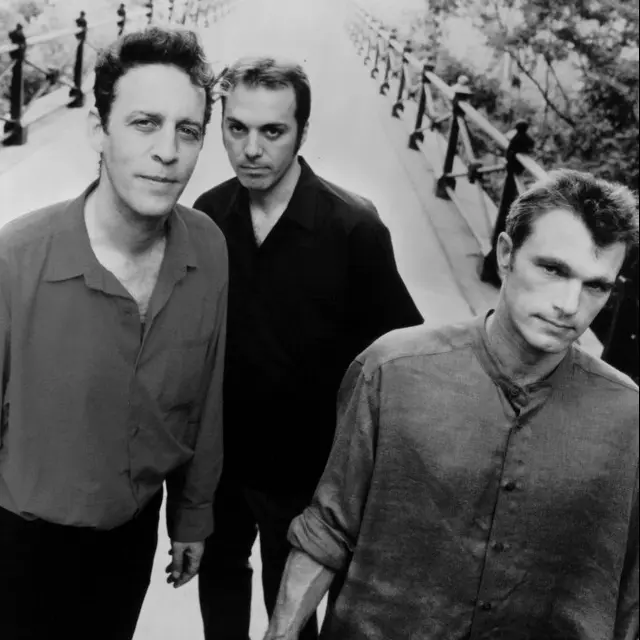
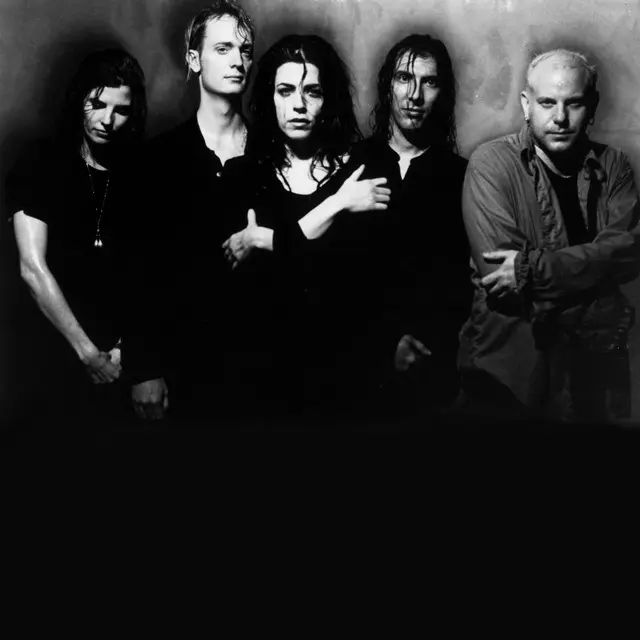
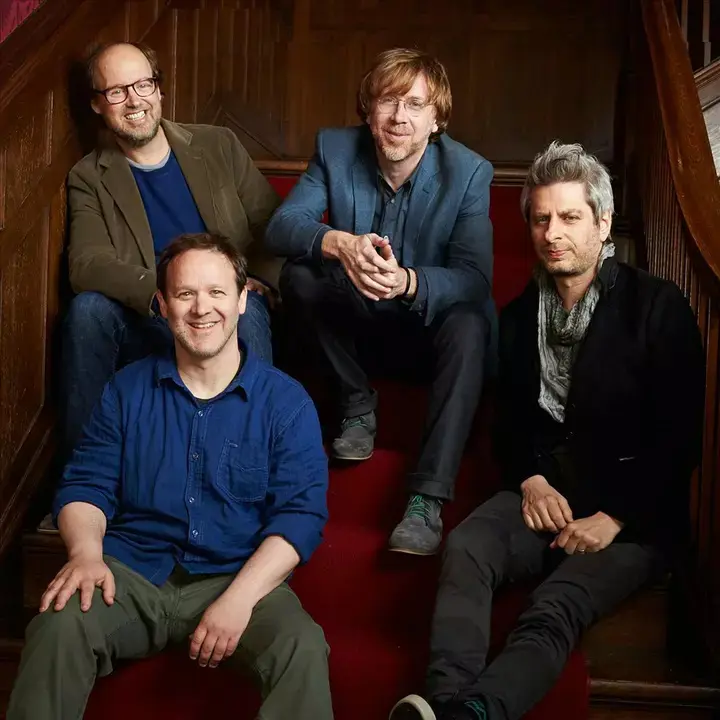
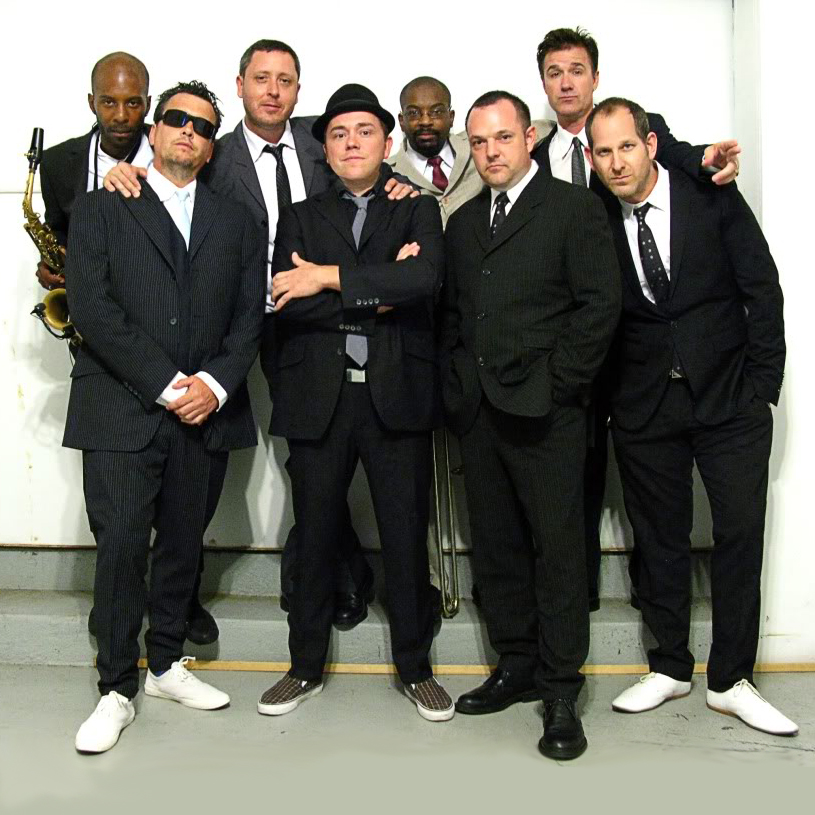
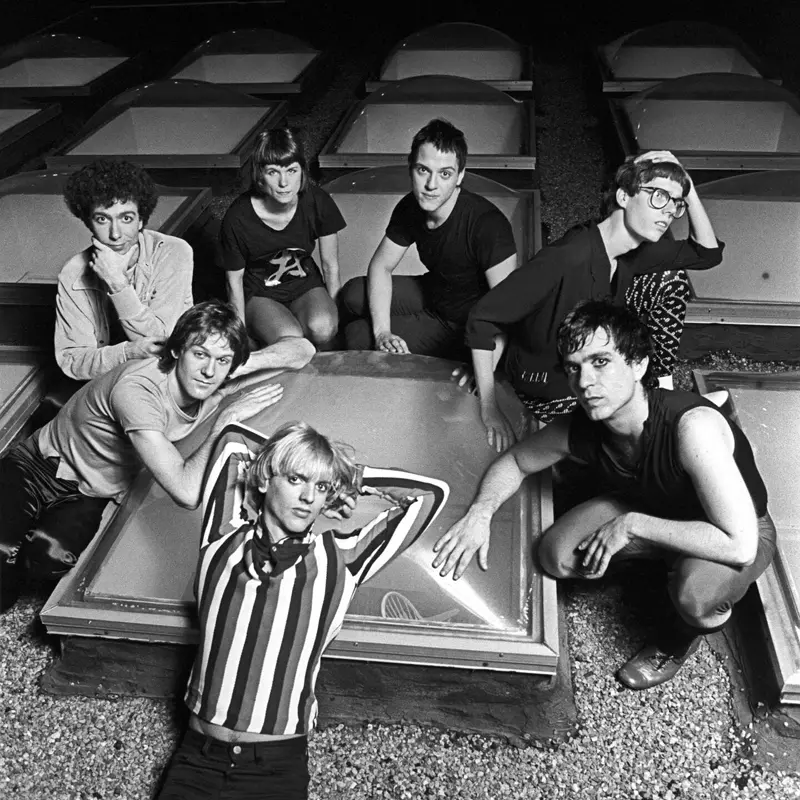
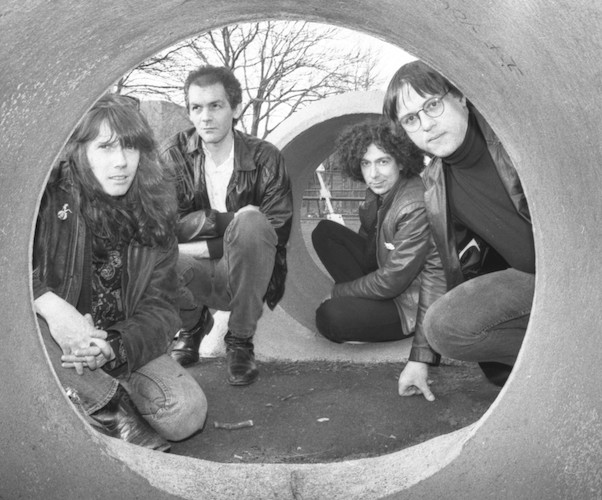
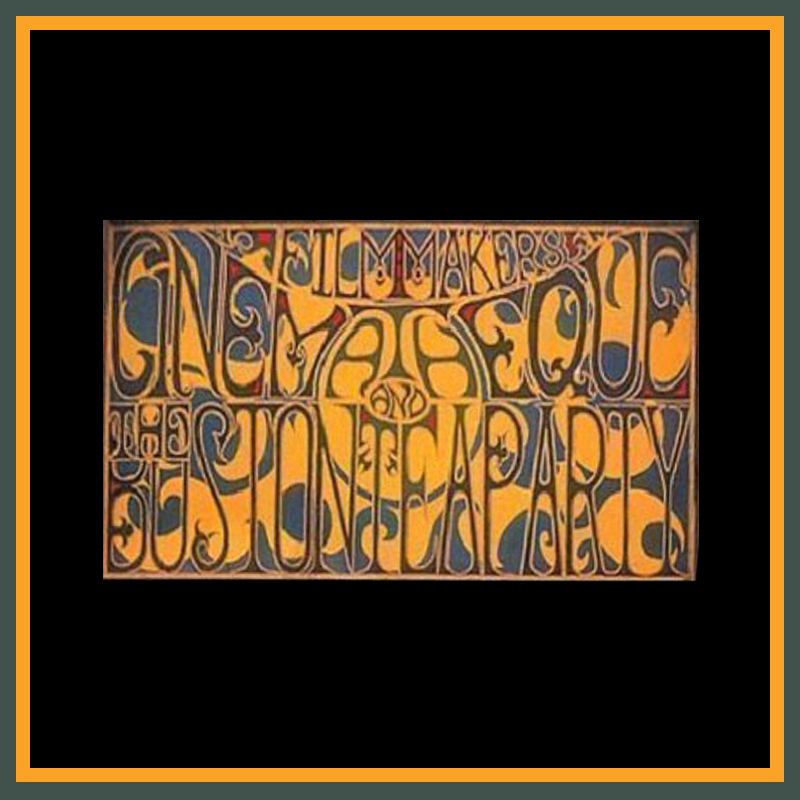
Located just outside Kendall Square, the new venue replaced the building’s previous one, The Club, which hosted bands including The Ramones, Blondie, Talking Heads, The Atlantics, Willie Alexander & The Boom Boom Band, The Freeze, DMZ, Boy’s Life, Reddy Teddy and Mission of Burma. Quite unlike its rocked-out, punked-up predecessor, however, Nightstage presented mostly blues, jazz and folk, including New England-rooted acts Roomful of Blues, Pat Metheny, Ran Blake, NRBQ, Barrence Whitfield & The Savages, Paul Geremia and Tracy Chapman. Among the exceptions to the blues-jazz-folk program were Boston alt-rockers Pixies, O Positive, Morphine and Tribe; jam kings Phish; ska-core pioneers The Mighty Mighty Bosstones; Human Sexual Response offshoot The Zulus; rockabilly legend Carl Perkins; country singer Rosanne Cash; reggae icons Toots & The Maytals; Bill Monroe & The Bluegrass Boys; and Sunny Adé & His African Beats.
CONCEPT, INTERIOR DESIGN
The idea to open Nightstage began six years before it officially opened, when the venue’s future co-manager, Chloe Sachs, had a sense that a blues revival was inevitable given the genre’s rapidly growing popularity. Having attended the Ann Arbor Blues Festival several times since it began in 1969, she thought an up-scale blues space in Cambridge would be a big hit because other blues spots in the area were less than glamorous, to say the least. “Our basic love was the blues, but we were tired of seeing the acts we wanted to see in such grody conditions,” she said in 1986 in an interview with Boston, “grody” being a then-common term for “disgusting” and “our” and “we” referring to the other Nightstage managers, Sam Marcus and Robert Gregory.
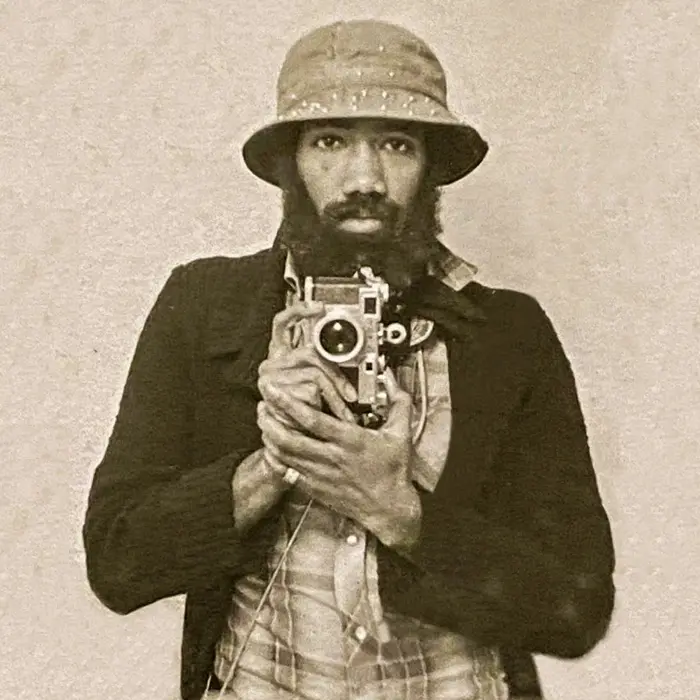
Wanting to create what Sachs called “a comfortable and sophisticated space in which to hear the music we wanted to hear” and “attract the kind of crowd we wanted to attract, namely people in their middle 20s and older,” the first thing she, Marcus and Gregory did after securing the location was paint the interior in muted lavender, taupe and gray and install recessed lighting, wall-to-wall carpeting and a mahogany bar. All interior swankiness aside, however, they knew that the club’s ultimate success would be determined by the quality of the music and the depth of the roster, both of which Nightstage had in spades. During its nearly eight-year existence, the club presented several dozen genre-defining figures, among them Etta James, Howlin’ Wolf, Dizzy Gillespie, Dave Van Ronk, Bo Diddley, Otis Rush, Tito Puente and Sun Ra. Photographer and former Boston Tea Party emcee Charles Daniels hosted many of the shows.
NOTABLE APPEARANCES, LIVE RECORDINGS
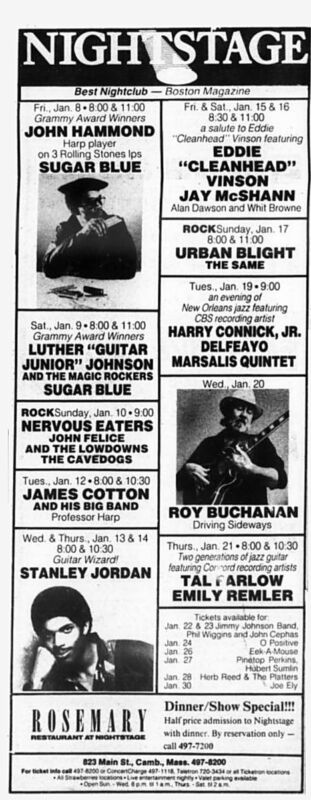
Among those who appeared in 1985 were Billy Bragg, Memphis Slim, Texas blues guitarist-vocalist Johnny Copeland and Roxbury-based blues-rock quartet Turbines. During the first half of ‘86, blues acts included Luther “Guitar Junior” Johnson, Pinetop Perkins and Eddie “Cleanhead” Vinson; among the others who took the stage were seven-time Grammy winner Doc Watson, Robert Rutman’s Steel Cello Ensemble and South African sextet Malopoets. The second part of the year featured Elvin Bishop, Art Blakey & The Jazz Messengers and Albert King, to name a few.
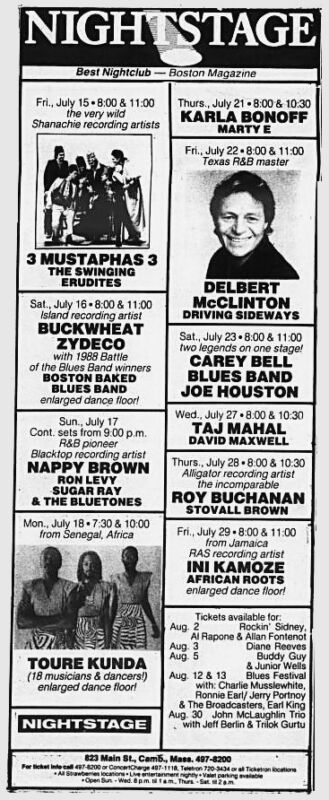
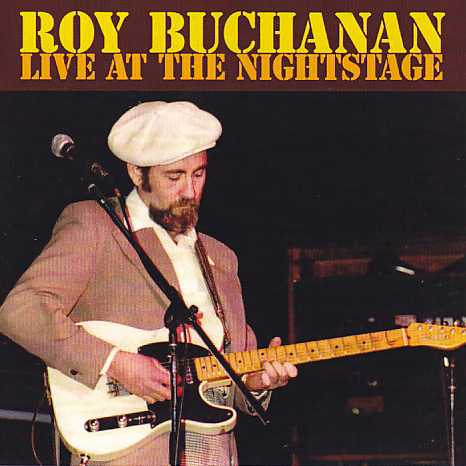
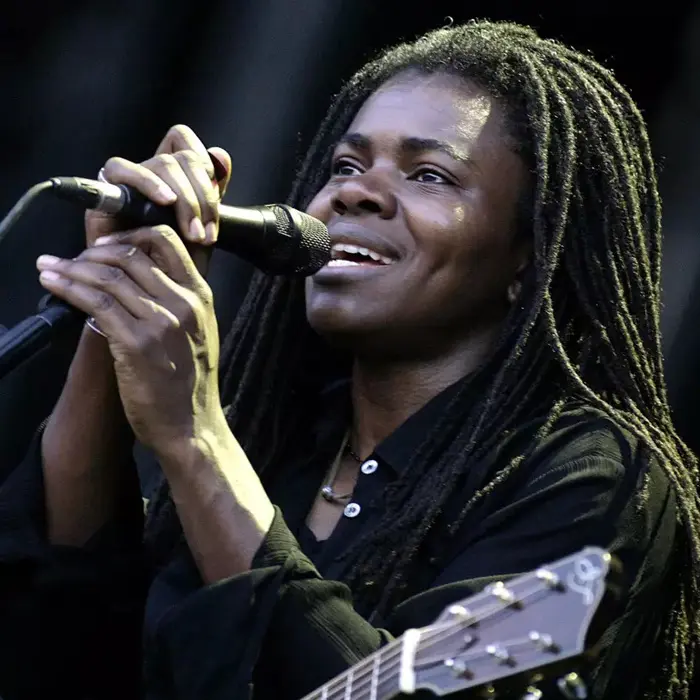
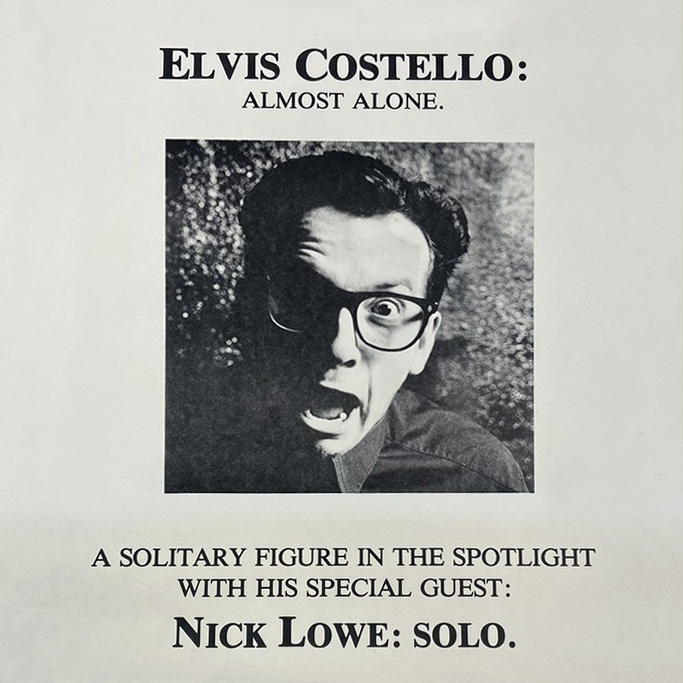
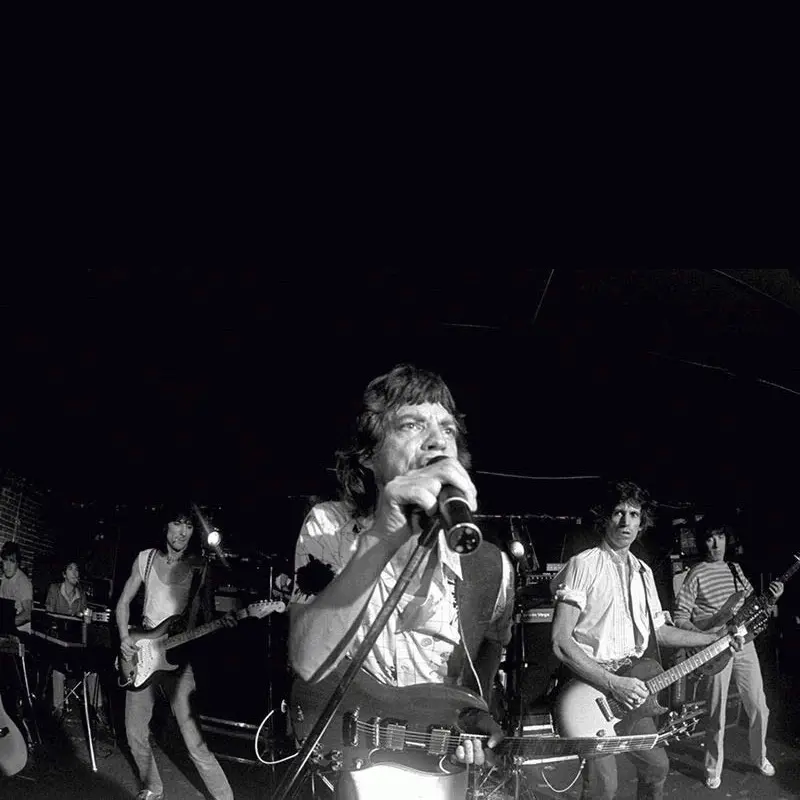
Among the most notable appearances in 1987 were those by Elvis Costello, Steve Earle, Leo Kottke, Buddy Rich, Jimmy Witherspoon, Carla Bley and then nationally unknown Tracy Chapman (in November, six months before Elektra released her debut single, “Fast Car”). Others who appeared that year included Larry Coryell, Nicholette Larson, David Bromberg, Roger McGuinn, John McLaughlin, Pere Ubu, Screamin’ Jay Hawkins, Jessie Colin Young and Dr. John. During the last two years of the ‘80s, Nightstage hosted Country Music Hall of Famer Kris Kristofferson, Rock & Roll Hall of Famers John Mayall and Laura Nyro, former Rolling Stone Mick Taylor and nine-time Grammy winner Wynton Marsalis in addition to local acts including Scruffy the Cat, Girls Night Out and Screaming Coyotes. Others included Roy Buchanan, Ladysmith Black Mambazo, Melissa Etheridge, John McLaughlin, Ian McColloch (of Echo & The Bunnymen) and Simply Red. Several solo artists, combos and ensembles recorded live albums or parts of live albums at Nightstage in the ’80s, among them Roy Buchanan, Junior Wells (with special guest Buddy Guy), Boston-based Birdsongs of the Mesozoic and Berklee College of Music graduate John Abercrombie.
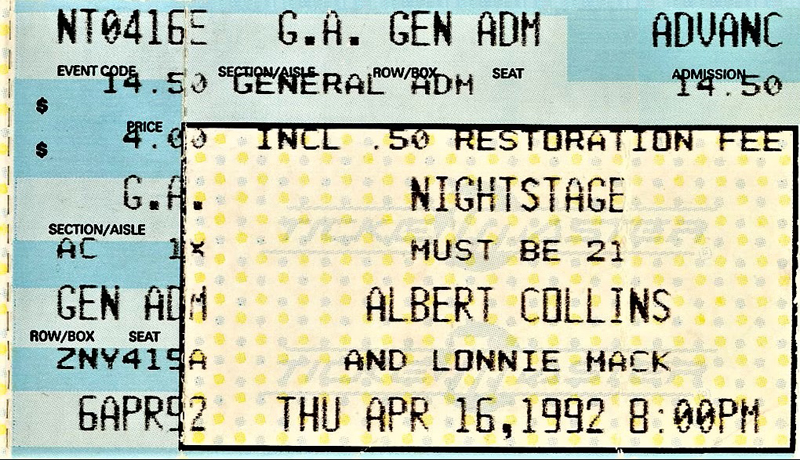
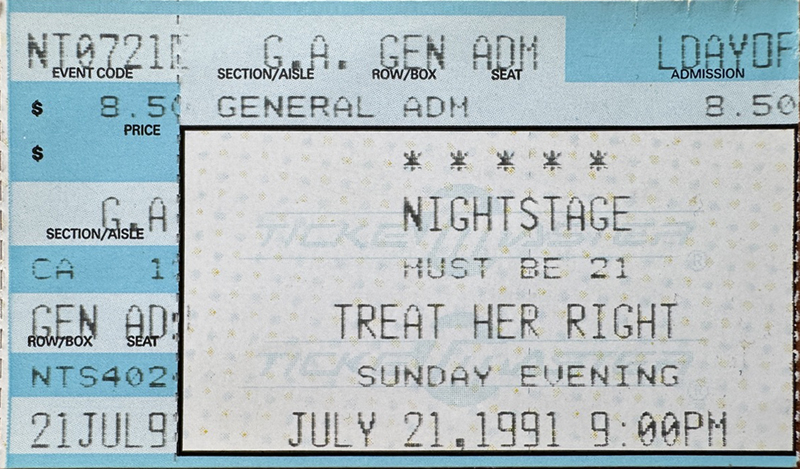
The first two years of the ‘90s saw acts including Béla Fleck, Buckwheat Zydeco, Blues Traveler, Fairport Convention, Soul Asylum, Bob Mould and local faves Galaxie 500, Bill Janovitz (of Buffalo Tom), Jonathan Richman and Treat Her Right, among others. The ’92 and ’93 schedule included Aimee Mann, Kristen Hersh (of Throwing Muses), The Call, No Doubt, Maddy Prior, Robyn Hitchcock & The Egyptians and The Warren Haynes Band (the last of which appeared in June ’93, shortly before Nightstage closed). Among the solo artists and groups that cut live albums or parts of live albums at Nightstage in the ’90s were Al Di Meola, Larry Coryell and Bill Bruford’s Earthworks.
Asked in early 1987 what the best part of the experience had been since the venue’s opening six months before, Sachs used what’s become a buzzword in recent years – “diversity” – and said the most satisfying thing for her was being able contribute something to the local community. “The best part of it all has been the diversity of the crowds and the music we’ve been able to pull in,” she told Boston. “We feel that culturally we have really given something to the city, and that’s been incredibly gratifying.”
(by D.S. Monahan)