Dinky Dawson
Dinky Dawson
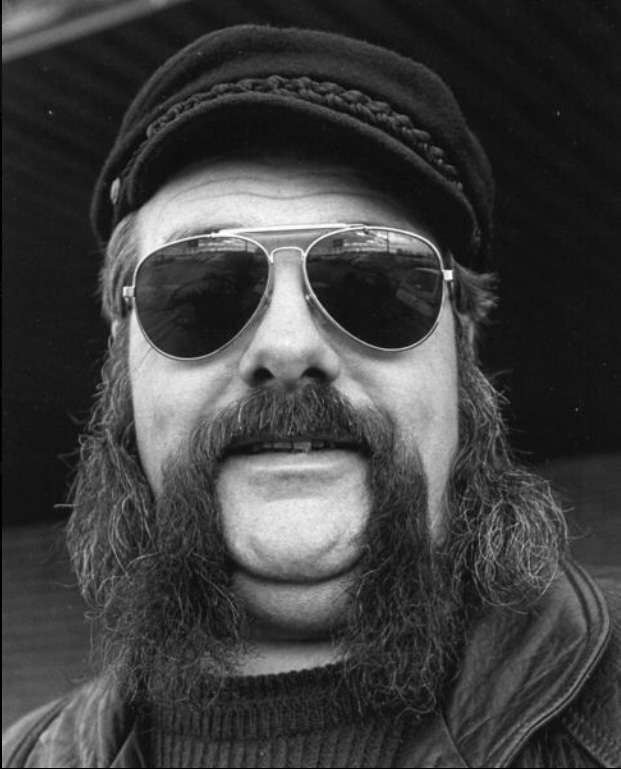
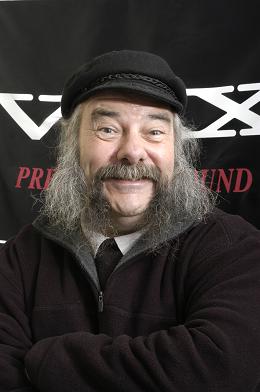
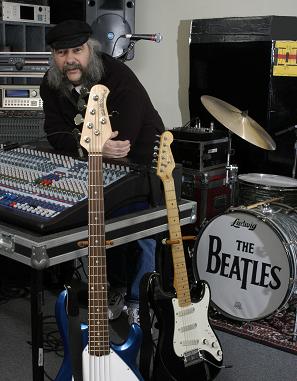
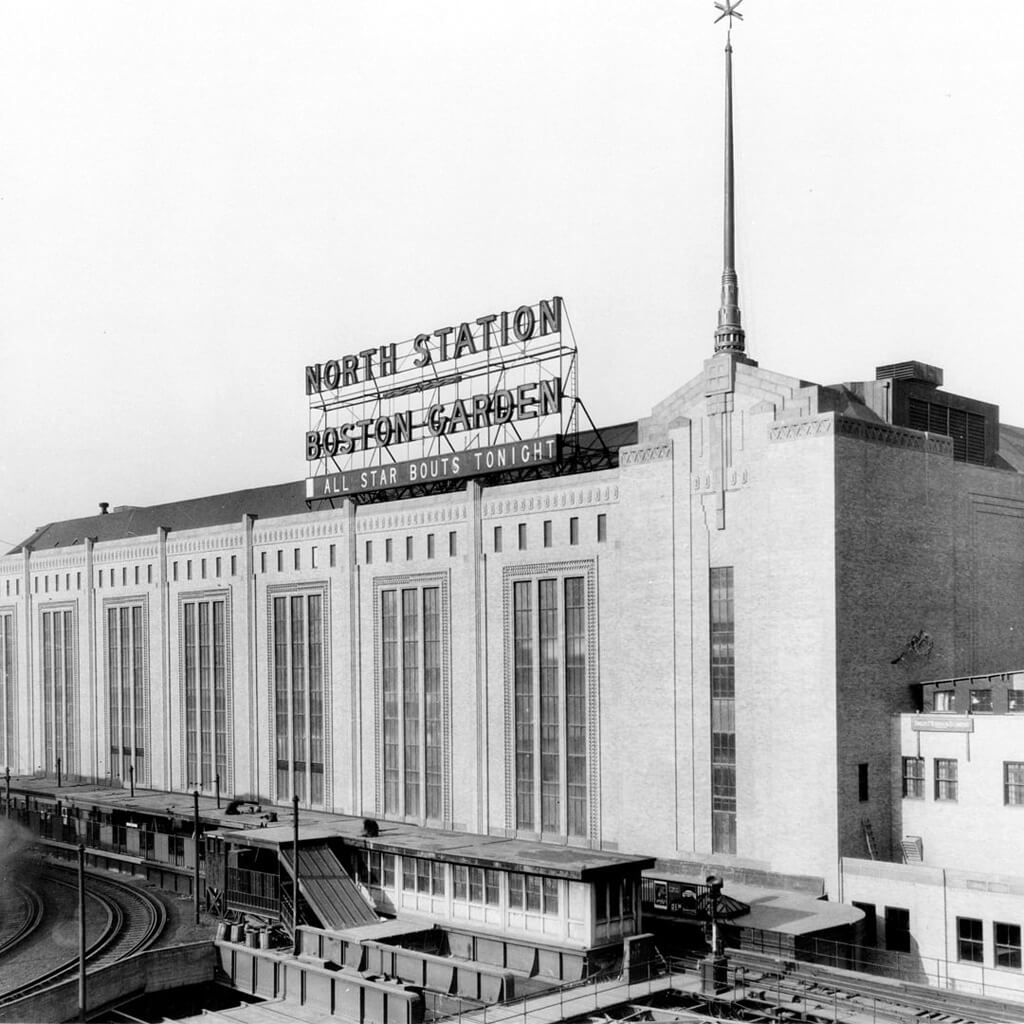
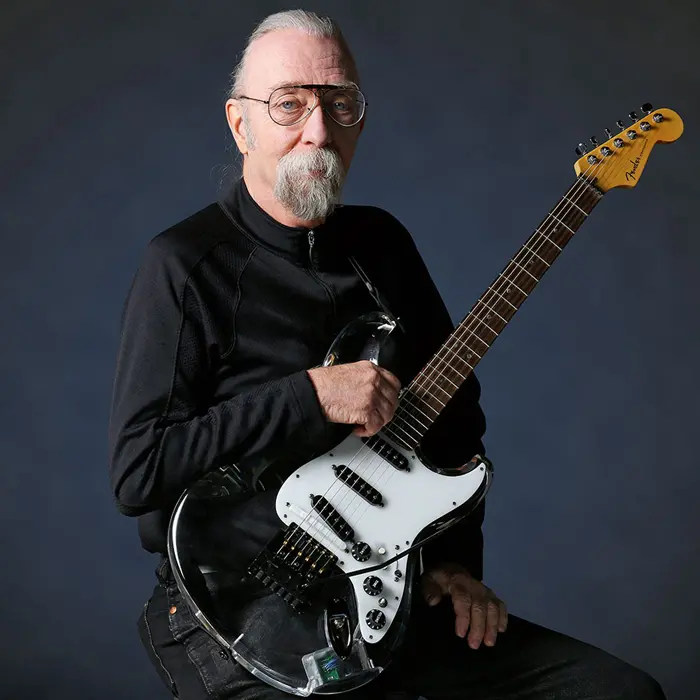
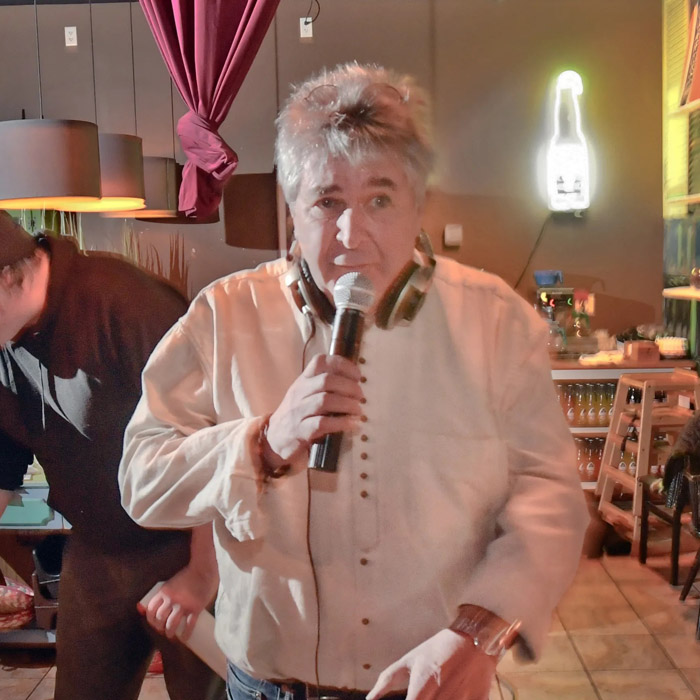
Legendary sound engineer Dinky Dawson is the guy you’d want to hire to stand behind the mixing board and massage your band’s sound to perfection all the way back to the folks in the cheap seats. Plus, with a warm personality as big as Boston Garden, he’s the perfect companion to down a couple Newcastle Brown Ales with because he has enough stories to fill Wembley Stadium.
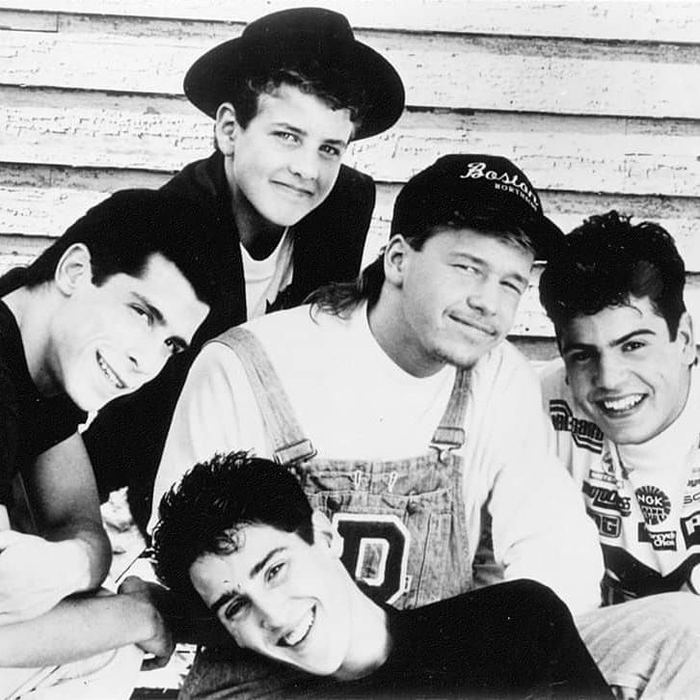
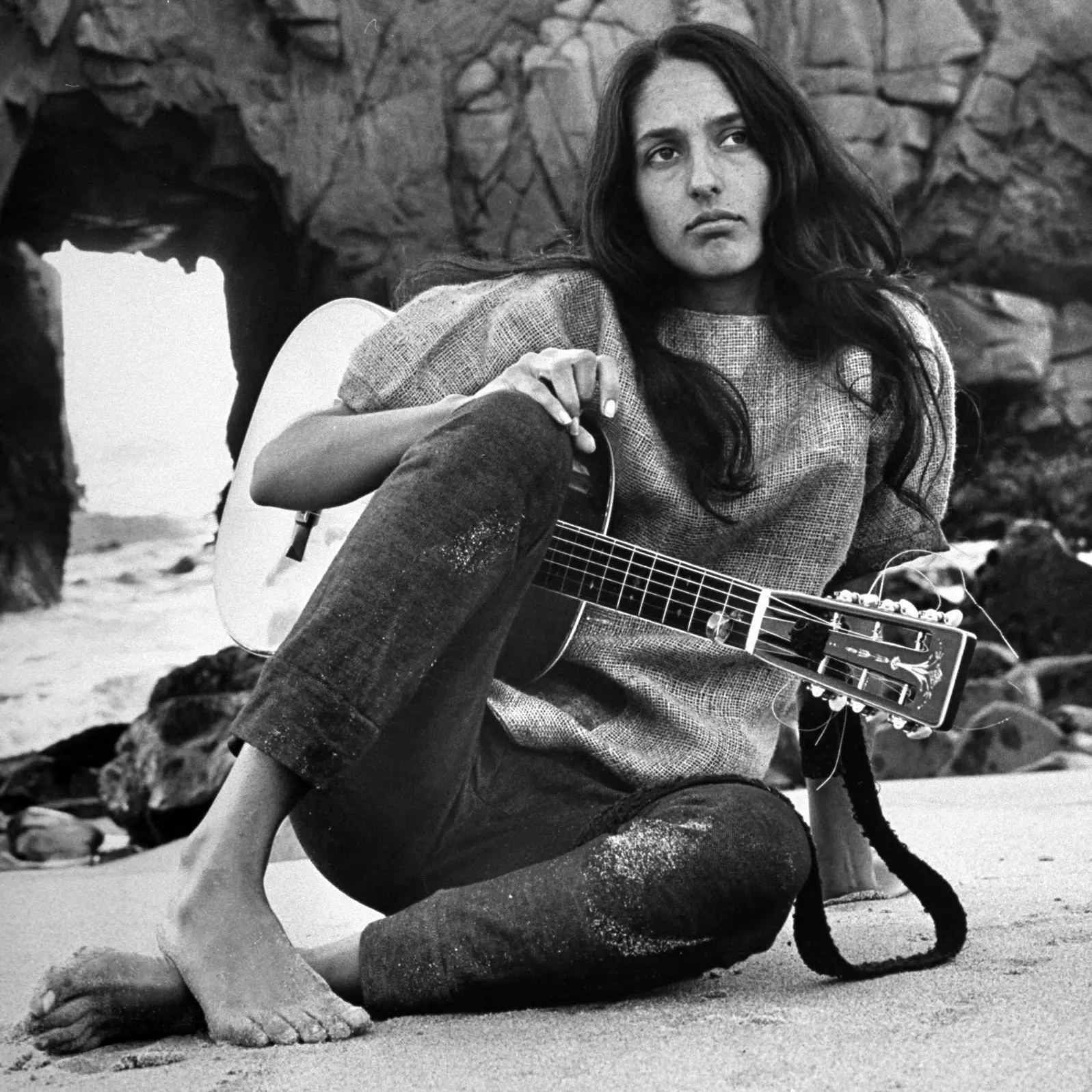
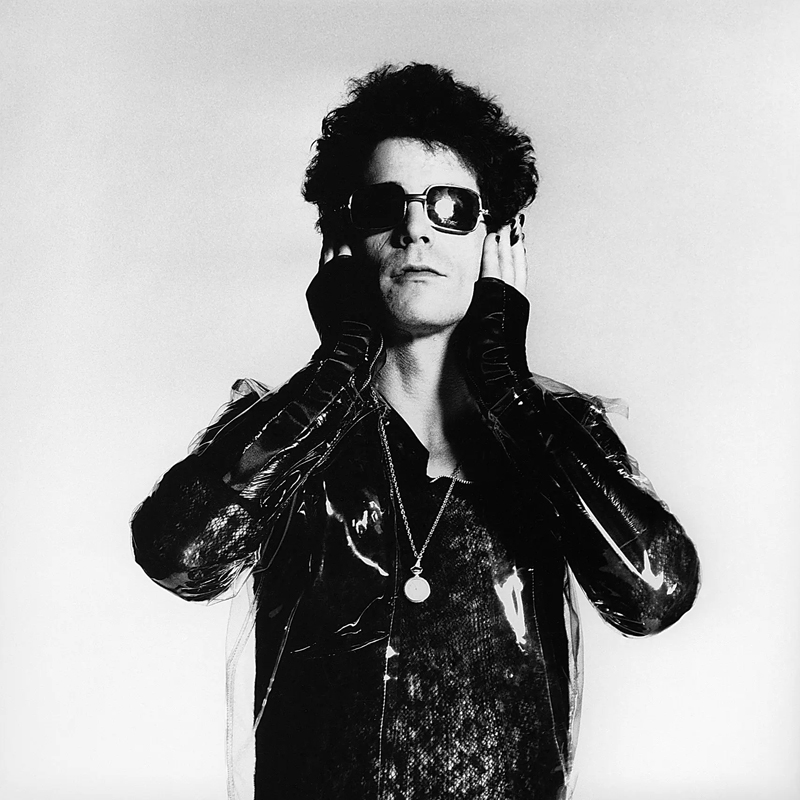
During a career that spans nearly six decades, Dawson has worked for and/or with iconic artists and groups including Fleetwood Mac, Steely Dan, The Byrds, Joan Baez, The Kinks, The J. Geils Band, The Mahavishnu Orchestra, Jeff Beck, Joni Mitchell, Warren Zevon and Lou Reed, to name a handful. He founded Dawson Sound Company in the early ‘70s to furnish PA systems to those and many other touring acts, installed permanent sound setups in some of Boston‘s most storied venues and was a production consultant for clients including Inner Circle and New Kids on the Block.
MUSICAL BEGINNINGS, NICKNAME ORIGIN
Yes, Dinky Dawson’s seen a lot, and the fabled story began in England’s East Midlands, specifically the town of Worksop in Nottinghamshire. Christened Stuart, the newest member of the Dawson family hit the ground running in 1947, which turned out to be perfect timing; he reached his teens just before British culture took the great leap forward from greasy Teddy Boy pompadours and riding leathers to Beatle boots and mod makeovers.
Before embarking on the music career that would define him, though, he worked a “straight job” at a steel mill, gaining the nickname that would follow him for the rest of his life. Ever the inventor, he jockeyed a small jet engine into the back of a “dinky” die-cast model car, set the contraption aflame and watched the little vehicle tear with frightening velocity through the mill’s entire quarter mile of concrete as workers dove right and left to get out of the way. After that successful, yet alarming experiment, no one referred to the mad genius as “Stuart” again.
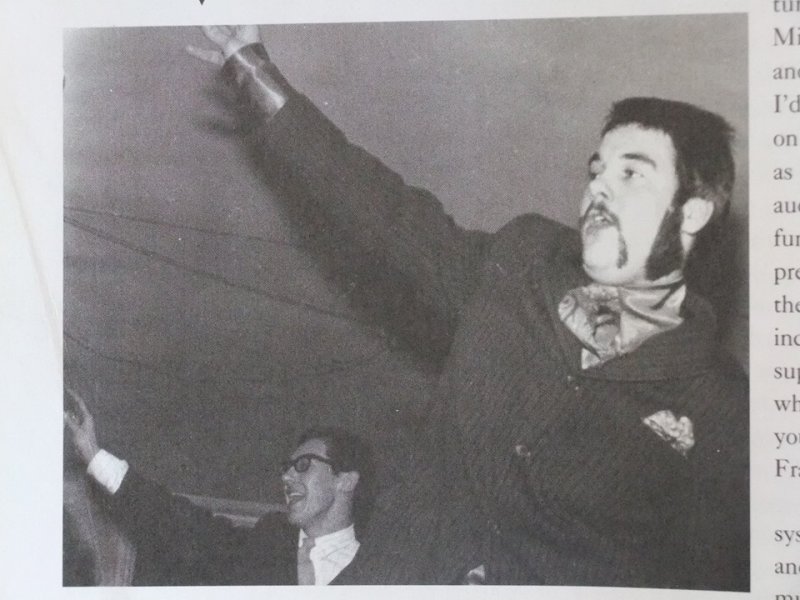
Witnessing club shows by Eric Clapton and The Yardbirds, Joe Cocker, The Rolling Stones, Chuck Berry, Stevie Wonder and a host of others convinced Dawson to leave the mill behind and become a professional deejay, dancer and entertainer. After acquiring a van to haul his gear, the young Northern Soul jock picked up gigs around England and as far afield as Germany.
FLEETWOOD MAC, THE BYRDS
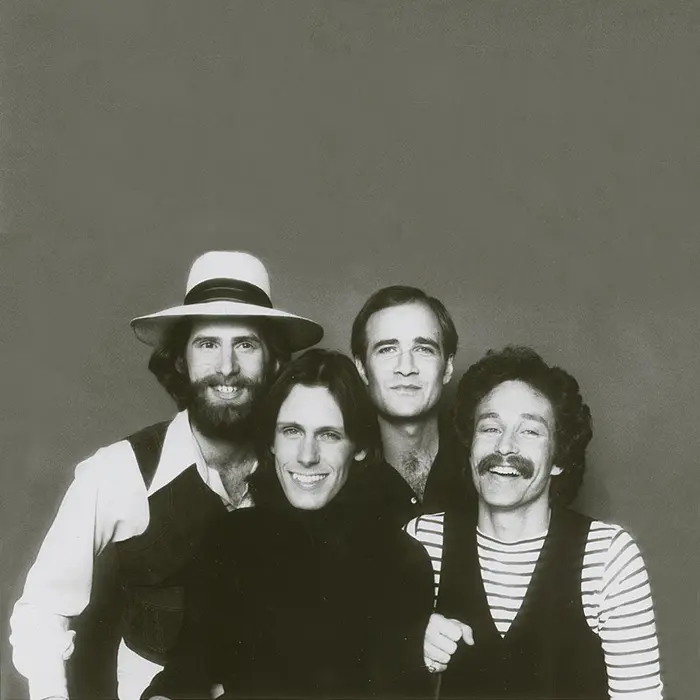
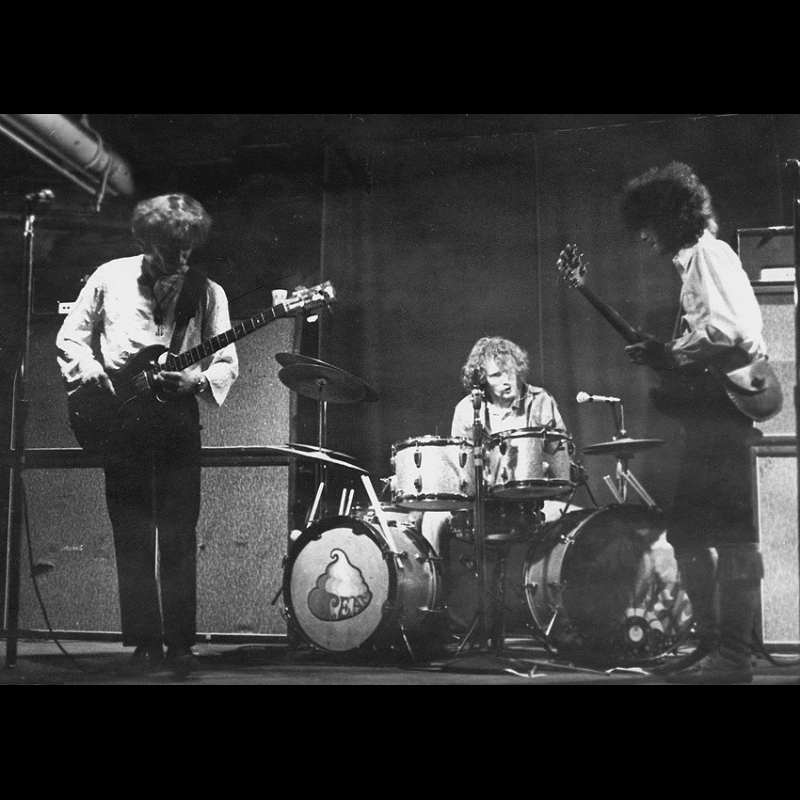
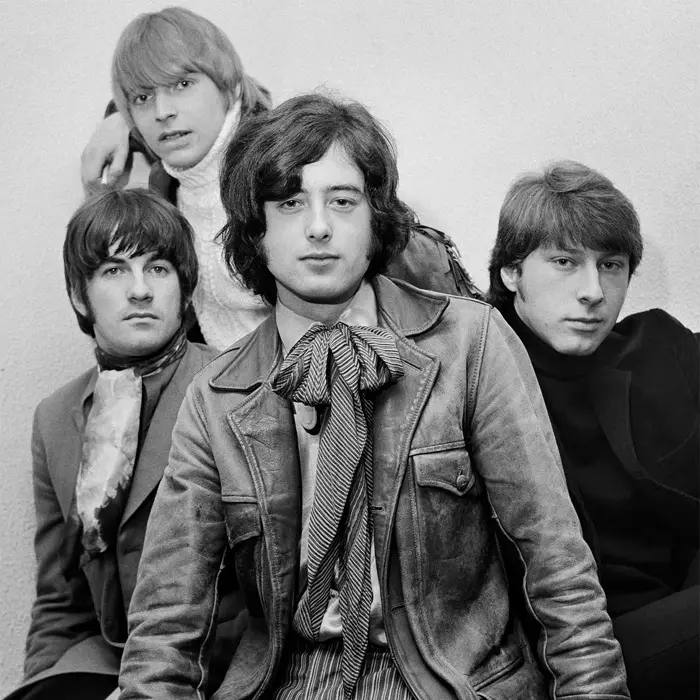
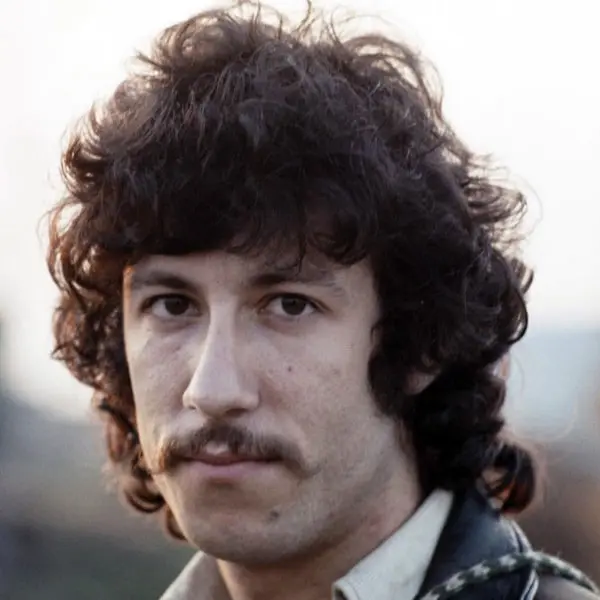
In 1968, 21-year-old Dawson heard that a young British blues band called Fleetwood Mac needed a roadie. Still in their first year, the group was founded by former John Mayall and The Bluesbreakers’ guitarist Peter Green. He’d successfully replaced Eric Clapton in that band, scoring an enormous amount of credibility and a sizable fan base, but establishing his own outfit was not a sure bet. Even so, the aspiring Dawson decided to take the chance, which might have been the best decision he made in his entire life.
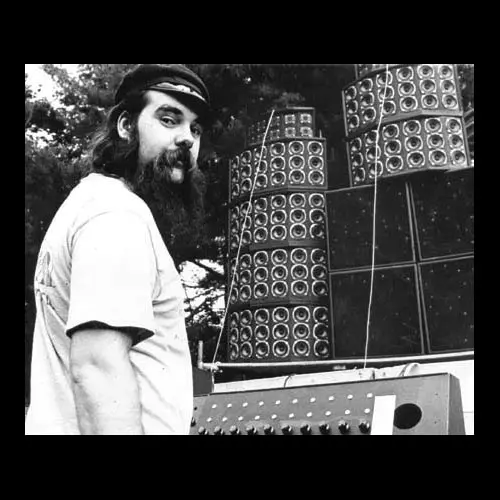
He spent two years with Fleetwood Mac, during which time the band established itself as a blues powerhouse, reaching headlining status around Europe and scoring a succession of hits. Dawson repaired their gear, updated their entire audio system, and mixed sound for all their shows. Typically, engineers managed their band’s sound from the side of the stage, but Dawson is widely considered to be the first to use a multicore cable (a “snake”) to carry the signal to a mixing desk in the audience in front of the PA speakers, where changes on the controls could be made and heard in real time.
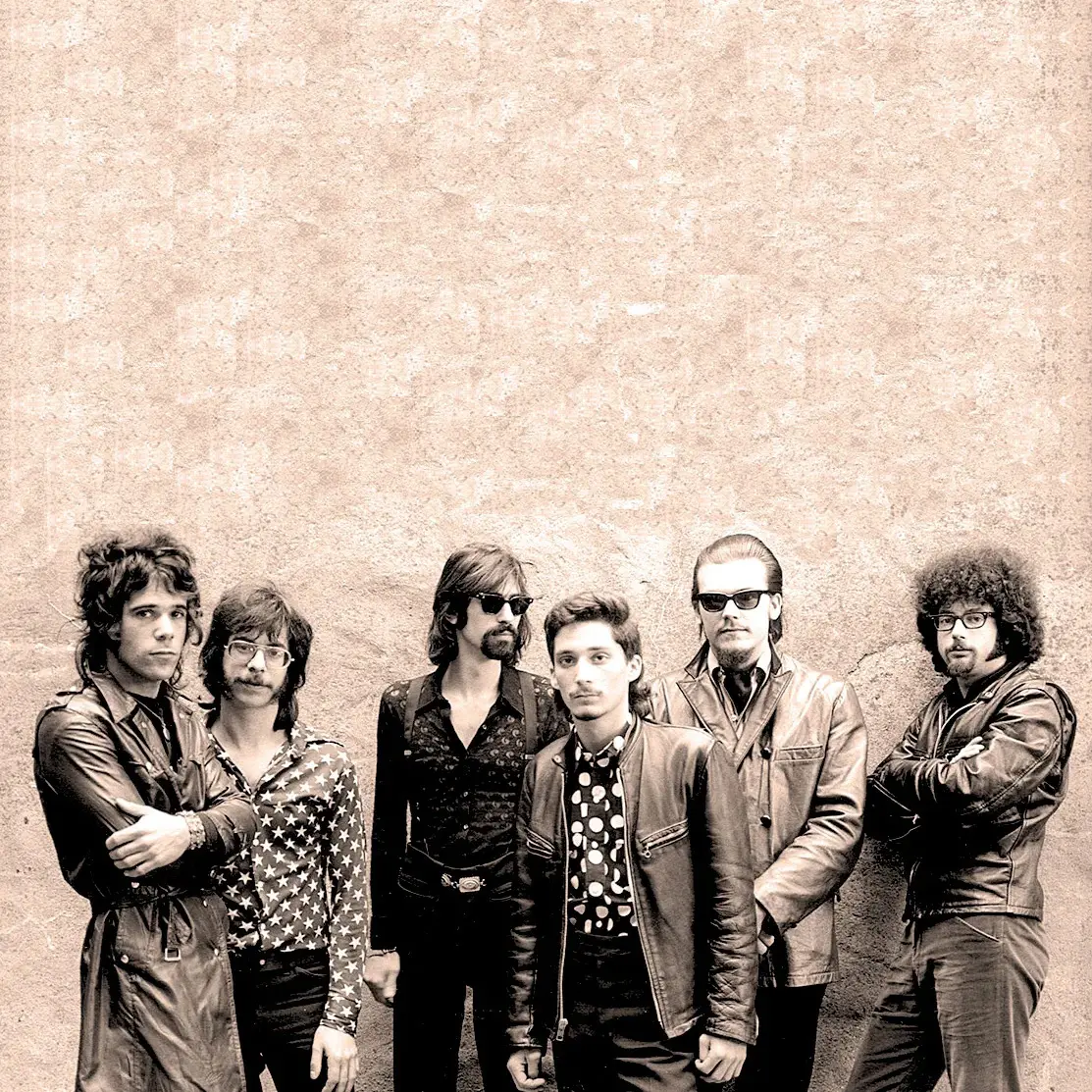
By 1970, however, Dawson’s dream gig had hit hard times. With Green’s descent into LSD-fueled madness and departure from the group, Fleetwood Mac entered a period of intense upheaval. During this time, a new lineup with an altered style emerged, but Dawson had tired of the drama and accepted a job with The Byrds, who at that point had made a boatload of hit records and attained mythical status. This period featured lineup of Roger McGuinn, Clarence White, Skip Battin and Gene Parsons, who recorded the albums (Untitled), Byrdmaniax and Farther Along.
Dawson managed the band’s sound needs on the road but also helped in the studio with their gear. He worked with drummer Parsons on the lyrics for a tribute to the roadies of the world, “B.B. Class Road” (on the album Farther Along), and, though Parsons handled the vocals, Dawson received a co-writing credit. The harmonious times soon faded, though, as The Byrds toured relentlessly while album sales began to tank. Arguments between the members festered, leading to a thoroughly toxic atmosphere backstage at many of the shows. By May 1972, the mood repelled Dawson to such a degree that he resigned from the organization; shortly after that, founding member Roger McGuinn broke up that version of the group.
DAWSON SOUND COMPANY, AUTOBIOGRAPHY, RECENT ACTIVITY
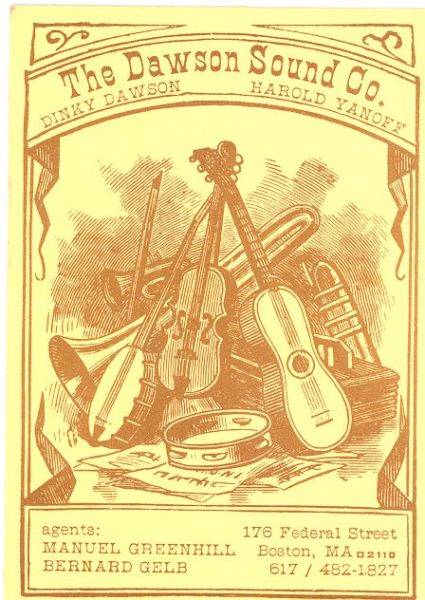
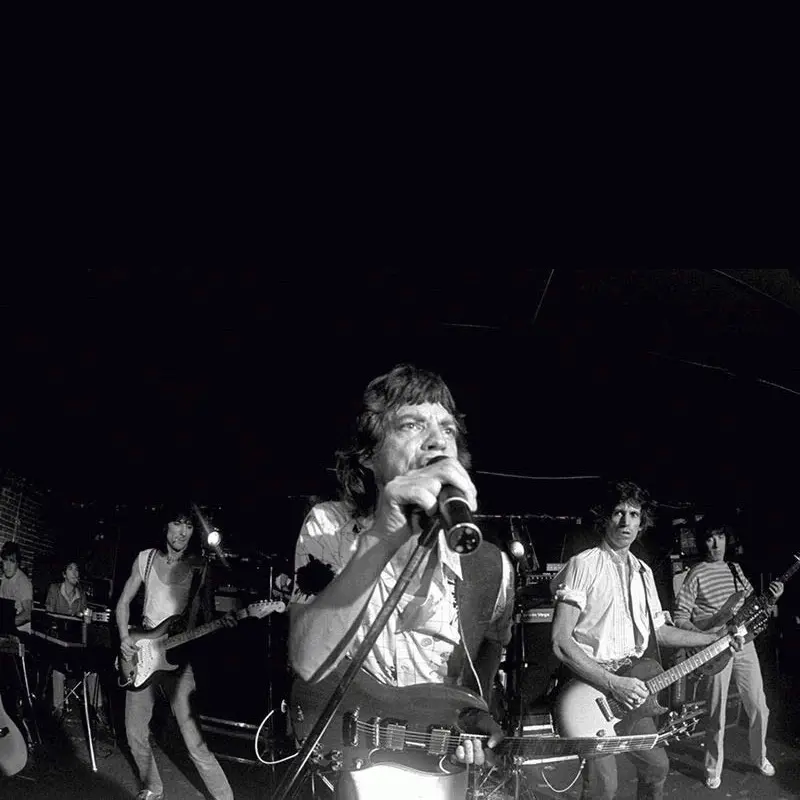
When he left The Byrds, Dawson had the foresight to purchase the band’s sound system, which he had built steadily over his two-year tenure. He improved the quality and beefed up the power of the acoustic suspension system throughout the summer of 1972 while setting up his business, Dawson Sound Company. His first client was John McLaughlin and The Mahavishnu Orchestra, whose jazz fusion complexities were sorted out in a crystal-clear sound mix that instantly drew a line of paying customers waiting at the door, among them Joan Baez, Roberta Flack, John Denver, The Kinks and Lou Reed. Dawson’s friends from The Grateful Dead, Jerry Garcia and Stanley Owsley, were sufficiently impressed with the advancements found in his system to inspire their own “Wall of Sound” PA a year later, and Dawson Sound provided equipment for the show on December 21, 1973 at the Academy of Music in New York City that yielded Lou Reed’s concert albums Rock ‘n’ Roll Animal and Lou Reed Live.
Dawson Sound teamed up on the road with Steely Dan, Jeff Beck, The J. Geils Band, Joni Mitchell, Warren Zevon, Orleans and others later in the ‘70s before Dawson began spending more time in the Boston area. He installed permanent audio systems in the Paradise Rock Club, Nick’s Comedy Stop, The Channel, Harvard University, Bridgewater State College and was a sound contractor at South Shore Music Circus in Cohasset. More touring with The Mamas and Papas, Rick James, New Kids on the Block and others carried him into the ‘90s and the new millennium.
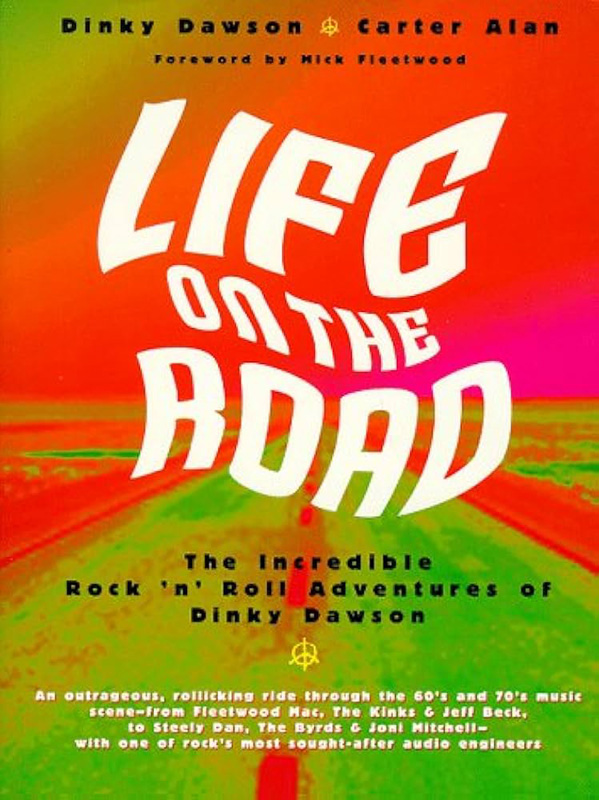
In 1998, Billboard Books published Dawson’s autobiography, Life on the Road: The Incredible Rock ‘n’ Roll Adventures of Dinky Dawson, co-written with this author. In more recent years, he’s been a guest lecturer, a writer for audio publications, a producer and an engineer. In 2024, he began a podcast series with Boston-area production manager and promoter Tony Raine called “Two Pints in a Corner,” holding conversations with local artists and music-business insiders; it’s carried by IHeart, Spotify, Apple and others. These days, the ever-industrious Dawson lives with his wife Nancy close to where his English forefathers dropped anchor at Plymouth. He may not be a Pilgrim, but he’s got the right accent.
(by Carter Alan)
Carter Alan is a former WBCN deejay now heard on WZLX-FM in Boston. He’s the author of Outside is America: U2 in the U.S. (Faber & Faber, 1992), U2: The Road to Pop (Faber & Faber, 1997), Radio Free Boston: The Rise and Fall of WBCN (University Press of New England, 2013) and The Decibel Diaries: A Journey Through Rock in 50 Concerts (University of New England Press, 2017).