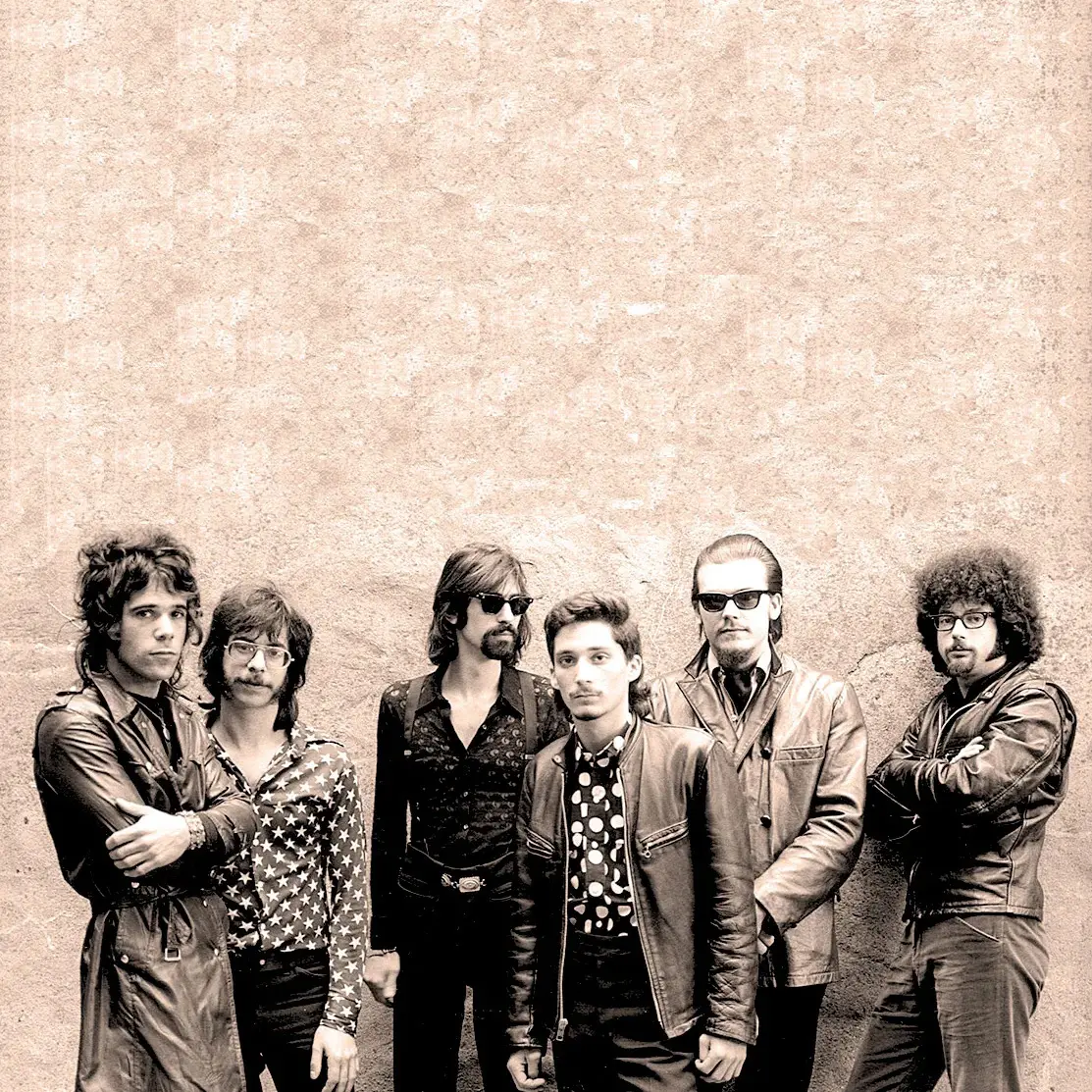
Pousette-Dart Band
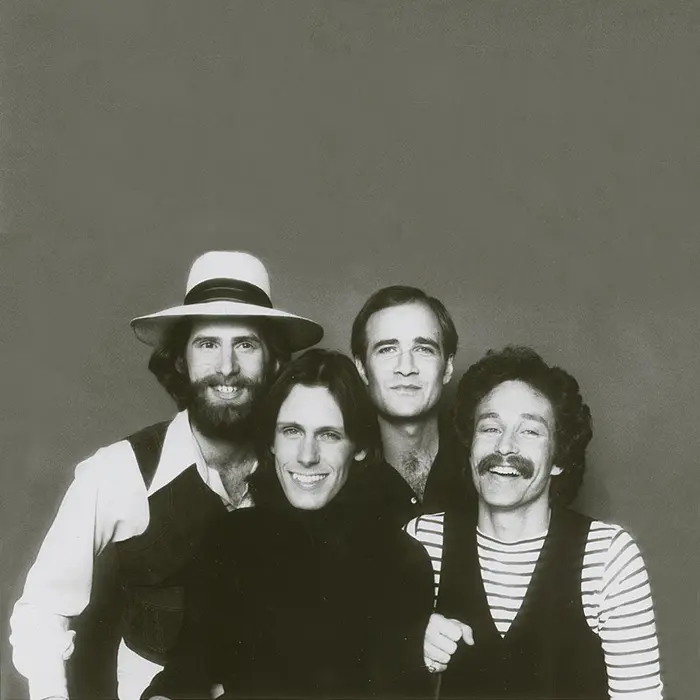
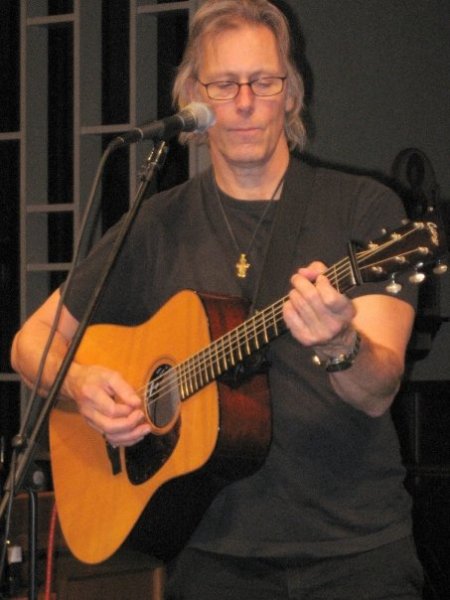
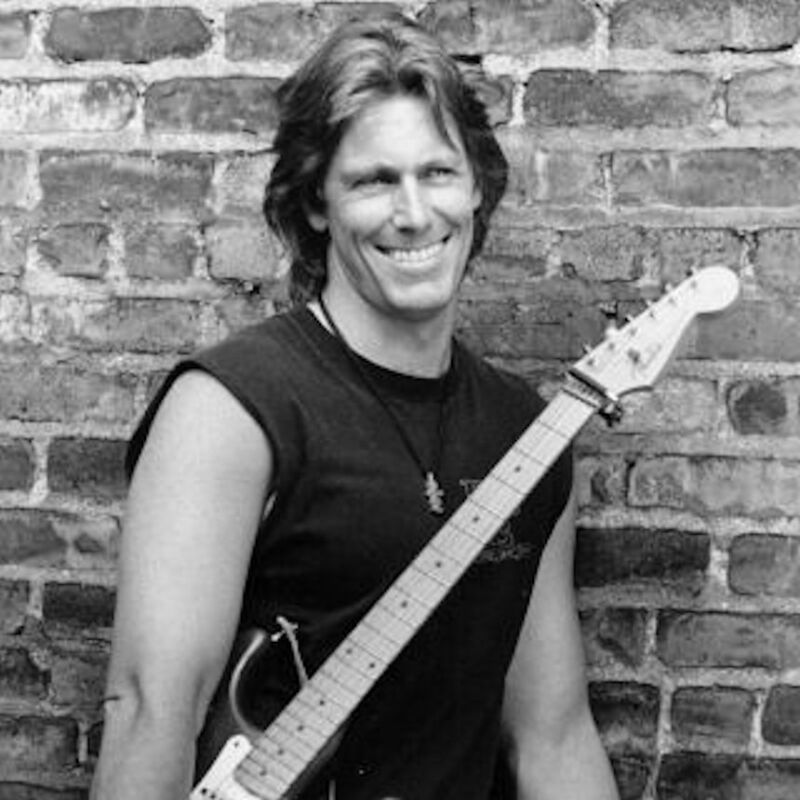
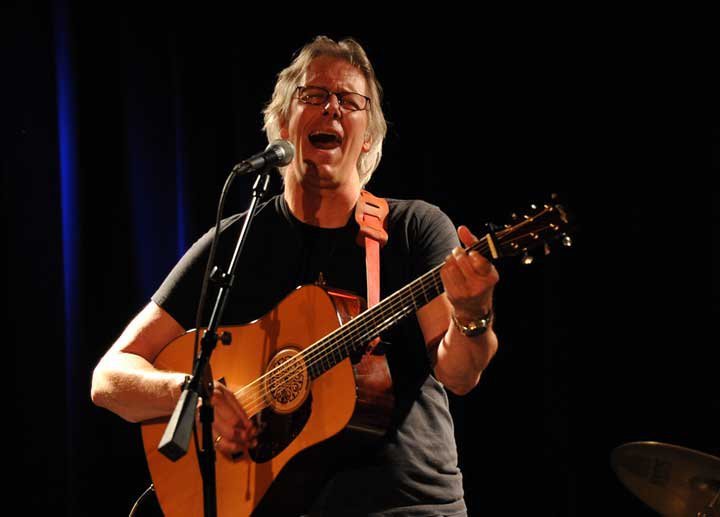
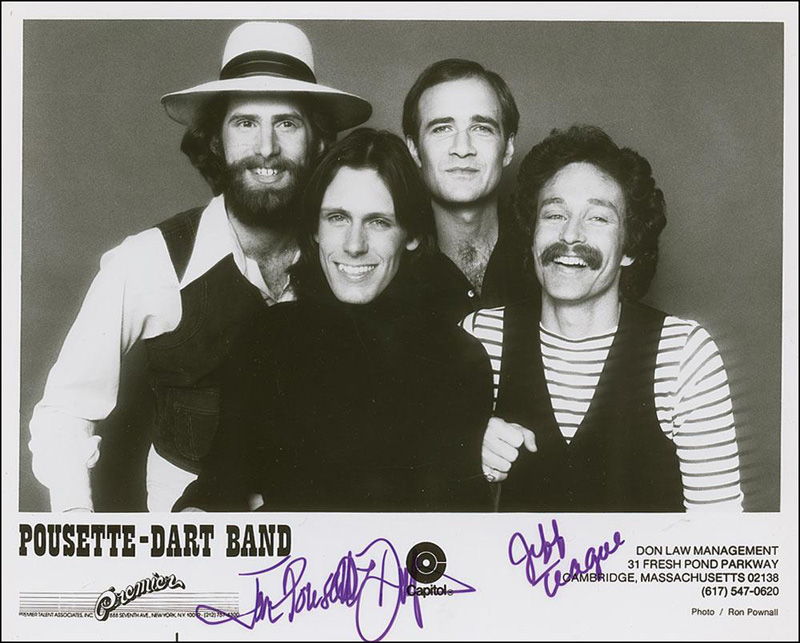
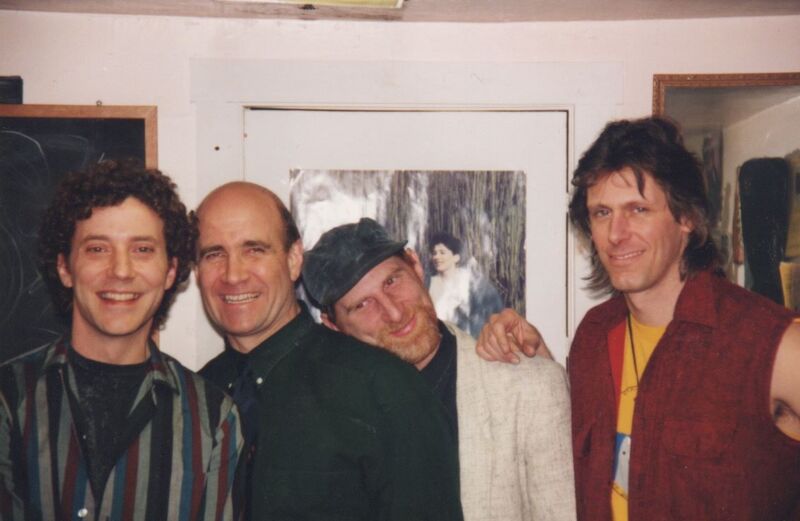
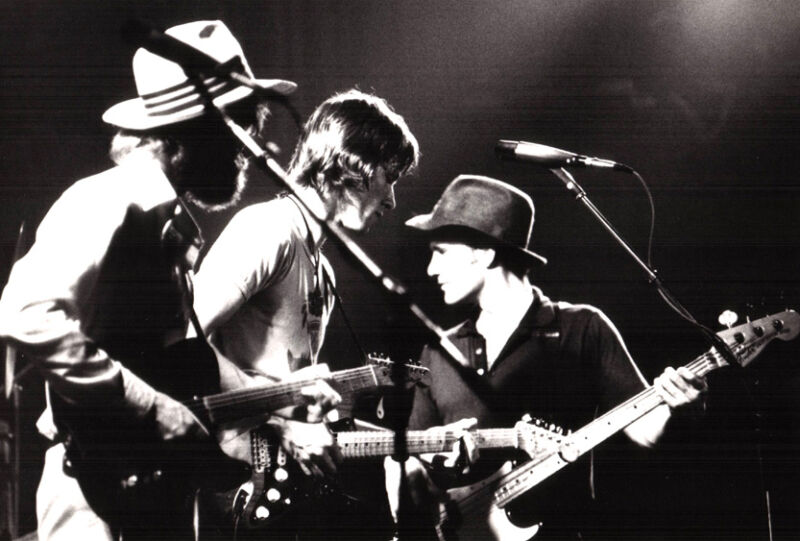
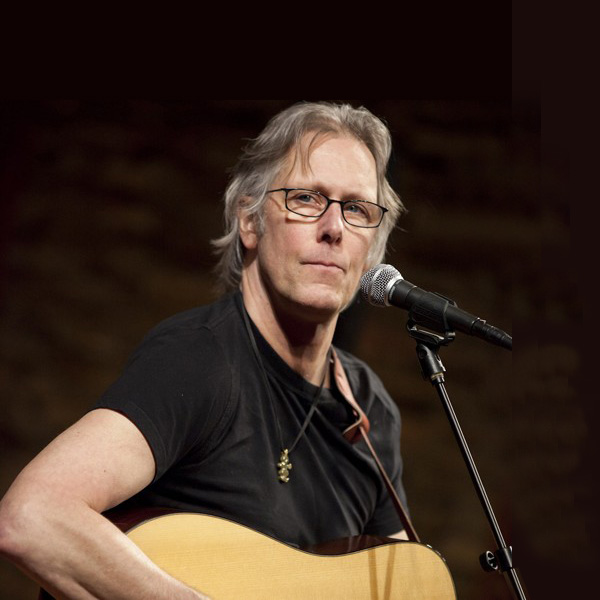
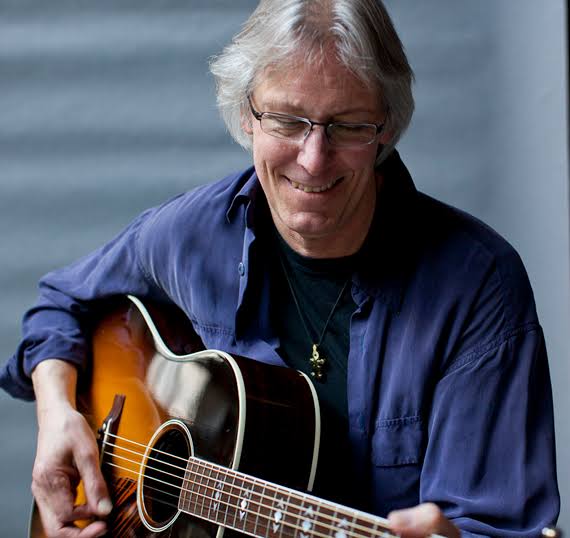
Pousette-Dart Band - photo by Ron Pownall
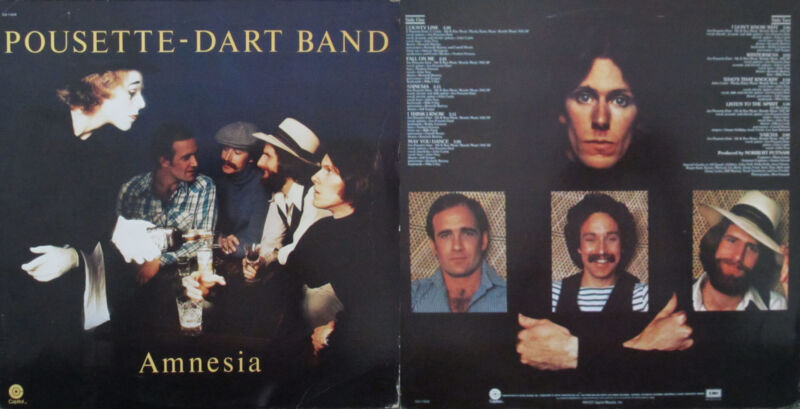
“I hope that it’s all amnesia; believe me, I’m sick but not insane!” For most, this lyric from “Amnesia,” the title track of Pousette-Dart Band’s 1977 album, is all they know about the group. The song was a “wicked favorite” on Boston radio that should have stampeded across the country on the back of its irresistible melody, fantastic vocals and distinctive slide guitar. But “Amnesia,” just like a few other singles the band cut, fell short commercially. Their albums sold moderately well, but not enough for the popular local act to retain its major label support, which was the only way a group could compete for success on a national level in the ‘70s and early ‘80s. Pousette-Dart Band soon faded from view, but in no way does that imply that the musicians didn’t create a lasting and admirable body of work.
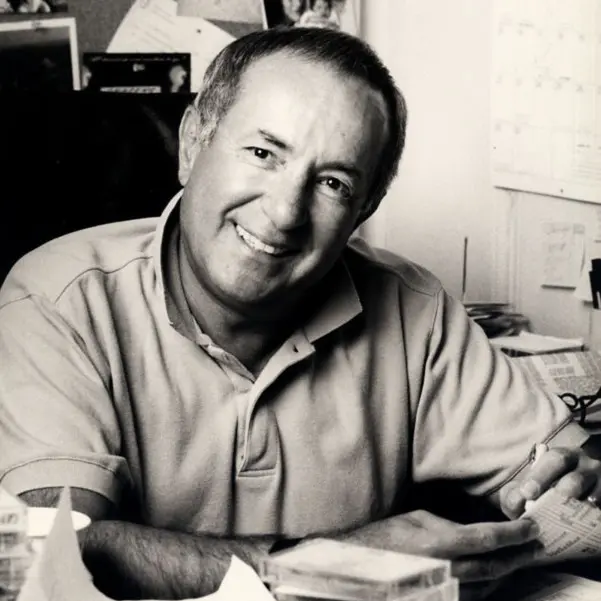
The band was built around the considerable talents of singer-guitarist Jon Pousette-Dart, born in 1952 and raised in Suffern, New York (just outside Manhattan). Exposed to art at an early age courtesy of his father, notable abstract expressionist painter Richard Pousette-Dart, he found greater interest in music and began playing guitar when he was seven. By 13, he’d joined his first band, Tony & The Tigers, which also featured two of comedian Soupy Sales’s sons. They appeared on national TV shows including To Tell the Truth and Hullabaloo and opened for The Animals in Atlantic City and singing heartthrob Bobby Sherman at Palisades Park.
FORMATION, EARLY SHOWS
Pousette-Dart enrolled at the University of the Pacific in Stockton, California in 1970, playing on-campus shows with his bassist roommate John Troy. He left school in ‘71, however, and began doing solo gigs on an endless road with an uncertain future. A year later, when he was opening for John Hammond on Nantucket at The Chicken Box, fabled music impresario Don Law, who’d cut his teeth as far back as ‘68 booking acts at The Boston Tea Party, was in the audience. Smitten by the young opener’s songwriting and delivery, the seasoned businessman sensed a great opportunity and convinced Pousette-Dart to move to the Boston area and sign a management deal with him. Soon after he settled in Cambridge, things started moving fast.
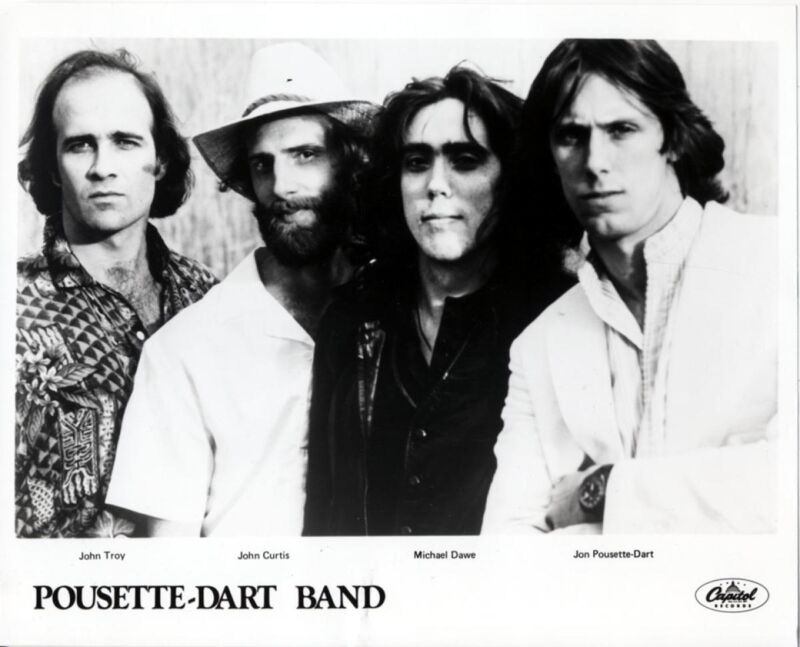
Law encouraged his new signing to get a steady band together, so Pousette-Dart reached out to his college buddy John Troy to play bass and sing, then completed the lineup with John Curtis on guitar, banjo, mandolin and vocals. Originally conceived as an acoustic trio and appropriately based in a mecca of the American folk scene, the group began playing universities and coffeehouses in 1973 and quickly developed a loyal following. They plugged for some shows since some of their newer songs were taking on a more commercial sound.
DEBUT ALBUM, “WHAT CAN I SAY,” AMNESIA
In 1975, Law secured a multi-album deal for the trio with Capitol Records based on the quality of their material and live performances. Adding drums and keyboards, the expanded Pousette-Dart Band headed off to Quadrafonic Studios on Music Row in Nashville to record their debut album with legendary producer/session musician Norbert Putnam, who’d backed Elvis Presley, Roy Orbison and many other legends. He captured ten of the band’s songs with crystal-clear clarity and helped to develop the group by blending its acoustic-folk roots with more saleable pop elements.
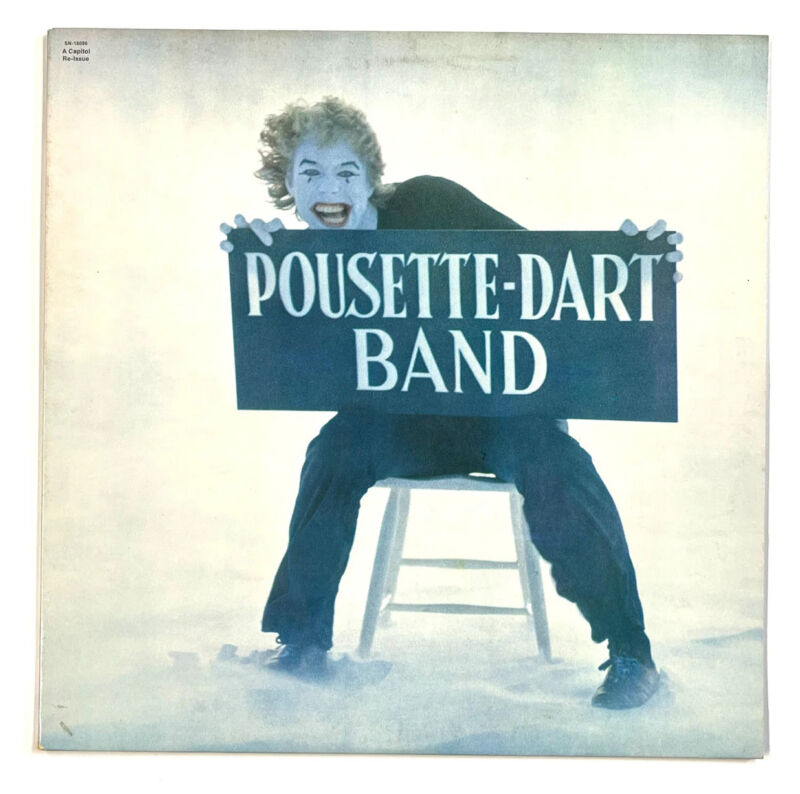
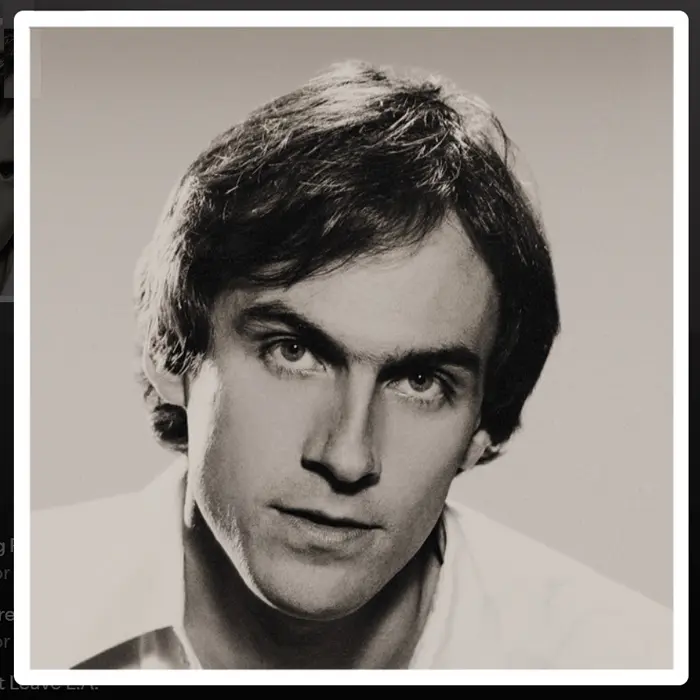
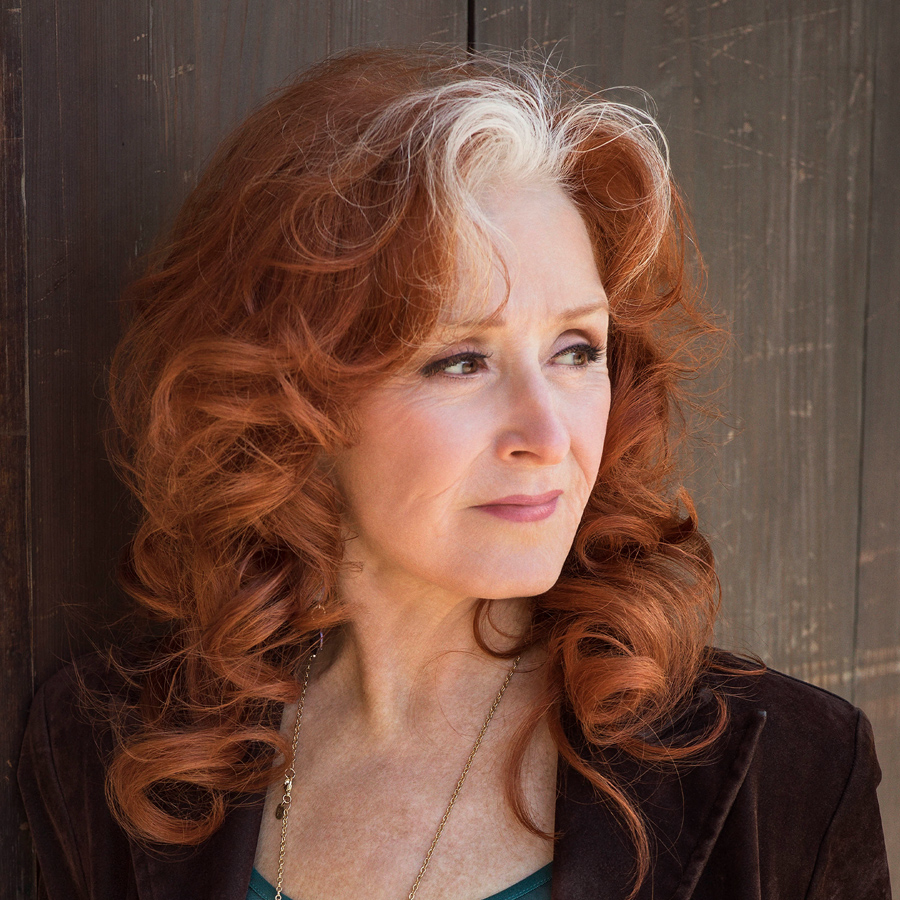
Capitol released Pousette-Dart Band in 1976 along with its first single, “What Can I Say,” and Law put the band on the road opening for the likes of Bonnie Raitt, Little Feat, James Taylor, The J. Geils Band and Peter Frampton (on his Frampton Comes Alive tour). Most critics found favor with the album, often using the term “soft rock” to describe the band’s style and lumping them in the same category as The Eagles, Orleans or Jackson Browne, which was certainly good company. But, while the group had no problem finding work on tour, “What Can I Say” ended up south of the Billboard Hot 100 and the album, as great as many said it was, went unnoticed by the mainstream.
Pousette-Dart’s slide guitar licks put a signature on most of the group’s music, and once heard could nearly always identify the band, and so it was on their sophomore album, 1977’s Amnesia. Even though the first release hadn’t sold as well as hoped, the musicians were pleased enough with the recording, so they returned to Nashville and Norbert Putnam. Billy Prett added a new texture to the group’s studio sound on sax and flute while Tennessee percussion ace Kenneth Buttery, who’d played on Neil Young’s Harvest, provided most of the beats.
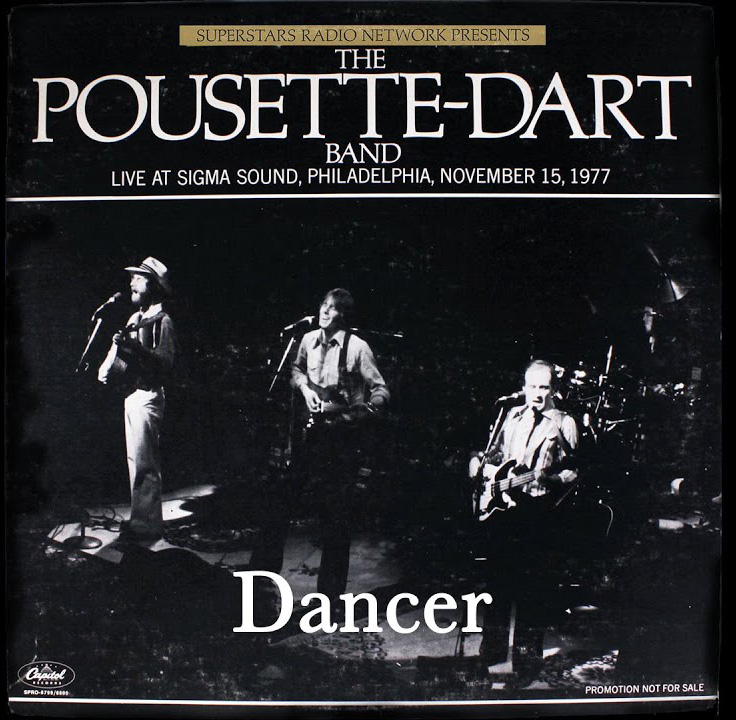
Despite a radio-friendly inclination with hooks galore, both singles from the LP, “Fall on Me” and “Amnesia,” failed to chart. The album peaked at #143 in the Billboard 200 – not exactly the home run Capitol was looking for – but at least some people were catching on. In early 1978, the label issued a promotional LP to radio stations: Live at Sigma Sound, Philadelphia, November 15, 1977, showcasing Pousette-Dart Band’s considerable skills onstage. The release marked the arrival of Michael Dawe, who became the group’s regular drummer just before this gig at the historic studio known as the epicenter of Philadelphia soul.
OTHER ‘70s ALBUMS, REUNIONS, IT’S ABOUT TIME, CURRENT ACTIVITY
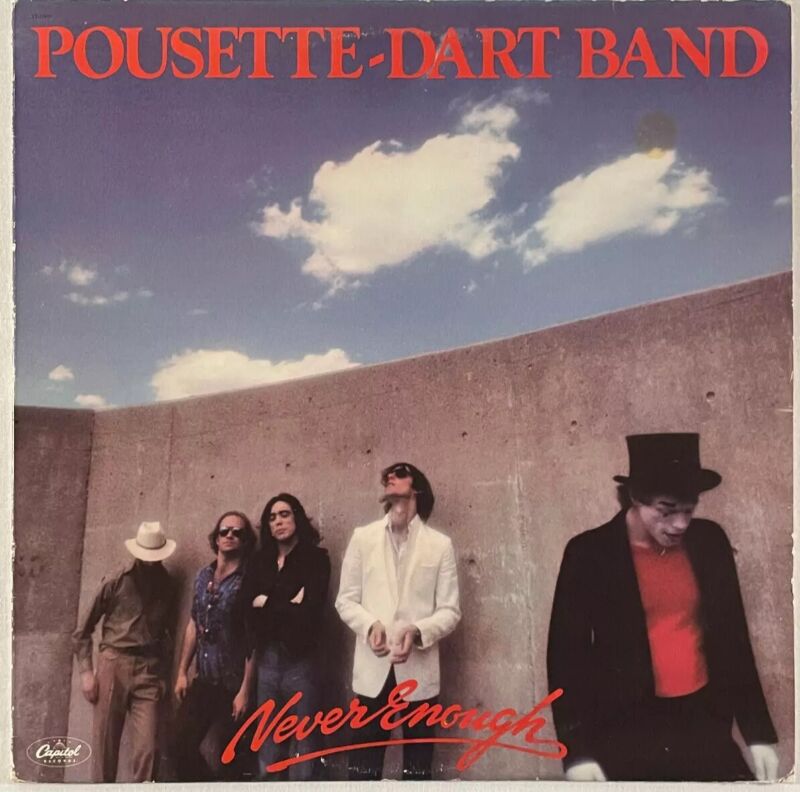
Later in ‘78, Pousette-Dart Band 3 hit the shelves, featuring a notable cover version of Ben E. King’s hit “Stand by Me,” but sales traveled in the wrong direction; it moved even less than Amnesia. The following year’s Never Enough album, despite generating the group’s only charting single (“For Love,” which reached #83 in the Hot 100), failed to reverse the slide. Capitol cut Pousette-Dart Band loose in 1981 after an industry-wide recession inundated virtually every record label, forcing them to cut back their expenses drastically. Pousette-Dart spoke often of what an extravagant decade it had been with the unlimited company budgets, loose bookkeeping and bottles of Dom Perignon littering the way. Under these circumstances, the group broke apart and Pousette-Dart returned to New York, re-establishing himself as a solo act and session musician while Troy and Curtis pursued their own solo ventures.
The three musicians and old friends reformed as Pousette-Dart Band in 1991, going on to play an extended series of reunion shows leading up to the 1994 release of The Best of Pousette-Dart Band collection. Later that same year, they cut their final LP, It’s About Time, on the independent Artist Resource Management label. Recorded at Orpheus Studios in Manchester-by-the-Sea, Massachusetts, the release included 17 new songs from the much-beloved group.
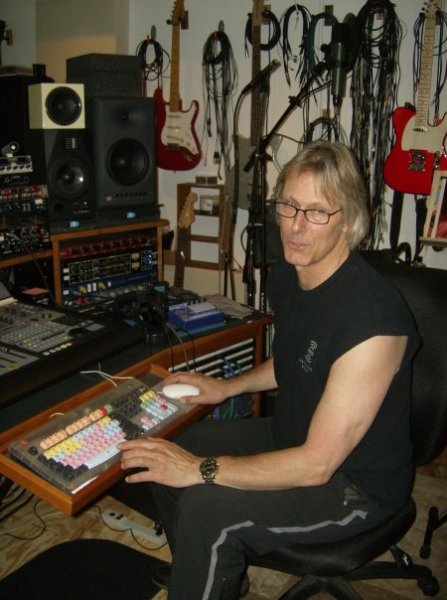
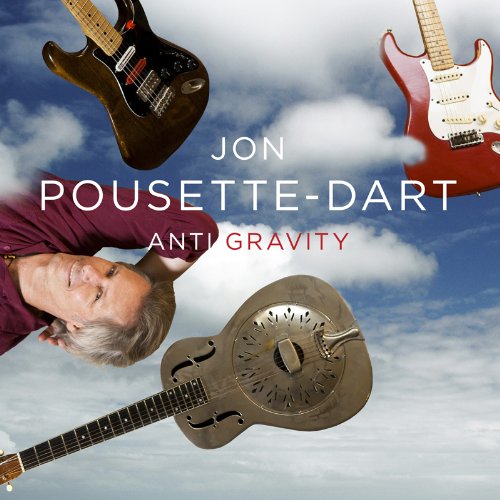
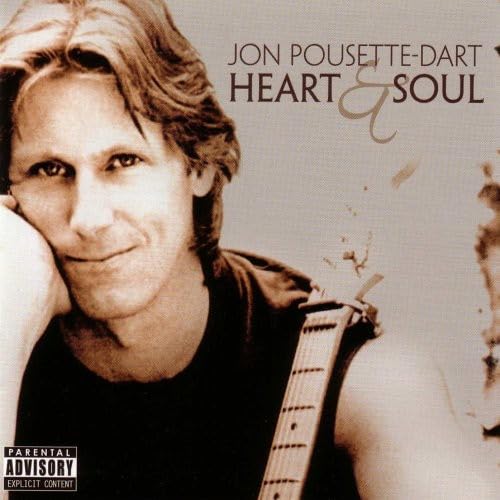
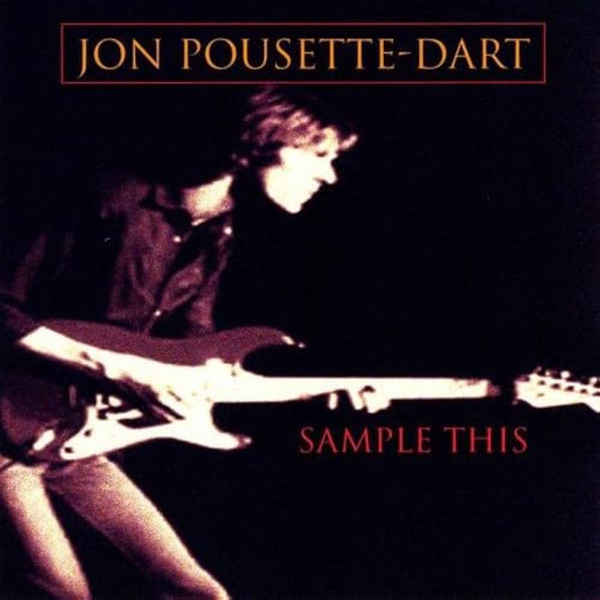
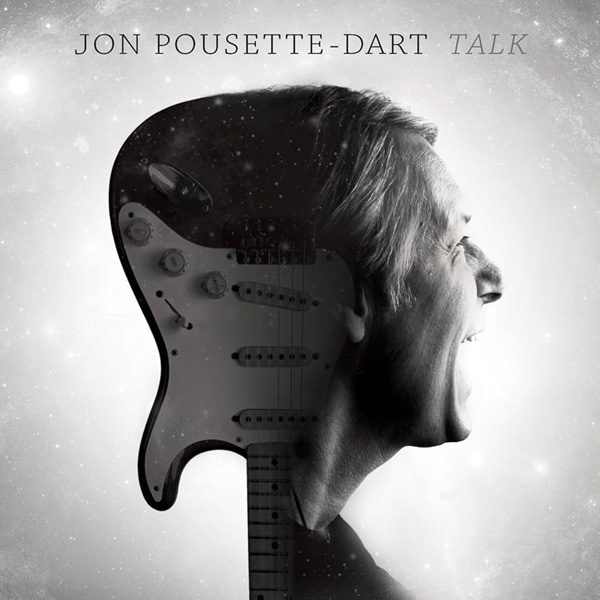
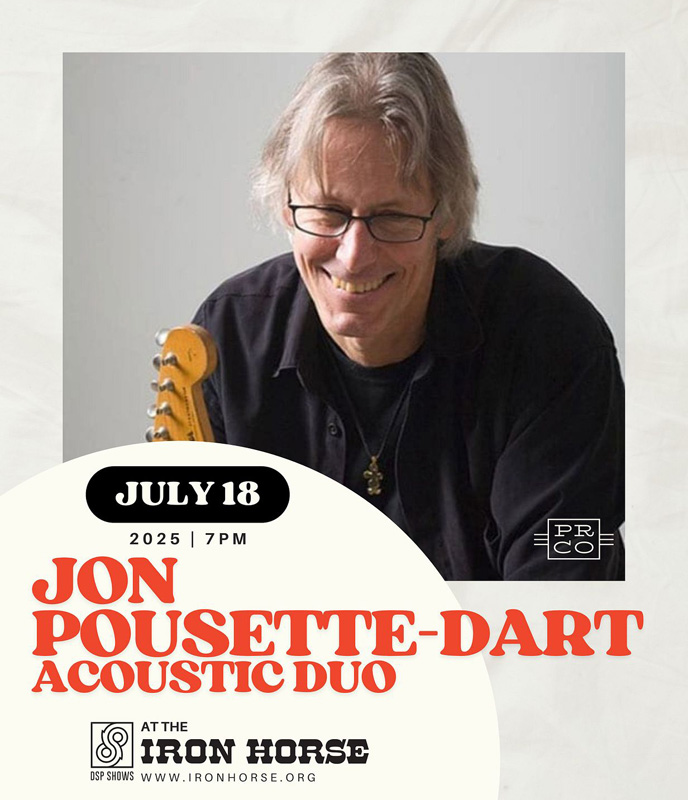
Following that album and more gigs, the members once again went their separate ways, all continuing their lifelong pursuit of music. Troy played bass for Joe Cocker, Natalie Cole, The John Hall Band and others before moving to California and establishing himself as a solo performer. Curtis remained in the Boston area working with and/or providing lessons on a variety of stringed instruments to members of Yes, Little Feat, Joe Perry, Patty Griffin and dozens more. These days, he runs Curtis Studio in Newburyport, Massachusetts while teaching and producing music for Ken Burns’ documentaries and PBS productions. Pousette-Dart has recorded several solo albums and tours regularly with musical compadre Jim Chapdelaine.
(by Carter Alan)
Carter Alan is a former WBCN deejay now heard on WZLX-FM in Boston. He’s the author of Outside is America: U2 in the U.S. (Faber & Faber, 1992), U2: The Road to Pop (Faber & Faber, 1997), Radio Free Boston: The Rise and Fall of WBCN (University Press of New England, 2013) and The Decibel Diaries: A Journey Through Rock in 50 Concerts (University of New England Press, 2017).