The Center for Arts in Natick (TCAN)
Those from outside the region may not know it, but the area of Massachusetts known as MetroWest, an assortment of small cities and sleepy towns between Boston and Worcester, was something of a music mecca in the second half of the 20th century thanks to the Carousel Theatre (1958-1969), the Chateau de Ville (1971-1984) and the Old Vienna Kaffeehaus (1986-1996), each of which presented a seriously impressive array of household names, future stars and local legends. And as many who’ve visited the region in more recent decades will attest, it’s continued being a musical hotspot in the 21st century thanks to a place that’s hosted a multigenred collection of renowned, sometimes iconic artists in one of the area’s most historic buildings: The Center for Arts in Natick, known as TCAN (pronounced “tee-can”).
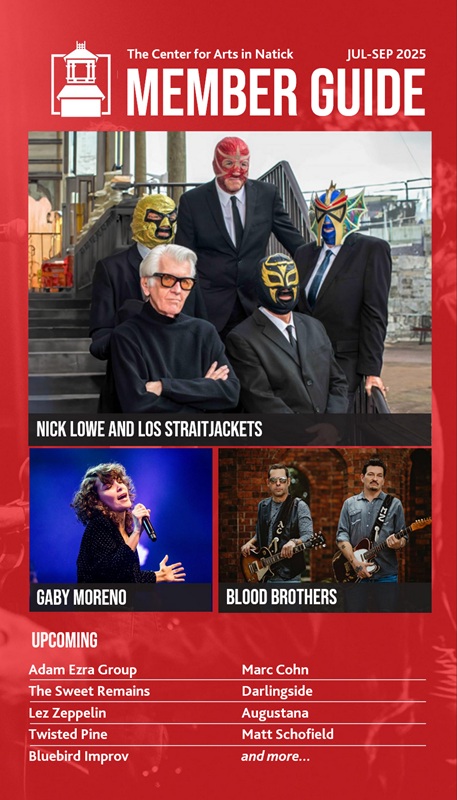
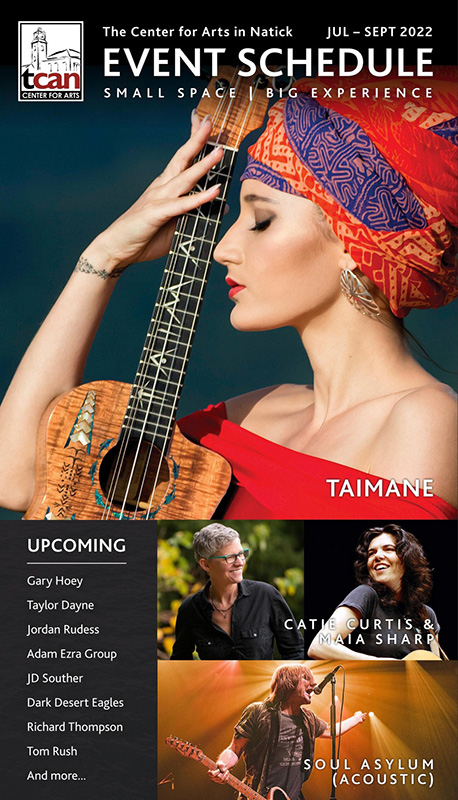
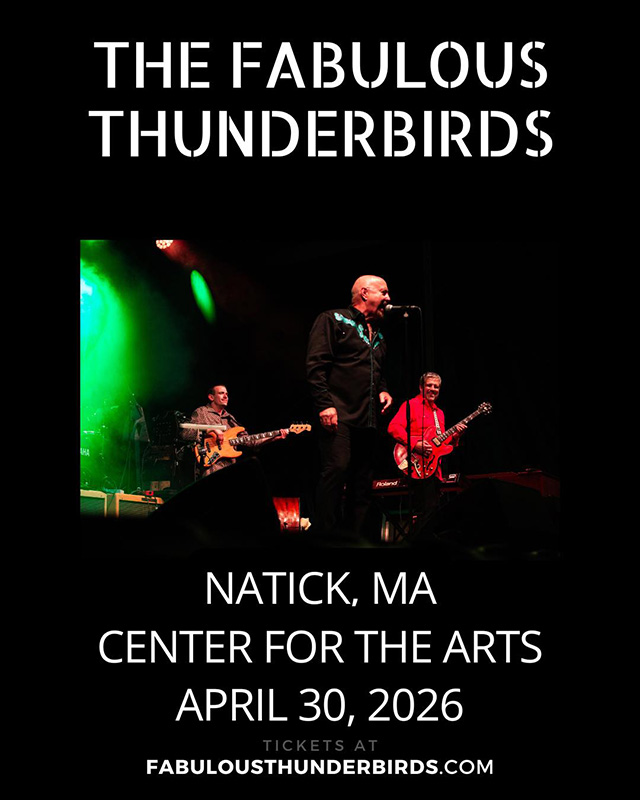
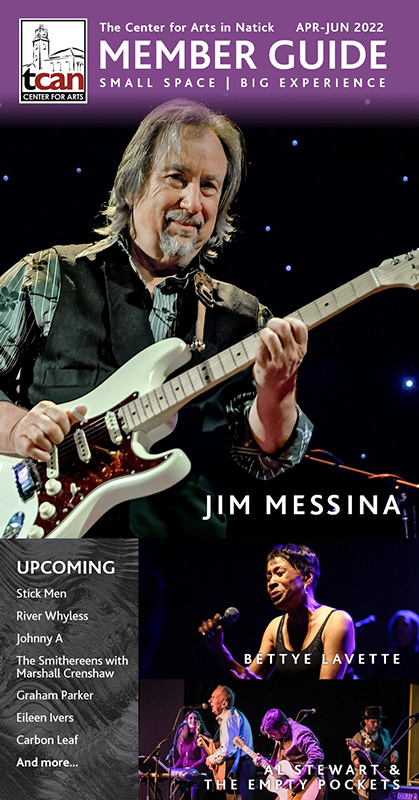
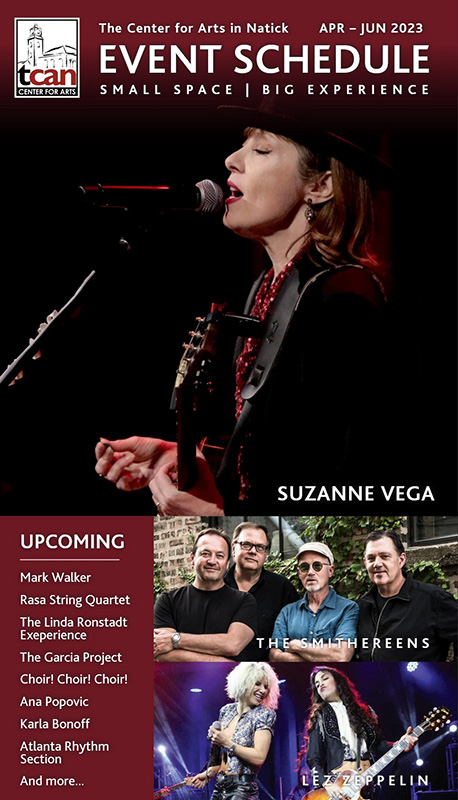
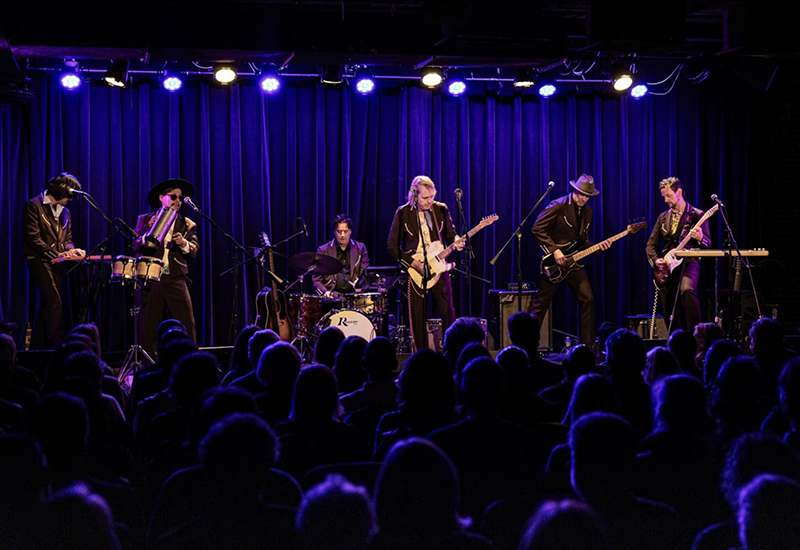
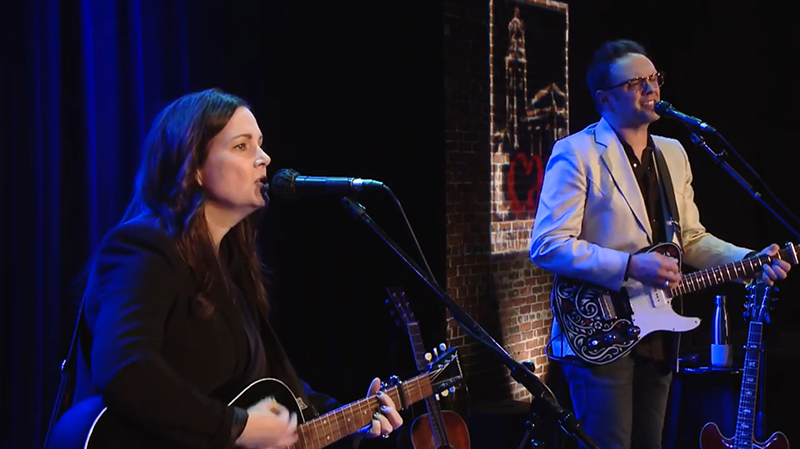
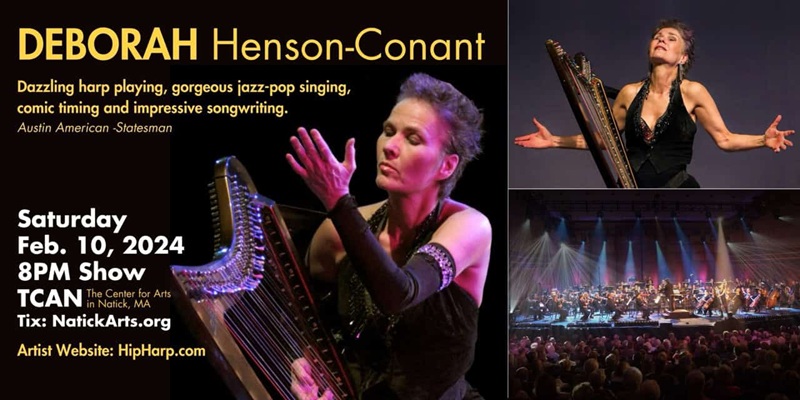
Following its mission to “increase opportunities to experience, participate in and learn about the arts” and “present arts programs of the highest standard that are available to everyone,” TCAN has become one of New England’s most frequented small spaces for acts of all ilks, from folk, rock, blues and classical to jazz, pop, roots and country. Many well-known New England-rooted artists have taken the stage, among them Peter Wolf, Patty Griffin, Tom Rush and Dar Williams, and acts from outside the region have ranged from Rickie Lee Jones, Larry Carlton, Leo Kottke and Thomas Dolby to Jimmy Vaughan, Ronnie Spector, Richard Thompson and Soul Asylum. The venue holds more than 300 performances, film screenings and classes per year at various locations – TCAN in Natick Center, the TCAN Screening Room, The Verve Hotel Boston Natick, the Belkin Family Lookout Farm and the Keiter Center at Walnut Hill School – and offers workshops for kids on singing, dancing, acting, set building and other arts-related areas.
COFFEEHOUSE BEGINNINGS, MOVE TO CENTRAL FIRE STATION
TCAN’s history begins in 1997, when Natick resident Michael Moran opened a coffeehouse-style space at 31 Main Street, promoting the roughly 60-seat space as a spot for cultural exchange, social interaction and a smorgasbord of artistic events. Over the next several years, the venue held open-mic nights, a weekly jazz jam, community theatre productions and art exhibits. By the turn of the century, the program also included a regular all-ages rock concert featuring teen bands, a classical-music series, shows for children and appearances by national acts including “Spider” John Koerner and Philadelphia-based jam band The Disco Biscuits. Then as now, the organization depended on volunteers for most event staffing, marketing and fundraising.
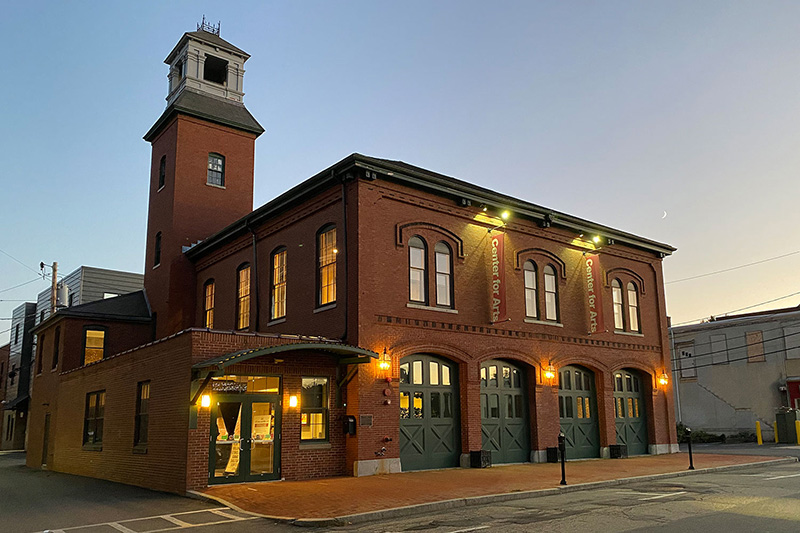
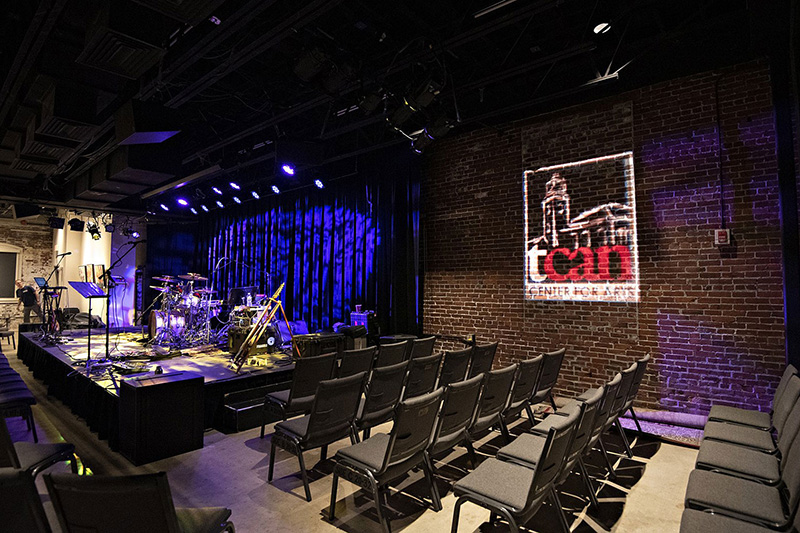
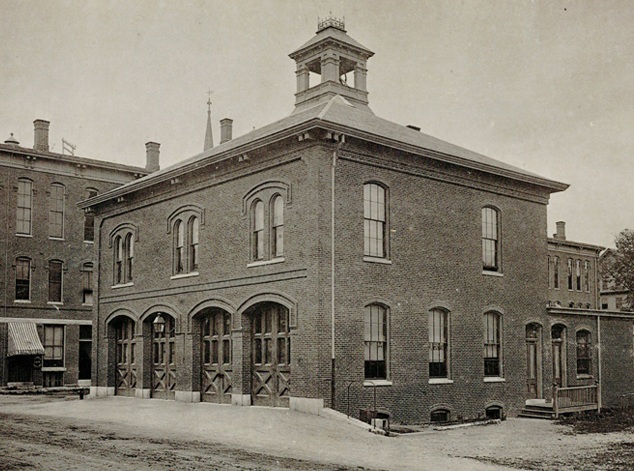
The tiny venue’s increasing popularity in Natick and the surrounding area led to Moran seeking a larger facility and, after considering a number of options, TCAN purchased the historic Central Fire Station on Summer Street from the Town of Natick in April 2001. Originally constructed in 1875 after a devastating fire in January 1874 (when Natick shoemaker Henry Wilson was serving as US vice president under President Ulysses S. Grant), the building was included in the National Registry of Historic Places in 1977 (as part of the Natick Center Historic District). A roughly $2.2 million, two-year restoration followed, which included installation of a steel beam that allowed a 4,000-square-foot main performance space: reconstruction of the cupola on top of the hose-drying tower; restoration of windows and masonry; a new roof; the return of two double-bay entrances to the original four-arched bays; and state-of-the-art lighting and sound systems.
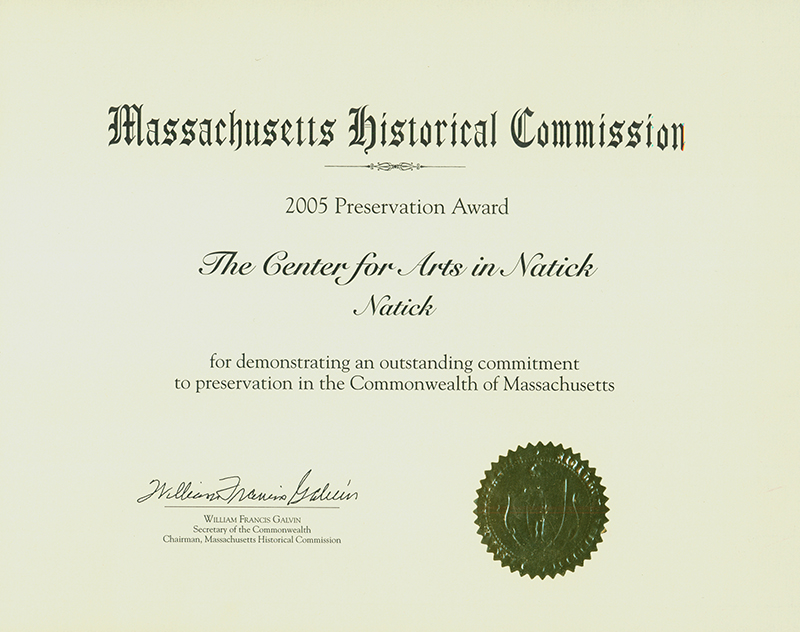
The fully refurbished 270-seat space opened in May 2003 and in October 2005 the Massachusetts Historical Commission recognized the firehouse and TCAN with a Preservation Award for the superb restoration and creative reuse. In the fall of 2016, thanks to a widely successful fundraising campaign that brought in around $1.7 million, TCAN renovated the firehouse’s second floor for use as a digital-cinema venue and performance space. The venue repaid all debt from the 2003 restoration by the end of 2019, demonstrating just how popular and commercially successful it had become.
MANAGEMENT CHANGE, PROGRAMS, PARTNERSHIPS
In March 2004, TCAN’s Board of Directors fired founder Moran, ending his seven-year term as the head of the organization. The move was met with a significant protest in the local community and some TCAN volunteers left as a result, but the decision wasn’t a surprise to everyone, according to an article in The Boston Globe. “Some board members said the termination had been a long time coming because the board’s relationship with Moran, a temperamental force credited with nurturing the organization through years of fundraising and community building, was frequently marked by disagreements and friction,” wrote the paper’s Alison O’Leary Murray. As his replacement, the board chose TCAN volunteer, musician and theatre afficionado David Lavalley as executive director, a position he holds to this day.
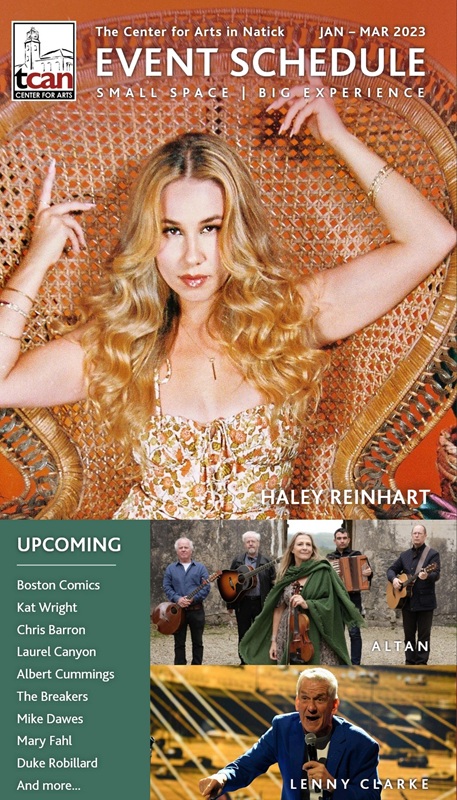
All opinions about Moran’ s controversial ousting aside, there’s no doubt that TCAN has continued to thrive and expand since Lavalley took the reins. These days, in addition to hosting a wide range of concerts and workshops for kids, it screens feature films, documentaries and classic movies in the 120-seat TCAN Screening Room; is home to its own theatre troupe, the TCAN Players, whose productions, cast and crew have been nominated for and won DASH awards from the Eastern Massachusetts Association of Community Theatres; holds open-mic nights for singer-songwriters and musicians of all genres; and hosts the Young Masters Series, a program that presents young classical musicians from around the world. A number of renowned stand-up comics have taken the TCAN stage, among them Jimmy Tingle, Paula Poundstone, Lenny Clarke, Sandra Bernhard and Steve Sweeney.
In an effort to expand its audience and program variety, TCAN has formed a variety of strategic partnerships over the past two decades. The first was in 2008 with the Danforth Museum in Framingham, followed by ones with the Walnut High School in Natick in 2013; The Verve Hotel Boston Natick in 2012 (through which its presented acts including Lisa Marie Presley, Eddie Money, 10,000 Maniacs, Loverboy, The Tubes and The Smithereens); and Berlin Family Lookout Farm in South Natick (through which it hosts outdoor musical events). As part of collaborations with the South Middlesex Opportunities Council, the United Way of TriCounty and the Natick Service Council, TCAN is part of the “Smile in Every Seat” program, which provides free access for economically disadvantaged people in Natick and the surrounding area.
NOTABLE APPEARANCES, RECORDINGS
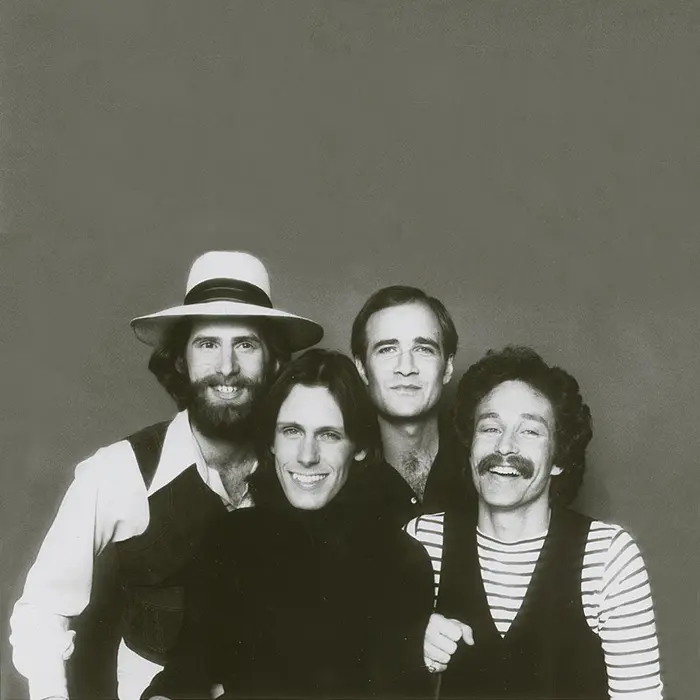
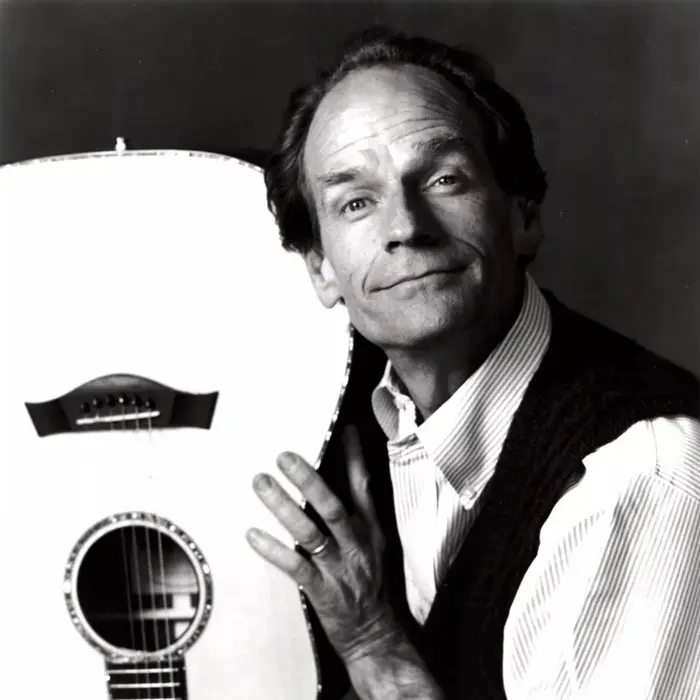
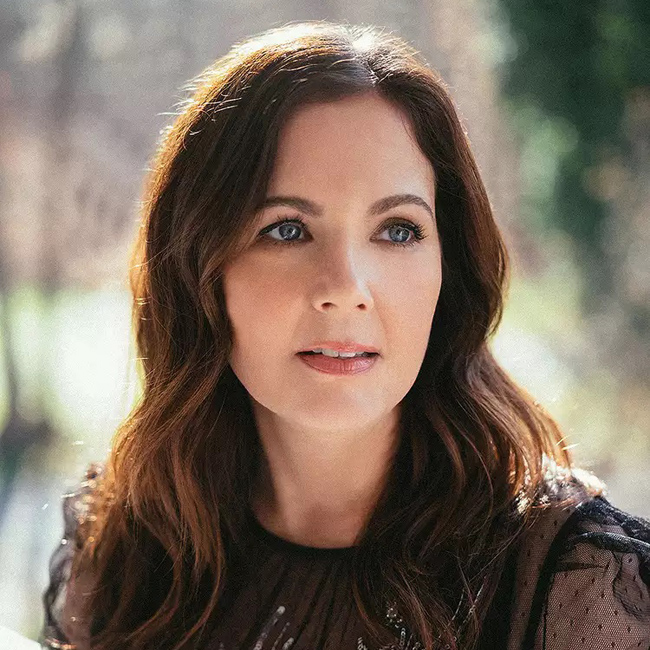
Between 2003 and 2010, TCAN firmly established itself as one of Southern New England’s premier small venues by hosting a laundry list of well-known artists from across the musical spectrum. The roster included well-established folk and roots acts such as Aztec Two-Step, Richie Havens, Livingston Taylor, Jonathan Edwards and Lori McKenna; The Lovin’ Spoonful’s John Sebastian; roots rocker Marshall Crenshaw; The Byrds’ Roger McGuinn; a capella icons The Persuasions; Tin Pan Alley-style singer-songwriter Leon Redbone; local blues-rock fave Jon Butcher; saxophone prodigy Grace Kelly; and the ever-popular Jonathan Richman, who grew up in Natick.
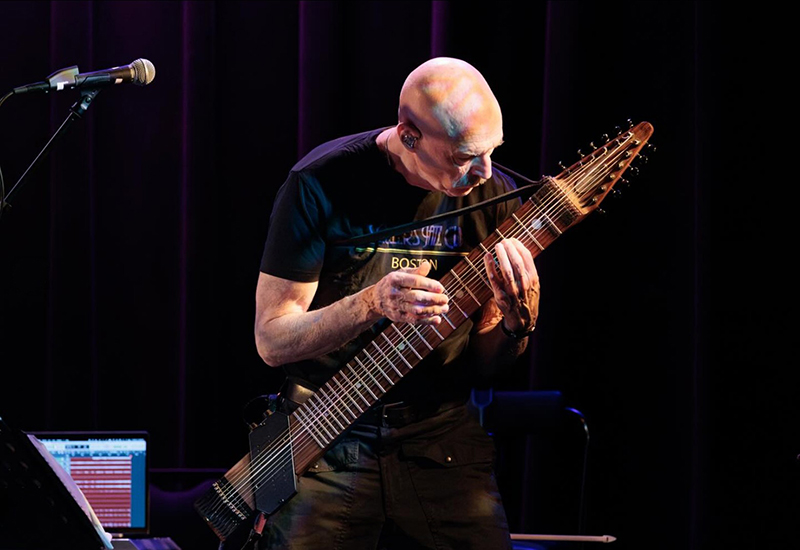
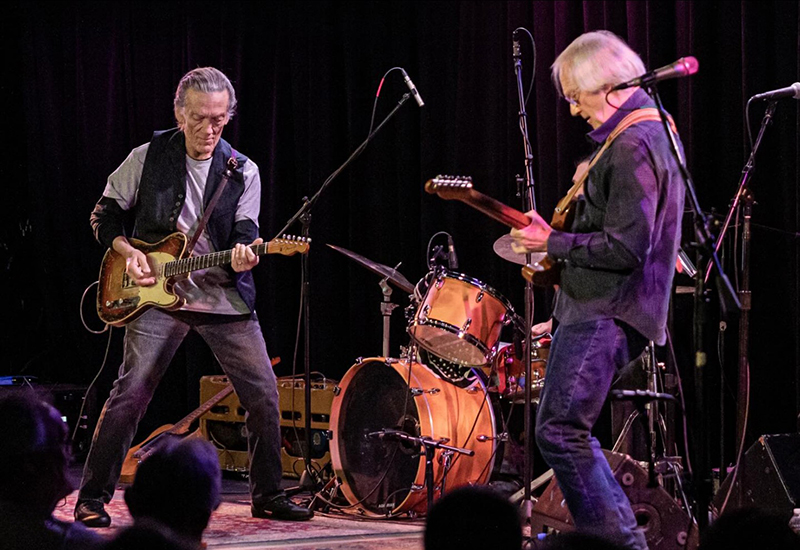
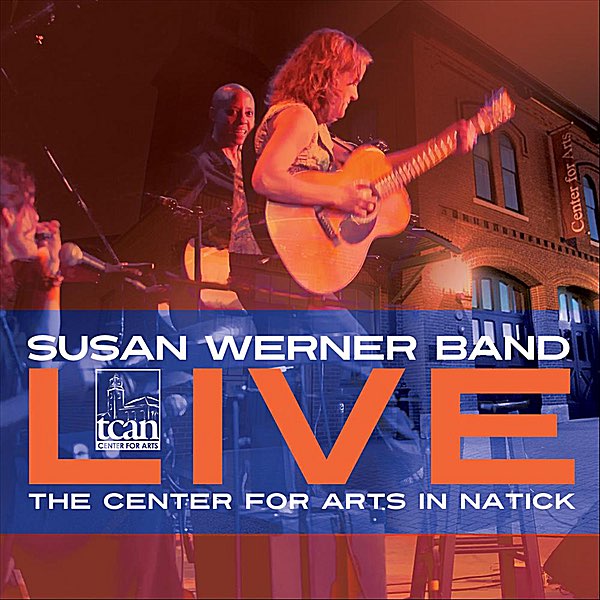
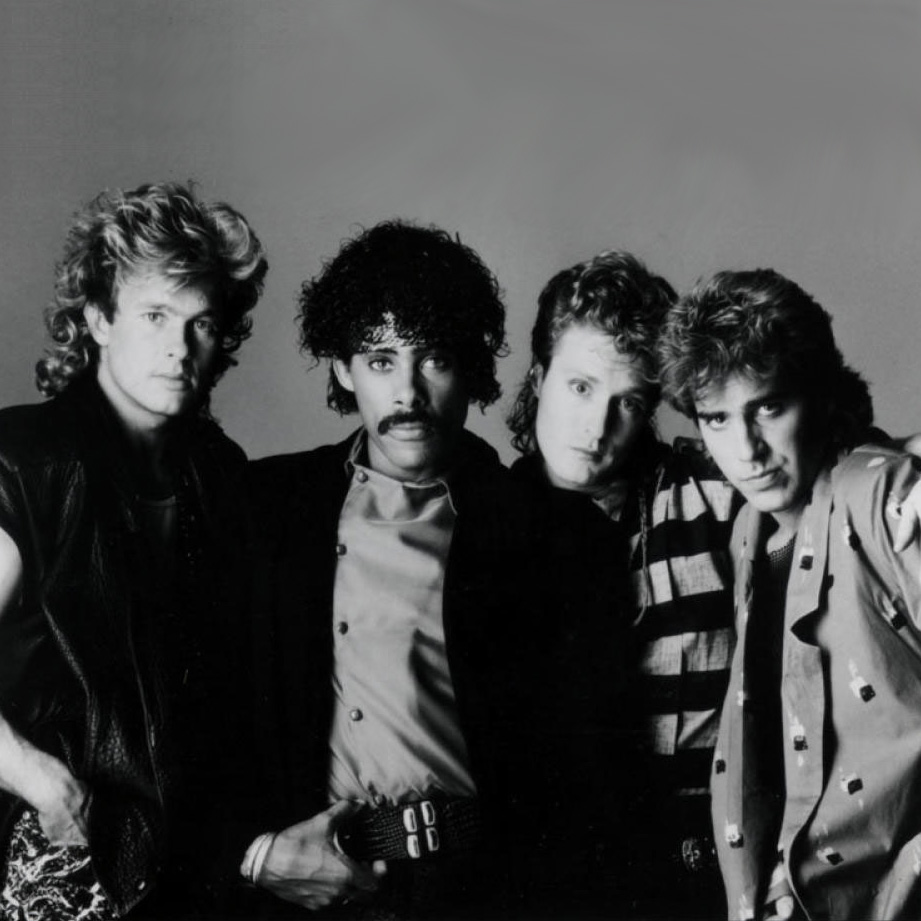
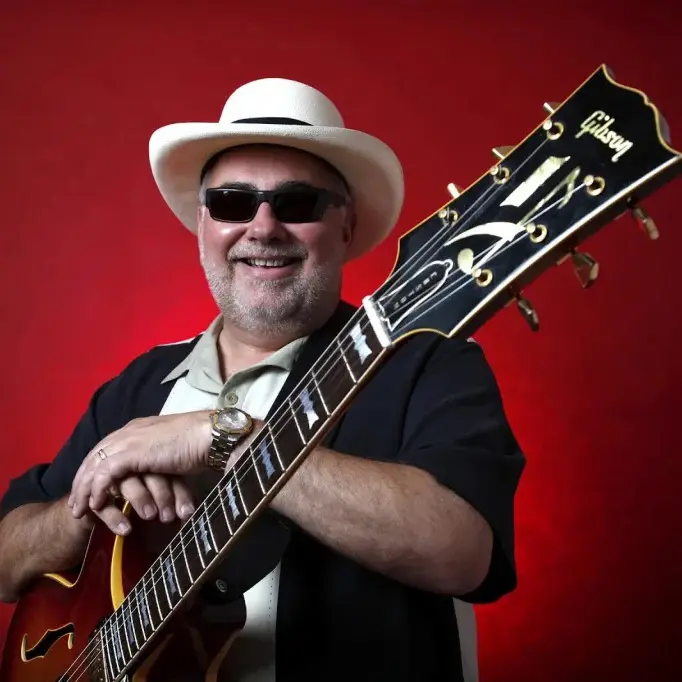
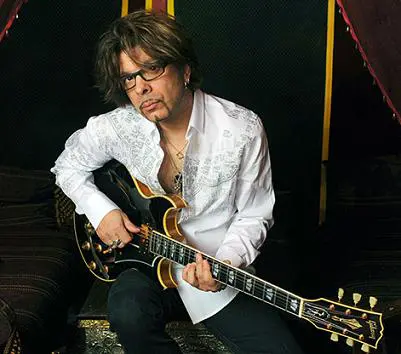
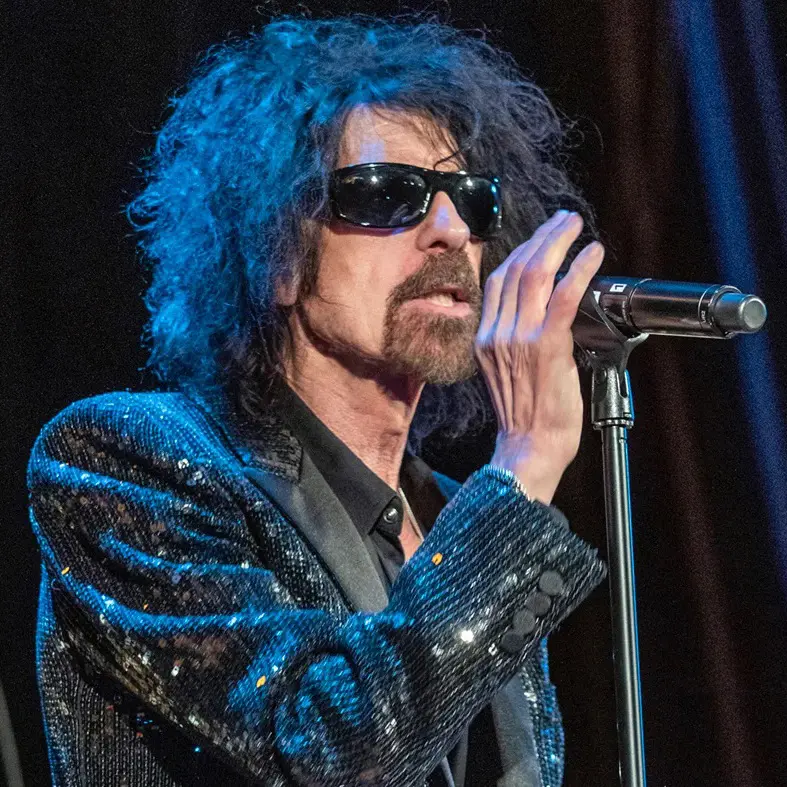
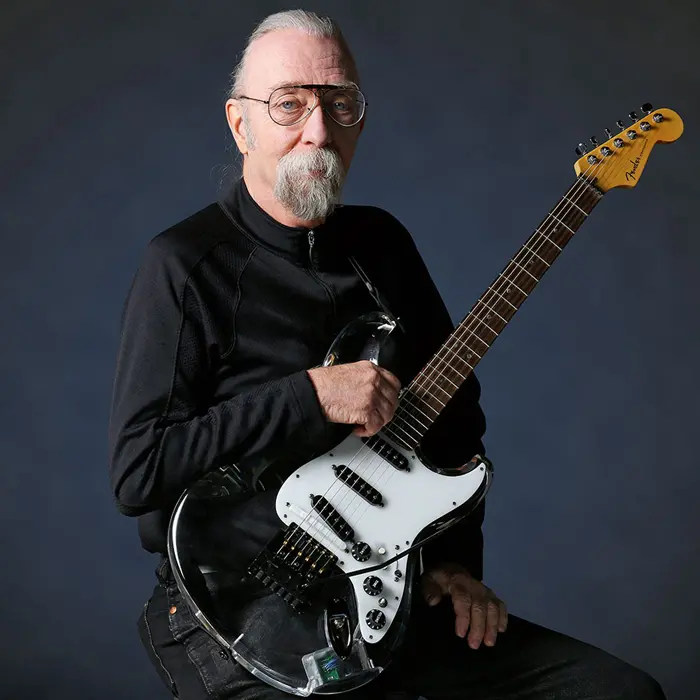
The variety has continued ever since then, ranging from James Cotton, Adrian Belew, Karla Bonoff and Atlanta Rhythm Section to Christopher Cross, Billy Cobham, Ronnie Spector and Jefferson Starship. Among the New England-rooted artists who’ve taken the stage in the past decade are Cheryl Wheeler, Ellis Paul, Paula Cole, Charlie Farren, Chris Smither, Duke Robillard, Mark Erelli, The Levin Brothers, Barry Goudreau, Hirsh Gardner, Johnny A., The Cowsills, Greg Hawkes, Don McLean, NRBQ, Jon Pousette-Dart, Roomful of Blues, Ronnie Earl and Jeff “Skunk” Baxter. Several artists have recorded LPs or DVDS live at TCAN including Jonthan Edwards (Live in Massachusetts, 2006); Aztec Two-Step (Live at TCAN: 35th Anniversary Concert); Susan Werner (Live: The Center for Arts in Natick, 2011); and Ronnie Earl (Just for Today, 2013).
Asked in 2022 about how TCAN has become such unique and beloved venue for artists and audiences alike, Executive Director Lavalley spoke about the history of the firehouse building and the quality of the sound and lighting systems, but credited his team of volunteers as the most important element. “Our kind of mantra is, ‘We’re a small space but we’re going to create a big experience’ and the volunteers are such an important part of making that happen,” he said on The Jimmy Tingle Show. “Their interaction with patrons, making them feel warm and welcome, being polite and respectful. That’s a very important part of what makes TCAN TCAN.”
(by D.S. Monahan)