Providence Civic Center / Dunkin’ Donuts Center / Amica Mutual Pavilion

Providence Civic Center logo
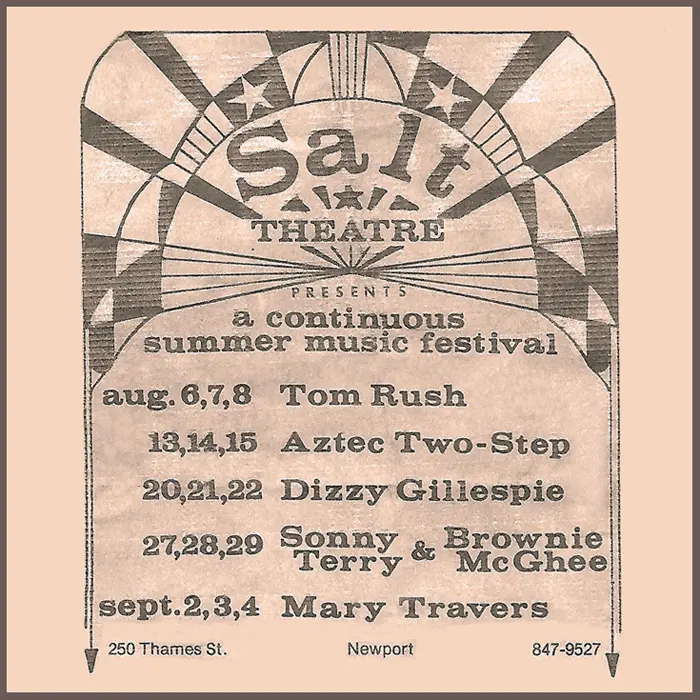
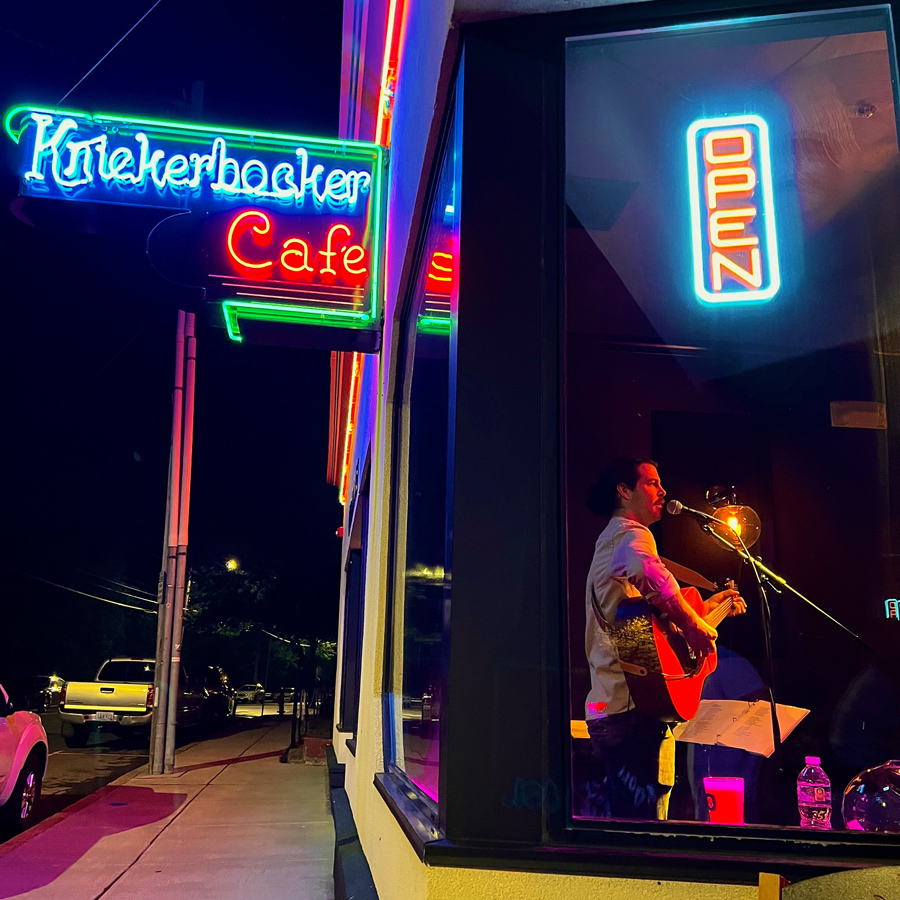
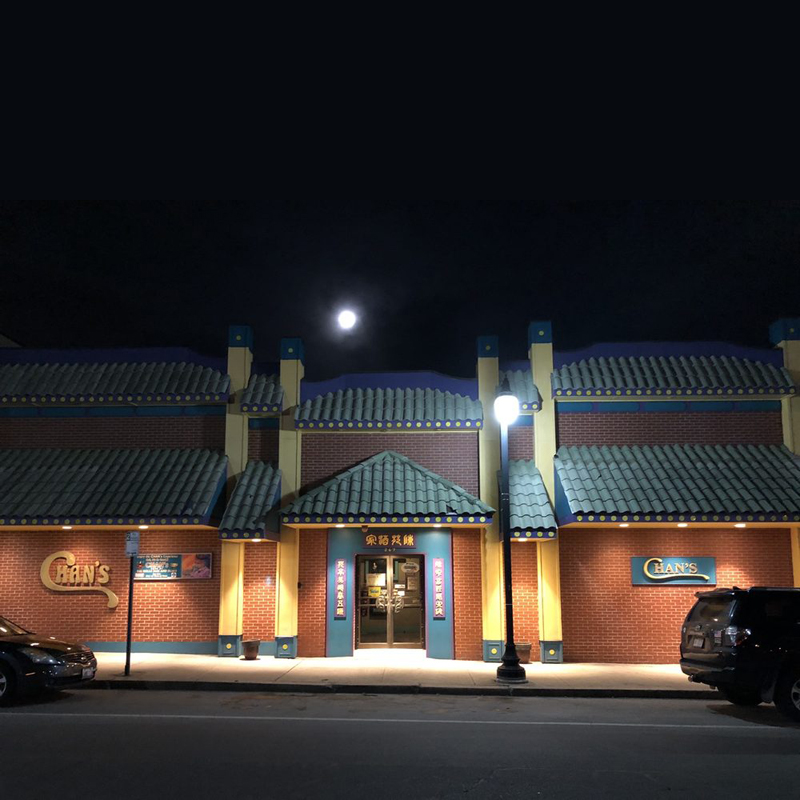
Rhode Island is the smallest state in the US, but that belies the extraordinary scope of its musical landscape and the number of venues that have supported it over the decades. From long-gone spots like The Celebrity Club, The Living Room, Lupo’s Heartbreak Hotel, Center Stage and Salt Theatre to existing ones like Knickerbocker Music Center and Chan’s Fine Dining, Jazz & Blues, not to mention the annual Newport Jazz Festival and Newport Folk Festival, the Ocean State’s scene is about as bountiful as the quahogs in Narragansett Bay.
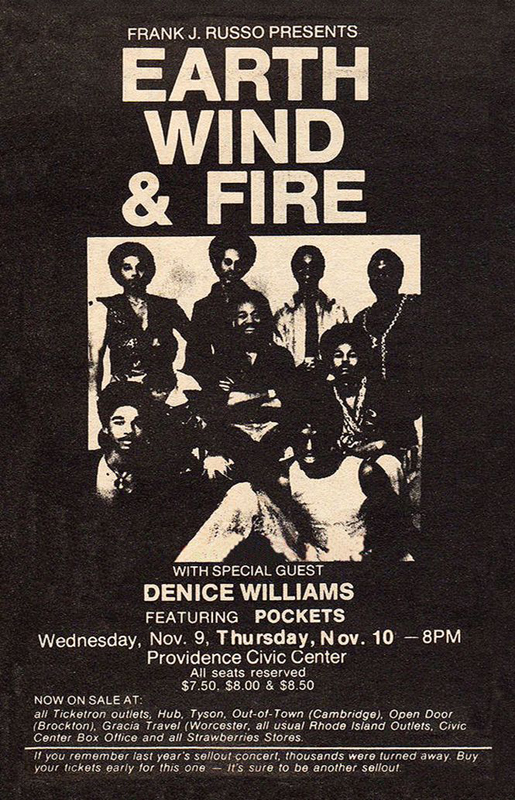
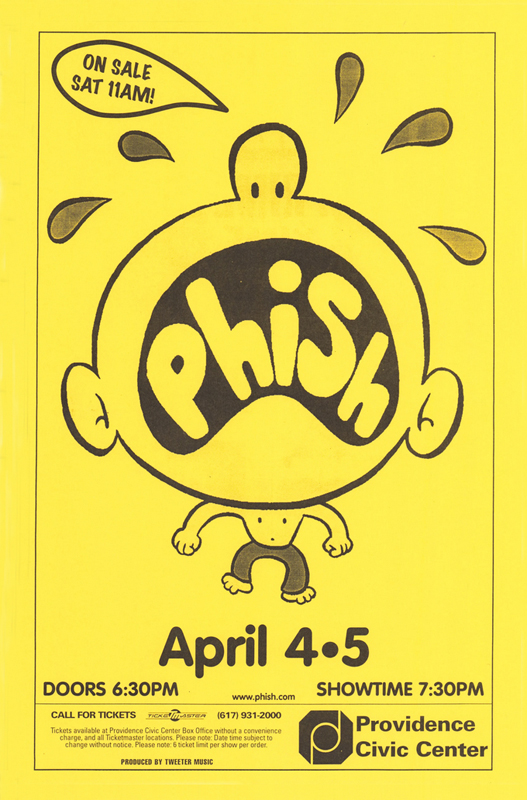
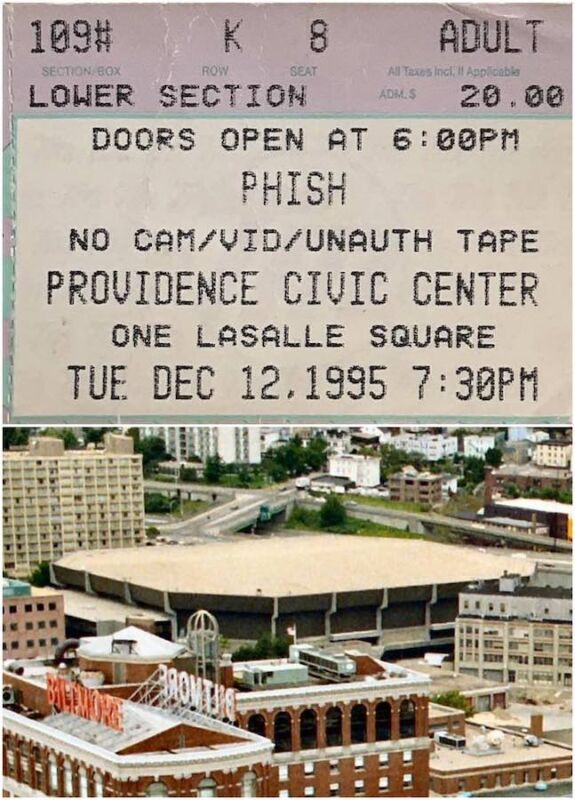
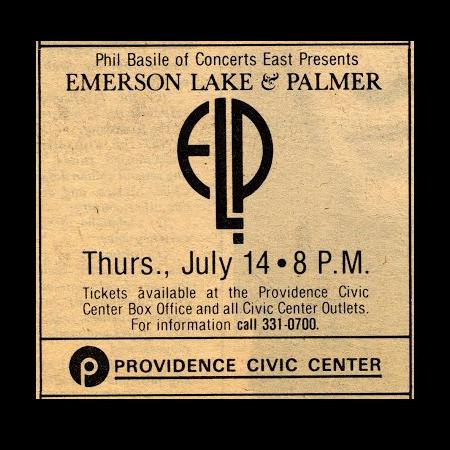
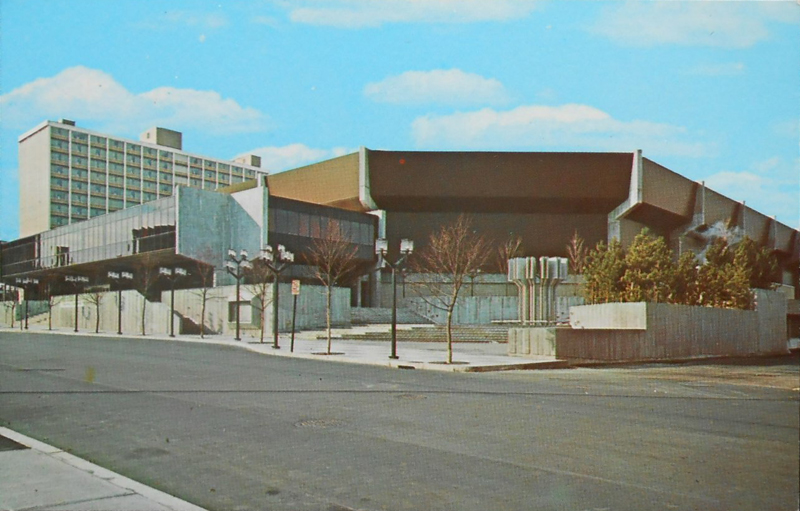
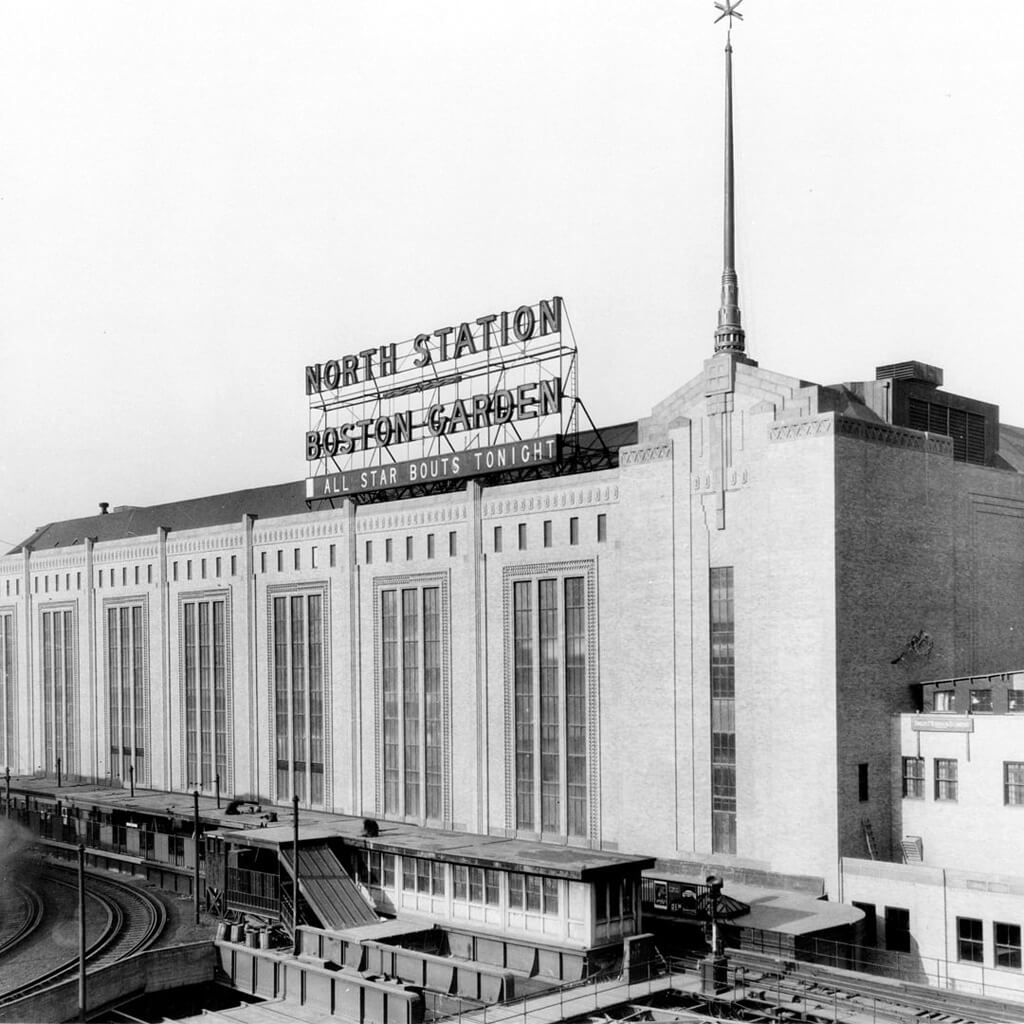
And the state’s biggest, best-known live-music venue is the 14,000-capacity Amica Mutual Pavilion, which became New England’s second-biggest arena when it opened in 1972 as Providence Civic Center (behind Boston Garden) and has presented a dizzying array of acclaimed acts playing everything from rock, pop, blues and soul to folk, jazz, country and rap. Among the many iconic artists who’ve appeared are Frank Sinatra, Elvis Presley, Diana Ross, Elton John, Tina Turner, George Harrison, Whitney Houston, David Bowie, Eric Clapton and Stevie Wonder, and a number of top acts have recorded live albums or videos at the venue, among them Bowie, Clapton, The Jacksons, Van Halen, The Kinks, Styx, The Grateful Dead and Phish.
BACKGROUND, OPENING
The venue’s history begins in 1958, when local officials first raised the idea of building a facility in Providence that would replace the 5,300-seat Rhode Island Auditorium (opened in 1926). The project didn’t gain much traction until 1968, however, when it was a statewide bond issue in the general election; voters from outside the city limits defeated the referendum but Providence Mayor Joseph A. Doorley Jr. pushed it through on a special referendum that passed in 1969. After initial funding turned out to be insufficient, he pushed through a second referendum in 1971 and became so closely associated with the project that it was often referred to as “Doorley’s Dream.”
Providence was facing dire economic straits at the time of both referendums, so Dooley’s concept of a new multipurpose facility seemed like an ego-driven pipe dream to many and his strong-arm tactics were very controversial outside of his political circle. By the early ‘70s, following the rise of the suburbs in the first two decades after World War II, the city’s population had plummeted by almost 30% (from about 250,000 to about 180,000), federal funds for urban renewal through President Johnson’s Great Society program had dried up and big department stores downtown were closing by the month. “The cynics said that Providence was beyond salvation. They predicted that ‘Doorley’s Dream’ would become ‘Doorley’s Icebox,’” according to a 2002 article in The Providence Journal.
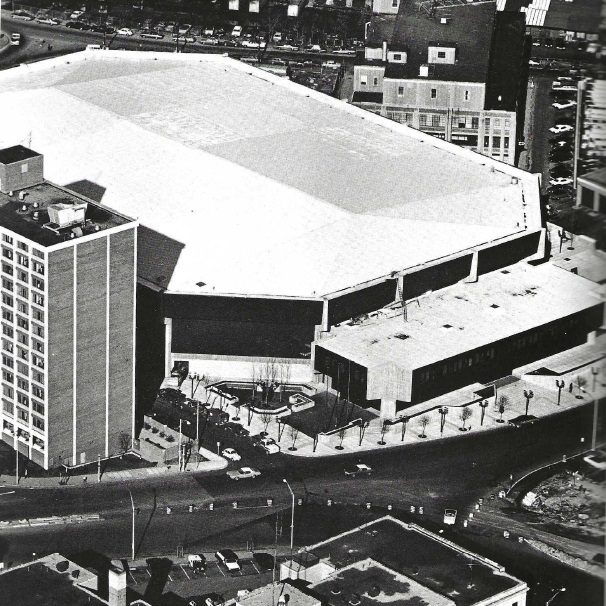
All those harsh realities aside, construction went ahead. Owned by the City of Providence and built on the site of a former jewelry factory, the 31,000-square-foot Providence Civic Center opened on November 3, 1972; the debut event was a game between the American Hockey League’s Providence Reds and Virginia Red Wings. President Richard Nixon, who was campaigning in the area at the time, was invited to the attend the opening but declined, according to the Providence Journal article. The arena became the home court of Providence College’s men’s basketball team that year and is currently the home of that team and the AHL’s Providence Bruins.
NOTABLE 1970S APPEARANCES
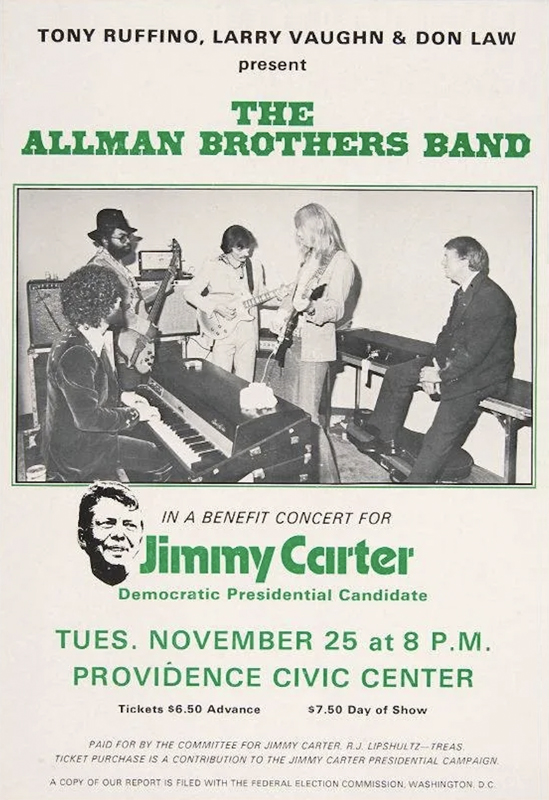
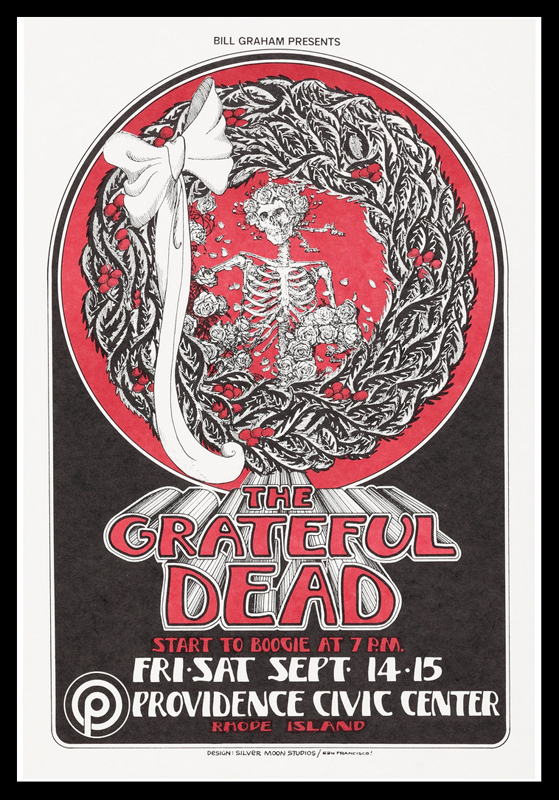
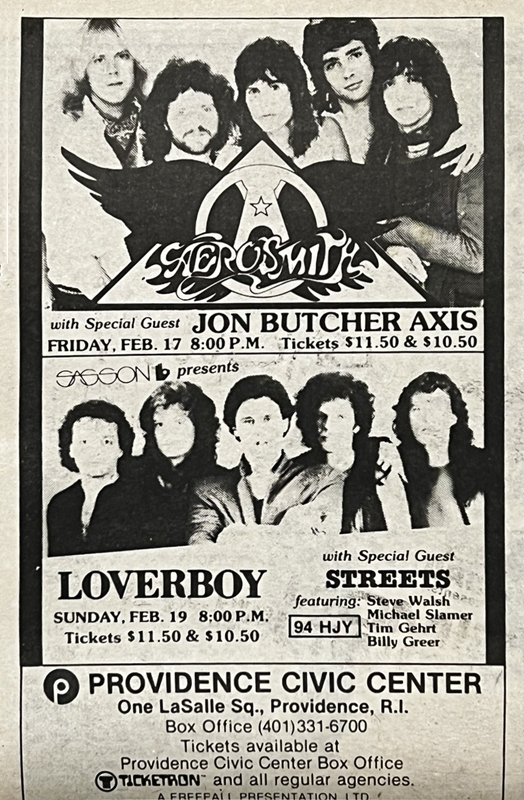
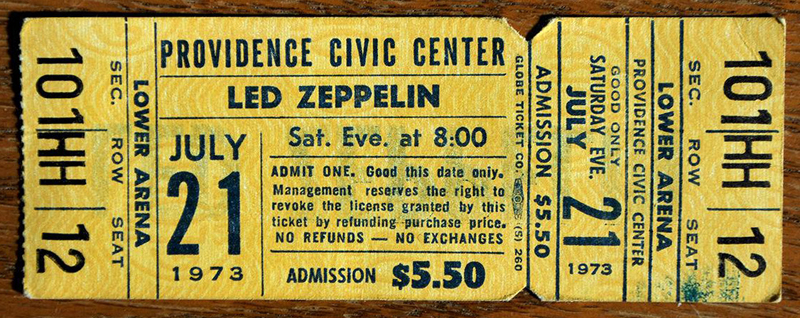
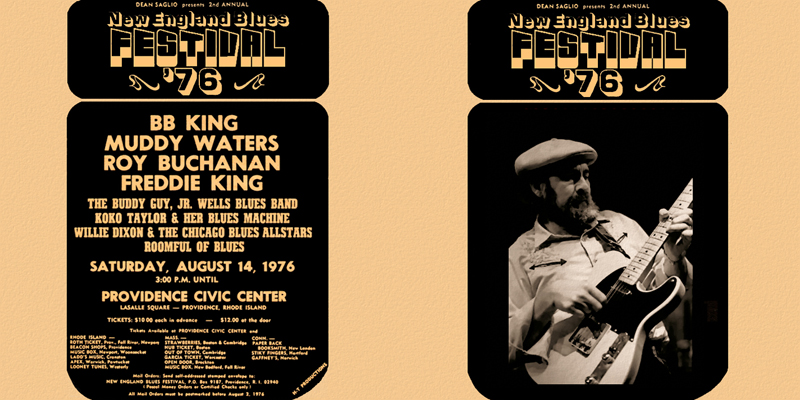
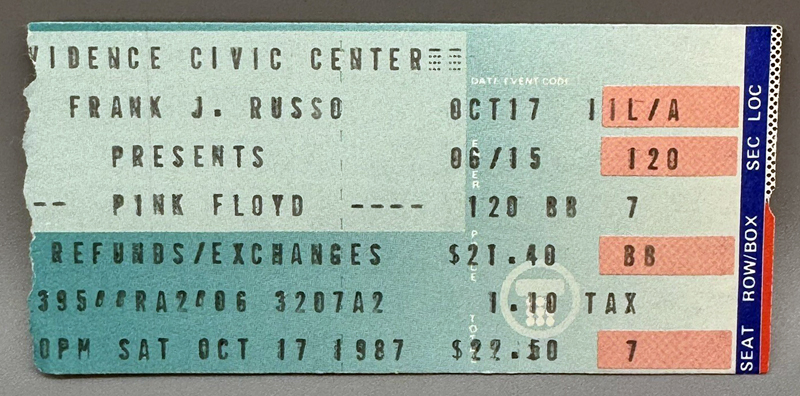
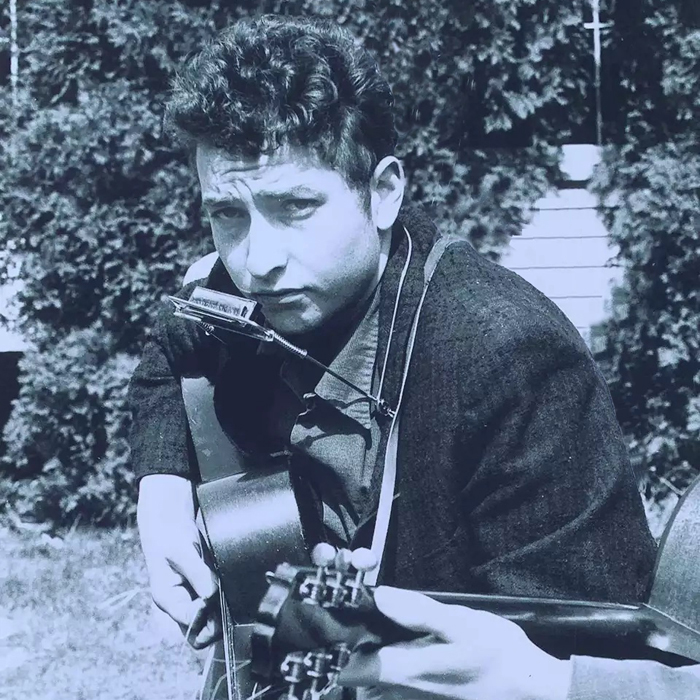
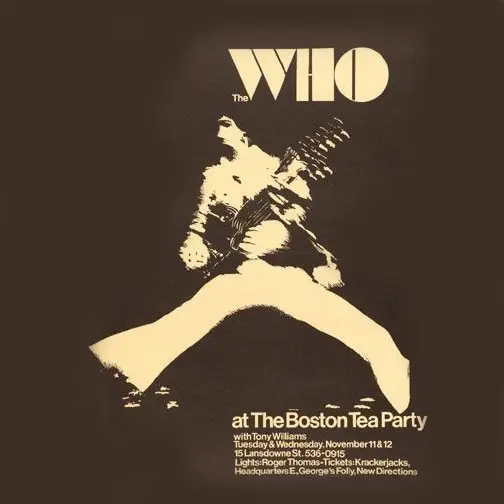
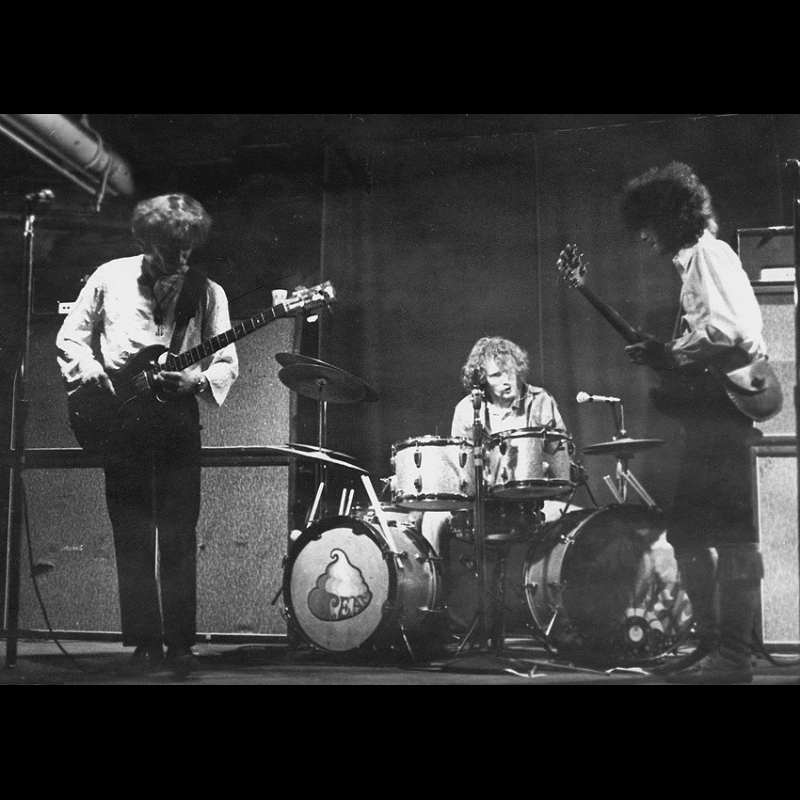
The Civic Center began presenting live music in December 1972 and acts that took the stage that month included Grand Funk Railroad, Jerry Lee Lewis, The Shirelles and The Drifters. In 1973, the venue hosted several rock bands that were hugely popular at the time, notably Led Zeppelin, Pink Floyd, The Doobie Brothers, Deep Purple, Jethro Tull and The Grateful Dead, along with other rockers and artists of other genres, among them Johnny Cash, The Jacksons, Andy Pratt, James Montgomery, Livingston Taylor and James Taylor. The star-studded roster continued in ‘74 with Frank Sinatra doing a two-night stand in April, Elvis playing a matinee and evening show on June 22 and concerts by acts as diverse as Cat Stevens, Eric Clapton, George Harrison & Ravi Shankar, Tom Rush, The Allman Brothers Band and The J. Geils Band. Aerosmith played their first shows at the Civic Center in ’75, which also included ones by Bob Dylan and The Who.
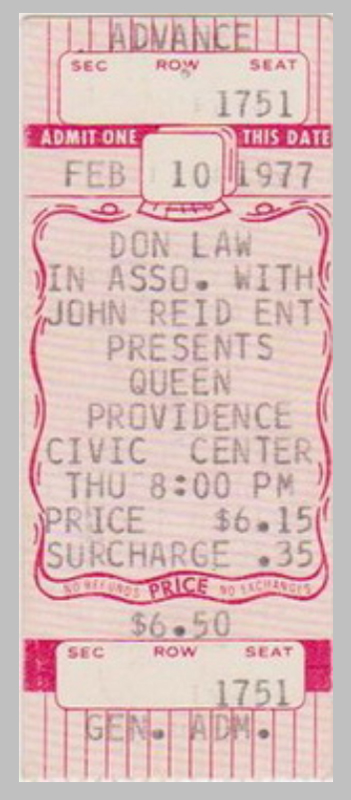
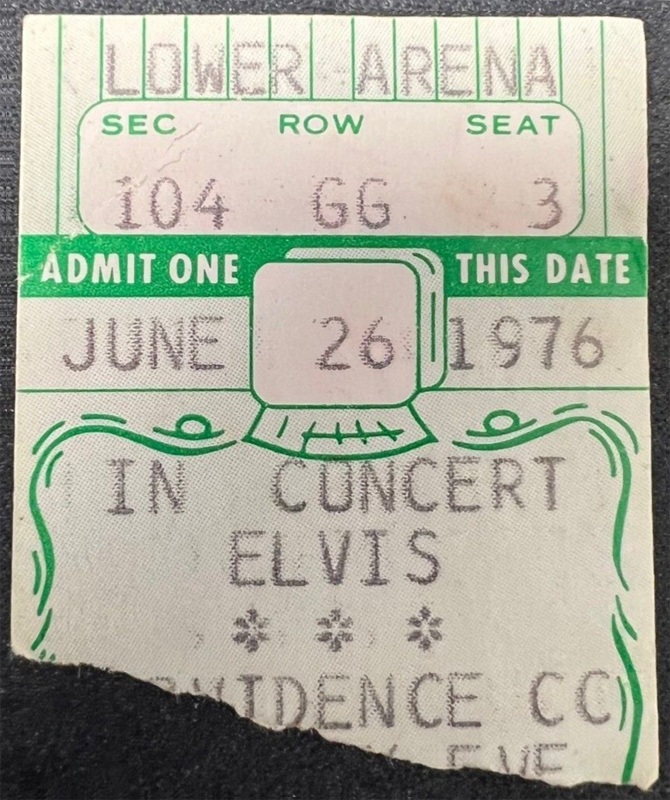
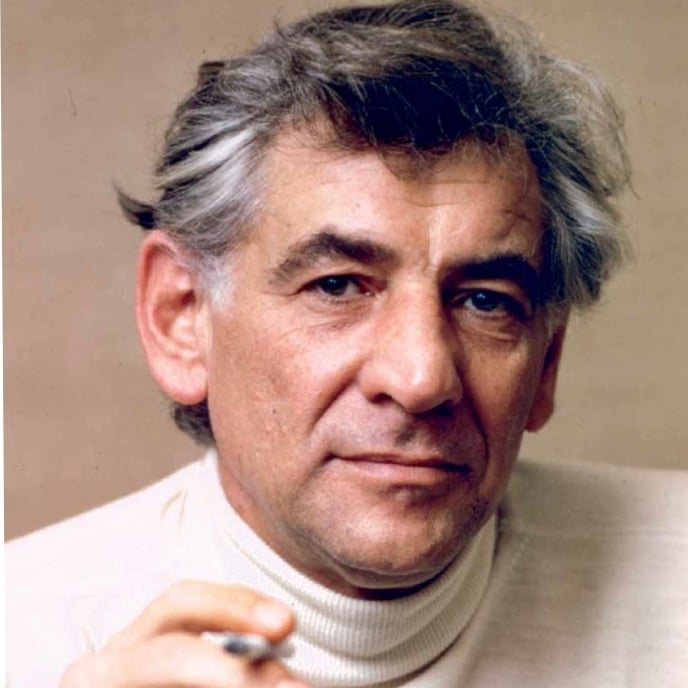
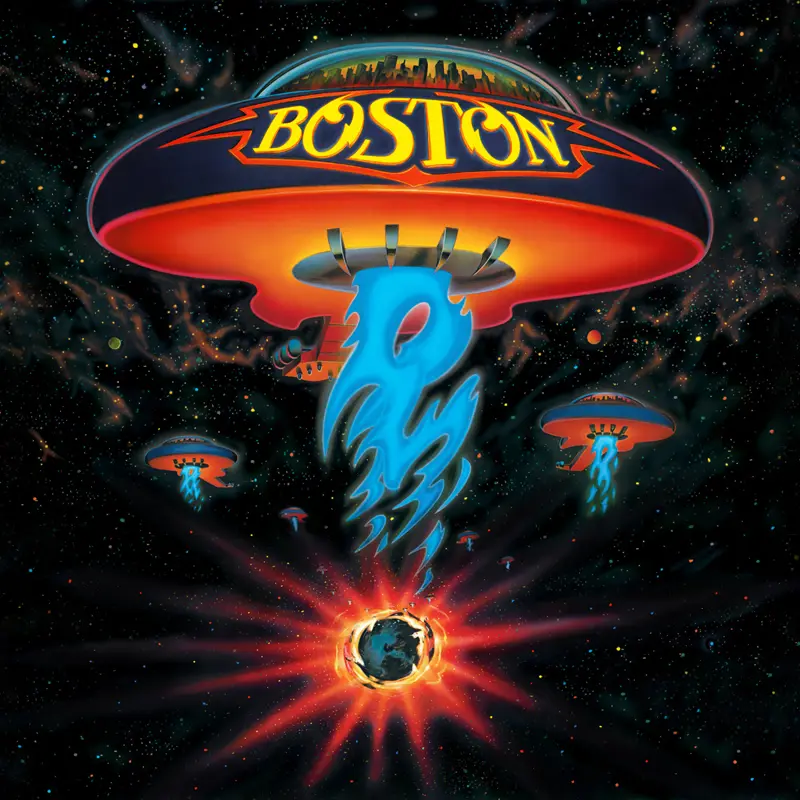
Elvis returned in ’76, the year that Leonard Bernstein conducted the New York Philharmonic at the Civic Center and Boston appeared (supporting their newly released debut album). Among the most notable events in ‘77 were when Elvis came back in May (three months before his death at age 42) and concerts by three groups at the peak of their fame: Queen, The Bee Gees and Fleetwood Mac. The last two years of the ‘70s included shows by David Bowie, Diana Ross, Bruce Springsteen, New England, Sha Na Na and The Cars, among others; The Who were scheduled to appear on December 17, 1979 but Providence Mayor Vincent “Buddy” Cianci canceled the show following the now-infamous Cincinnati concert on December 3 at which 11 fans were trampled to death. In February 2013, when the band returned to the venue for the first time since ‘75, they honored tickets from the show that had been canceled over 33 years before; 10 fans traded in 14 tickets from ’79.
INCREASED COMPETITION, NOTABLE 1980S, 1990S APPEARANCES
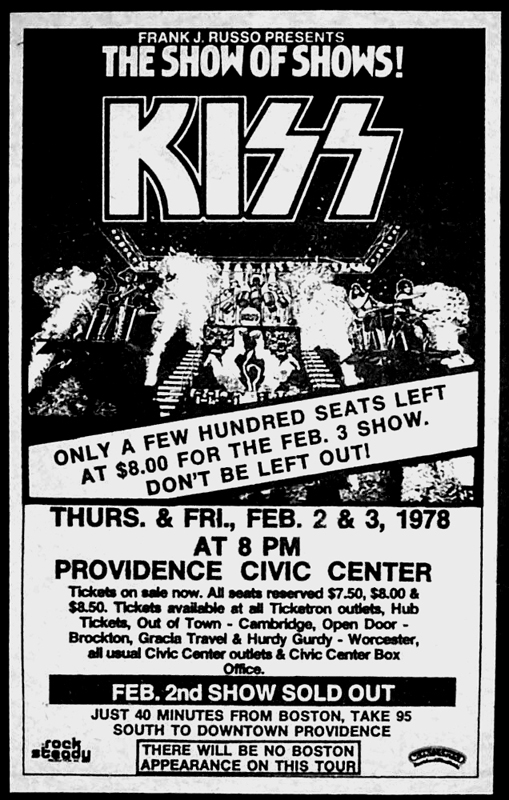
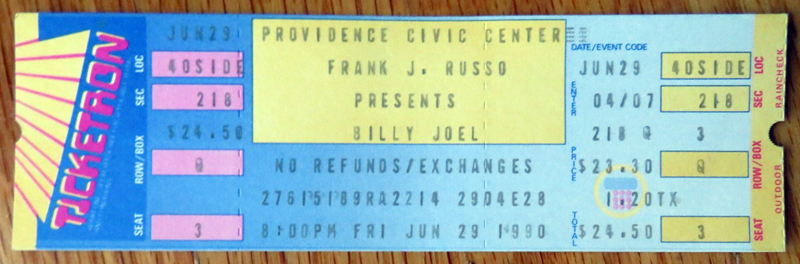
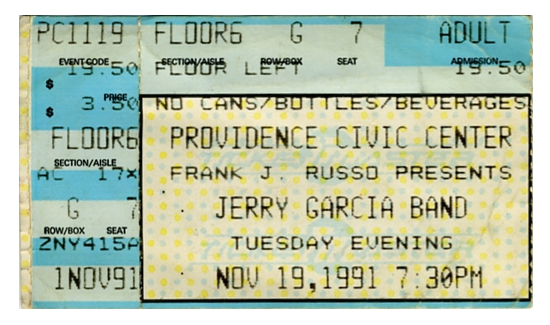
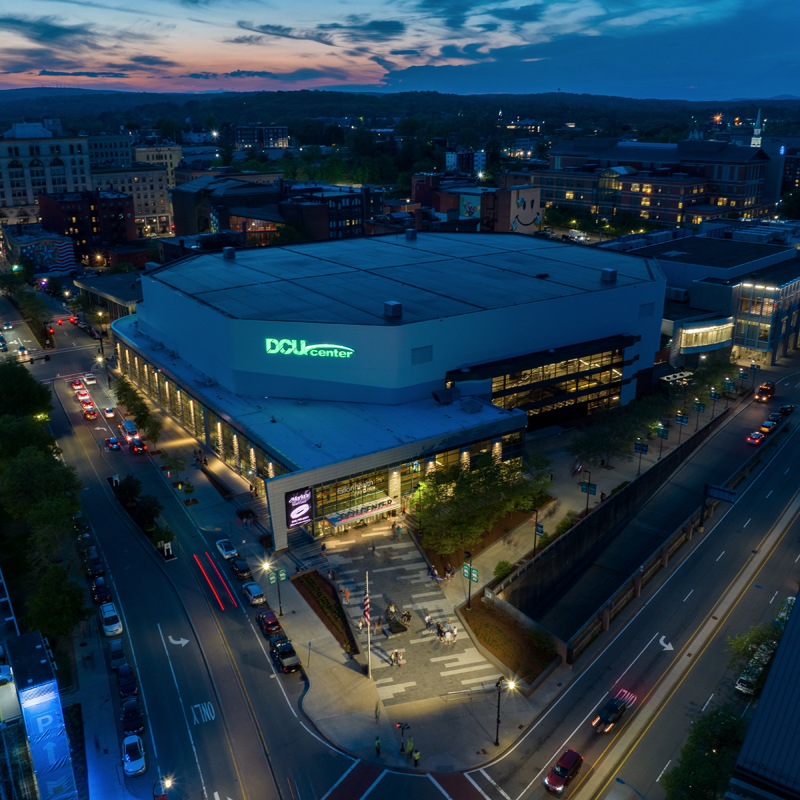
Southern New England’s music-venue landscape changed dramatically in early September ‘82 with the opening of the 12,000-seat Centrum in Worcester (now DCU Center), which is only about 40 miles from Providence and had a significant negative impact on the Civic Center. Later that month, promoter Frank J. Russo booked KISS for concerts at both venues in January but wound up canceling the Civic Center one after selling a mere 2,000 tickets; instead of cash refunds for those who bought tickets to the Providence show, he offered the chance to exchange them for tickets to the Centrum concert, along with free transportation to and from Worcester. Hundreds of fans took the deal, and Providence-based WPRI-TV ran the story as an example of the serious damage the Centrum was doing to the Civic Center’s business.
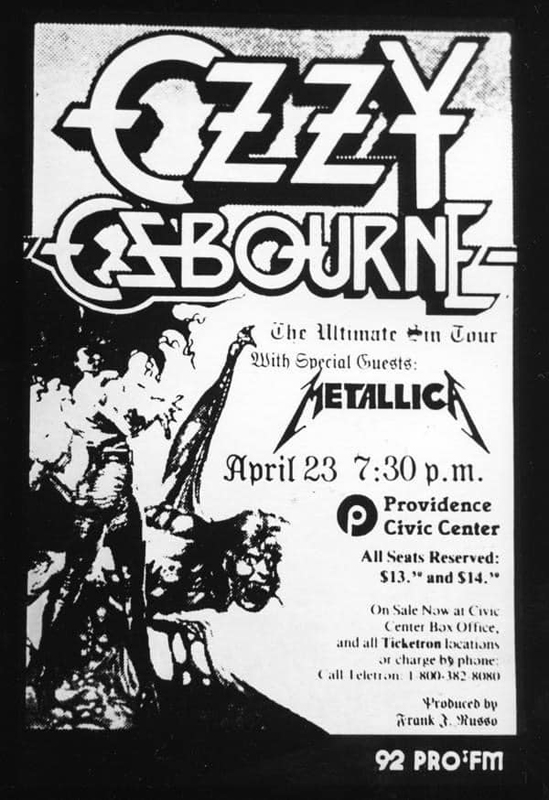
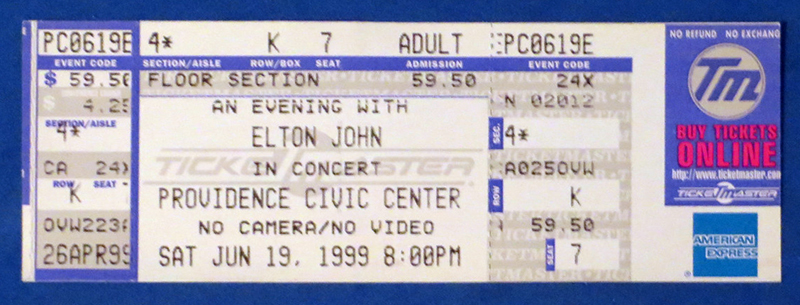
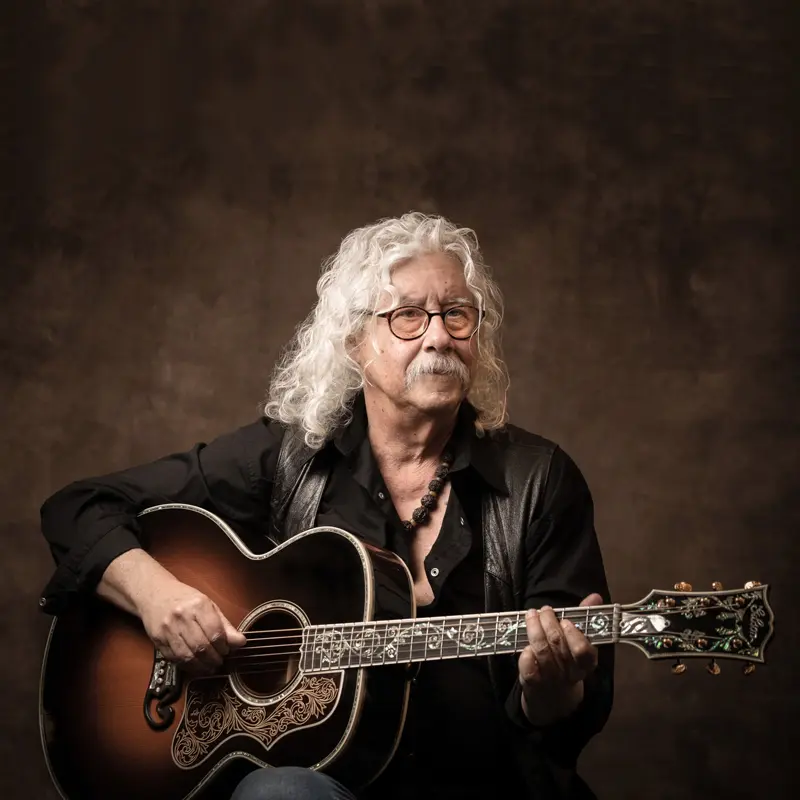
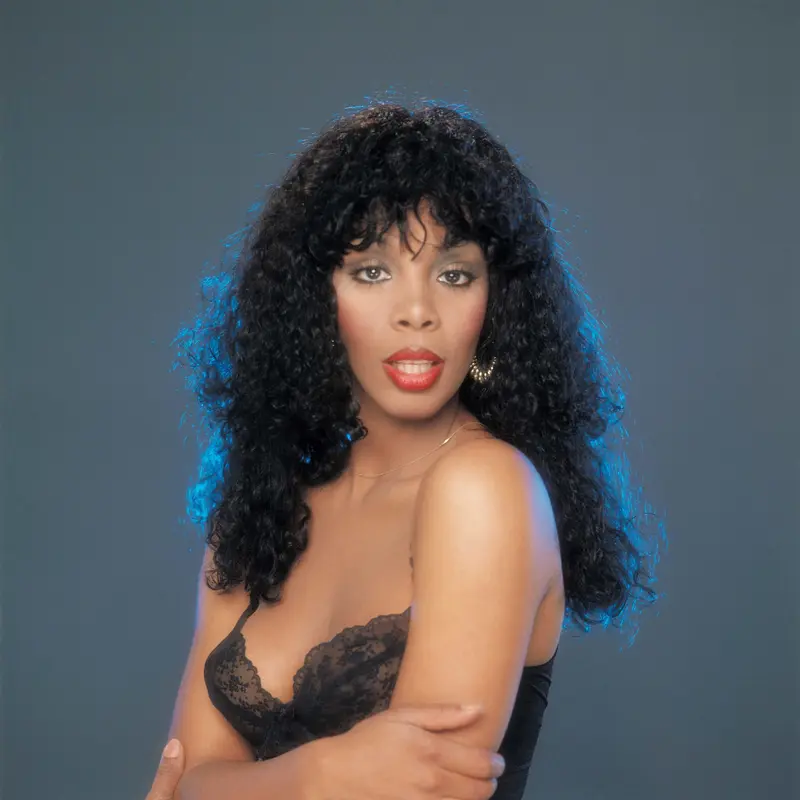
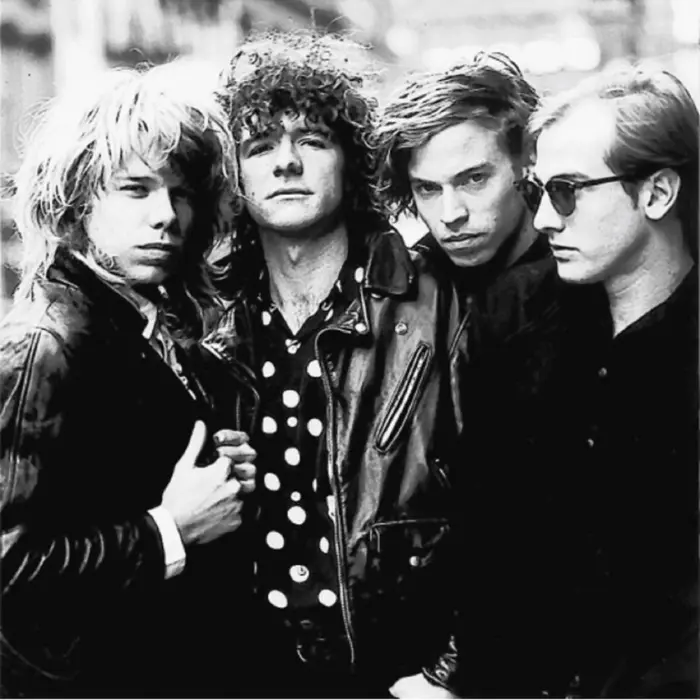
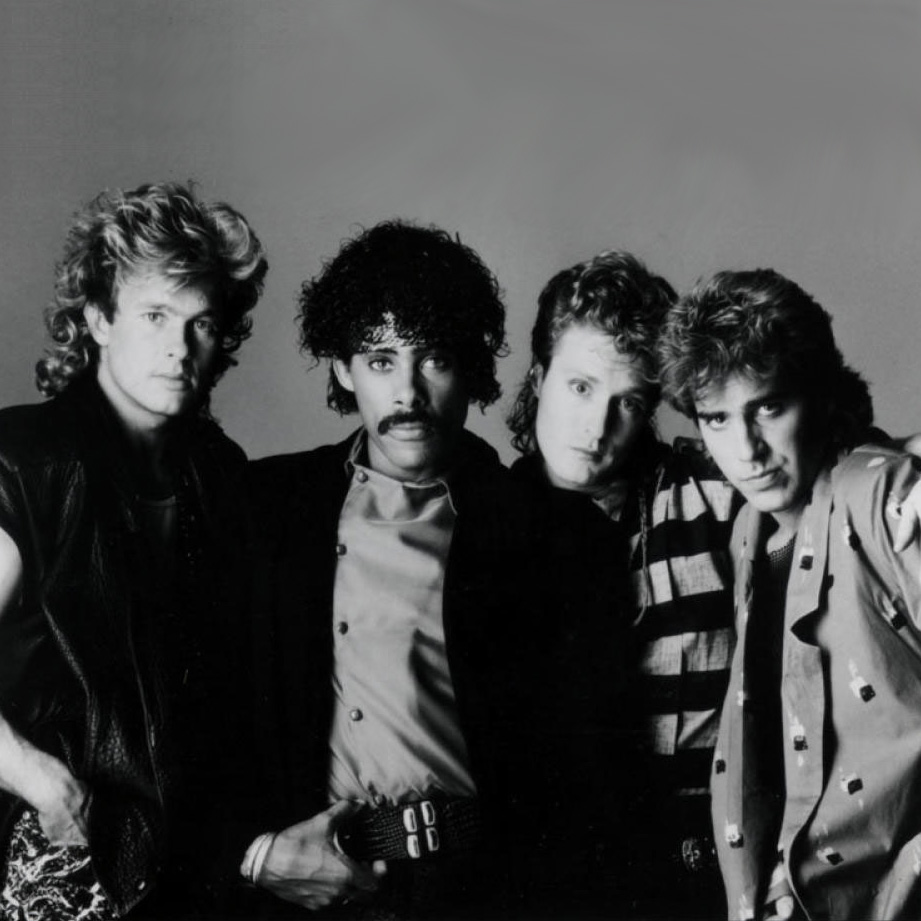
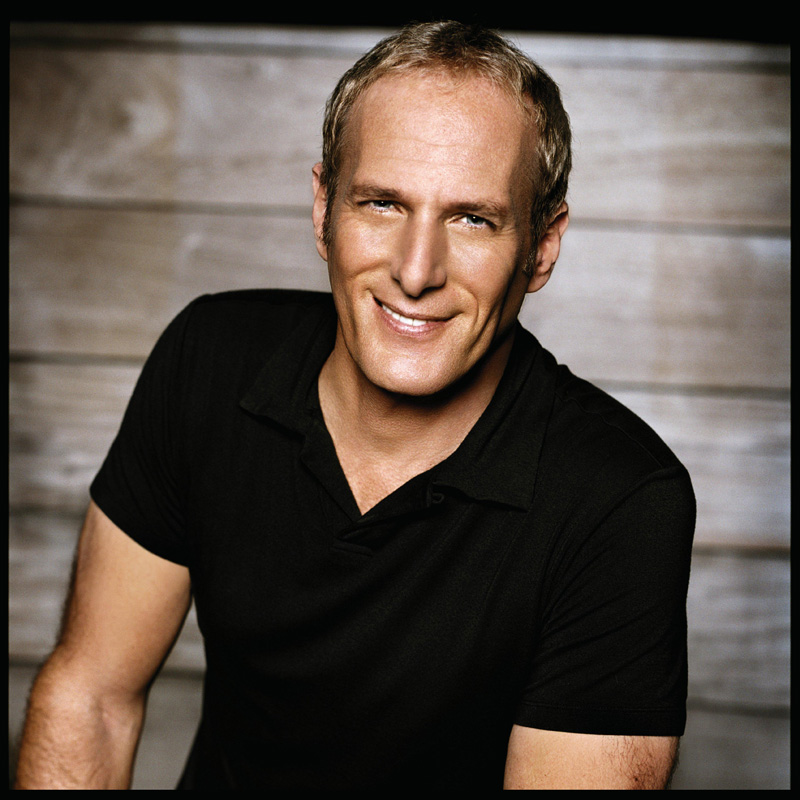
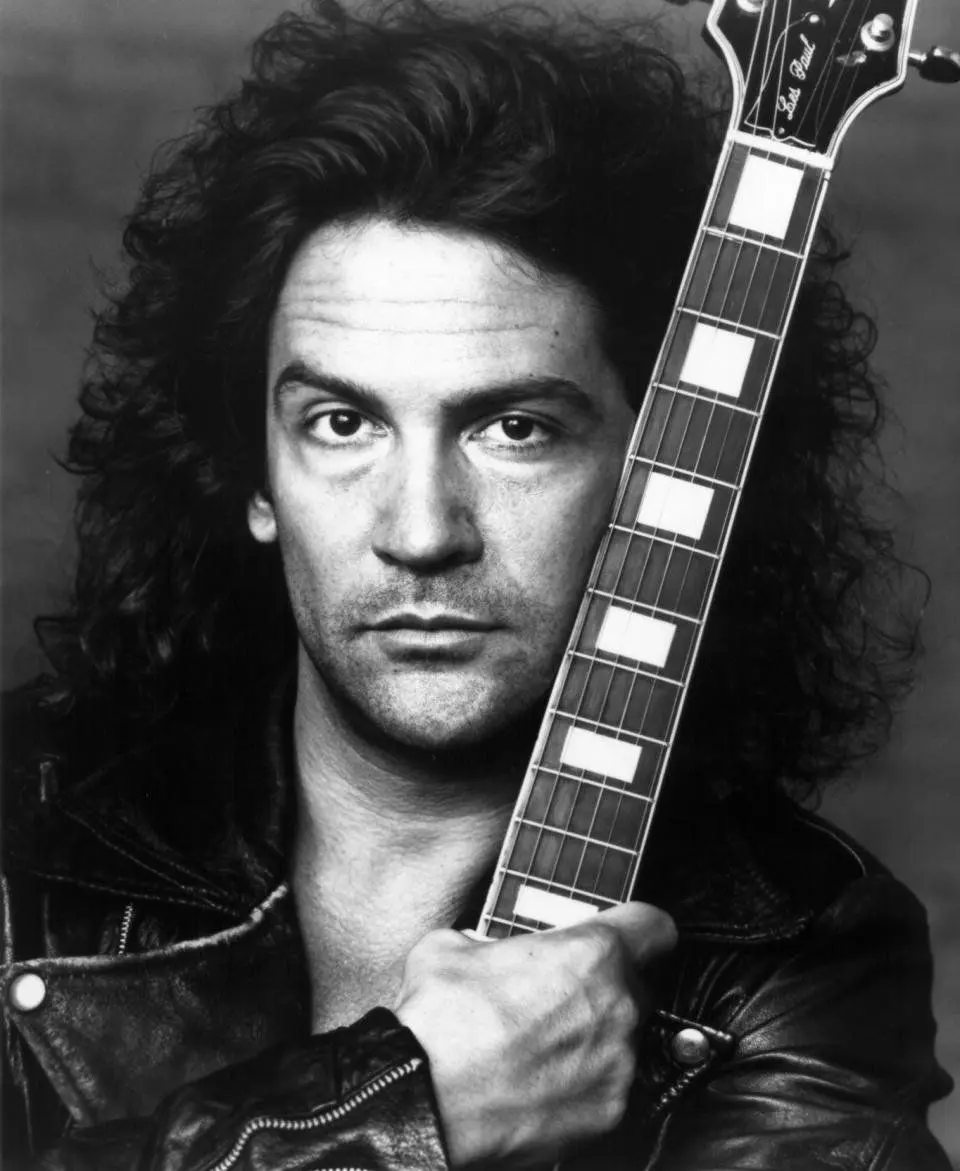
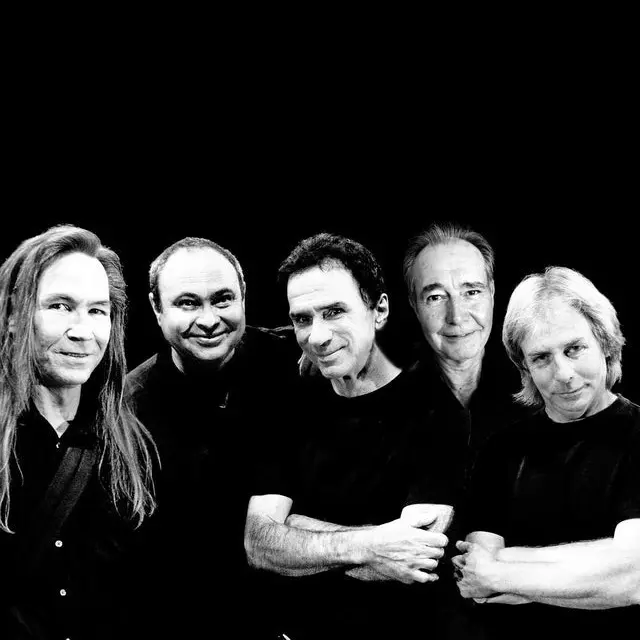
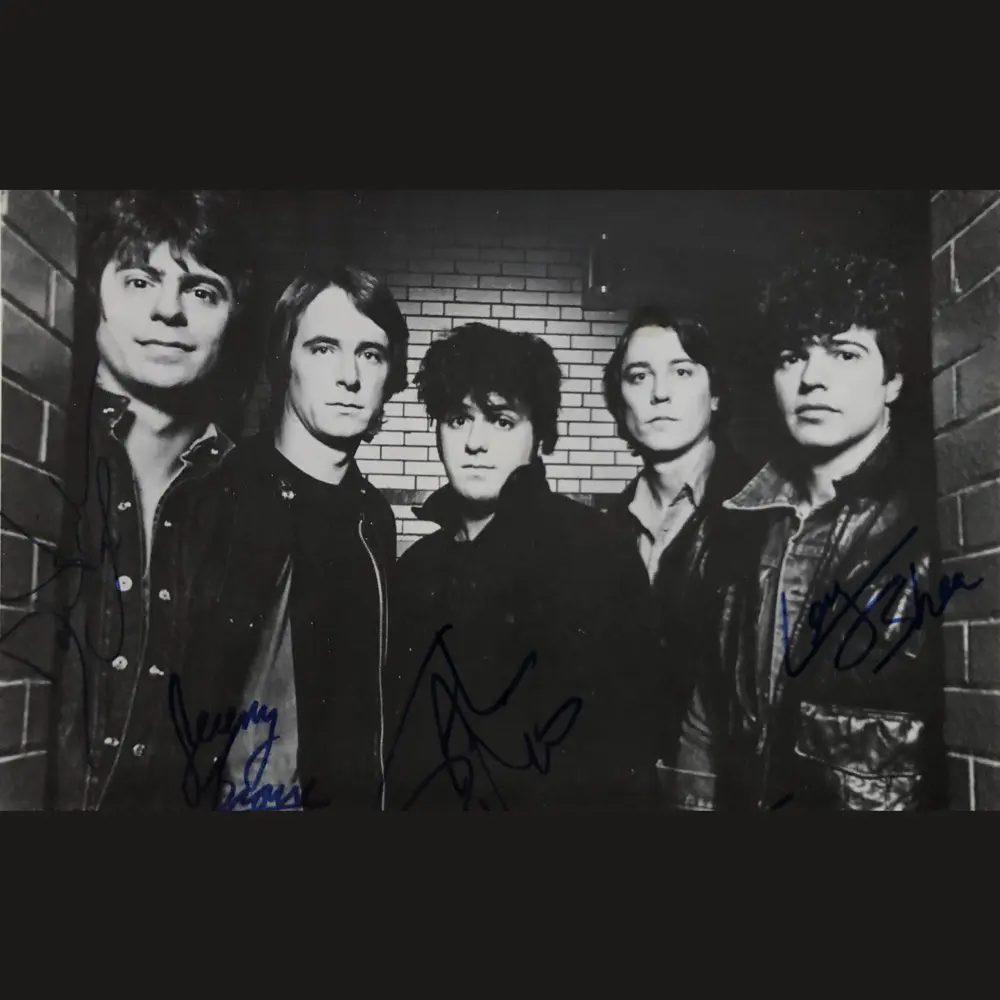
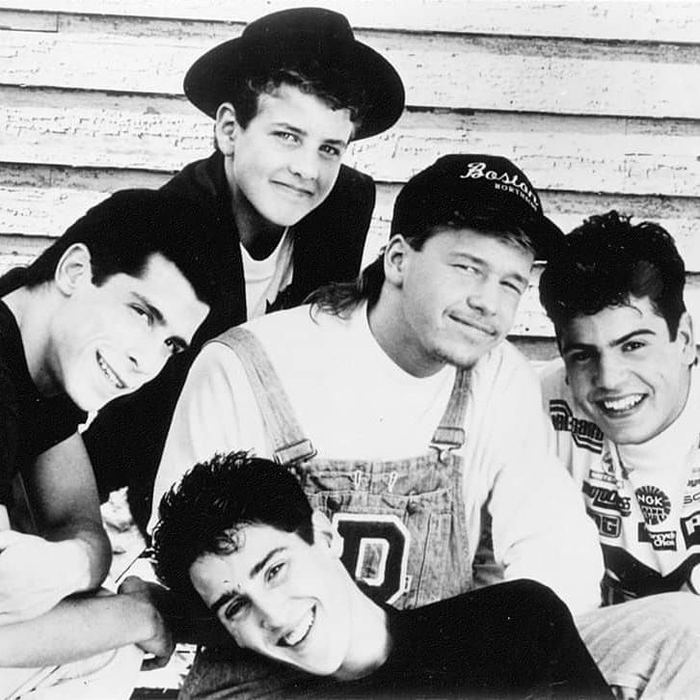
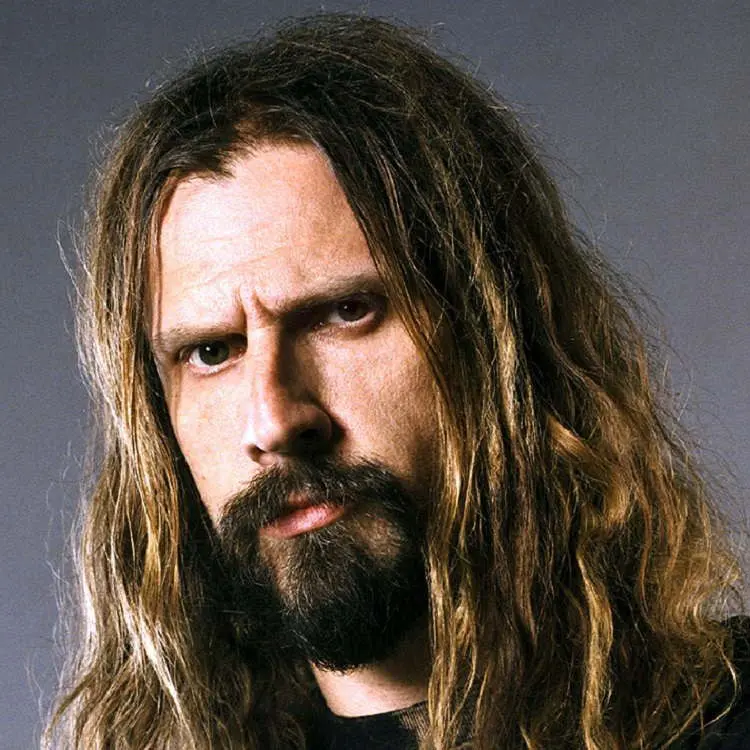
Competition intensified further in the summer of 1986 with the opening of the 12,000-capacity Great Woods Center for the Performing Arts (now Xfinity Center), which is some 20 miles from Providence and has hosted hundreds of major acts during its May-through-September season. Despite that, however, the Civic Center presented a slew of established and up-and-coming acts in the 1980s and ‘90s including New England-rooted Arlo Guthrie, Donna Summer, The Del Fuegos, Jon Butcher Axis, Robin Lane & The Chartbusters, Michael Bolton, Billy Squier, The Fools, The Stompers, Pixies, Bell Biv Devoe, New Kids on the Block and Rob Zombie. Other acts appearing in the ‘80s and ’90s ran the gamut from The Police, Tina Turner, The Clash, Cyndi Lauper and Prince to Whitney Houston, Elton John, Stevie Nicks, Garth Brooks and U2.
RENAMINGS, NOTABLE 2000S APPEARANCES
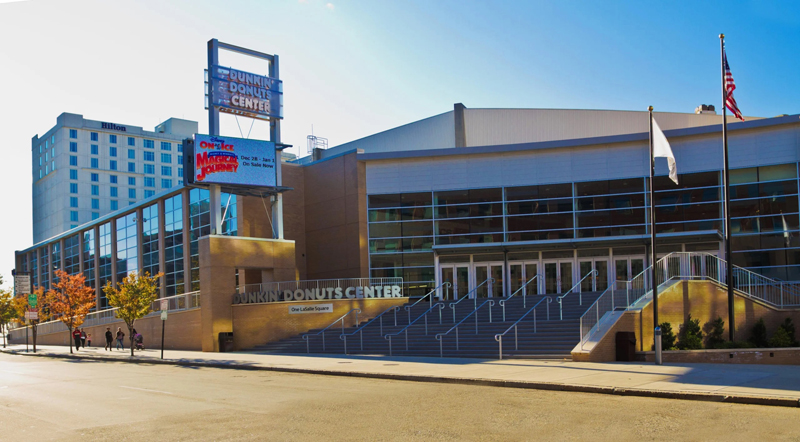
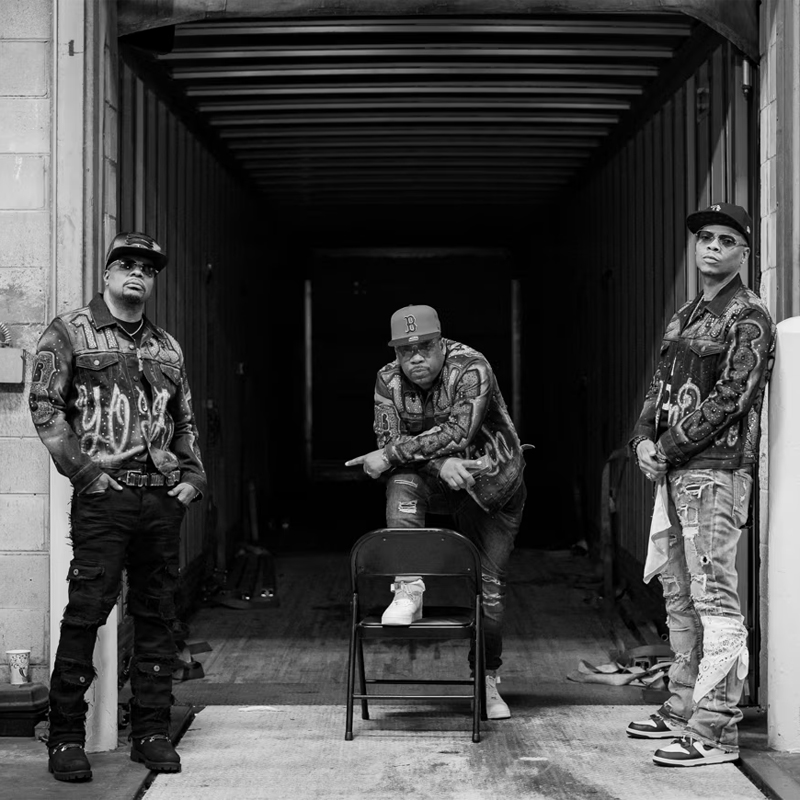
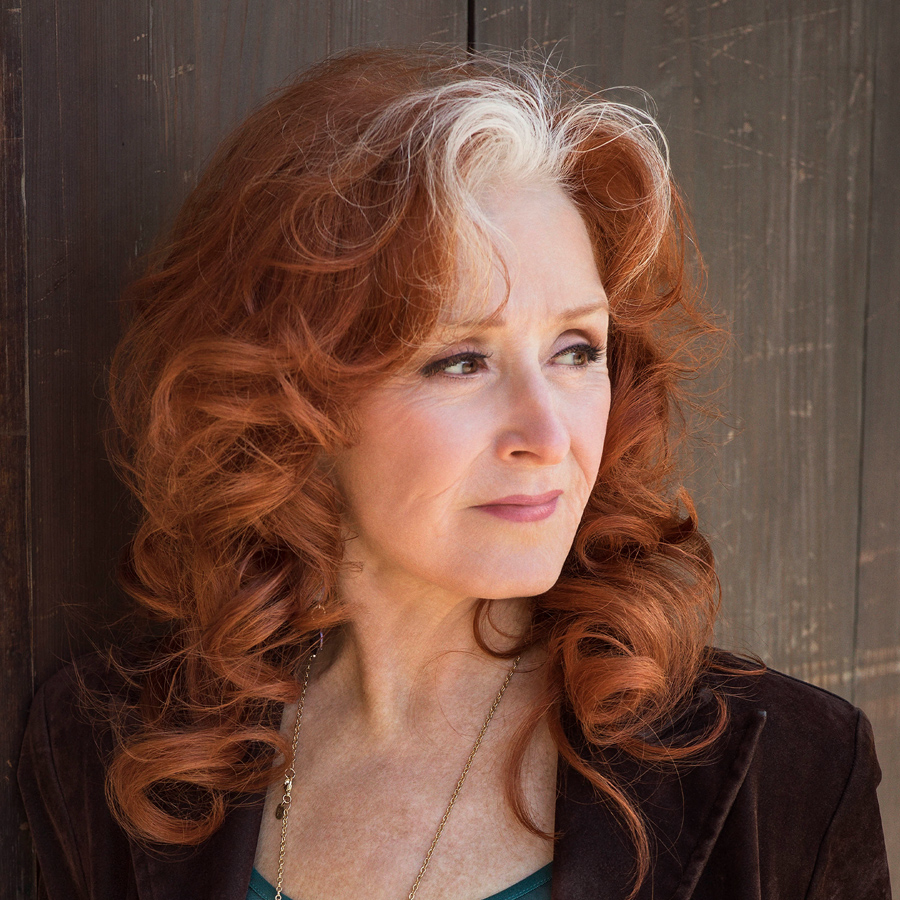
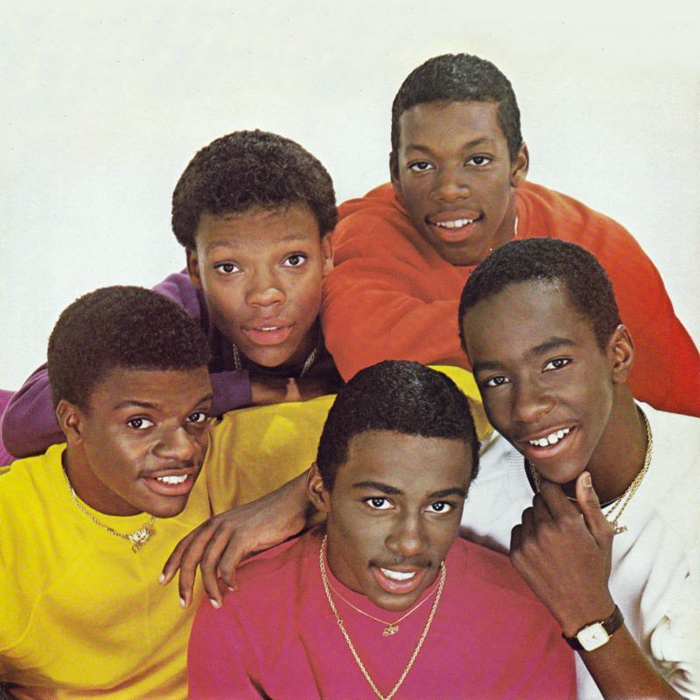
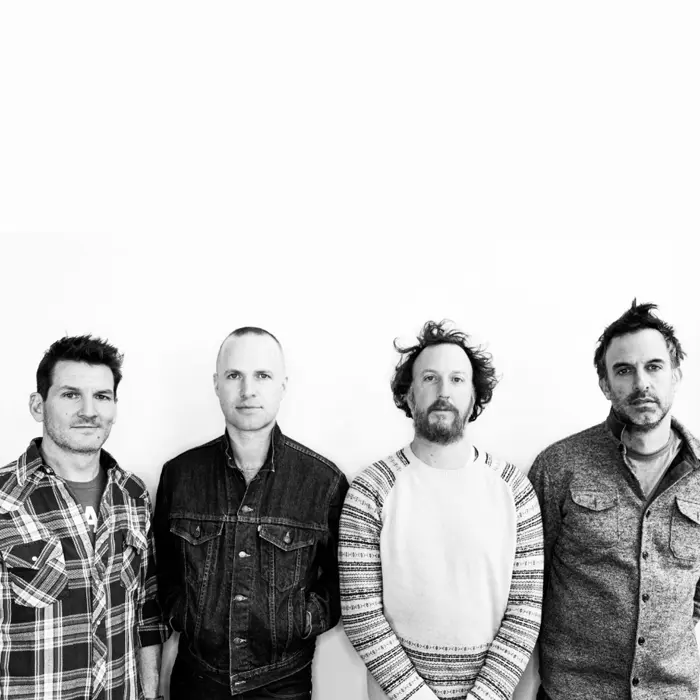
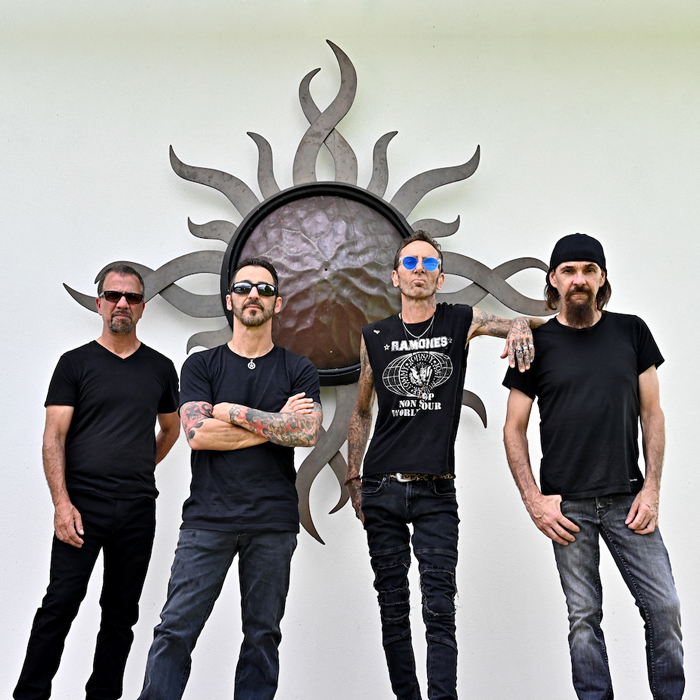
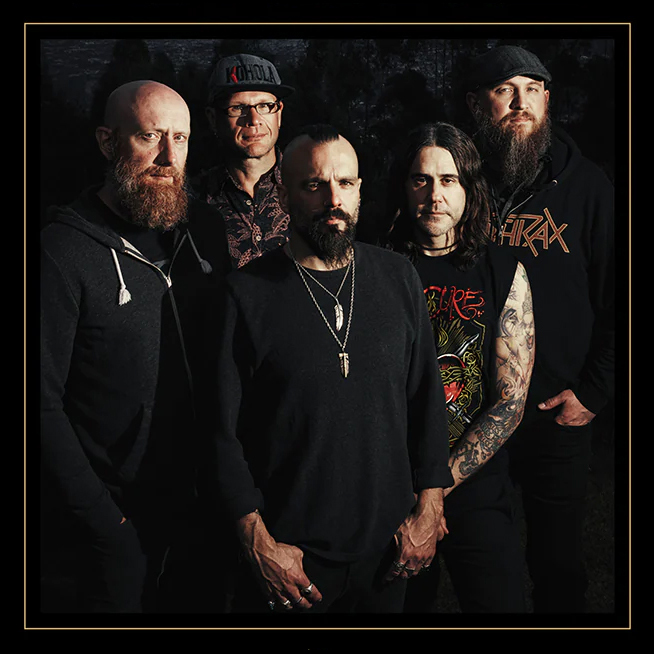
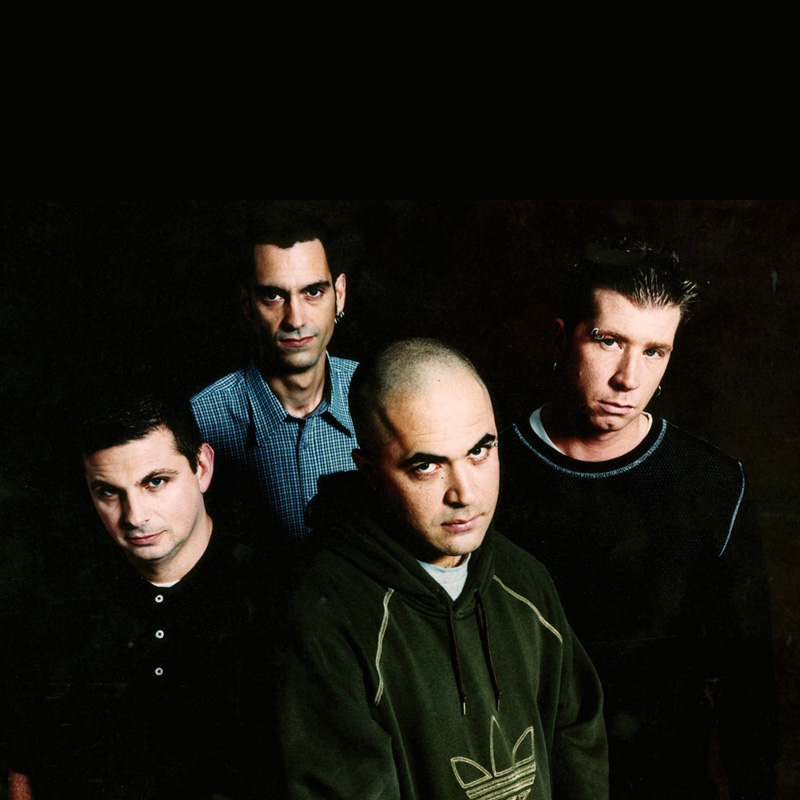
In 2001, the Civic Center was rebranded as Dunkin’ Donuts Center – “the Dunk,” as locals called it – as part of a naming-rights deal with the company founded in Quincy, Massachusetts in 1950. A variety of New England-rooted acts took the stage over the next two decades, among them Bonnie Raitt, New Edition, Guster, Godsmack, Killswitch Engage and Staind, and others included Roger Waters, Sting, Emmylou Harris and Lady Gaga.
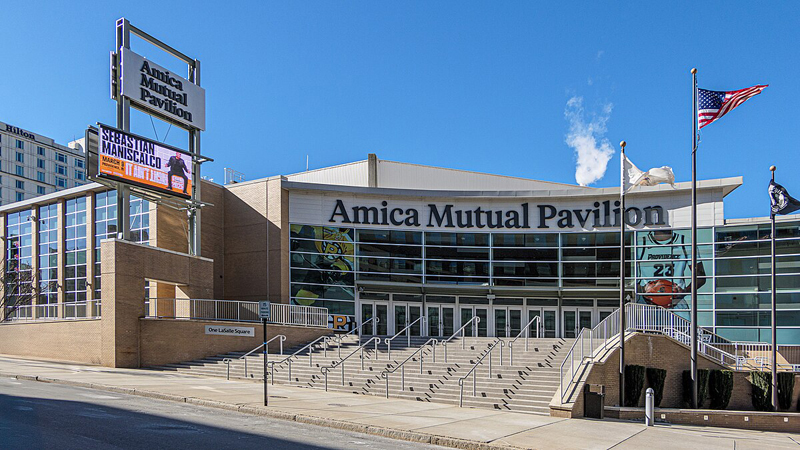
In September 2022, Rhode Island-based Amica Mutual Insurance acquired the naming rights from Dunkin’ Donuts and rebranded the venue Amica Mutual Pavilion, commonly known as “the Amp.” Regardless of its official name or cutesy nickname, however, the arena located at 1 La Salle Square in Rhode Island’s capital will always be known to those of a certain age as “Providence Civic Center,” just as DCU Center will always be “the Centrum,” Xfinity Center will always be “Great Woods” and TD Garden will always be “Boston Gahden,” “the Gahden” or “the Gahdens.”
(by D.S. Monahan)