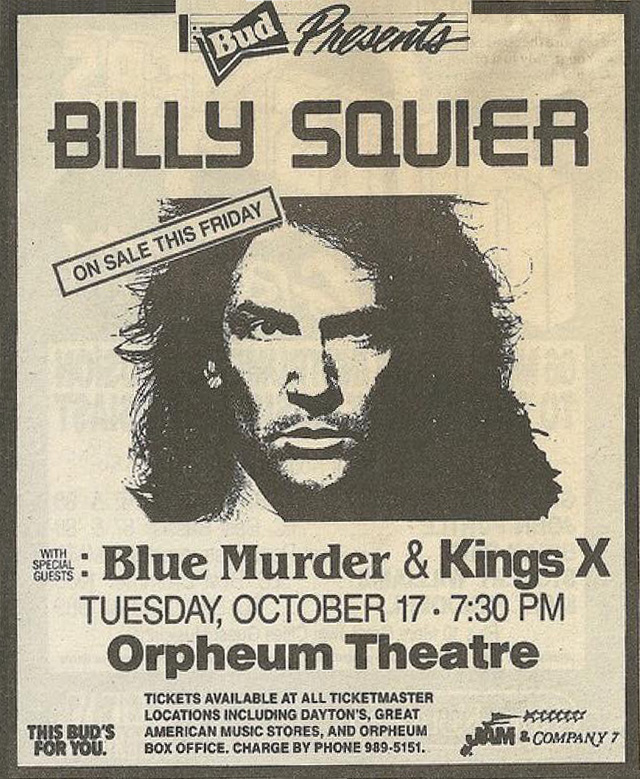
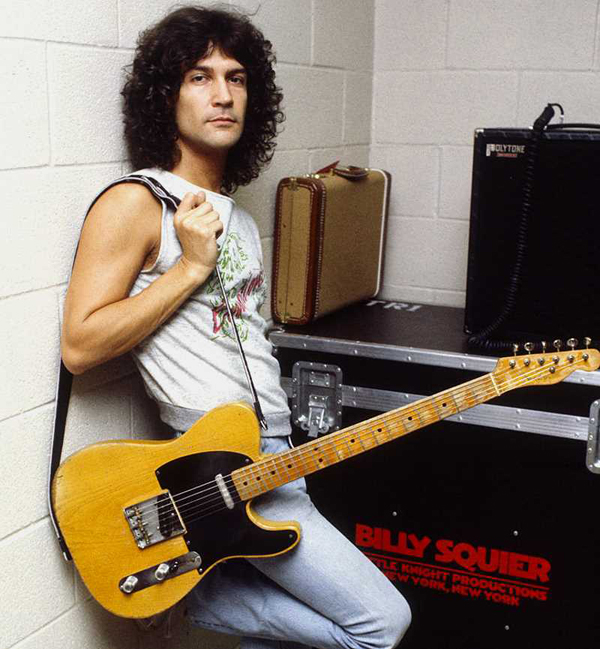
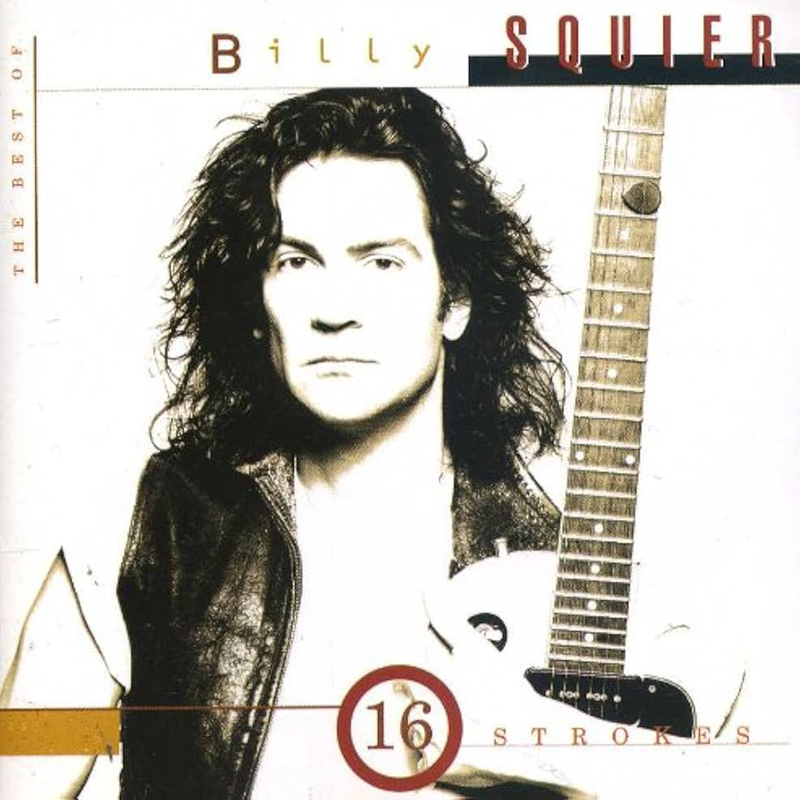
Billy Squier
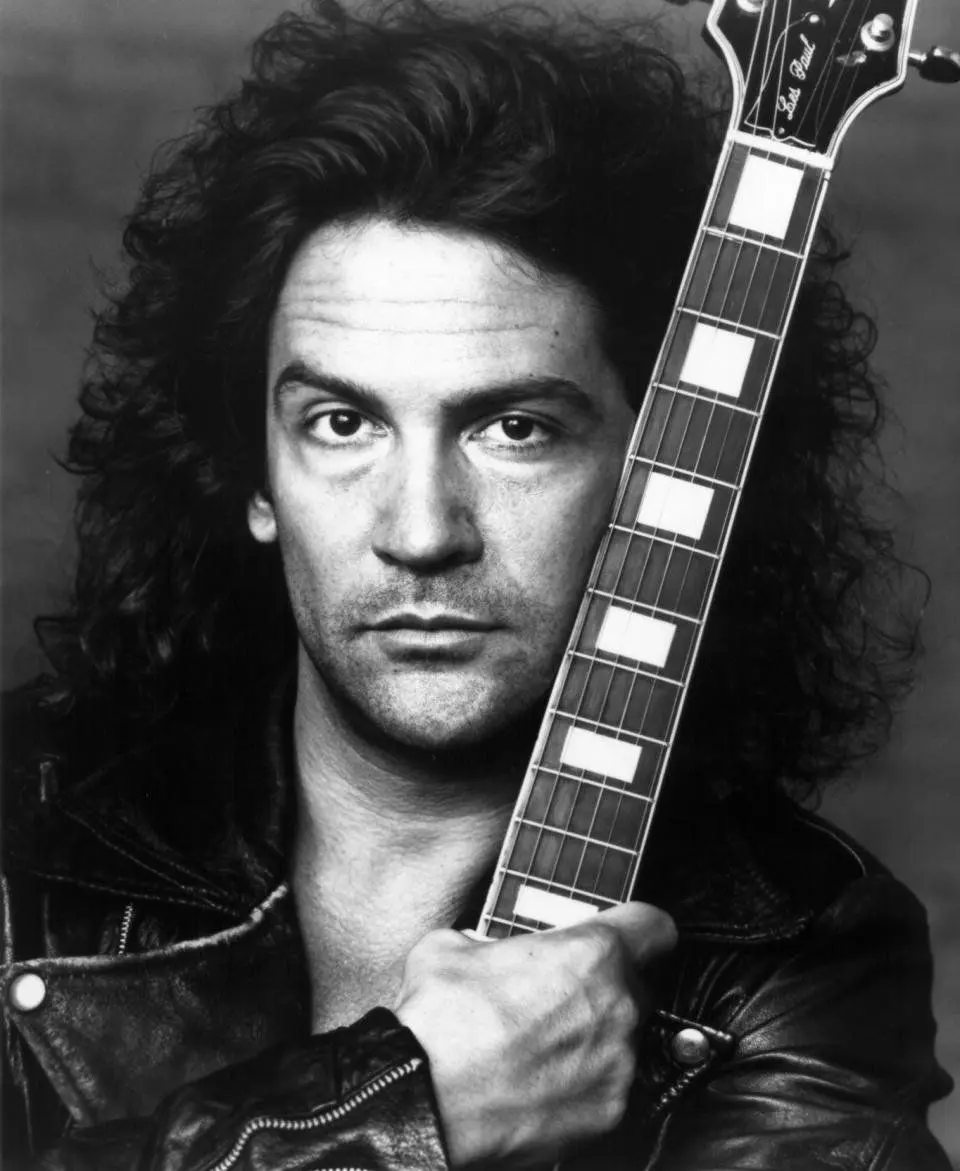
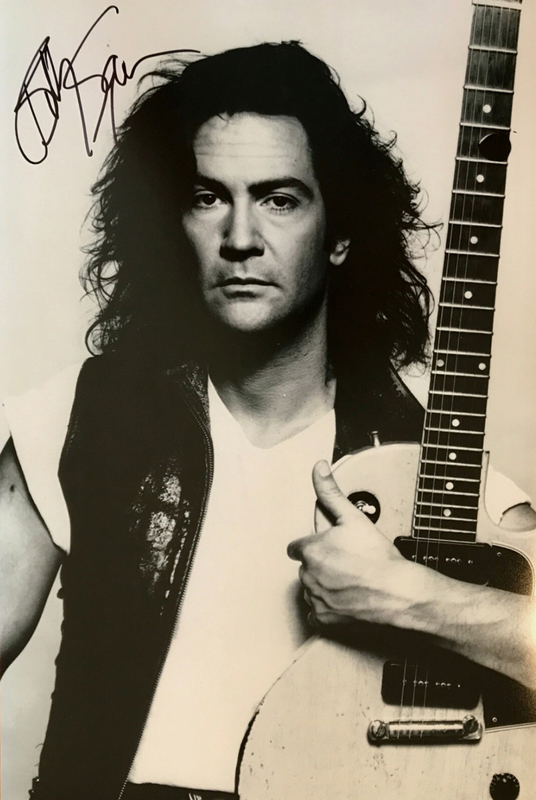
Although guitarist-singer-songwriter Billy Squier has spent most of his life outside of New England, he’s still considered a hometown hero since he was born and raised in Wellesley, Massachusetts. And why wouldn’t New Englanders want to claim such a celebrated rocker as one of their own? After all, during a 55-plus-year career, his records have sold an estimated 13 million – three titles going platinum or multi-platinum – and his greatest-hits compilations had amassed more than two billion streams on Spotify by the end of 2025. Plus, the sampling of several Squier-penned songs by myriad rap artists, including some 300 mixes that incorporate the 1980 track “The Big Beat,” ensures the permanence of his music decades after it first hit the charts.
MUSICAL BEGINNINGS, EARLY BANDS
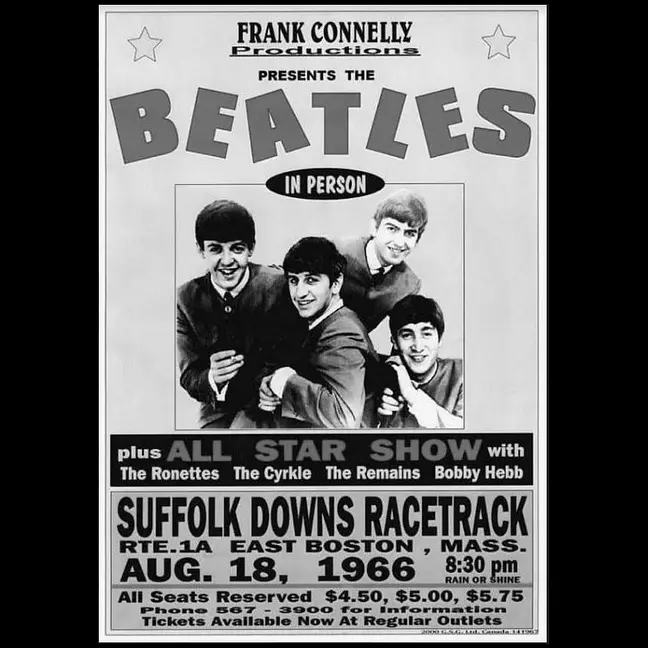
Billy Squier was born in 1950 and introduced to music through imposed classical piano lessons. Warming to the art, he took up the ukelele as his first stringed instrument and, just prior to The Beatles’ big-bang moment on The Ed Sullivan Show in February 1964, purchased a Danelectro guitar and Supro amp from his neighbor for 90 bucks. As untold millions of pubescents across America sought to become the next Lennon, McCartney, Harrison or Starr, Squier formed his first band, The Reltneys (apparently English slang for the prominent male sex organ) when he was 14.
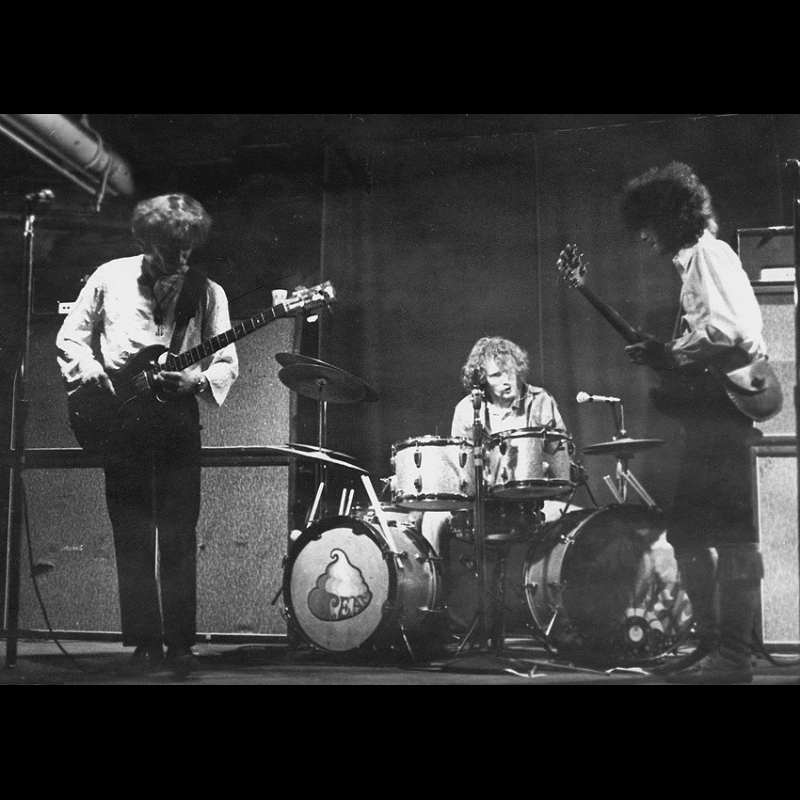
Musical benchmarks arrived quickly in his later teens after he witnessed Cream at Psychedelic Supermarket outside of Kenmore Square in 1967 as well as The Paul Butterfield Blues Band, with the electrifying guitar mastery of Mike Bloomfield and Elvin Bishop. A year later, Squier’s playing had reached the professional level and he joined Psychedelic Supermarket’s house ensemble, The Tom Swift Electrical Band, warming stages for underground A-listers like The Grateful Dead and Steve Miller Band.
MOVE TO NEW YORK CITY, BERKLEE, THE SIDEWINDERS, PIPER
Squier moved to New York City a year later to join a school buddy in a group called Magic Terry & The Universe, writing music to accompany his friend’s epic and eccentric poetry. After an Elektra Records deal fizzled, the unit recorded some songs for Atlantic and Columbia Records but fell apart after a Boston Tea Party show.
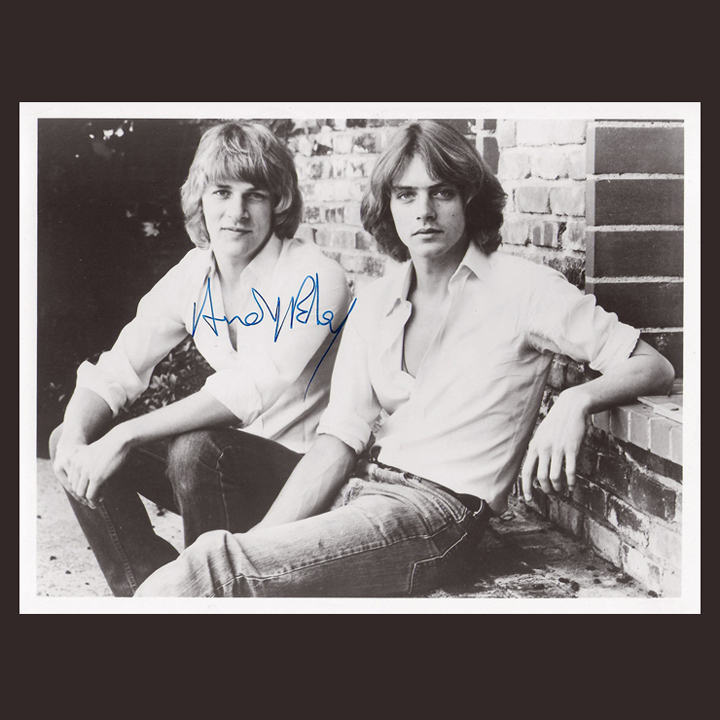
In 1971, Squier enrolled at Berklee College of Music, but by the following year he’d gone back to New York and formed the band Kicks with drummer Jerry Nolan, who joined The New York Dolls shortly afterward while Squier exited for The Sidewinders at the beginning of ‘73. Already a year removed from RCA Records releasing their self-titled debut album, the group, which formed in Boston but spent most of its time in the Big Apple, featured the considerable talents of singer-songwriter Andy Paley; he went on to greater fame with his younger brother Jonathan in The Paley Brothers and later as a producer-composer in the television industry. Although Squier injected a fresh dose of energy into The Sidewinders, the band was already on life support by the time he came on board; RCA lost interest and the group didn’t survive the year.
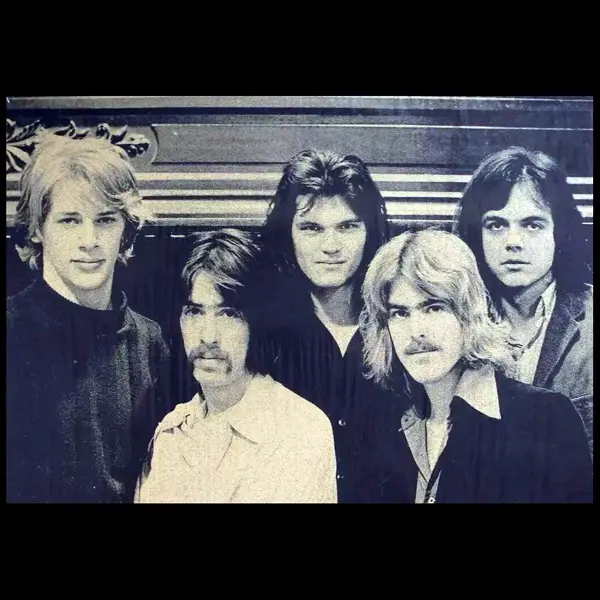
At this point, you’d think Squier might have had enough of working in bands, but he gave it another try, this time achieving some national notoriety in the group Piper. Even so, it was essentially a covert solo project as Squier wrote all the songs and assembled the band to his liking in a desired three-guitarist format. He attracted the interest of KISS’s manager Bill Aucoin, who put his considerable industry muscle behind the new group to score a contract with A&M Records, which released Piper in February 1977, and a second album. Can’t Wait, in August.
Piper received considerable praise from critics, generous radio airplay and opened for KISS for a handful of dates. Despite high profile promotion, sales success was extremely localized to a handful of cities especially, as you might expect, Boston, where many of the band’s earliest performances happened, and media support was substantial. Squier co-wrote two songs on Piper’s second album with local luminaries: journalist James Isaacs (“Can’t Wait”) and WBCN deejay Maxanne Sartori (“Drop by and Stay”).
TALES OF THE TAPE, “THE BIG BEAT,” DON’T SAY NO, “THE STROKE”
As Piper fragmented the following year, Squier realized that he could best move forward as a solo artist. That focus resulted in 1980’s Tale of the Tape which sold disappointingly but served ably as the springboard for his looming platinum-selling success. The record spent three months in the Billboard 200 and generated the aforementioned “The Big Beat,” with its monster drum sound courtesy of basher Bobby Chouinard, who’d become Squier’s go-to man behind the kit.
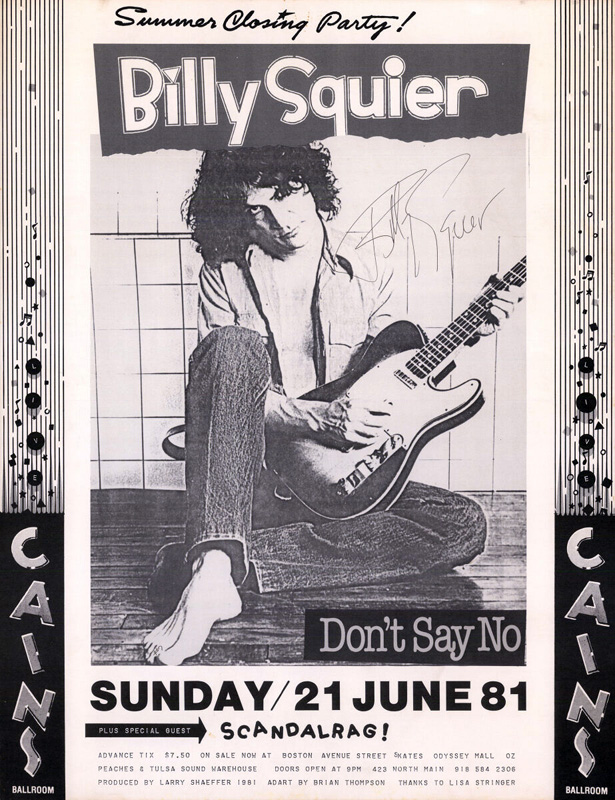
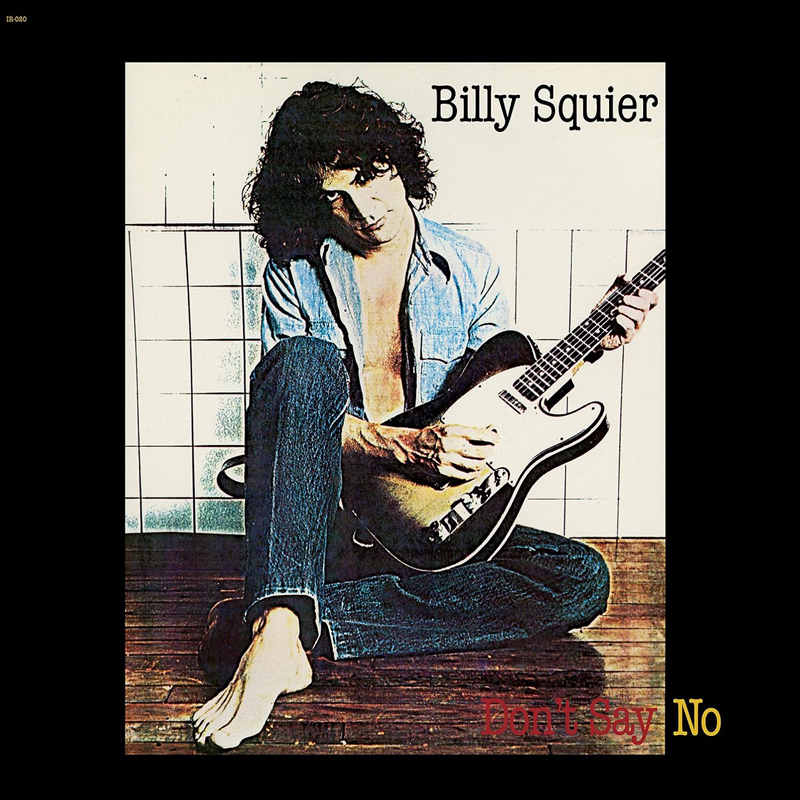
For his next album, Squier reached out to Brian May to produce, but the Queen guitarist was booked solid and instead recommended Reinhold Mack, who’d produced Queen’s recent #1 album The Game. The combination clicked: Squier delivered Don’t Say No, which grew into a triple-platinum monster that reached #5 in the Billboard 200 and remained in the Billboard Top Album Sales chart for over two years while also becoming a success internationally.
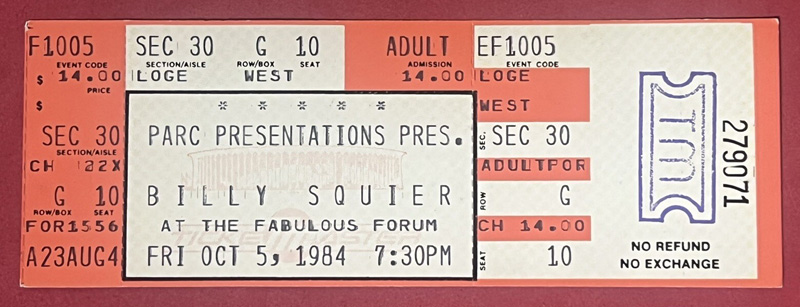
The first single “The Stroke,” set the tone, reaching #3 in the Billboard Top Tracks chart and #17 in the Billboard Hot 100 with its clever lyric of music-business brown-nosing driven by the rock-steady crewing chant: “Stroke! Stroke!” Thirty-two years later, Eminem sampled the song for his own four-million-selling “Berserk,” which went to #3 in 2013. Squier’s second single from the album, “In the Dark,” also reached the top 40 and “Lonely is the Night” became a major song on American rock stations. “My Kinda Lover” also hit the charts with its B-side “Christmas Is the Time to Say I Love You,” achieving perennial status as a holiday radio favorite. A video for the song was filmed live at the MTV studios with the channel’s VJs and a festive studio audience ecstatically joining in. Presumably, Capitol Records bought a lot of rum for the eggnog that night!
EMOTIONS IN MOTION, SIGNS OF LIFE
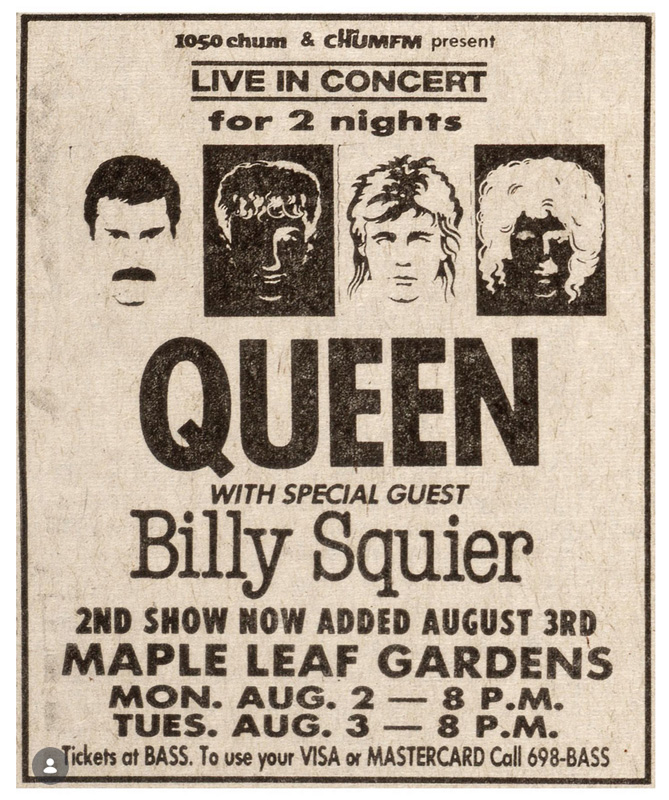
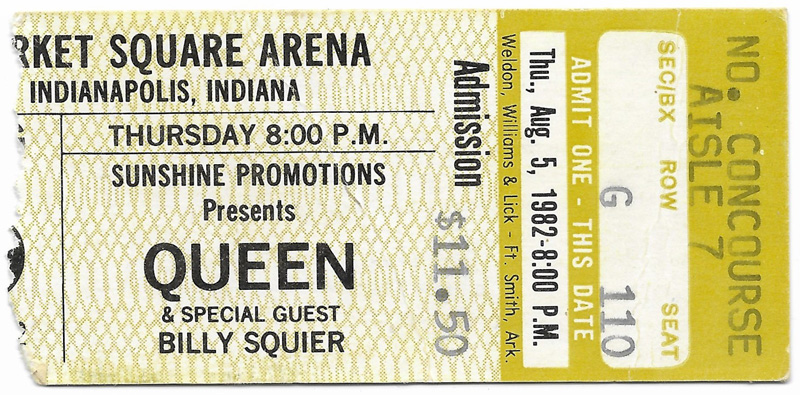
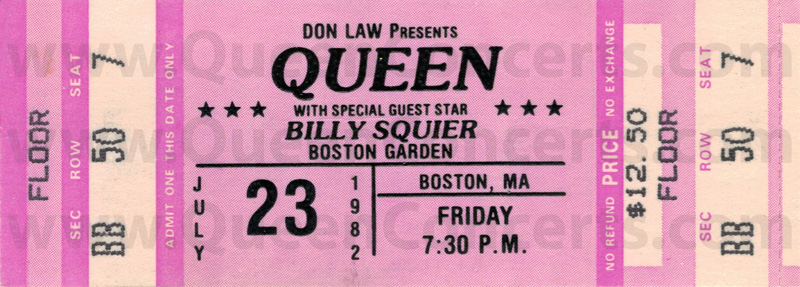
While the album rode high in the charts, Squier and his backing band played incessantly and netted the high-visibility support slot for Queen on its summer 1982 North American tour. Somehow during this hectic period, they found the time to record Emotions in Motion, but Squier had a slate of strong songs ready to go and, despite decaying synergy with Reinhold Mack, came up with another hit album that also climbed to #5 in the Billboard 200 and moved three million copies. The singles and well-rotated MTV videos that drove this release were “Everybody Wants You,” “She’s a Runner” and the title track. Squier supported Emotions in Motion with his first headlining tour of arenas and stayed on the road into 1983 supported by Nazareth, Saga and the “bubbling under” British metal act Def Leppard.
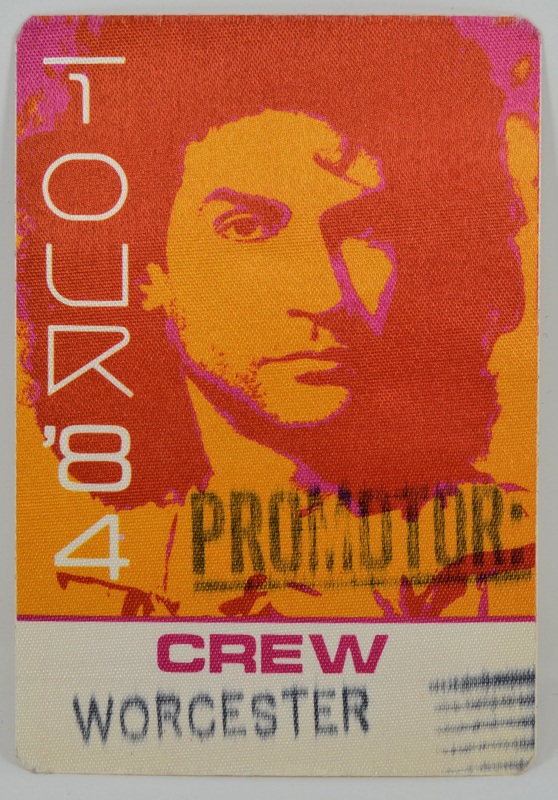
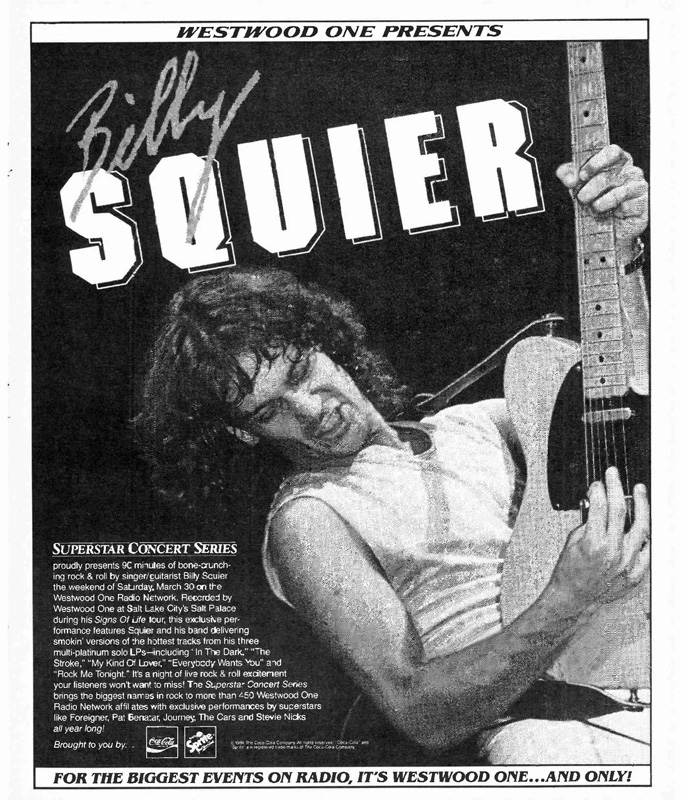
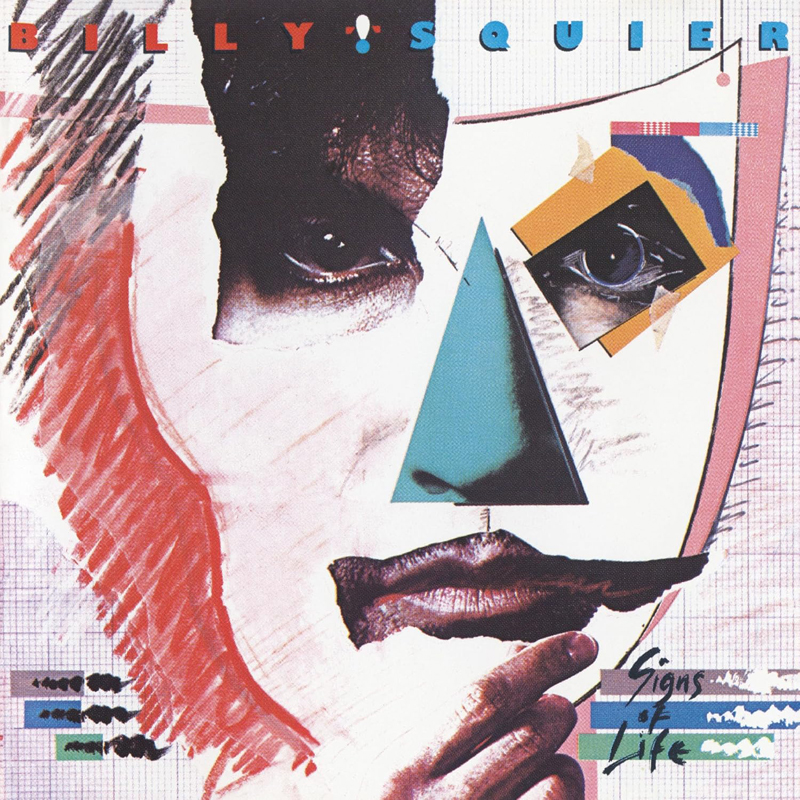
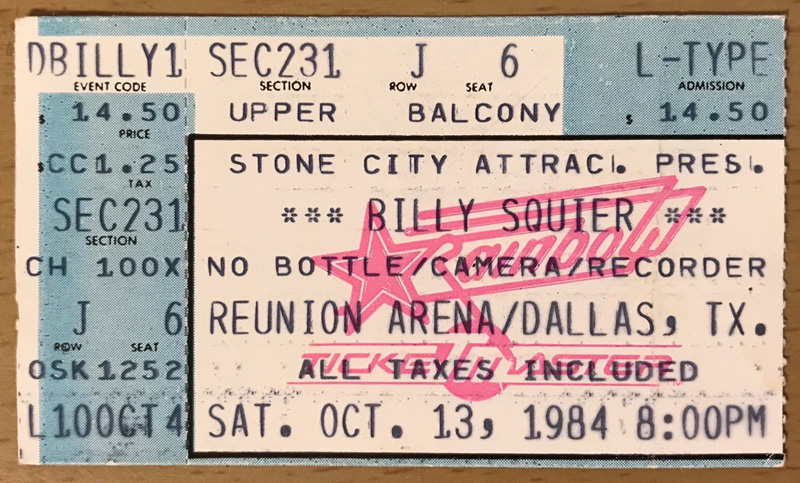
Finally, after three straight years of effort, Squier took a break to relax and began writing songs for his fourth album. To produce, he brought in Jim Steinman, who’d written the songs for Meatloaf’s massive breakthrough Bat Out of Hell. Steinman’s skill in composing and arranging helped craft the tracks for what became Signs of Life, released in July 1984. Squier and his band embarked on an arena tour with Ratt opening while the album sold a million copies and reached #11 in the Billboard 200. The lead single, “Rock Me Tonite [sic],” got to #15 in the Billboard Hot 100, his highest charting and final entry into the US top 40.
Despite the success of the lead single, a video of the song faced strong backlash from Squier’s audience as it showed the silk-shirted singer merrily prancing about in a bedroom getting ready to head out to a show, a move which certainly hadn’t harmed Tom Cruise in the film Risky Business from the year before. Some called it the worst video of all time, and it began a commercial slide for Squier which probably had a lot more to do with changing tastes towards the new synthesizer-based pop bands like Duran Duran, Depeche Mode and Aha than one ill-conceived video.
ENOUGH IS ENOUGH, CREATURES OF HABIT, TELL THE TRUTH
Squier took the entire next year off and began working on a follow up album, Enough is Enough, which didn’t appear until September 1986. Peter Collins’s slow-moving and precise production process in the studio drove Squier to the brink of madness, but the result was a strong album highlighted by the appearance of Freddie Mercury on two tracks “Love is the Hero” and “Lady with a Tenor Sax.” However, the former single peaked at a disappointing #80 and Enough is Enough likewise flopped.
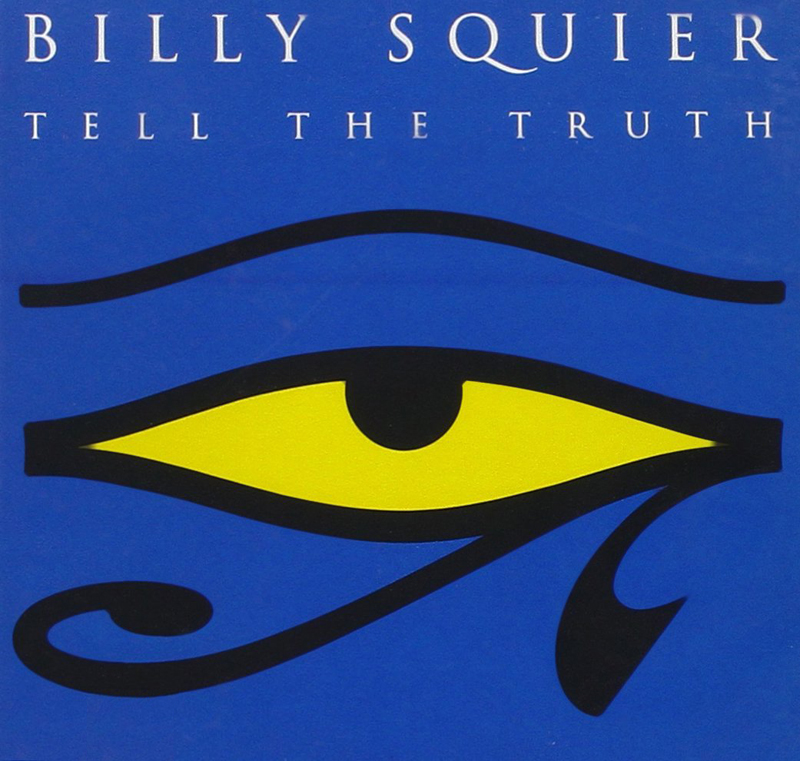
Another three years passed before Squier’s next release, Hear and Now, which featured his longtime core group: Chouinard on drums, Alan St. Jon on keys, bassist Mark Clarke and Jeff Golub on guitars. Despite the long prep time, familiar faces in the studio and some good material, the album performed as disappointingly as his previous one had. When Squier’s follow up, Creatures of Habit, appeared in 1991, the world was looking elsewhere as Seattle grunge demolished and then remade the musical landscape. That album and Squier’s last for Capitol Records, 1993’s Tell the Truth, were given little push from a label that seemed preoccupied with finding “the next big thing.” Squier remains particularly bitter about the parting insult from Capitol as Tell the Truth received strong reviews, some of which likened the album to his bestselling Don’t Say No.
HAPPY BLUE, RINGO STARR’S ALL-STARR BAND, CURRENT ACTIVITY
Following the acerbic divorce from Capitol, Squier largely left music as a career and began enjoying it as a hobby. When VH-1 asked Squier to participate in an ‘80s music special, he agreed to do it if he could play stripped-down on acoustic guitar. The project inspired Squier to record a whole album of unplugged tracks which the independent J-Bird label released as Happy Blue in 1998. A breath of fresh air for Squier, the recording included “The Stroke,” simplified into the rootsy toe tapping of “Stroke Me Blues.”
In 2006, Ringo Starr invited Squier to join his All-Starr Band, and Squier eagerly accepted the honor. A video documentary of that tour was released and in ’08 Squier happily did another tour of duty with the ensemble. Since that time, Wellesley’s hometown hero has occasionally ventured out on tour or performed one-off events, but usually he’s at his home on Long Island. Always guarded in revealing his personal affairs, Squier might not give us many opportunities to see him in the future. After all, with the hundreds of songs out there that include samples of his biggest riffs, the royalty checks must be substantial, so why dive back into the predatory music biz just to start “stroking” again?
(by Carter Alan)
Carter Alan is a former WBCN deejay now heard on WZLX-FM in Boston. He’s the author of Outside is America: U2 in the U.S. (Faber & Faber, 1992), U2: The Road to Pop (Faber & Faber, 1997), Radio Free Boston: The Rise and Fall of WBCN (University Press of New England, 2013) and The Decibel Diaries: A Journey Through Rock in 50 Concerts (University of New England Press, 2017).