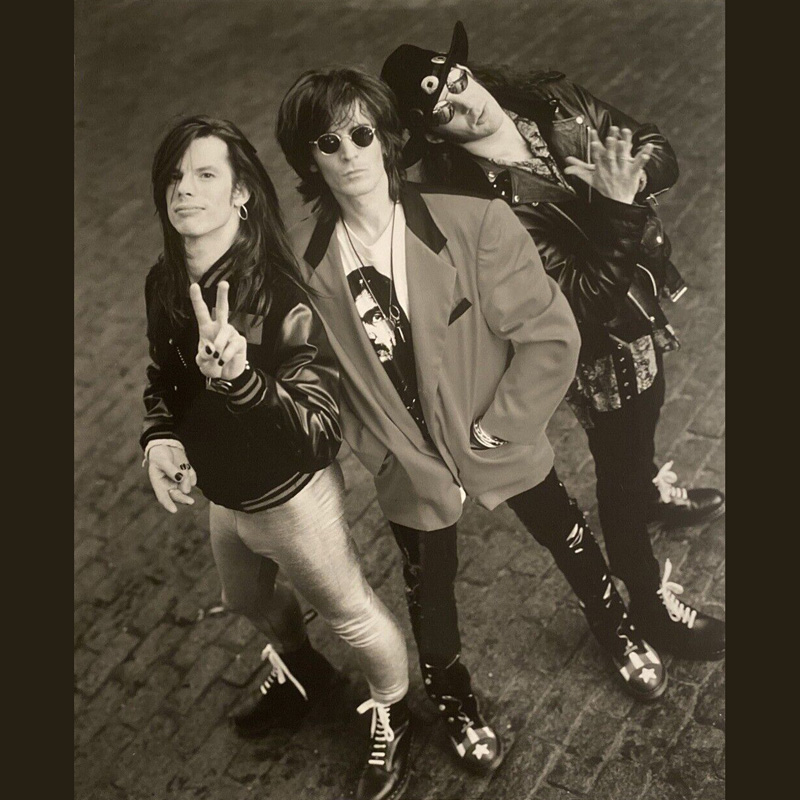
Manufacture
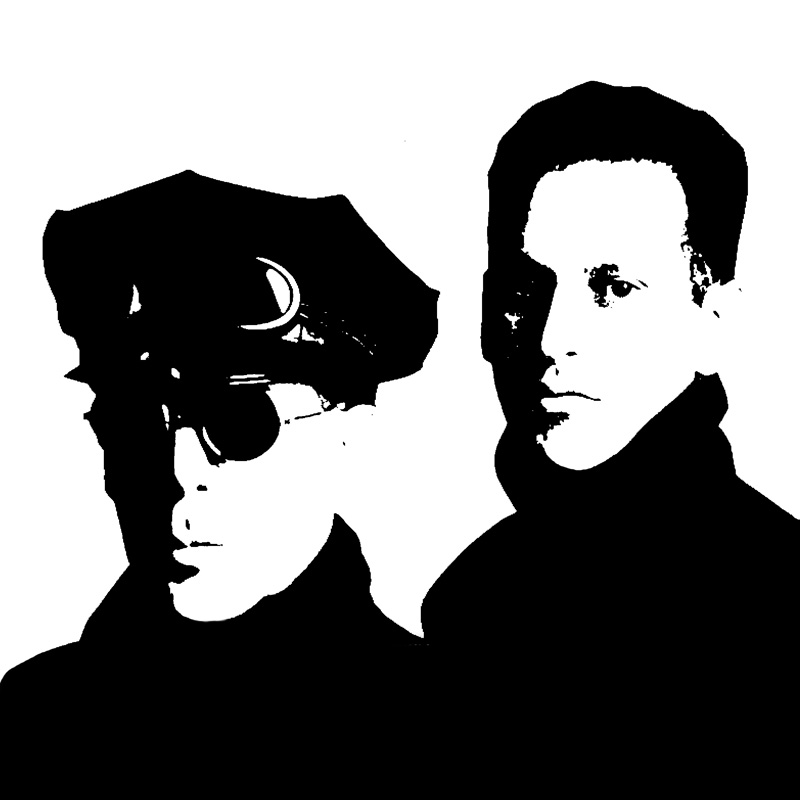
Manufacture
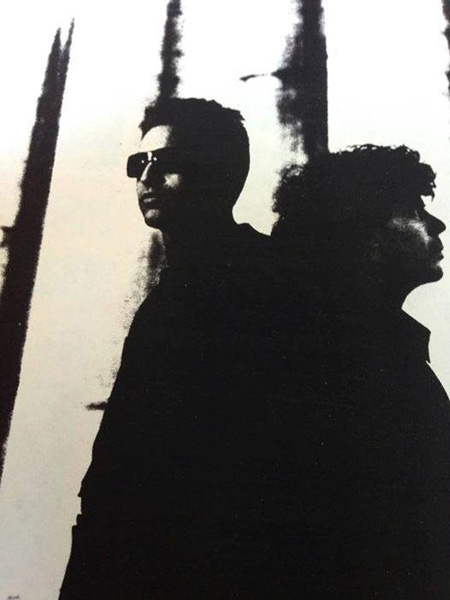
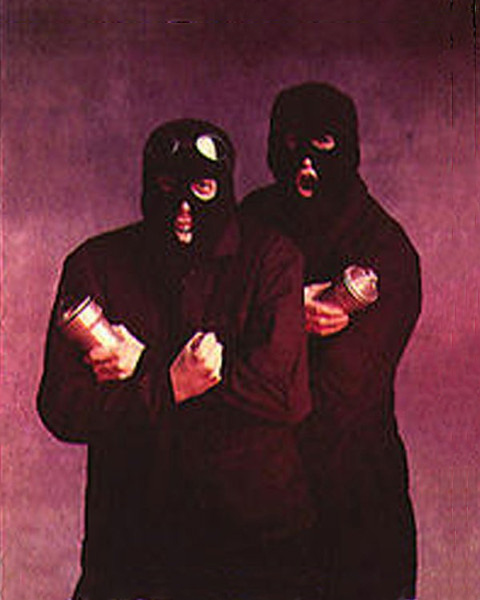
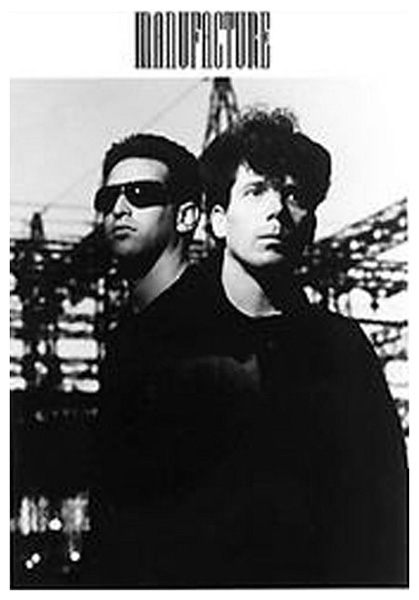
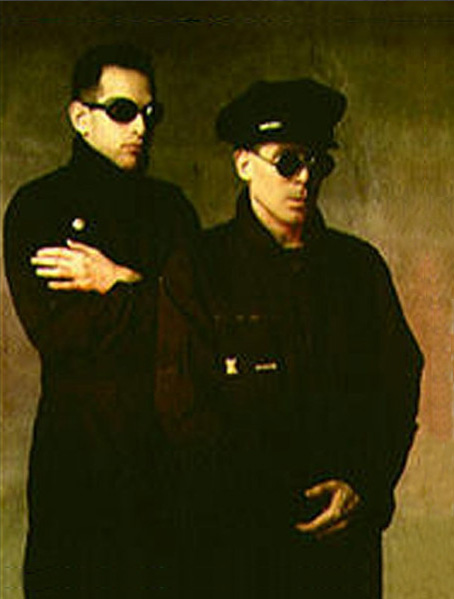
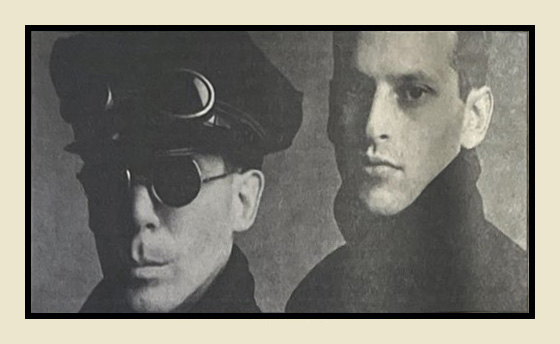
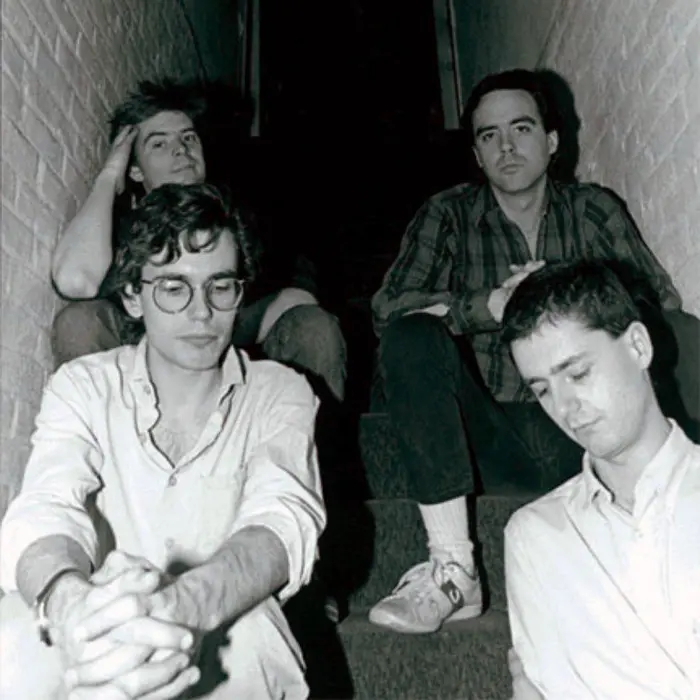
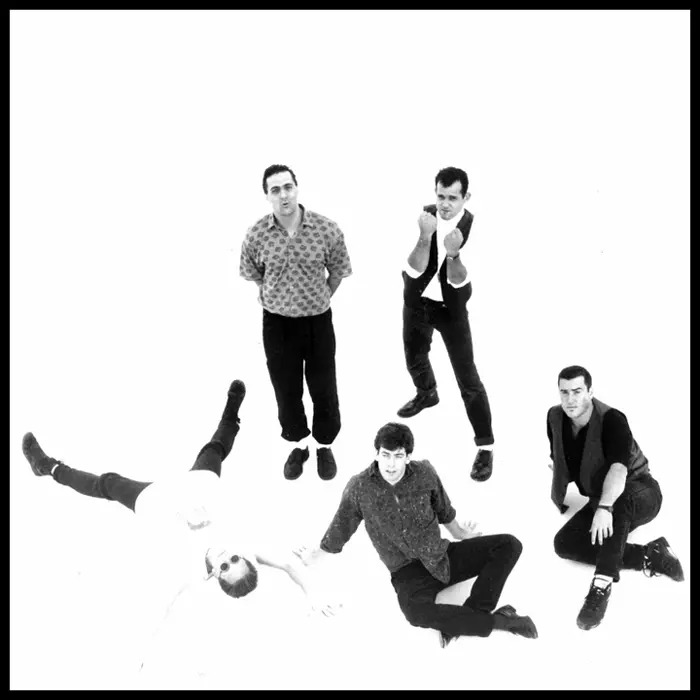
Industrial electronic duo Manufacture emerged as an outlier on Boston’s mid-’80s scene, bridging the gap between punk’s raw energy, industrial’s mechanical edge and emerging cyberpunk aesthetics with a pioneering blend of aggressive, synth-driven beats, sampled environmental sounds and politically charged visuals. Unlike the then dominant guitar-rock and college-radio indie acts in the city, among them Dinosaur Jr., Pixies, Throwing Muses and The Lemonheads, they aligned with underground electronic innovators while incorporating various multimedia elements that made their shows feel like immersive art installations. Though their discography is limited to two albums, Manufacture’s fusion of technology, social commentary and visual spectacle left a lasting mark on the industrial genre in New England and the greater US, foreshadowing the rise of defining acts like Nine Inch Nails.
FORMATION, DEVELOPMENT
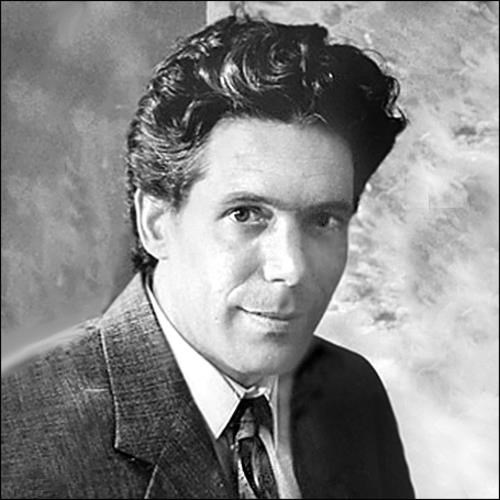
The duo’s roots trace back to Boston’s experimental arts underground of the early ‘80s. In 1982, then Northeastern student Perry Geyer’s group Psychic Youth recorded the single “The Future Now,” which showcased a commercial synth-pop sound influenced by bands like DAF and Kraftwerk. Drawn to technology’s potential to create what he referred to as “mechanical souls” in music, he handled much of Manufacture’s programming and played bass on select tracks. Co-founder Brian Bothwell, a Newton native who graduated from the Rivers School in Weston, brought a filmmaker’s perspective. Before Manufacture, he studied video art at the School of the Museum of Fine Arts in Boston and honed his skills as a video artist and editor by directing commercials and music videos for local and national acts in addition to programming shows for regional channels. He also rented video projectors for clubs and created stage shows, often “appropriating” footage from government films, Twilight Zone episodes and newsreels.
The two first met when Bothwell offered to direct a video for Psychic Youth. In 1984, they formed Manufacture as a soundtrack company, composing audio for films and experimenting with synthesizers in front of muted video rentals; Fellini films and sci-fi classics were their favorites. This evolved into a full band after “two months of experimenting,” as Bothwell later recalled. Pop-oriented at first, the pair eventually shifted to a more aggressive, socially conscious style, rejecting what they considered to be “lifeless” synth-pop for tense, edgy compositions. Ron Richard occasionally contributed synthesized snare and electric violin to live gigs to give the band’s sound “human” elements, but Manufacture was always a duo at its core, emphasizing DIY production through Bothwell and Geyer’s audio/visual company, Corporation X.
MULTIMEDIA PERFORMANCE STYLE, NOTABLE APPEARANCES
In a mid-’80s scene dominated by postpunk and indie rock, Manufacture’s shows were entirely unique, even revolutionary considering their technological approach. They treated shows as what they called “presentations” or “broadcasts,” using huge video screens for projections synced to every song, which was a rarity at the time; MTV had hit the air just a few years before (in August ‘81), and using videos at live shows wasn’t yet standard operating procedure. Visuals bombarded audiences with rapid cuts of political propaganda, nuclear test footage, storm troopers and Twilight Zone clips, with the band often leaving the stage mid-set to let the imagery do the talking. Strobe lights, smoke, camouflage netting and even distributed xeroxed neighbor complaints about their “noise” added theatrical chaos.
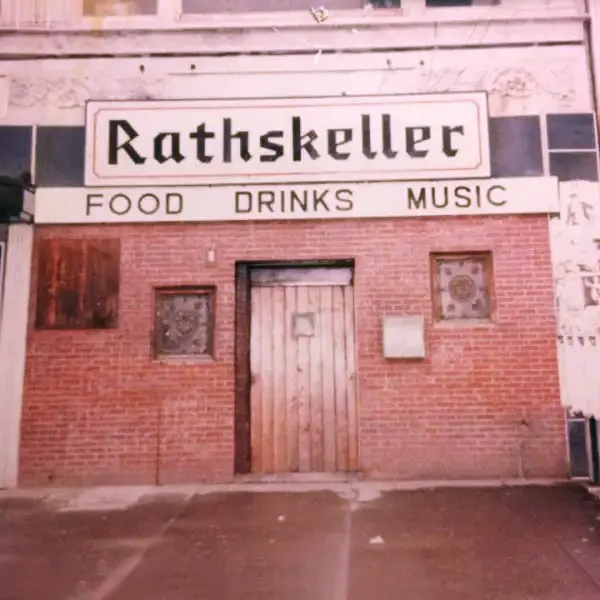
Manufacture songs like “Reagan Youth March” superimposed Bible quotes over Ronald Reagan speeches and Joseph Goebbels footage, critiquing militarism and yuppie culture, while others like “Silence or Cries” manipulated sci-fi scenes for apocalyptic tension. The multimedia assaults distinguished them from postpunk legends like Mission of Burma and up-and-coming 4AD bands like Pixies, who focused on raw stage energy, and their material was what some called “thinking dance music”: aggressive but intellectual, evoking Cabaret Voltaire or Einstürzende Neubauten, but with a Boston twist, like sampling local construction sites for metallic clangs. They appeared at key area clubs like The Rathskeller and The Channel and often opened for industrial heavyweights like Ministry (during a 1985 Midwest tour), Front 242, Skinny Puppy and Psychic TV (during a 1989 nationwide tour where Geyer joked about frontman Genesis P-Orridge’s “indoctrination” attempts).
NETTWERK SIGNING, TERRORVISION, VOICE OF WORLD CONTROL, TOURS
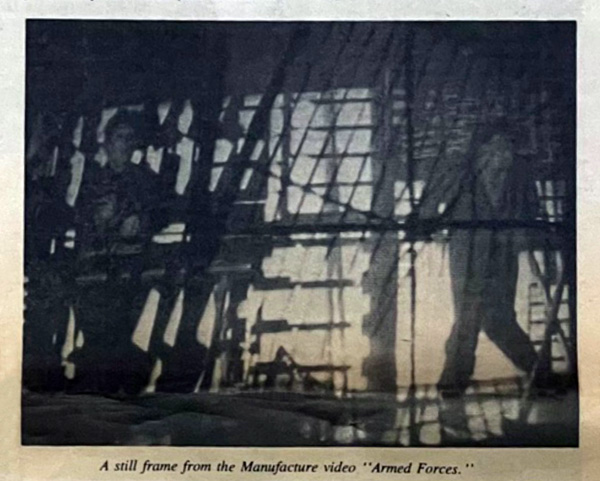
Despite Boston’s lack of an electronic scene, Manufacture established a strong cult following, performing sporadically at first due to technical demands but touring more widely in the late ’80s. The group’s big break came at the 1987 New Music Seminar in New York City, where they handed a demo to producer Rave (Skinny Puppy). Within days, Vancouver-based Nettwerk Records, known for industrial acts like Skinny Puppy and Severed Heads, called and the label signed Manufacture as its first American band in 1988. According to Nettwerk, the duo’s self-produced video for the single “Armed Forces” (shot on 16mm for $2,000 and featuring post-nuclear scrap heaps and spinning metal sets) sealed the deal.
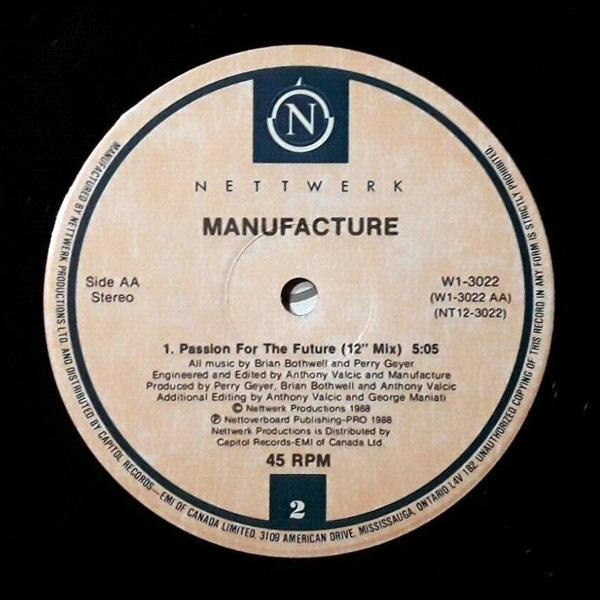
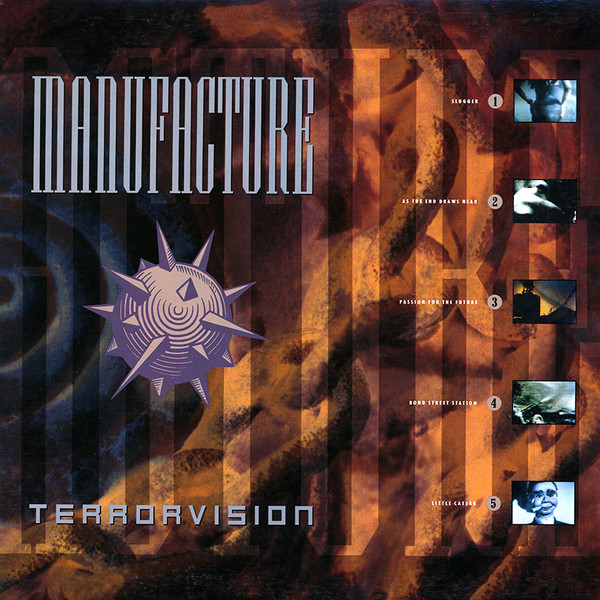
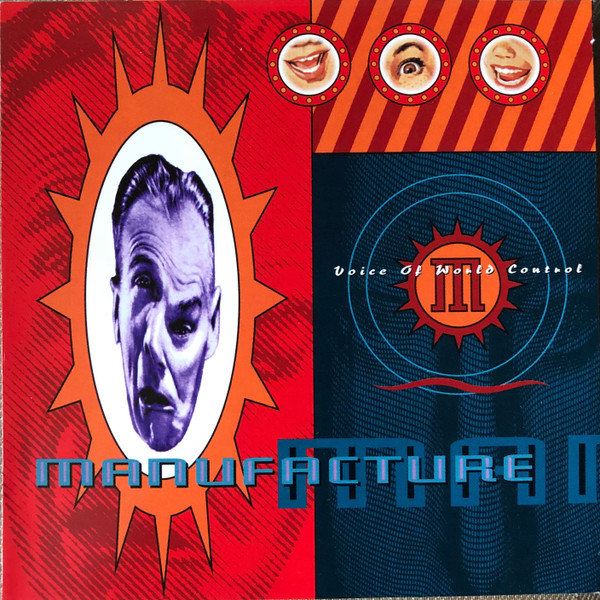
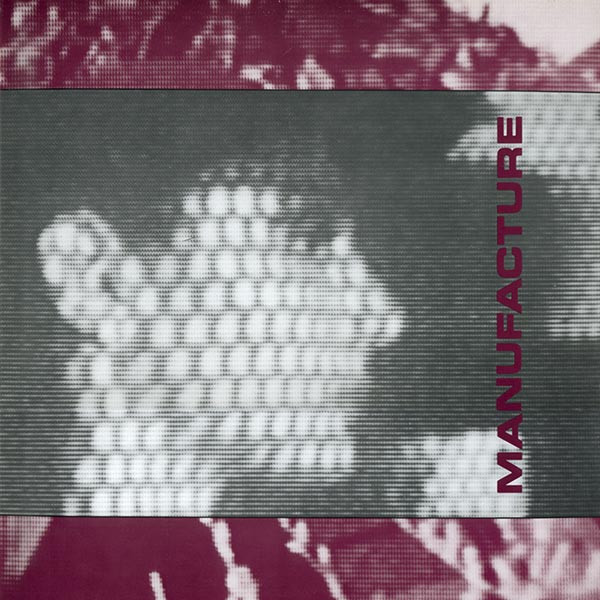
Their debut album, Terrorvision, which Nettwerk released in ‘88, was what one critic called a “soundscape manifesto” of clanking samples, political fragments and infectious dance beats. Two tracks, “Armed Forces” and “As the End Draws Near” (the latter featuring Sarah McLachlan’s ethereal vocals), made it to Billboard‘s Club Play Chart and Rolling Stone‘s dance lists, and “Passion for the Future” highlighted what one review called the duo’s “ferocious dance edge.” Their sophomore disc, Voice of World Control (Nettwerk, 1991), was notably more positive than its predecessor lyrically, emphasizing control over technology rather than destruction by it, with tracks like “Many Machines” and “Running Mad” combining aggression with pop elements. Bothwell lamented label-forced inclusions like Nigel Butler’s vocals on what he said were “trashy” tracks, but the album solidified the duo’s cyberpunk leanings. Tours included a US run in ‘89 with Psychic TV and European ones with Front 242 and Front Line Assembly.
NOTABLE COLLABORATIONS, LEGACY, POST-MANUFACTURE ACTIVITY
During Manufacture’s seven-odd years together, the group worked with several artists to enrich their sound, as in the case of Sarah McLaughlan making a guest appearance on Terrorvision, but the collaborations weren’t always as smooth as hoped. One notable conflict with Ministry’s Al Jorgensen resulted in a lawsuit over allegedly stolen Fairlight discs (sampled construction sounds from Boston’s Hynes Auditorium site), which Geyer and Bothwell recreated satirically in the “Armed Forces” video. Along with performing and recording their own material, Bothwell directed videos for fellow Nettwerk acts including Moev, and Geyer engineered at Boston’s Syncro Sound.
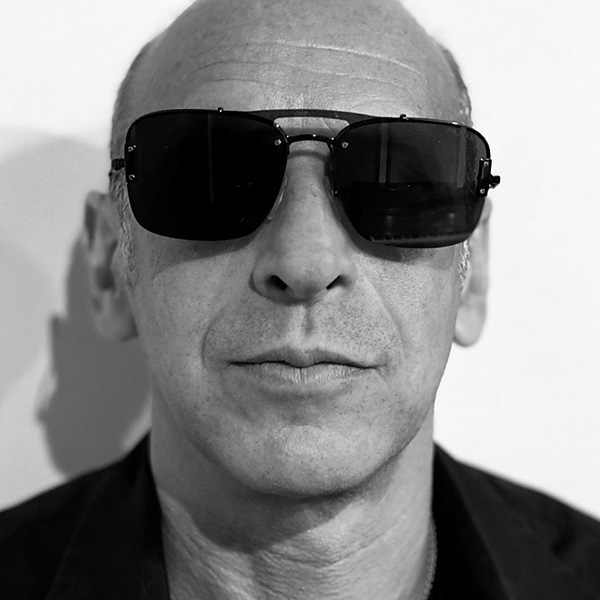
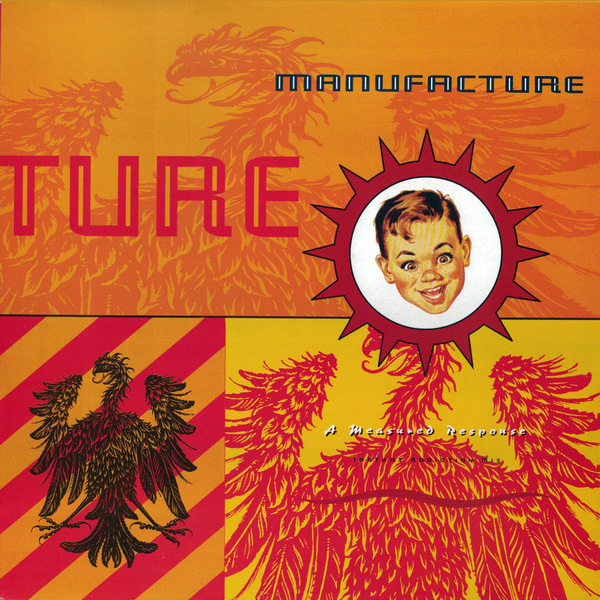
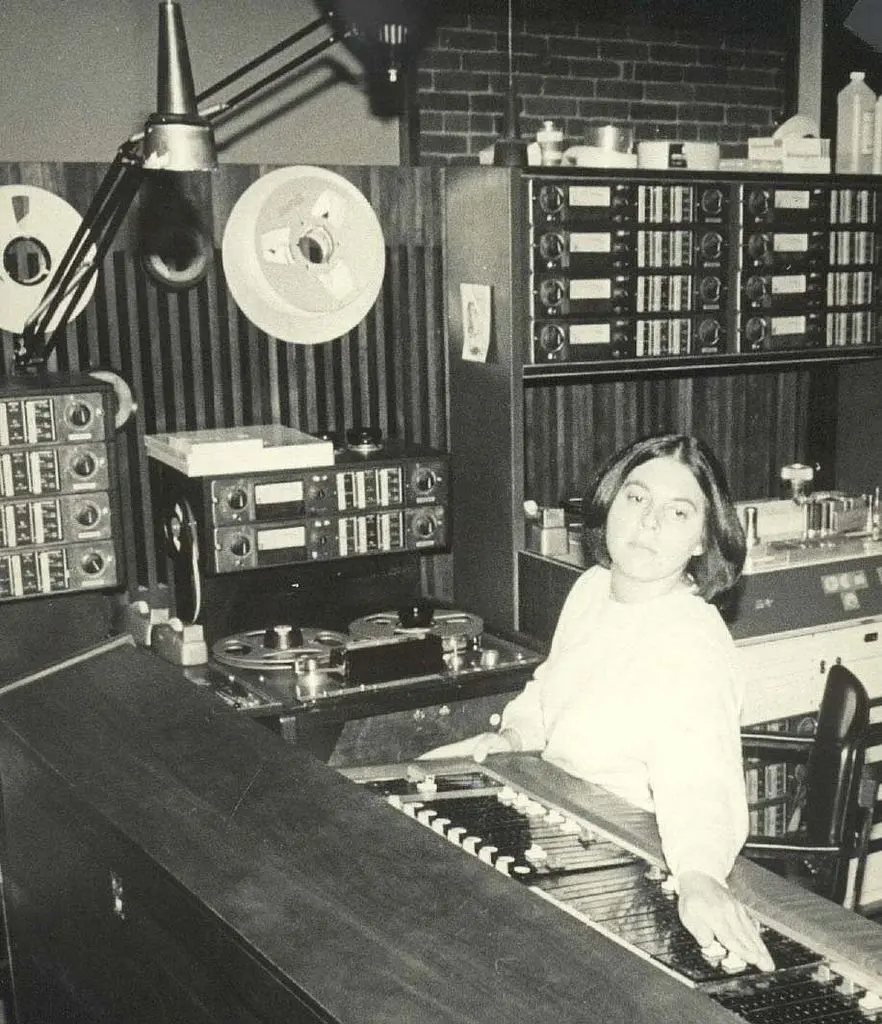
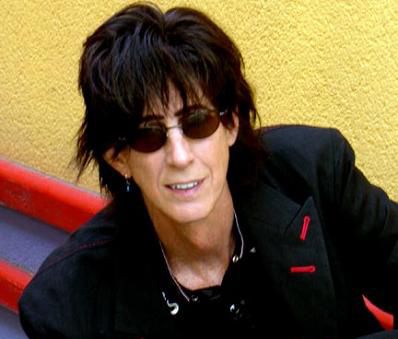
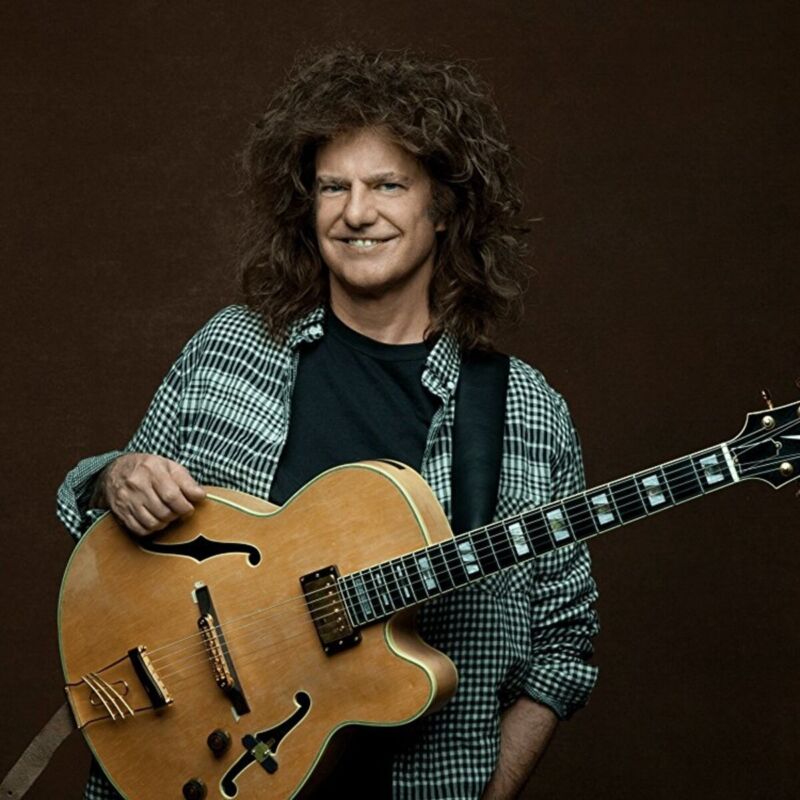
The band broke up shortly after touring to support 1991’s Voice of World Control, but their politically infused industrial sound and trailblazing visual innovation influenced the electronic genre’s evolution by leaving a blueprint for incorporating multimedia in the digital age. In doing so, the group proved that Boston’s underground rivaled that of Vancouver’s Nettwerk and Chicago’s Wax Trax. Following the split, Bothwell continued as a video artist, directing or editing clips for Ric Ocasek, Pat Metheny, The Neighborhoods, O Positive, Aimee Mann and Pixies. His work expanded to TV commercials, winning him New England Broadcaster and Hatch Awards, and editing experimental films including Luis Aira’s Beset (1990) until his death in January 2025 at age 66. Geyer focused on engineering and MIDI at Syncro Sound before opening his own recording and rehearsal space in Boston, Cybersound Recording Studio, in 1994. These days, he creates music with his newest project, Fracture.
(by Meli Pennington)