The G-Clefs
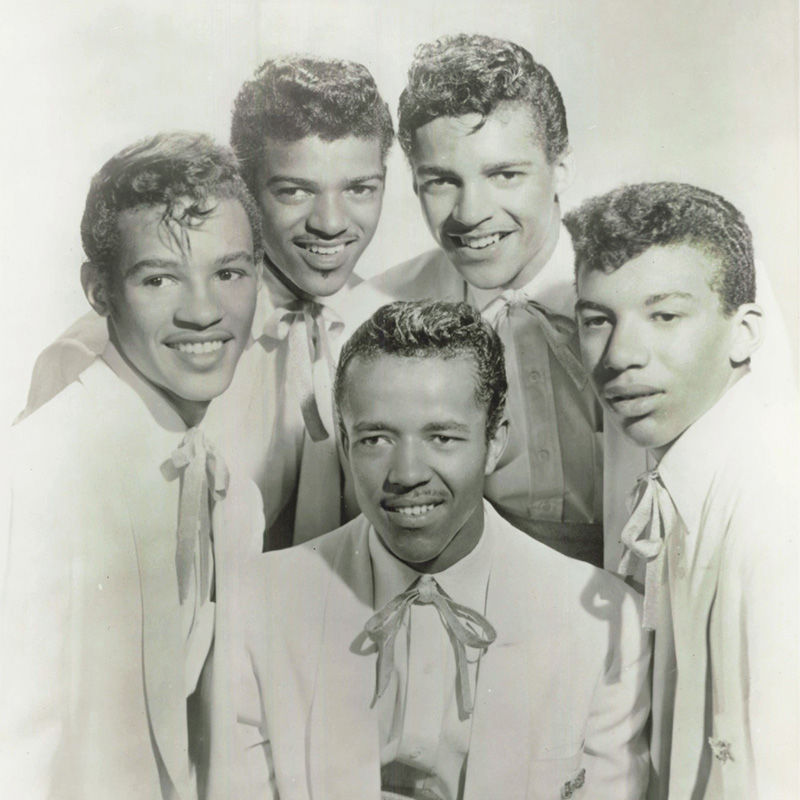
The G-Clefs
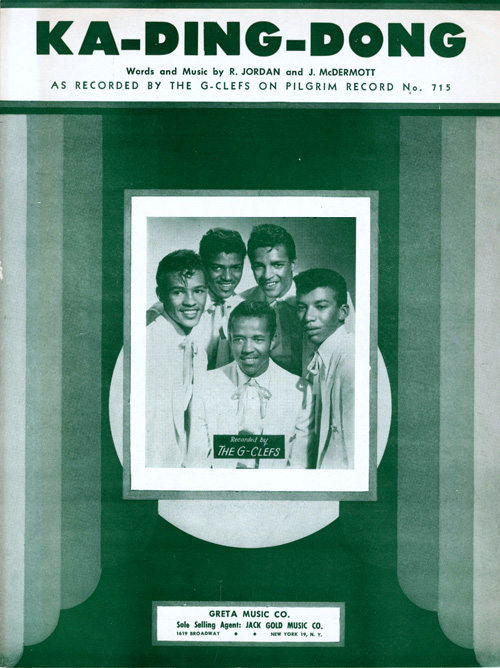
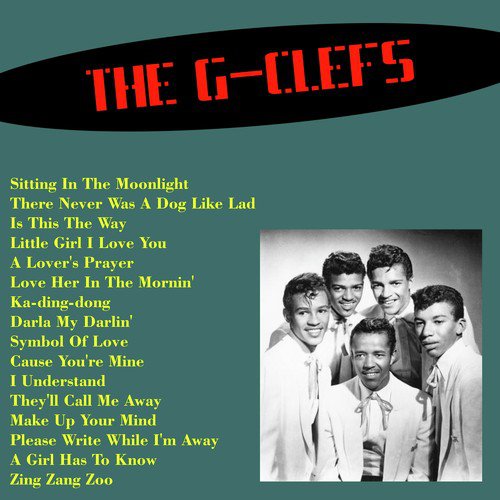
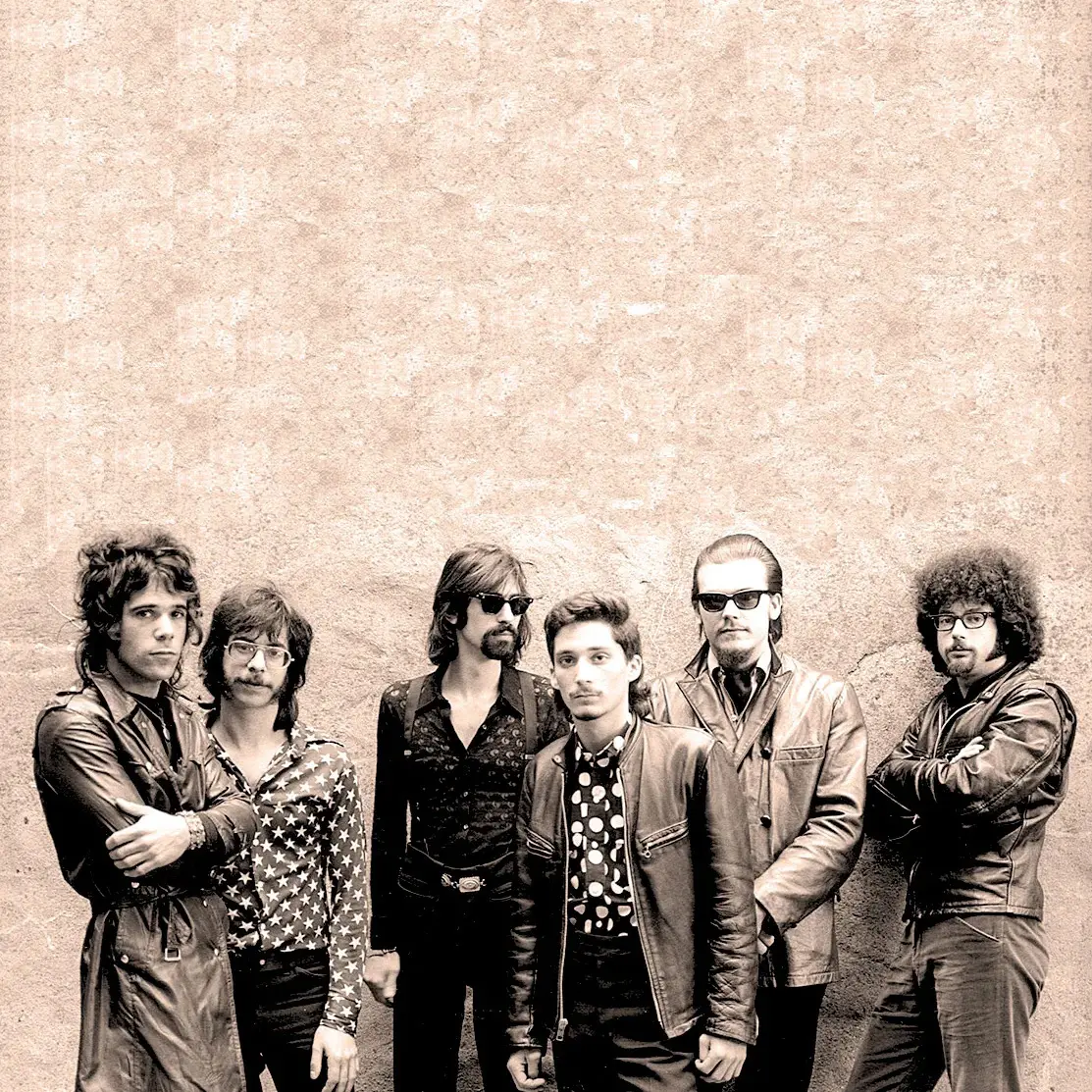
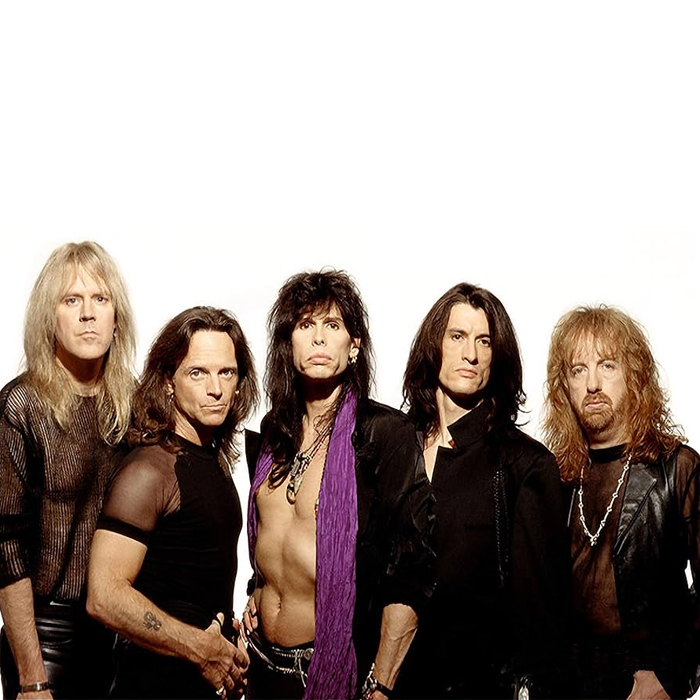
Nearly two decades before the The J. Geils Band, Aerosmith, Boston and The Cars established Boston as a multiplatinum music-making metropolis, The G-Clefs pinned the city near the center of the American musical map with their 1956 song “Ka-Ding Dong.” The first track classified as “rock ‘n’ roll” to come out of the city and become a national hit, it featured a 16-year old from Lynn, Fred Picariello, who charted on his own three years later as Freddy “Boom Boom” Cannon.
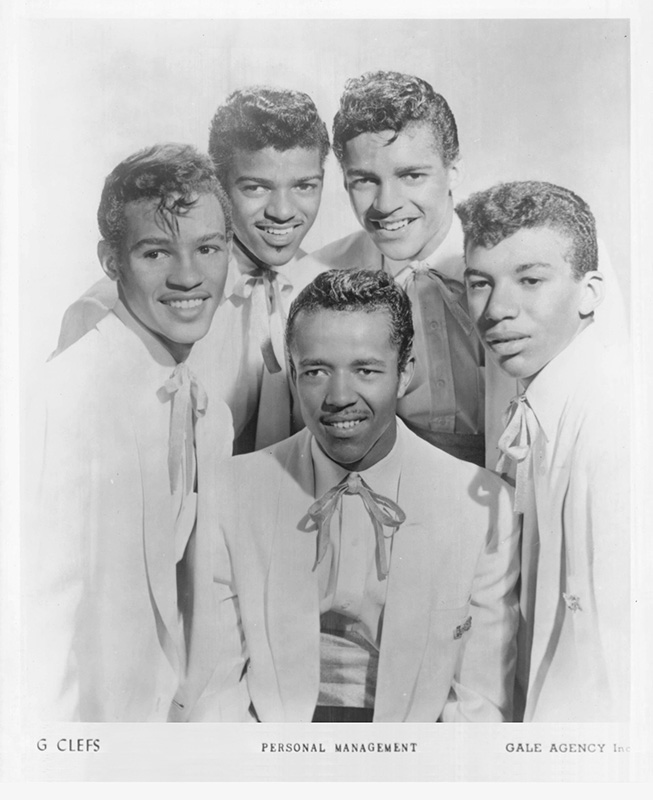
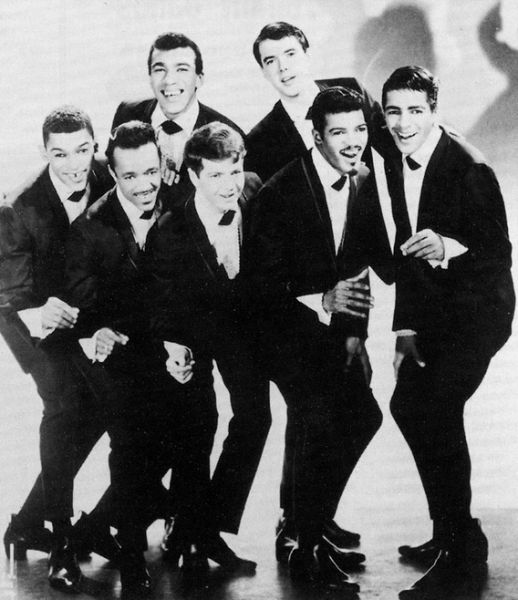
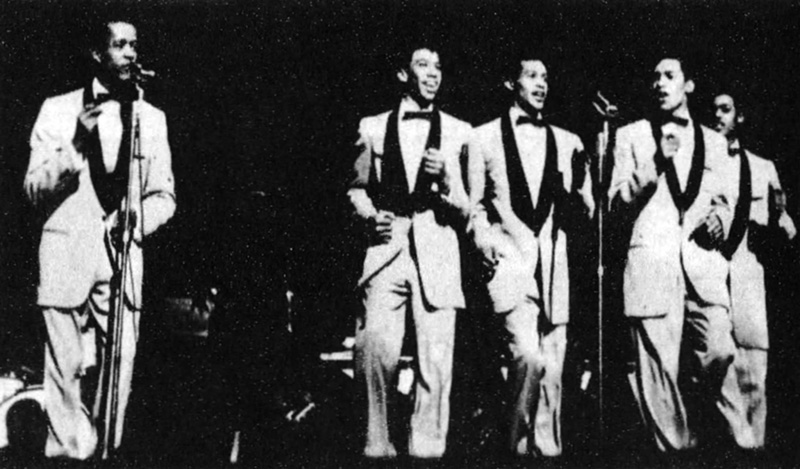
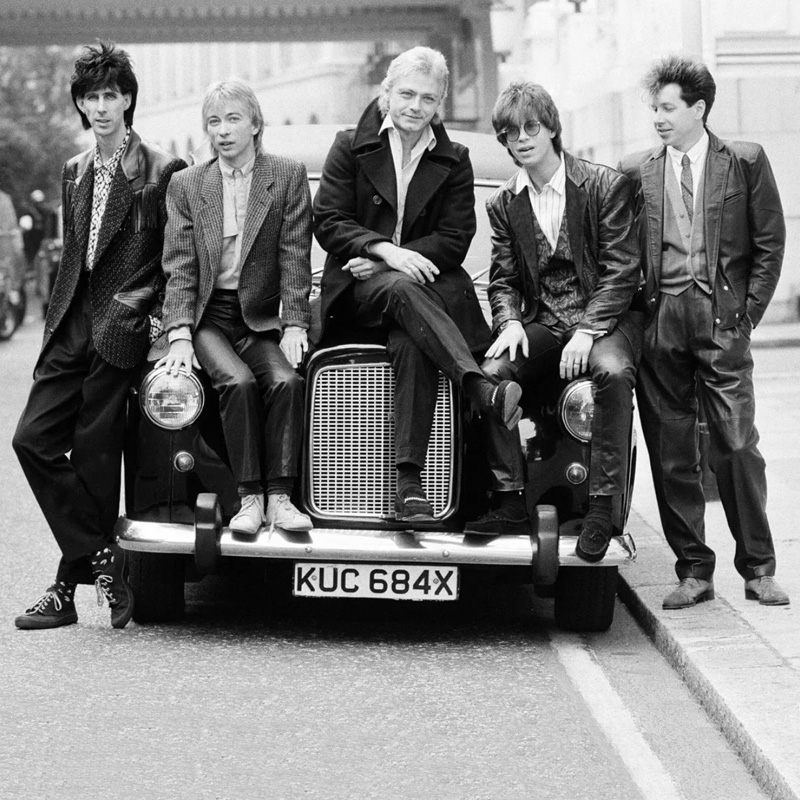
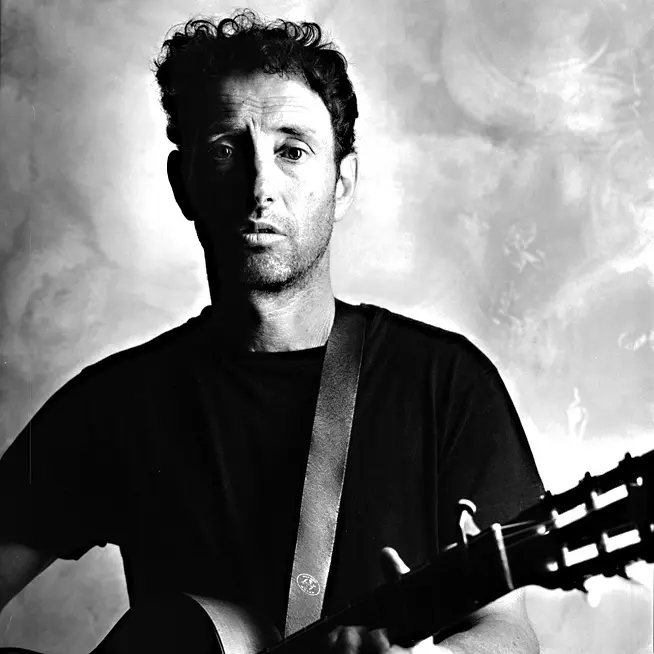
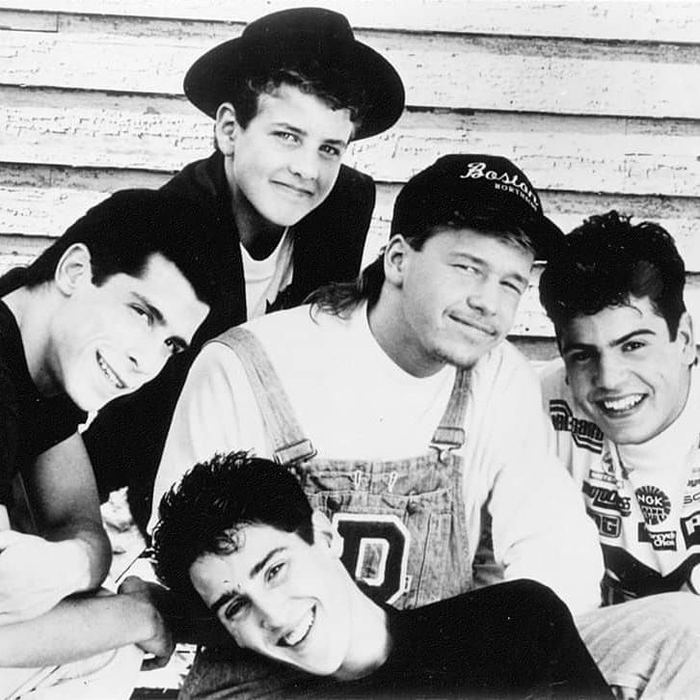
An irresistibly flamboyant and especially well-choreographed quintet described by one critic as “doo-wop delivery with R&B soul,” The G-Clefs were the harmonizing pioneers of Boston’s soon-to-be uniquely prominent place in the pop-music scene. Influenced themselves by groups like The Dominoes, The Five Keys and The Drifters, their own influence is abundantly clear on Cannon’s albums from the ‘60s, Jonathan Richman’s from the ‘70s and virtually everything New Kids on the Block produced in the ‘80s.
FORMATION, EARLY PERFORMANCES
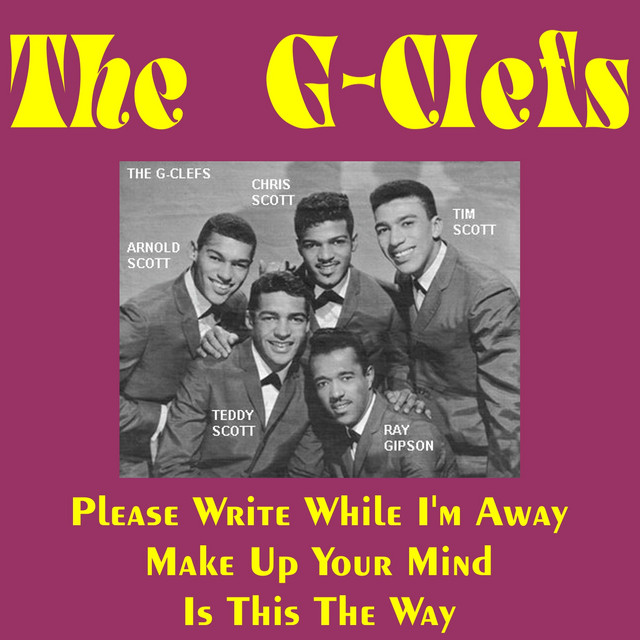
Formed in 1952 in Boston’s Roxbury neighborhood as The Bob-o-Links, the original group consisted of three Scott brothers – Teddy, Chris and Tim (nicknamed “Payme”) – plus their neighbor Ray Gipson and their cousin Joe Jordan, who left the group in the mid-’50s, replaced by another Scott brother, Arnold (nicknamed “Ilanga”). Their earliest performances, when the band members were between ages 12 and 16 and for which they charged audience members a penny, took place in the Scott family’s backyard.
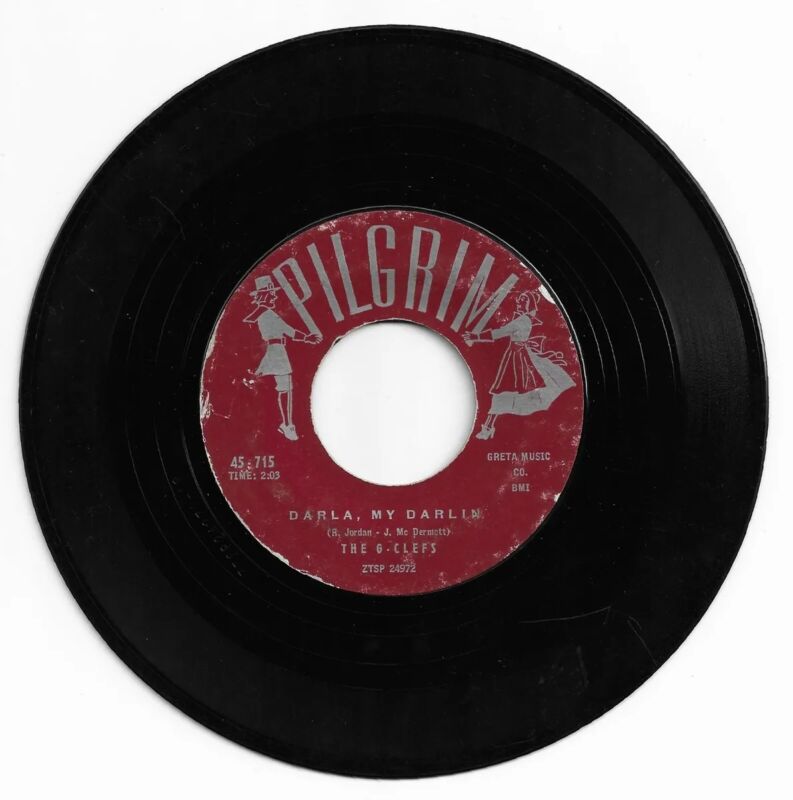
Later, they started making regular appearances singing hymns and gospel standards at St. Richard’s Catholic Church in Roxbury. In early 1953, after changing their name to The G-Clefs at the Scotts’ mother’s suggestion, the entrepreneurial teens started holding their own dances, renting a hall and selling tickets before the shows; in the summer of ‘53, they made their debut at The Rollerway, a popular roller-skating rink in Revere that was used as a dance hall on Friday nights. After playing there almost weekly for nearly two years – literally hundreds of shows – they were scouted by and signed a management agreement with Jack Gold, a well-known A&R man for Boston-based Pilgrim Records.
“KA DING DONG,” OTHER 1950S SINGLES
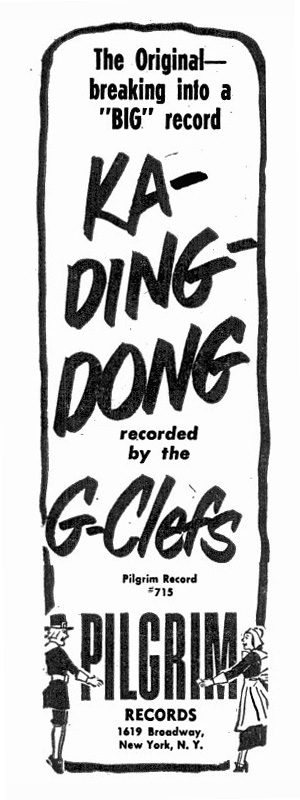
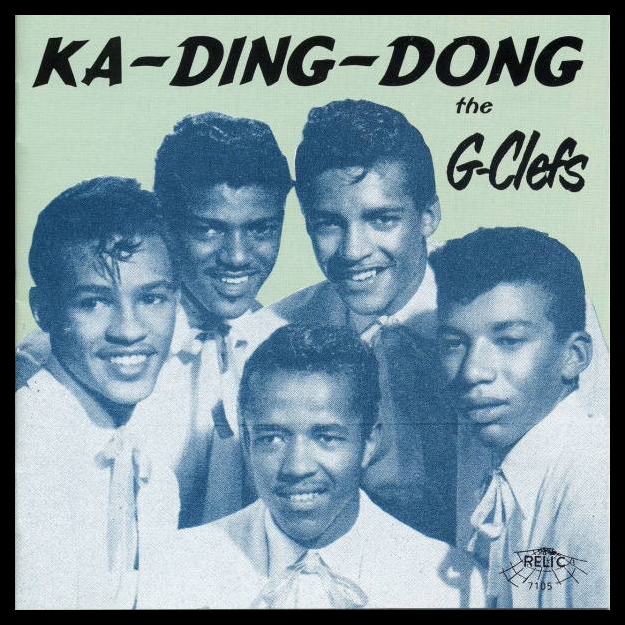
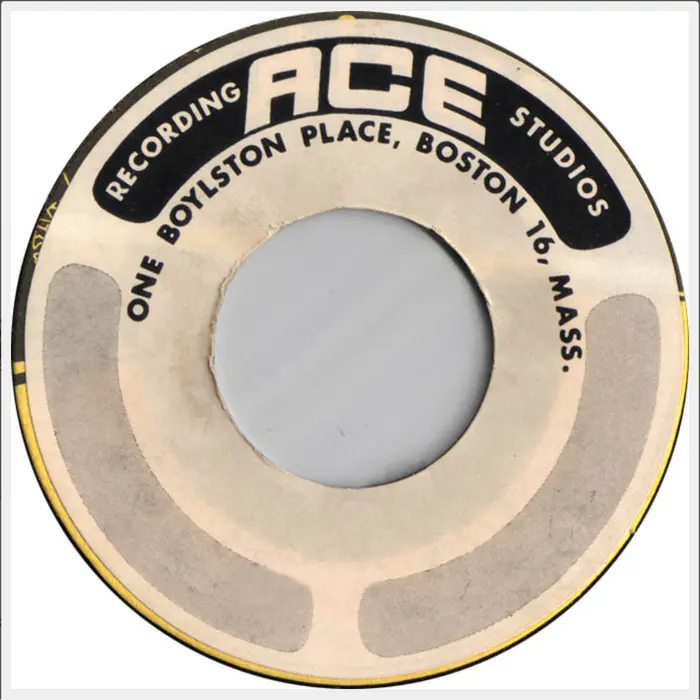
In early 1956, at Ace Recording Studios in Boston, the band recorded its first single, a cover of “Mary Lee” by The Rainbows which Pilgrim hadn’t yet released. In June that year they recorded the delightfully infectious “Ka-Ding Dong,” written by Ronnie Jordan and John McDermott and featuring the future Freddy Cannon on lead guitar. Released in July, the tune was an immediate hit in New England and by September it had reached #24 in the Billboard Top 100 (precursor to the Hot 100) and #9 in the Billboard R&B chart. The Diamonds and The Hilltoppers recorded the track, and a gaggle of other groups covered it live.
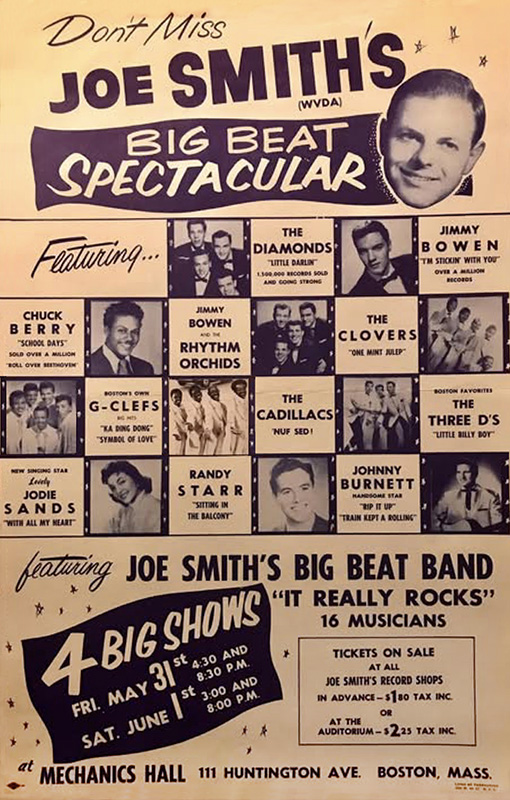
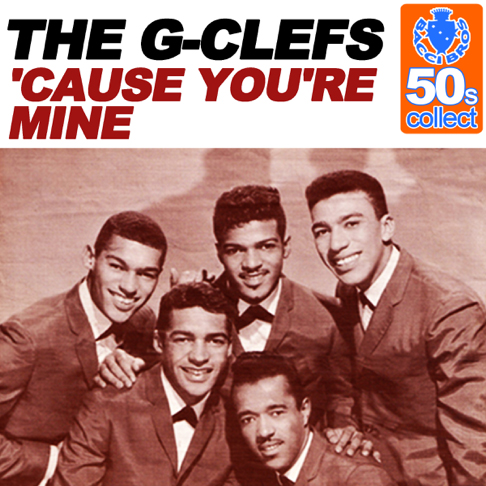
In November 1956, Pilgrim released another fast-paced rocker by the group that reached the top 40, “Cause You’re Mine,” and in March 1957 they released yet another hit, the ballad “Symbol Of Love,” followed by appearances at the Apollo Theatre in New York City in September and November. Also in 1957, when Pilgrim released the band’s moderately successful singles “Zing Zang Zoo” and “Is This The Way,” The G-Clefs were part of trailblazing DJ Alan Freed’s Easter Show at the Brooklyn Paramount Theatre in New York City along with Bo Diddley, The Del Vikings and others.
1960S, 1970S
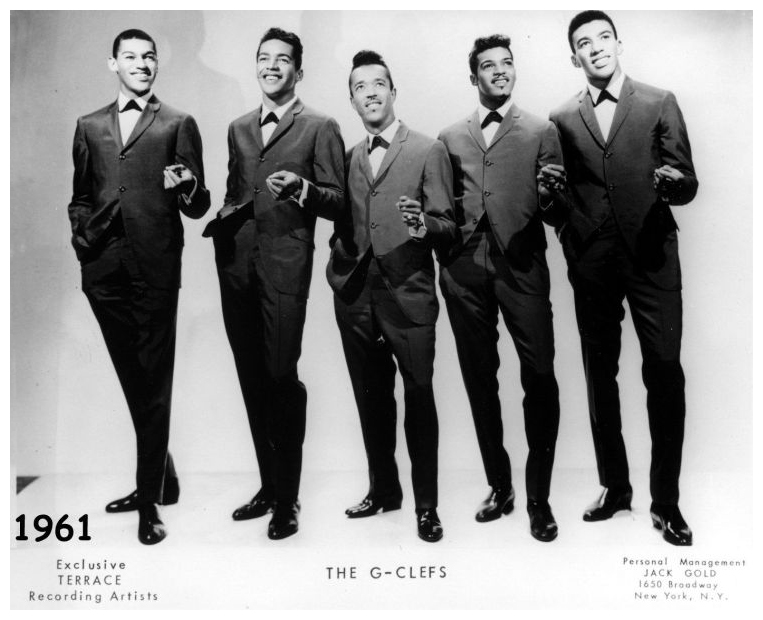
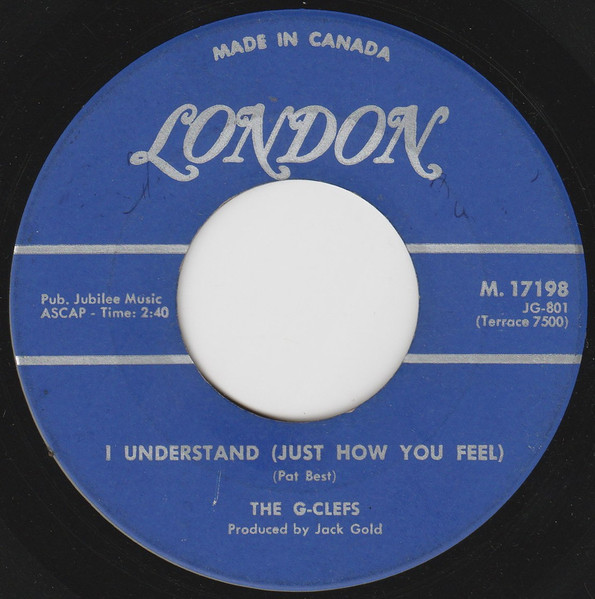
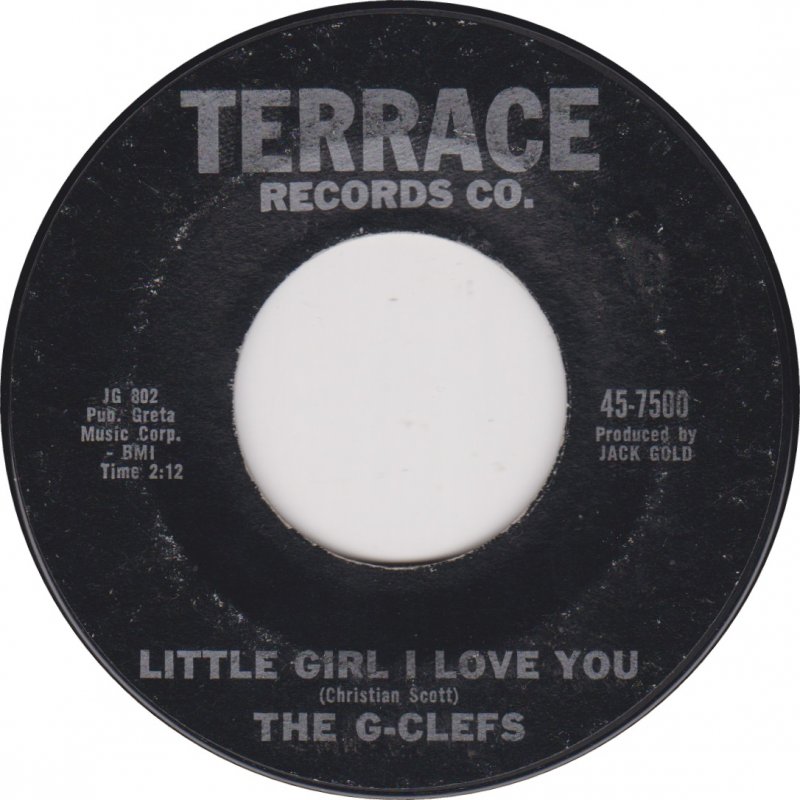
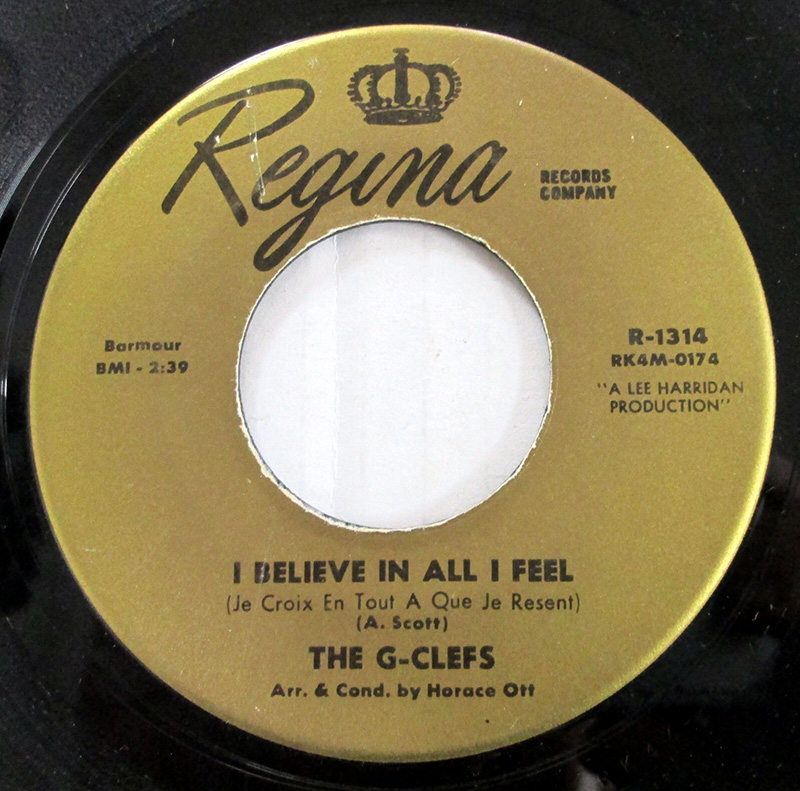
In September 1961, after the band had taken a four-year hiatus, Terrance Records released the group’s rendition of another ballad, “I Understand (Just How You Feel)” – which used the melody from “Auld Lang Syne” and which had been a hit for The Four Tunes in 1954 – and it reached #9 in the Billboard Hot 100, making it their best-selling single. In 1962, Terrance released The G-Clef’s final charting hit, the ballad “A Girl Has to Know,” which peaked at a relatively weak #81 in the Billboard Hot 100.
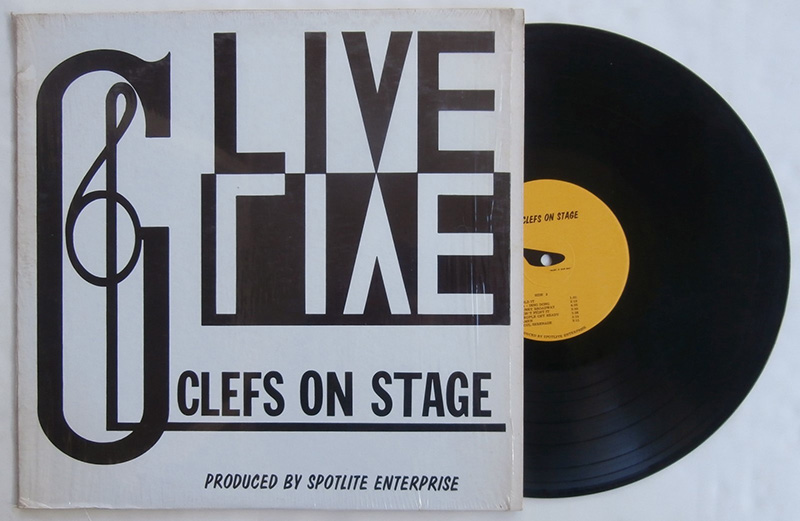
In 1967, the group recorded a live album, The G-Clefs on Stage, at The Beach Ball in Revere and in 1968 they embarked on their first European tour, followed by another in 1970 and their first performances in Japan. In the mid-’70s, the band purchased The Peppermint Lounge in Revere and renamed it The Pied Piper, performing there often.
1990S, DEATHS, LEGACY
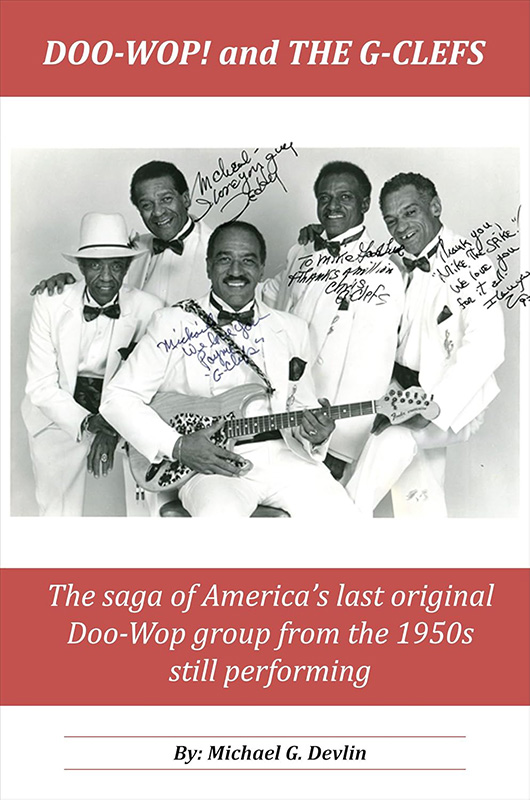
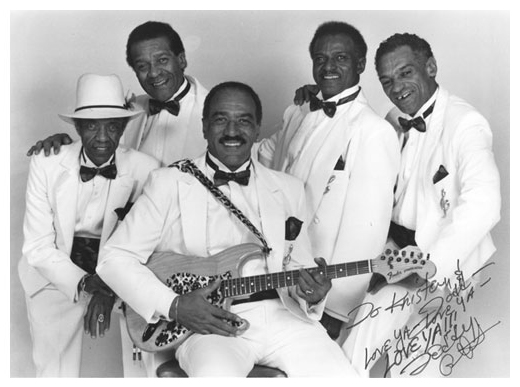
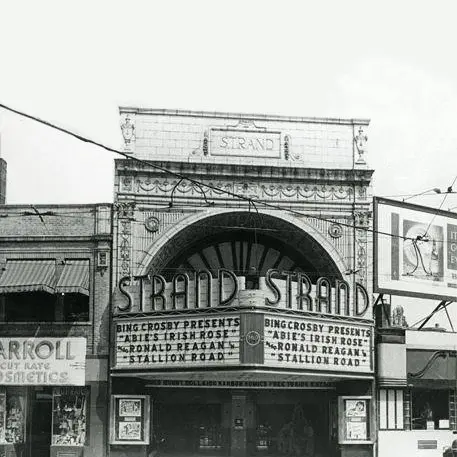
After staying out of the limelight in the 1980s, the group resumed a very active performing schedule in the 1990s, when Joe Jordan returned to the band after nearly 40 years. Taking the stage up to six nights a week throughout the early 2000s, they played multiple shows at venues including at the Strand Theatre in Dorchester and well-known spots in Revere such as the Wonderland Ballroom, The Ebb Tide and Hurley’s nightclub.
Forever an irreplaceable element of New England’s ever-eclectic musical mosaic, several members of The G-Clefs passed away in recent years: Ray Gipson in 2015 at age 77, Tim Scott in 2017 at age 78, and Teddy Scott in 2018 at age 82. “The G-Clefs made surprisingly few records for having stayed together the better part of six decades,” wrote one critic in 2015. “And that’s what makes their story all the more special.”
(by D.S. Monahan)