State Theatre
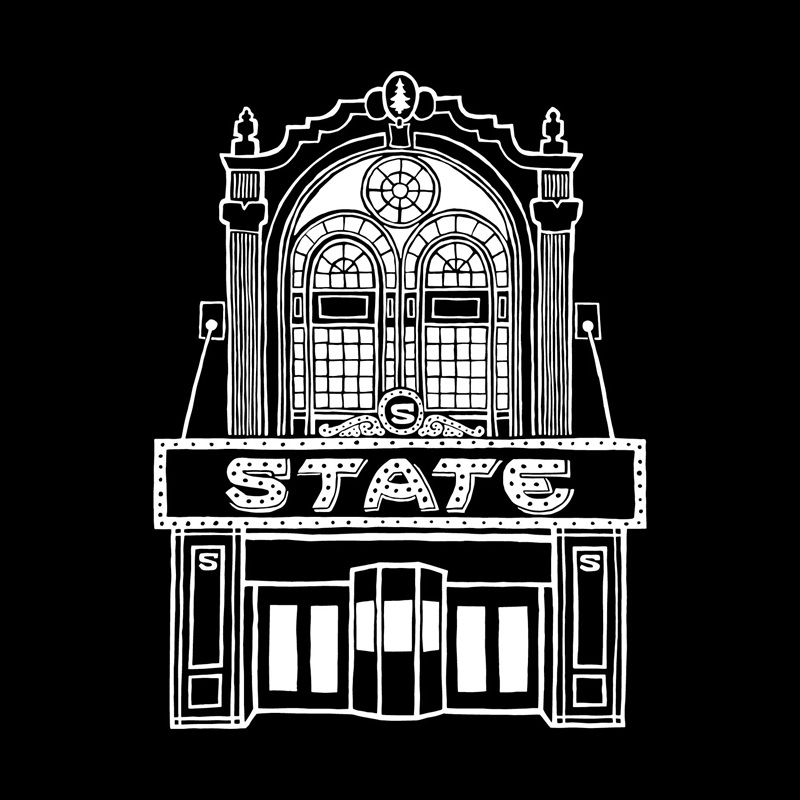
State Theatre
Plenty of music venues in Maine have interesting histories, among them the Palace Theatre in Old Orchard Beach, which hosted a parade of jazz greats in the ‘30s and ‘40s, Raoul’s Roadside Attraction, where a laundry list of blues, folk and rock icons appeared in the ‘80s and ‘90s, and Cumberland County Civic Center, where Elvis’s scheduled two-night stand in ‘77 was canceled following his death the day before the first show. But none have nearly as varied a backstory as a venue that opened just ten days after Black Tuesday ushered in the Great Depression: State Theatre at 608 Congress Street in downtown Portland.
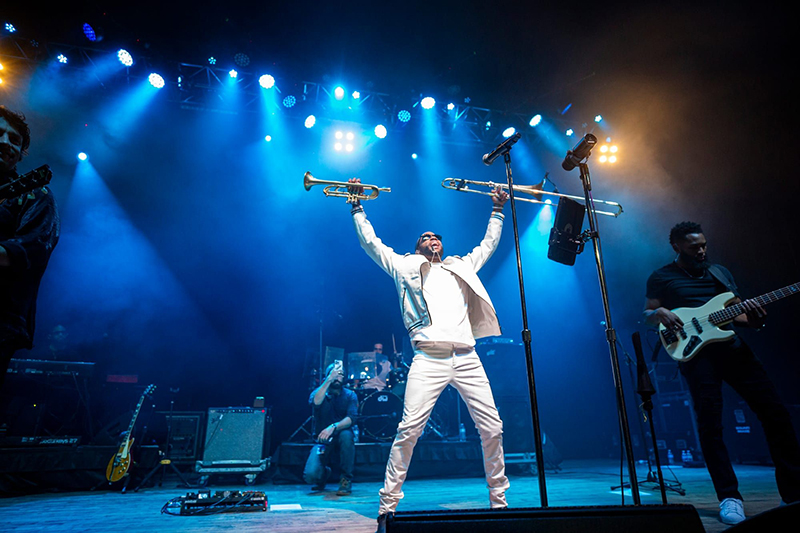
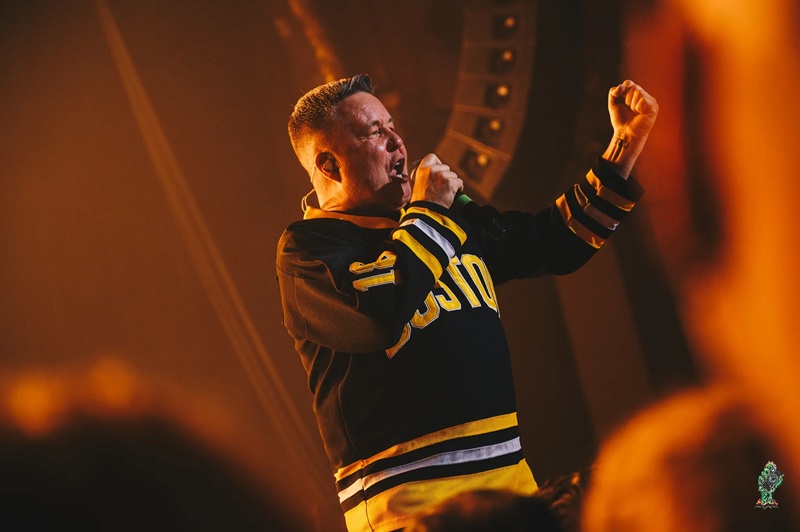
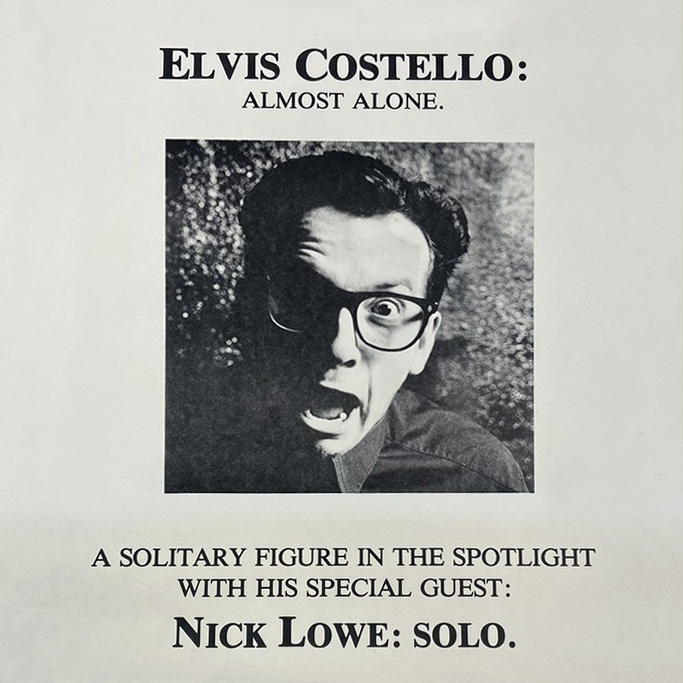
One of the best-known landmarks in the City of Roses, as Portland’s been known since the dawn of the 20th century, the venue screened some of the first “talkies” ever shown in the Vacation State, hosted theatrical and dance productions in the ‘40s and ‘50s and operated as a first-run movie theatre for the better part of four decades. Since falling into disrepair in the ‘60s and spending over 20 years on the seedy side of the movie biz as an adult theatre, it’s become one of New England’s premier live-music spaces by hosting a cornucopia of top talent – from Bo Diddley, Emmylou Harris, Kris Kristofferson and Elvis Costello to Warren Zevon, Ani DiFranco, Bryan Ferry and Bob Dylan – in addition to comedians, film festivals, drag shows and other events.
OPENING, DESIGN, EARLY YEARS
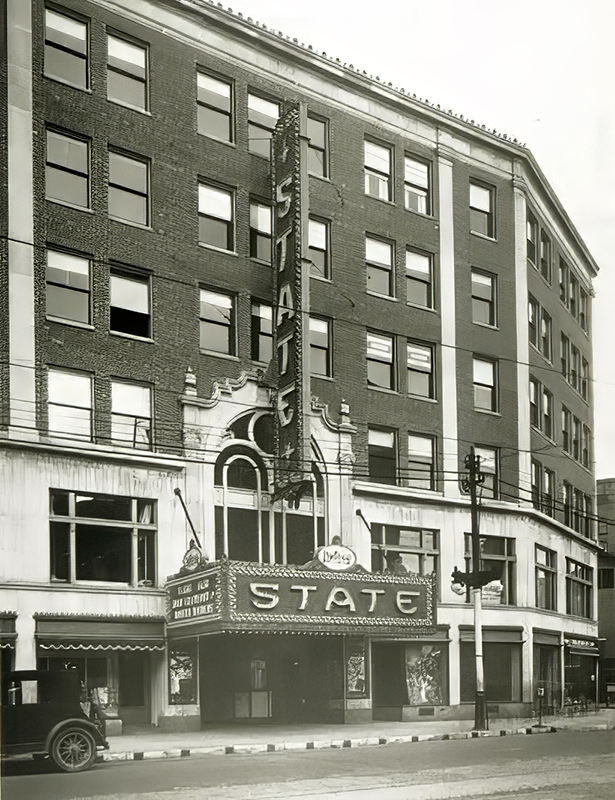
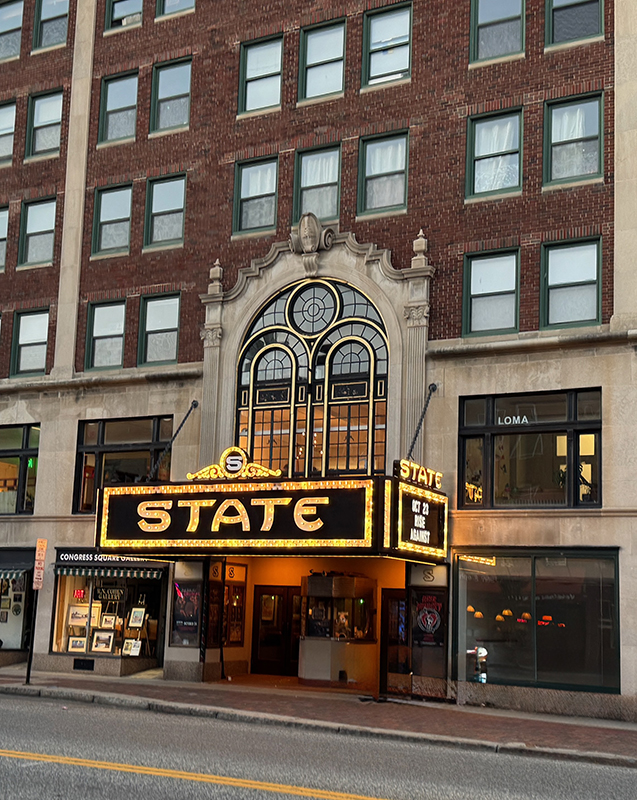
State Theatre opened on November 8, 1929 with a screening of Edmund Goulding’s brand-new film The Trespasser, starring silent-film legend Gloria Swanson in her first talkie; ticket prices were between ten cents and a quarter, and 2,200 invited patrons attended. Originally owned by Portland-based lawyers William Penn Whitehouse II and John W. Hill (dba Congress Street Corp.), who leased the venue to a number of operating companies (including Pilgrim Theatres Corp. in the ‘40s, ‘50s and ‘60s), it was designed by renowned architect and Portland native Herbert W. Rhodes, who combined Moorish and Art Deco elements into the structure, making it an entirely unique element of the city’s urban landscape.
The original seating capacity was 2,300 and, much like other “movie palaces” of the era, it featured luxurious furnishings, sumptuous drapery, bronze doors, tapestries hung from vaulted ceilings, giant murals in the lobby and four Spanish balconies. Unlike a lot of other venues, however, it also featured the latest technology, such as a 42-by 60-inch seamless projection screen, three projectors, a magniscope and a Wurlitzer organ worth $25,000 (about $475,000 in 2026).
In addition to talkies, the theatre screened silent films and hosted vaudeville acts until the early 1930s, when it became a full-time, first-run movie house, presenting Hollywood’s newest feature films. It introduced a children’s matinee program in the mid-’30s that showed the most popular cartoons of the day – Bugs Bunny, Porky Pig and Popeye starred in most – and WLBZ recorded its weekly radio show Recess Time at the theatre on Saturday mornings until 1943. In the late ‘40s, when attendance dropped due to the rapid rise of television, the theatre expanded its programming to include theatrical and dance productions, continuing such events through the ‘50s and most of the ‘60s. It also presented some well-known rock acts in the ‘60s including The Dave Clark Five, who appeared in July ‘66.
ADULT THEATRE YEARS, 1990S RESTORATION, NOTABLE 1990S APPEARANCES
In 1963, the theatre’s then-manager Ralph Tully retired, replaced by Edith Francis, who’d worked at the venue for 17 years. The theatre struggled to stay afloat for the rest of the decade, especially following Francis’s death when she was hit by a car at a nearby intersection. Associated Theatre Management Corporation acquired the nearly bankrupt venue in August 1969 and leased it to American Theatre Company, a chain of adult theaters. For the next 20-plus years, State Theatre offered a slice of Boston’s notorious Combat Zone in the heart of Portland, screening straight and gay porn in the decades before video stores made such films more available and the Internet made them just a mouse click away.
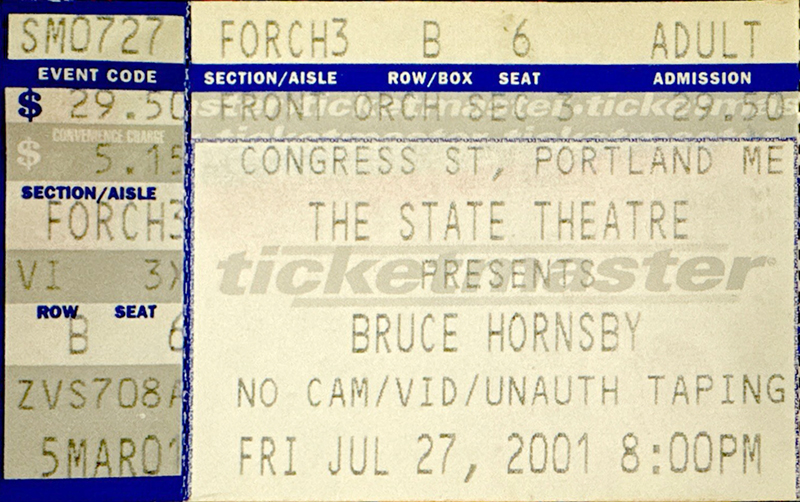
The theatre’s run as an adult cinema ended in June 1990, when Mainers Nick and Lola Kampf purchased the building. It had fallen into serious disrepair under American Theater Corporation’s ownership – many of the original chairs, marquees, tapestries and memorabilia were lost or stolen – so they hired local architect Scott Simmons to help restore the venue to its original glory. After extensive renovations, which resulted in the seating capacity decreasing from 2,300 to the current 1,870, the theatre reopened on November 20, 1993. Ten months later, in September ‘94, the Kampfs began leasing it to a nonprofit organization, Perfect Pitch, thinking that would ensure its future as a central part of Portland’s cultural scene. Perfect Pitch folded in ‘97, however, returning control to the Kampfs, who rented the theatre to local realtor Mat Orne on an event basis for the next few years.
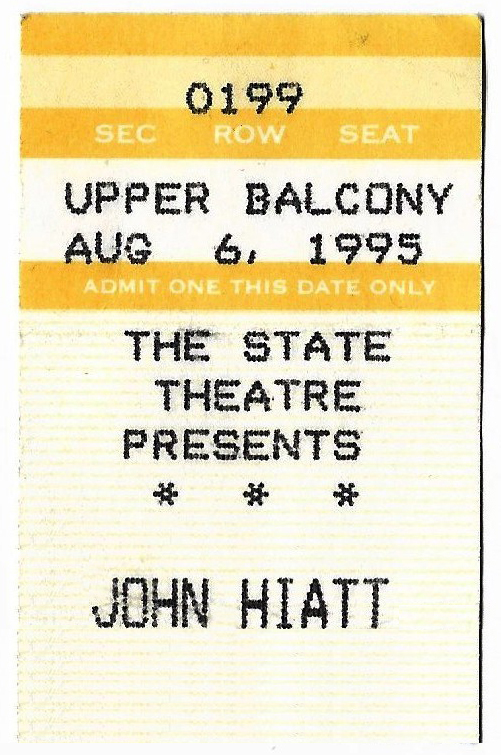
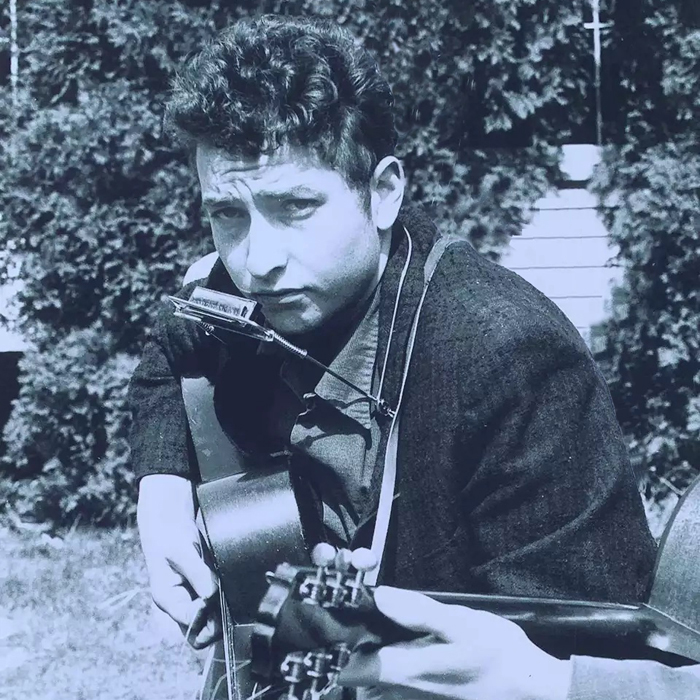
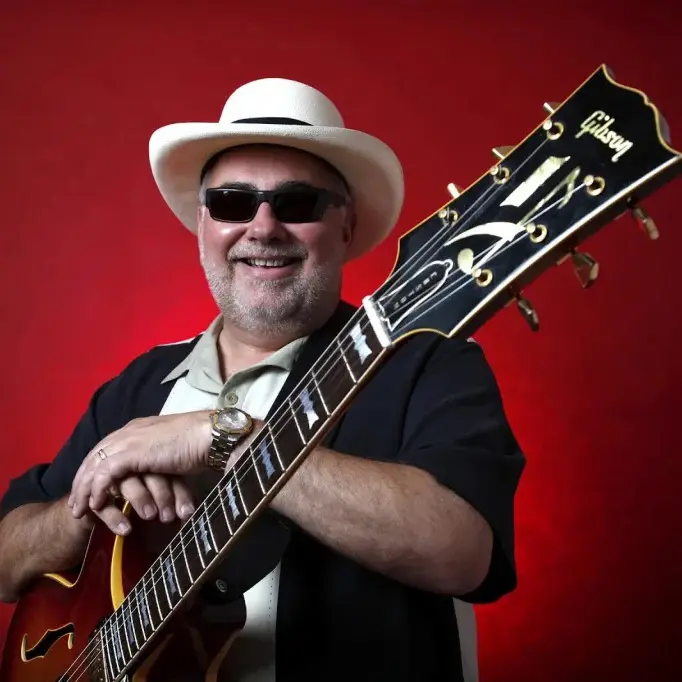
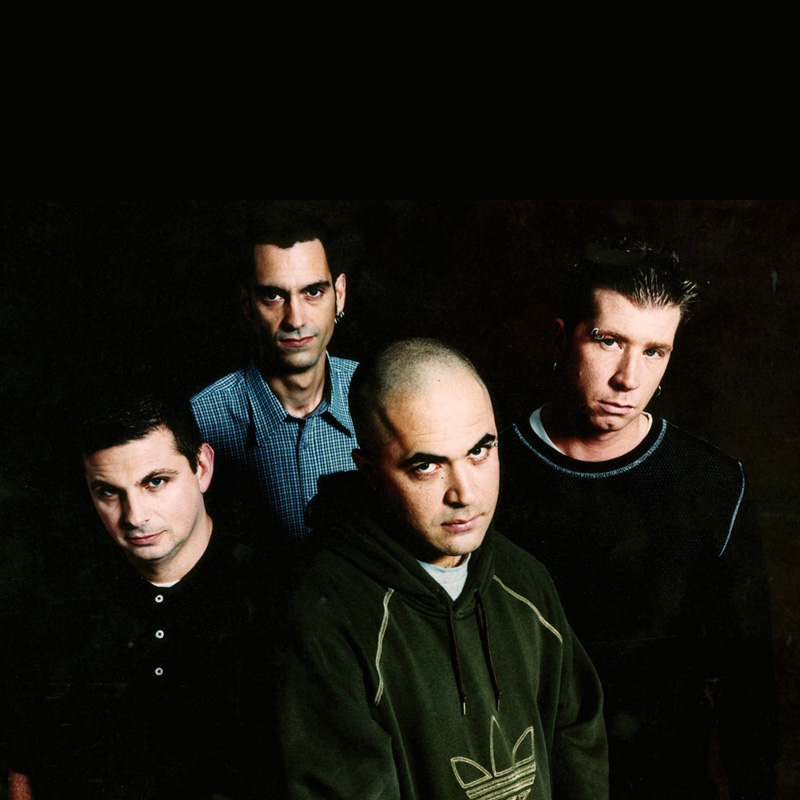
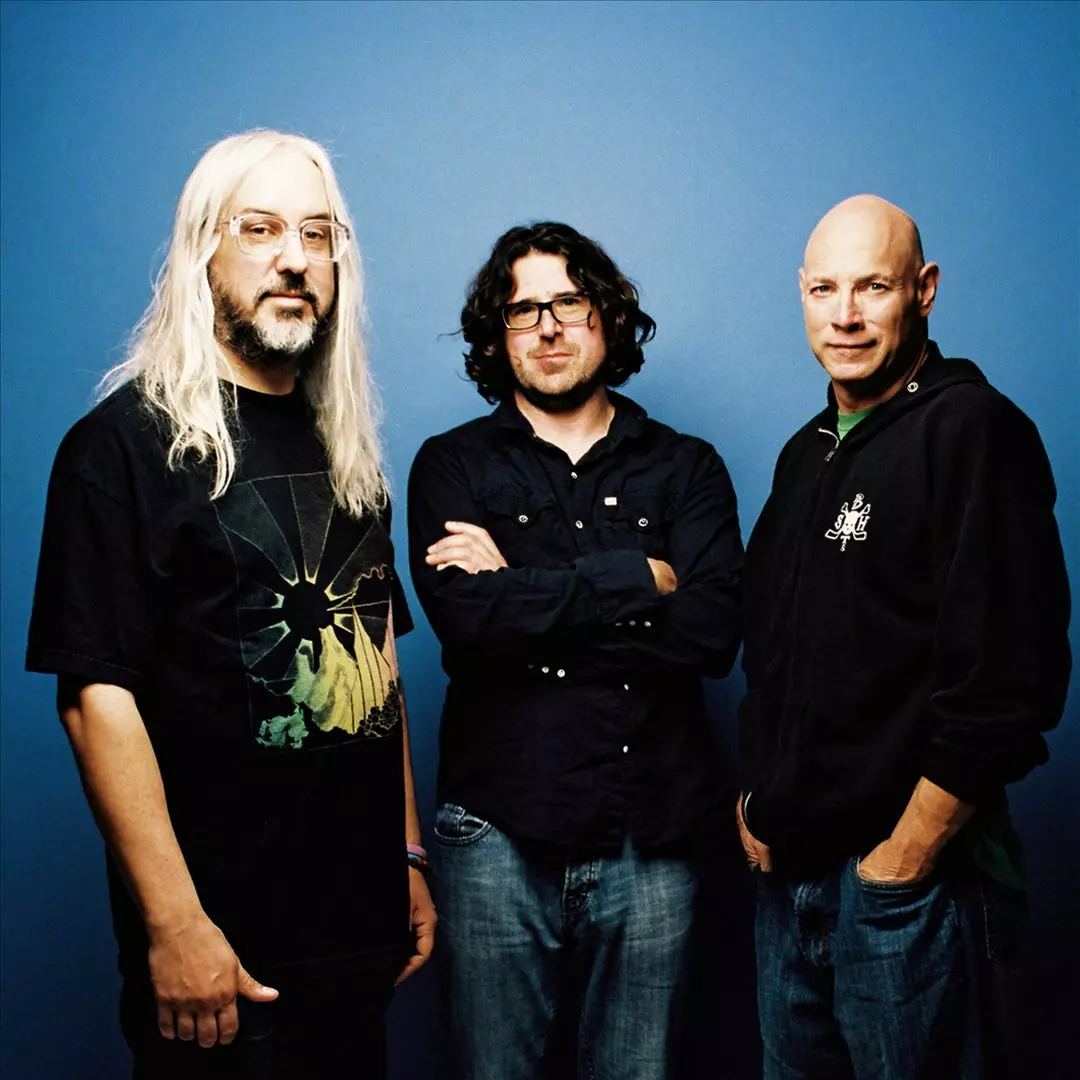
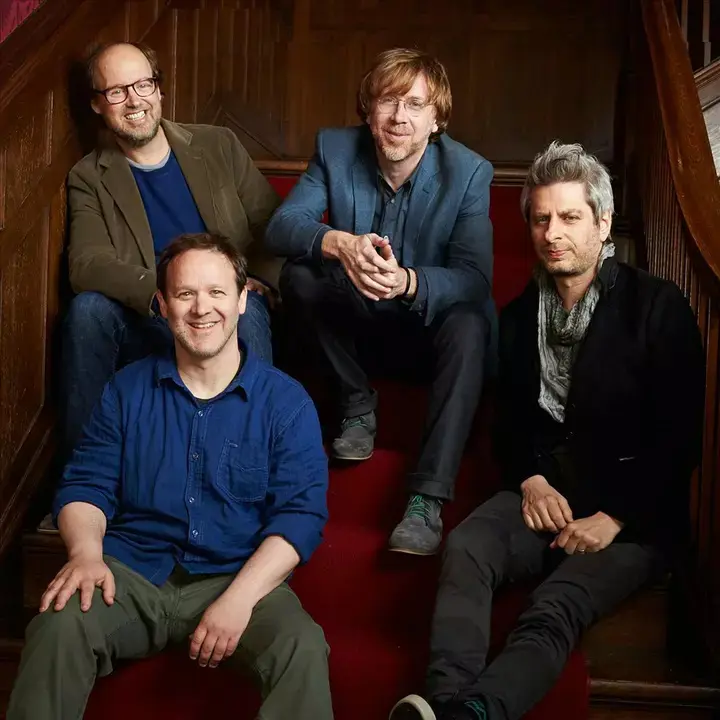
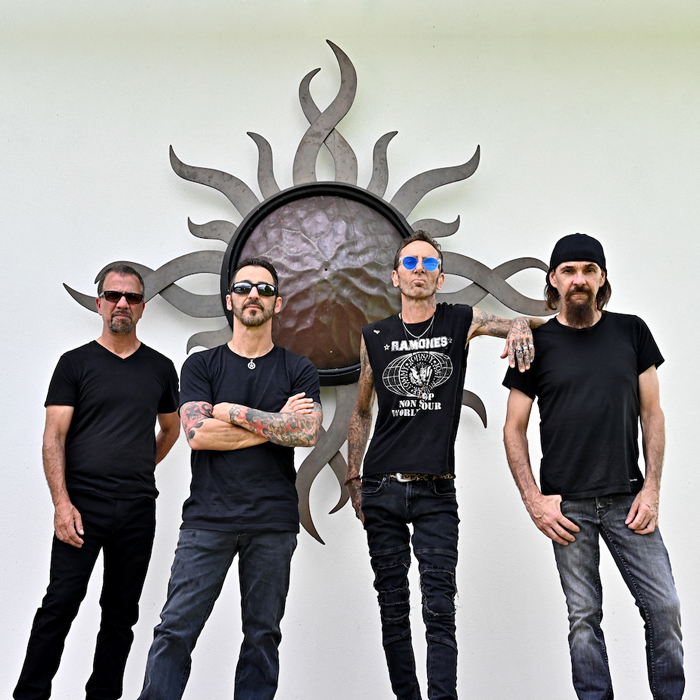
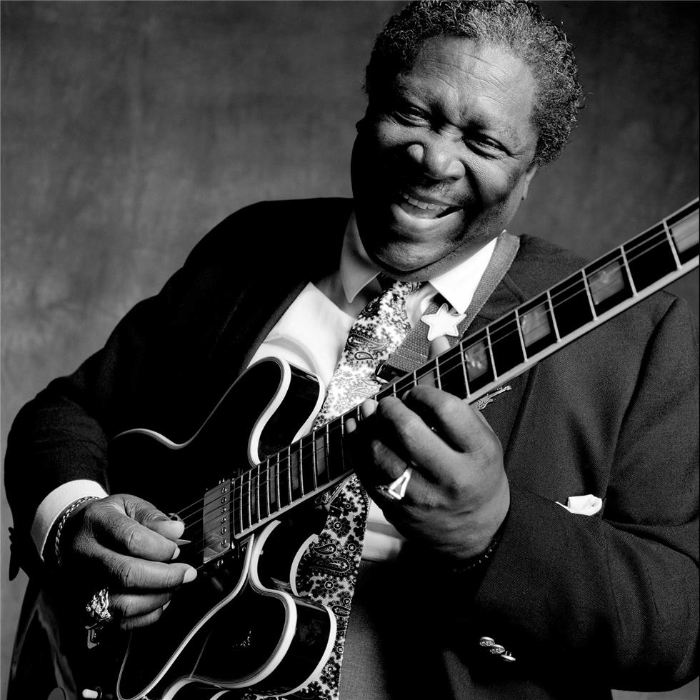
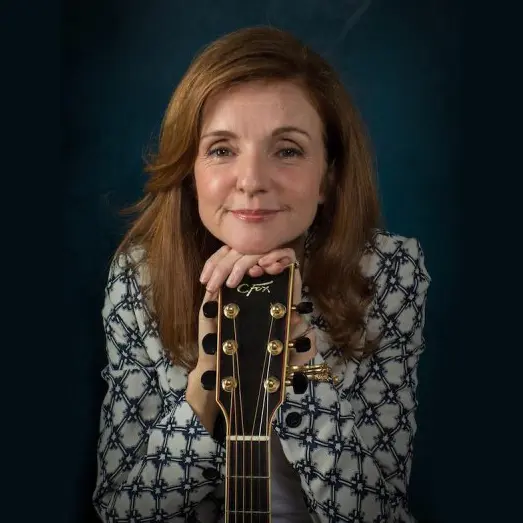
Despite the venue’s ups and downs during the decade, a doubly impressive variety of well-established, sometimes legendary artists took the State Theatre stage in the ‘90s including New England-rooted Aimee Mann, Belly, Duke Robillard, Dinosaur Jr., Staind, Trey Anastasio Band and Godsmack. Among others were Bo Diddley, Los Lobos, Meat Loaf, Ani DiFranco, Foo Fighters, Violent Femmes, Richie Havens, George Clinton, Emmylou Harris, Randy Newman, Lucinda Williams, Bryan Ferry, John Hiatt, Richard Thompson, Warren Zevon, Bob Dylan and B.B. King.
2000S RESTORATION, NOTABLE 2000S APPEARANCES
State Theatre changed hands yet again in 2000 when Grant Wilson Jr., founder of Portland-based Stone Coast Brewing, bought the venue, seeking to capitalize on the seemingly bottomless demand for live music in and around Portland. It wasn’t as easy a task as he may have believed, however, since the building’s decades-old fire escapes and wiring weren’t up to the new code regulations, which led to expensive contractors and frequent disputes over who would pay for the pricey repairs. As a result, the historic venue shuttered in 2007 and remained closed for the next three years.
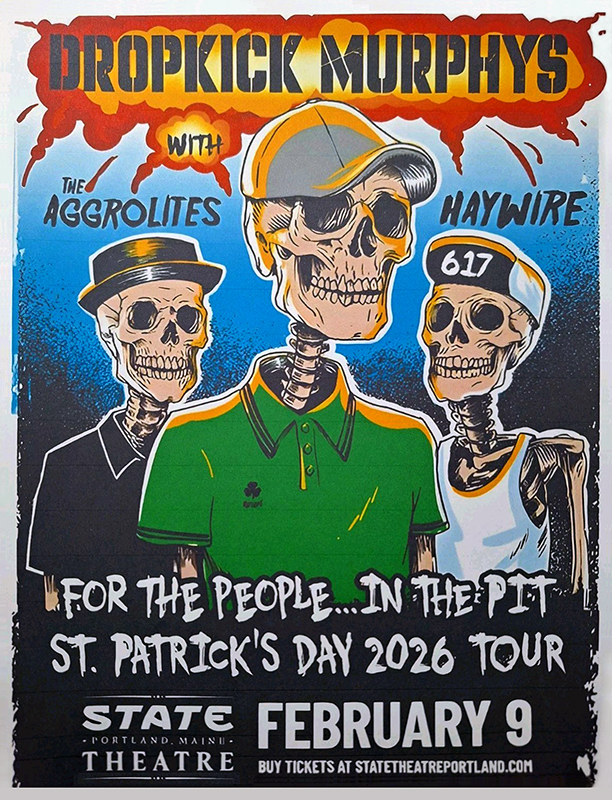
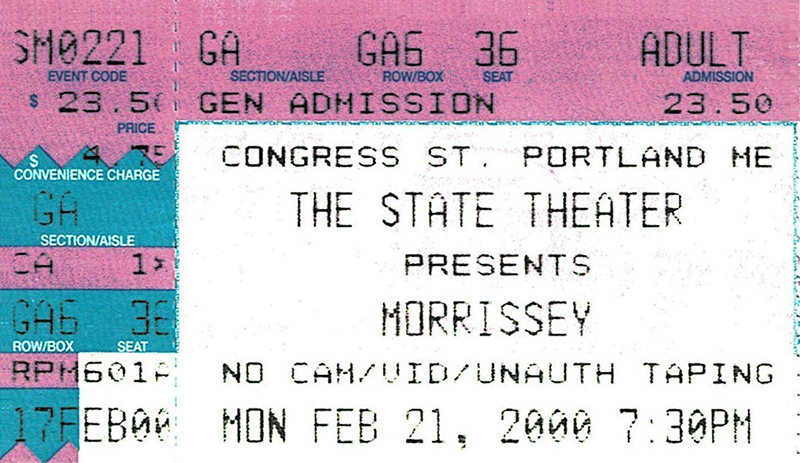
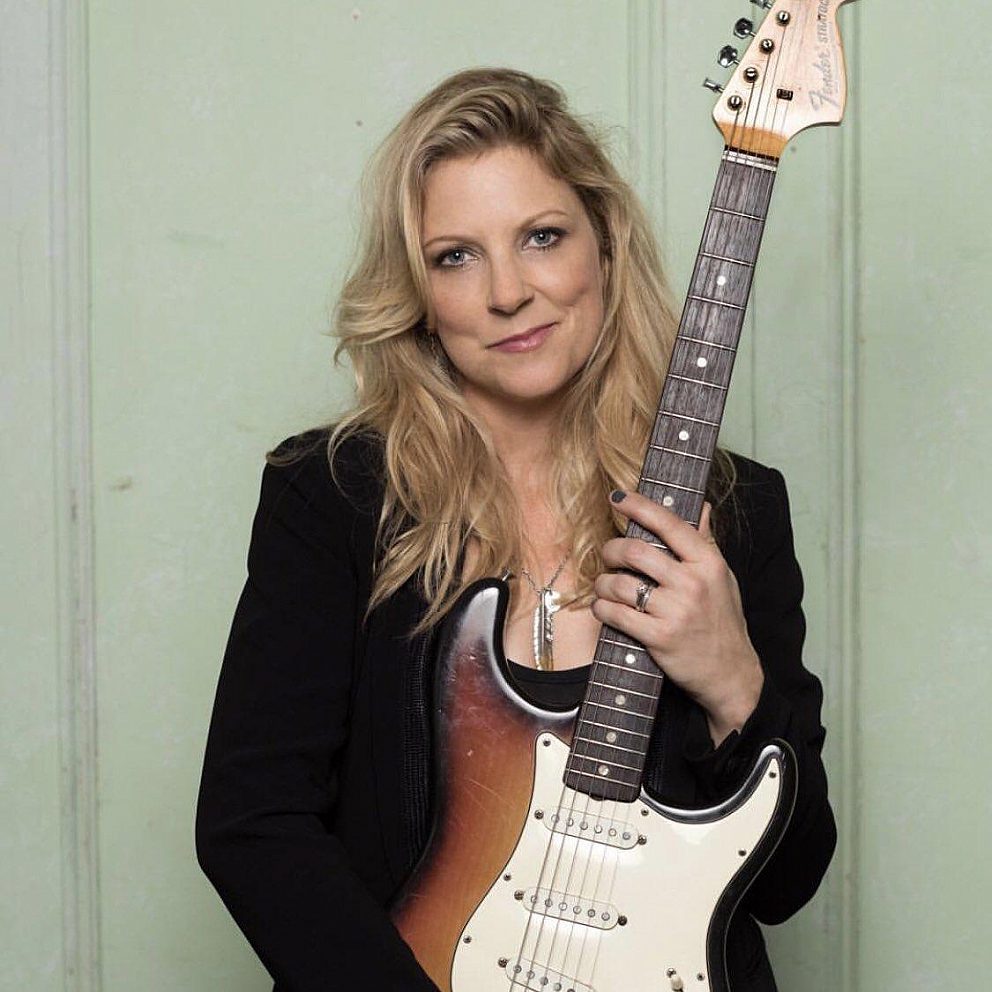
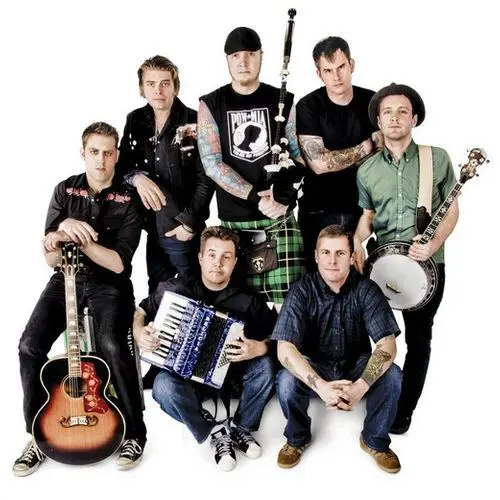
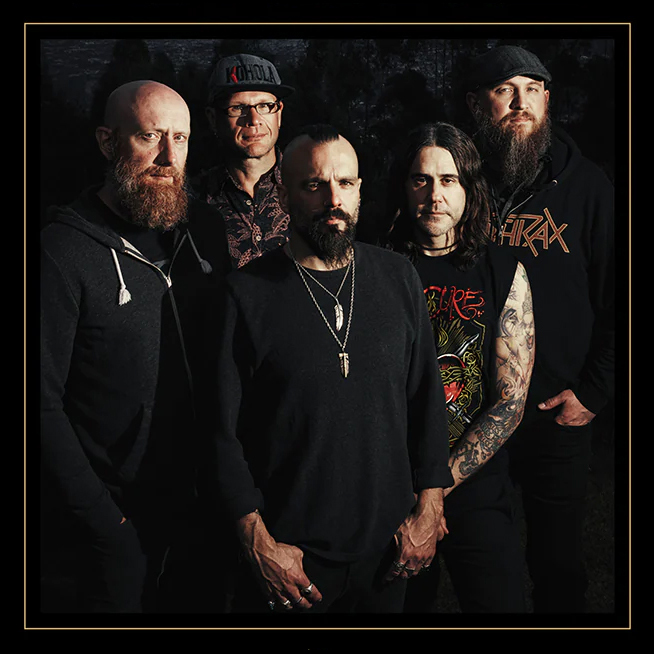
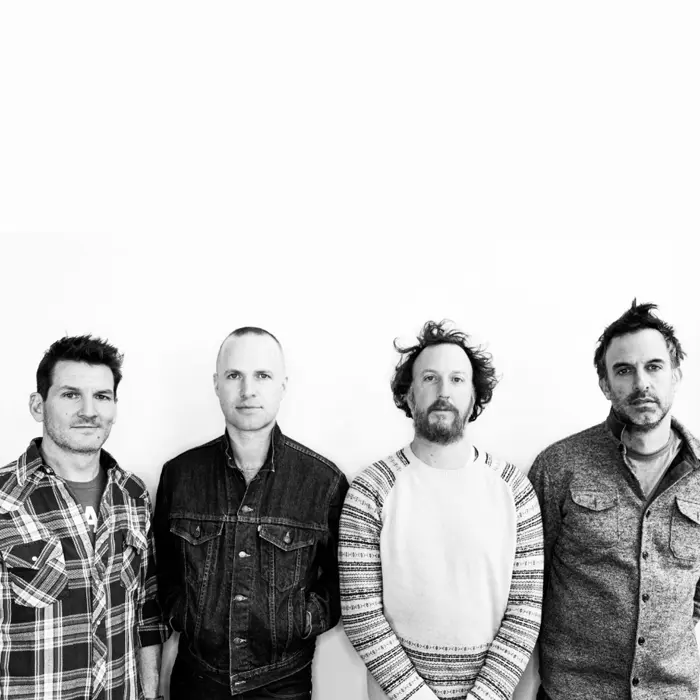
Just like in the ‘90s, though, financial struggles didn’t prevent noteworthy acts from appearing at State Theatre in the early 2000s, including regionally rooted ones The Sheila Divine, Susan Tedeschi, Dropkick Murphys, Dar Williams, Killswitch Engage, Guster and Patty Griffin. Among those from outside the area were Jeff Beck, John Fogerty, John Entwistle, David Byrne, Ray Davies, Morrissey, Keb’ Mo’, The Persuasions, Alice Cooper, George Thorogood & Destroyers and The Strokes.
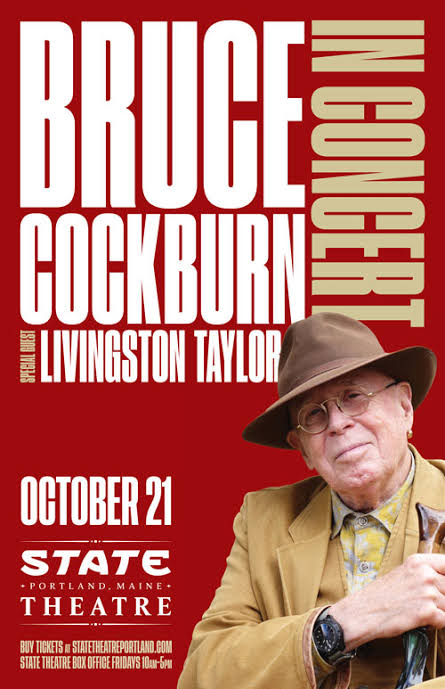
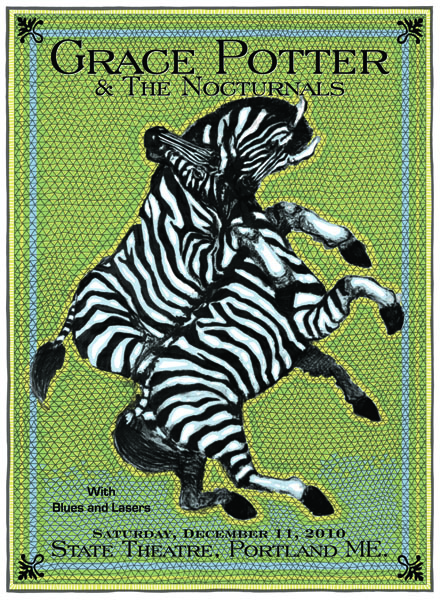
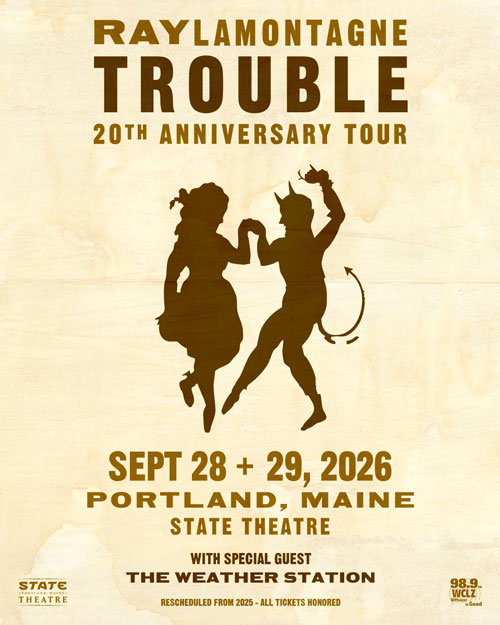
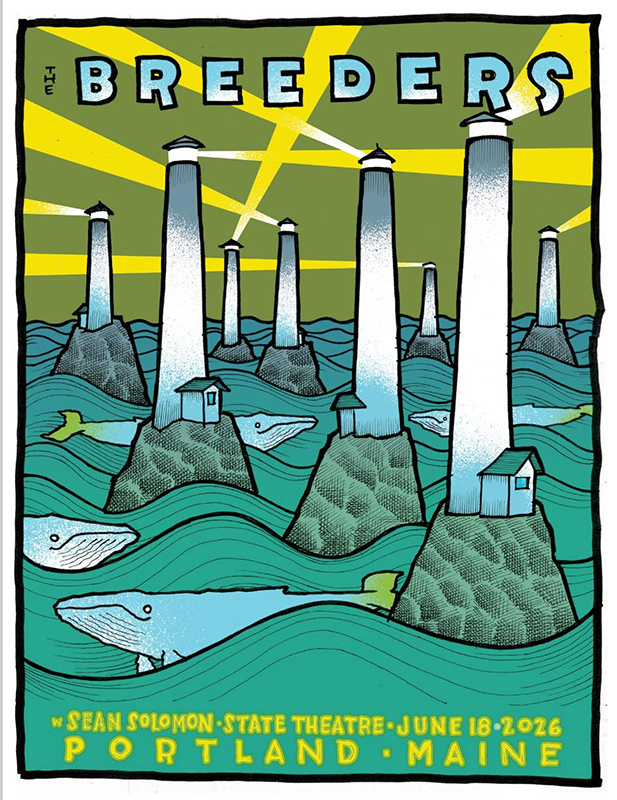
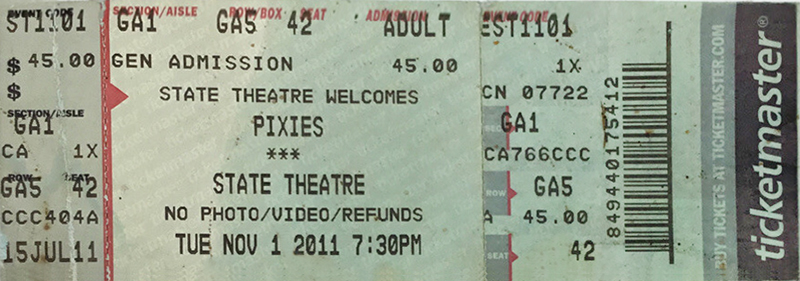
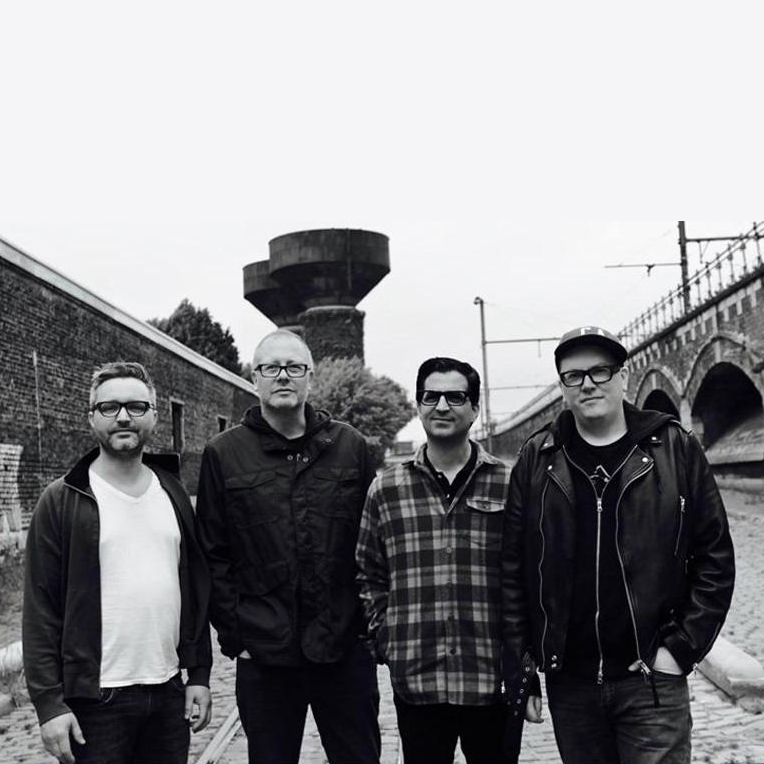
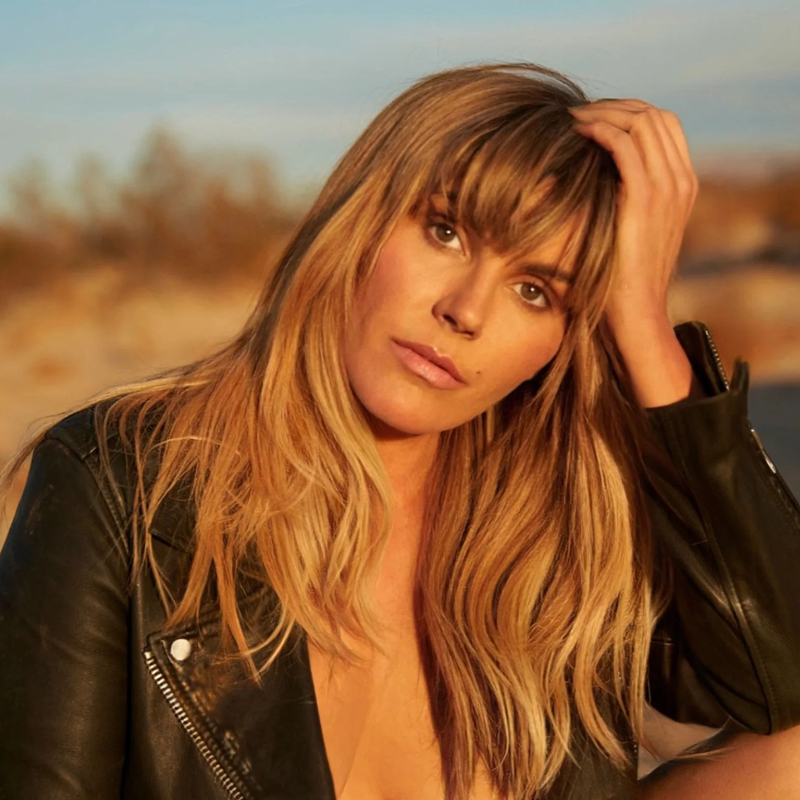
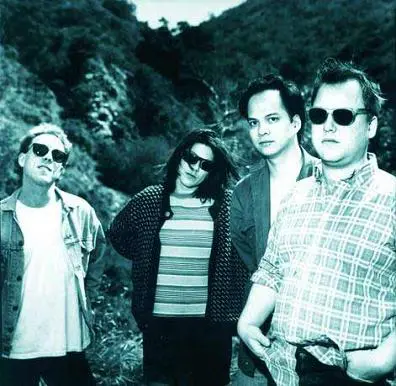
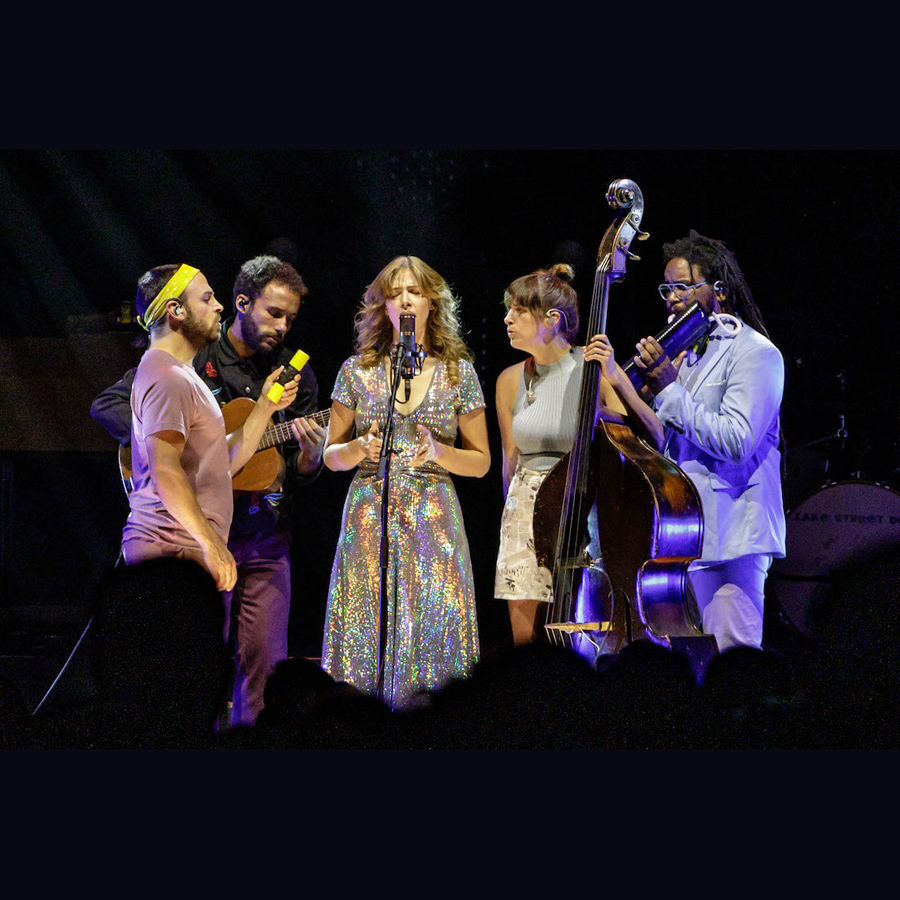
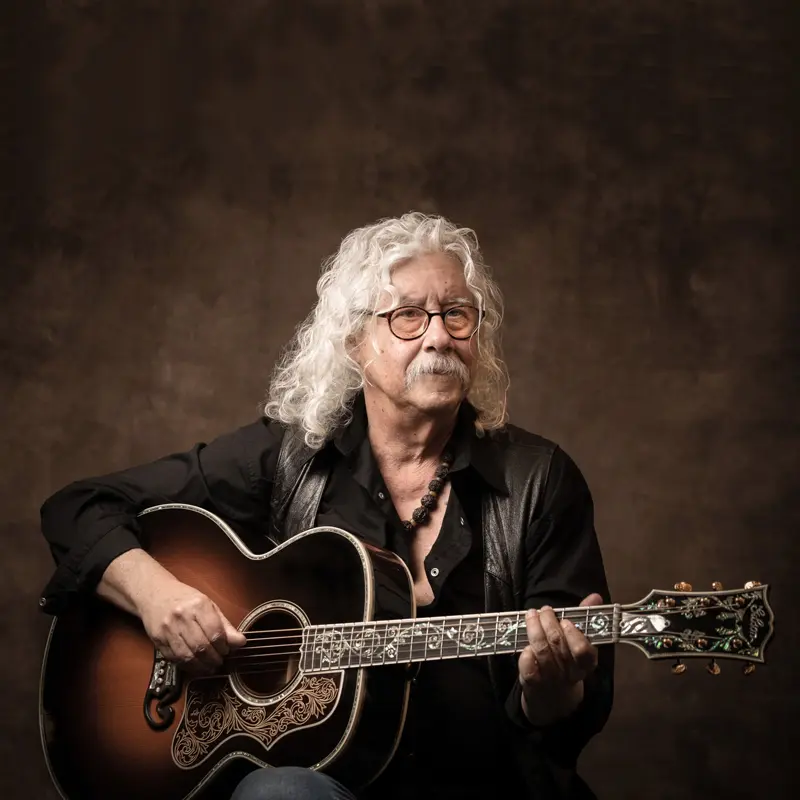
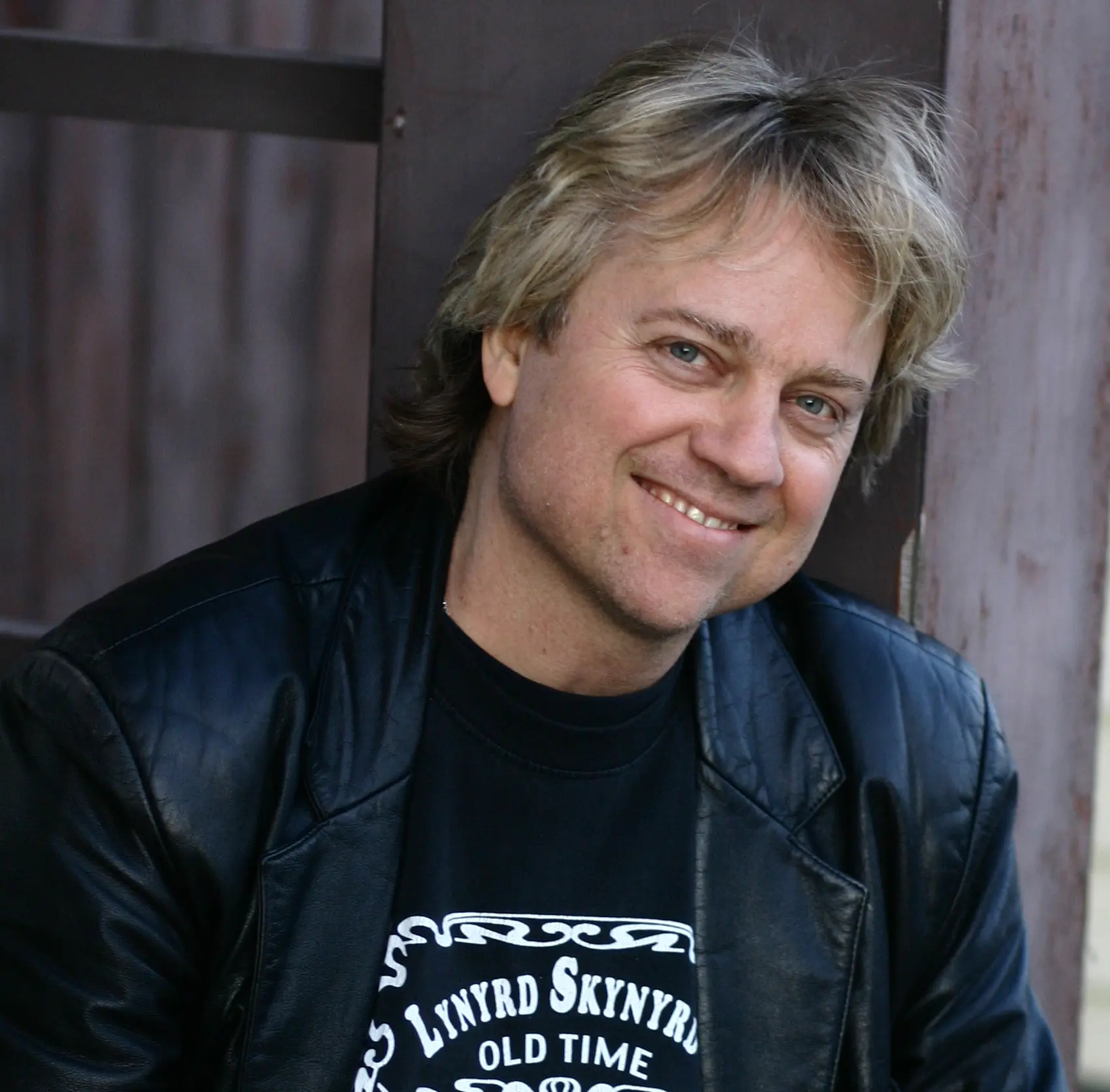
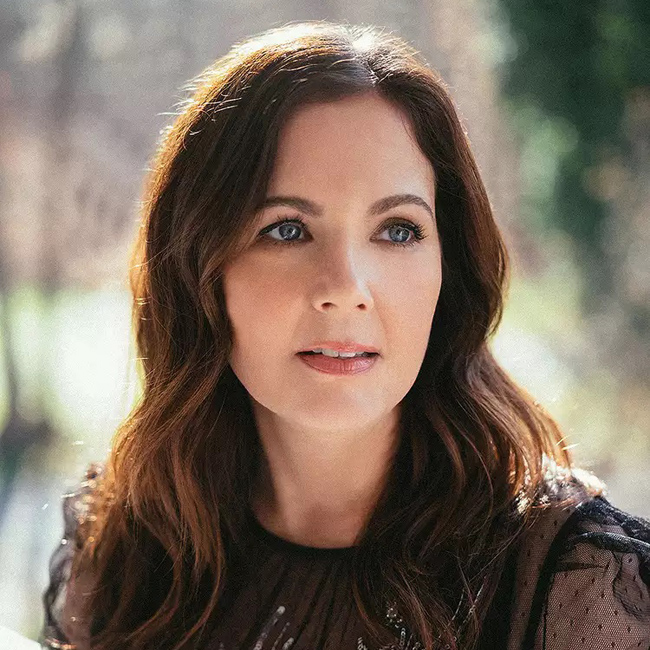
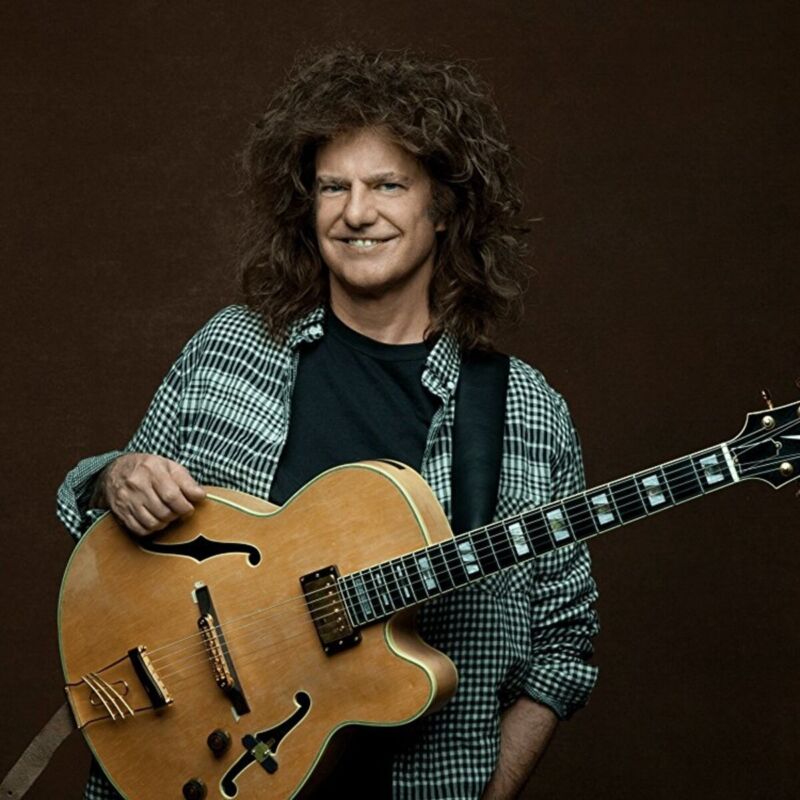
The theatre reopened in October 2010 after The Bowery Presents of New York City and Alex Crothers of Higher Ground in Burlington, Vermont agreed to invest a total of $1.5 million to further renovate the property and bring all its systems up to code. Since its most recent rebirth, the venue has presented an eye-popping collection of bona fide household names, among them Buddy Guy, Kris Kristofferson, Graham Nash, Peter Frampton and Elvis Costello, and era-defining bands including Circle Jerks, The Psychedelic Furs, Air Supply, Foreigner and Jane’s Addiction. Among those with close ties to various New England states have been Grace Potter, Pixies, Lake Street Dive, Taj Mahal, Extreme, Livingston Taylor, Joan Baez, Arlo Guthrie, Tom Hambridge, Lori McKenna, Pat Metheny, John Cafferty, Ray LaMontagne, The Breeders, Buffalo Tom and Bim Skala Bim.
(by D.S. Monahan)