Lowell Memorial Auditorium
Lowell Memorial Auditorium
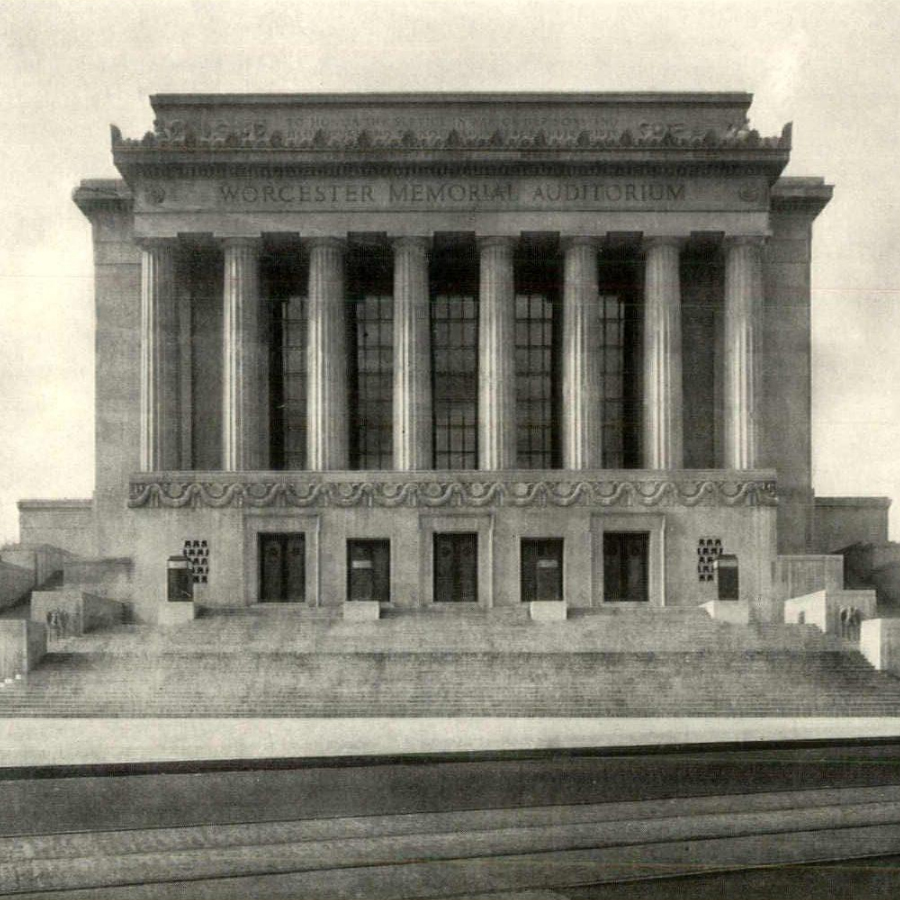
As one can deduce from their nearly identical names, Lowell Memorial Auditorium and Worcester Memorial Auditorium are alike in many ways. For example, both are in Massachusetts cities that helped the United States become a global economic powerhouse during the Industrial Revolution; both were built between World War I and World War II and dedicated to local veterans; both are columned examples of a bygone architectural age; and both have been foundational elements of their cities’ civic, educational, religious and commercial activities.
Also, as many music lovers from the Bay State will attest, both have hosted a dizzying array of musical acts, including hundreds of era-defining artists and iconic bands, but there’s a glaring difference between the two: the venue in Mill City, as Lowell’s known, remains in use to this day whereas its counterpart in “The Woo,” some 40 miles to its southwest, hasn’t been operational since 2008.
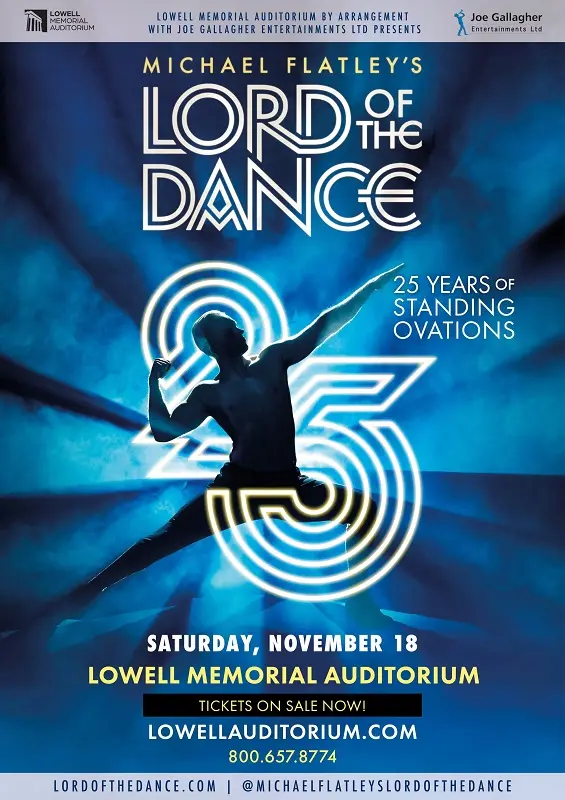
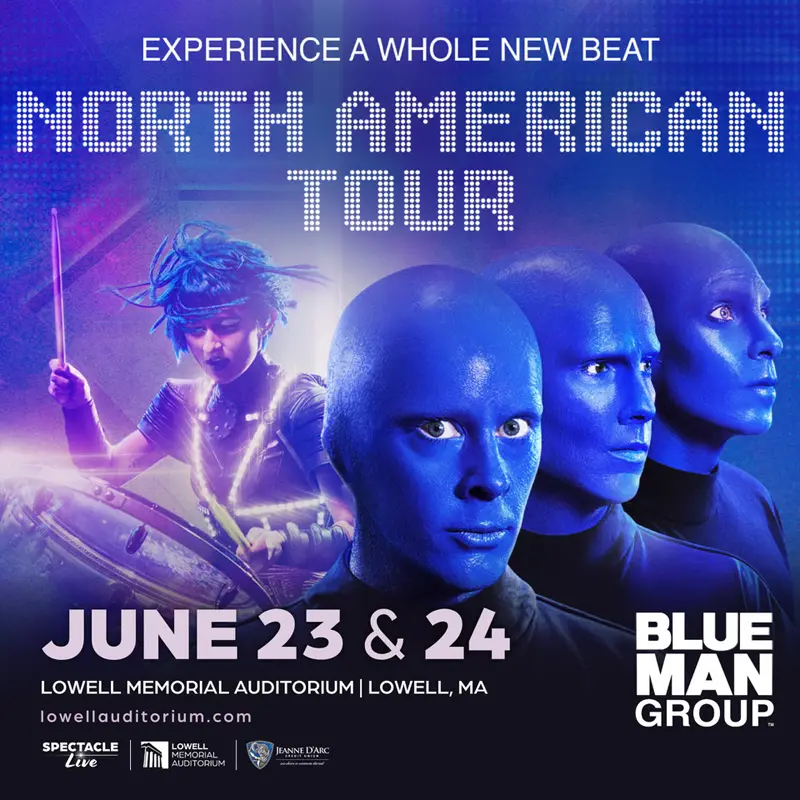
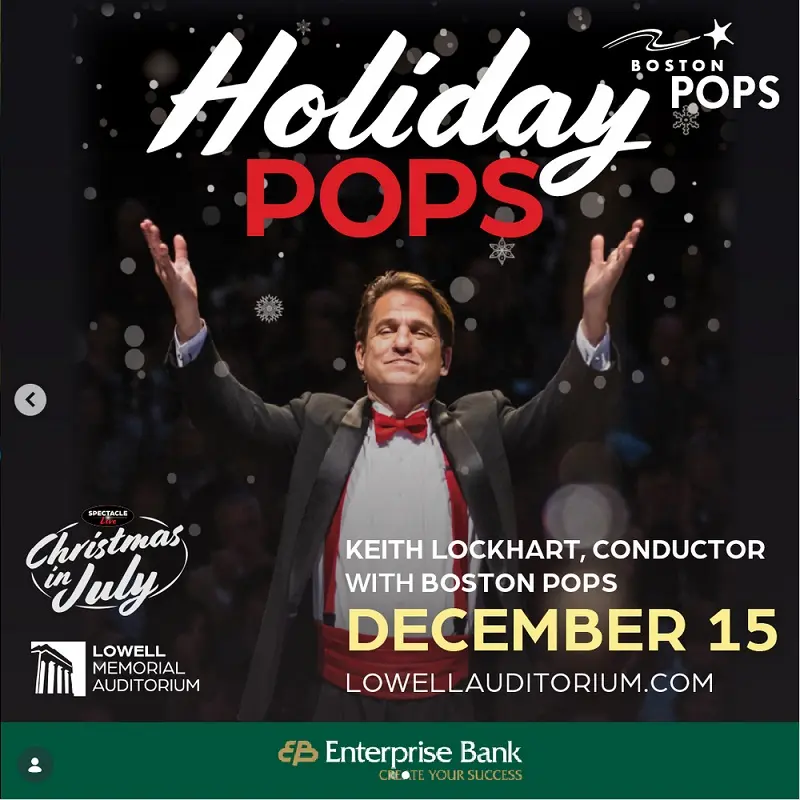
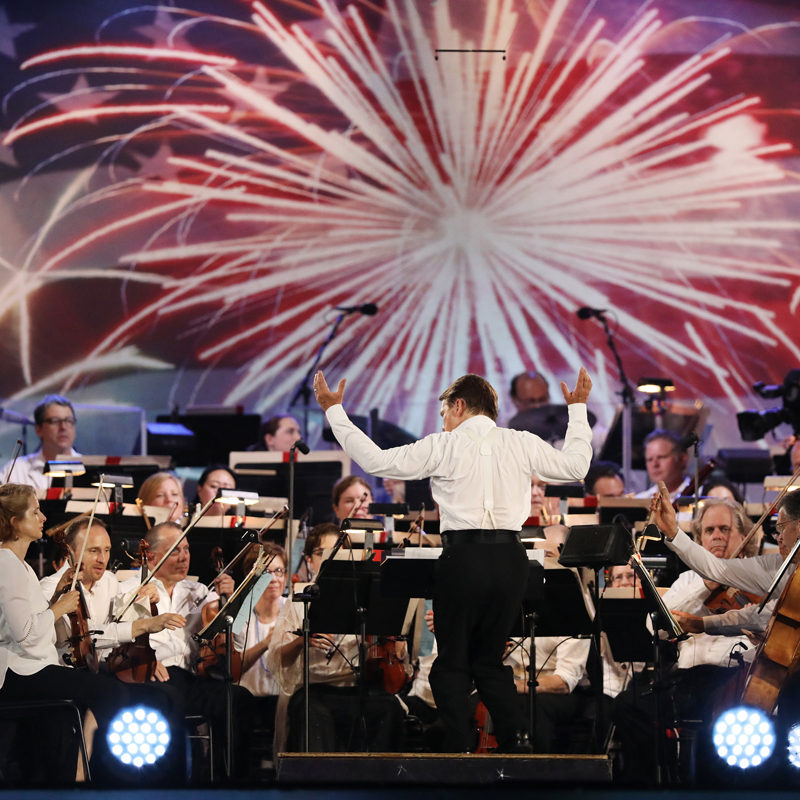
That longevity allowed the building at 50 East Merrimack Street to celebrate its 100th birthday in 2022 with a rededication ceremony and 100 days of programming that featured comedians Jay Leno and Lewis Black, Broadway shows including “Chicago,” Disney Junior Live and concerts by The Righteous Brothers, The Irish Tenors and the Boston Pops Orchestra. “What a great place we have in our backyard,” said Mayor Sokhary Chau at the rededication, calling the auditorium an “iconic” piece of the city’s sociocultural fabric. “It brings so many people together and keeps the city vibrant. People of all backgrounds – from all over the city, the state, and sometimes even the country – come here.”
PRE-CONSTRUCTION BACKGROUND
The idea to build a new memorial auditorium in Lowell was formalized by a Lowell Board of Trade resolution on December 10, 1918, one month after the Armistice of 11 November officially ended fighting in World War I. About a month later, a Board subcommittee brought the proposal to the City Council and local state legislators; there was unanimous support, leading State Representative Victor Jewett to file a bill in the Massachusetts legislature requesting state funds. The bill passed and, on April 18, 1919, Massachusetts Governor Calvin Coolidge signed it into law, allowing the $1 million (about $18.7 million in 2026) project to proceed.
Support for the new structure was strong for several reasons. First and foremost, 146 Lowellians had been killed and thousands injured in the war, and the conflict had a major impact on virtually everyone in the city. From its outbreak in August 1914 until its end more than four years later, Lowell’s textile mills remained open 24/7/365 to fill orders for uniforms and army blankets for the British and French, and about 9,000 people worked at United States Cartridge Company on Lawrence Street, which became the largest producer of small-arms ammunition in the nation. Food shortages were common, leading many Lowell residents to replace lawns with vegetable gardens, and coal shortages due to the war effort led to a home-heating crisis in the winter of 1917/’18.
Another reason was that the city’s previous auditorium, Huntington Hall (at the corner of Dutton and Merrimack streets), burned down in 1904 after 49 years of operation but wasn’t reconstructed or replaced. Lastly, there was a precedent for having a public building that memorialized military veterans: When the city built a library alongside the new city hall in the 1890s, the building was called Memorial Hall and dedicated to Lowellites who served in the Civil War.
After considering 13 locations, the five-member Lowell Auditorium Commission chose a 100,000-square-foot triangle bordered by East Merrimack Street, Brown Street and the Concord River that was previously owned by Massachusetts Cotton Mills. To design the new facility, the Commission chose the Boston-based Blackall, Clapp and Whittemore, whose principal, Clarence Blackall, also designed the 10-story Sun Building at the corner of Merrimack and Prescott streets and over 200 theaters, among them the Wilbur, the Colonial and the Metropolitan (now Boch Center) in Boston. As general contractor, they hired William Drapeau, who lived on Mount Washington Street in Lowell and had built auditoriums, schools, churches and commercial buildings throughout New England.
OPENING, ORIGINAL CAPACITY, DESIGN
The cornerstone-laying ceremony, which featured a parade, speeches, live music and the insertion of a sealed copper box into the base of one of the auditorium’s massive columns, was on September 25, 1920. Inside the box were copies of the auditorium legislation; bid documents; the 1919 City Treasurer’s report; a list of those involved in the project; a 1920 City of Lowell directory; and a sampling of coins minted in 1920. Two years later, on September 21, 1922, the completed venue was dedicated in an extravagant ceremony attended by US Vice President Calvin Coolidge, Lowell Mayor George Brown, Massachusetts Governor Channing Cox and other dignitaries.
The building’s main auditorium had an original seating capacity of 4,000, and there were an additional 675 seats in the Liberty Hall Theatre. The exterior walls bear the names of famous generals and battles from the American Revolution, the Civil War, the Spanish-American War and World War I, with monuments to more recent wars on the auditorium’s lawn, which makes a walk around the venue like a trip through Lowell’s military history. The auditorium became the centerpiece of the building, but designers intended the heart of the venue to be the vestibule now called the Hall of Flags (originally Trophy Hall), which houses artifacts that honor veterans for their service.
EARLY YEARS, BINGO, GOLDEN GLOVES, NOTABLE 1960S, ‘70S APPEARANCES
Soon after opening, Lowell Memorial Auditorium became ground zero for many of the city’s biggest civic, educational, religious and commercial events, hosting a wide variety of gatherings, while Liberty Hall became home of the popular Parker Lecture Series. Among the earliest musical events in the auditorium was a performance by Russian composer-pianist-conductor Sergei Rachmaninoff in March 1923.
One of the most unique uses of the building was for bingo, with the East End Club sponsoring games every Thursday evening for several years. The events were so popular that the 3,000-plus available seats sold out regularly, and Life magazine featured the phenomenon in its January 15, 1940 issue. In a pictorial spread titled “Life Goes to a Bingo Game: In Lowell 3,000 fans play weekly,” the editors referred to Lowell as “a natural Bingopolis,” noting that the games took place “not in a club, church or cinema, but in the million-dollar Corinthian-column Lowell Memorial Auditorium.”
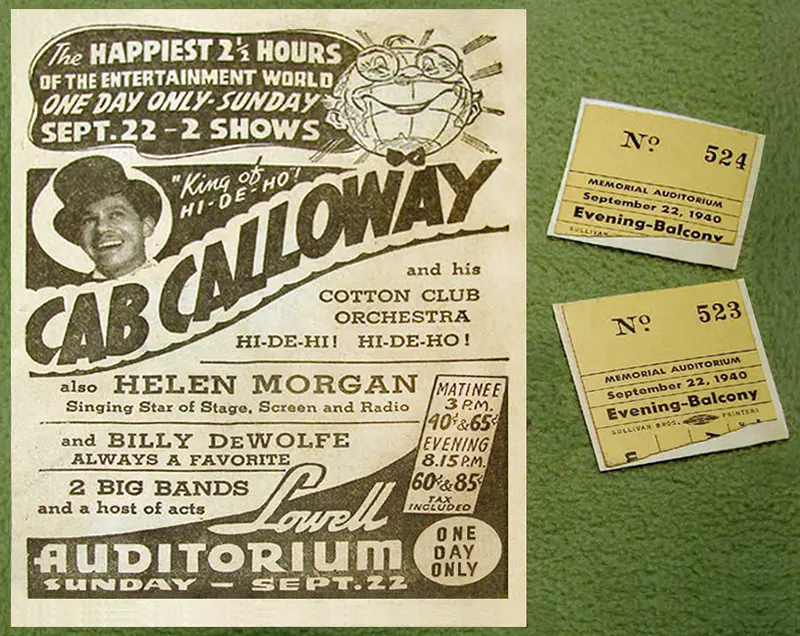
The US entering World War II in December 1941 provided new uses for the venue including enlistment rallies and war-bond drives, which usually featured decorated military figures or Hollywood stars such as Lowell native Bette Davis. Big bands led by Tommy Dorsey and Benny Goodman took the stage in the ‘40s, along with Frank Sinatra and other celebrated singers. The annual Golden Gloves amateur boxing series was held at the auditorium for the first time in 1945 and continues to this day; it’s become the auditorium’s most popular annual event by far, with the 79th competition taking place in early 2026. Among the legends who’ve stepped into the ring in Lowell are Rocky Marciano and Marvin Hagler.
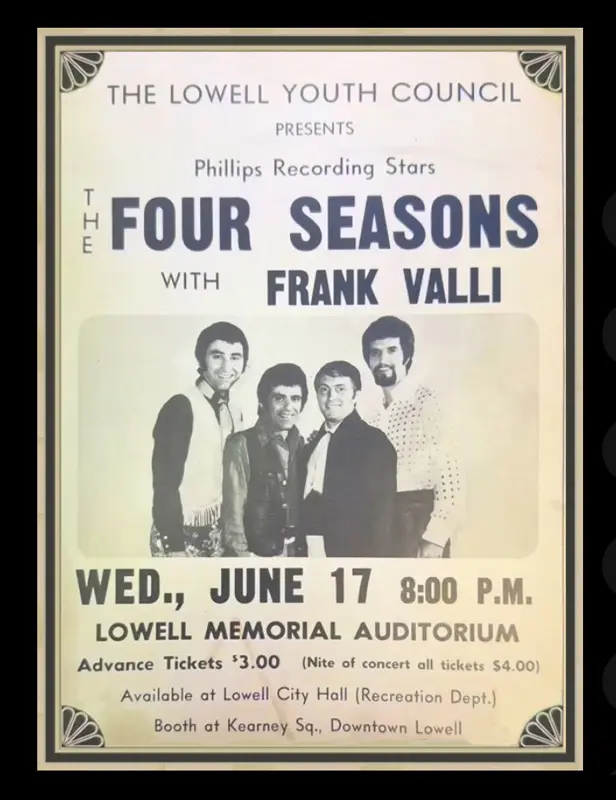
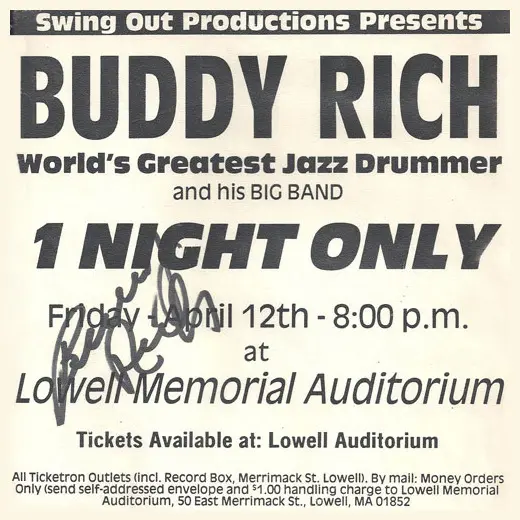
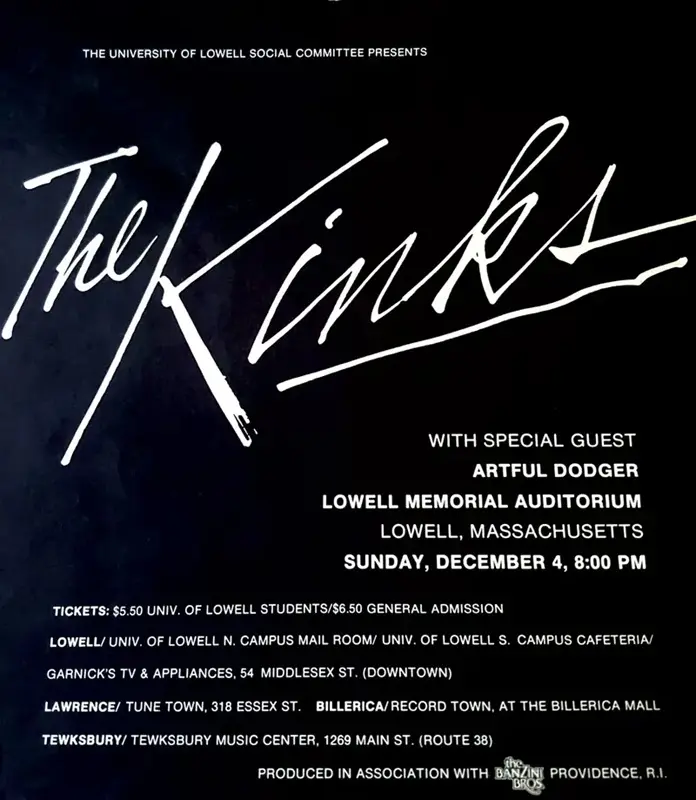
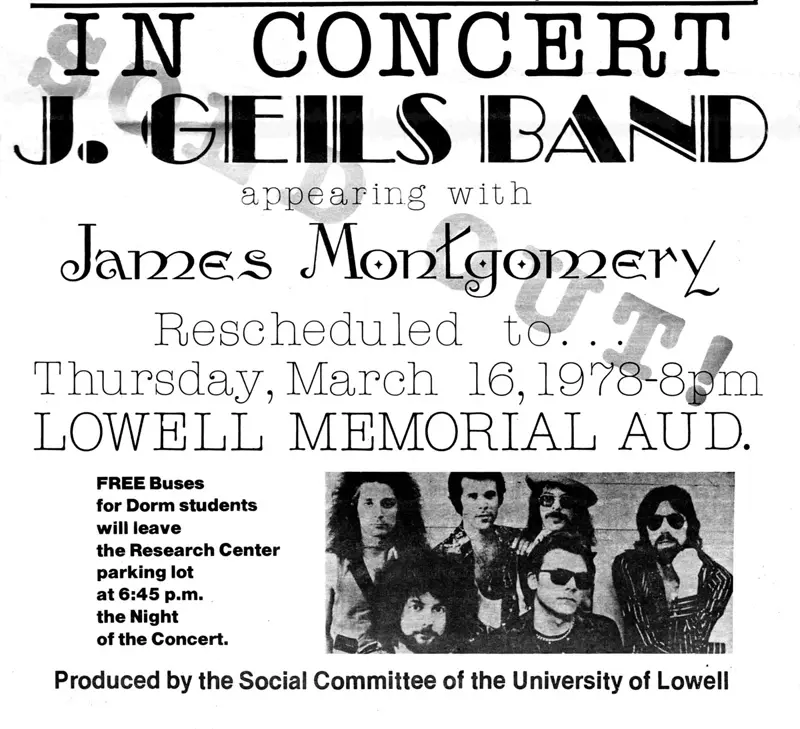
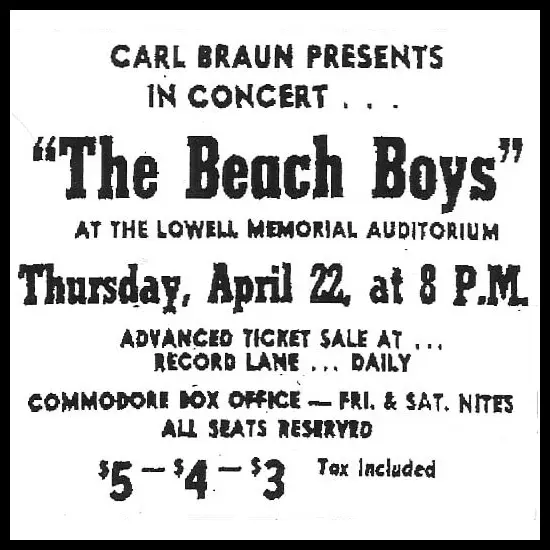
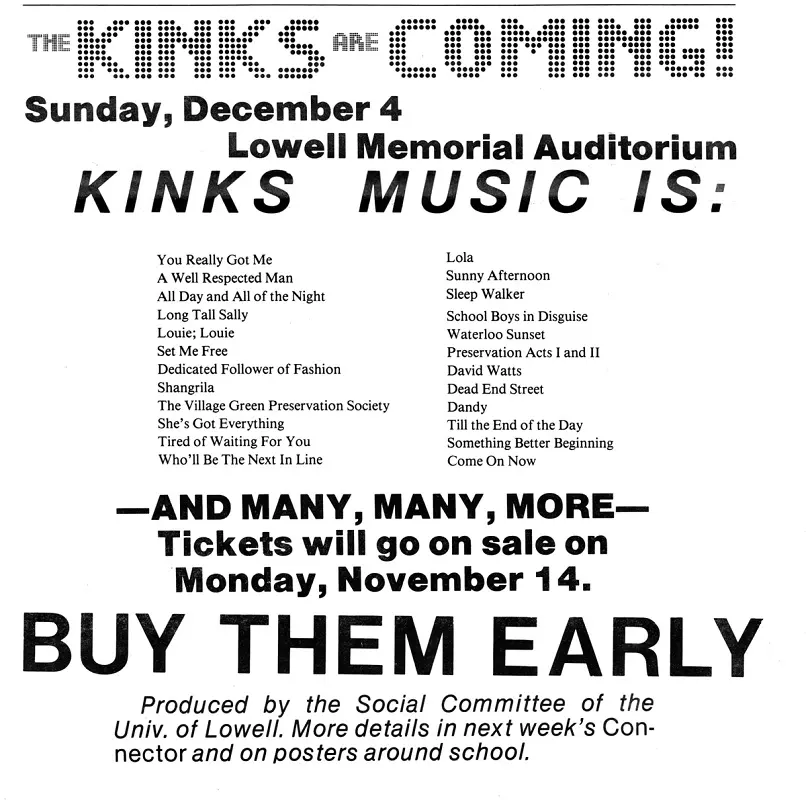
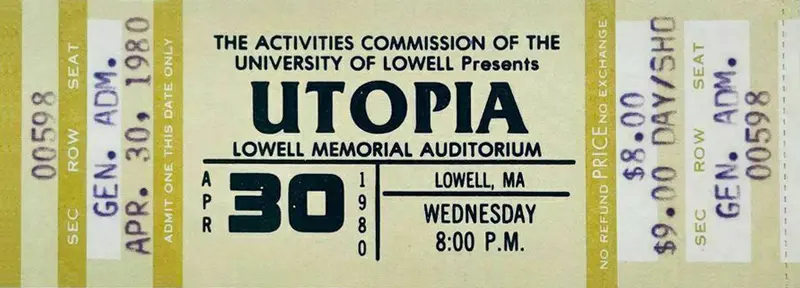
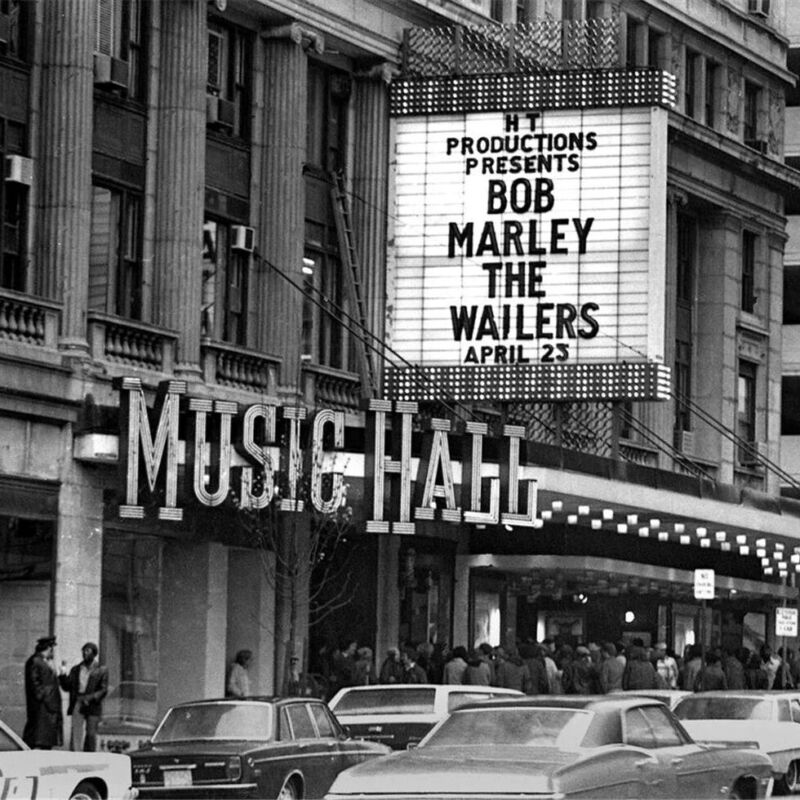
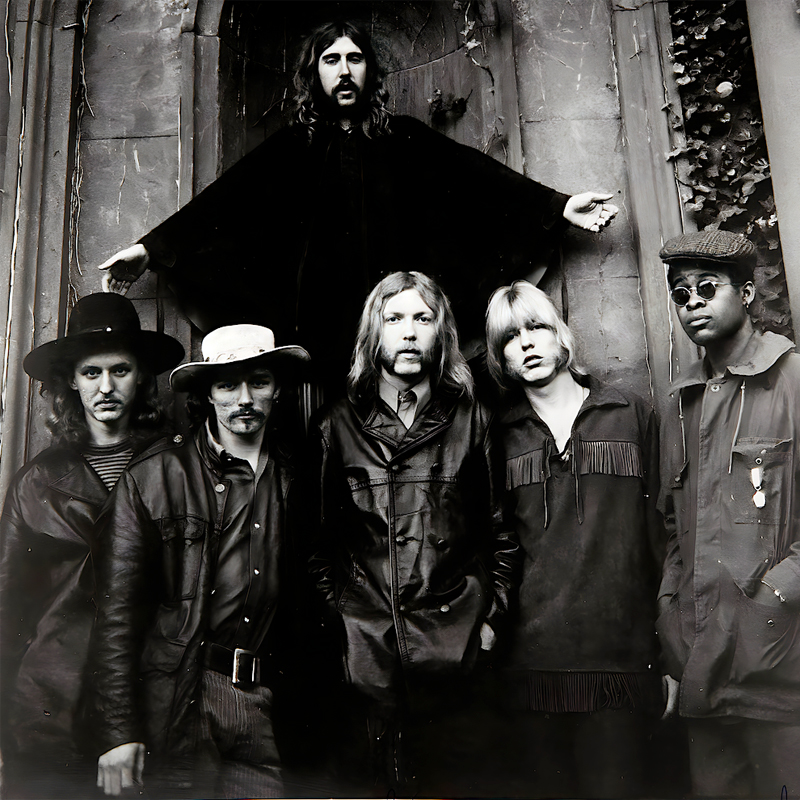
In the ‘50s and ‘60s, most of the major rock and pop acts that came through Lowell played at the 1,000-capacity Commodore Ballroom on Thorndike Street, but some appeared at the auditorium, including The Beach Boys, who took the stage in April ‘65. The situation remained the same though the ‘70s (even after the Commodore became Mr. C’s Rock Palace in ‘73), but many blues, blues-rock, rock, jazz, pop and folk acts played at the East Merrimack Street space during the decade, from The Allman Brothers, Dave Mason, The J. Geils Band, Al Stewart and Harry Chapin to The Clancy Brothers, James Montgomery, The Kinks, Roy Buchanan and Cher.
1979 RENOVATION, NOTABLE 1980S, ‘90S, ‘00S APPEARANCES
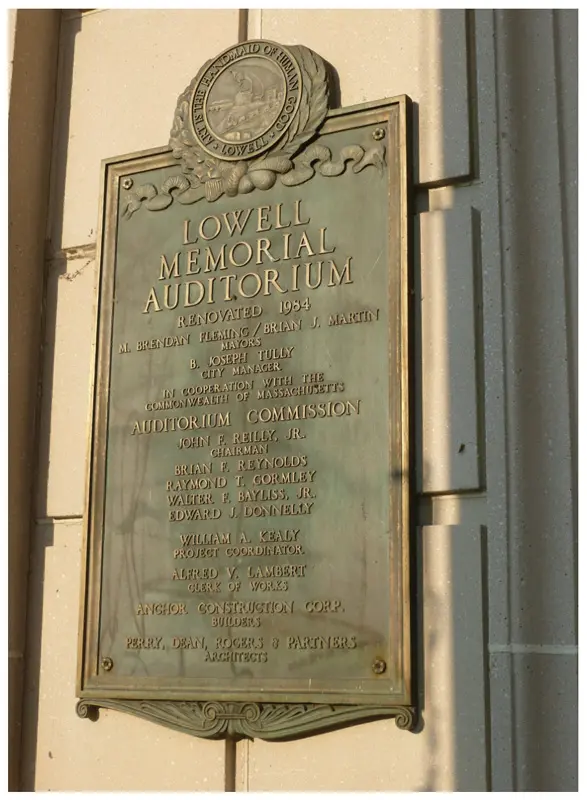
In 1979, by which time it was more than a little worn following nearly 60 years of regular use, the auditorium underwent sweeping renovations to the tune of $6.5 million, using a $4 million grant from the State of Massachusetts and $2.5 million raised by the City of Lowell. Along with a new heating plant, a new air conditioning system and new wiring, plumbing and windows, the balcony behind the stage was removed to make additional space for dressing rooms and stage-prop storage that larger attractions such as Broadway shows required, which resulted in the seating capacity decreasing from 4,000 to the current 2,874.
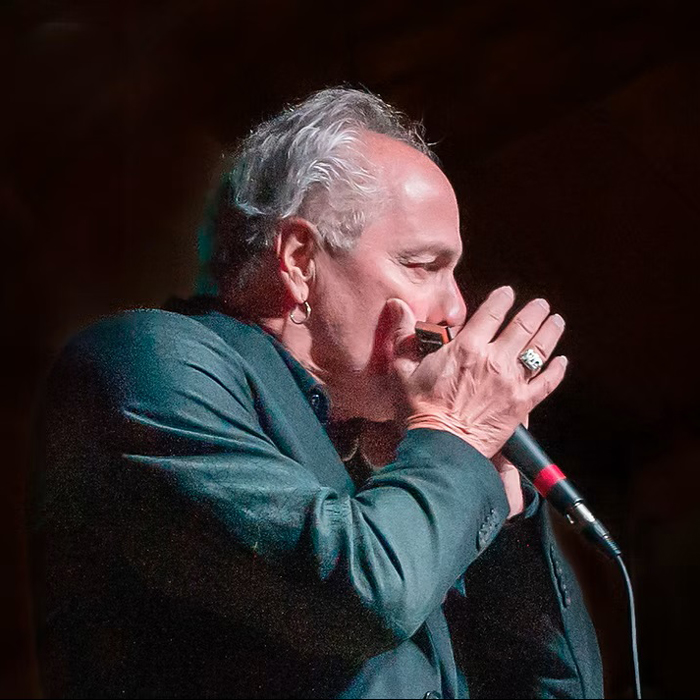
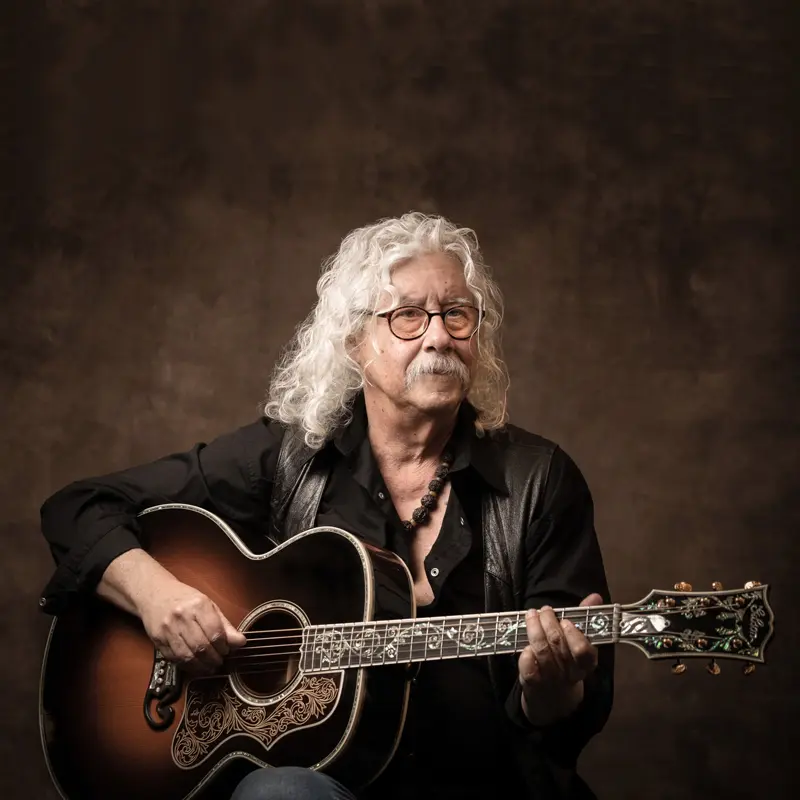
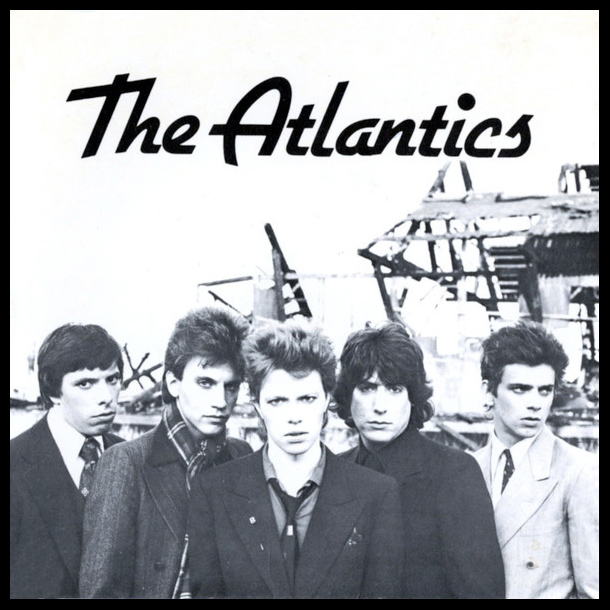
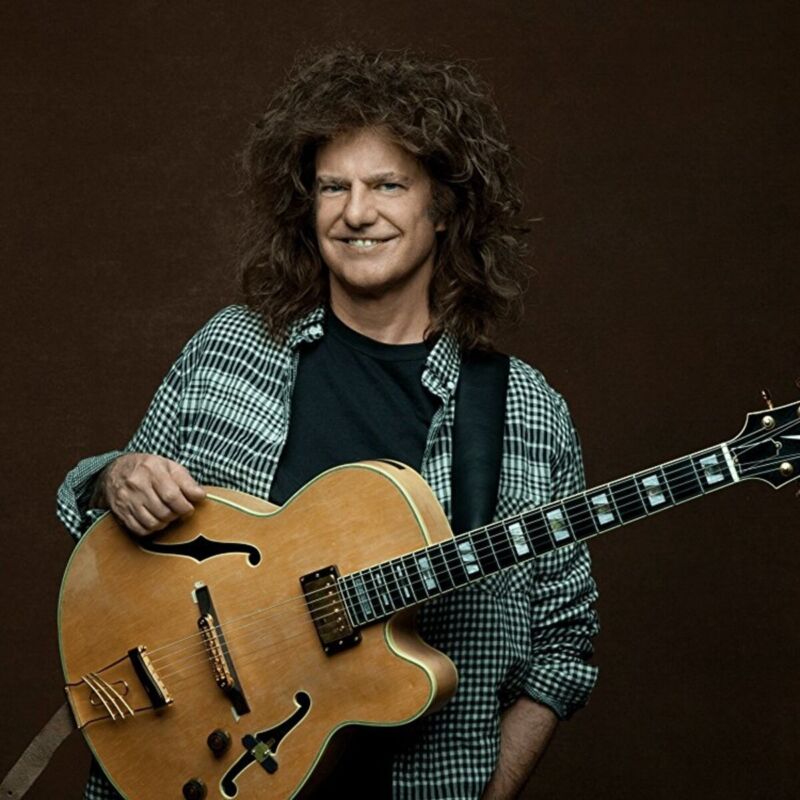
The shuttering of Mr. C’s Rock Palace in 1982 began a new era for the auditorium in terms of drawing top-tier talent, and a multigenred parade of regionally, nationally and internationally acclaimed solo artists and bands have appeared ever since. In the ‘80s, New England-based acts included The Joe Perry Project, Arlo Guthrie, The Atlantics and Pat Metheny while those from outside the region ranged from Roy Orbison, Joe Cocker, Stevie Ray Vaughan, Peter, Paul and Mary, Wayne Newton and Three Dog Night to Ray Charles, Tom Jones, Rick Derringer, Tony Bennett, Roger McGuinn and The Guess Who.
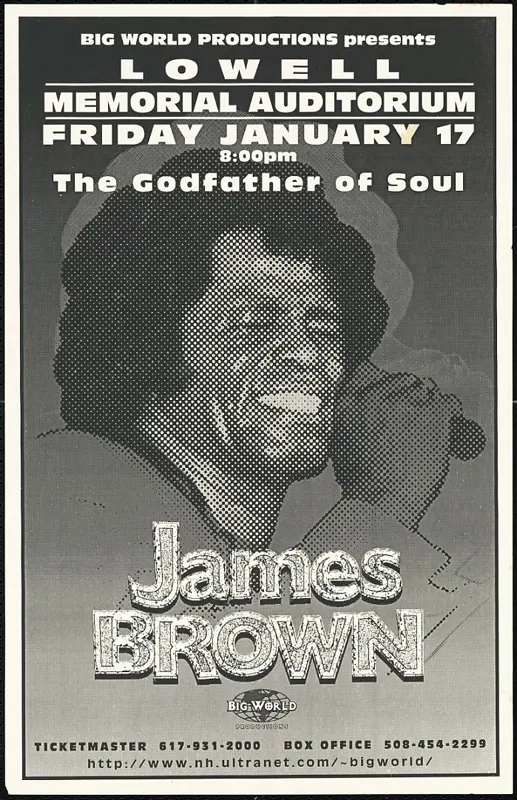
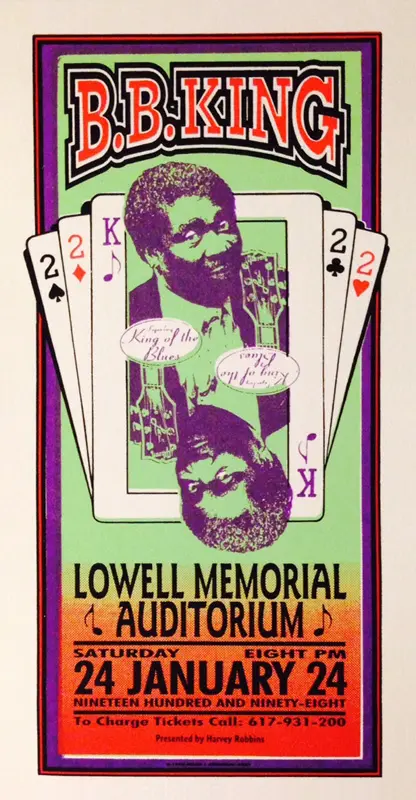
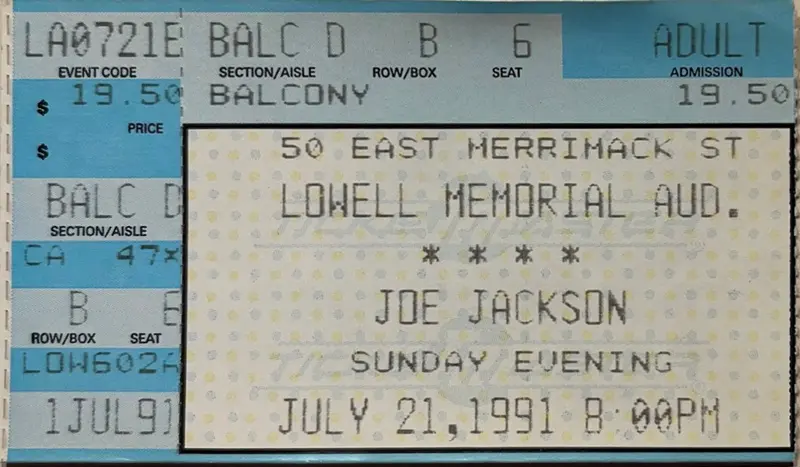
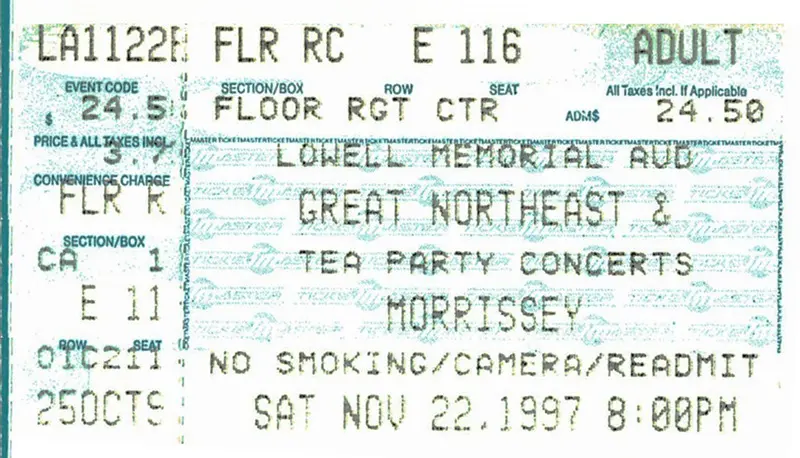
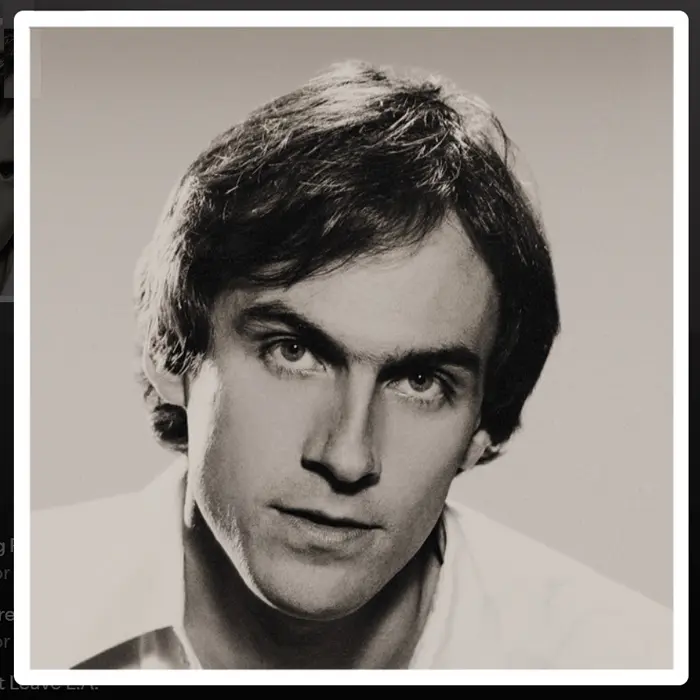
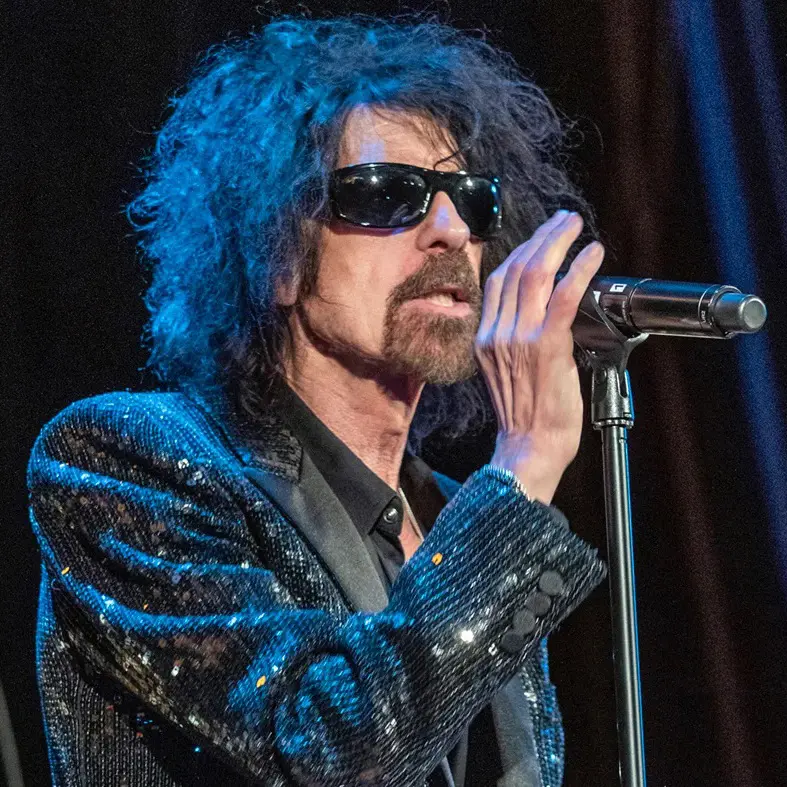
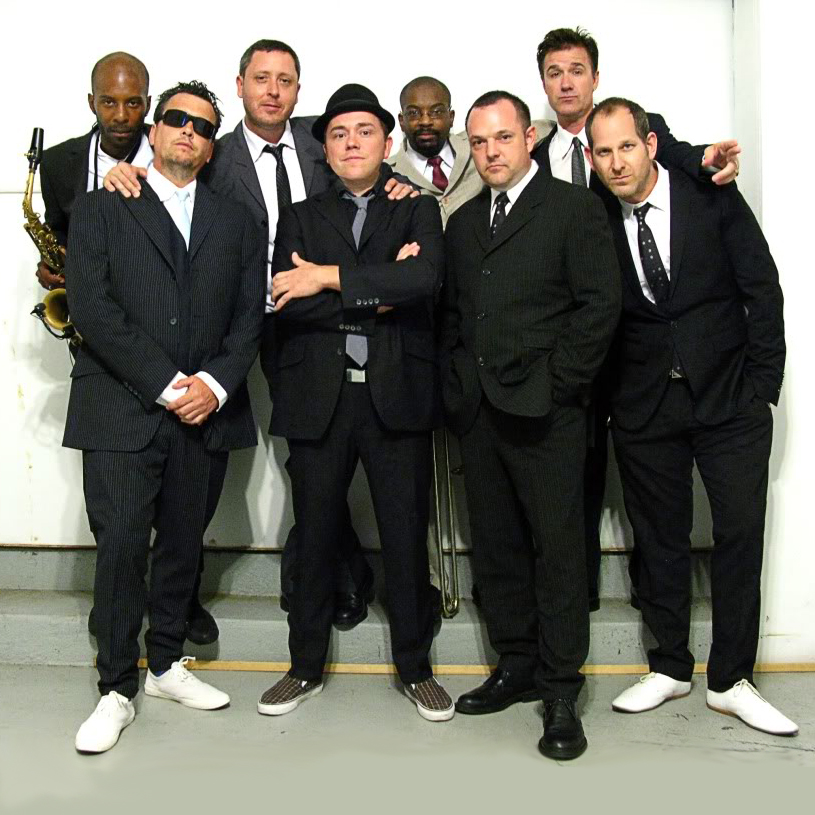
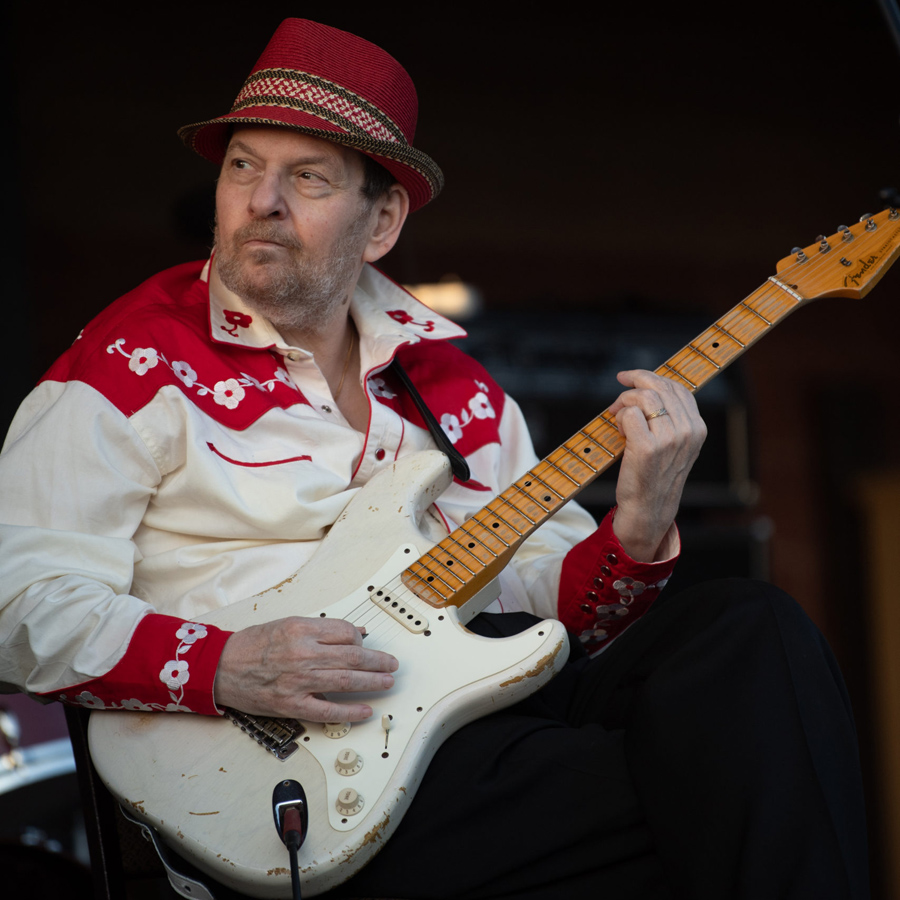
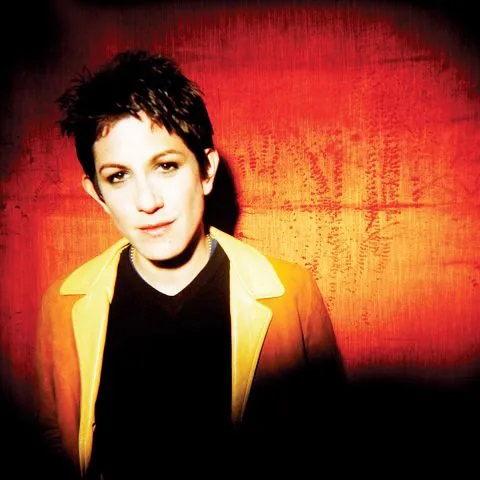
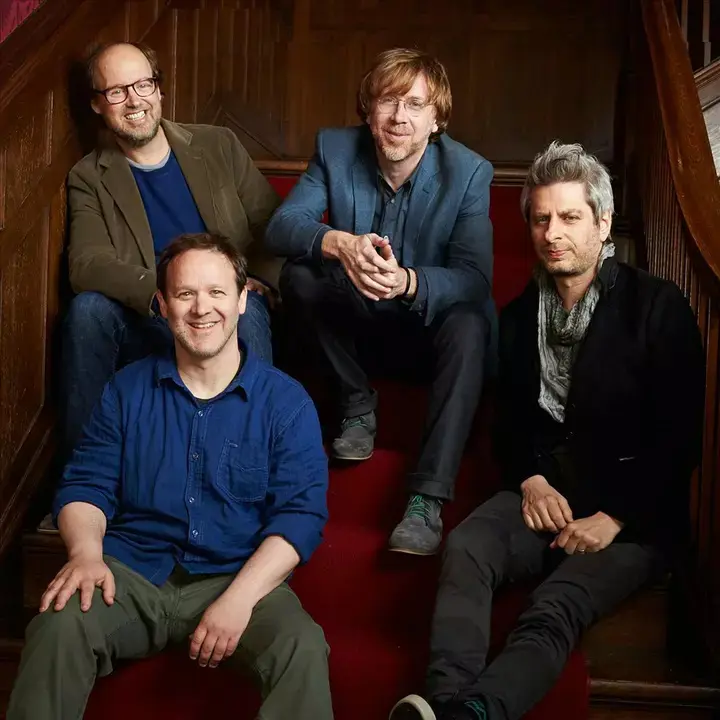
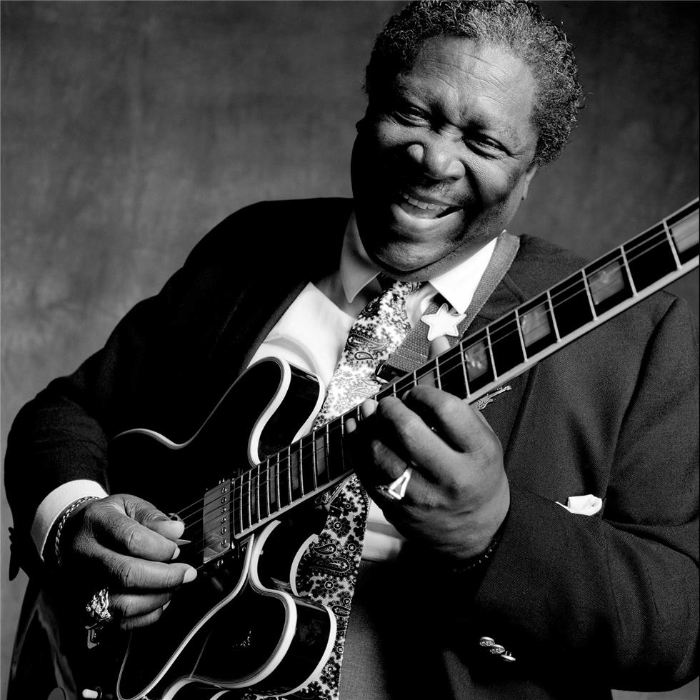
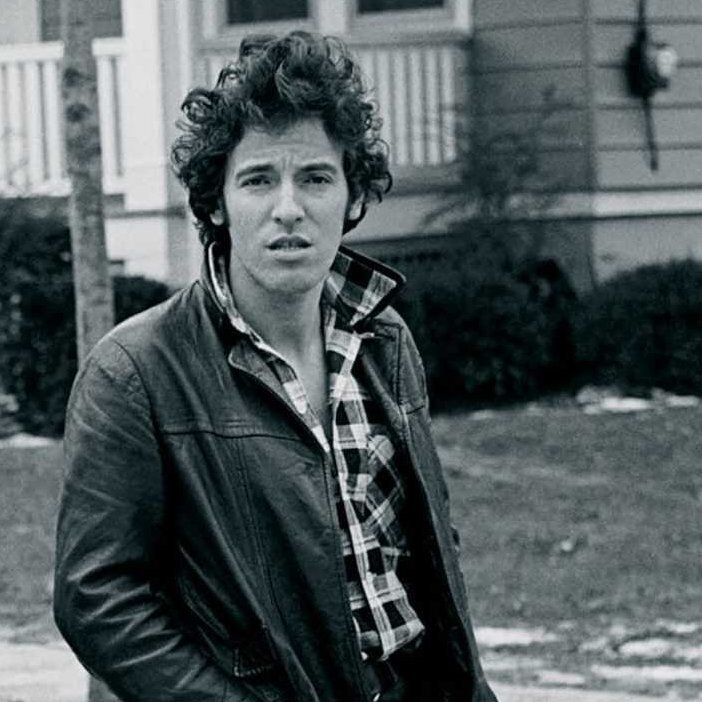
The roster continued to be varied and impressive throughout the ‘90s, with shows by regionally rooted acts including James Taylor, Peter Wolf, The Mighty Mighty Bosstones, Ronnie Earl & The Broadcasters and Phish (with opener Jen Trynin). The laundry list of others who took the stage includes plenty of living legends and household names: James Brown, Dione Warwick, Willie Nelson, Loretta Lynn, Joe Jackson, Perry Como, Merle Haggard, Englebert Humperdink, Morrissey, Johnny Mathis, B.B. King and Bruce Springsteen.
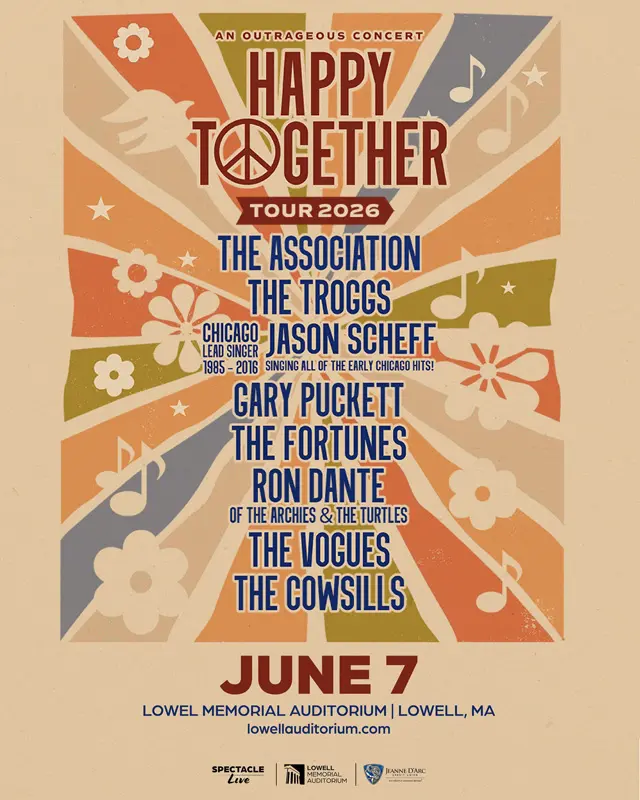
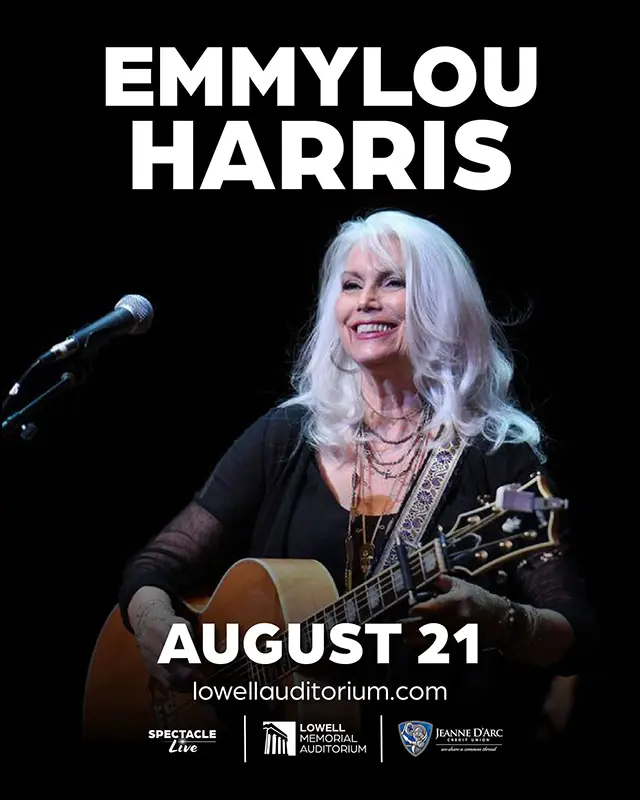
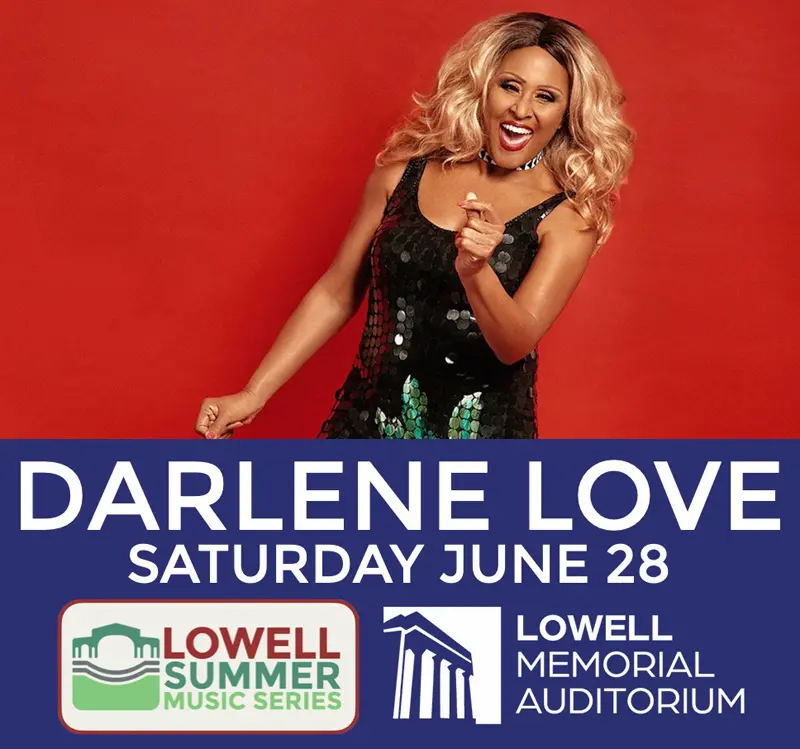
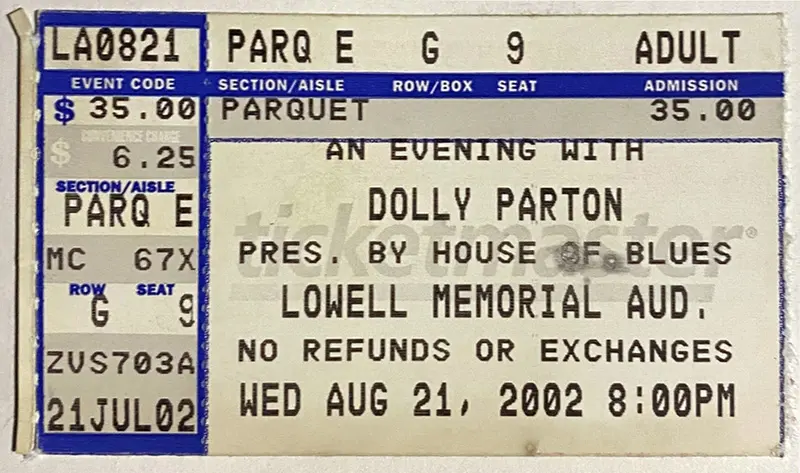
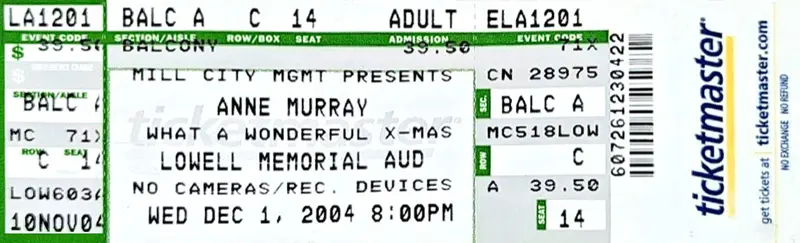
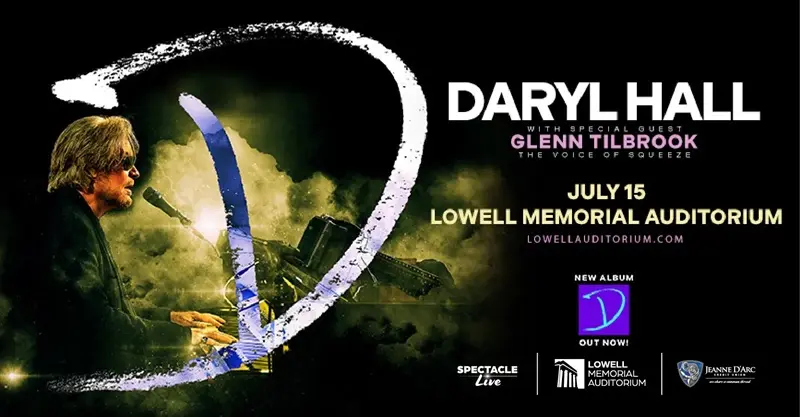
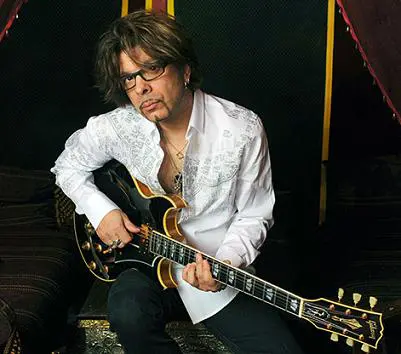
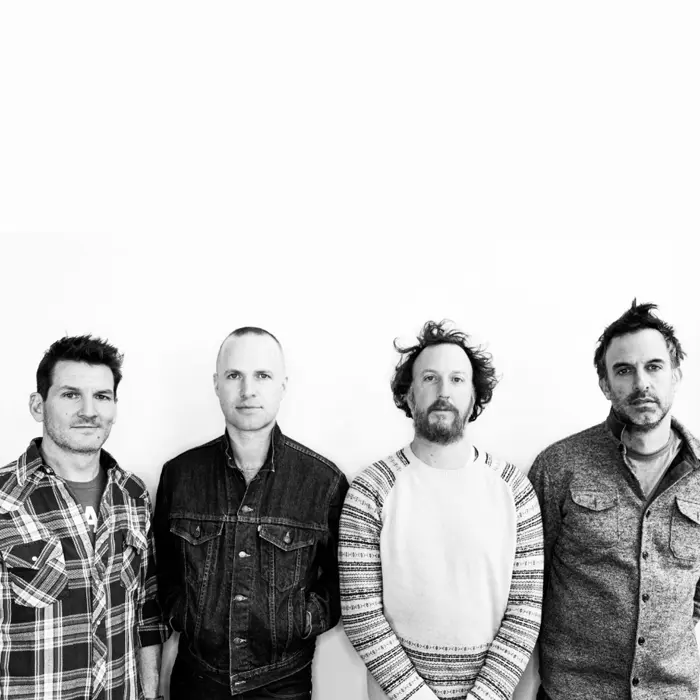
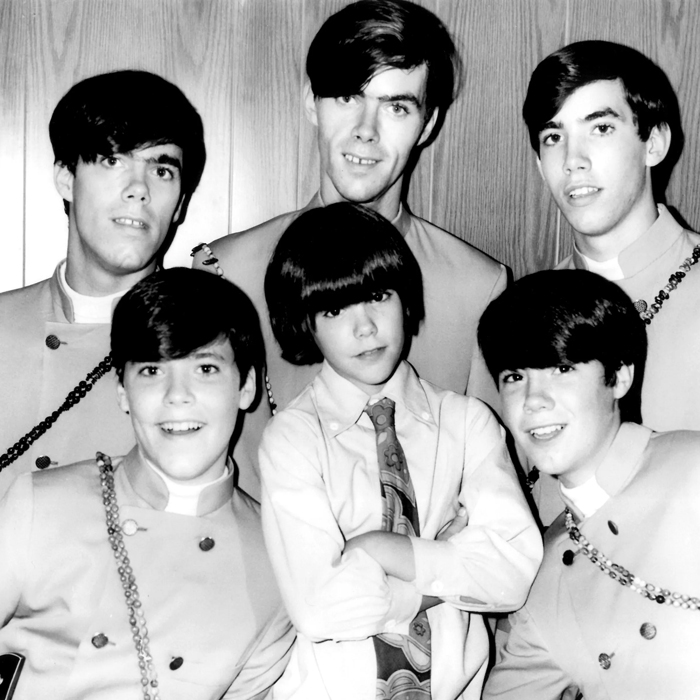
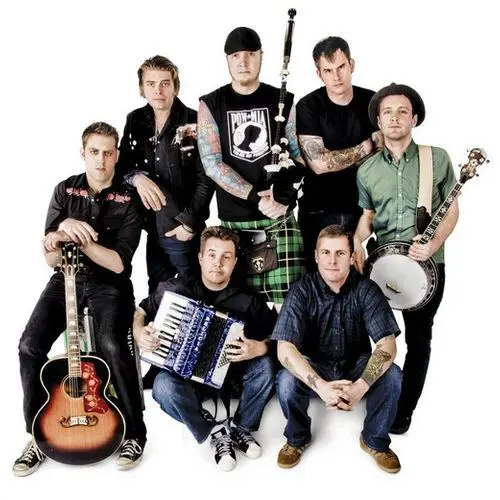
The 2000s have seen an equally eye-popping and eclectic array of acts, including concerts in the first decade of the new century by Aretha Franklin, The Monkees, Dolly Parton, Earth Wind & Fire, Cyndi Lauper, George Jones, Melissa Etheridge, Pat Benatar, Foreigner and Jethro Tull. Shows in more recent years include those by The Chieftains, John Mellencamp, The Temptations, Judy Collins, Cheap Trick, John Fogerty, The Four Tops, Emmylou Harris, Christopher Cross, The Zombies and four perennial crowd favorites from New England: Johnny A., Guster, Dropkick Murphys and The Cowsills.
(by D.S. Monahan)