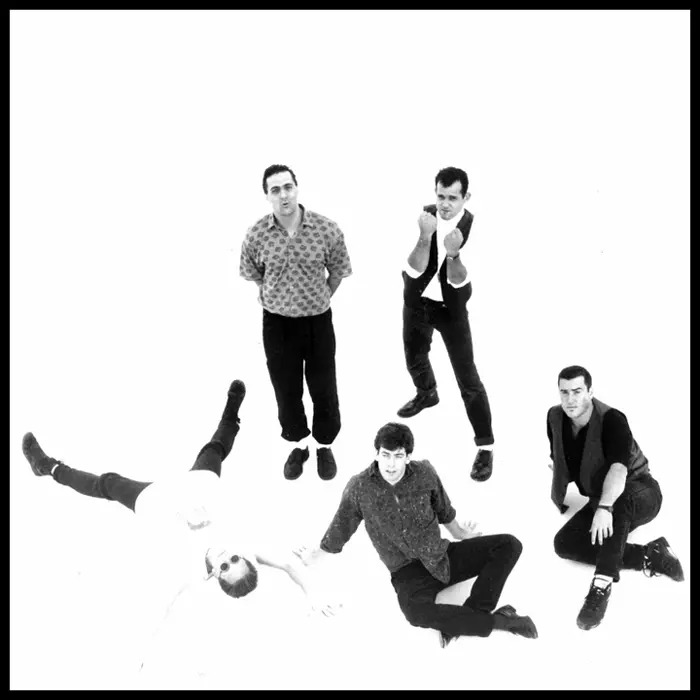
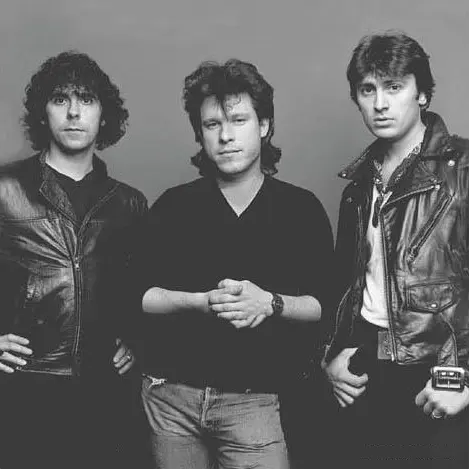
Lou Miami & The Kozmetix
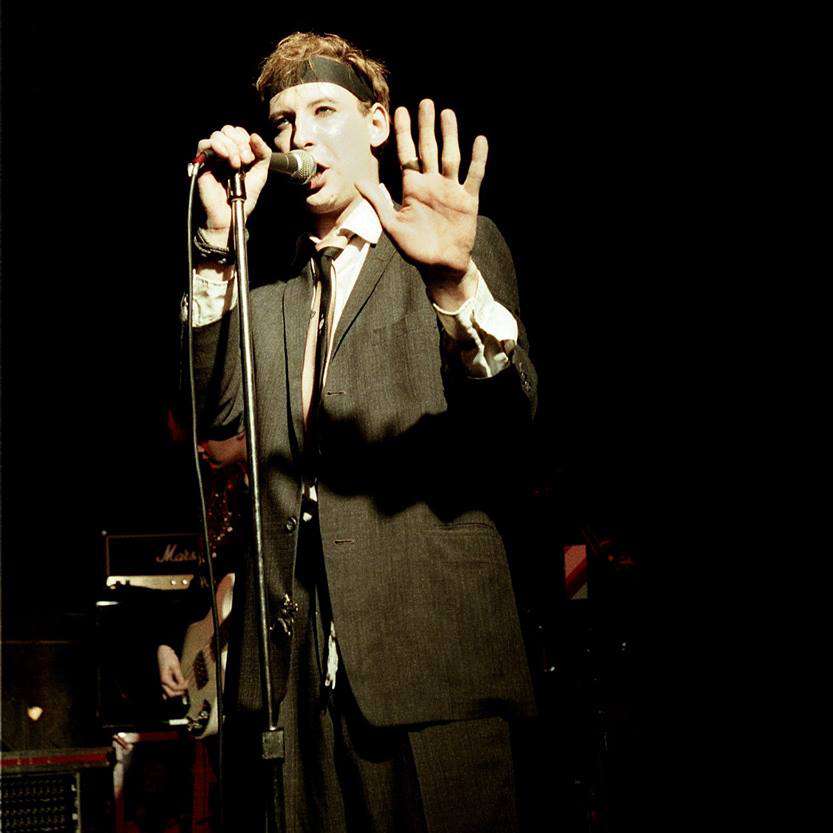
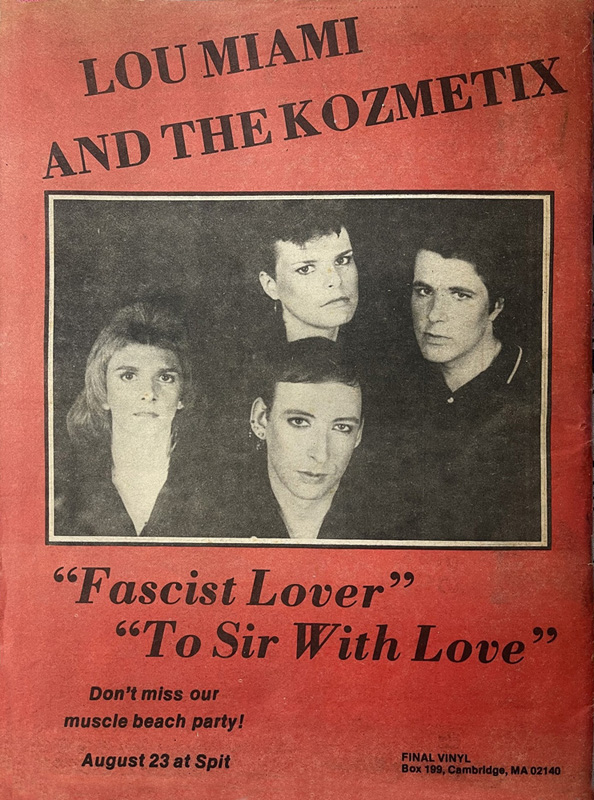
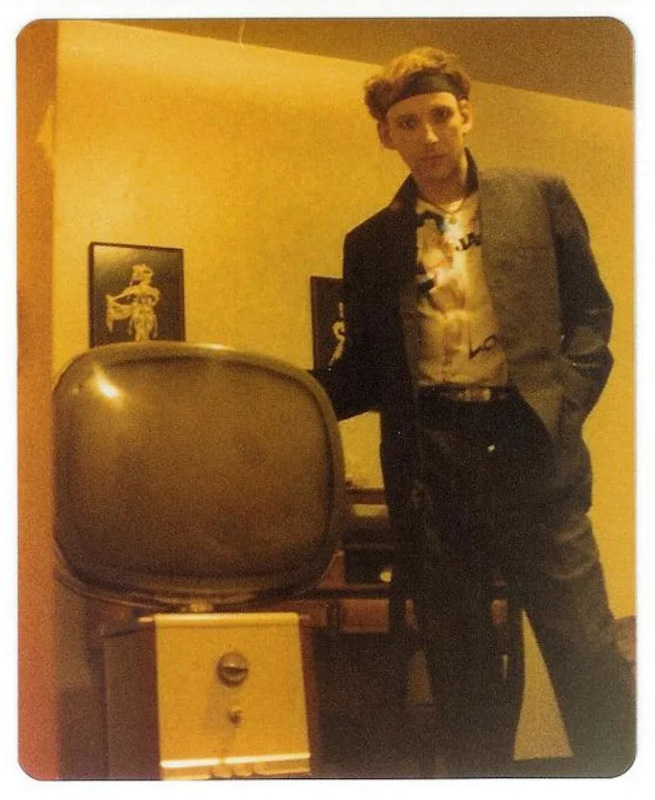
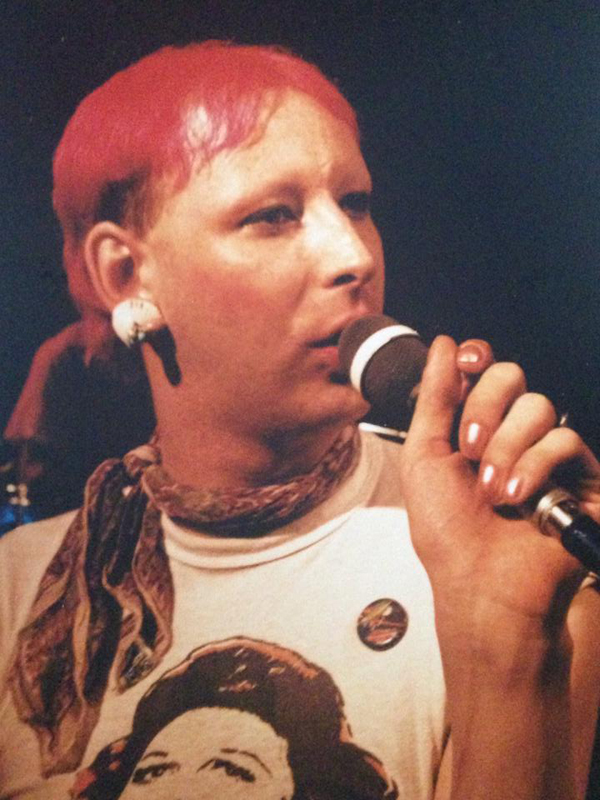
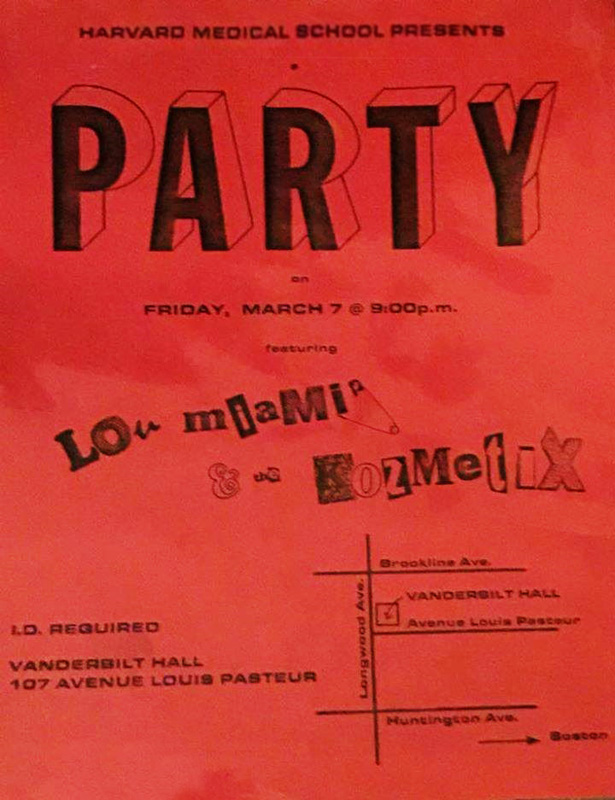
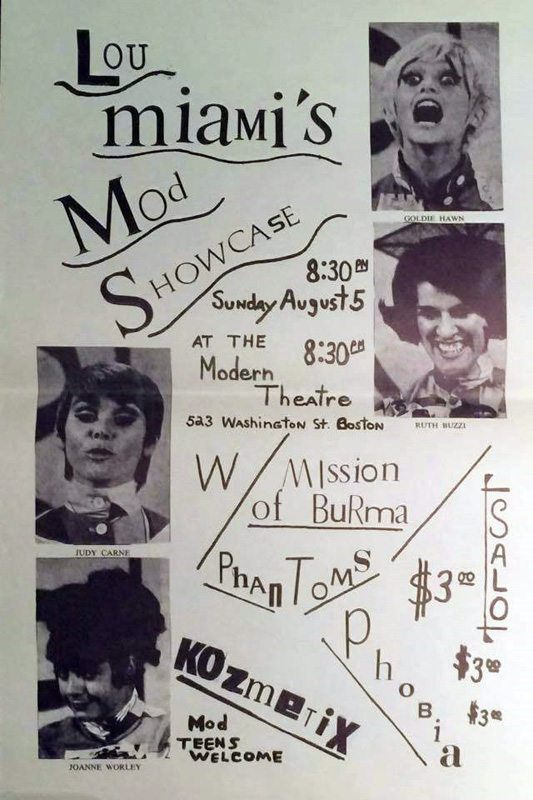
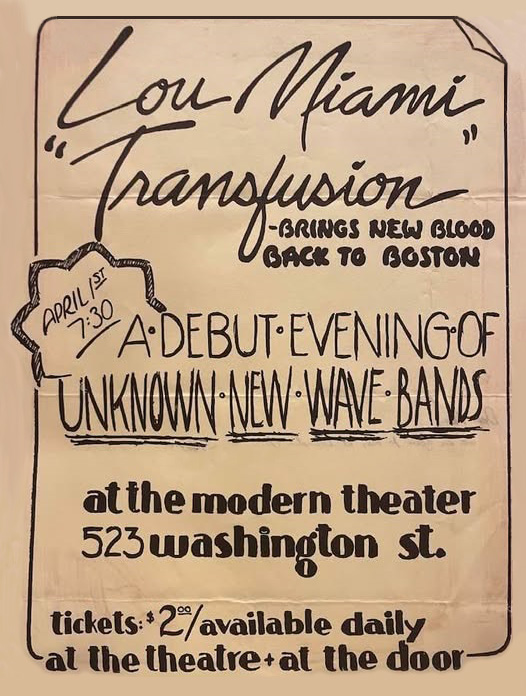
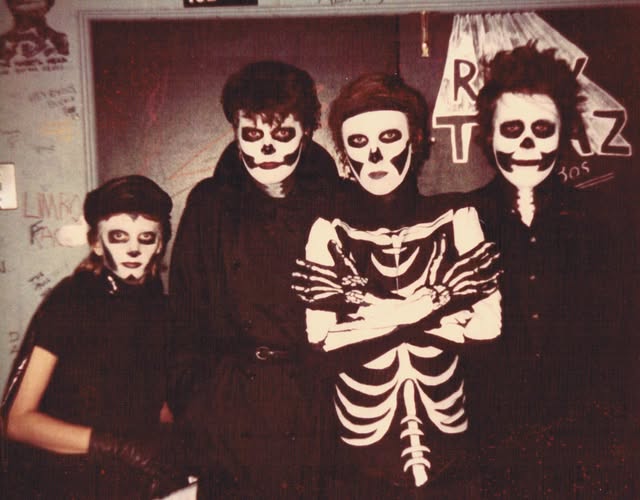
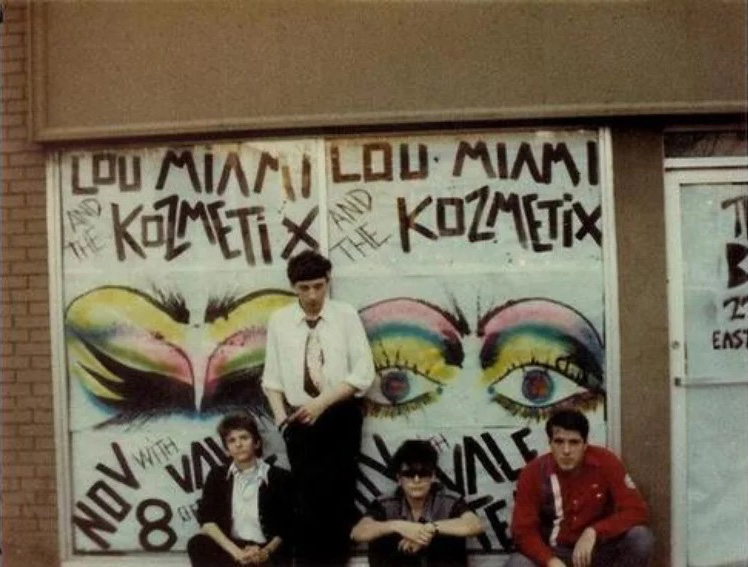
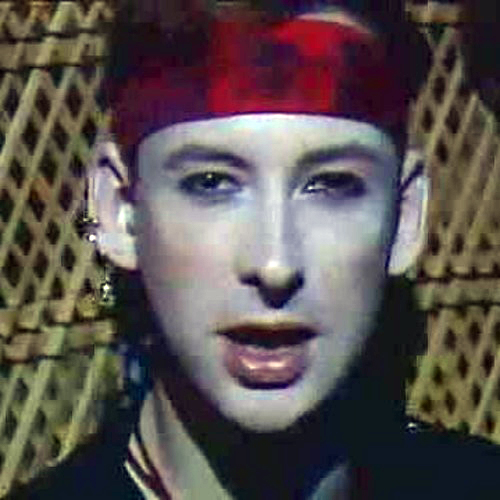
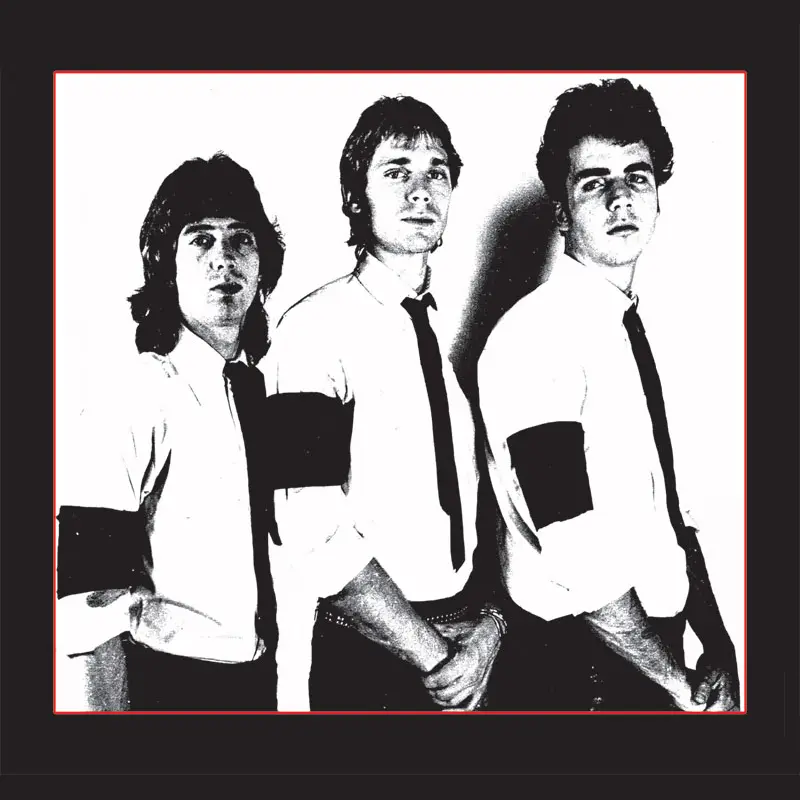
The always intriguing Lou Miami burst onto the Boston punk scene in 1978, quickly establishing a noticeable presence throughout the local circuit of rough-and-tumble nightspots with his backing trio, The Kozmetix. While the band rocked out explosively onstage in the manner of Sex Pistols and The Ramones, Miami jerked about like a berserk marionette flung helter-skelter by some puppet master concealed in the greasy ceiling. His songs voiced punk-rock attitude all the way (“Fascist Lover,” “My Baby Wears Rubber Pants,” “Get Off My Back”) and he ripped a page from Bowie’s playbook with an effeminate dash of makeup, mascara and fashion; hot pants and silk shirts were de rigueur. In Miami’s dozen-year run in New England, one in which he made prescient use of video, the words “colorful,” “provoking” and “fearless” described his work perfectly; no reviewer ever accused him of being “dull.”
Ever the punk puppet onstage, Miami relied on the raw energy that was screaming out of the 100-watt amps behind him but never accepted that music alone would do the job. The singer’s over-the-top dramatics and audacious lyrics took the fight to each crowd, consistently challenging their comfort levels with his statements on sexuality and flirtations with the erotic. Always campy to some degree, he brought a confident and brazen stage presence to every show, relating trashy tales of streetwalkers in Boston’s Combat Zone and sordid adventures cruising the city’s gay hotspots. These lurid images weren’t rejected by the denizens in the punk dives he frequented; they were accepted as legitimate fodder in a scene built from the gutter up that hearkened back to rock ‘n’ roll’s bare, unvarnished roots.
EARLY APPEARANCES, “FASCIST LOVER,” “TO SIR WITH LOVE”
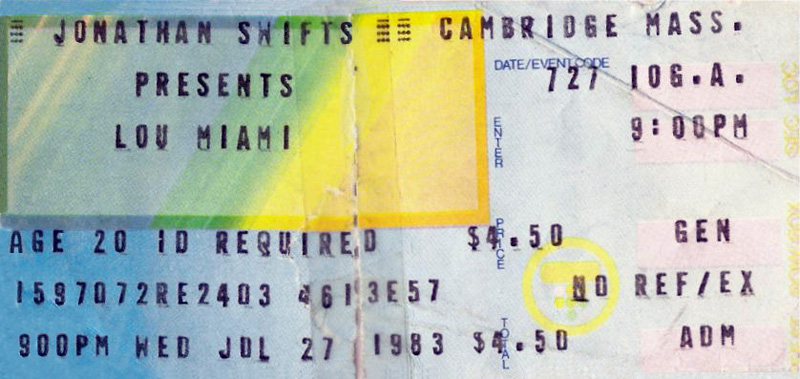
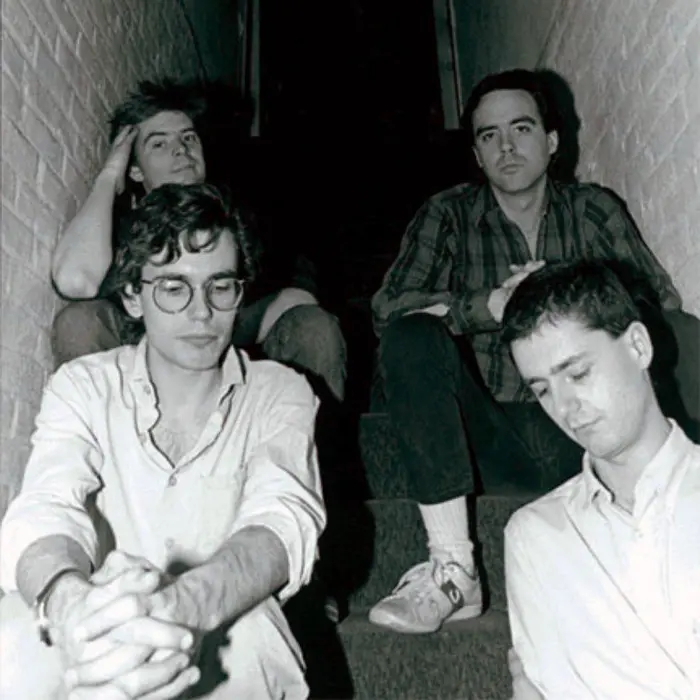
By the end of ’79, Lou Miami & The Kozmetix had become regulars at the leading Boston and Cambridge clubs, playing alongside Mission of Burma, La Peste and Pastiche while opening for openly gay singer Wayne County (later Jane County) & The Electric Chairs and psychobilly pioneers The Cramps. The band had only one steady member, guitarist Jack Rootoo (real name Richard Galvin, who played on all Miami’s musical ventures); Miami used a number of other backing musicians in his stage act and on albums.
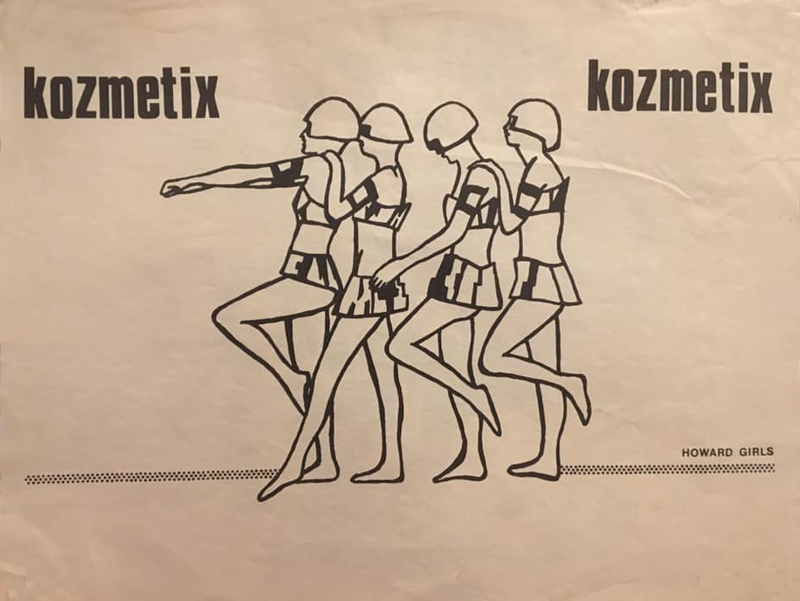
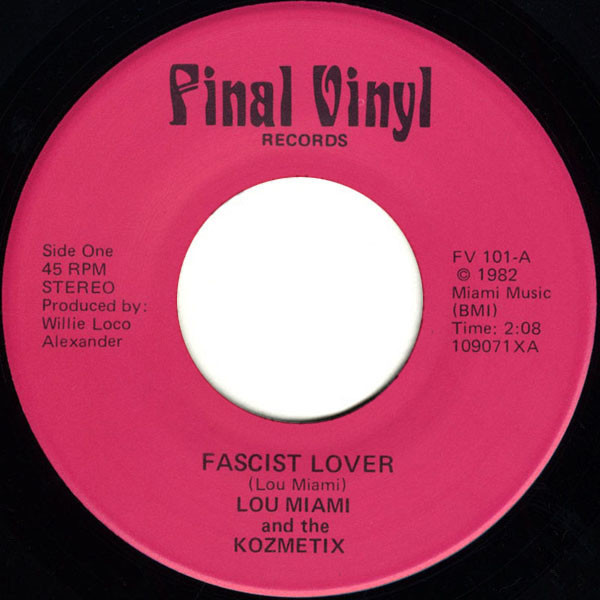
Their first single appeared in early 1982, a studio version of “Fascist Lover,” which described Miami’s mom being knocked up by a Nazi on the lam in South America (presumably fiction, but who knows?), backed with an extensively reworked cover of Lulu’s 1967 hit “To Sir with Love.” Both songs were produced by Boston’s “Godfather of Punk” Willie Alexander. As good as the A-side was (“a fascist lover made my mother, and then my mother made me!”), its flipside provoked a stronger reaction. Starting faithfully enough to the original, the song’s stately lyrics about a teacher inspiring pupils degenerates quickly into scenes from a troubling (but hilarious) S&M bondage act in a lumberyard, splinters and all. Once heard, the radically revised version of “To Sir with Love” can never be unheard. The “Fascist Lover”/“To Sir with Love” 7-inch was released on the local Final Vinyl Records label and came inside a sleeve designed to look like a small Lord & Taylor cosmetics shopping bag (complete with a handle and credits printed in pink on both sides). The packaging creatively paid homage to Miami’s effeminate tastes as well as the name of his backing band, although at this point the only member who’d show up in future lineups was Rootoo, who laid a razor-sharp solo on the A-side.
FIRST EP, NOTABLE TRACKS, RITUALS, NOTABLE VIDEOS
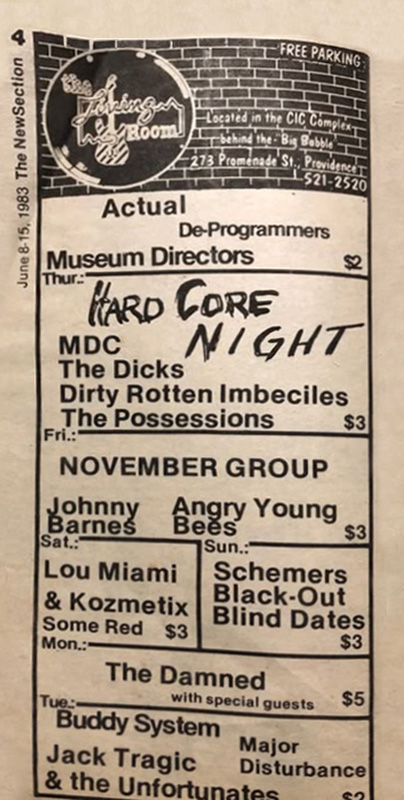
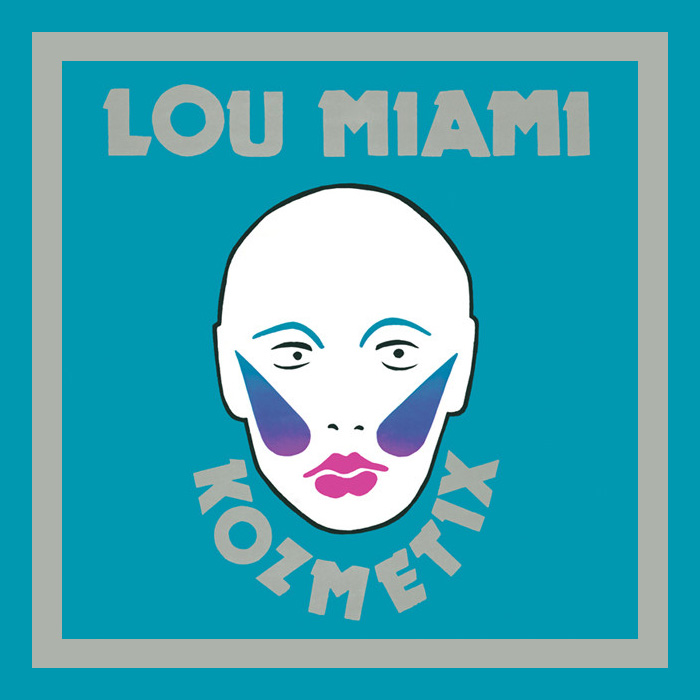
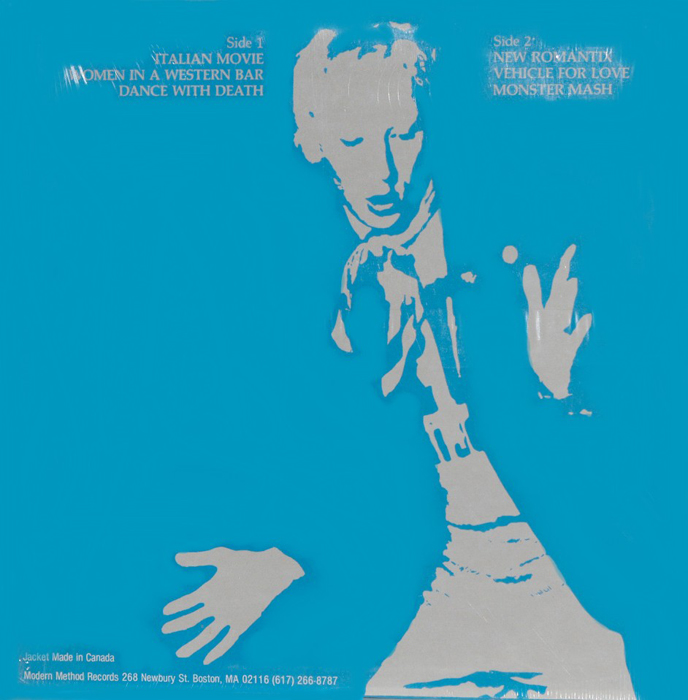
Later in ’82, with a revised lineup that featured bassist Helen Privett and drummer Lauren Balanchard, the band recorded the first of its two 12-inch EPs, Lou Miami and the Kozmetix, issued by Modern Method Records, a local label associated with Newbury Comics. Produced by vocalist-guitarist Ann Prim and keyboardist Kearney Kirby from Boston-based November Group, the EP won Lou Miami & The Kozmetix a generous amount of local airplay on college radio stations and FM powerhouses WBCN and WCOZ. That exposure helped the group secure bookings outside Boston and Cambridge at venues including Joseph’s Lounge in Lowell, The Living Room in Providence and Smith College in Northampton. Standout tracks included “Dance with Death,” which builds in intensity with a distinctive syn-drum cadence in the background until its shattering climax, and “Women in a Western Bar,” which Privett wrote in a Talking Heads-style dance groove. In the song, Miami is propositioned by a series of females, which leads one to ask what side of the line he’s on, since it was written by a woman. Is he a he or is he a she?
Miami always believed that an audience wanted to be entertained; if he wanted them to scream and go wild, then he had to scream and go wild. Introducing that visual persona to potential fans at home guided the singer to be an early supporter of video. When a second 12-inch EP, Rituals, arrived in 1985, Miami and the band filmed conceptual clips for three songs: “Mack the Knife,” “Ghosts” and a new version of “Dancing with Death.” The first, a cover of the song from Bertolt Brecht’s 1928 drama “The Threepenny Opera,” was shot in a 1930s black-and-white film-noir style. The “Ghosts” video, with its storyboard of life at home with the family and a poltergeist or two, saw airtime locally on V66 and nationally on MTV’s Basement Tapes.
Rituals raised the bar considerably for Miami in terms of production and recording since it was released by Brookline-based Throbbing Lobster Records, which had put out quality releases from O Positive and Classic Ruins, among others. The band’s lineup remained the same as on the first EP except for the addition of Toby Ingalls on rhythm guitar and a high-profile guest appearance from guitar gunslinger Chris Spedding. Country chanteuse Kristi Rose showed up to belt out a duet with Miami on “Jackson,” the same rip-snortin’ firebrand that had been a monster hit for Johnny Cash and June Carter in 1967. While Rituals featured six strong performances and toned down the overt sexual messages from previous releases, it failed to spark commercial interest beyond college radio and the videos weren’t broadcast widely enough to introduce Lou Miami & The Kozmetix into the mainstream households of America.
DECLINING POPULARITY, MOVE TO CALIFORNIA, DEATH
Although plans for a national tour didn’t come together in the wake of Rituals, Miami continued to find success playing in New England for a time, but the gigs soon became sparse and the singer’s story murky. In ‘87, Kozmetix stalwart Rootoo threw in the towel and joined the Boston-based Girl on Top, a group which Miami occasionally joined onstage. Some rumors said the singer had begun dabbling in witchcraft in Salem, but that could have just as easily been a yarn dreamed up by Miami himself for the fun of it. By 1990, he’d vanished from the New England scene, heading to Los Angeles, where he died at age 39 in August 1995, with one source linking the death to a drug overdose. In 2008, his longtime guitarist Rootoo passed away from esophageal cancer. For Lou Miami & The Kozmetix, the long dance with death was over.
(by Carter Alan)
Carter Alan is a former WBCN deejay now heard on WZLX-FM in Boston. He’s the author of Outside is America: U2 in the U.S. (Faber & Faber, 1992), U2: The Road to Pop (Faber & Faber, 1997), Radio Free Boston: The Rise and Fall of WBCN (University Press of New England, 2013) and The Decibel Diaries: A Journey Through Rock in 50 Concerts (University of New England Press, 2017).