David Maxwell
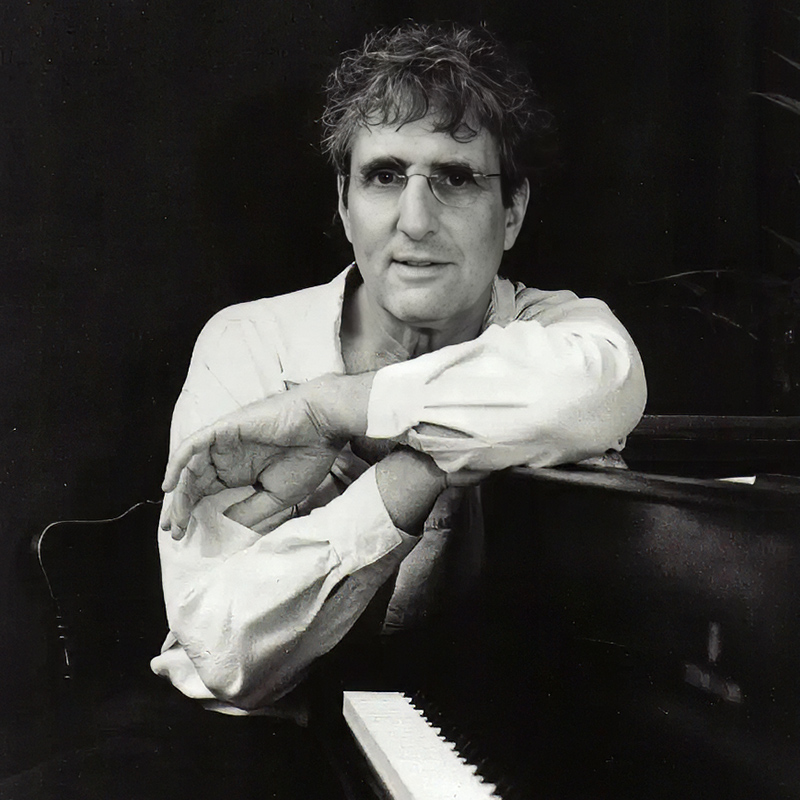
David Maxwell
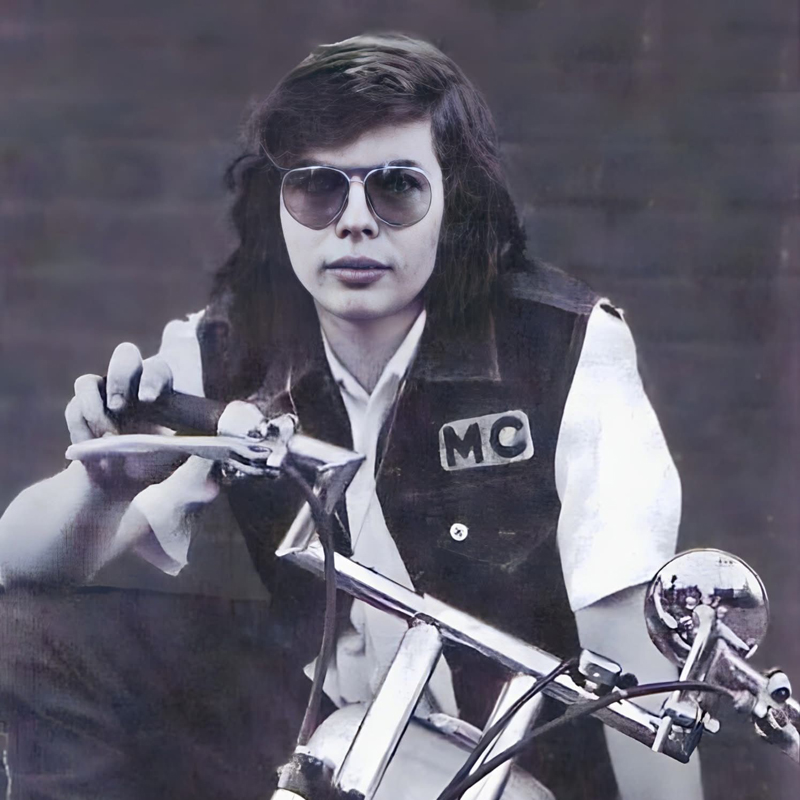
A number of notable folks with the name David Maxwell have hailed from England, including a prominent 17th-century printer, a politician who served at the highest levels of government, and an Olympic rower from the 1970s, which isn’t a shocker given how ordinary and Anglo the name is. But for blues fans across the globe, the most memorable David Maxwell (and the only one who matters) is the pianist from New England who cut his chops on the Boston scene before becoming one of the most respected sidemen and solo artists the genre has ever produced.
Though he wasn’t raised in the Mississippi Delta or on the hardscrabble streets of Chicago, Maxwell’s commitment to and passion for his craft was beyond dispute, as he demonstrated in his earliest gigs in the ‘60s, when the majority of his peers were enamoured with British Invasion bands, prog rock and psychedelic acts but he was laser focused on the blues greats who’d inspired such groups in the first place. And he maintained that roots-centric concentration throughout his five-decade career, building a musicologist-level understanding of the blues while touring with legends including Freddie King, James Cotton, Jimmy Rogers and Otis Rush and appearing alongside a parade others, among them Muddy Waters, John Lee Hooker, Jimmy Witherspoon, Albert King, Buddy Guy, Skip James, Arthur “Big Boy” Crudup and Big Walter Horton.
MUSICAL BEGINNINGS
Born March 10, 1943 in the Boston suburb of Waltham, Maxwell spent most of his childhood in the nearby town of Lexington, where the first shots of the American Revolution were fired in April 1775. He started studying piano at age eight and had added clarinet to his musical roster by the time he reached high school, playing it in the student orchestra while also singing in various school productions.
His first musical love was jazz, which he discovered in an unusual way at around age 15, according to a quote on his official website: “In high school, maybe ninth grade, I got really sick and needed to stay in bed for a couple of weeks. My mother brought home from a supermarket each week a new record from the RCA History of Jazz series. They featured many of the great names in jazz from the 1930s all the way to Charlie Parker.” Fortunately for the new jazz fan, one of his teachers, Sol Skersey, who’d backed Sarah Vaughan and other greats, was more than happy to teach him the basics of improvisation.
As valuable as that training was, however, a substantial amount of his early musical education came from record shops, not from lessons, thanks to the listening booths that were common in the ‘50s and ‘60s. Often accompanied by future Canned Heat cofounder Alan Wilson, his equally music-obsessed friend from Arlington, Maxwell spent countless hours in such booths in Boston and Cambridge, immersing himself in all varieties of jazz, blues and whatever else happened to catch his young ears. He and two of his other musical pals, trombonist David Alan and drummer Dave Potter, jammed in Lexington regularly, improvising to tunes by Cannonball Adderley, Bobby Timmons, Fathead Newman and others, and he and Wilson played together more than a few times.
EARLY CAREER, 1960S ACTIVITY, OTIS SPANN INFLUENCE
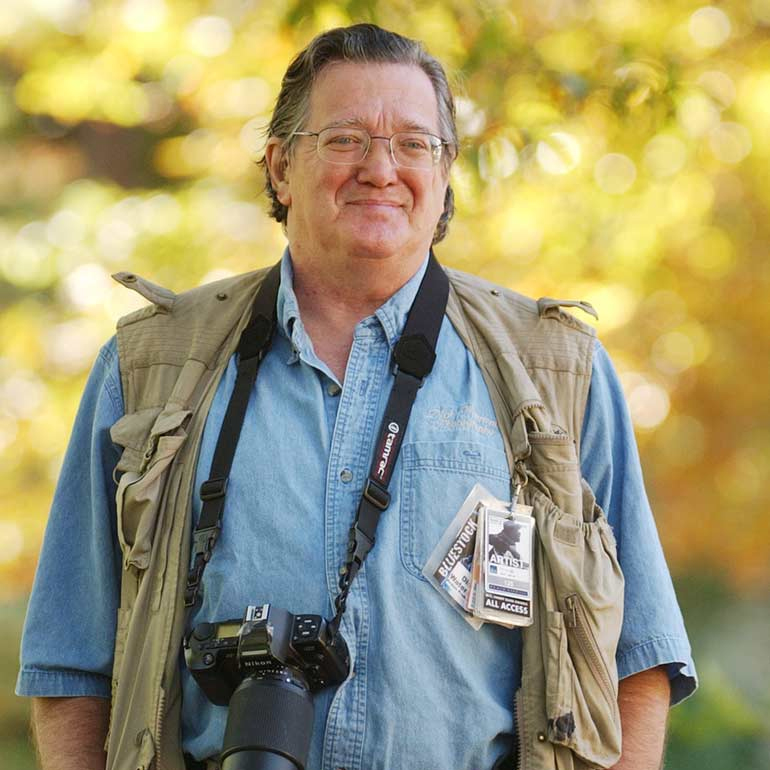
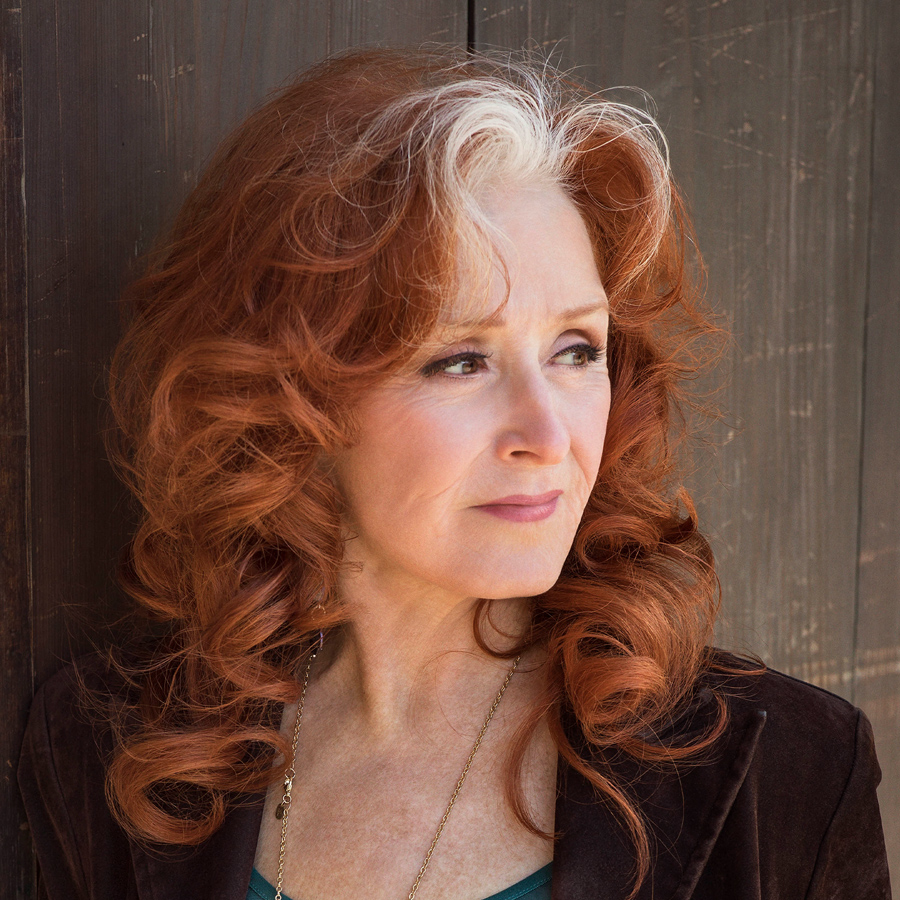
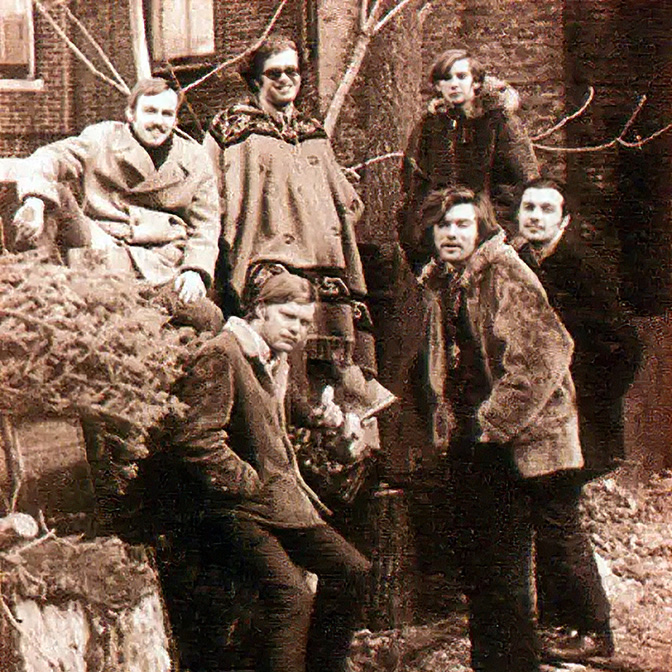
After finishing high school in 1961, Maxwell enrolled at Eastman School of Music in Rochester, New York, though he left before earning a degree, dropping out after he spent a year in Paris and returning to Boston. In the mid-’60s, thanks in large part to promoter Dick Waterman, he met blues legends like Mississippi Fred McDowell and Son House; he also befriended fellow up-and-coming musicians including Bonnie Raitt and gigged with The J. Geils Blues Band, Colwell-Winfield Blues Band and other groups
As was the case when he was in his mid-teens, Maxwell’s formal studies weren’t the most significant part of his musical education when he was a twentysomething. The most eye-opening, indeed life-changing, thing he learned during those years came from seeing pianist Otis Spann playing with Muddy Waters at Club 47 in Cambridge in 1966, since his distinctive approach to the instrument redefined Maxwell’s own. “Spann’s style of piano playing – his rapid right-hand flurries, his completely bluesy, soulful, right in the gut playing – was something I hadn’t seen before,” he said.
His interest in Spann’s style and Chicago blues in general led to him going to see Waters perform whenever he was in the Boston/Cambridge area, and he wound up building a friendship with Spann that lasted until his death in 1970. In fact, Maxwell became such a regular presence at Waters’s gigs that one night, when Spann wasn’t feeling well, Waters invited him to sit in with his band, a genuine once-in-a-lifetime opportunity that he seized without hesitation. Maxwell’s other influences included Sunnyland Slim, Pinetop Perkins, Memphis Slim, Big Maceo Marriweather and Ray Charles, but Spann loomed the largest, he said.
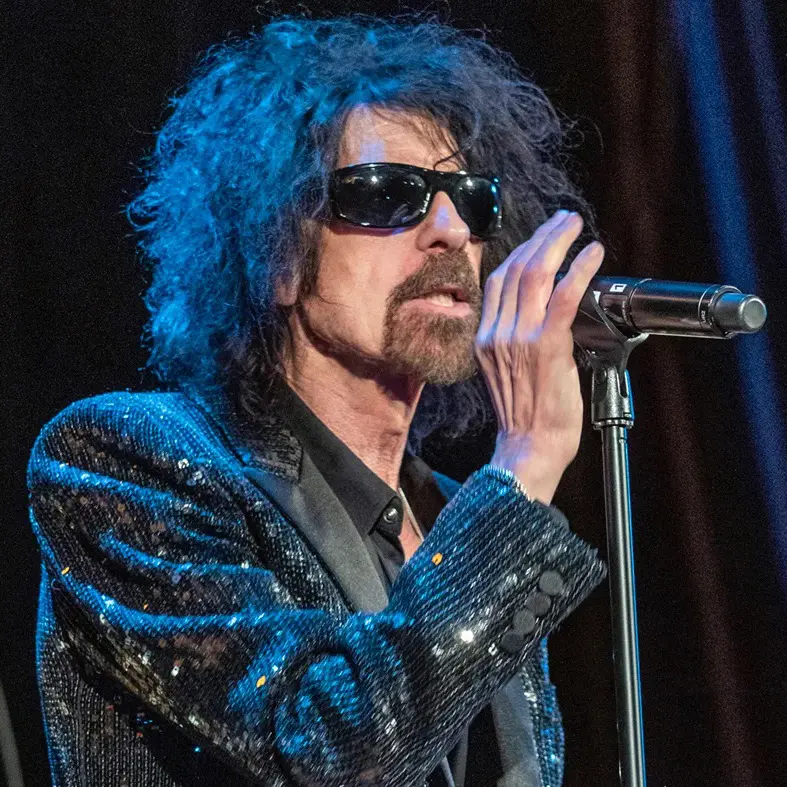
In the late ‘60s, Maxwell was in Luther “Snake Boy” Johnson’s band and played club dates with acts including Big Mama Thornton, Sonny Terry & Brownie McGee, Albert Collins and Luther “Guitar Jr.” Johnson. In 1969, he appeared on The Dick Cavett Show with John Lee Hooker, with whom he performed many more times over the decades, including at Nightstage in Cambridge on New Year’s Eve in 1987 (with special guest Peter Wolf).
1970S, 1980S ACTIVITY, INTERNATIONAL MUSICOLOGY TRIPS
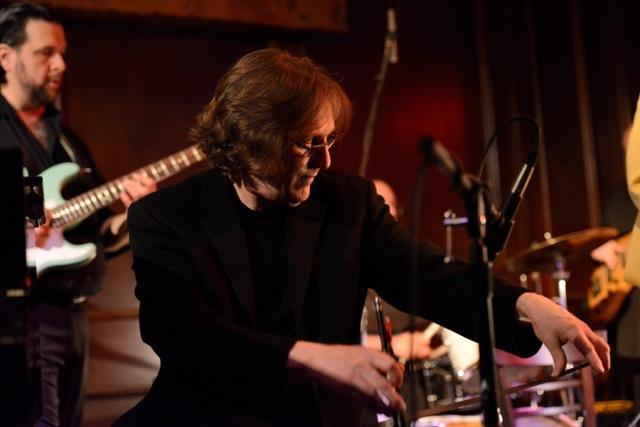
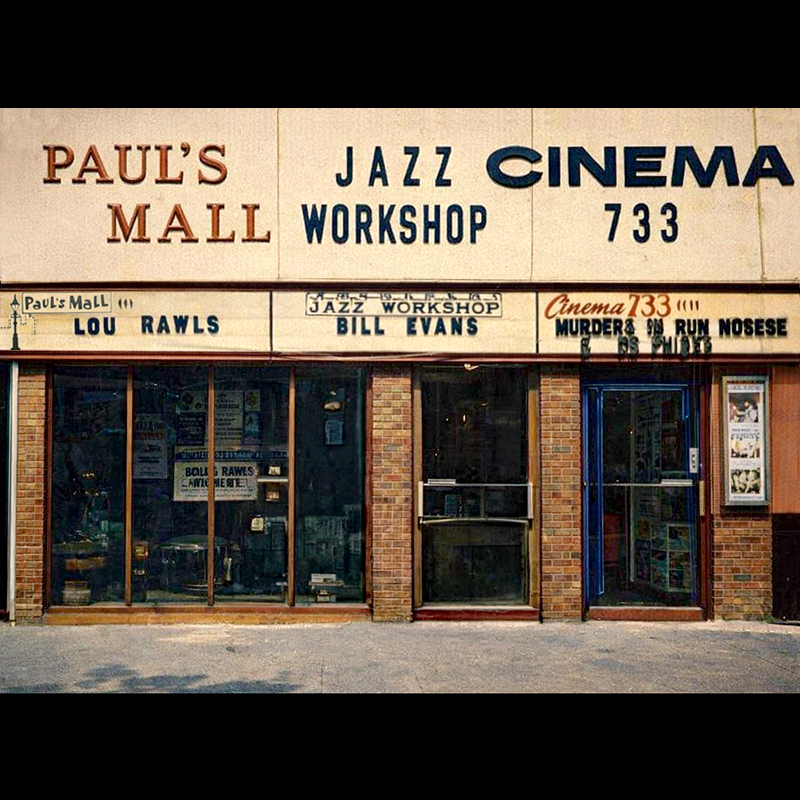
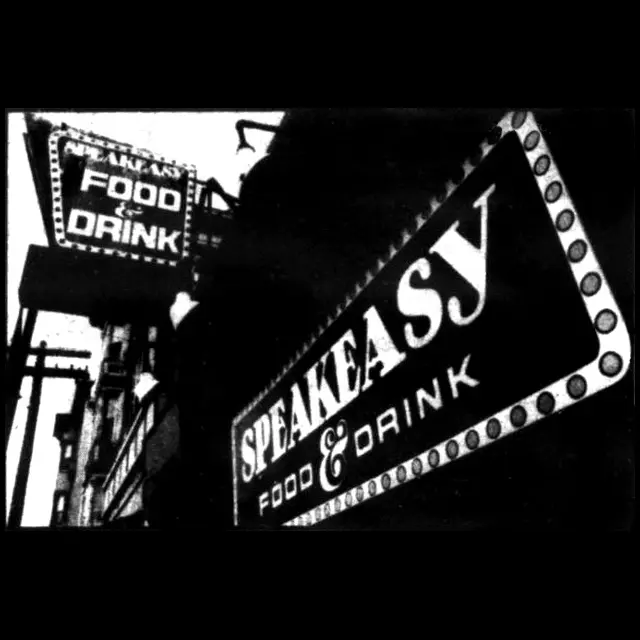
Maxwell’s career went from local to national in the early ‘70s, when he was in The Boston Blues Band with Bob Margolin and the two of them went to a Freddie King show at The Jazz Workshop. King had an organist in his group but not a pianist, and Maxwell summoned up the courage to ask if he could sit in. King said he could and, seriously impressed with what he heard, hired him to go on the road the following month; Maxwell spent roughly two years with the band, touring the US and Europe. He was in Bonnie Raitt’s group in 1974 and ‘75, the year that he joined The Rhythm Rockers, who became the house band at The Speakeasy, where they backed a laundry list of legends, and in 1977 he joined James Cotton’s band, remaining with them until ‘79 and playing on the Grammy-winning LP Deep In the Blues.
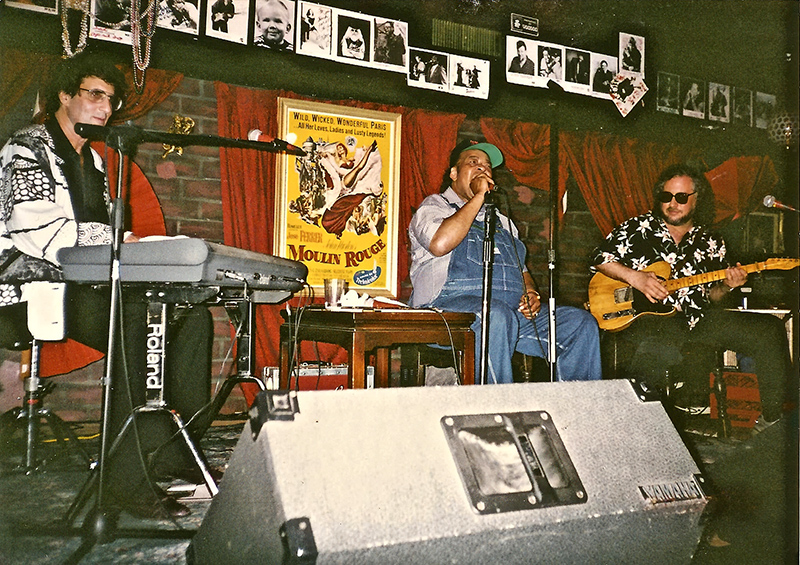
Maxwell formed his own group in the ‘80s, David Maxwell & The Blues Wizards, who backed up Albert King, Lowell Fulson and Hubert Sumlin when they came to Boston and did festival tours with Buddy Guy, John Lee Hooker and Johnny Barnes. Between 1983 and ‘89, he led the house band at Nightstage, backing a smorgasbord of blues icons, and in 1989 he recorded an album with Otis Rush, with whom he toured Japan twice. Most of his international activity during the decade was related to his lifelong fascination with blues history and musicology at large, however, not performing.
In 1980, he started traveling as far and wide as India, Morocco, Tunisia, Thailand and Indonesia to meet local musicians and record their songs, collecting a wide variety of traditional instruments along the way that he displayed in his home. “I’m just in love with sound, period. I’m intrigued by how it affects our spirit and our psychology,” he wrote about the trips. “I love exotic sounds, overtones, spatial sounds and different ways of organizing sounds in a textural way, in an architectural way, in a sculptural way.”
1990S, 2000S ACTIVITY, SOLO ALBUMS, DEATH, LEGACY
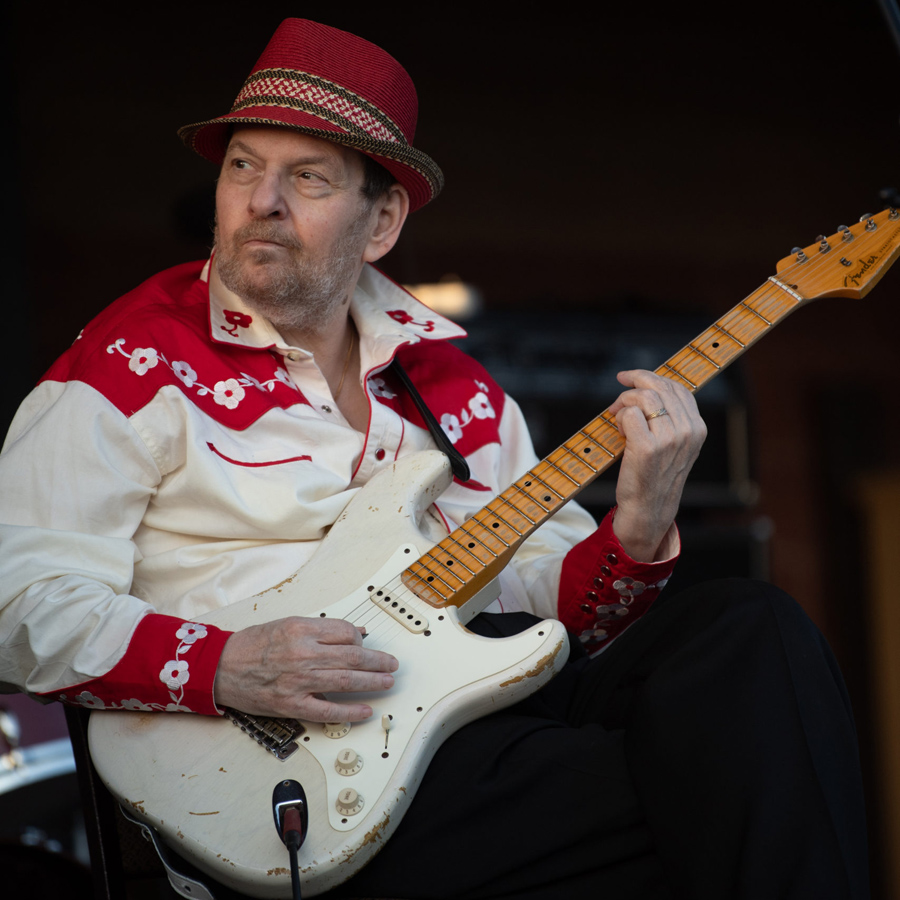
Maxwell recorded a song for the film Fried Green Tomatoes with Peter Wolf in 1991, and between 1992 and 1995 he played in the house band at The House of Blues in Cambridge, where he continued to back household names on a near-nightly basis, as he’d done for some 20 years. He teamed up with James Cotton again in ‘93 as part of The James Cotton Trio, staying with the band through 2002, and he spent two years in Ronnie Earl‘s band The Broadcasters, appearing on five of their albums and touring across the US and Europe multiple times.
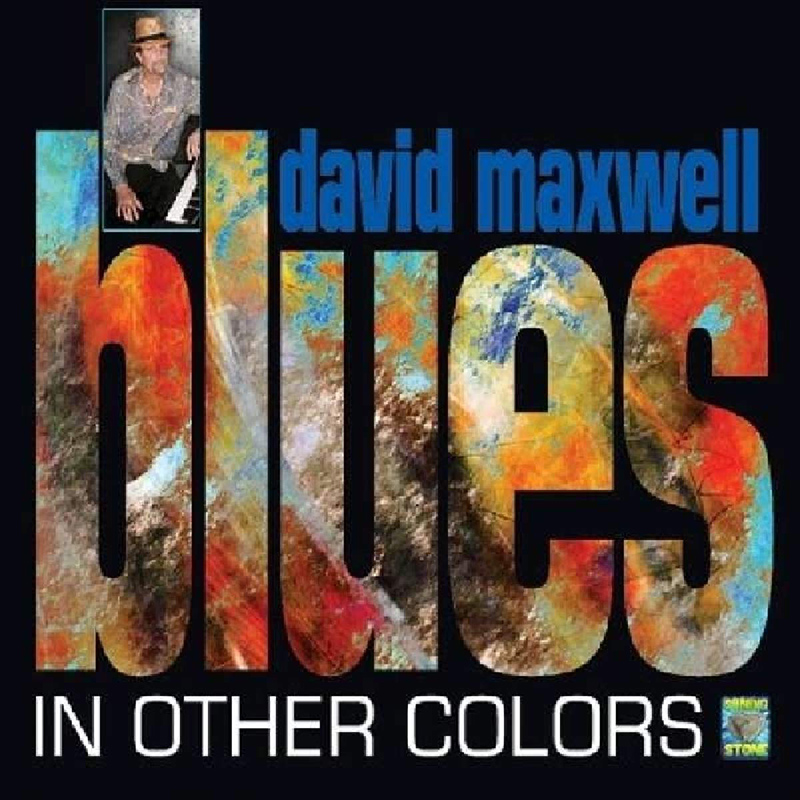
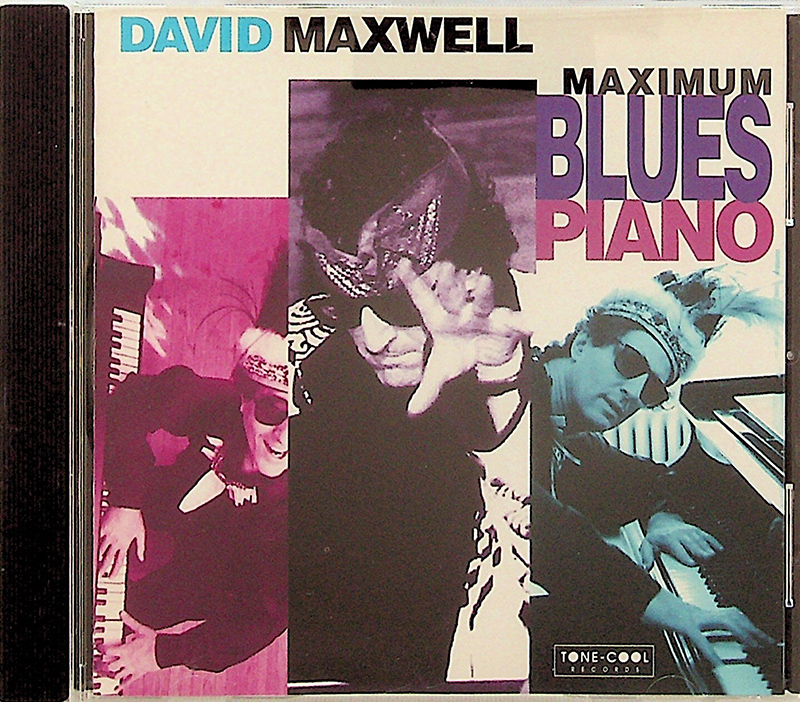
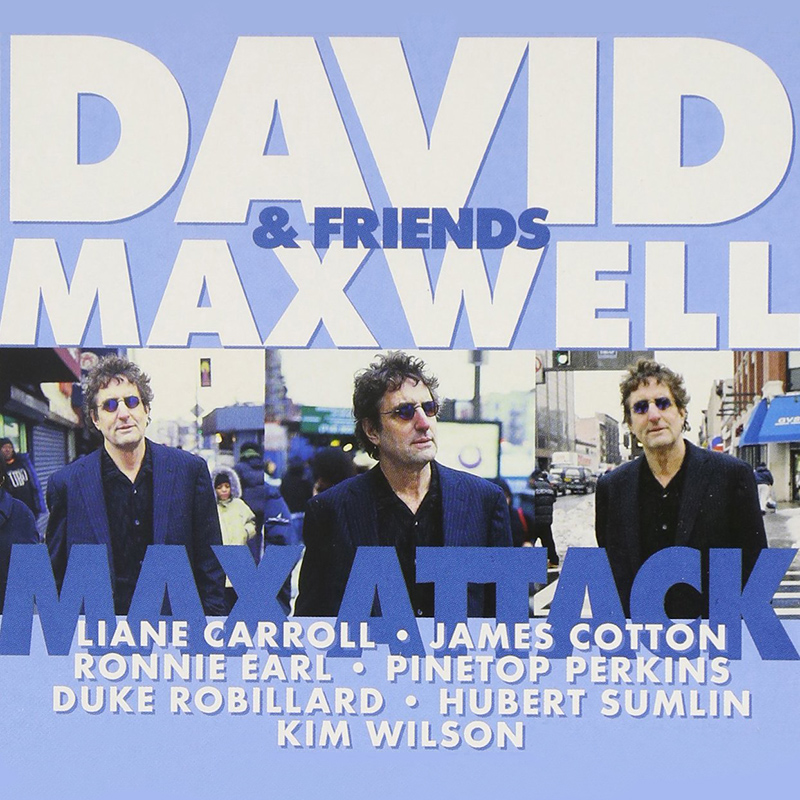
In 1997, some 30 years after he’d launched his musical career, Maxwell recorded his first solo LP, Maximum Blues Piano (issued by Boston-based Tone-Cool Records), which includes backing from Ronnie Earl, Duke Levine, Sax Gordon, Marty Ballou, Marty Richards and Darrell Nulisch, the last of whom sings on the only vocal track. Over the next 15 years, he recorded four more solo albums: Max Attack (2003, Blue Max); You Got to Move (2007, Blue Max, with Louisiana Red); Conversations in Blue (2010, Circumstantial), which includes piano duets from Otis Spann’s 1960 Candid album, with Maxwell overlaying his parts over Spann’s; and Blues in Other Colors (2012, Shining Stone). Two of them, You Got to Move and Conversations in Blue, won the Acoustic Album of the Year Award from the Blues Foundation.
Other 2000s activity included contributing a solo piece to the Grammy-nominated tribute album Preachin’ The Blues: The Music of Mississippi Fred McDowell (2002, Telarc) and playing on Hubert Sumlin’s About Them Shoes (2005, Tone-Cool) with special guests Eric Clapton, Keith Richards, David Johansen and Levon Helm, among others. He continued performing through the end of 2014, taking various stages in Boston and Cambridge with different acts, among them The Paul Speidel Band (featuring Toni Lynn Washington), and appearing at festivals throughout North America and Europe.
Maxwell played his final gig on December 3, 2014 at The Lilypad in Cambridge. He died about ten weeks later, on February 13, 2015, at age 71 from prostate cancer, for which he’d been receiving treatment since 2007, though he never made that public. Shortly before he passed away, he talked about what kind of memorial he wanted and which musicians he wanted to perform, making it clear that he didn’t want anyone playing the piano.
On May 19, 2015, three months after Maxwell’s death, Scullers Jazz Club hosted a memorial show in his honor that featured over two dozen of his former bandmates and collaborators. Speaking at the event, Bob Margolin noted what a towering figure he’d been on the local, regional, national and international blues scenes, adding that his presence seemed to permeate the room even though he wasn’t physically there. “If you listen carefully, you can still hear David playing the piano,” he said.
(by D.S. Monahan)