Arnie “Woo Woo” Ginsburg
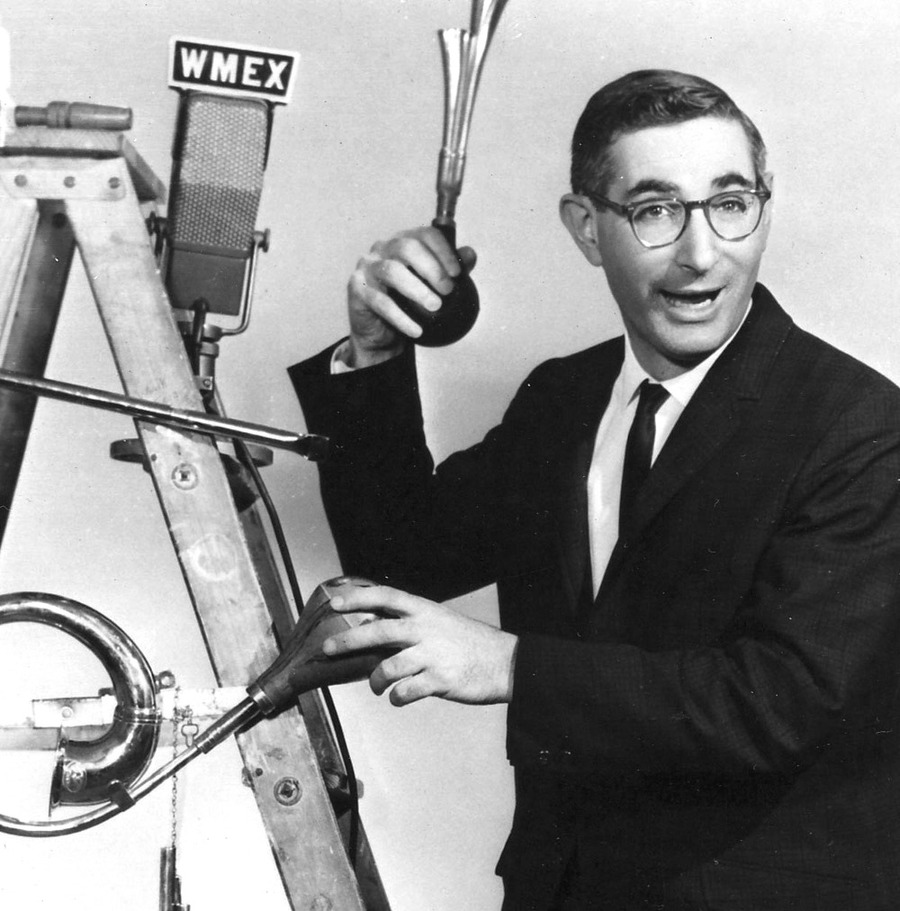
Arnie Ginsburg
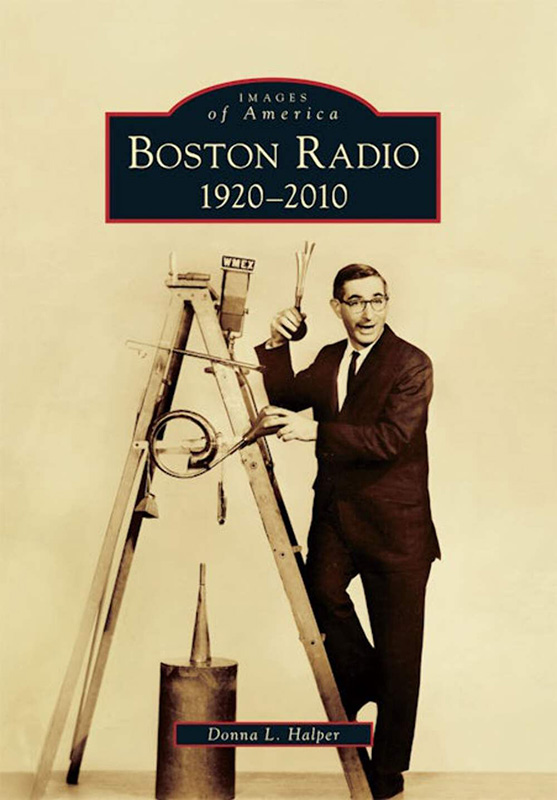
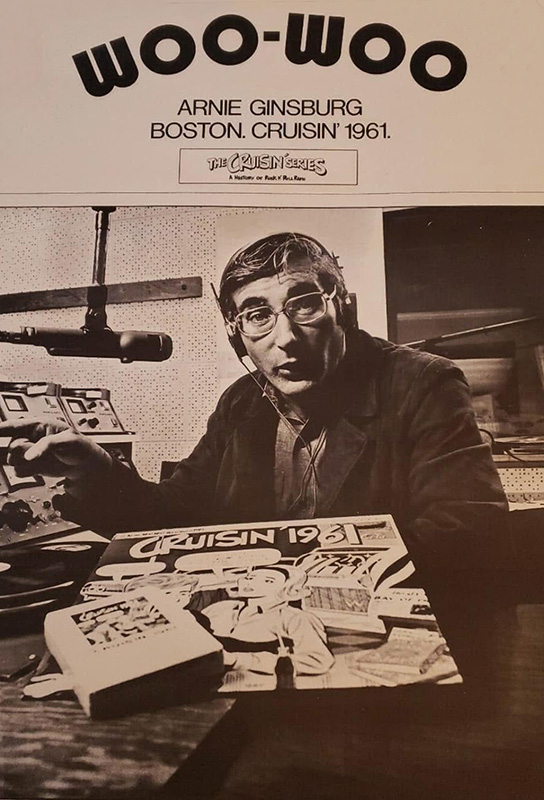
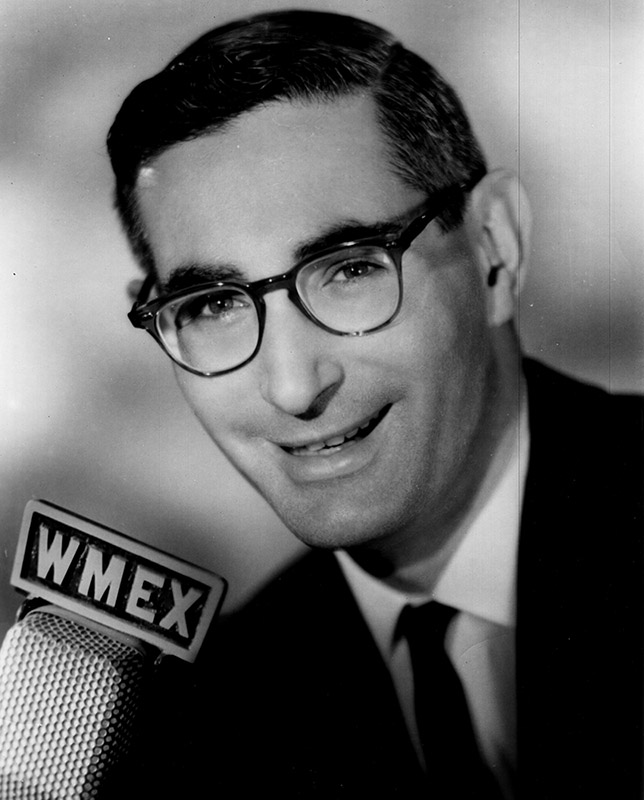
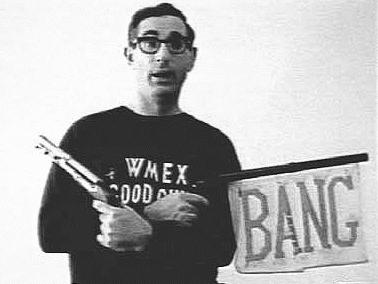
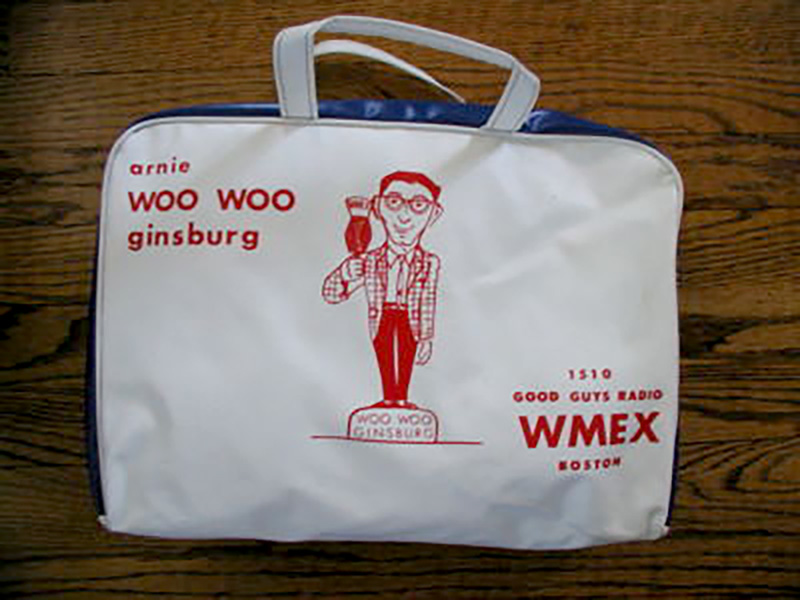
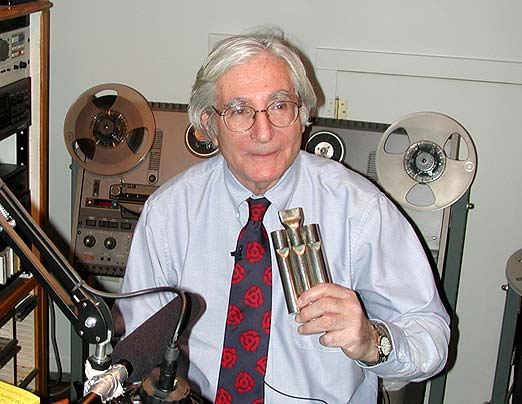
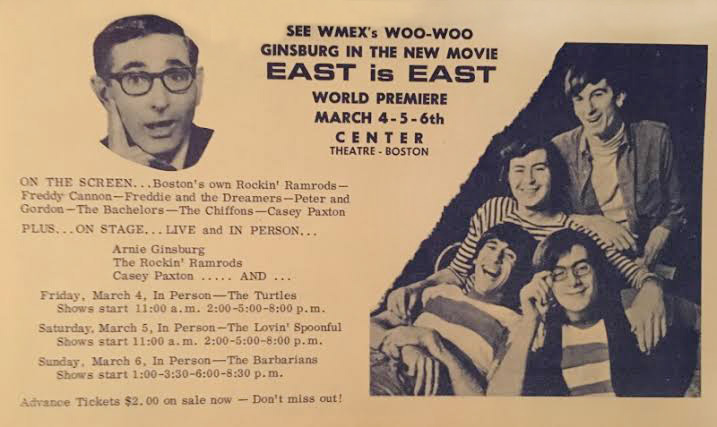
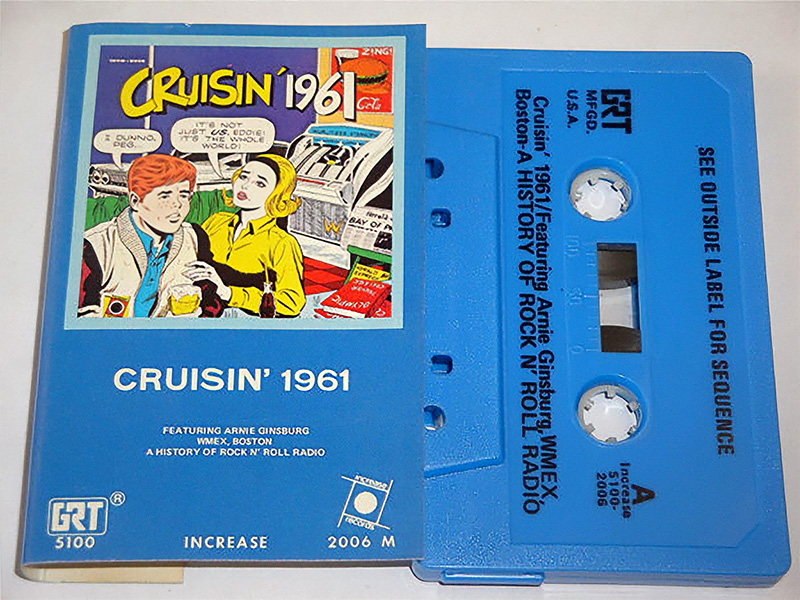
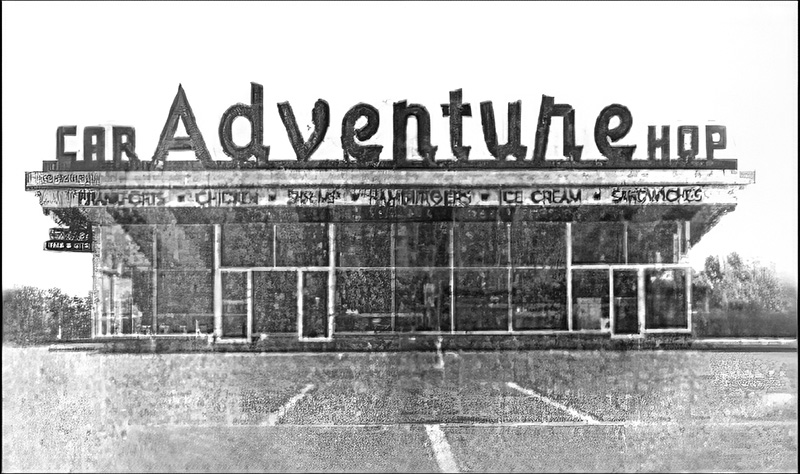
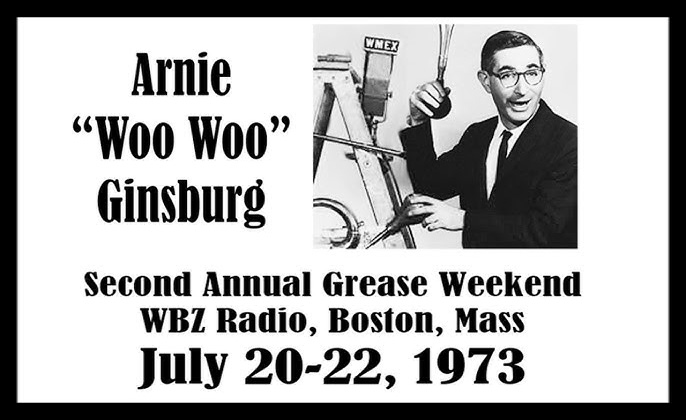
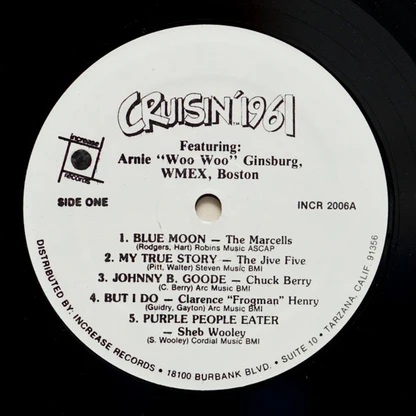
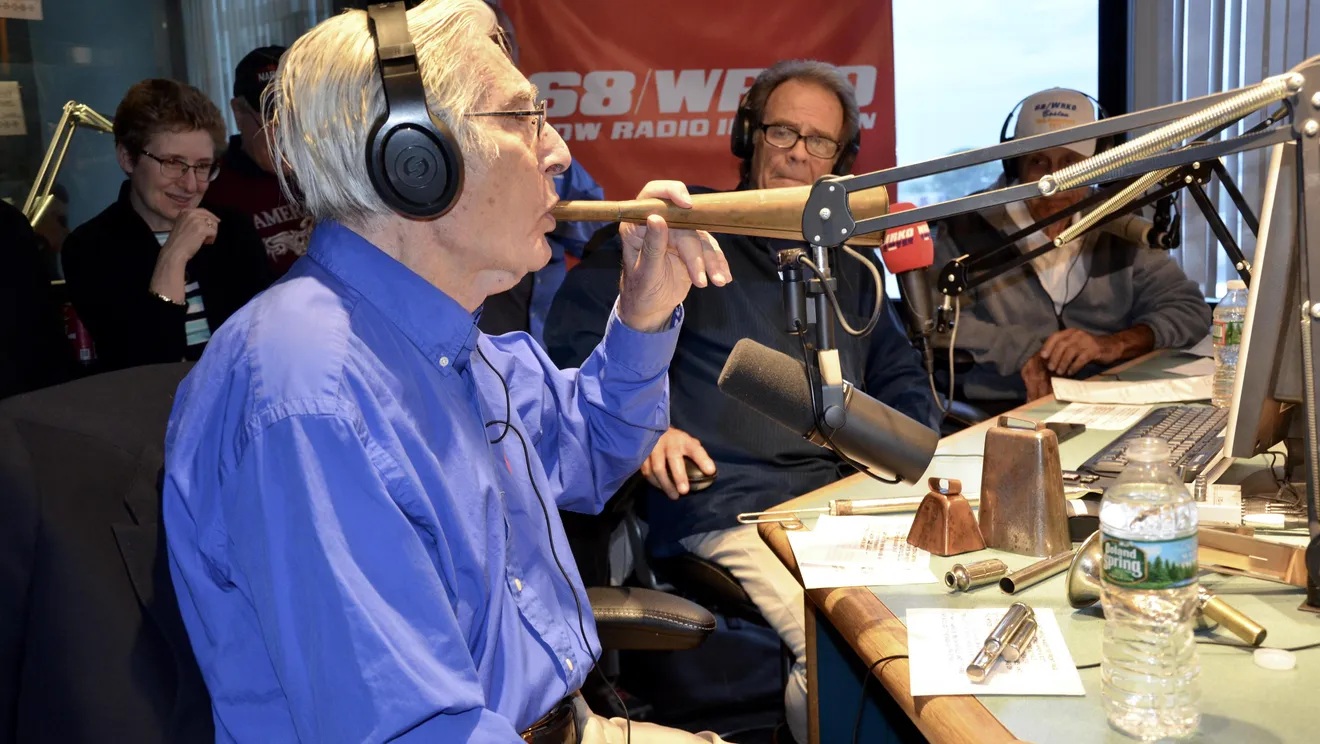
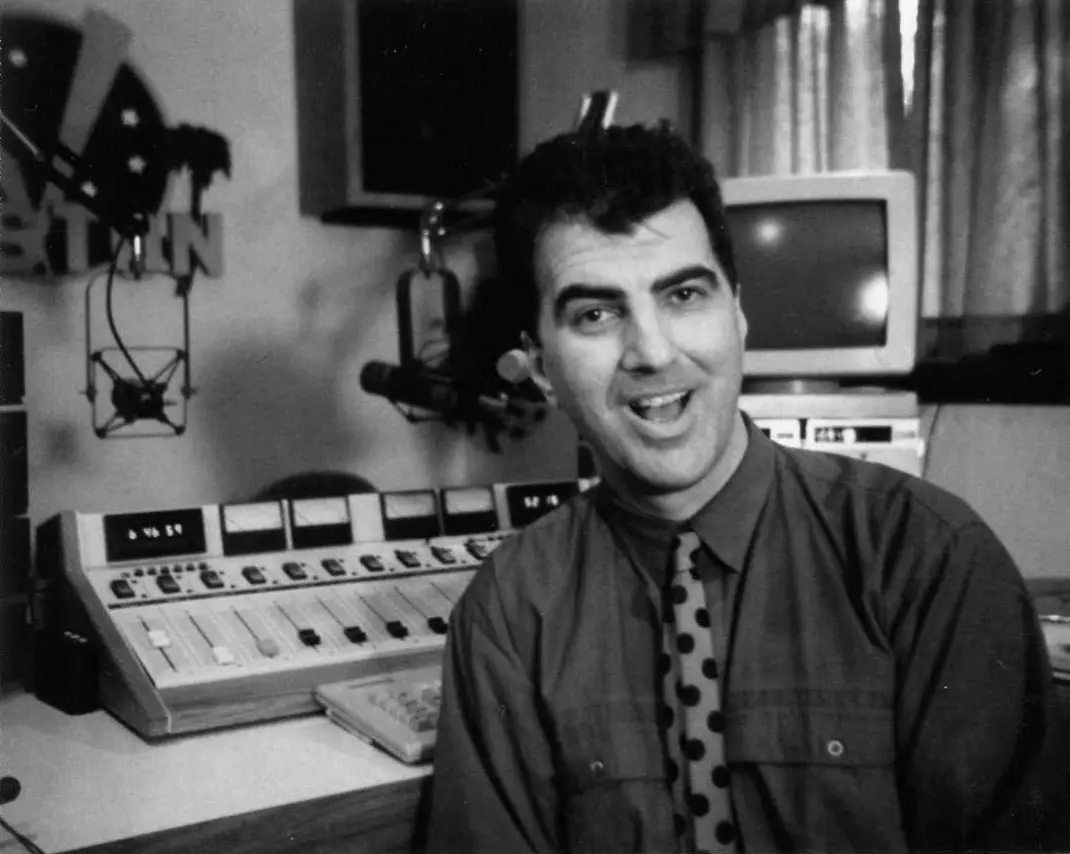
Woo-woo! From the late 1950s through the mid-1960s, that sound meant one thing for radio listeners in and around Boston: It was time for Arnie Ginsburg’s Night Train show on WMEX. In addition to the train whistle sound that earned him his nickname, not to mention the dozens of other sound effects he employed, Ginsburg is fondly remembered for bringing his warmth and sense of humor to countless radio spots and in-person appearances – anyone remember “Ginsburgers” at Adventure Car Hop? – and for playing top-40 singles on several of Boston leading stations.
RADIO BEGINNINGS, WORL, WBOS, WMEX
Born Arnold William Ginsburg on August 5, 1926, the legendary radioman grew up in Brookline, Massachusetts and developed a fascination for radio at a young age. By the time he turned eight, he’d built his very own short-wave radio, though he had no intention of ever becoming a disc jockey or on-air personality of any kind, as he said in many interviews over the years; instead, he saw his future as a technician and/or producer, largely because his voice lacked the rich timbre of standard announcers.
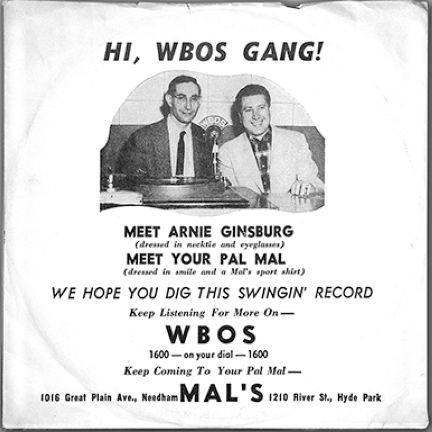
Ginsburg graduated from Brookline High School in 1944, and his first radio job was at the WORL-AM as an engineer for announcer Alan Dary. After sitting in with Dary on the air and receiving positive feedback from listeners and station management, he realized that being behind the microphone might be a viable option after all; he started his on-air career at WBOS in 1956, then moved to WMEX in 1958, quickly becoming one of the stations most listened-to and in-demand figures.
Ginsburg’s rise to the top of Boston’s radio scene coincided with three significant cultural factors: first, the rise of the American teenager thanks to the Baby Boom that began in 1946; second, the rapid growth of rock ‘n’ roll’s popularity between the early and late ‘50s; third, the emergence of the new genre’s first superstar, Elvis Presley, whose early singles Ginsburg spun frequently. Unlike many deejays at the time, he had complete control over what records he spun, which often resulted in him playing the role of tastemaker, both locally and nationally.
BREAKING “LOUIE LOUIE,” SURF BALLROOM “RECORD HOPS”
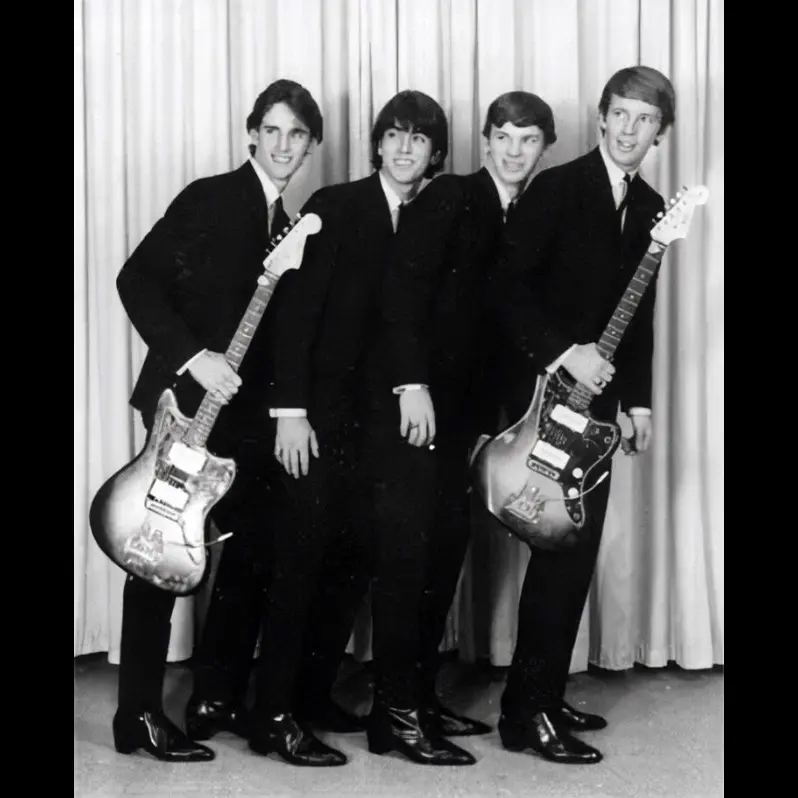
One example of his influence came in October 1963, when Ginsburg unintentionally popularized what’s now one of rock ‘n’ roll’s most famous anthems, The Kingsmen’s rendition of “Louie, Louie.” The band’s drummer, Dick Peterson, once explained how Ginsburg promoted the tune in an extremely unconventional and unexpected way. “He put us on his show in Boston [which] had a huge following,” he said. “And he put us on as part of the ‘Worst Record of the Week’ segment. He had a contest every night – people could rate a record. To win, the audience had to vote for your record as the ‘worst’ record. Then, you stayed on and took on the next ‘worst’ record. And “Louie Louie” won over and over to the point where it started becoming popular.” When the song reached #2 in the Billboard Hot 100 in mid-December ‘63, Ginsburg acknowledged his role. “I was one of the first to play it, so it kicked off in Boston,” he told The Boston Globe.
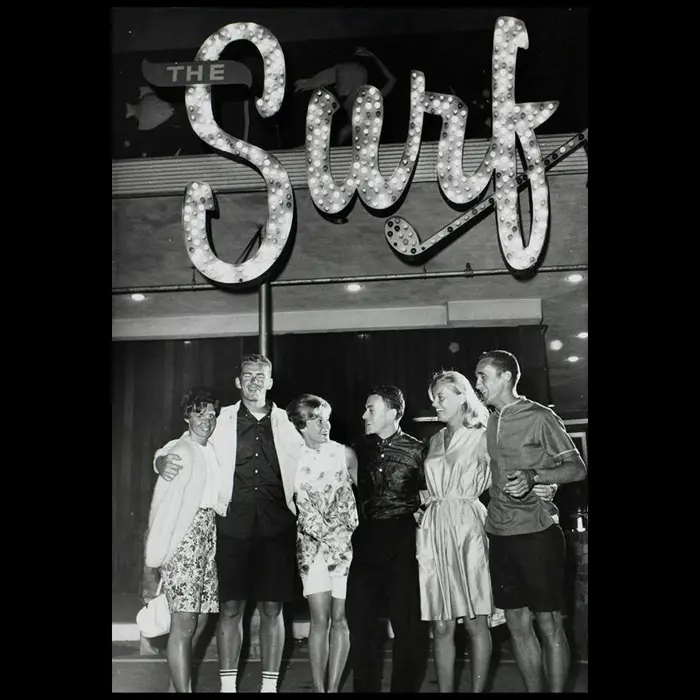
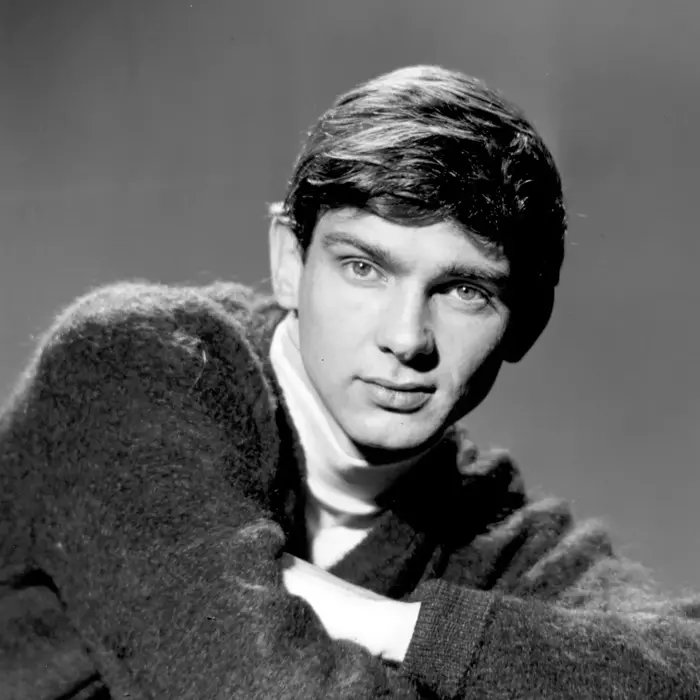
In addition to his wildly popular radio show, Ginsburg hosted “record hops” at the Surf Ballroom on Nantasket Beach on Friday nights, introducing acts such as Frankie Avalon, Gene Pitney and local garage bands like The Rockin’ Ramrods to enthralled audiences. The events remain in the hearts of countless rock ‘n’ roll fans of a certain generation from across New England.
WRKO, WBCN, WVJV-TV, V-66
After a brief stint at WRKO in 1967, Ginsburg shifted to the business side of radio broadcasting, working in sales at that station before becoming general manager of WBCN (in 1970) and WWEL (in 1972). In 1973, he joined WBZ, where he hosted a Saturday night oldies show, and in 1979 he became a partner at WXKS-FM (“Kiss 108”), which adopted a disco format that year.
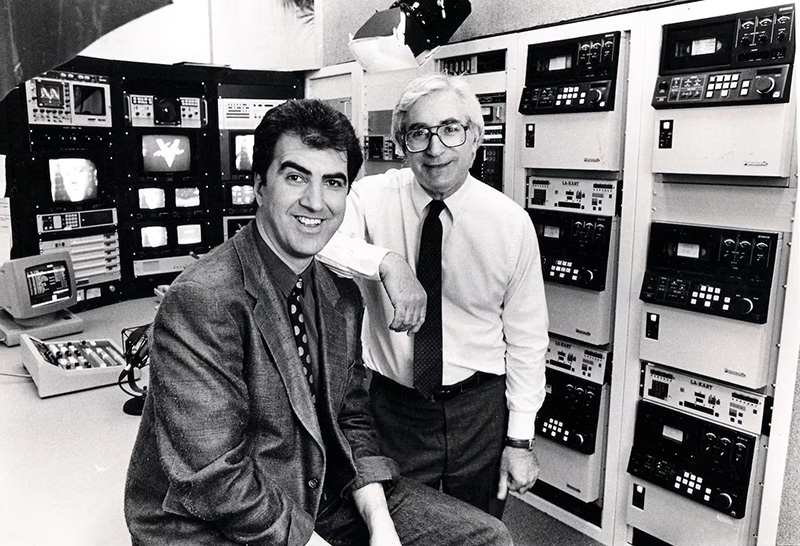
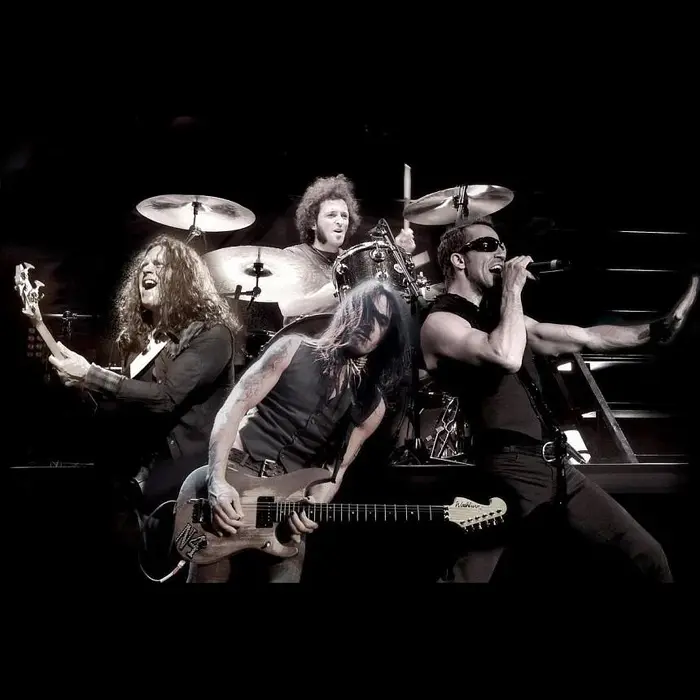
His career came full circle in 1985, when he introduced a new generation of teens to both classic rock and new wave after he and John Garabedian launched the music-video channel V-66 on WVJV-TV (“the Beat of Boston!”), mixing national acts’ videos with ones from Boston-area favorites like Aimee Mann and Gary Cherone in hopes of competing with MTV, which debuted four years earlier (in August 1981).
RETIREMENT, BROADCASTERS HALL OF FAME, DEATH, LEGACY
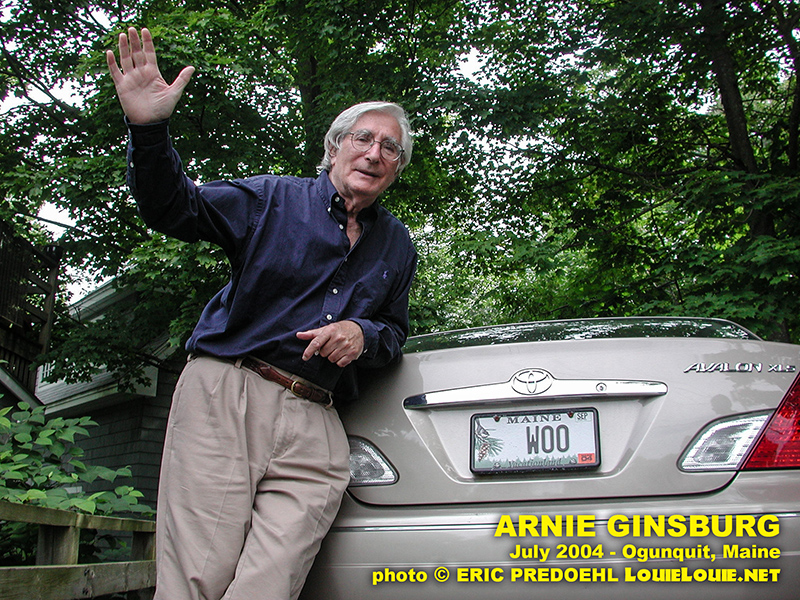
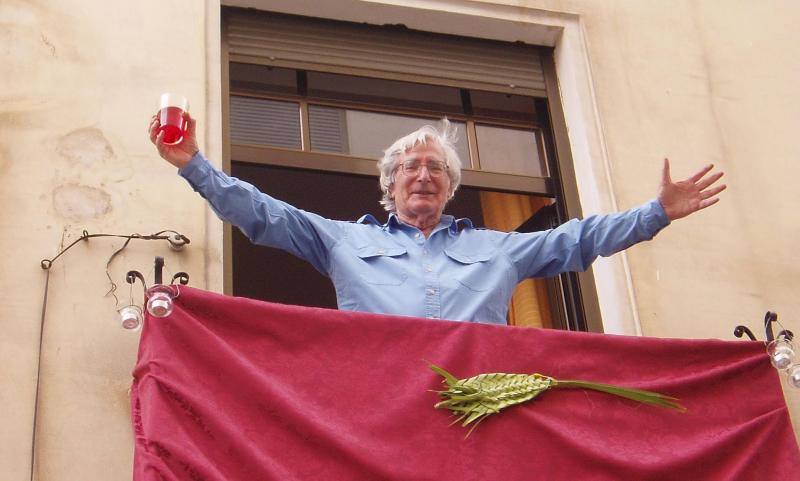
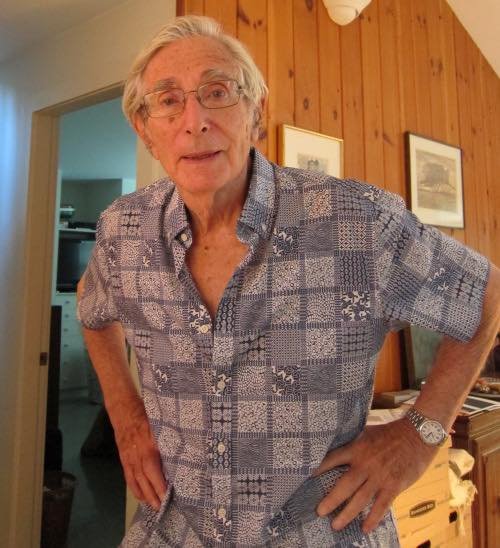
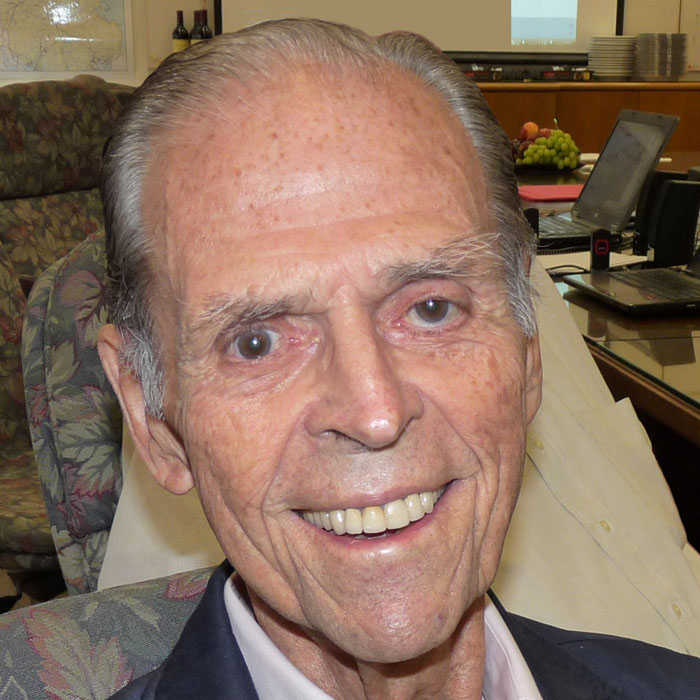
Ginsburg retired in 1986 and moved to Ogunquit, Maine with his longtime partner, Carlos Alberto Vega, a professor of Spanish at Wellesley College; they married in 2016. He was inducted into the Massachusetts Broadcasters Hall of Fame in 2008 and died on June 26, 2020 at age 93 of Alzheimer’s disease.
“He firmly believed that people are good and that they just need to know each other more,” Vega wrote in an obituary. “Arnie’s first love was radio, but for most of his life, it wasn’t so much being on the air – something for which he was most famous – as it was understanding how radio worked and how it could be used to enrich lives.” Ginsburg was a broadcasting success because “he was himself,” Vega wrote, adding the following adjectives to describe the man he loved: “Goofy, witty, funny, irreverent, daring, spontaneous, upbeat, optimistic.”
(by Stephen Haag)