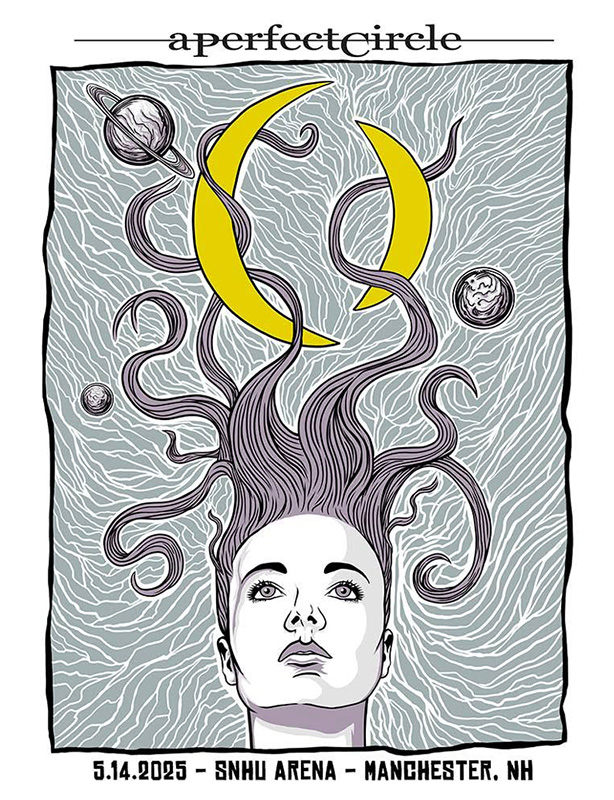
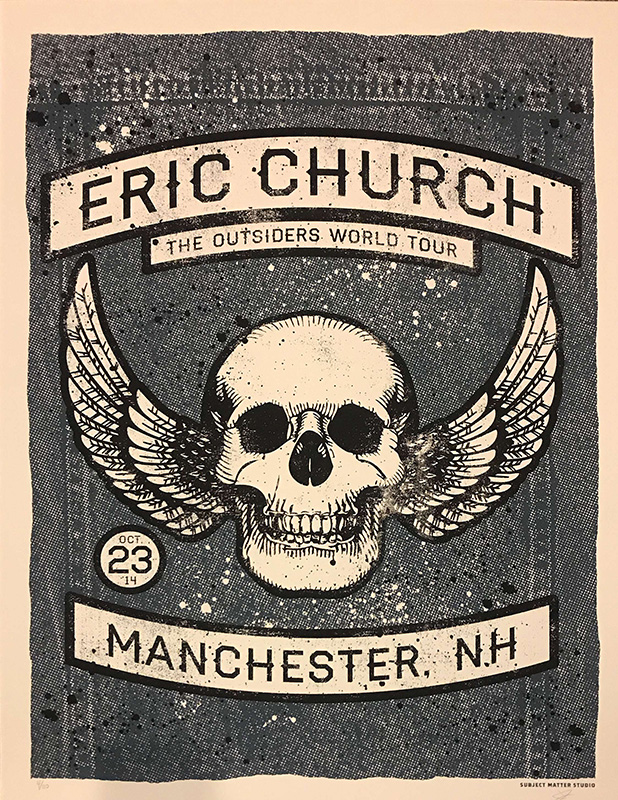
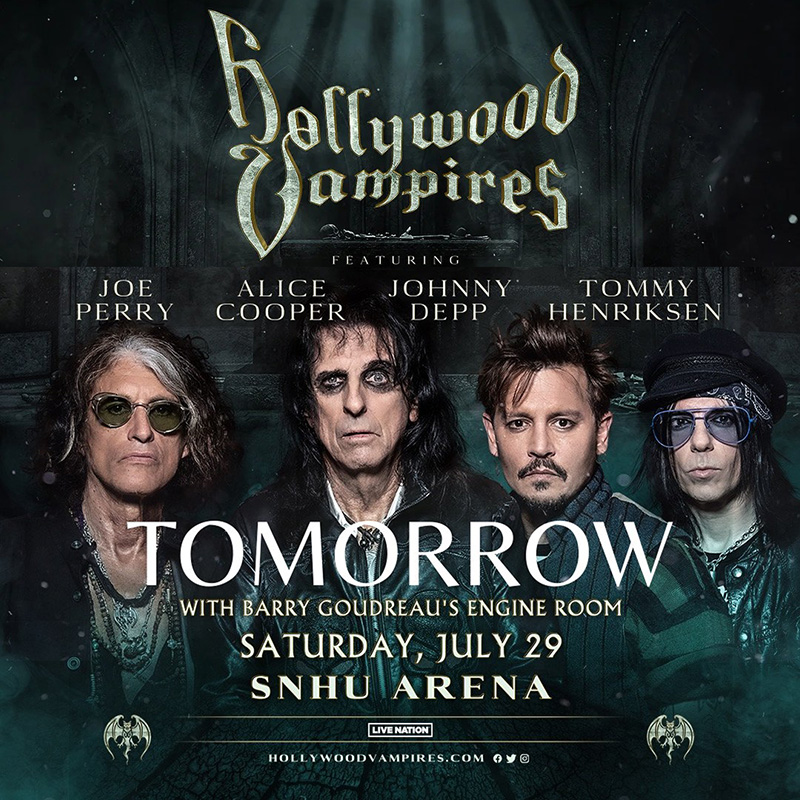
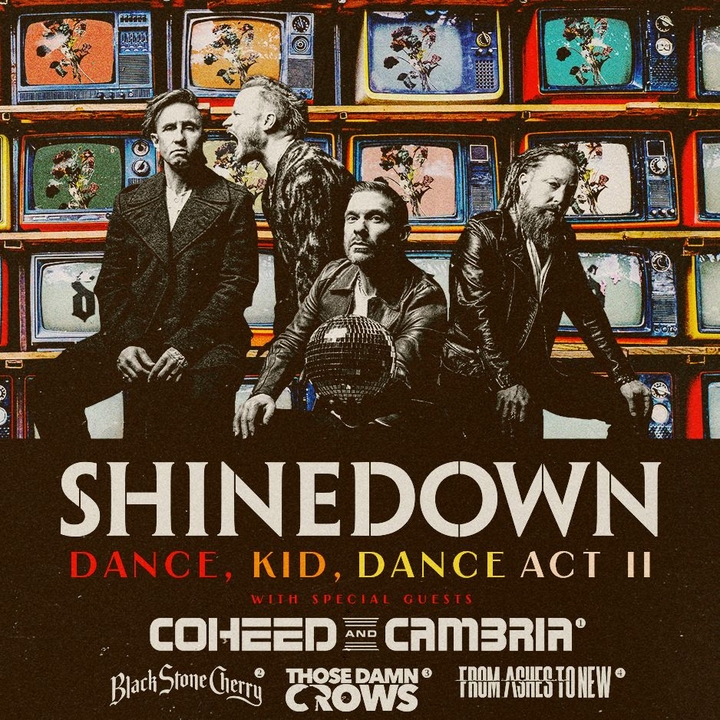
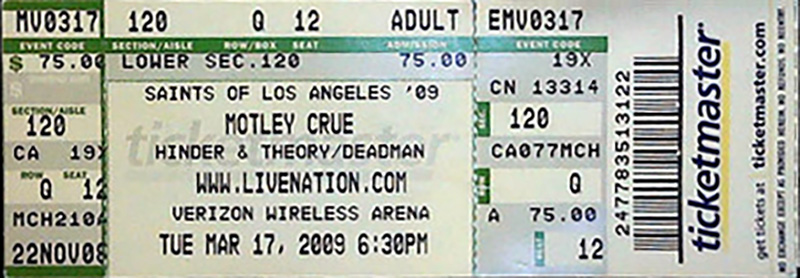
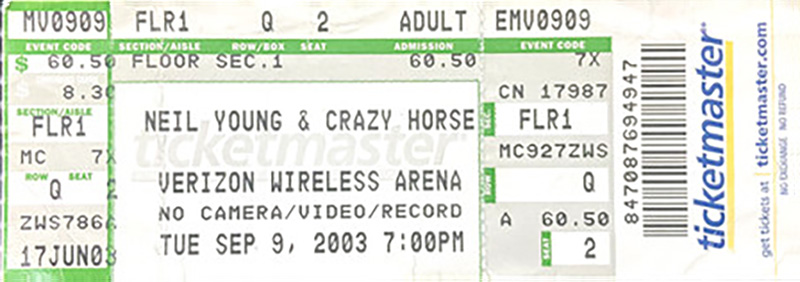
Verizon Wireless Arena / SNHU Arena
SNHU Arena
Which New Hampshire venue has hosted David Bowie, Elton John, Rod Stewart, Paul Simon, Bob Dylan, The Who, Steely Dan, Fleetwood Mac, Aerosmith and Boston – all since 2001? Most people wouldn’t have a clue, and lots would think it’s a trick question, but music-loving folks in the Granite State would likely guess that it’s one of two well-known spots: BankNH Pavilion in Gilford or SNHU Arena in Manchester, the latter being the correct answer.
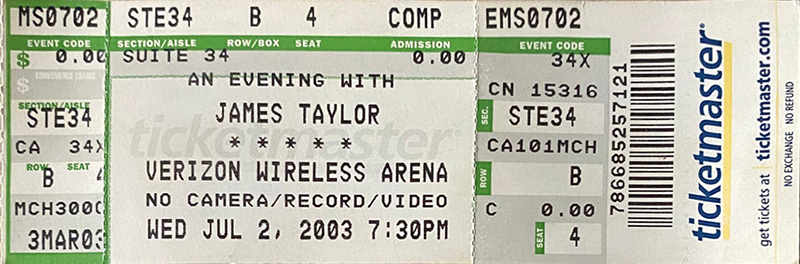
While both venues have presented a doubly impressive collection of regionally, nationally and internationally acclaimed solo artists and bands, SNHU has drawn more megastars than BankNH since “ManchVegas,” as Manchester’s known, has a much bigger population than Gilford (about 118,000 compared to about 8,000), is far closer to Boston (about 55 miles compared to about 100), and the arena has 30% more capacity than BankNH Pavilion (11,770 compared to BankNH’s 9,000). Some household names have taken the stage at both, among them Willie Nelson and James Taylor, but the economics of the multibillion-dollar beast called “the American concert biz” dictate that size matters, as does proximity to a major metropolitan area.
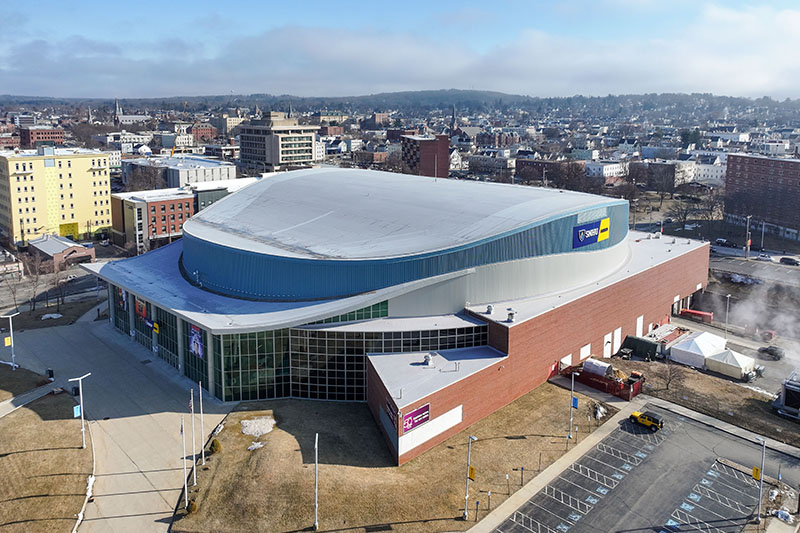
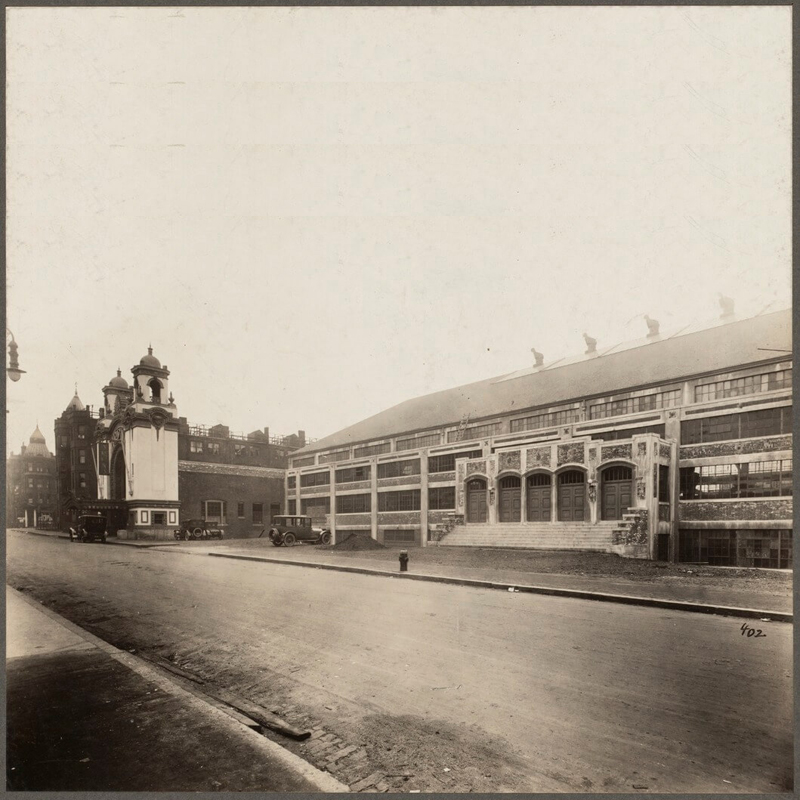
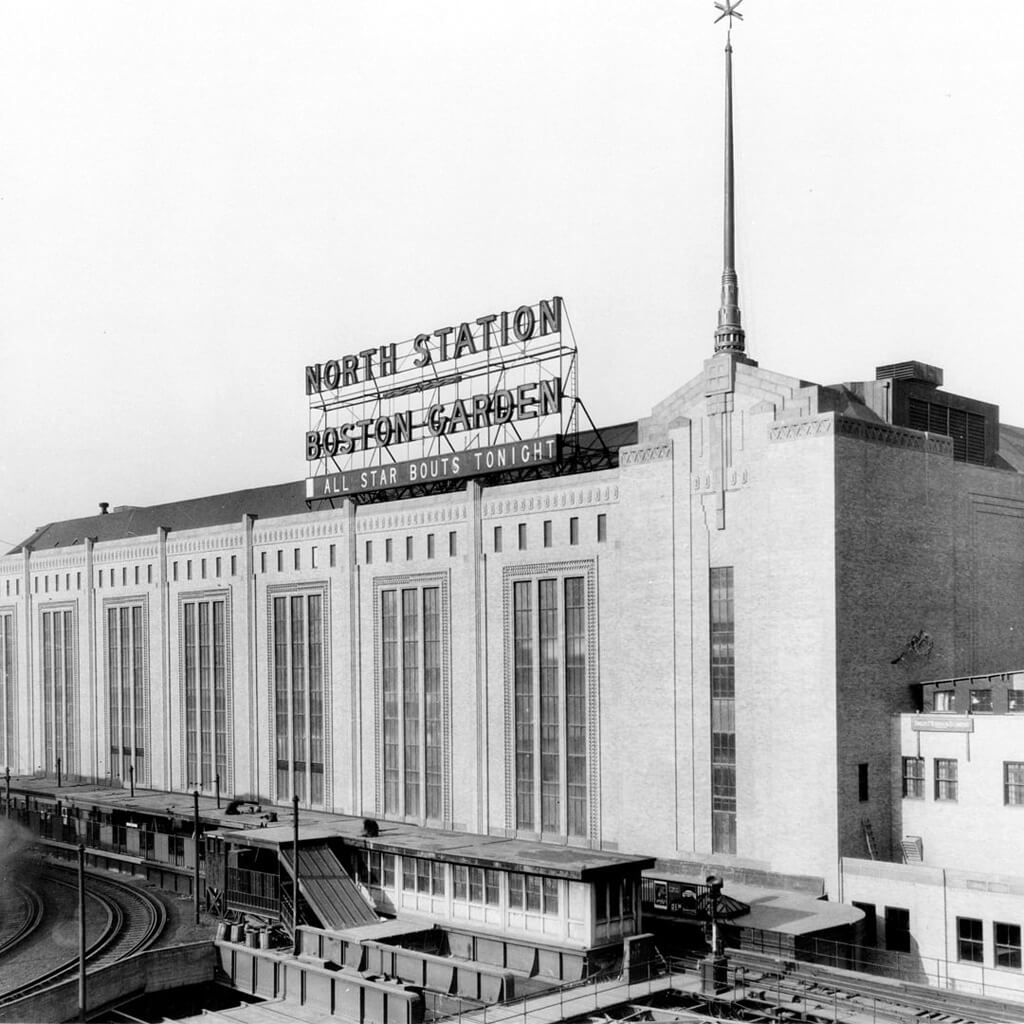
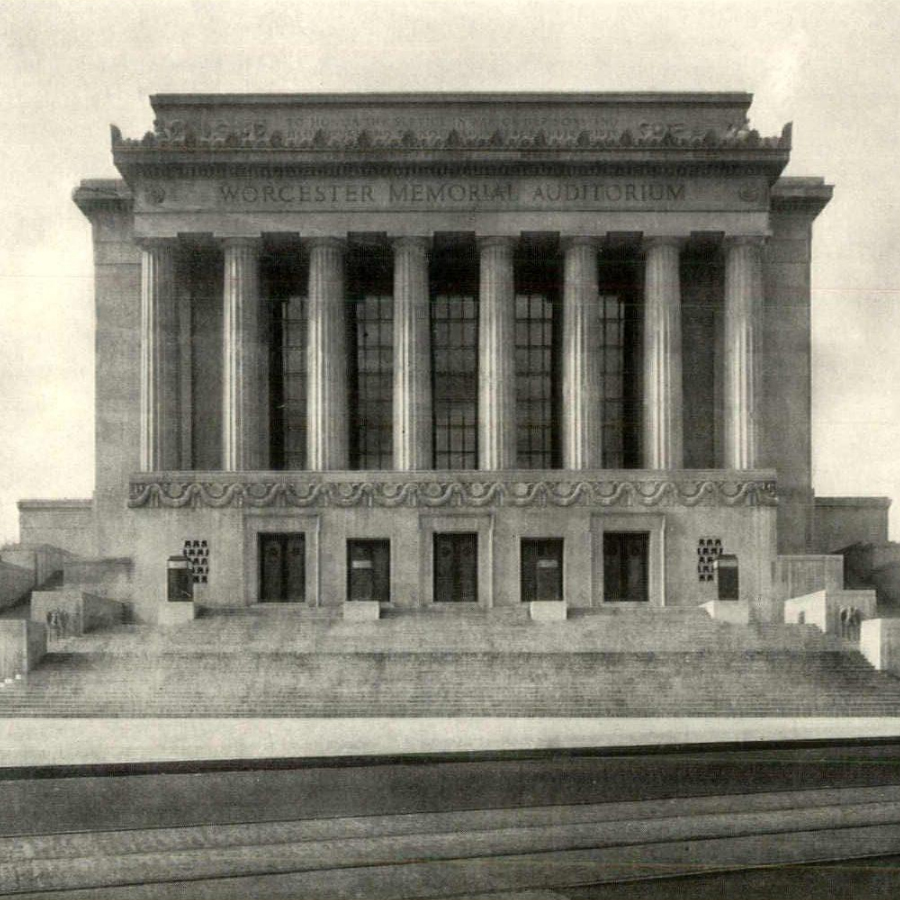
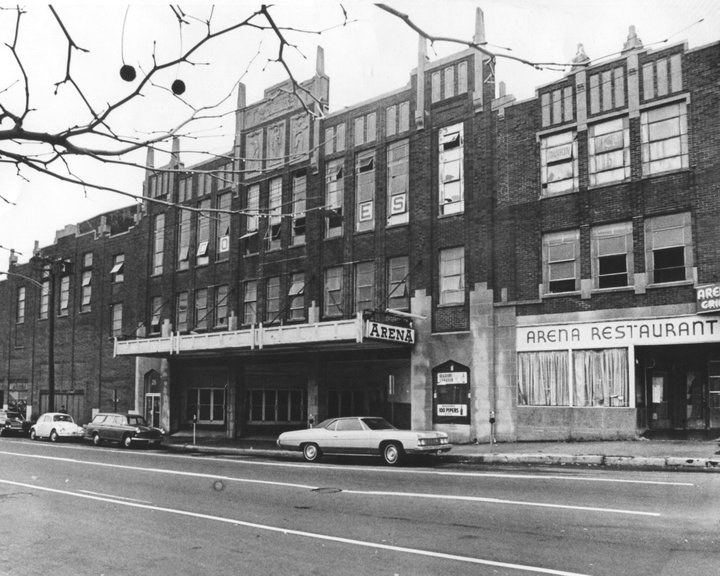
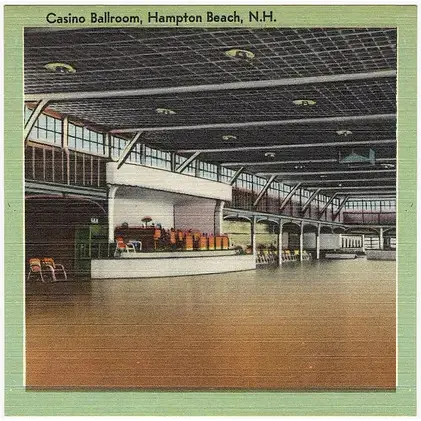
Called Verizon Wireless Arena until early 2016, when Southern New Hampshire University acquired the naming rights, SNHU Arena is the largest multipurpose facility in New Hampshire and the fifth largest in New England. While it lacks the storied history of much older arenas in the region like Amica Mutual Pavillion, DCU Center, PeoplesBank Arena, MassMutual Center and Cross Insurance Arena – not to mention long-gone-but-legendary ones such as Boston Arena, Boston Garden, Cape Cod Coliseum, Worcester Memorial Auditorium, New Haven Arena and New Haven Veterans Memorial Coliseum – it’s established itself as a significant part of the area’s acoustical panorama, like an historic space some 35 miles south of Manchester, Hampton Beach Casino Ballroom.
OPENING, DESIGN, DEBUT EVENT
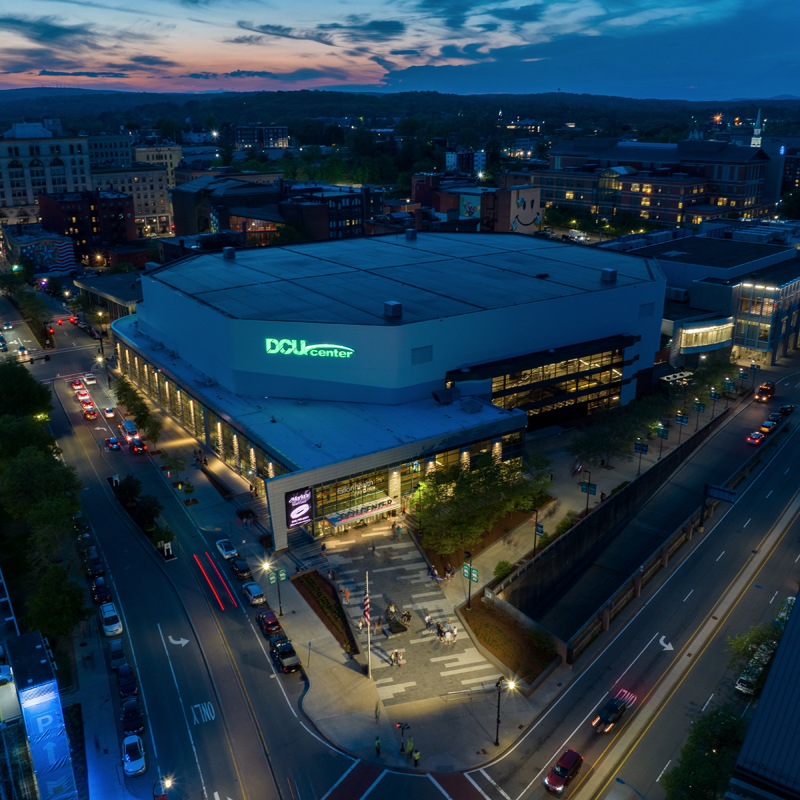
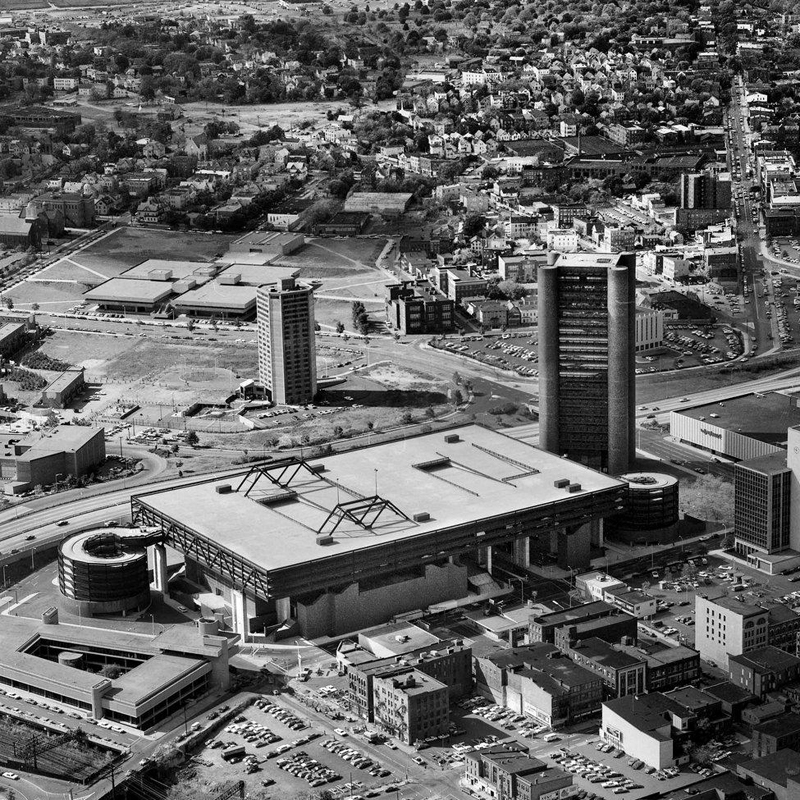
Owned by the City of Manchester, the venue was called Manchester Civic Arena in the planning and construction phases but opened as Verizon Wireless Arena in November 2001 since Verizon had acquired the naming rights by then. Built on the site of a former Zayre department store on Elm Street (US Route 3), its exterior is extremely unique compared to other arenas in New England and elsewhere, featuring a distinctive blue roof, the curve of which helps snow slide off. Its main entrance is entirely glass, a massive steel oval sits on the top half of its façade and, in tribute to Manchester’s mill-town heritage, the lower half of the building is red brick.
The grand opening was on November 15, 2001 and the debut event, held the following day, was a game between the American Hockey League’s Manchester Monarchs and Lowell Lock Monsters. The Monarchs made the arena their home ice until 2015, the University of New Hampshire men’s hockey team plays there occasionally and the Boston Celtics have used it for preseason games. Other events have included football, boxing, wrestling, bull riding, monster truck and robotics competitions, political conventions and commencement ceremonies. Political figures including Hillary Clinton, Barack Obama and Donald Trump have delivered campaign speeches at SNHU and comedian-actor Adam Sandler, who moved to Manchester from Brooklyn at age six and graduated from Manchester High School Central, has made three graduation speeches from its stage.
FIRST CONCERT, EARLY 2000S APPEARANCES
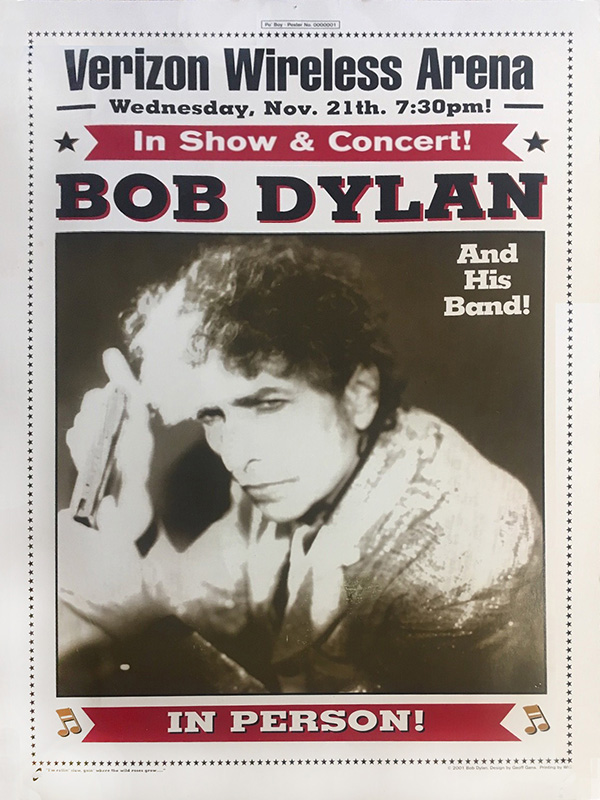
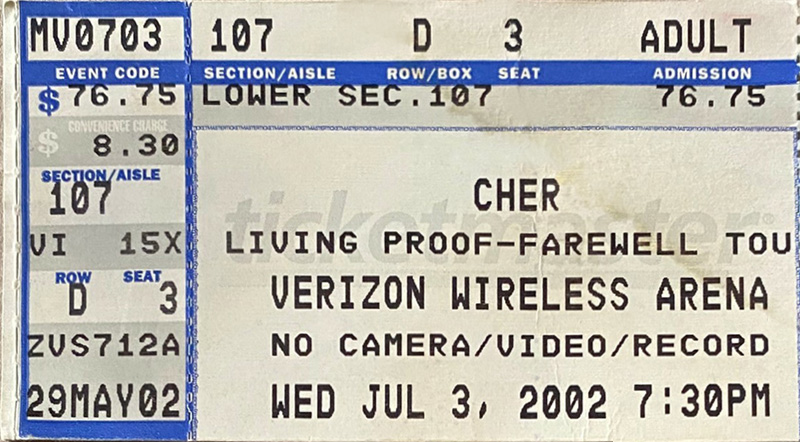
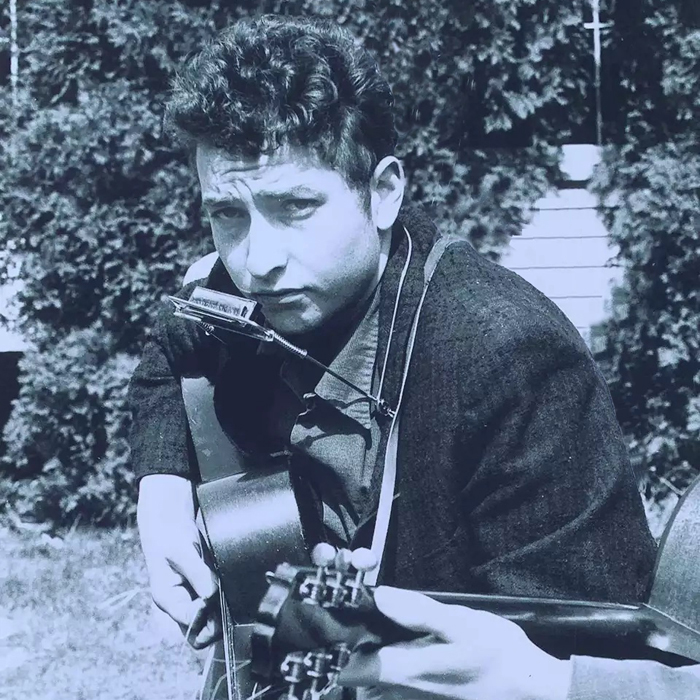
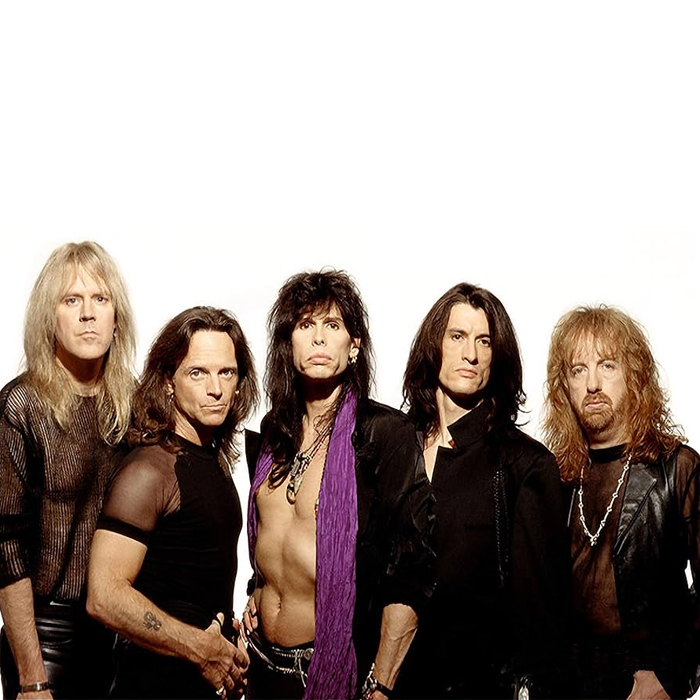
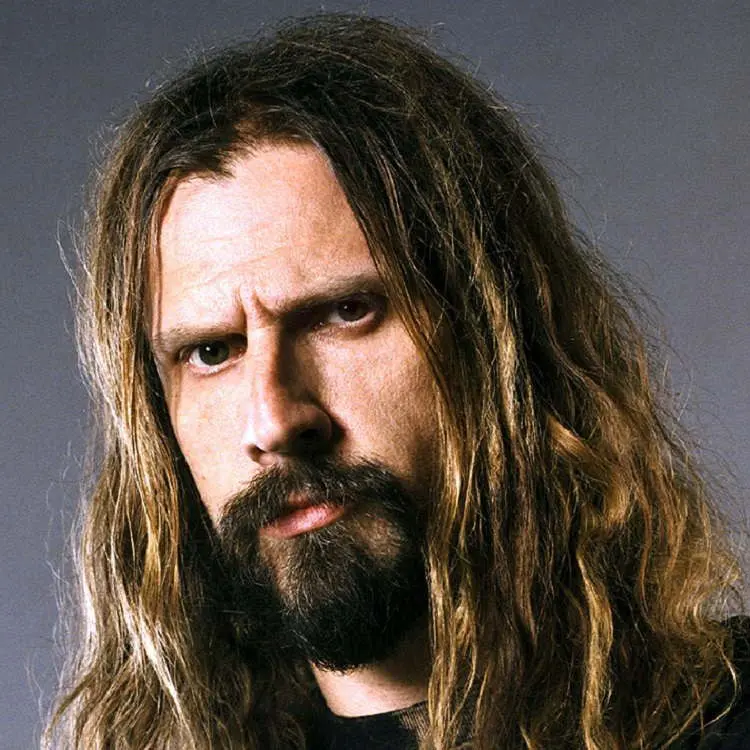
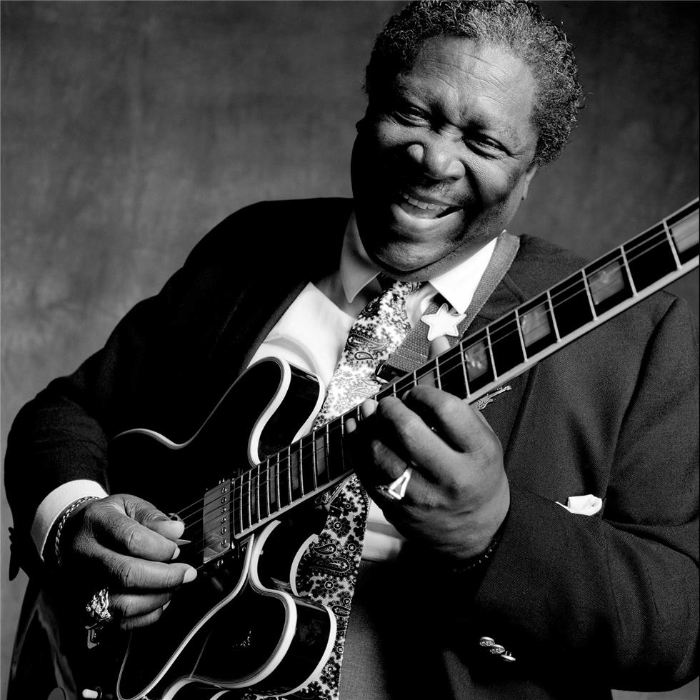
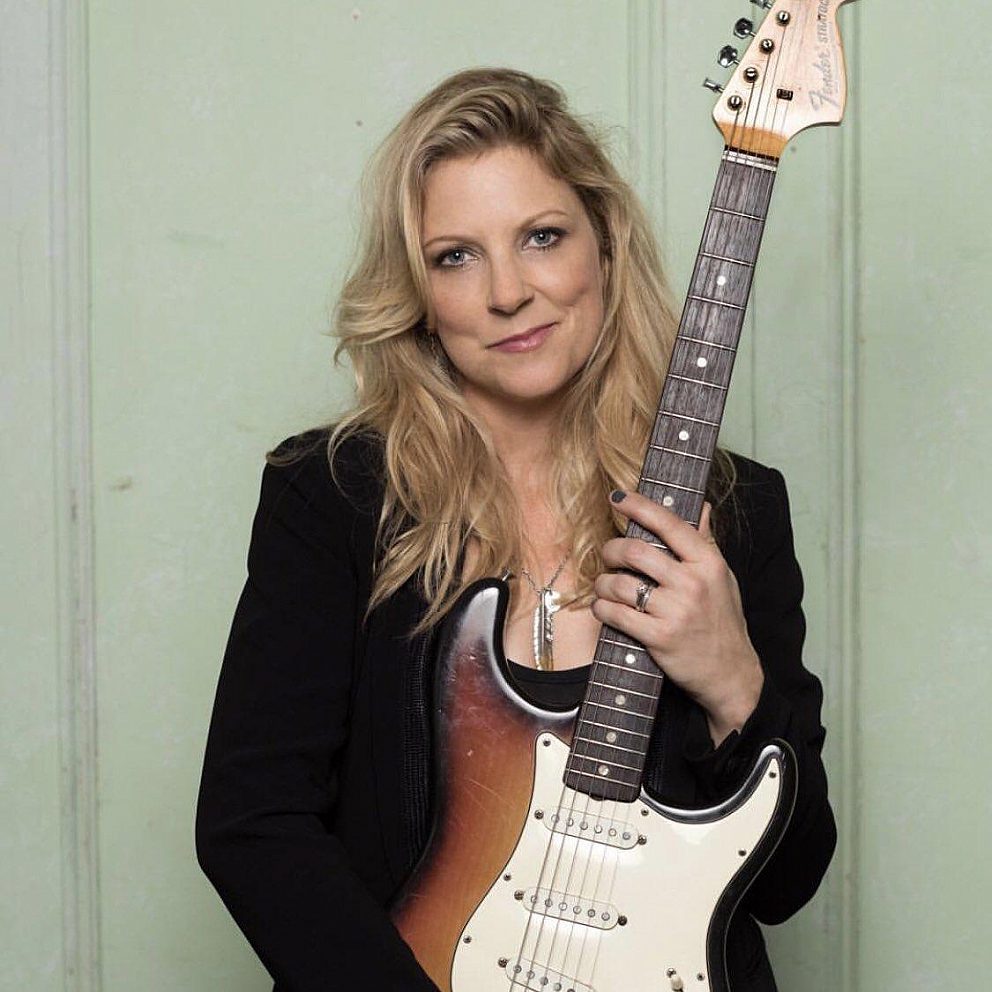
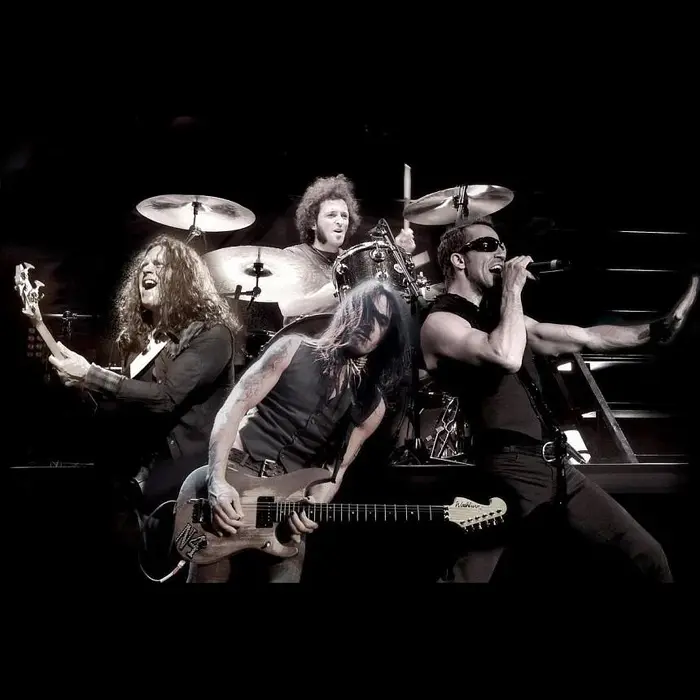
On November 17, 2001, Aerosmith became the first musical act to headline at the new venue, though The Cult was the first band to take the stage since they opened the show. By the end of the year, the arena had established itself as a top stop for living legends, hosting Bob Dylan and Elton John later in November and Ozzy Osbourne in December (with openers Mudvayne and Rob Zombie). The hits kept coming in the first half of 2002 with appearances by acts as diverse as Barry Manilow, Tom Petty & The Heartbreakers, Willie Nelson, Cyndi Lauper, The Brian Setzer Trio and Winger; the second half included shows by Rush, Neil Diamond, The Fabulous Thunderbirds, Kenny Rogers, Korn, Susan Tedeschi and B.B. King.
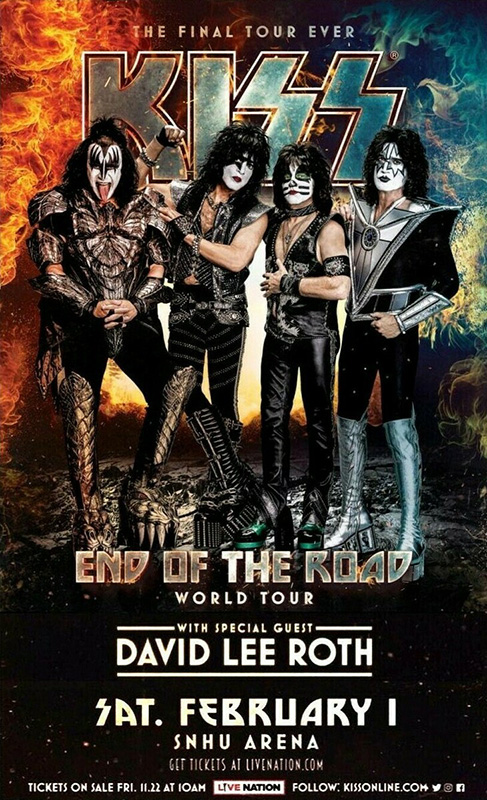
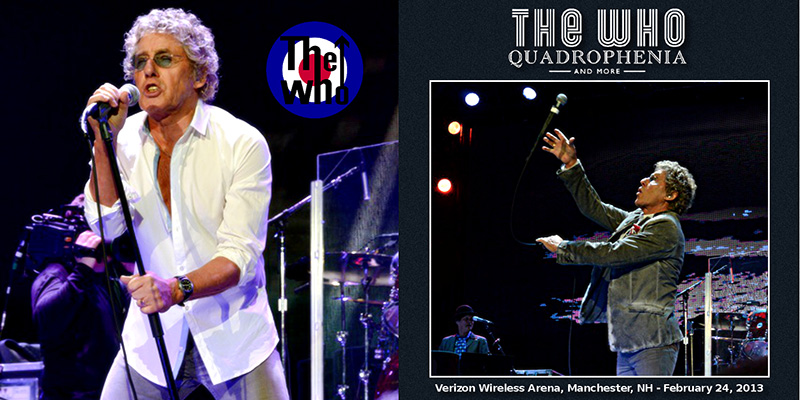
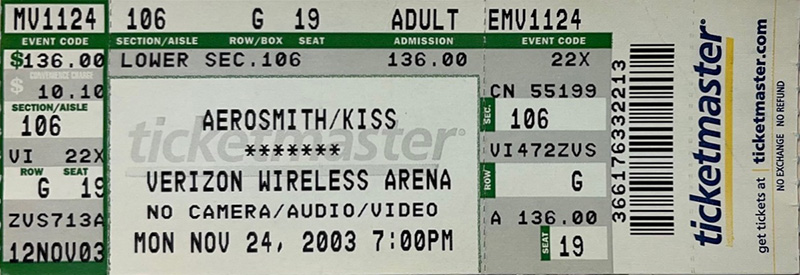
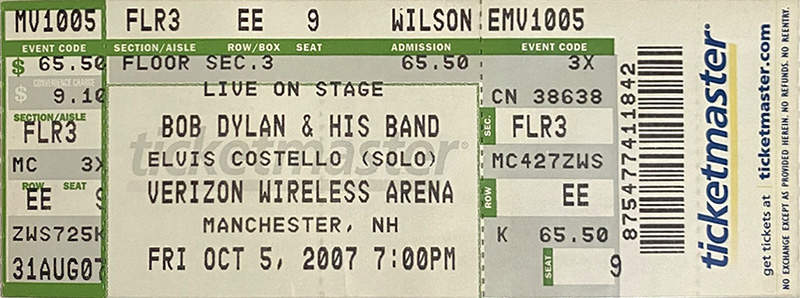
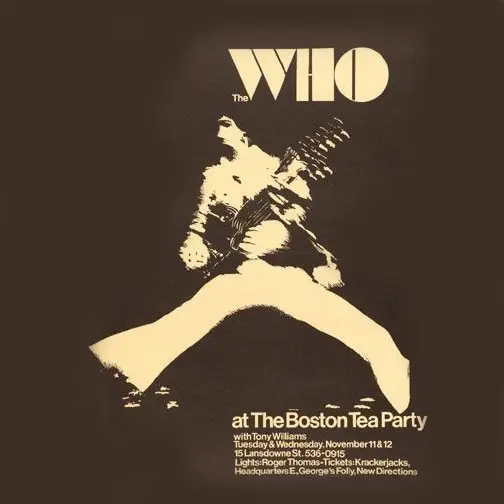
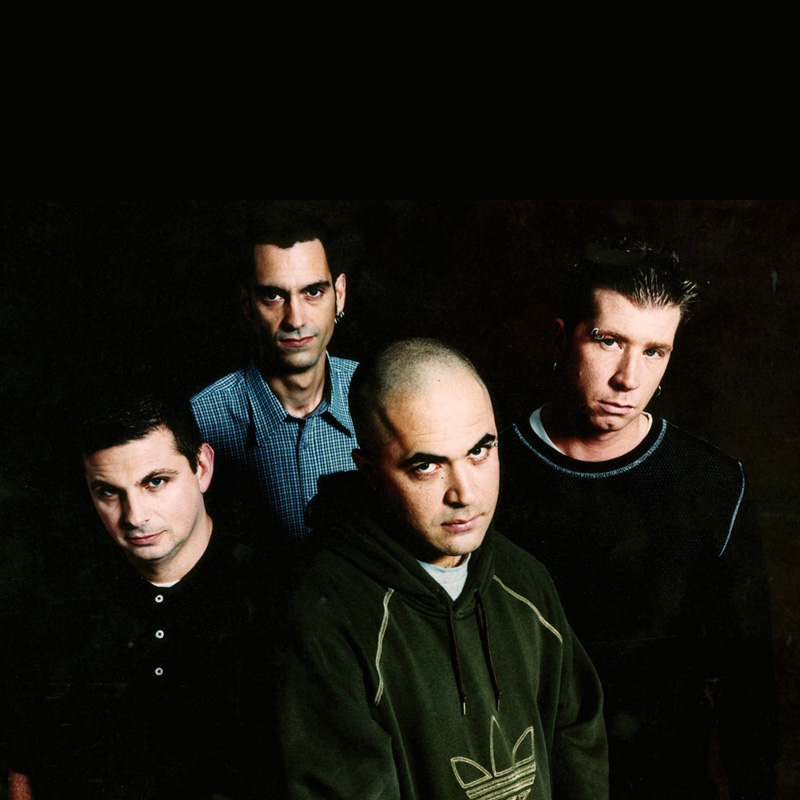
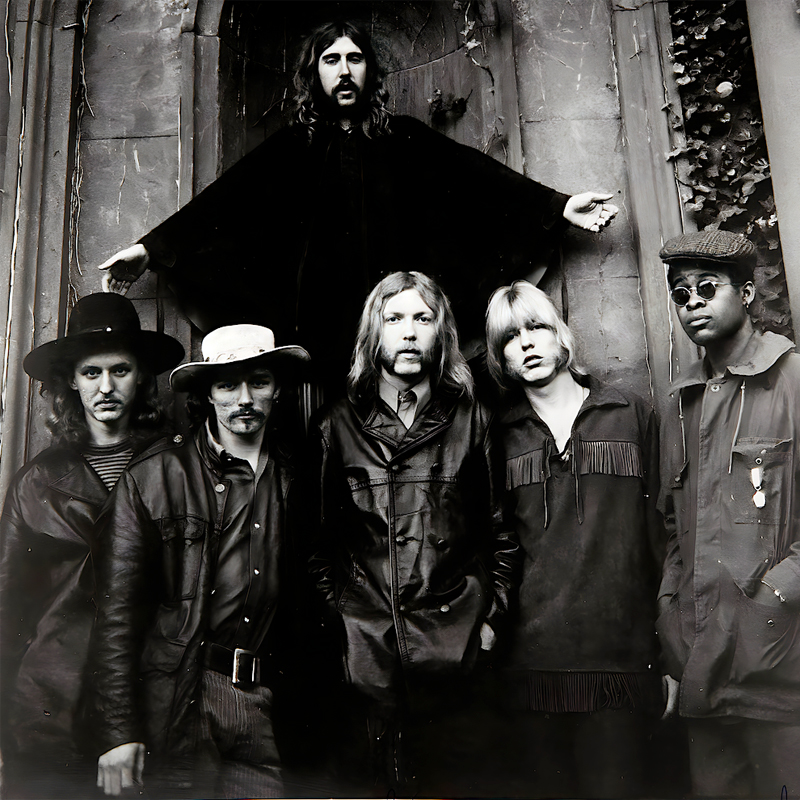
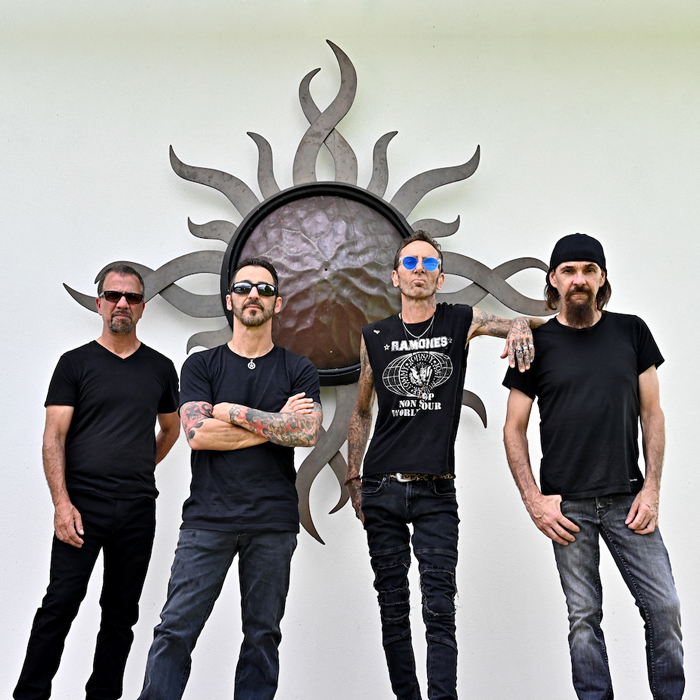
Among the acts that took the stage in 2003 and 2004 were The Eagles, Taylor Swift, KISS, Neil Young, Steely Dan, Vince Gill, Boston, Earth, Wind & Fire Hall & Oates, David Bowie and Staind. The roster between 2005 and 2015 continued to reflect a wide swath of genres, from classic rockers The Who, Fleetwood Mac and The Allman Brothers to pop sensations Justin Bieber, Christina Aguilera and Justin Timberlake, alt-rockers Nine Inch Nails, Green Day and Coldplay and country chart-toppers Dwight Yoakam, Keith Urban and Toby Keith. Among others were Snoop Dogg, Rod Stewart, Sting, Sheryl Crow, Michael Bublé, Avril Lavigne, Paul Simon, Bruno Mars, Van Halen, Journey, Elvis Costello, Phish and Godsmack.
NAME CHANGE, LATER 2000S APPEARANCES, COMMUNITY/STUDENT FOCUS
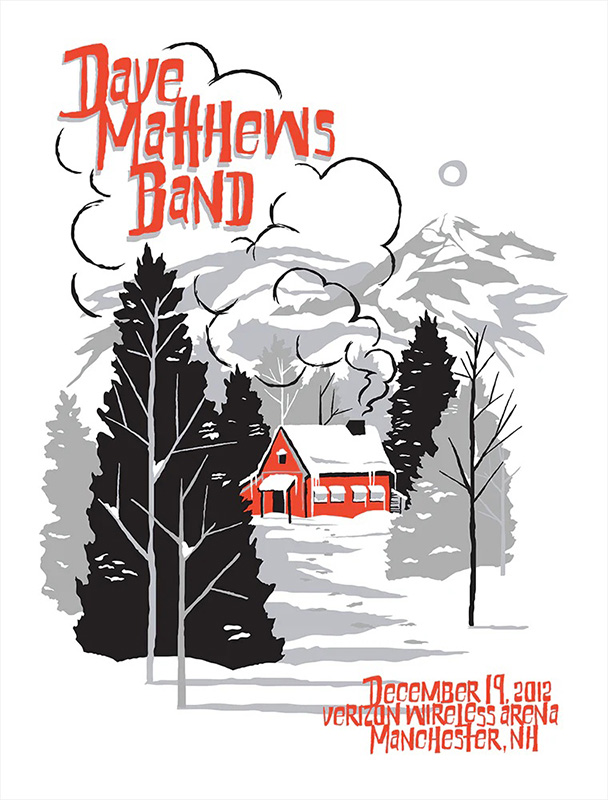
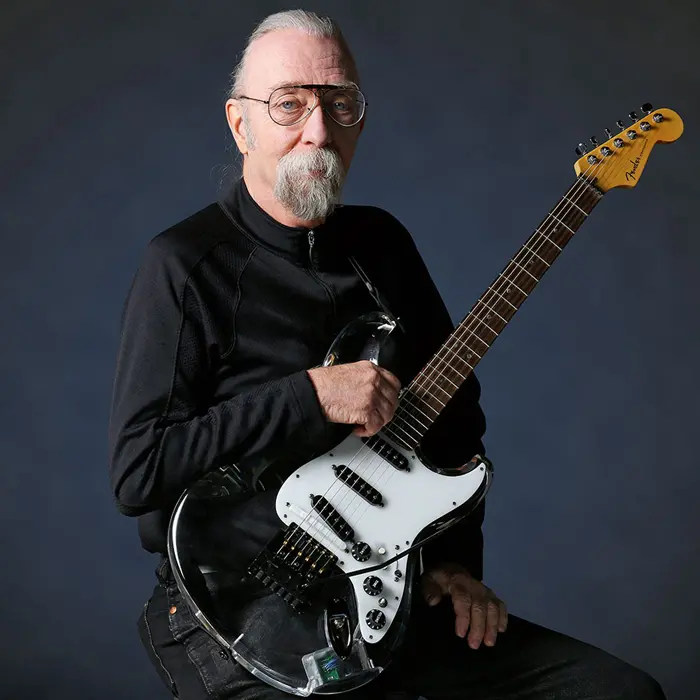
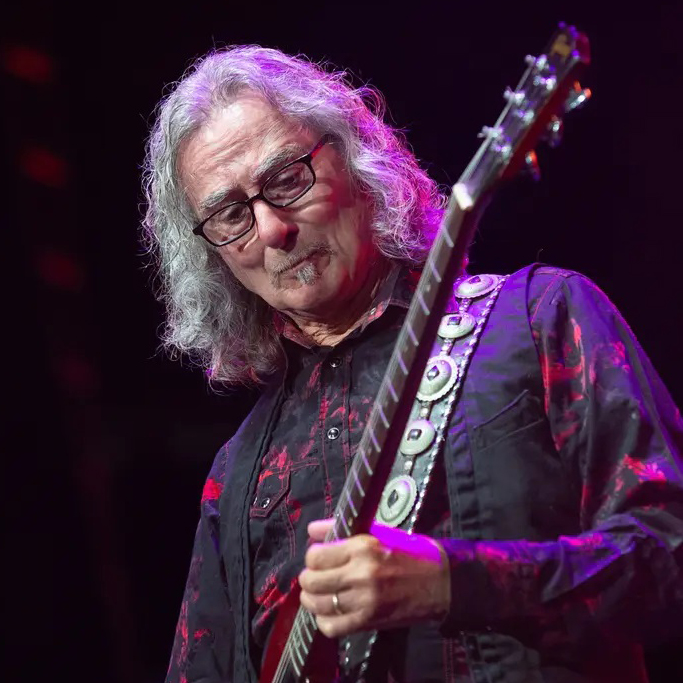
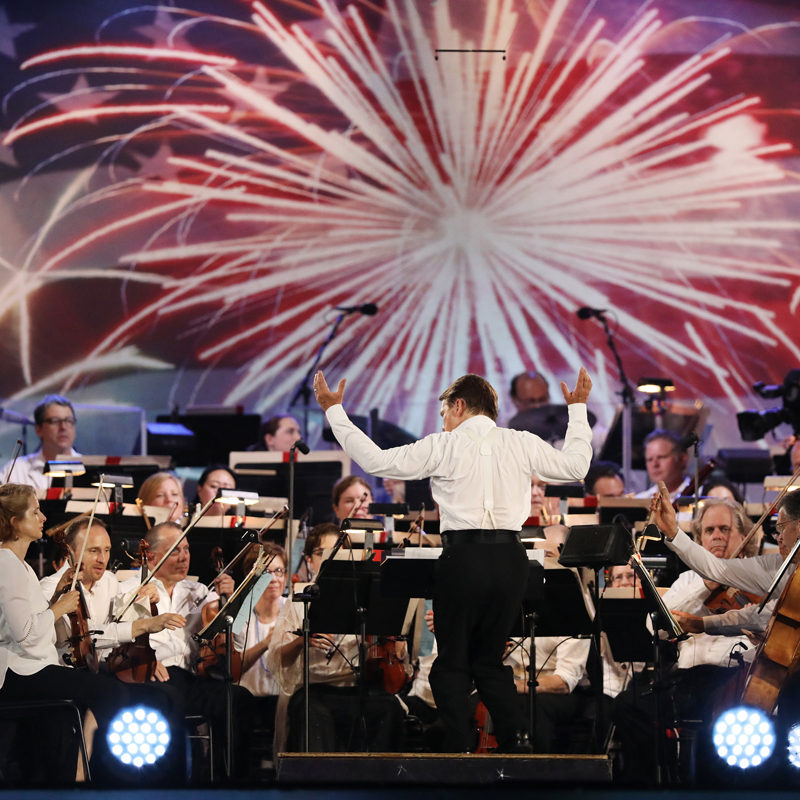
In February 2016, Southern New Hampshire University purchased the naming rights to the venue, rebranding it as SNHU Arena. The school didn’t disclose the specific amount of money it paid, but the agreement allows its sports teams to use the venue for practices and games and the school to host whatever other events it chooses. Since the name change, many acts that appeared in previous years have returned, among them Chicago, Def Leppard, Dave Matthews Band and Poison, and newcomers have included The Pretenders, Stevie Nicks, Heart, Duran Duran, Tim McGraw, Reba McEntire, Extreme, Barry Goudreau’s Engine Room and the Boston Pops Orchestra.
At the time of the name change, SNHU President Paul LeBlanc said it was an important step in continuing to build the school’s relationship with the larger Manchester community and that it would provide opportunities for students, such as doing internships at the arena. “We’re really excited,” he said. “Student athletes will be able to have some of their contests here in the arena, students will be able to work in a variety of different jobs and it’s an opportunity for us to connect with our community. SNHU has been here since 1932, so 84 years of commitment to Manchester continues with this naming today. It’s about more than putting a name on a building; it’s about driving economic change in Manchester and showing our neighbors that higher education is within their reach.”
(by D.S. Monahan)