Vance Gilbert
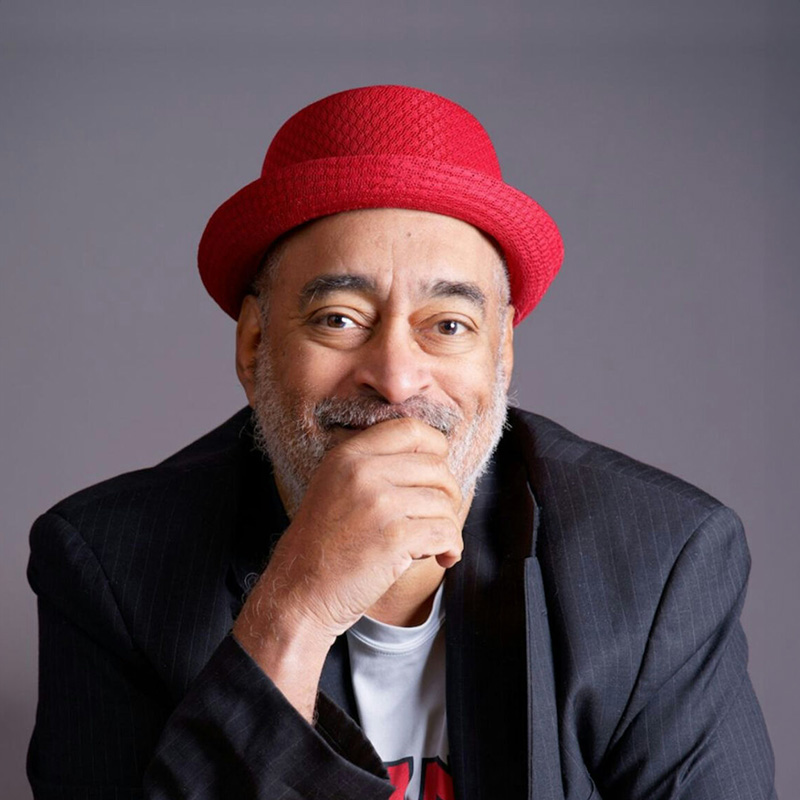
Vance Gilbert
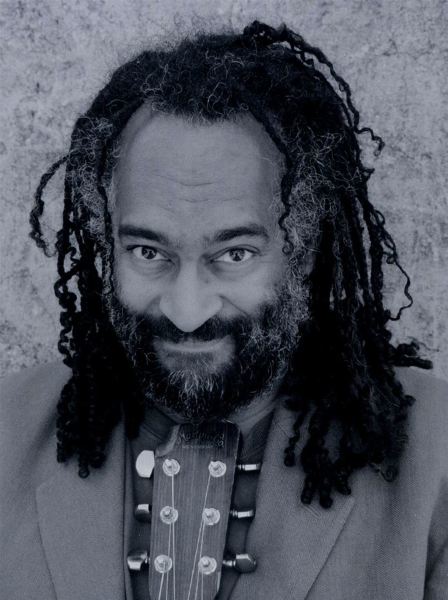
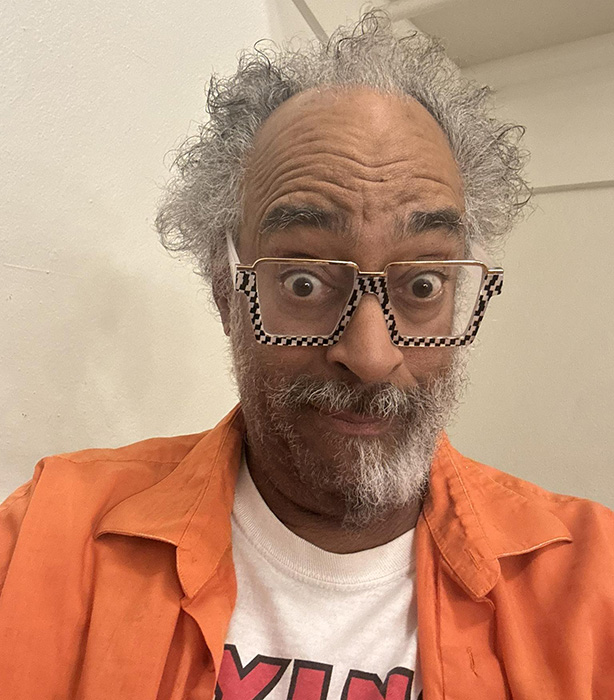
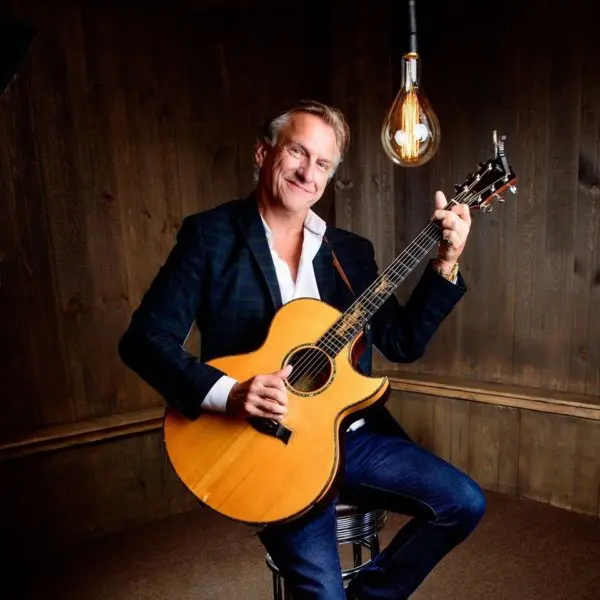
He’s one of the many acclaimed singer-songwriters who weren’t born or raised in Boston but moved to the city and honed their craft in the area years before making a blip on the national radar, like Geoff Muldaur, Patty Larkin, Geoff Bartley and Dar Williams. But that’s where much of the similarity ends because Vance Gilbert’s influences and interests have produced a combo platter of jazz, folk, comedy and storytelling that’s about as unique to him as Fluffernutter sandwiches are to New England.
“Watching Vance live onstage is like witnessing a one-man Robin Williams, George Benson, Garrison Keillor and Al Jarreau,” according to The Philadelphia Inquirer, and his fusion of jazzy acoustical stylings and folky confessional lyrics has been likened to that of Bill Withers, Donny Hathaway and Rickie Lee Jones. Along with the reams of commentary about his hybrid approach, there’s been a boatload of praise for his vocal, songwriting and six-string skills, with The Fort Worth Star-Telegram saying he has “the voice of an angel, the wit of a devil, and the guitar of a god.” Gilbert’s voice “must always carry a capital ‘V,’ according to The Austin Chronicle; he’s one of folk’s “wittiest, yet wisest singer-songwriters,” according to Folk Alley; and his playing is “graceful and lush,” according to Guitar Player.
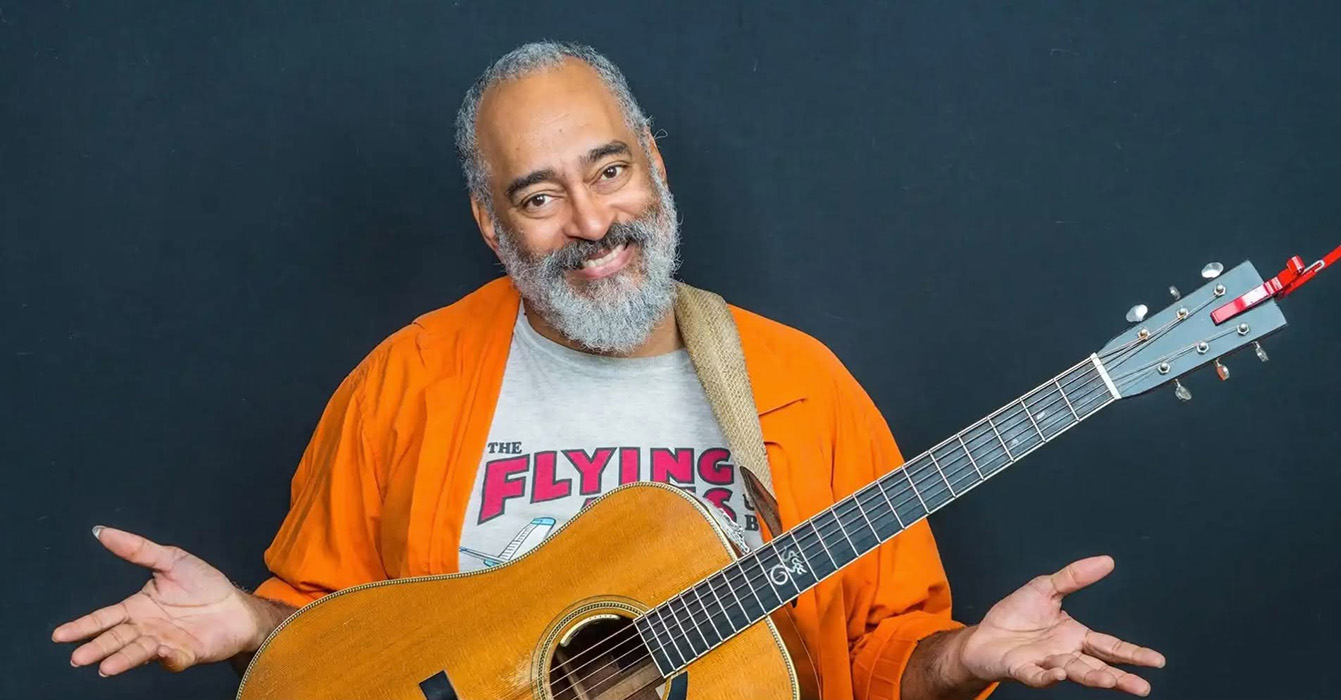
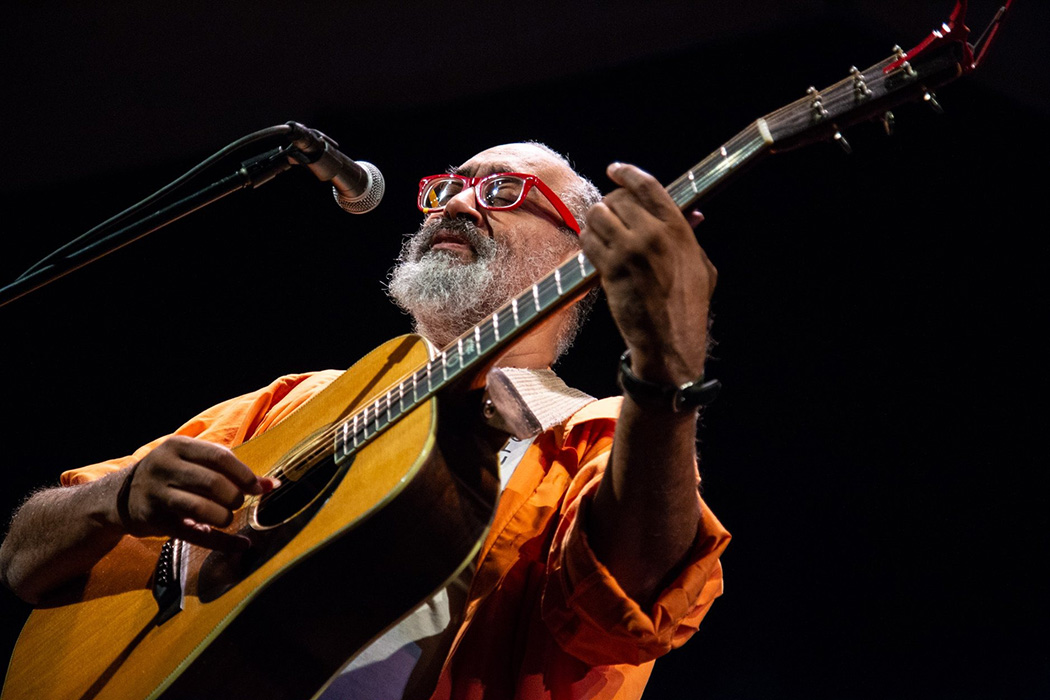
Gilbert’s recorded 16 albums and is renowned for his improvisational bent and natural rapport with audiences. His live sets range from covers of folk classics by greats like Joni Mitchell to standards from the Old American Songbook, poignant originals such as “Old White Men” and “Charlene” and topical tunes with a comedic twist such as “Goodbye Pluto” and “Waiting for Gilligan.” He usually performs solo, though he’s played with backing bands at Club Passim and other venues, and he’s as comfortable on stage as any performer has even been. “Before any of this stuff came to the fore – the songwriting or the guitar playing or the singing – I’ve always been made for the stage,” he told Ed Symkus for digital news outlet Wicked Local in 2020. “I was a gregarious kid. I loved performing and being in front of people.”
MUSICAL BEGINNINGS
Gilbert was born in Philadelphia on October 11, 1958, when the folk revival was approaching its peak, and his family moved some 20 miles southeast to Willingboro Township, New Jersey when he was around ten. Contrary to what one might think such a community was like in the late ‘60s – racially monochrome, like an episode of “Leave It to Beaver” – it was an ethnic rainbow of sorts, he told Lori Goldstein of Arts New Now in 2022. “Willingboro was really a mixed bag of people,” he said. “Every house was the same – ranch, colonial, Cape Cod – but every house had somebody different in it: Black, white, Puerto Rican, Jewish. It was quite diverse.”
He hung out with white kids mostly since they shared a lot of interests, particularly building model airplanes and playing tennis, but he and his pals where worlds apart when it came to music. “In high school, they wanted to listen to The Beach Boys in the car, and I wanted to listen to Earth, Wind and Fire,” he told Goldstein. Gilbert acquired his early musical tastes by listening to the records his parents spun on the family turntable: Dinah “Queen of the Blues” Washington, R&B/soul legend Brook Benton and broad array of Black pop music. The introduction of freeform FM radio in the late ‘60s led him to discover a broader variety of artists, among them Pavarotti, and he sang in an Episcopal choir when he was in high school, but his favorite thing to do vocally was scat. “I learned to scat the harmonica solo on Stevie Wonder’s ‘I Was Made to Love Her’ and the trumpet solo on [The Beatles’] ‘Penny Lane,’” he told Symkus.
After finishing high school, Gilbert moved to New London, Connecticut to attend Connecticut College, where five percent of the students were Black; he graduated with a degree in biology and considered becoming a biology teacher. During his sophomore year, however, he started walking the less scientific path that came to define his future, taking a few guitar lessons and learning how to play both electric and double bass, the latter using an instrument the college lent him. “I was out of tune a lot, but I could ‘walk’ and play the blues,” he told Goldstein.
Picking up the bass was just the first step in his newfound musical interest, though, as it inspired him to “go acoustic” on the guitar. “I wanted to be more central to the music, I wanted to write my own songs and I wanted to sing, so I started listening to both of the Taylors [James and Livingston], Kenny Rankin, Jackson Browne, Bonnie Raitt and Joni Mitchell – everybody that played the guitar that sounded at least kind of jazzy, soulful,” he told Goldstein. “I think it was Kenny Rankin and James Taylor that made me think I didn’t want to try to be an electric jazz guitar vocalist like George Benson; I wanted to be acoustic at it.” Few well-established Black artists besides Bill Withers, Richie Havens and Taj Mahal played acoustic guitar at the time, and his friends listened to white acoustic groups like Aztec Two-Step, but that didn’t matter, he told Goldstein. “I’ve always forged my own way,” he said. “But I also didn’t have a lot of Black people doing what I was doing in my day-to-day.”
MOVE TO BOSTON, FIRST ALBUMS, OPEN-MIC NIGHTS, SHAWN COLVIN TOUR
Gilbert moved to Boston shortly after graduating from college in the spring of ‘79, drawn by something he saw during a visit to the city with a girlfriend. “We came up for a weekend, got on the T in Central Square, and we saw a guy playing the vibes there,” he told Symkus. “I was blown away because he was playing all these old jazz standards, and I said, ‘I’ve gotta come to this city.’” He moved to the area with some former college roommates, and his first apartment was in Brookline.
His bio degree helped him land some interviews at labs but none of them panned out, so he worked as a cook during the day and sang jazz standards and pop songs at various venues at night. “I sang in any place that would tolerate me, murdering the Great American Songbook, doing everything from Sondheim to Stevie Wonder,” he told Goldstein. He also self-released his first two albums during his first decade in Boston, the jazzy-folky Here I’m Waiting (1985) and more country-twinged Face to Face (1989).
What one might call the “big-bang moment” of Gilbert’s musical journey came in March 1989, by which time he was teaching multicultural arts at public schools in Boston: He went to see then up-and-coming Shawn Colvin performing at the Old Vienna Kaffeehaus, which he says inspired him to be a folk singer, not a cocktail-lounge crooner or any other variety of jazz/pop vocalist. “I decided then and there that I wanted to forever be a five-foot five-inch white woman,” he writes on his official website. “Seriously, that night in March changed my life forever. I vowed from my seat four tables back that I’d do ‘this music’ like that someday, maybe even meet Shawn Colvin.”
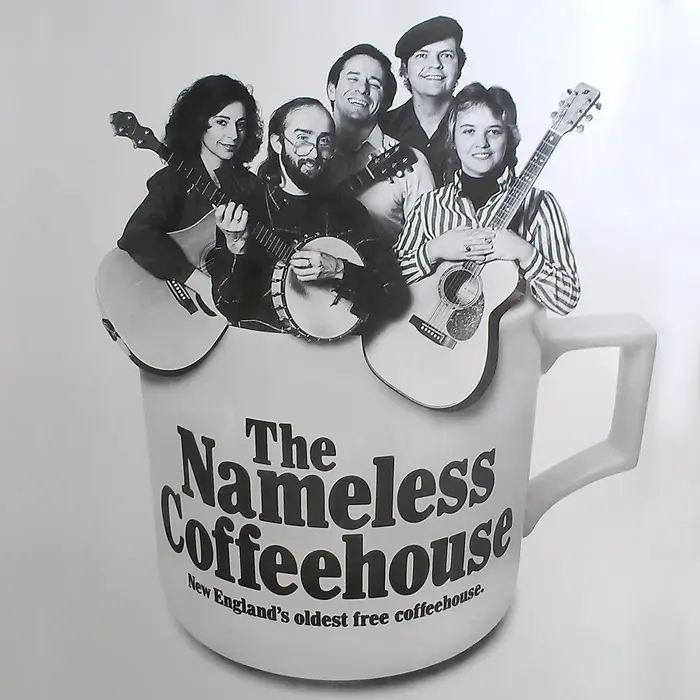
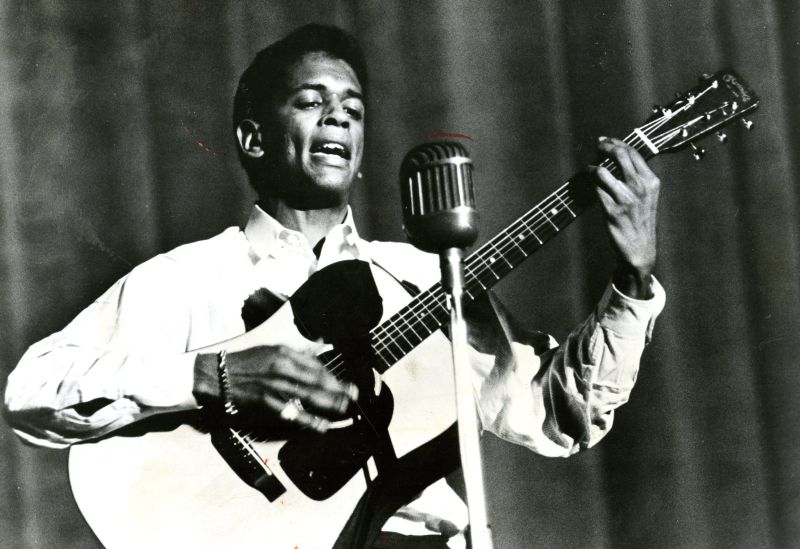
Thoroughly motivated to up his folk game, he played open-mic nights often over the next couple years at venues including The Nameless Coffeehouse, becoming something of a “ringer” on the circuit. By the early ‘90s, in much the same way as another Black, Boston-based folk artist, Jackie Washington, had done in the early ‘60s, he’d established enough of a name that he was doing paid gigs at well-known venues including the Iron Horse Music Hall. Gilbert’s hopes of meeting Colvin one day became reality in a big way in ‘92, when the South Dakotan invited him to be her opening act on the tour supporting her Fat City LP. They barnstormed across the US, UK and Ireland through most of ‘93, introducing Gilbert to thousands of fans who’d never heard his name, let alone any of his songs.
ROUNDER SIGNING, LATER ALBUMS, NOTABLE APPEARANCES
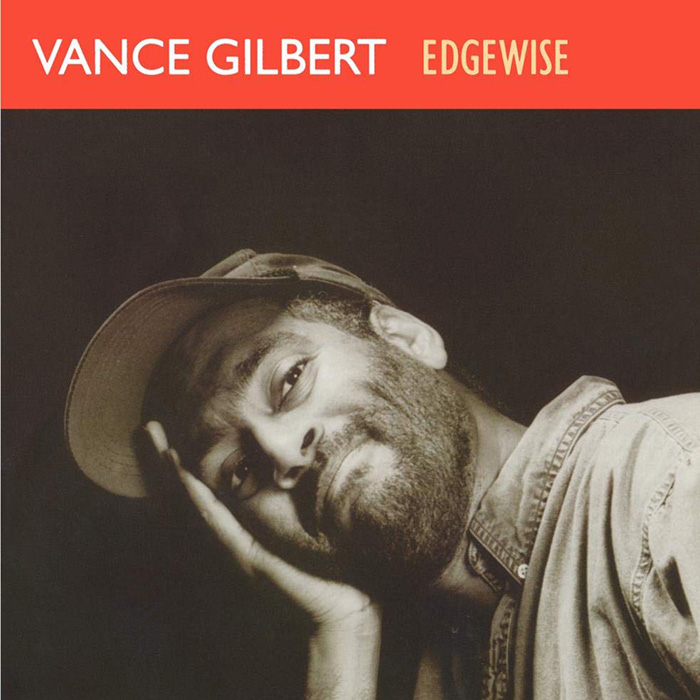
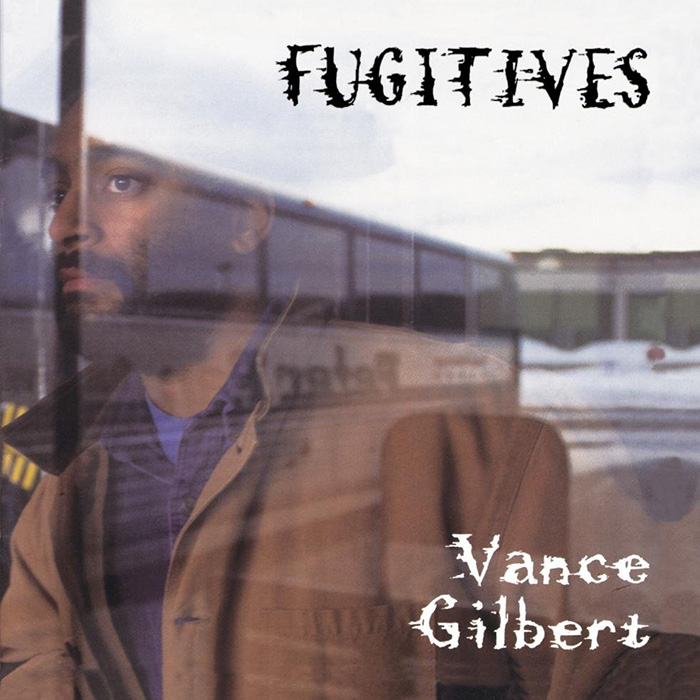
Gilbert’s globetrotting with Colvin caught the attention of several respected labels, among them Rounder Records, which released his third album, Edgewise, in 1994 on their Philo sublabel. Retail sales were stronger than any other first release in the Rounder’s history, and the disc spent eight weeks on Billboard’s Adult Alternative Airplay chart and the North American College & Community Radio chart. In addition to appearing across North America to support the LP, he contributed his song “If These Tears Had Wings” to the Jerry Lewis Telethon, which used it as its theme in a broadcast seen by 40 million viewers. Gilbert’s second album with Rounder/Philo, 1995’s Fugitives, which includes a cover of Smokey Robinson’s “Just a Mirage,” saw glowing reviews, as did his final disc for Rounder, 1998’s Shaking Off Gravity.
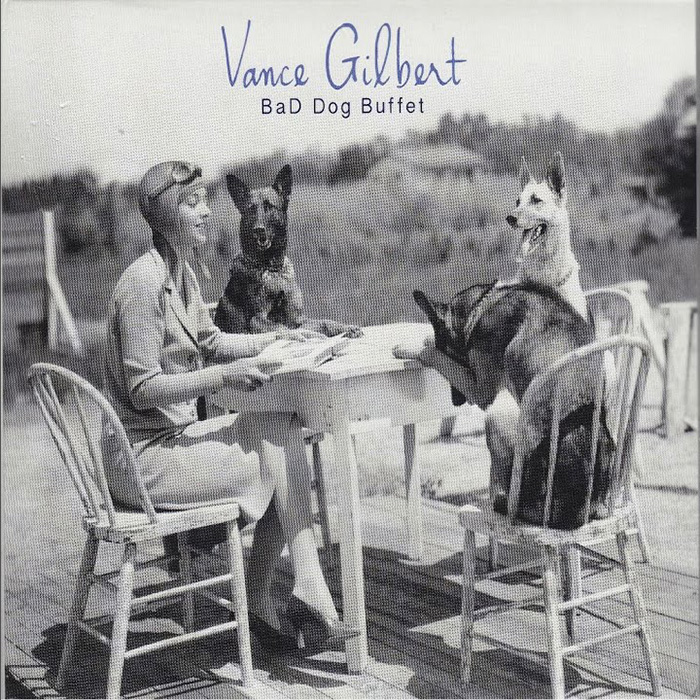
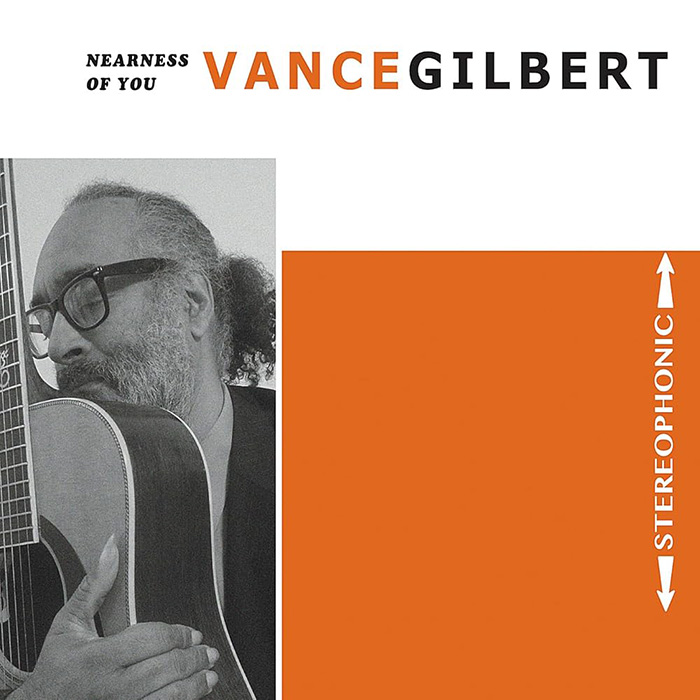
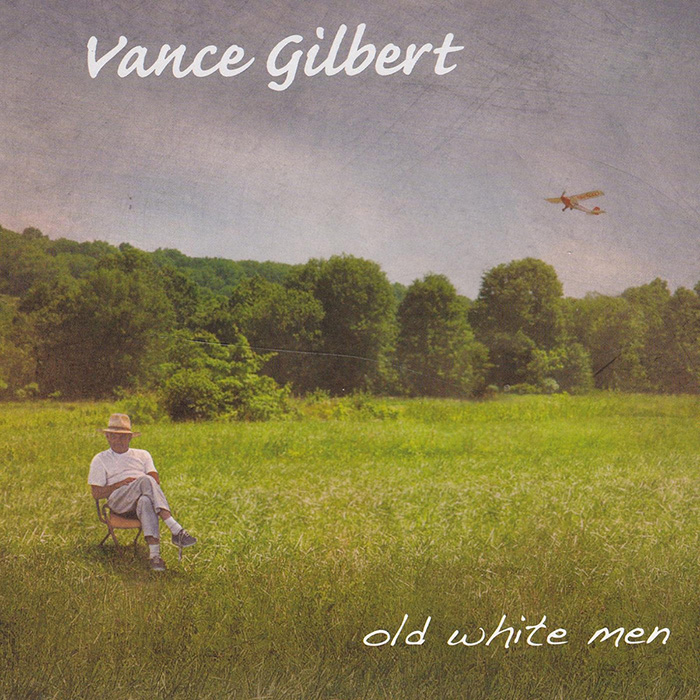
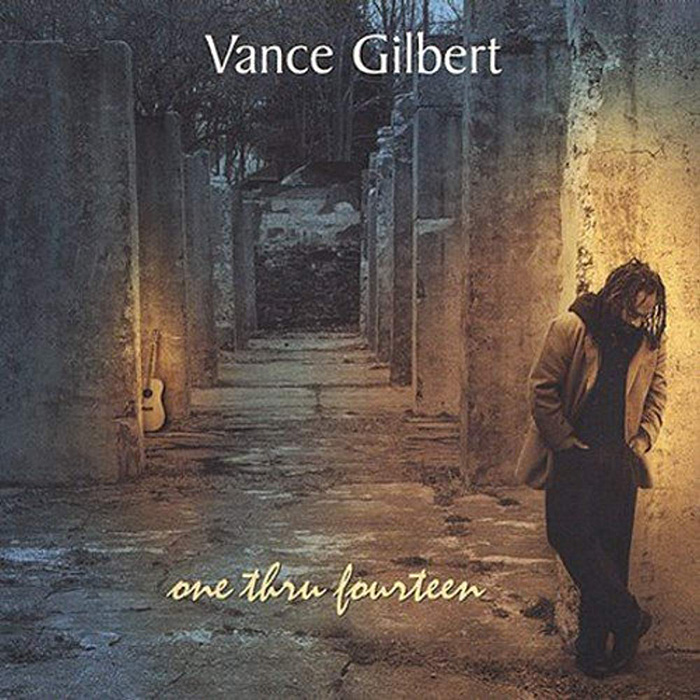
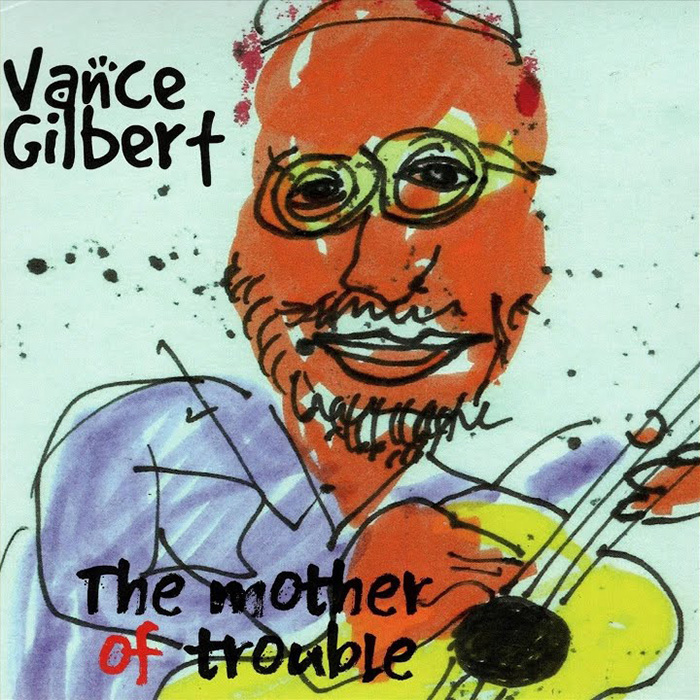
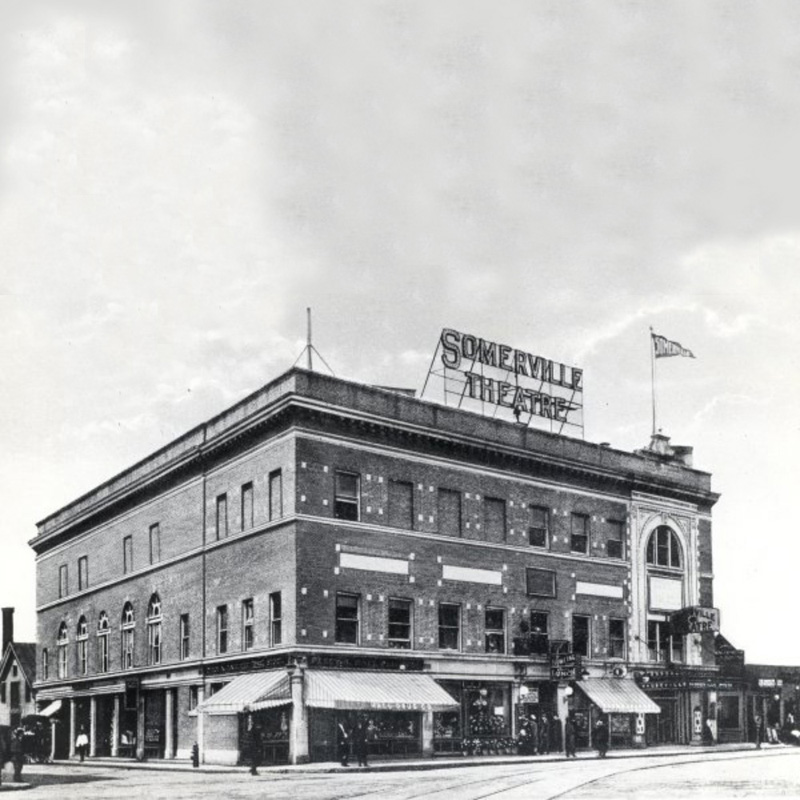
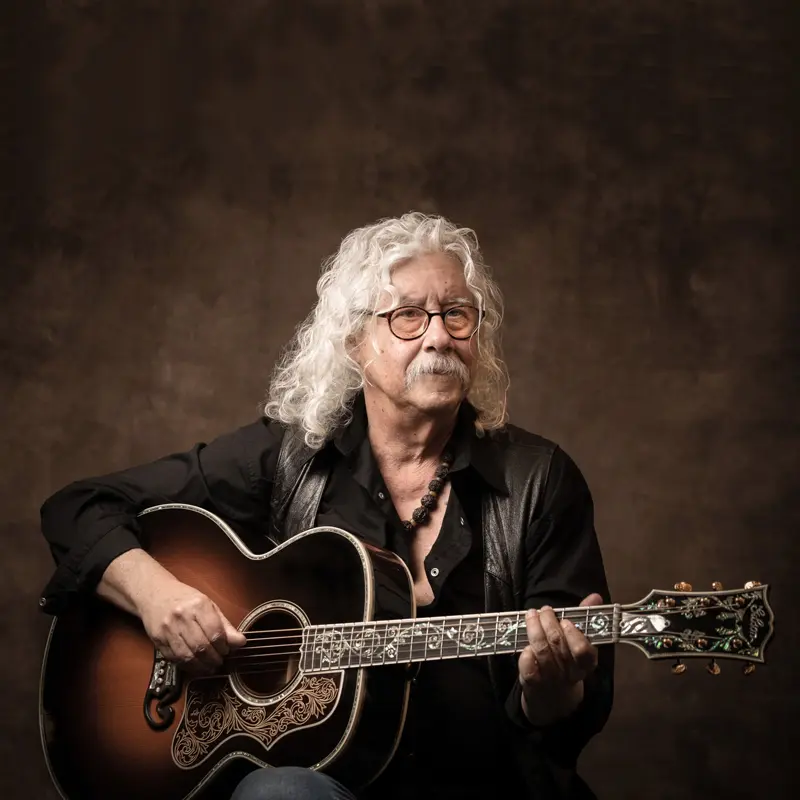
Gilbert’s recorded 11 more albums since, all on his own label, Disismye, except for 2003’s Side of the Road, a joint effort with Ellis Paul issued by Rounder/Philo. The first was 2000’s Somerville Live, recorded at Somerville Theatre, followed by One Thru Fourteen (2002); Unfamiliar Moon (2005); Angels, Castles, Covers (2006); Up on Rockfield (2008); Old White Men (2011); Bad Dog Buffet (2014); Nearness of You (2015); Good Good Man (2020); and Mother of Trouble (2023). He’s taken the stage at many outdoor events in his regional backyard including the Newport Folk Festival and the New Bedford Folk Festival, and others as far afield as the CityFolk Festival in Ottawa, Ontario and the Woodford Folk Festival in Woodford, Australia. In addition to headlining, he’s opened for a bevy of celebrated singers, singer-songwriters and comedians, among them Aretha Franklin, Mary Chapin Carpenter, Warren Zevon, Anita Baker, Arlo Guthrie, Bill Cosby, Jay Leno, Paul Reiser and George Carlin.
SONGWRITING PROCESS, COMMENTS ON RACIAL IDENTITY
As for his songwriting process, Gilbert says he writes the lyrics first, since he sees storytelling as the foundation of what he does. “My reason for that is that I want to make a point of being an African-American songwriter who isn’t just groovy with a great voice,” he told Goldstein. “I want to have a story to tell in the King’s English in such a way that it’s as undeniable a story as might come from Rodgers & Hart, Tom Waits or Joni Mitchell.”
When Goldstein asked how he feels about how often journalists comment on his race, with some referring to him as “a Black James Taylor,” he said he actually views the world in terms of his racial identity. “I see myself as a Black man in this country,” he said. “People with a more conservative point or a middling point might say, ‘Don’t you see yourself as American?’ Well, yeah, but I see myself as a Black man. That’s not first, second or third. It’s just omnipresent because I own a mirror. And it’s a different experience. Let’s put it this way: It’s one that I can discuss, but I can’t explain.”
(by D.S. Monahan)