Raoul’s Roadside Attraction
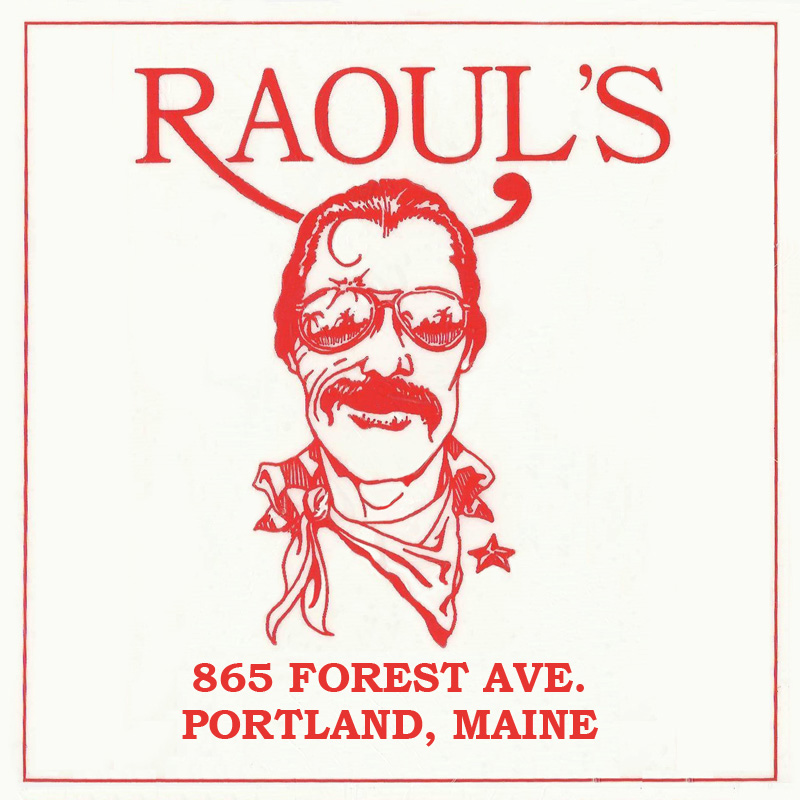
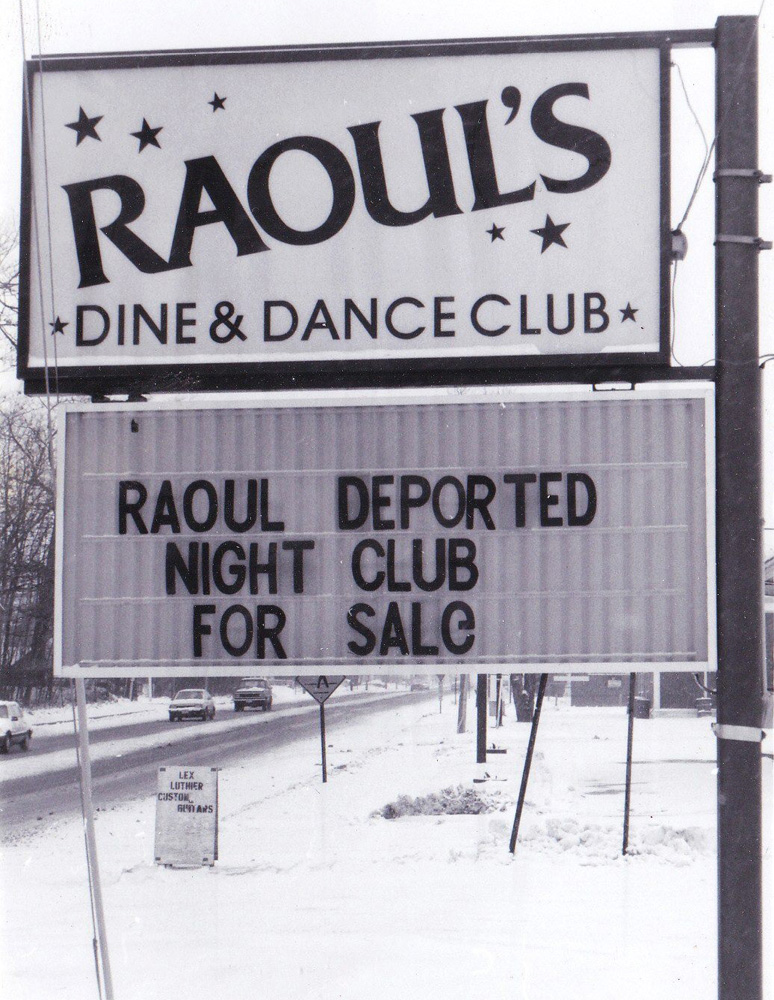
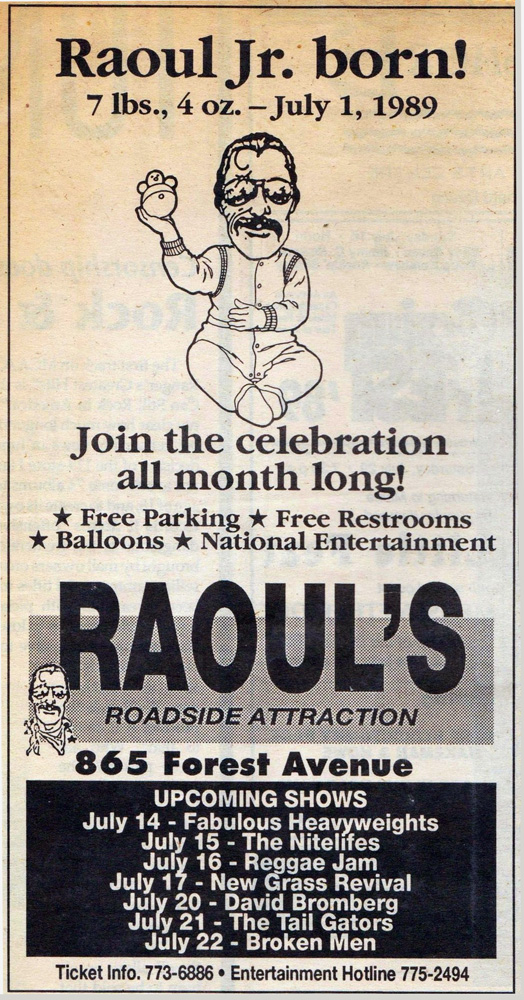
It’s not entirely true that club mascot Raoul fled Belize Robin Hood-style, tossing hamburgers out of his airplane to those who were food insufficient. But if you were fortunate enough to visit Raoul’s Roadside Attraction in Portland, Maine during its mid-1980s-to-mid-1990s heyday, you might have caught a glimpse of the fictional character sitting in his 12-foot papier-mâché plane, presiding over all the eclectic festivities.
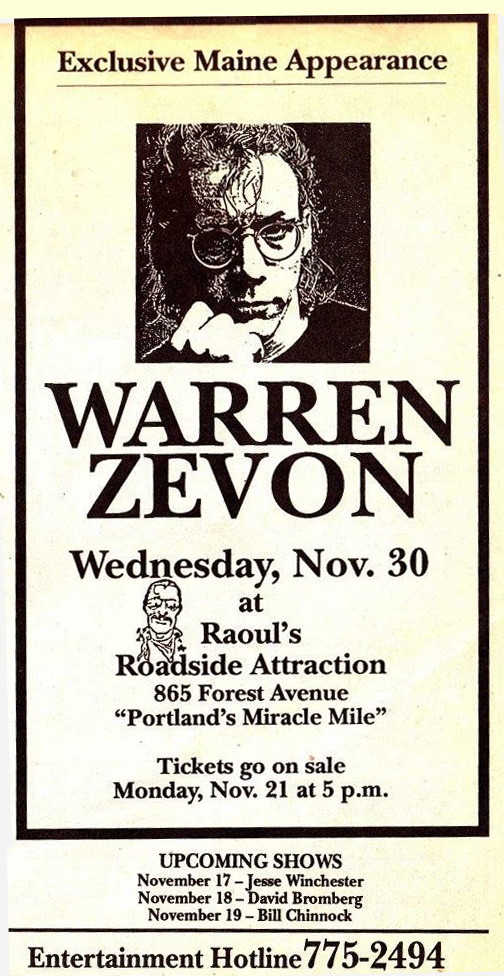
Though the storied history/mythology of both Raoul and his namesake club has expanded dramatically over the decades, the venue’s fundamental legacy is beyond doubt: Between 1981 and the late ’90s – the exact date is as opaque as Raoul’s backstory – it presented an incredibly impressive lineup of regionally, nationally and internationally known acts, from Albert Collins, Count Basie and Bo Diddley to Bill Monroe, The Drifters and Warren Zevon.
BACKGROUND, SHABOO INN INFLUENCE, OPENING, FIRST PERFORMANCES
After graduating from the University of Connecticut, club founder Russell Turner spent time in the Peace Corps and owned a cattle farm in Belize. He returned to the United States in the late 1970s unsure about what to do next, but his brother was living in Portland, so he settled on nearby Peaks Island. There he fell into a milieu of hippies and entrepreneurs, making many of the contacts that eventually led to his venue’s success. First, he bought a pool hall out of bankruptcy, but when friends told him of Portland’s need for a decent live-music club, he and a partner rented a dilapidated lumber yard with a huge parking lot at 865 Forest Avenue. It was far outside the most commercially attractive section of town, Old Port, but they chose it deliberately since it allowed enough space for a club and parking.
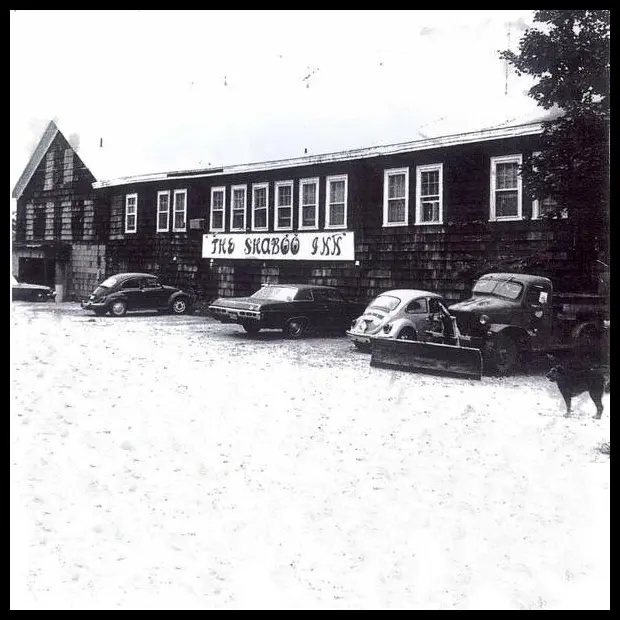
Envisioning a set-up for the large, open space, Turner remembered the many shows he’d seen at The Shaboo Inn in Willimantic, Connecticut when he was a student. Specifically, he recalls seeing Hound Dog Taylor: “This guy was sitting on this one-foot-high stage and people were … just a couple of feet from him, almost like you were sort of a part of the show. So that had a great impact on me, the Shaboo,” he says, adding that he wanted his own club to be “something bigger than life, something crazy… something that’s worth stopping the car for.”
Thus was born the roughly 200-capacity Raoul’s Roadside Attraction, so named in part for the fictional adventurer “Raoul Rodriguez” (a name suggested by what people called Turner in Belize) and in part for the Tom Robbins novel Another Roadside Attraction, which Turner was reading at the time. Among the first things he and his partner did were build a small stage similar to the one at the Shaboo, add a kitchen and install coin-operated pool tables in the basement. Without much of a budget, they initially booked solo acts such as John Hammond and Schooner Fare. “What really got us on the map was New Riders of the Purple Sage,” Turner says. “Well, we got so many calls. People said, ‘This isn’t the real New Riders.’ And I thought, well, is there a different one?’”
Turner recalls that the New Riders were put off by the tiny stage at first, but soon the club was packed and rowdy, and everyone, including the band, had a great time. From there, Raoul’s booked larger and larger acts, always trying to keep the admission at $10 or less. Next, Turner hired a sound engineer, built a bigger stage and installed a house sound system. “We tried to make it a really good experience for the artists… whoever they were,” he says. “We tried to find out if there was anything we could do to make their trip to Maine better.”
EARLY SUCCESS, INTERIOR DESIGN, FOOD, UNIQUE PROMOTIONS/EVENTS
And that artist-focus approach worked. Offering live music nearly every night of the week, Raoul’s lived up to its moniker as an “attraction,” with acts playing amidst the eclectic decor of vintage signs, a 10-foot Jolly Green Giant and a hodgepodge of other items reminiscent of attractions along Route 66. The stage was decorated with large, curved pieces of backlit stretch fabric; Loudon Wainwright once said it was like “playing inside a pair of panties.” The kitchen served an assortment of what Turner calls “third world peasant food” such as chorizo burgers, deep-fried falafel, homemade green enchiladas with spinach sauce, and Welsh rare bits, all unusual fare in Portland at the time.
Much of the appeal of Raoul’s was the kitschy fun the venue provided. The owners were among the first to offer a “Beer Passport” that tracked customers’ tasting of the venue’s 70 imported beers, which featured the full range of Sam Smith brews, Australian stouts and John Courage. Other stunts included all-night pig roasts, third-shift outdoor parties (whose breakfast and booze had to be cleaned up before the place opened at 11am) and even train spotting. The basement pool tables brought in crowds as well, including some very serious gamblers, which is an entirely different story.
BROAD MUSICAL ROSTER, INTIMATE ATMOSPHERE
But the main attraction was the music. In the mid-’80s, about a decade after the 9,500-capacity Cumberland County Civic Center had forced the shuttering of many smaller joints in and around Portland, Raoul’s thrived among the lower-tier of places that had only a couple hundred seats, though sometimes they booked both an afternoon and an evening show in order to sell 400 tickets. Billed as a “dine-and-dance” club, the venue was widely known for its comedic grandstanding (though the story that Raoul’s once offered parking and a shuttle to a Grateful Dead show is nothing more than an urban myth). Turner focused his bookings on blues and rock, but offered a broad range of acts including what he refers to as “oddball” shows such as performance art and jazz (particularly Boston-based The Fringe). Often, he says, he’d try to convince a band playing in the Boston area to drive up to Maine, perhaps on their way to Montreal, but ’60s folk-rock icon Donovan once flew in from Las Vegas just to do a gig at Raoul’s.
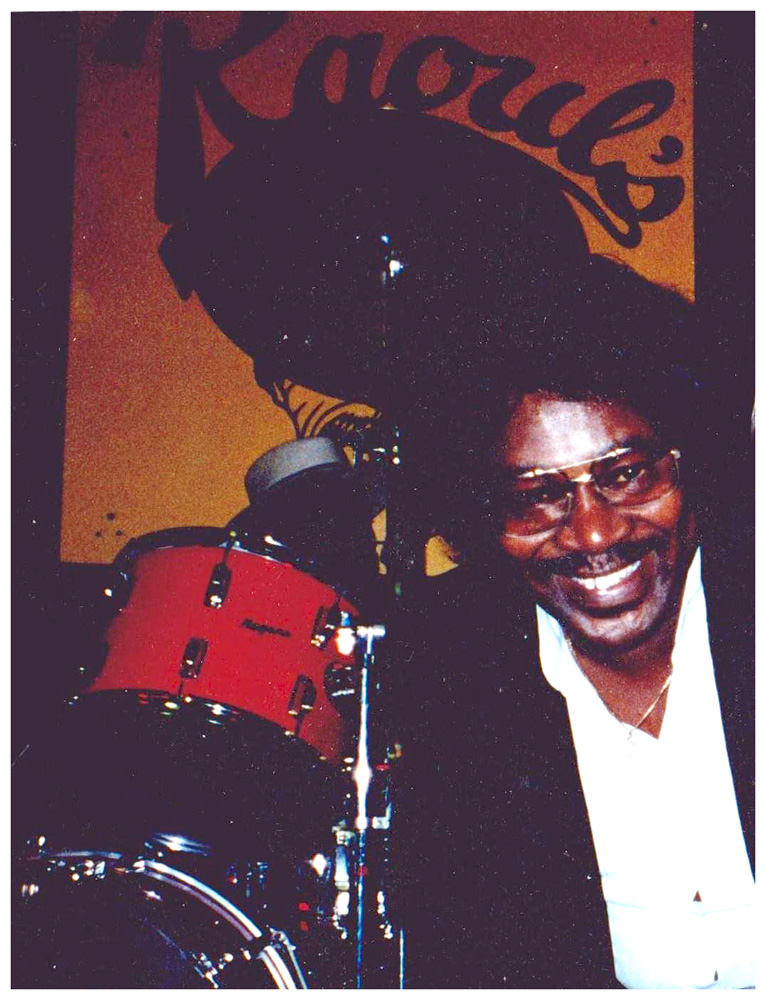
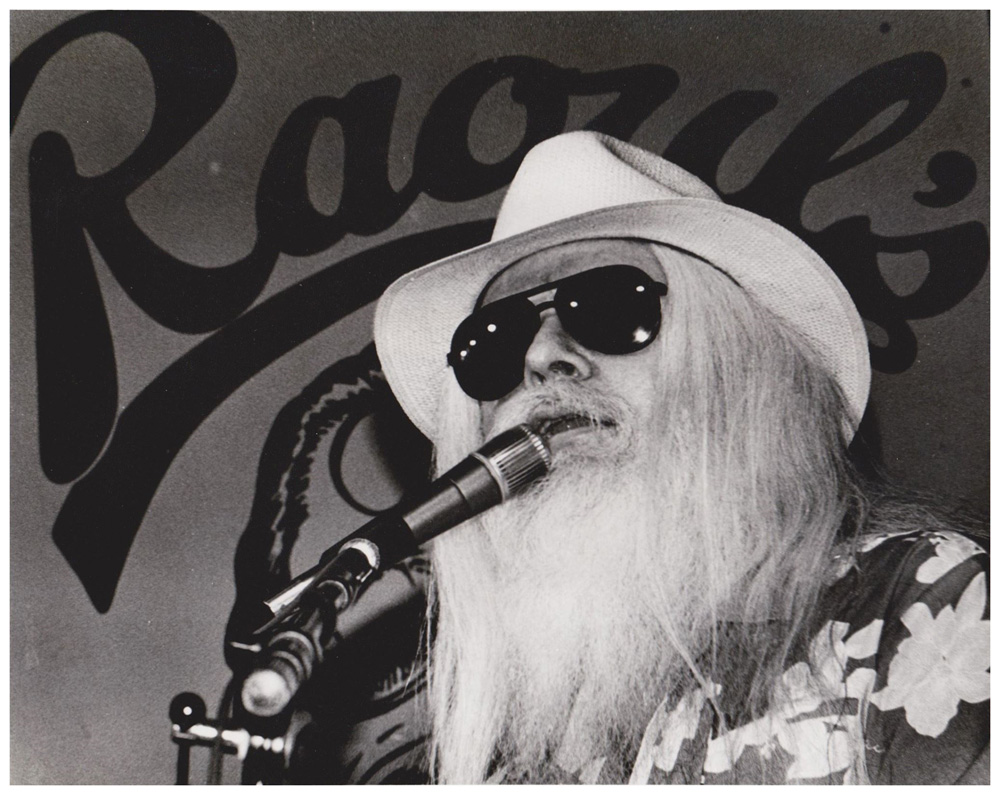
Harking back to Shaboo’s cozy stage, people would arrive as early as 5pm for a 9pm show in order to get a seat. Most concerts were so-called “table shows” but sometimes Turner and his staff cleared half the floor to make way for standing and dancing. People were practically nose-to-nose with performers, who played beneath the room’s low rafters in front of a massive image of Raoul placed behind the stage. “What a treat to be 20 feet from one of the recording stars, not sitting 80 rows back and having to watch the show on a Jumbotron,” says Maine-based mystery writer Dale T. Phillips, who lived around the corner from the club.
NOTABLE APPEARANCES, OWNERSHIP CHANGES, CLOSING
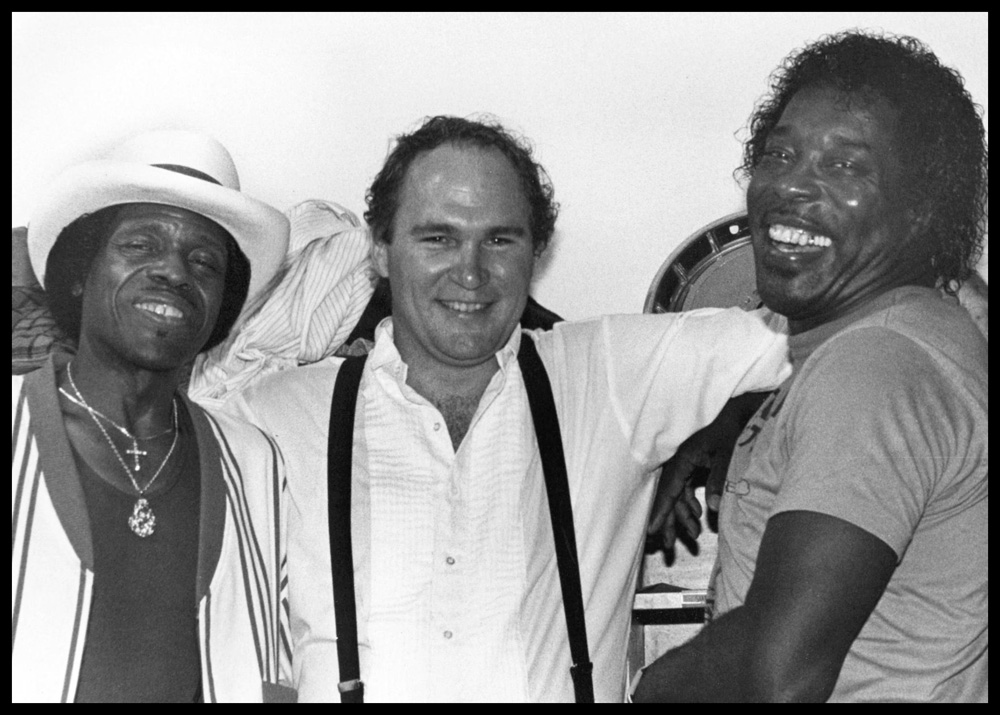
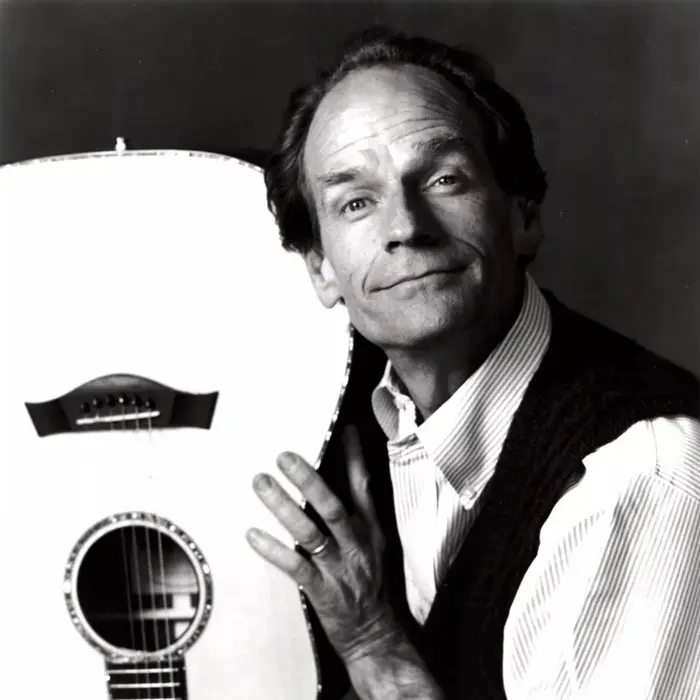
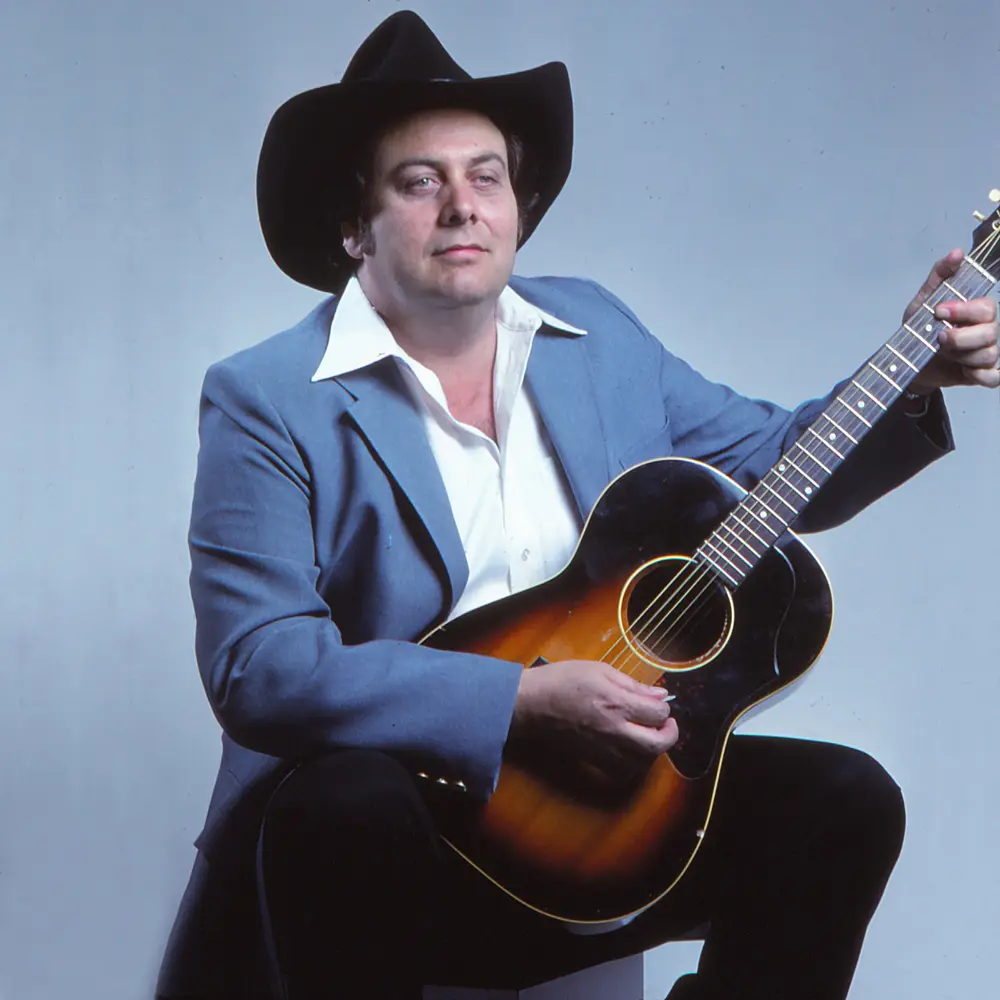
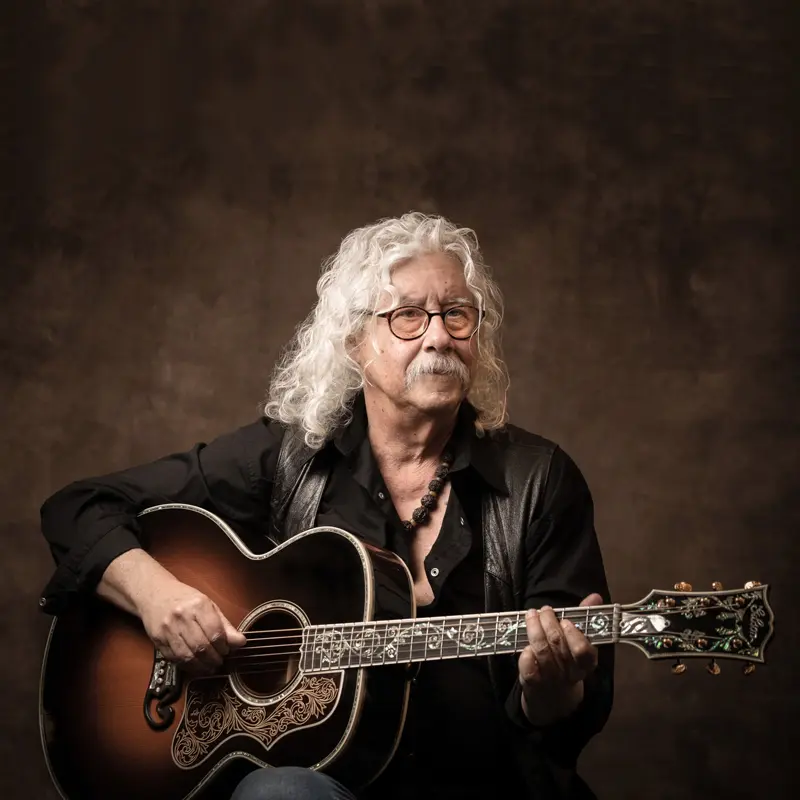
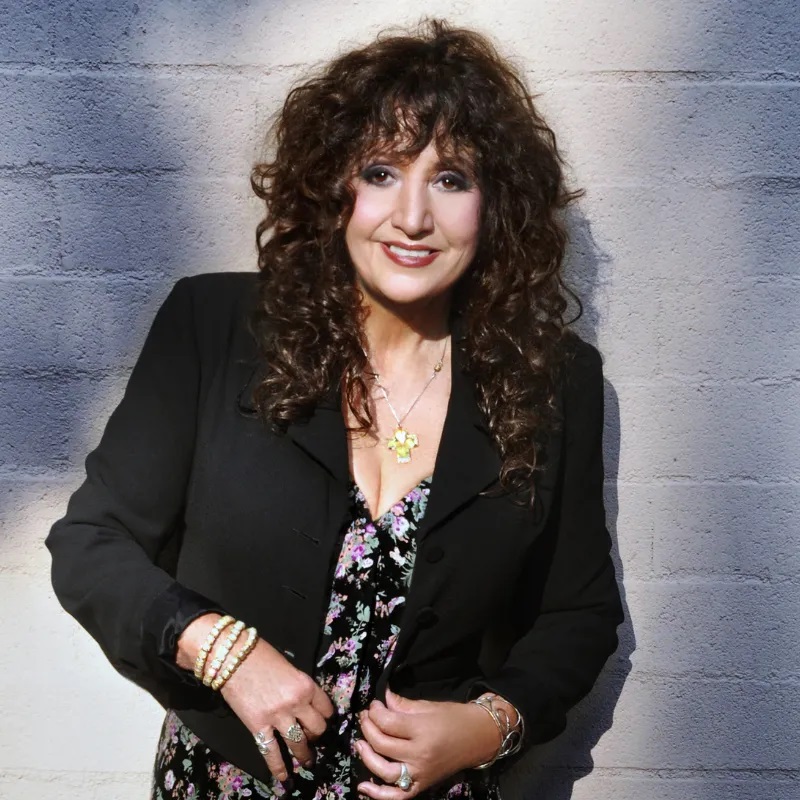
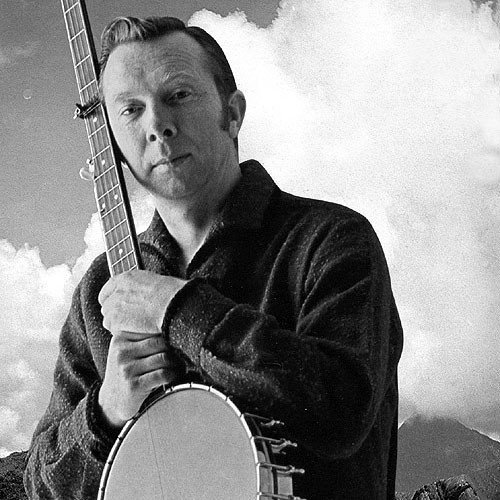
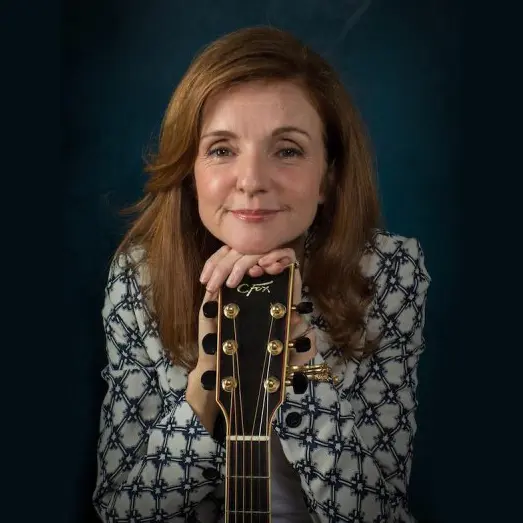
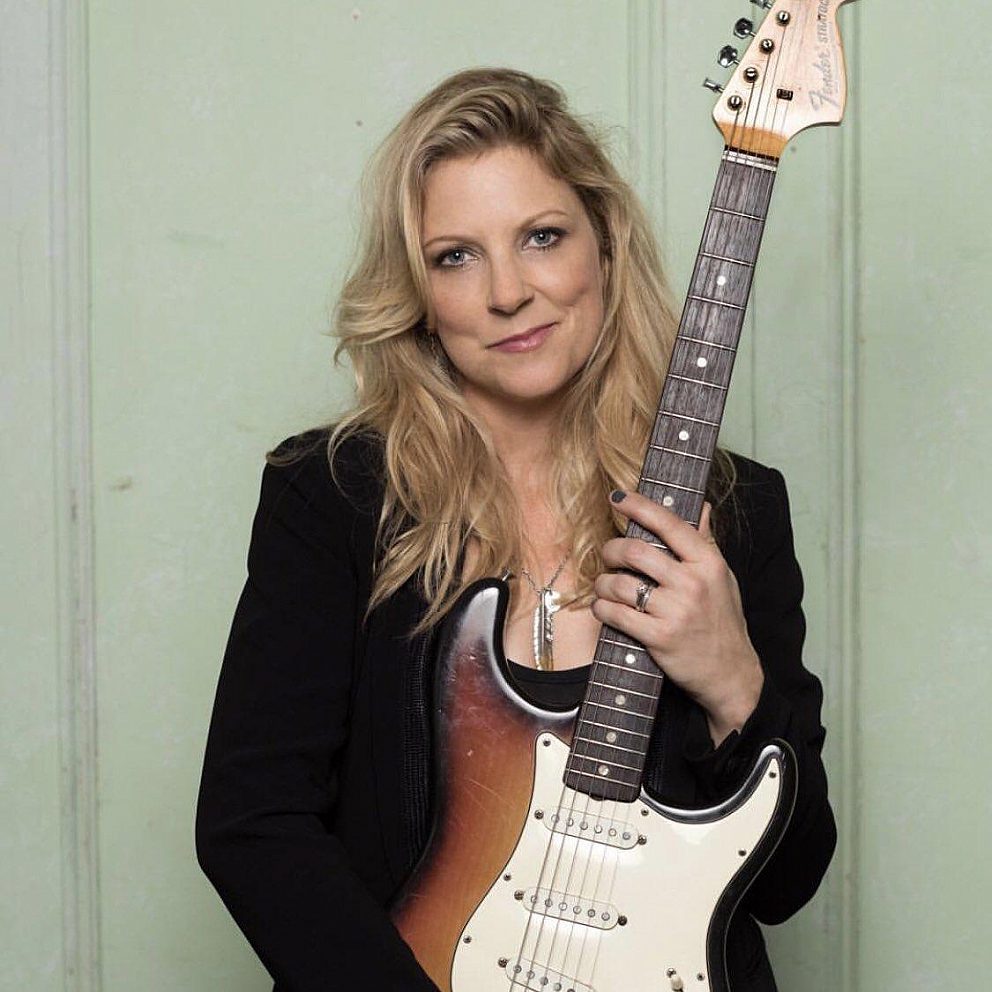
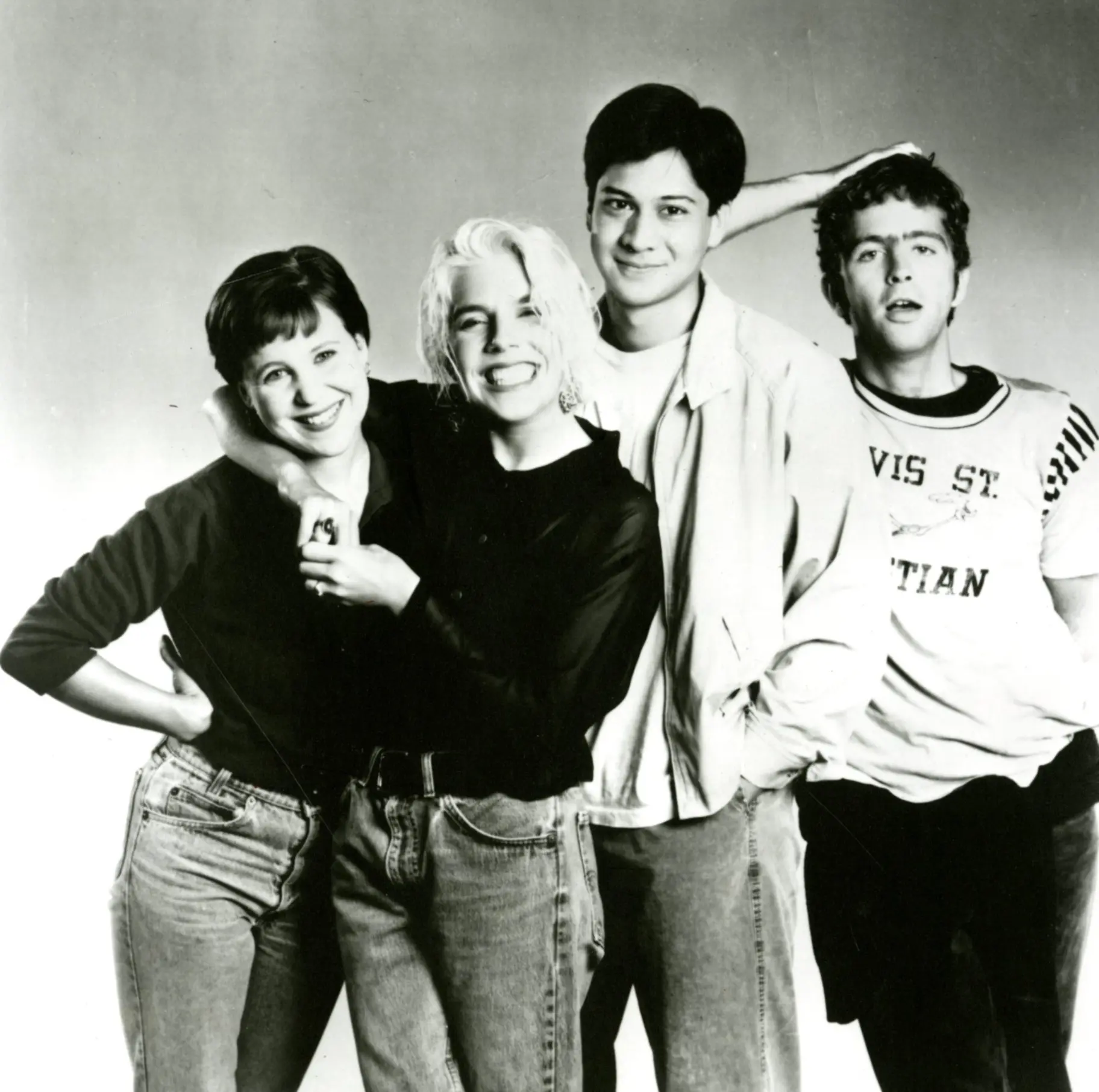
The list of well-known performers who took the stage at Raoul’s is impressive to the point of being overwhelming. Blues, folk and bluegrass acts included Albert Collins, Bo Diddley, Bill Monroe, Buddy Guy, Mary Chapin Carpenter, David Bromberg, The Fabulous Thunderbirds, Jorma Kaukonen (with Hot Tuna and solo), Gillian Welch, Richard Thompson, Richie Havens, John Hiatt and John Hammond Jr. Among the many New England-rooted artists/bands of those genres were Tommy Makem, Livingston Taylor, Arlo Guthrie, Maria Muldaur, Sleepy LaBeef, NRBQ, Patty Griffin, Susan Tedeschi and Roomful of Blues.
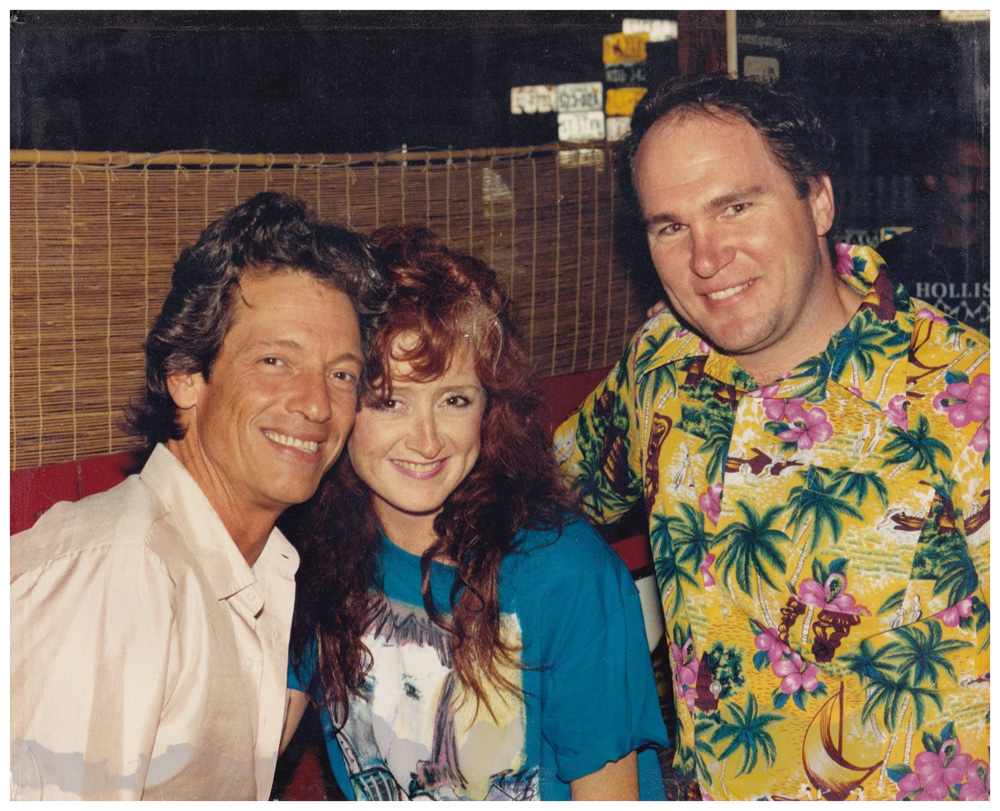
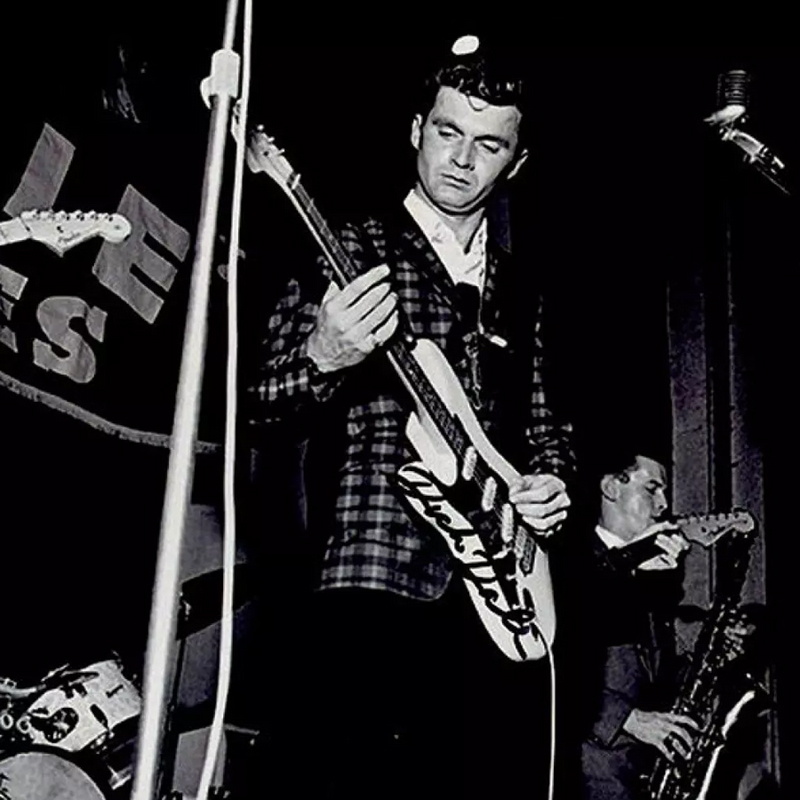
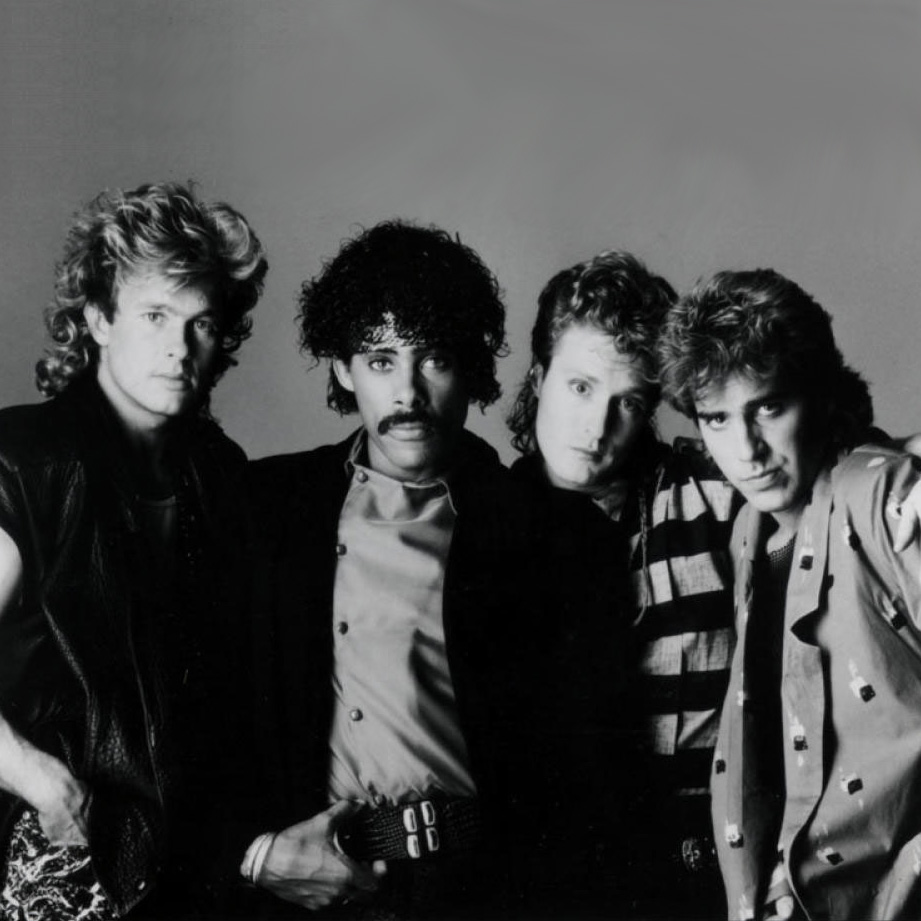
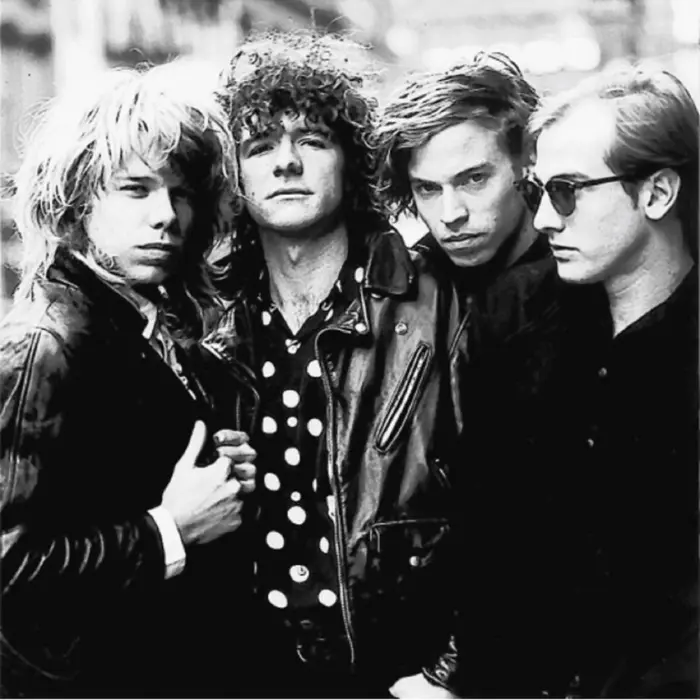
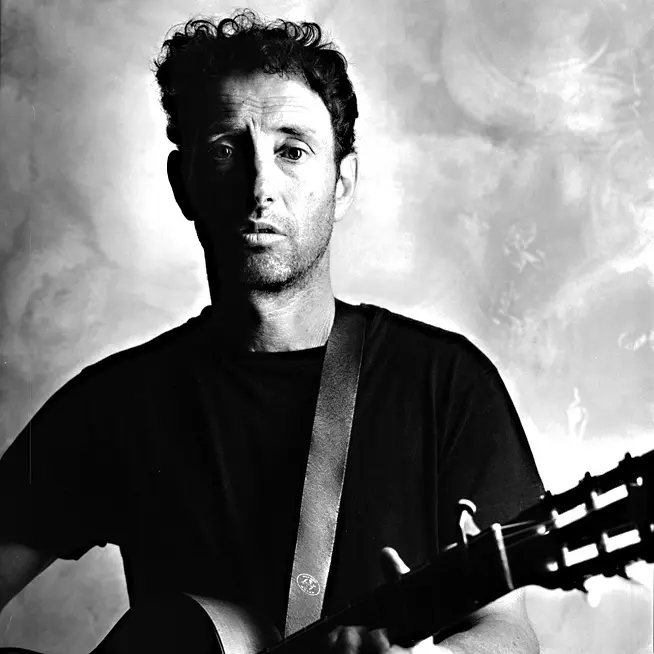
Rock acts on the rise and those still on the road after many years included David Crosby, The Drifters, Freddie Fender, Leon Russell, Rick Danko and Garth Hudson, Roger McGuinn, The Tubes, Warren Zevon and Donovan (whose ’89 show at Raoul’s is available on YouTube). A number of such acts from New England also appeared, among them Dick Dale, The Fools, Jon Butcher Axis, The Del Fuegos, Throwing Muses and Jonathan Richman. Jazz and other acts that appeared included Béla Fleck and The Flecktones, The Count Basie Orchestra, Buckwheat Zydeco and Gil Scott-Heron. Bonnie Raitt was a regular presence in the audience at Raoul’s, Turner says, but she never played a show there.
Despite the club’s regional renown, however, the constant work soon got the better of its proprietor. Turner bought out his partner about two years after they opened Raoul’s and wound up running it almost entirely himself, seven days a week from 11am to 1am, even when Maine’s heavy snow left the place virtually empty. In the days before computers, tickets for every show had to be made, sold and accounted for by hand, which added another time-consuming task to Turner’s daily duties. The never-ending parade of gimmicks, shows and co-promotions with radio stations began to wear on Turner and his crew. Though he tried many times, he was never able to buy the property outright, so in 1991 he sold the business to Steve James, who kept the venue going for two more years. Of this time, The Portland Herald reported that “big-name acts dropped off… but the club still served as Portland’s headquarters for blues and local music.” In 1993, James sold the business, building and surrounding property to brothers Timothy, David and Jack Soley, who kept Raoul’s open for roughly five more years. Austin, Texas-based progressive-country artist Joe Ely was one of the last artists to appear (on July 6, 1998).
According to many who frequented the club in its halcyon days, Raoul’s Roadside Attraction continued on sheer momentum following its original owner’s exit in 1991. Still, during a time when Portland was still a rough-and-tumble place, with gentrification still far off in the future, the fictional Raoul brought international food, passionate music fans and a whole lotta fun to the seaside city. And who knows, Raoul might still be out there…
(by John Radosta)
Lifelong Boston resident John Radosta is the co-author (with Keith Nainby) of Bob Dylan in Performance: Song, Stage, and Screen (Lexington, 2019) and has written numerous articles about Dylan and Woody Guthrie for a variety of publications.