Dave LaCamera Remembers
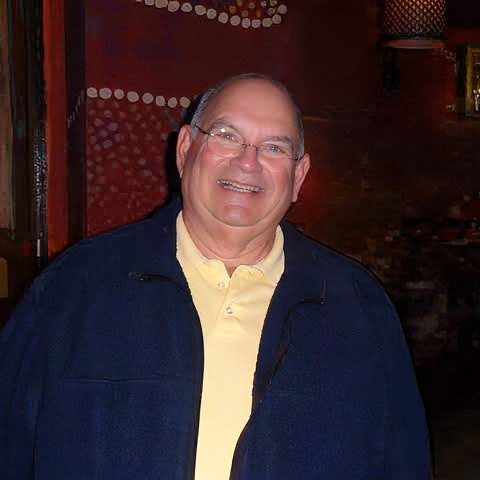
Dave LaCamera
Dave LaCamera was much more than a witness to the history of Boston and greater New England’s vibrant music scene during the 1960s and ‘70s. As head of Lordly & Dame, arguably the most influential booking agency in the region during the most prolific era the music business has ever seen, he was one of the people who helped write the story.
Simply put, to spend time with LaCamera is to have access to a living encyclopedia of the music scene in New England in those decades. His remarkable career left him with an abundance of stories about artists he worked with over the years – success stories, funny stories, things-gone-wrong stories – and, because he’s an incredible raconteur, you never get dry history, you get the road version: cash settlements in locker rooms, snowed-in concerts, clubs getting half-destroyed by dancing fans, and artists who were equal parts genius and trouble. Here’s a sampling of stories from a recent conversation.
WILSON PICKETT
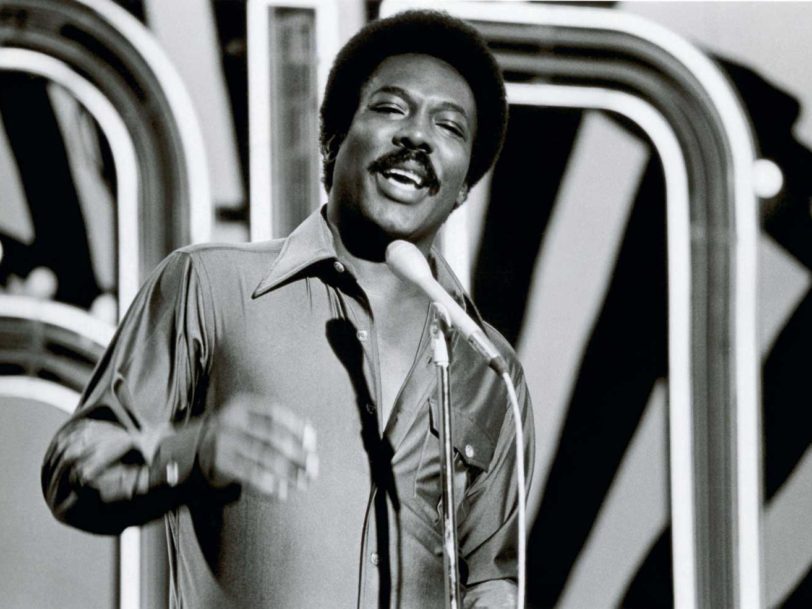
He remembers Wilson Pickett as one of his favorites, noting that he was “absolutely nuts,” but manageable if you knew the rules. Dote on him. Pay him cash. Make sure he knows it’s your booking. LaCamera says he likely did more Pickett shows than any other booking agent in the country because he understood how to handle him. One memory stuck: sitting on a bench in a locker room at Bridgewater State University, paying Pickett $5,000 in cash, with $1,000 bundles disappearing one by one under each of Pickett’s legs and then, very memorably, under another part of his anatomy before the rest went in his pocket. After that, LaCamera says, he did 30 or 35 more dates with him and never had a problem.
JANIS JOPLIN AND PAUL BUTTERFIELD
He remembers Janis Joplin and Paul Butterfield getting snowed in at Franklin Pierce College in New Hampshire in 1968. A huge storm buried the campus in two to three feet of snow, making it impossible for the bands to leave after the show. Instead of packing it in, they asked if they could keep playing. That led to Joplin and Butterfield jamming together until four in the morning while plows and snowblowers worked outside to dig out the buses. For LaCamera, it remains one of the purest examples of how magical live music could be when nobody was watching the clock.
He told me one coda to that story that I find especially amusing: “My friend Herb Spahr was the agent who called me saying, ‘Dave, I got this piano player. I need $200. I’ve got him up in your area. I need $200. Find me an opening slot, please. Anything. I don’t care what it is. I just need $200 to keep him alive.’ So, I booked that piano player for that Franklin Pierce gig. His name was Billy Joel.
AEROSMITH
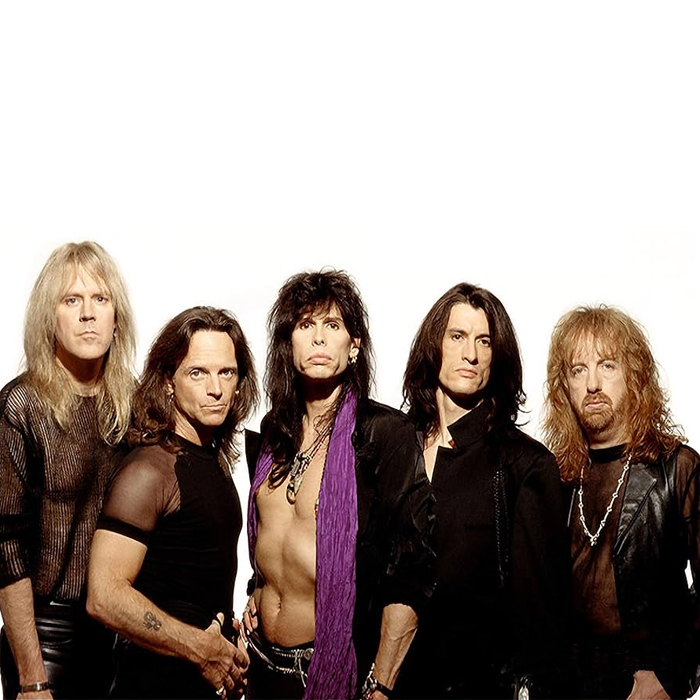
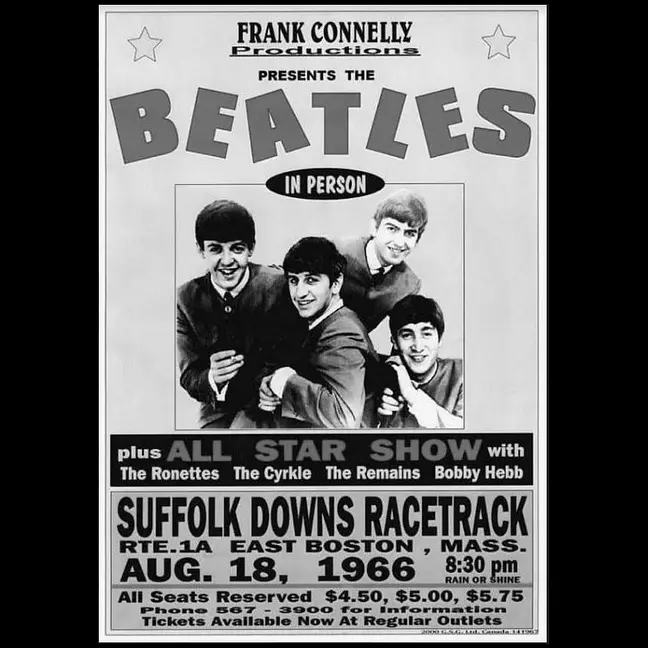
He remembers seeing Aerosmith before they exploded. One of his acquaintances, fight promoter Rip Valenti (who helped bring The Beatles to Boston in ‘66 and also managed Rocky Marciano and “Marvelous” Marvin Hagler), brought him into a recording studio showcase and told him he had to hear this band; the volume and intensity absolutely floored LaCamera. They were phenomenal, he thought, but so overwhelming he was not sure where he could even book them. He tried anyway. Soon enough, he had them at Boston College’s McHugh Forum for homecoming. Then “Dream On” started to break, demand exploded, and the show turned into chaos: thousands inside, thousands more outside, windows and doors smashed by people trying to get in. That, he says, was the end of concerts at Boston College.
DUKE AND THE DRIVERS AND CLIVE DAVIS
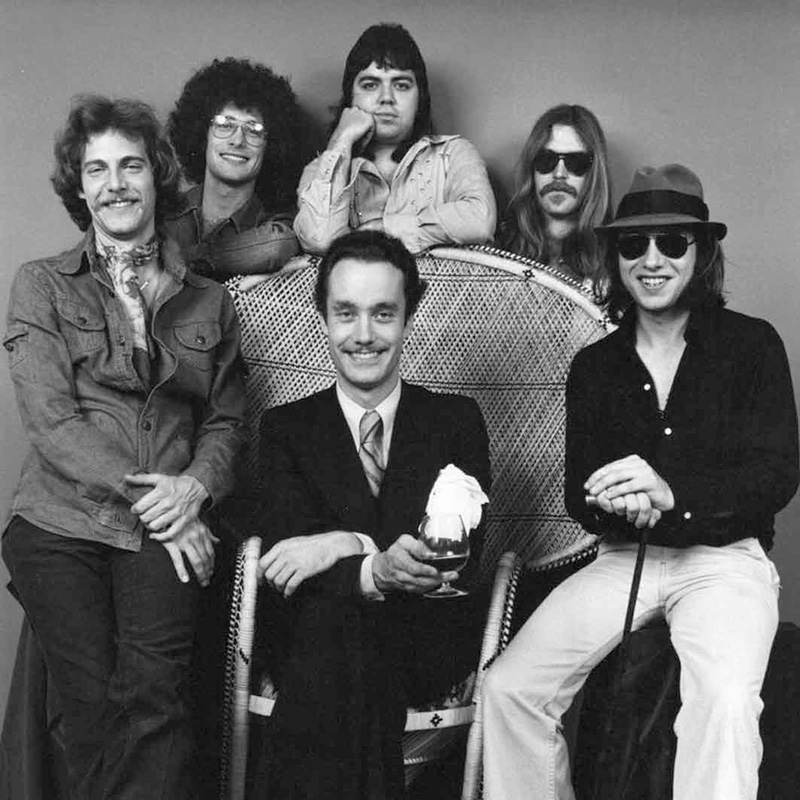
He remembers Duke and The Drivers with special affection. For LaCamera, Duke represented the funky side of Boston music that he loved most. The band could make a room go crazy, and after they caught on, they played an average of 20 one-nighters per month, headlining clubs, doing opening slots, and landing percentage deals that paid what was an astonishing amount of money at the time.
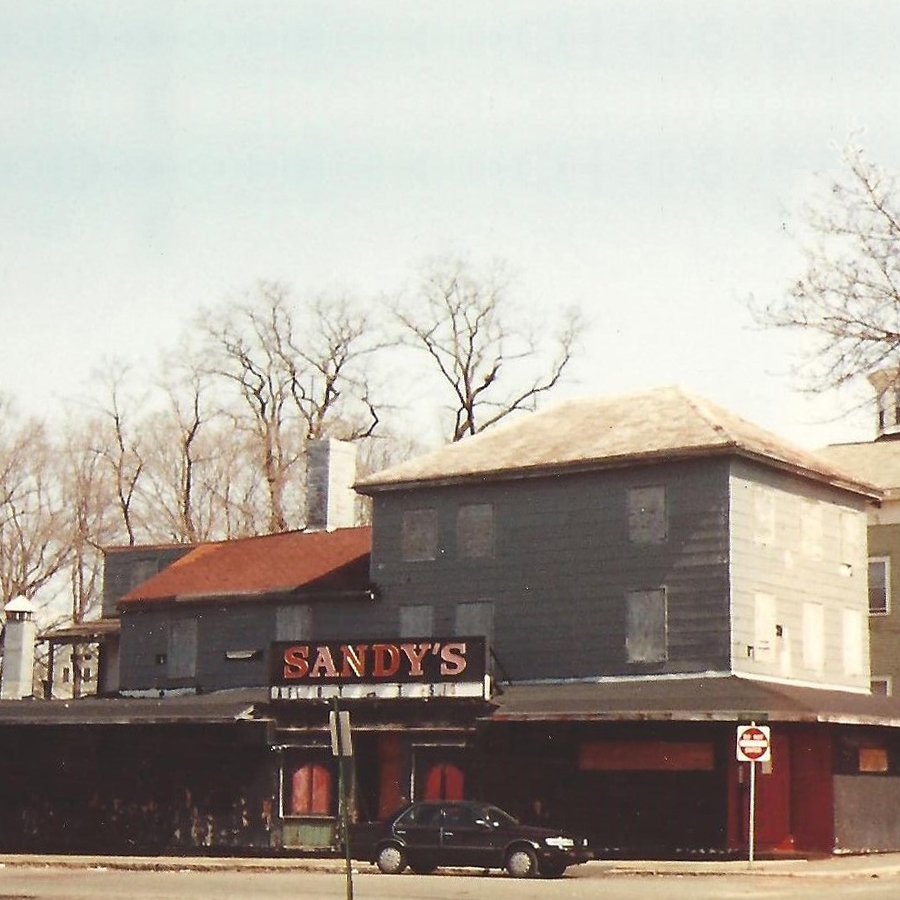
The band had a huge following in New England, and they were one of the few rock groups to appear at Sandy’s Jazz Revival in Beverly, Massachusetts, where they played for 100% of the door. Every time they did, their frenzied fans would tear the place up. When LaCamera went to settle up at the end of the night, he’d inevitably have to give up cash to pay for the damage fans inflicted, which became seriously expensive; sometimes he had to pay as much as $700 of the $4,000 the band was paid.
LaCamera believed Duke and The Drivers enough to bring then Columbia Records President Clive Davis up to Massachusetts to see them open for Aerosmith at Westborough Speedway. Davis said he liked the group but, in LaCamera’s telling, turned them down because they didn’t have enough original material. When Duke later left LaCamera for another manager, it crushed him. The break hurt deeply enough that he sees it as one of the events that pushed him away from the music side for good. Yet decades later, he maintains a strong personal relationship with Joe Lilly, the leader of the band, and together they still marvel at what Duke achieved.
THE BUCKINGHAMS FIASCO
Then there’s the Buckinghams story, which might be the most cinematic of the lot. The band was booked for Boston College when their trailer overturned on the New York State Thruway, destroying their equipment, so the road manager called to cancel. LaCamera was determined to find a way to make it work, however, and nothing was going to stop him. He got a complete gear list, called every connection he had, and pieced together replacement instruments and amplifiers from multiple music stores in and around Boston, sending some of the gear to the venue in vans and taxis while driving a lot of it himself. By evening, everything was on stage.
But that’s not the end: the road manager said the band still wouldn’t go on since the replacement piano wasn’t the exact model they wanted, claiming that one particular note they needed for a hit song wouldn’t be right. Having worked a ten-hour day, LaCamera snapped. He unscrewed a piano leg, walked into the dressing room and made it unmistakably clear that canceling was no longer an option. The band played. At settlement, LaCamera deducted the cost of all the replacement gear, transportation, and even the broken piano leg from their fee. They took their money and left. You simply cannot teach that kind of promoter’s nerve; you either have it or you don’t.
A REGIONAL ECOSYSTEM BEYOND THE STARS
In LaCamera’s recollections, the New England scene was never just about the stars. It was about a whole regional ecosystem: campus committees, local beach casinos, gyms filled with kids, clubs packed beyond capacity, managers, road guys, promoters and agents learning on instinct and adrenaline. Boston and greater New England were not just stops on a tour. For a generation of musicians, music-biz folks and fans, they were a proving ground.
And Dave LaCamera was one of the people helping hold it all together or, when necessary, forcing it together with little more than charm, speed, temper, and nerve. That may be the clearest thread running through all his stories. Before entertainment became corporate, digitized and carefully managed, it was personal. It was relationship-driven. It was risky. It was exhausting. It could be wildly profitable, and it could break your heart.
LaCamera lived all of it. And if you ever get the chance to talk with him, he’s got plenty more stories like these to keep you entertained for hours.
(by Tony D’Amelio)
Tony D’Amelio has deep roots in the New England music scene. He started his regional booking agency, Master Talent, in Hartford, Connecticut in 1969 and moved to booking speakers in 1981. In 2011, he founded Stamford-based D’Amelio Network, where he manages a select group of experts who speak globally, one of whom, Chris Barton, invented the music app Shazam.