Dave LaCamera / Lordly & Dame
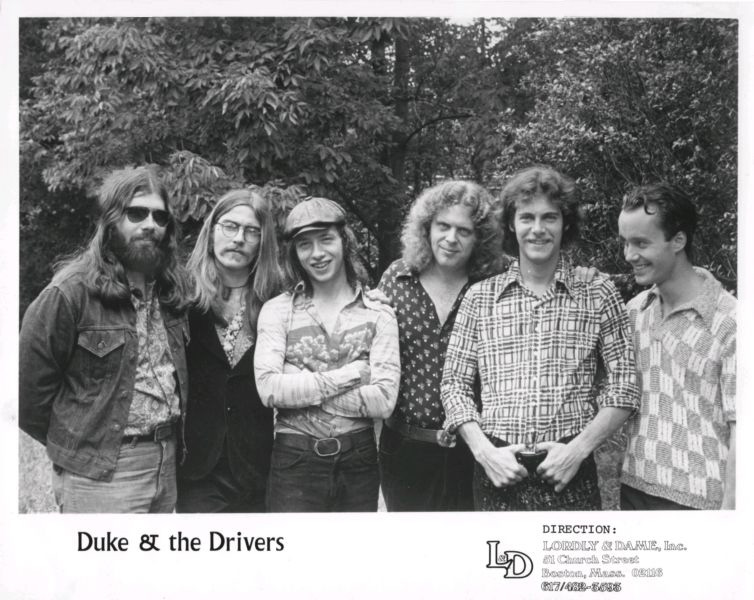
Lordly & Dame
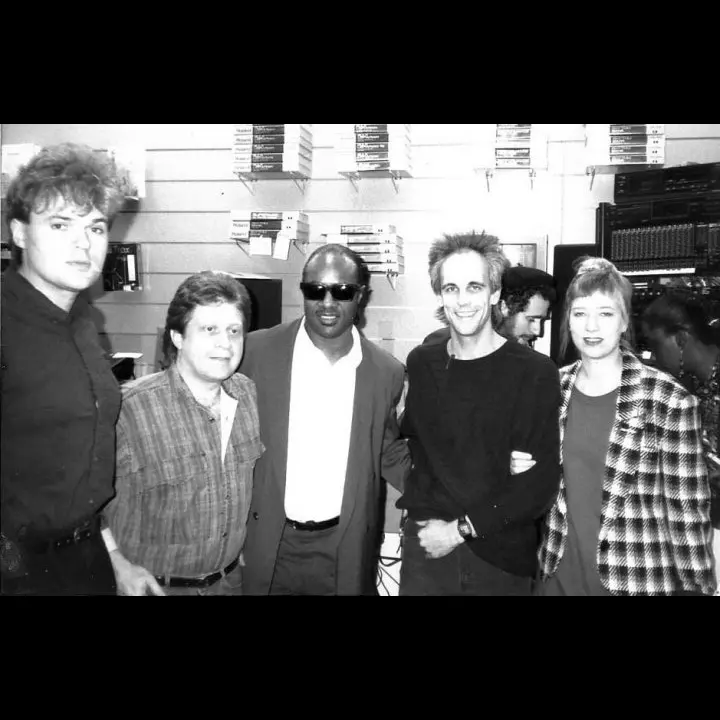
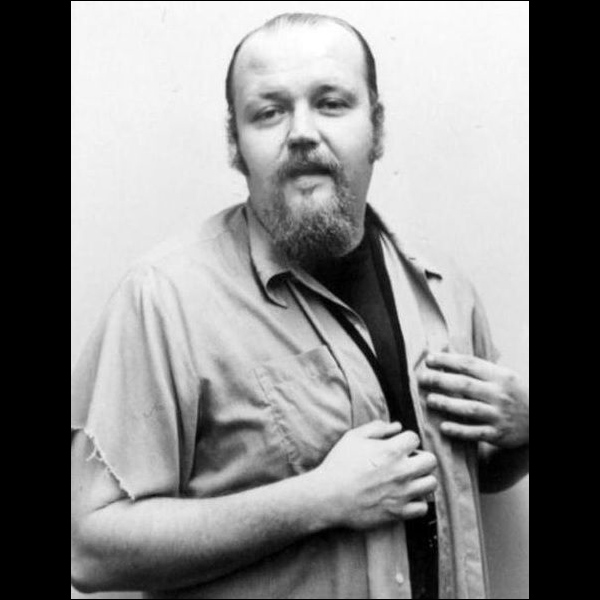
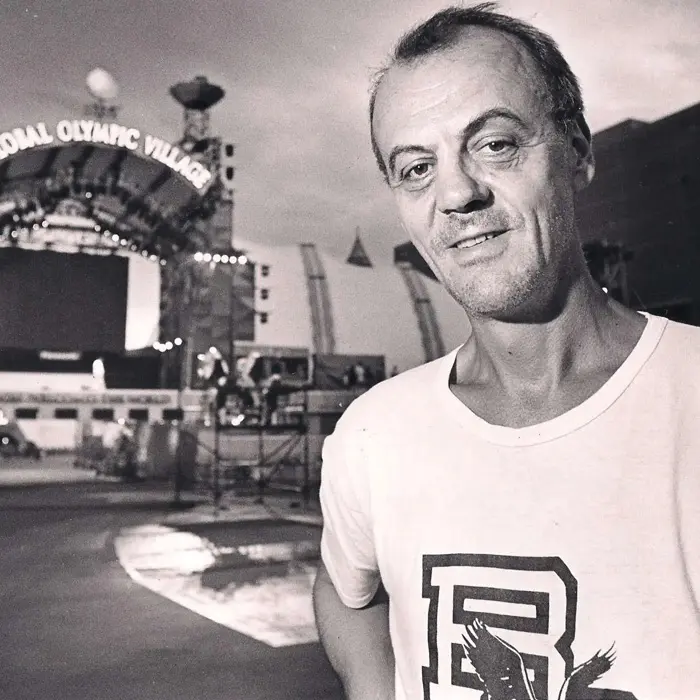
My introduction to Dave LaCamera came in May of 1973, when I booked one of my groups to open two shows he’d booked for Stevie Wonder at Rhode Island College. I arrived early and saw him, an imposing figure at about 300 pounds and perfectly dressed. He could look quite intense and menacing at times, but his appearance belied the size of his smile – and his even bigger personality.
Stevie arrived late, and my group got bumped from the first show to stay on schedule. Stevie took the stage, which I remember being very high (about five or six feet, with Stevie set at the back), and the band started the first number. LaCamera and I were watching from the side balcony. Stevie was playing and rocking in his chair, back and forth, back and forth, in time with the music. And then, suddenly he goes back and backwards – falling totally off the stage and dropping down to the hard floor below. One by one, the musicians stopped playing as Stevie’s handlers picked him up to make sure he was okay. He was – and he went back on stage to finish the show.
LaCamera and I couldn’t believe it. It all happened so fast. We bonded during that experience and became lifelong friends – it’s been over 50 years. More importantly, that’s just one of so many amazing experiences had by the guy who was a key figure during what was arguably the most prolific time in New England’s musical history.
MUSIC BUSINESS BEGINNINGS
Before Boston-based entertainment agency Lordly & Dame became a driving force in events at colleges, before the lecture business took off, and before generations of artists, agents, campus buyers and club owners knew his name, David LaCamera was a kid in Cambridge with a knack for spotting an opening. Born in 1946, he grew up in Cambridge, where he graduated from Rindge Tech in 1964; he was in good company, because Matt Damon and Ben Affleck are also alums. His father, a construction worker, wouldn’t hire him, but one day while hanging around Harvard Square, LaCamera had a powerful observation: Harvard’s college mixers were constantly packed with young people enjoying live music. If students would show up in droves for a dance at Harvard, why couldn’t he apply the same recipe and promote events for the general public?
So he tried it. He found a ballroom down Massachusetts Avenue in Cambridge, talked the owner down from a $100 rental fee to $50, hired the same band Harvard had been using – The Argonauts – and started plastering posters around town advertising a “college mixer.” The result was immediate: a whopping seven hundred people showed up. At a $1.50 a head, cash poured in. The success was instant – and addictive. It was at that dance that LaCamera first met Lennie Baker, who went on to play sax in Sha Na Na, and Harry Sandler, who went on to play drums in Orpheus.
Then he went bigger. LaCamera moved the concept into Boston, renting the ballroom at the old Sherry Biltmore Hotel, a site now absorbed into Berklee College of Music. This time, the crowd swelled to 2,000. Northeastern, Harvard, Boston University – the city’s students came in droves. By his telling, the cash rolled in so fast he bought a brand-new car with the first weekend’s profits. It was chaotic, lucrative, and very much the kind of education you do not get in a classroom.
JOINING LORDLY & DAME
But the boom didn’t last. A brawl in the ballroom cost him his entertainment license and shut the mixers down in its second season. And that’s when a chance observer changed his life. One night in 1966, Buck Spur, a partner at Lordly & Dame, watched the operation from the balcony and saw something more than a packed dance floor. He saw a born promoter. Spur invited LaCamera to come work for Lordly & Dame booking bands. LaCamera had no formal training and no salary – just 50 percent of the commission whenever he booked something. If he didn’t, he didn’t get paid.
So, LaCamera listened. He sat in Spur’s office for a month, absorbing the cadence of the business, learning how to talk, how to sell, and how to close. All the while, he also held a part-time job at Woolworth’s washing dishes and as a short-order cook to earn money until finally, he was given an office, a phone, and a chance.
The first months were lean enough that he kept his job at Woolworth’s on weekends just to stay afloat. He remembers going to Lordy & Dame cofounder Sam Dame and explaining that he couldn’t keep living on nothing. Dame, convinced LaCamera that he had “the gift,” put him on a $100-a-week draw to keep him going. Then the cycle clicked. After months of putting dates on the books, a check arrived at the end of October: $3,900. In 1966, that was real money. A few months later, the bigger winter and spring dates hit, and suddenly LaCamera was making several thousand dollars at a time.
BUILDING A POWERHOUSE
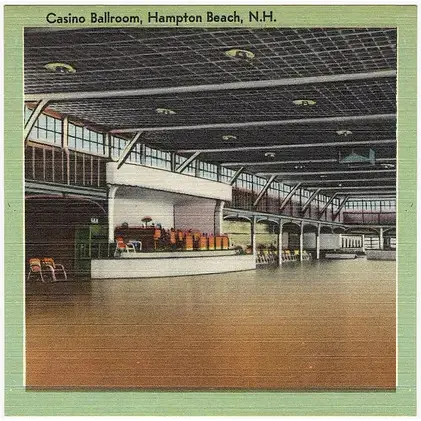
Over the next decade, LaCamera built Lordly & Dame into a regional powerhouse. He expanded the roster of local Boston bands, brought in new agents, and built a network that dominated the New England scene. He booked fraternities, colleges, homecomings, winter weekends, spring weekends, one-nighters, beach casinos and summer dance halls. In the warm months, his bands played places like Hampton Beach Casino Ballroom, Old Orchard Beach Casino, York Beach Casino and Lake Winnipesaukee Ballroom. During the school year, they were in gymnasiums, field houses and student centers all over the Northeast. At its peak, the agency was booking between 10 and 12 shows every Friday and Saturday, feeding an ecosystem of musicians, crews, and venues across Maine, New Hampshire, Vermont, Massachusetts, Rhode Island and beyond.
During those years, LaCamera was in constant motion. He covered these events personally and the travel could be grueling. In one 14-month span, for example, he said he put 123,000 miles on a 1966 Chevrolet Impala Super Sport and literally broke the frame. That wasn’t a metaphor for burnout. The frame actually broke.
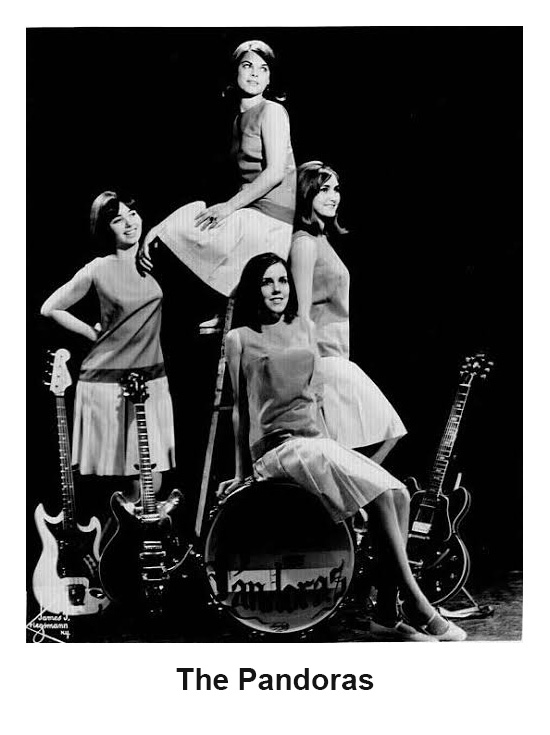
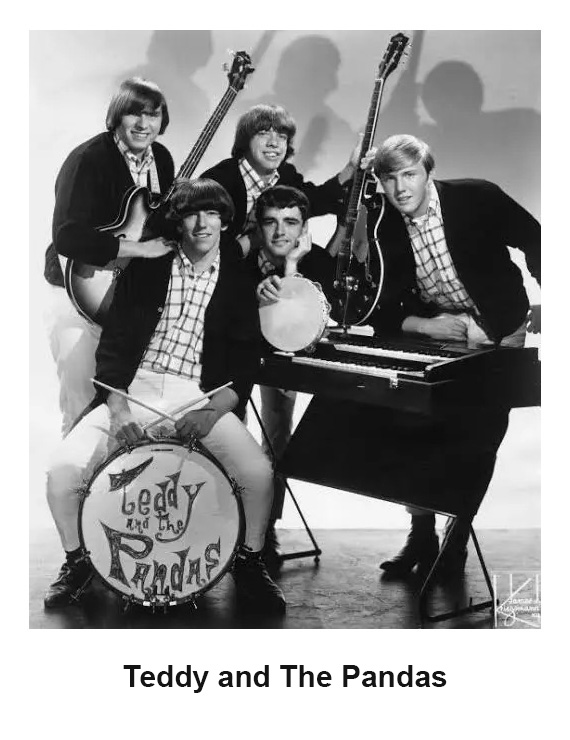
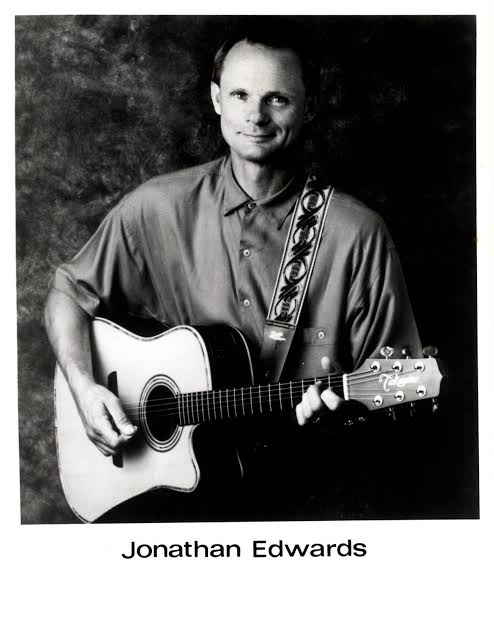
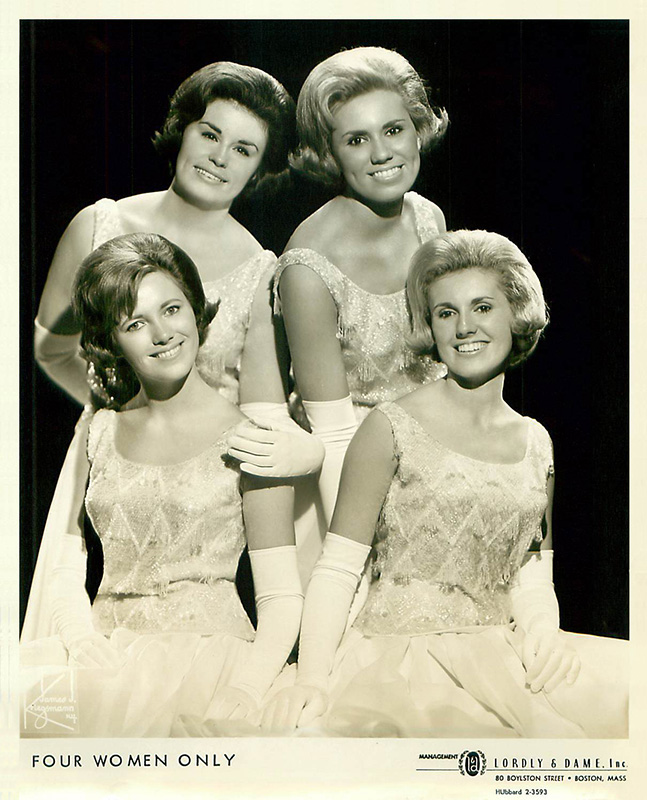
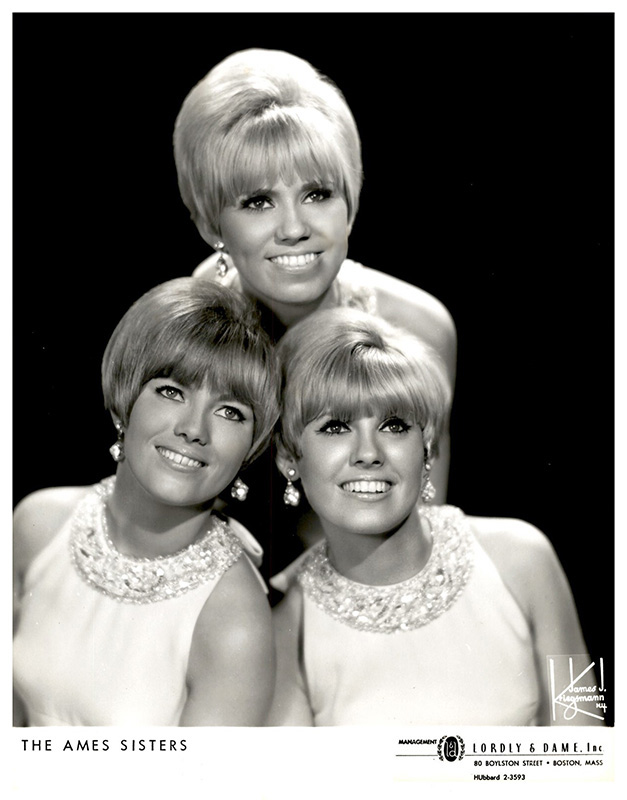
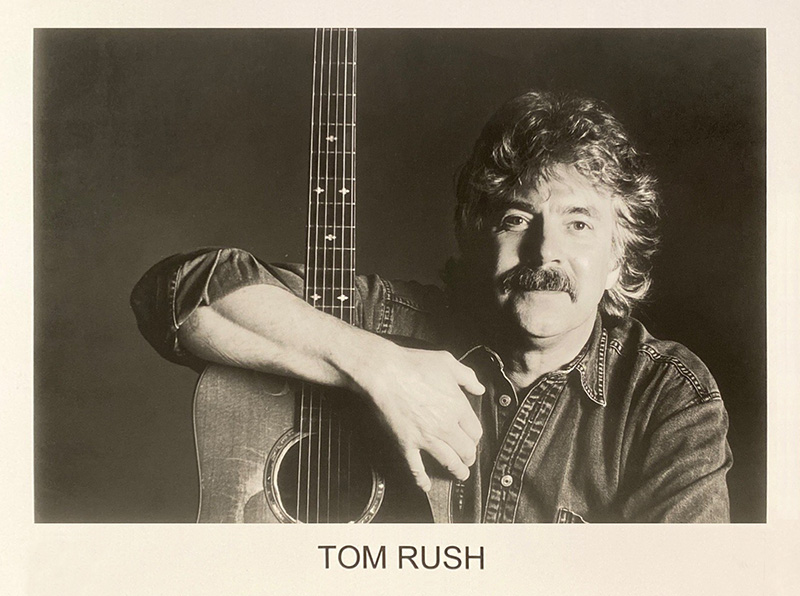
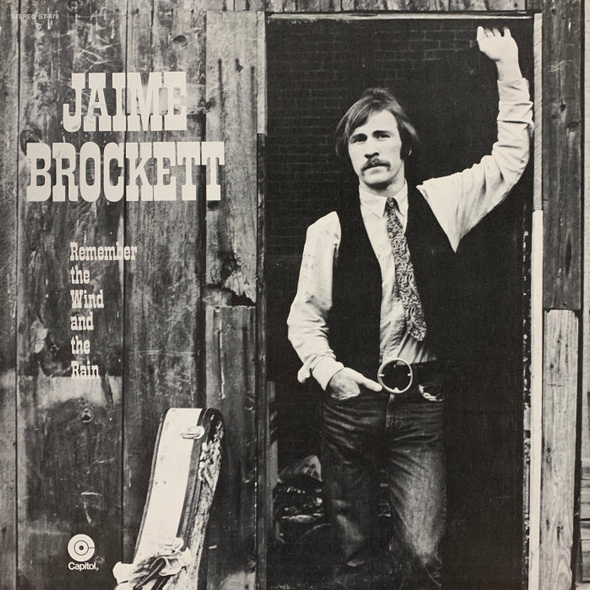
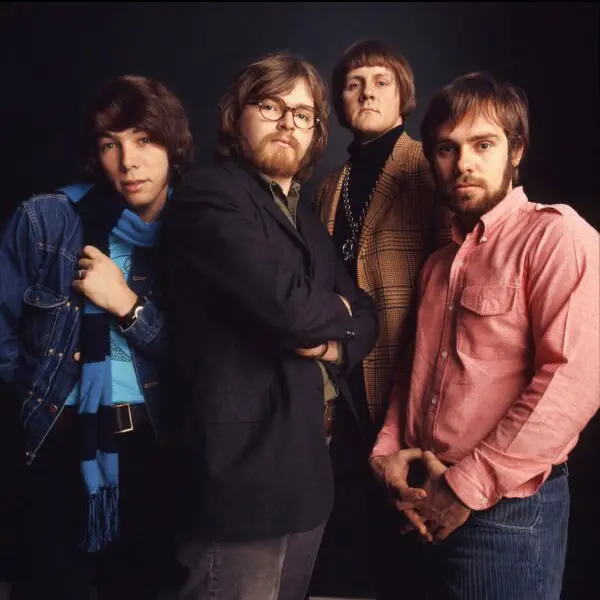
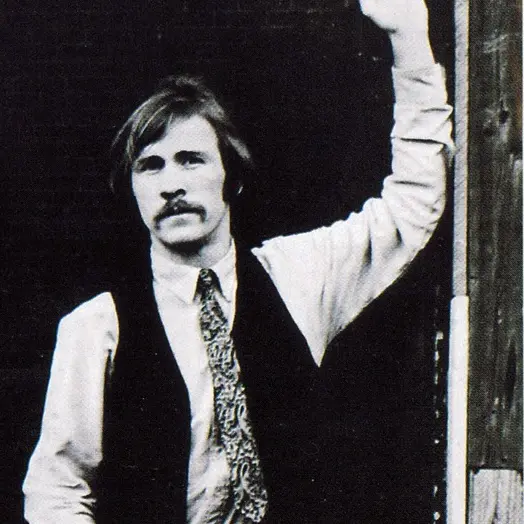
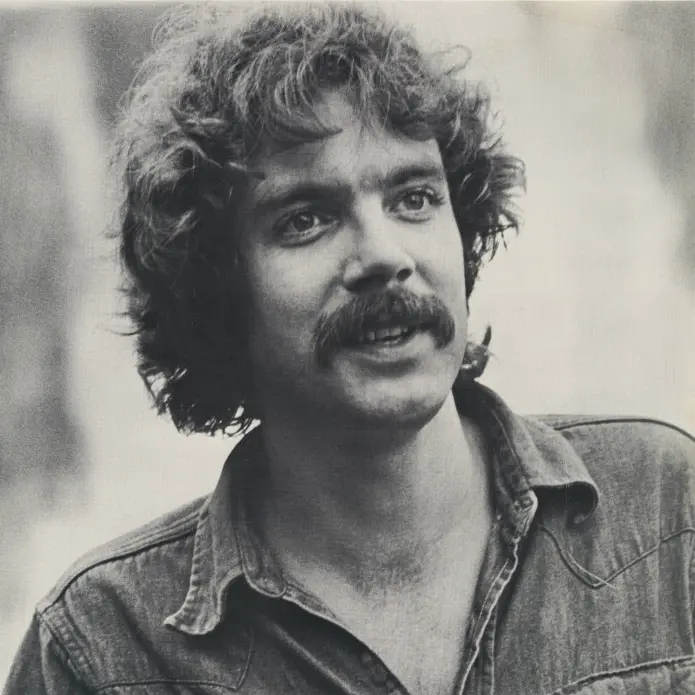
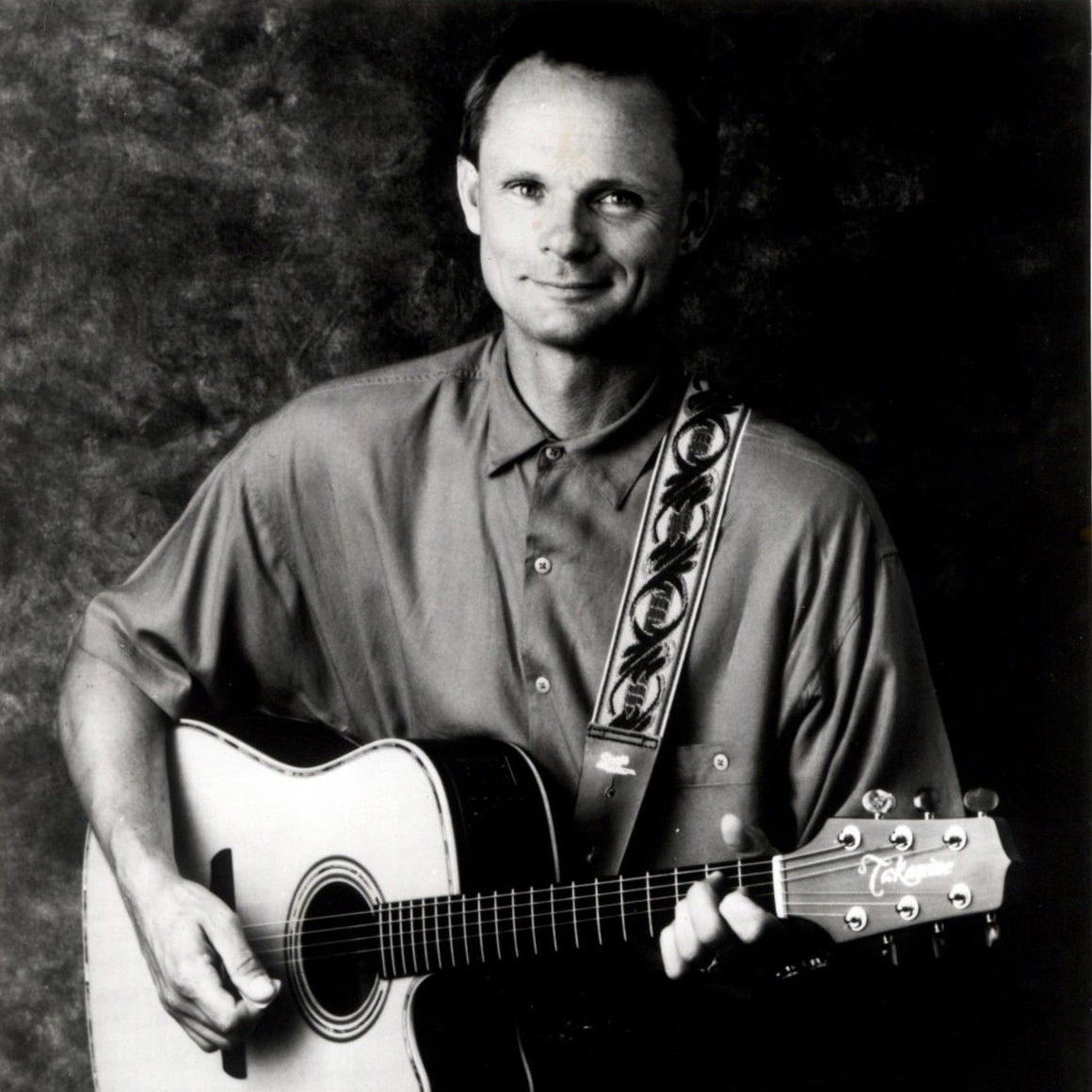
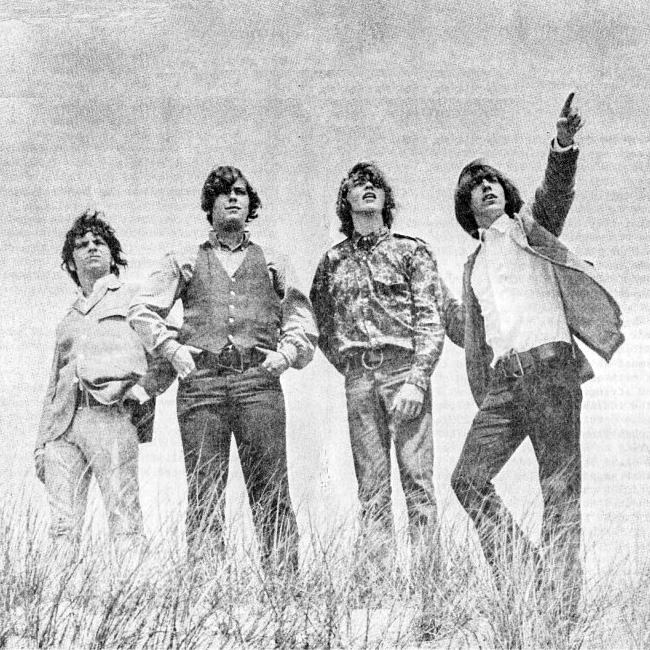
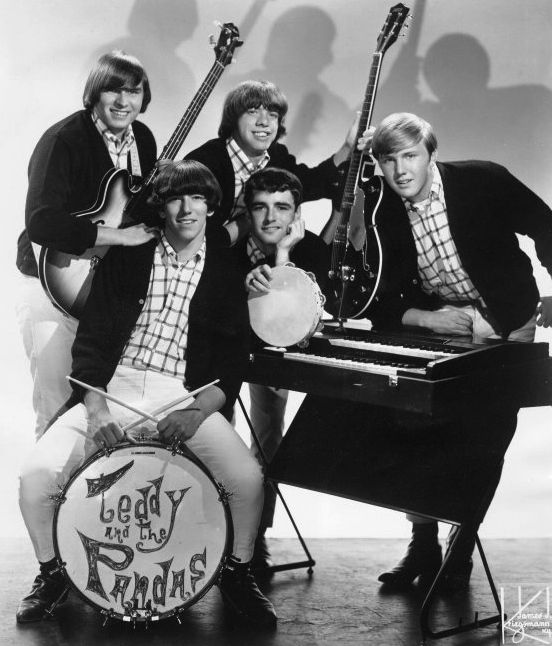
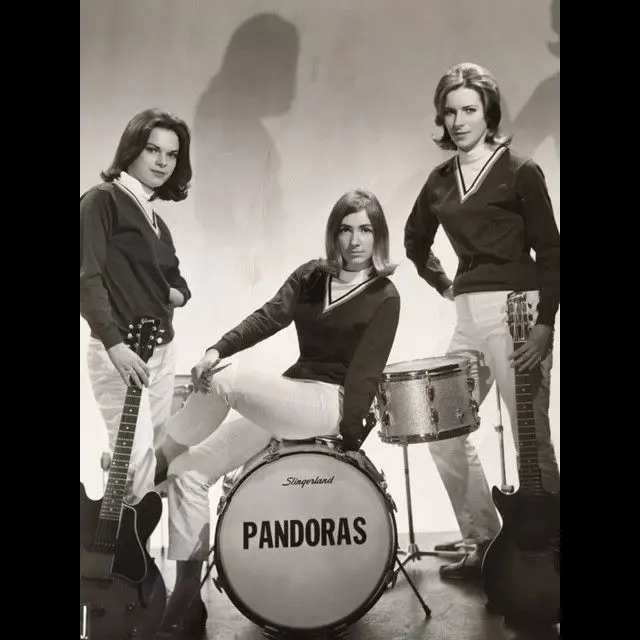
But the endless hustle paid off. LaCamera and Lordly & Dame assembled one of the strongest local rosters in New England. Among the acts he mentions are Bundle of Joy, Tom Rush, Jaime Brockett, Sugar Creek, Jonathan Edwards, Jay Leno, Orphan, Martin Mull, Teddy & The Pandas and The Pandoras (whom LaCamera remembers as among the first legitimate all-girl rock bands playing their own instruments and singing their own parts). As the roster grew, so did the staff. Agents including George Perry, Frank Neer, Don Rosenberg, Freddie Johansen and Abby Konowitz filled the offices. LaCamera logged 100,000‑mile years on the road in New England by car. The business was loud, hectic, entirely cash based and very competitive – but it thrived.
EXPANDING THE MARKET
By the early 1970s, Lordly & Dame had become a major pipeline between colleges and talent. LaCamera was not only representing regional acts but also selling major national names into campus events. He recalls one University of Massachusetts winter weekend that included Johnny Carson, Bill Cosby, The Lovin’ Spoonful, and The Young Rascals – the kind of package that instantly established credibility with any buyer in the region.
It was also an era when college entertainment was volatile. Big artists could trigger huge crowds, and huge crowds could turn into total disorder. LaCamera remembers Sly & The Family Stone dates that ended in near riots, with venues overrun and doors torn from buildings by students trying to get in. Those nights were not anomalies. They were part of what college rock promotion looked like when demand outstripped capacity and everything was live, local, and barely contained.
He also saw opportunities everywhere. At one point, with so much business flowing through him, LaCamera decided he should own a sound company too. He bought a modest sound system with a former bandmate and began steering jobs either to his own company or to respected local provider Al Dotoli of All Sound Audio. It was another example of his instinct: if a business was adjacent to the work, he wanted to understand it, control it, or build it.
EXHAUSTION, INDUSTRY CHANGES, LEAVING LORDLY & DAME
But the pace was punishing. By the mid-’70s, LaCamera had spent over a decade running flat out, selling, driving, handling artists, handling buyers, handling crises, and being physically present for an astonishing number of engagements every month. He married in 1972 and divorced in 1974. In retrospect, he saw the life he was living for what it was: all hustle, no balance.
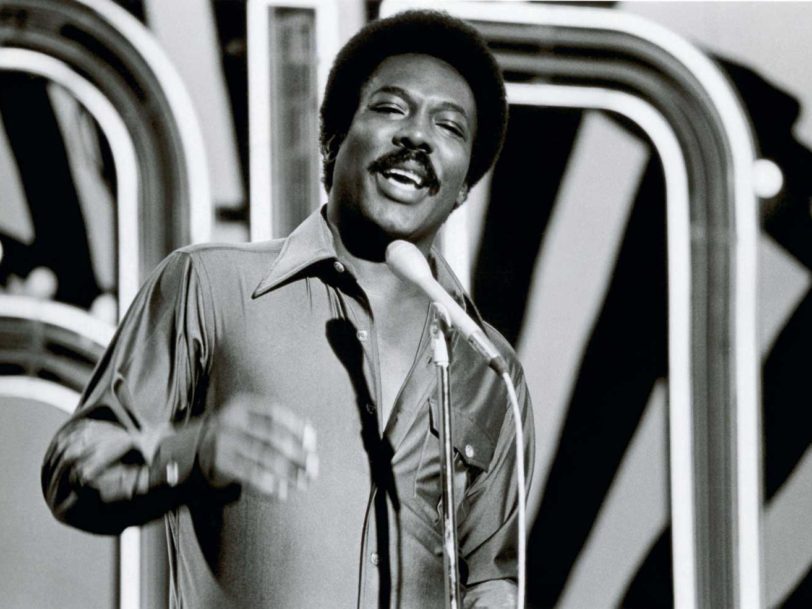
He also sensed the music itself changing. LaCamera’s heart was in soul, funk, rhythm and blues – The Temptations, The Four Tops, James Brown, Wilson Pickett. As the ‘70s moved on, the market tilted toward sounds and sensibilities he didn’t connect with in the same way. Southern rock, disco, punk, changing college culture, and eventually new drinking-age laws all altered the terrain. The club circuit changed. Campus life changed. The business changed.
Around 1978, after a hard stretch personally and professionally, his sister told him to stop, rethink things, and change the way he was living. He listened. He walked into Sam Dame’s office and declared that he was never working another Friday or weekend in the summer again. That decision marked the beginning of the end of his direct involvement in the music side. Lordly & Dame still had momentum, but LaCamera was starting to shift toward lectures and speaking engagements, a side of the company that would become increasingly important in the years that followed.
And LaCamera, who had helped define one era of New England entertainment, knew when he was no longer seeing the next one the way he wanted to. Up until that time, however, he booked virtually every single big-name solo artist and band on the ‘60s/’70s scene. And in the history of Boston and New England music, that makes him not just a witness, but one of the people who helped write the region’s unique musical backstory.
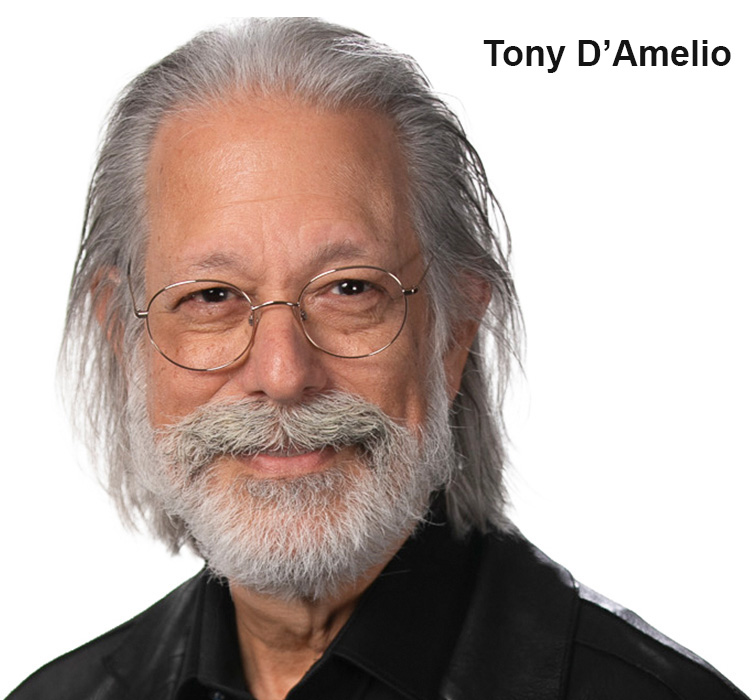
(by Tony D’Amelio)
Tony D’Amelio has deep roots in the New England music scene. He started his regional booking agency, Master Talent, in Hartford, Connecticut in 1969 and moved to booking speakers in 1981. In 2011, he founded Stamford-based D’Amelio Network, where he manages a select group of experts who speak globally, one of whom, Chris Barton, invented the music app Shazam.