Will Dailey
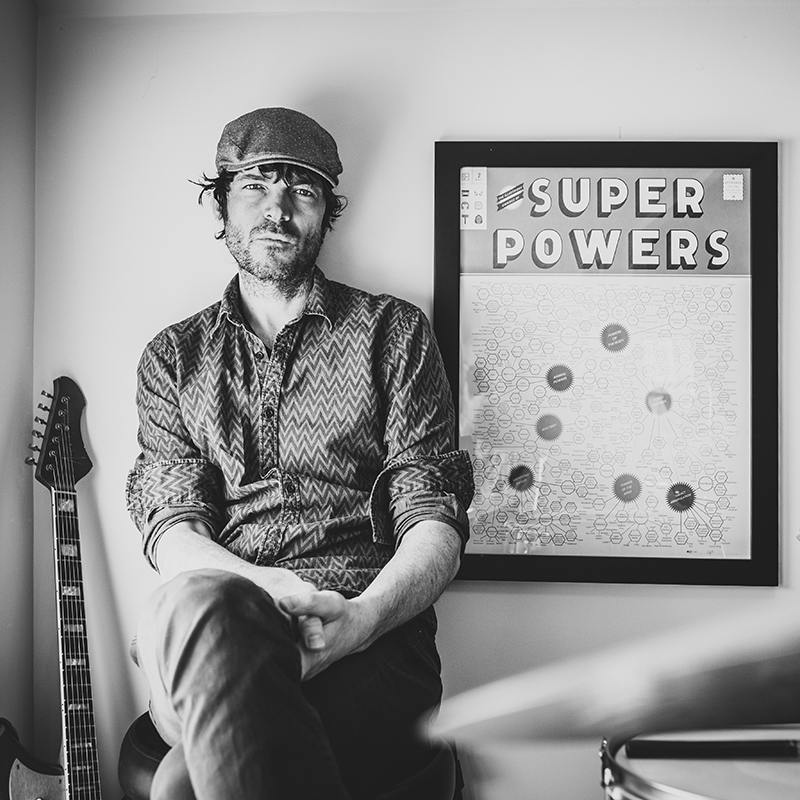
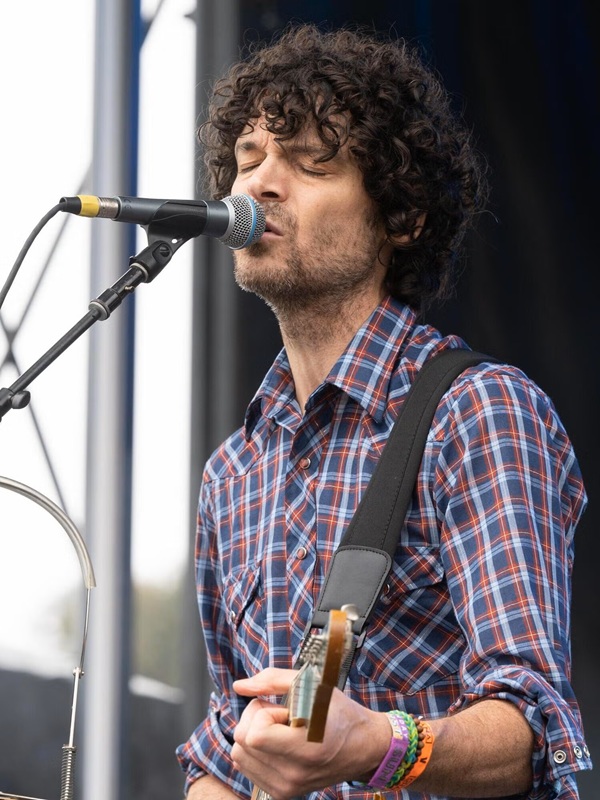
photo by Steve Molter
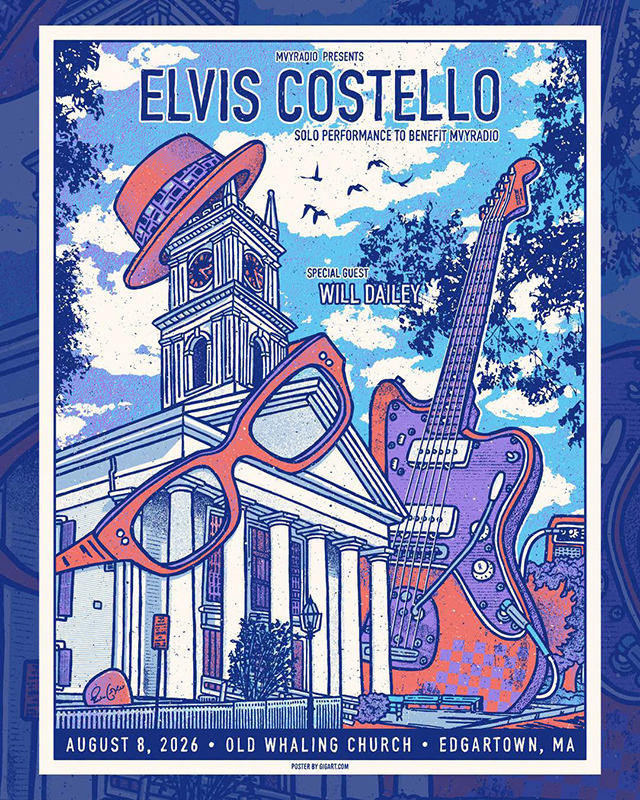
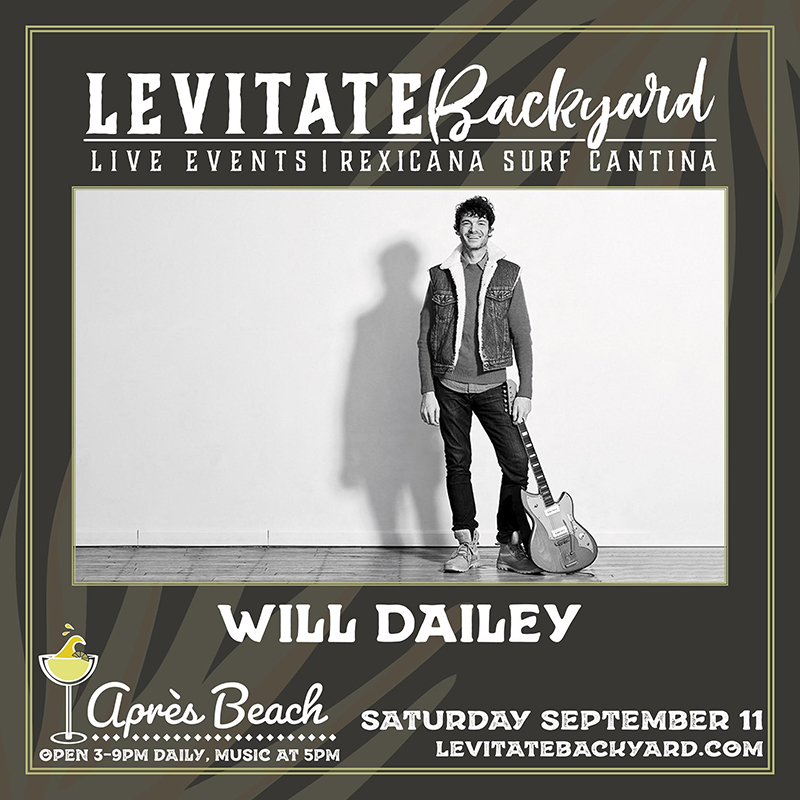
Boston-born singer-songwriter-guitarist-producer Will Dailey has spent more than two decades building a career that has taken him well beyond New England but has never separated him from the New England musical community in which he honed his skills and shaped his artistry. While he’s shared stages with artists including Eddie Vedder and Elvis Costello and appeared at multiple Farm Aid shows across the US, his story remains deeply connected to the venues, musicians, studios and audiences of his home region, as evidenced by the eight Boston Music Awards he’s taken home over the years.
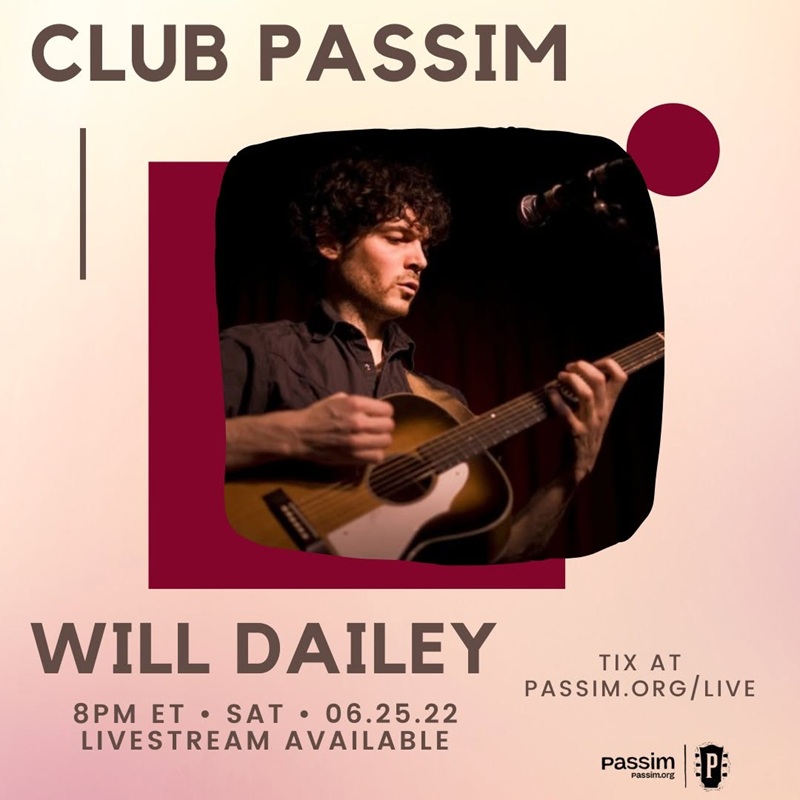
The connection is hardly accidental. Dailey views the Boston-area music community as an essential element of what helped him become the artist he is today, and his career’s unfolded alongside many of the region’s best-known musicians inside some of its most celebrated venues. From early appearances at spots like Mama Kin and Harper’s Ferry to performances at Toad, the Paradise Rock Club, Club Passim and The Plough and Stars, Dailey’s charted what amounts to his own musical map of the city and its surroundings.
MUSICAL BEGINNINGS, INFLUENCES, EARLY BANDS
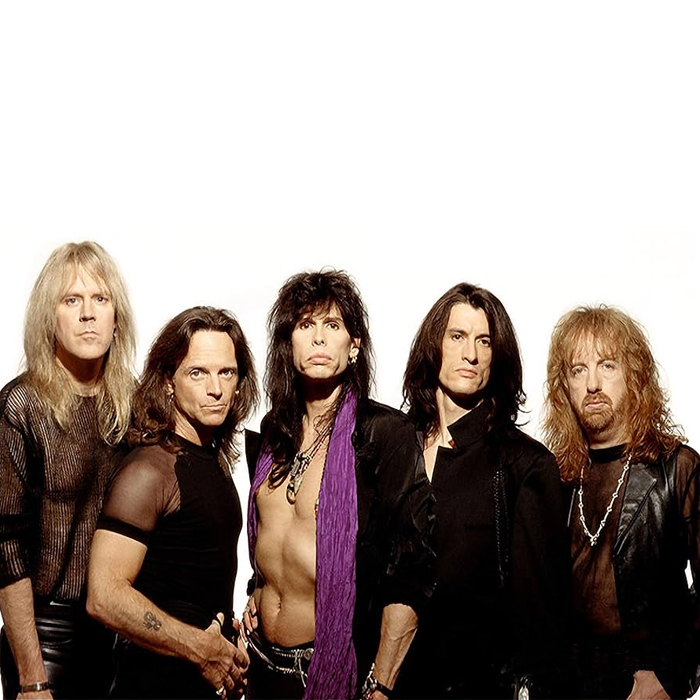
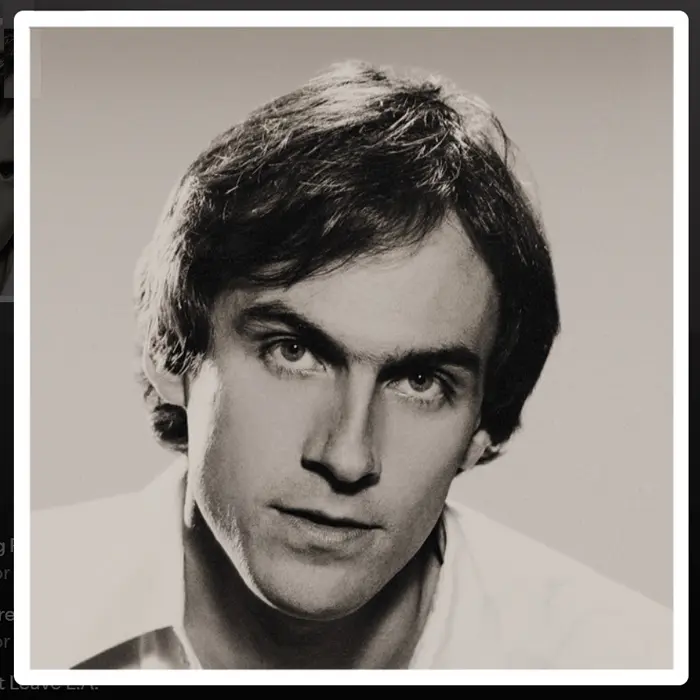
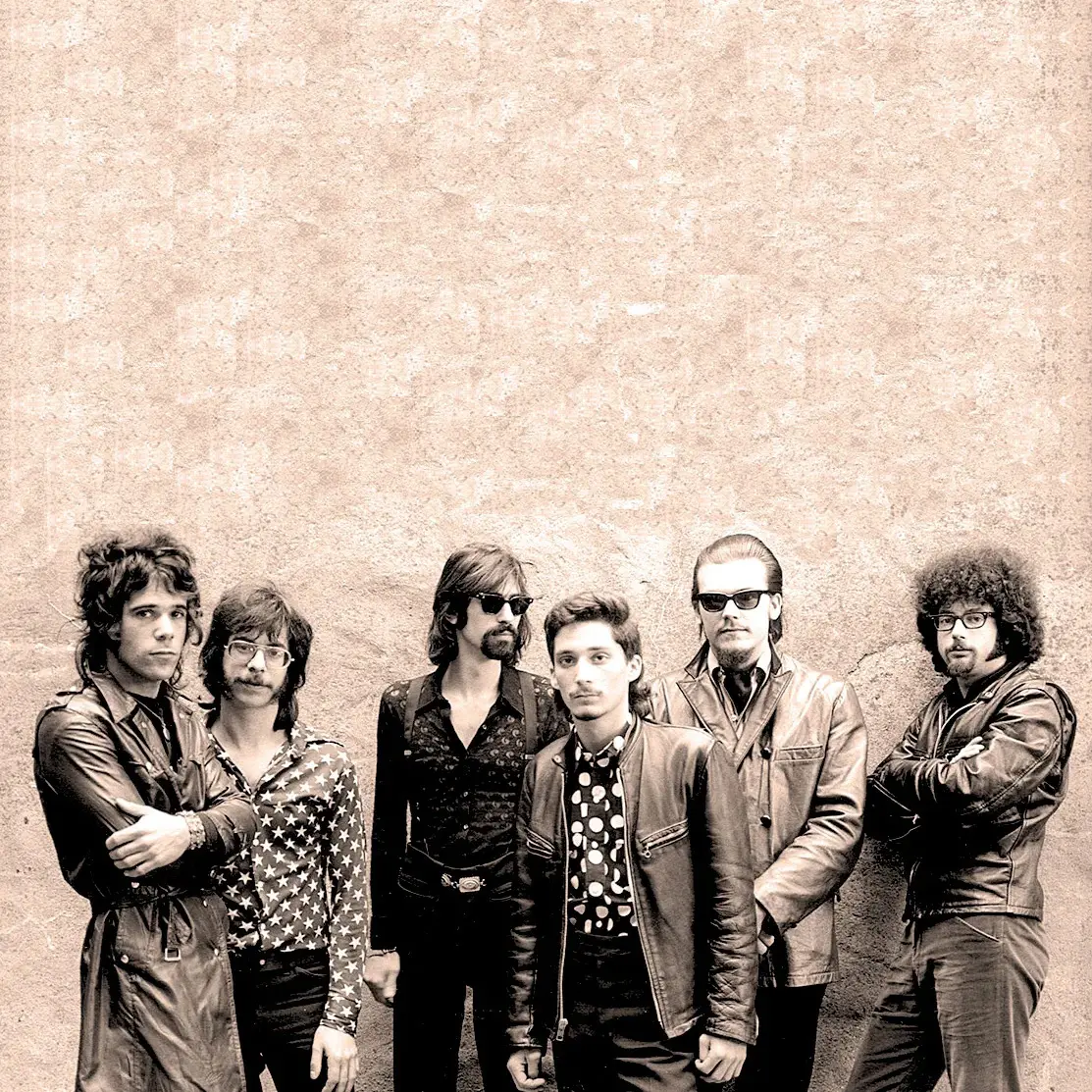
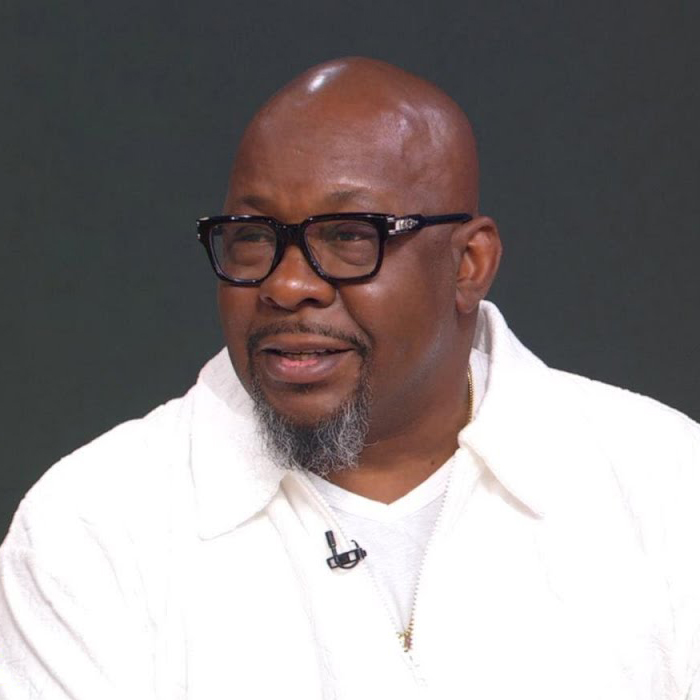
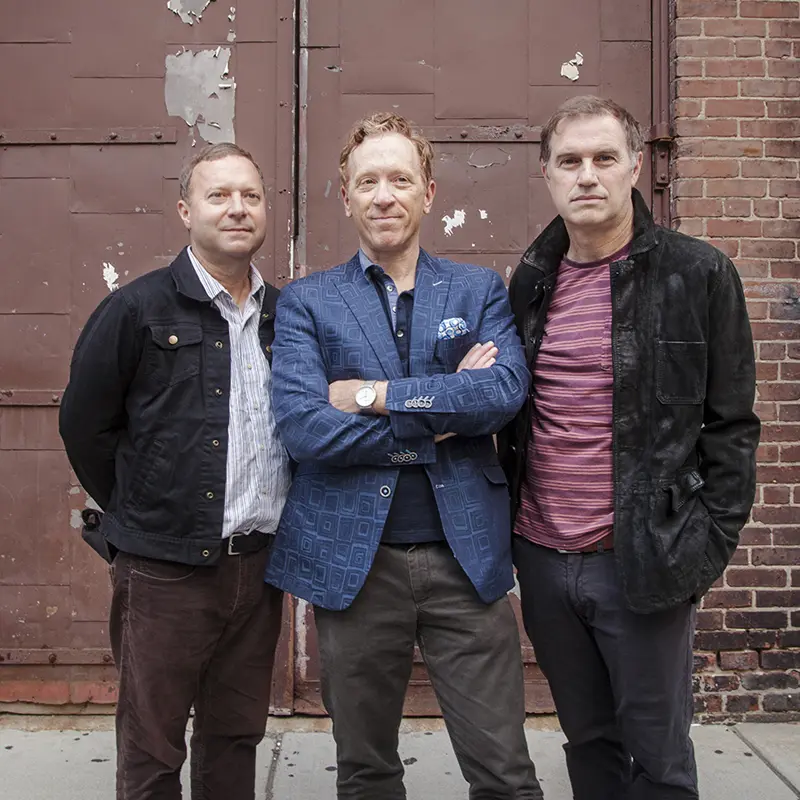
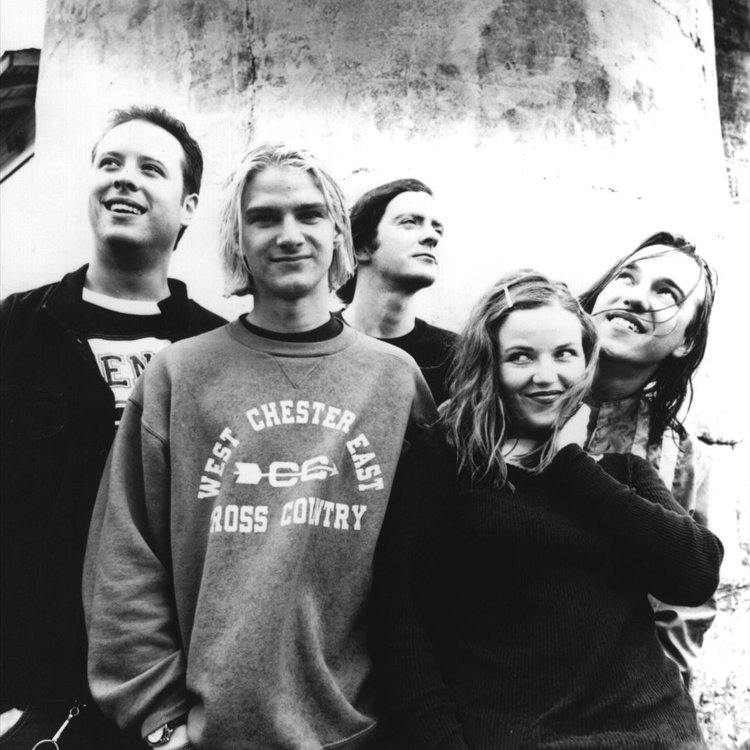
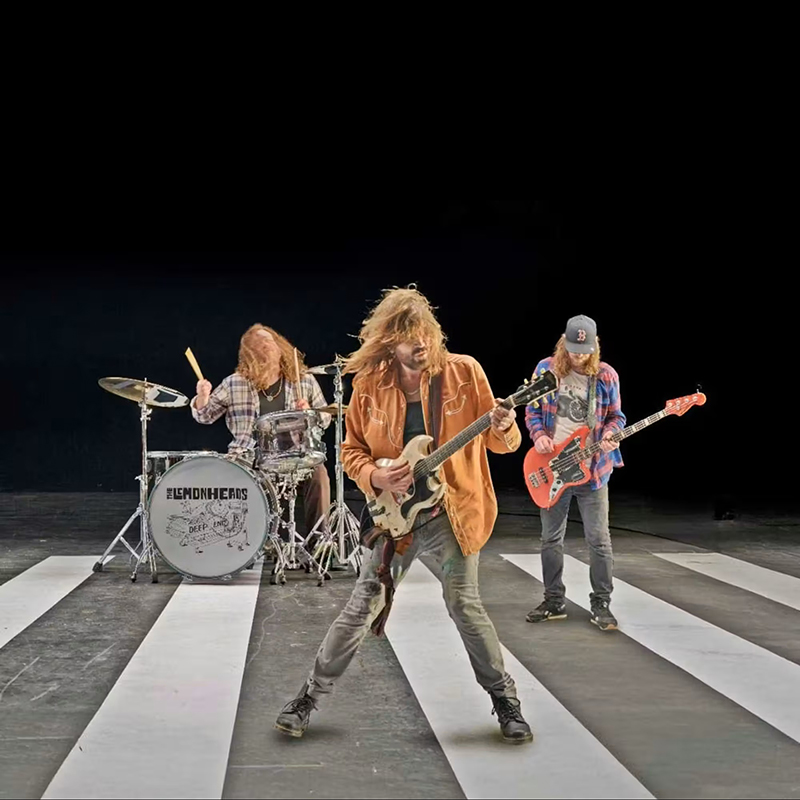
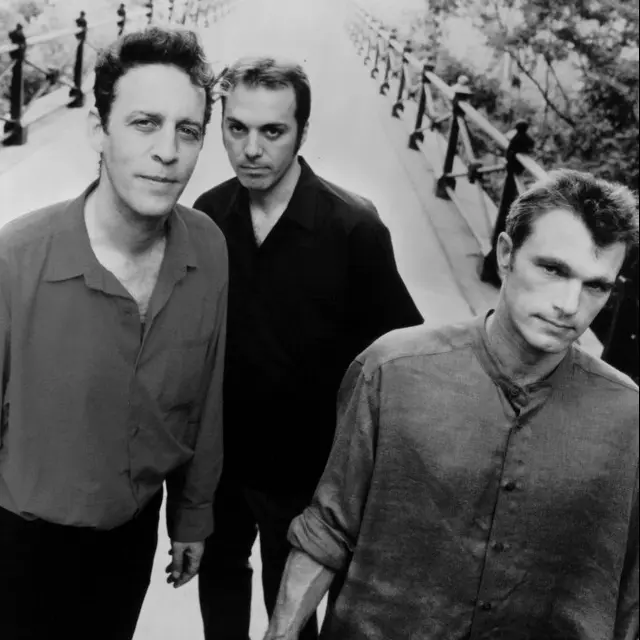
Born in 1977, Dailey began playing guitar at age 12 and started writing songs almost immediately. Growing up in Boston, he was well aware of nationally successful artists with local roots including Aerosmith, James Taylor, The J. Geils Band and Bobby Brown, but as he reached his teens, a new generation of Boston-based acts such as Buffalo Tom, Letters to Cleo, The Lemonheads and Morphine made the possibility of creating his own musical life seem considerably more immediate. Those younger artists had what he saw as a special quality that hadn’t been duplicated elsewhere, along with a certain “Boston grit” that had a significant influence on his own musical development.
His musical education came from several directions. He took guitar lessons and initially wanted to learn the music of bands like AC/DC and Led Zeppelin, although his teacher also introduced him to notation and music theory. A public-school music and theater teacher later offered theory and performance classes and, according to Dailey, encouraged his students to use their imaginations while also pushing them to improve.
While attending UMass Boston, Dailey played with musicians who were a mix of high school and college friends. Among his early bands were Mappari and Liam, both of which were formed largely around friendship, enthusiasm and the desire to play music rather than any carefully developed career strategy, and they worked their way through the Boston club circuit during the early 2000s. While their determination and energy allowed them to fill rooms, Dailey says, eventually he began writing material that didn’t necessarily fit what the band was doing, so he decided to record them himself. Unexpectedly, that decision changed the direction of his career.
SOLO CAREER, DEBUT ALBUM, OTHER ALBUMS
In early 2004, Dailey found a basement studio in Boston’s Allston neighborhood and recorded what became his debut album, GoodbyeRedBullet, which Wheelkick Records released in March that year. The recording process was intentionally old-fashioned even for the time, using 16-track one-inch tape without computer automation. To pay for the sessions, Dailey sold his red Honda Civic, nicknamed ”Red Bullet” because of the number of speeding tickets he’d accumulated.
He initially saw the album as something he needed to make for himself rather than the beginning of a solo career and intended his first solo gig (at the Paradise Lounge in Boston) to be nothing beyond an announcement of its release. Unbeknownst to him, however, a copy of the disc found its way to XM Radio, where it began getting significant airtime, and soon his phone was ringing nonstop with offers. As Dailey remembers it, suddenly he was “stuck being Will Dailey.”
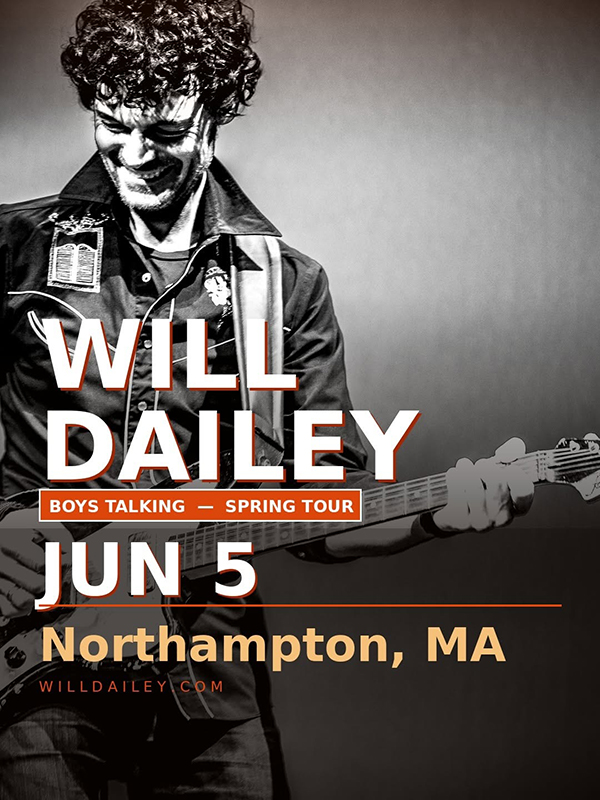
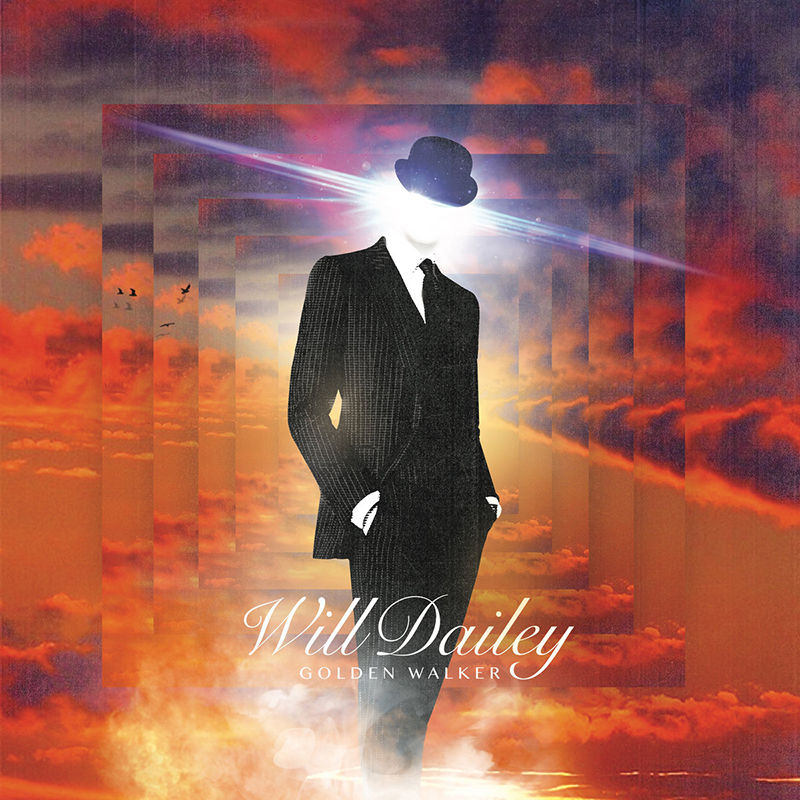
What began without a plan became the foundation of Dailey’s career, and since then he’s recorded seven more albums on a variety of labels, both independent and major: Back Flipping Forward (2006, JS Music); Torrent, Volume 1: Fashion of Distraction (2009, CBS); Torrent, Volume 2: By the Blue Hills (2009, CBS); Will Dailey & The Rivals (2011, Universal Republic); National Throat (2014, Wheelkick); Golden Walker (2018, Wheelkick); and Boys Talking (2024/2025, WK).
NEW ENGLAND CONNECTIONS, NOTABLE COLLABORATIONS
Dailey’s close relationship with New England venues, particularly those in Boston and Cambridge, has continued to develop along with his career. The Paradise remains particularly meaningful because he has been performing there since he was 19; as he describes it, the venue carries “a life story” with him. Club Passim became another important room, although Dailey initially had difficulty getting booked there because his music did not fit neatly within the folk scene, and Dailey speaks warmly of Toad, Lizard Lounge and especially The Plough and Stars, where he played for years under another name and developed part of one of his albums.
For Dailey, however, the ideal venue has less to do with its size or prestige than its ability to bring musician and audience together. He says that he prefers rooms where he can see the people in front of him and establish direct contact, and that approach has allowed him to move comfortably between tiny clubs, midsized theaters, festivals and considerably larger stages.
New England has also provided Dailey with one of his more unexpected musical connections. While performing at The Bull Run in Shirley, Massachusetts, he opened for legendary musician and producer Al Kooper, which resulted in the two becoming friends, with Dailey visiting Kooper at his home, bringing songs along and receiving suggestions and writing prompts. Dailey jokingly describes Kooper as having become his “Mr. Miyagi” for a period of time, but his affection for the relationship is obvious. It also reflects something that has remained important throughout his career: the continuing search for musicians, collaborators, and mentors from whom he can learn.
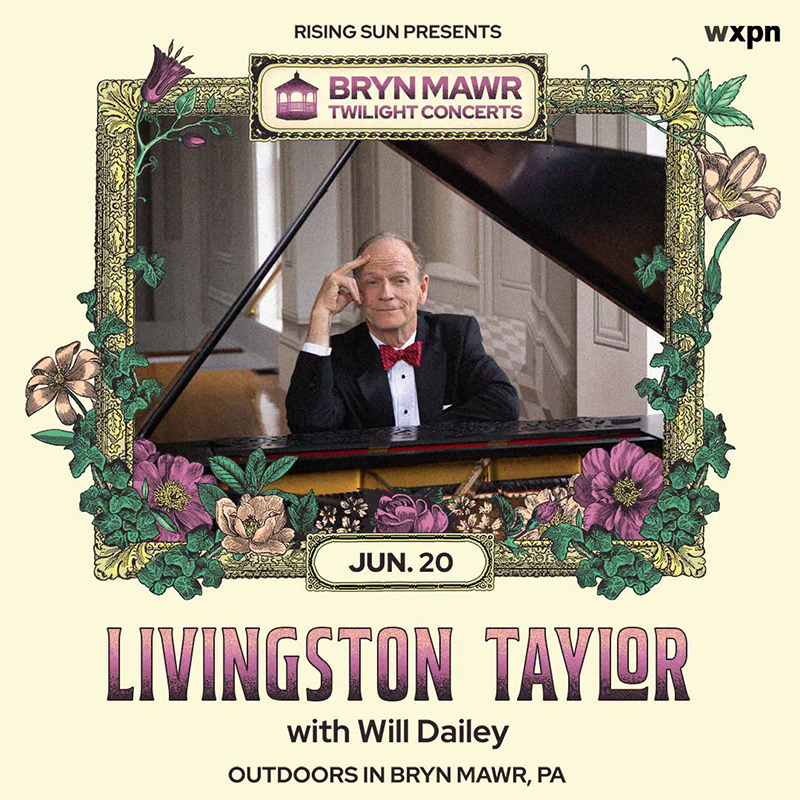
Dailey’s career eventually carried him onto stages with major national artists, notably Eddie Vedder, whom Dailey first met in 2015 after having admired Pearl Jam since his teens. The professional connection developed into a friendship, and Dailey has since performed with Vedder numerous times. Yet even with those national connections, Dailey continues to collaborate extensively with musicians from the New England community.
AWARDS, INDEPENDENCE, COVID-19 “ISOLATION TOUR,” BOYS TALKING
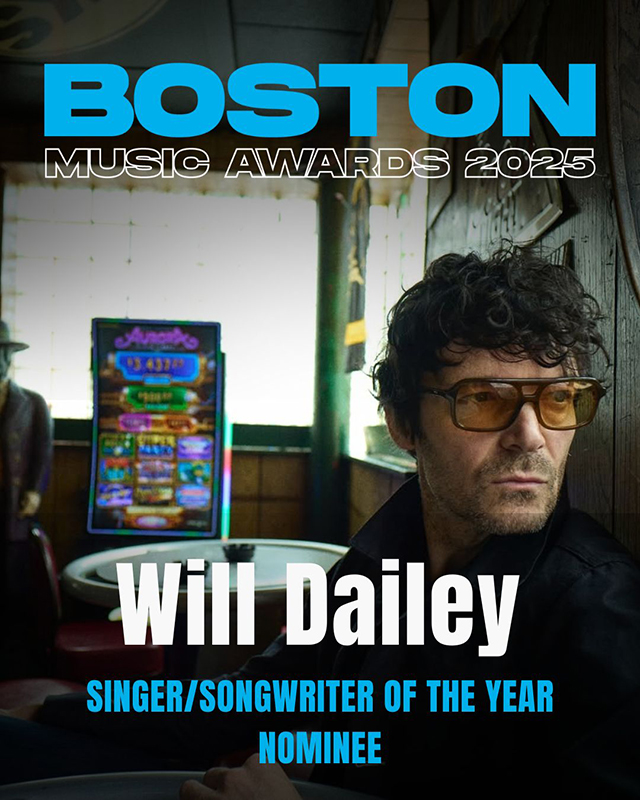
Dailey’s career has earned substantial recognition at home. He’s won eight Boston Music Awards, including ones for Artist of the Year, Album of the Year and Best Male Singer-Songwriter, a New England Music Award for Album of the Year, and a number of others that recognize songwriting and singing. Record label affiliations have been part of his journey as well, and he considers them part of the education that’s helped him understand the value he places on independence.
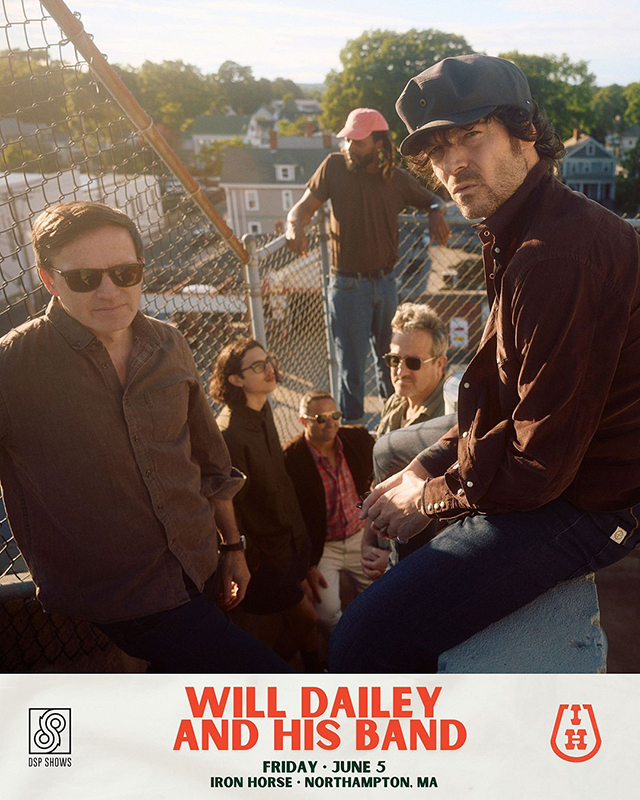
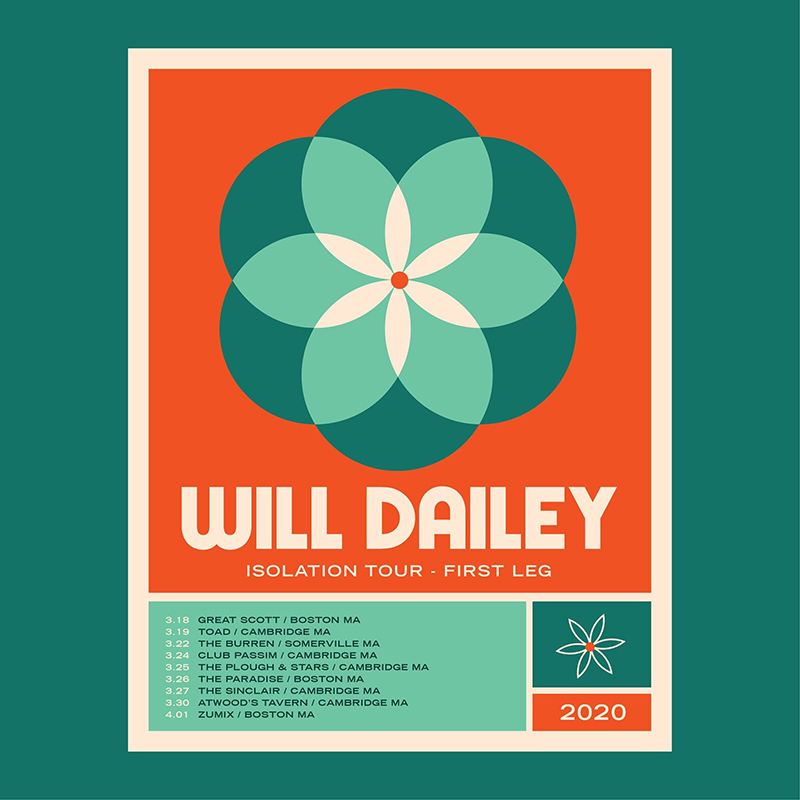
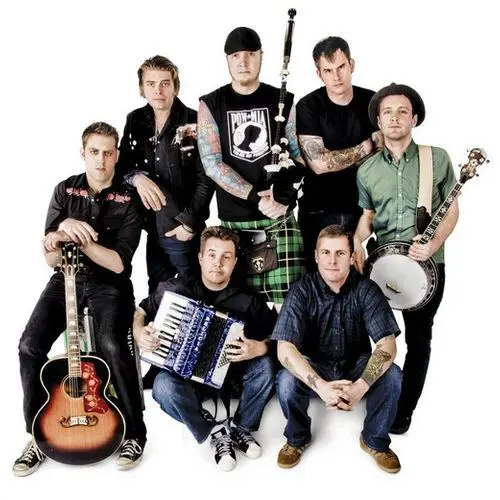
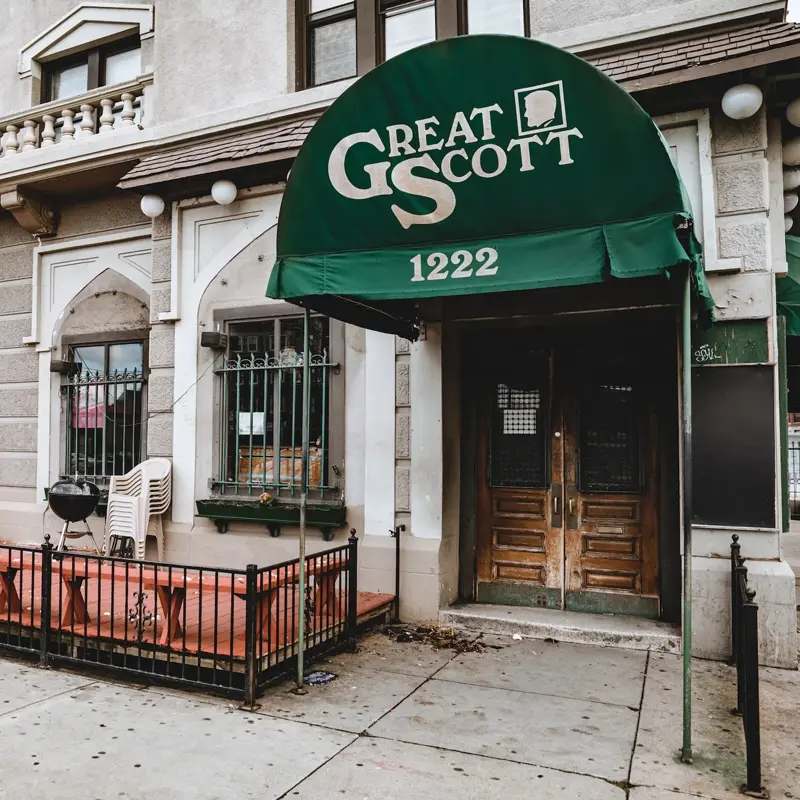
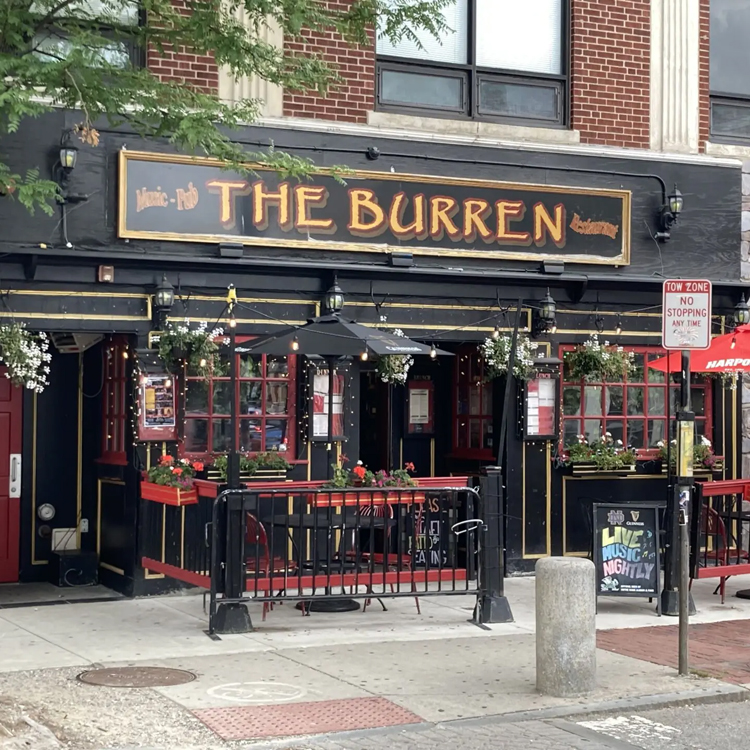
For Dailey, however, independence does not mean working alone. His recordings and performances have repeatedly involved other musicians, engineers, producers, and members of New England’s music community, including Juliana Hatfield, Kay Hanley, Tanya Donelley, members of Dropkick Murphys. His commitment to the region became particularly visible during COVID-19 shutdowns, when clubs across the area closed, leaving their employees without work. In response, Dailey created a series of online concerts that he performed from his shower while raising money for New England local venues and their staff, calling them his “Isolation Tour.” Among the beneficiaries were Club Passim, Great Scott and The Burren.
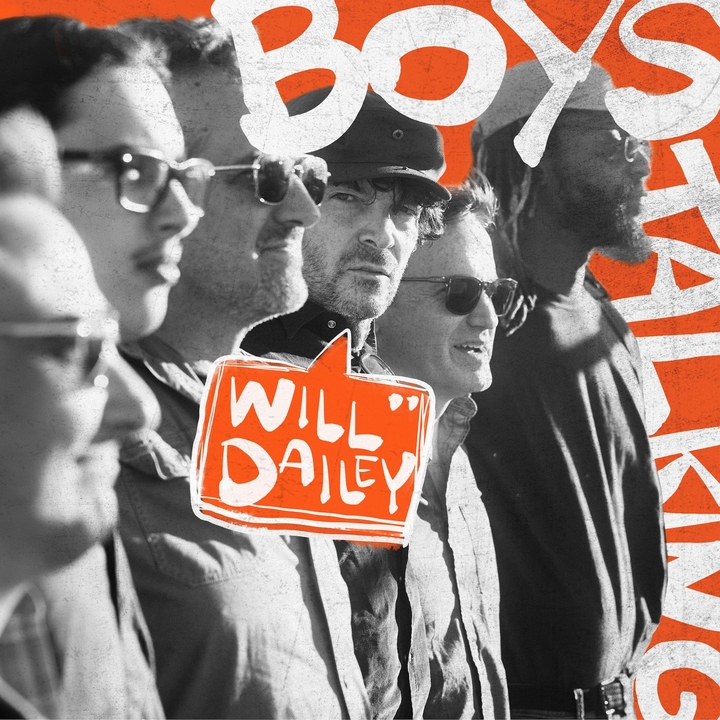
That same philosophy shaped Dailey’s most recent album, Boys Talking. Recorded at Q Division Studios in Cambridge, it features musicians playing together in the same room rather than constructing songs separately through digital technology. Dailey booked ten days of studio time for ten songs, introducing a tune on acoustic guitar before the group developed it together, with the resulting performance becoming the foundation of the finished recording. Rather than correcting every imperfection afterward, he deliberately retained many of the edges and spontaneous moments created by musicians responding to one another.
The album was also released unconventionally. Beginning in October 2024, Dailey made physical copies and direct downloads available to audiences for 18 months before eventually releasing it through the major streaming platforms. In another example of Dailey putting the relationship between musician and listener ahead of the machinery used to distribute the music, he invited fans who bought the album to help determine which of the disc’s songs would become singles during those 18 months.
RECENT APPEARANCES
More than 20 years after that first solo performance at the Paradise Lounge, Dailey remains very much part of New England’s music community. Recent performances have taken him to Massachusetts venues including the Fallout Shelter in Norwood and Blue Ocean Music Hall in Salisbury and Jimmy’s Jazz & Blues Club in Portsmouth, New Hampshire.
While the names of the clubs have changed and the methods with which artists reach audiences has changed even more dramatically, Dailey continues writing, recording and performing while maintaining his connection to the region where his musical life began. His career isn’t simply the story of a musician who came from New England and eventually found success elsewhere. It’s one of an artist whose identity continues to be shaped by the musicians, audiences, studios and stages of his home region and who remains an active part of its rich, ever-evolving musical history.
(by Karl Sharicz)
Karl Sharicz is the author of Rock & Roll Underdogs: Hidden Gems Within the Shadows of Stardom , Volumes 1 and 2 ((Palmetto Publishing, 2025 and 2026).