Lizard Lounge
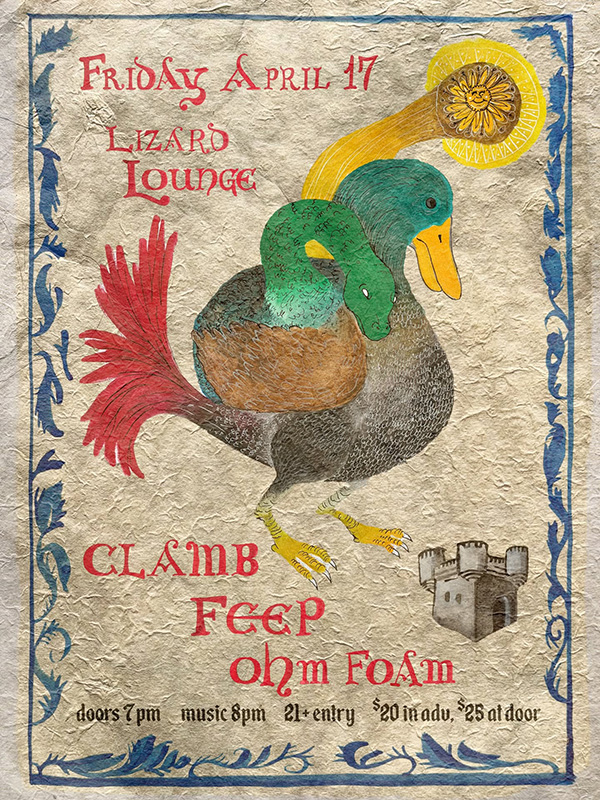
artwork by T.Hicks
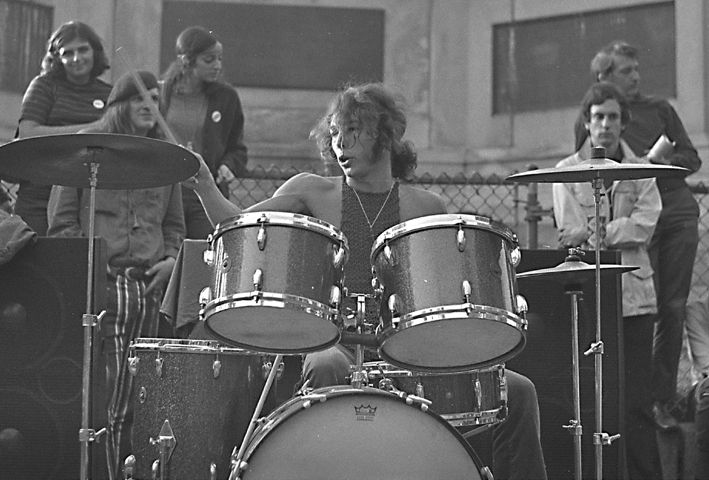
Between the late ’60s and mid-‘70s, you could see concerts on the green lawns of Cambridge Common, where dozens of popular solo acts and bands appeared on the concrete apron surrounding the Civil War monument. A bronze Abraham Lincoln gazed down on the crowd while concertgoers sat right next to the performers, with no stage or barrier separating them. Those now-legendary shows ended in 1975.
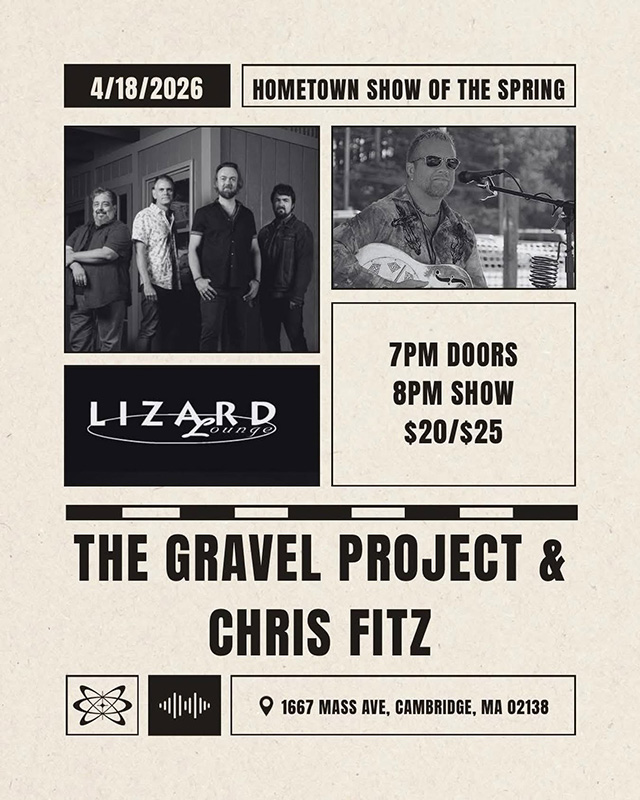
Just north of 20 years later, in 1996, Charlie Christopher and his wife Holly Heslop opened the aptly named Cambridge Common, a bar/restaurant across from the park at 1667 Massachusetts Avenue. Wanting to create a cozy atmosphere that provided the same kind of face-to-face intimacy as the outdoor performances of the ‘60s and ‘70s had, they used the basement level to create Lizard Lounge, which has become one of the area’s best-known spots for live music of practically every variety as well as poetry performances.
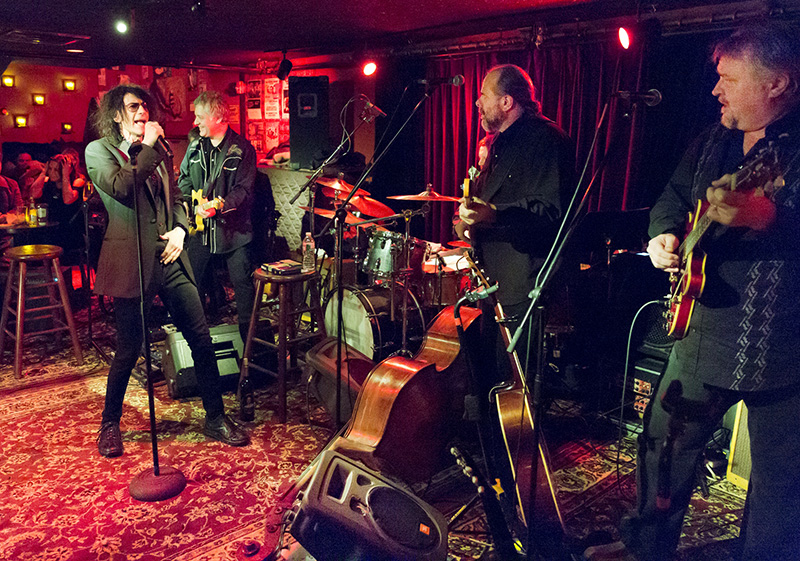
Decorated with red fabric, Persian rugs and tea lights, the 105-capacity room has the laid-back vibe of a living-room jam session. “It feels like a cross between a Greenwich village bar, a New Orleans French Quarter Club (with sensuous red lighting) and a home basement, complete with oriental rugs on the floor,” wrote the late Steve Morse of The Boston Globe after seeing Somerville-based Groovasaurus play the debut show at the venue. “Lizard Lounge feels like a Paul’s Mall for the ’90s, though the talent is expected to be locally based.” Some 20 years later, Brian Carroll of Red Line Roots echoed Morse’s comments: “There is almost a speakeasy vibe to the place, like you aren’t supposed to be there,” he said. “Oriental rugs line the area that is the stage and performers intermingle with the audience between sets, as they have to walk between you to get there.”
BACKGROUND, NAME ORIGIN
Proprietors Christopher and Heslop had plenty of experience in the restaurant/bar business before opening Cambridge Common, having opened a similar place further down Massachusetts Avenue 1981, Christopher’s. Live music was always part of the menu, though the space was so small that music began interfering with the food and vice versa. After a few years of trying to juggle the two, they bought the storefront next to Christopher’s and used it to open Toad, a 62-capacity venue whose modest size belied its enormous popularity.
In the early 1990s, the owner of a Mass. Ave. restaurant called Rosie’s, Bill Ravanis Sr. (who’d sold Christopher and Heslop the Christopher’s building), asked Christopher if he wanted to buy the place. Christopher said “no” at first since the building “looked like a bunker,” with only two small windows (the better to drink in privacy). Ravanis, a cigar-chomping restauranteur who also owned the Mass. Ave. staple Frank’s Steak House, added a few more windows, but even that wasn’t enough to close the deal. Finally, according to Christopher, he got one last call from Ravanis, asking him to meet him at Rosie’s. As Christopher tells it, “I walk in, and before he says hello or anything, he says, ‘Charlie, there’s your effing windows. Now do we have a deal?” Ravanis had added significantly more windows, which now ran the length of the low building and gave it what Christopher calls a “rug-remnant store look.” Aesthetics aside, that was enough to make the sale.
After renaming their newly acquired restaurant Cambridge Common, Christopher and Heslop began focusing on the basement area (which had been a venue called Georgie’s) since they knew it would hold larger audiences than Toad. As such, it could become a great steppingstone for bands that had gained popularity at the smaller venue and thus drew more sizable audiences (though its low ceiling made having an actual stage impossible). Toad’s booking agent Billy Beard suggested using the space for “music in the round” performances; the room wasn’t large enough for that, but performers experimented with semi-circular arrangements. Wanting to distinguish the space from competitors, the new owners invested quite a bit of money in a state-of-the-art sound system that was more sophisticated than those in many other small clubs in the area at the time.
The name, so apt, came from an off-the-cuff remark. During a meeting with the Alcoholic Beverage Commission, Beard called Christopher in a panic, saying that if they decided on a name really soon, then they could be mentioned in a newspaper right away. Christopher asked him what he had in mind and Beard said something like, “It should be lounge-y, like where a ‘lounge lizard’ would be found.” Given the similarity to Toad’s name, the moniker felt right and stuck.
OPENING, BOOKING APPROACH, NOTABLE PATRONS, SURVIVING COVID
With its rather exotic and decidedly unique decor, the room projected a welcoming, comfortable vibe from the get-go. Bands that had gained a following at Toad were happy to step up to the larger space, and many groups knew and supported each other. Christopher says the booking philosophy has always been less about finding a certain kind of performer and more about saying, “Sure, come on down, we’ll give it a try. If it works, we’ll keep going, and if it doesn’t, we’ll regroup.” The most important thing is to attract musicians who want to perform at the venue, he says; to do that, he follows a simple rule that Boston-rooted singer-songwriter Laurie Sargent once recommended to him: “You just have to be nice.”
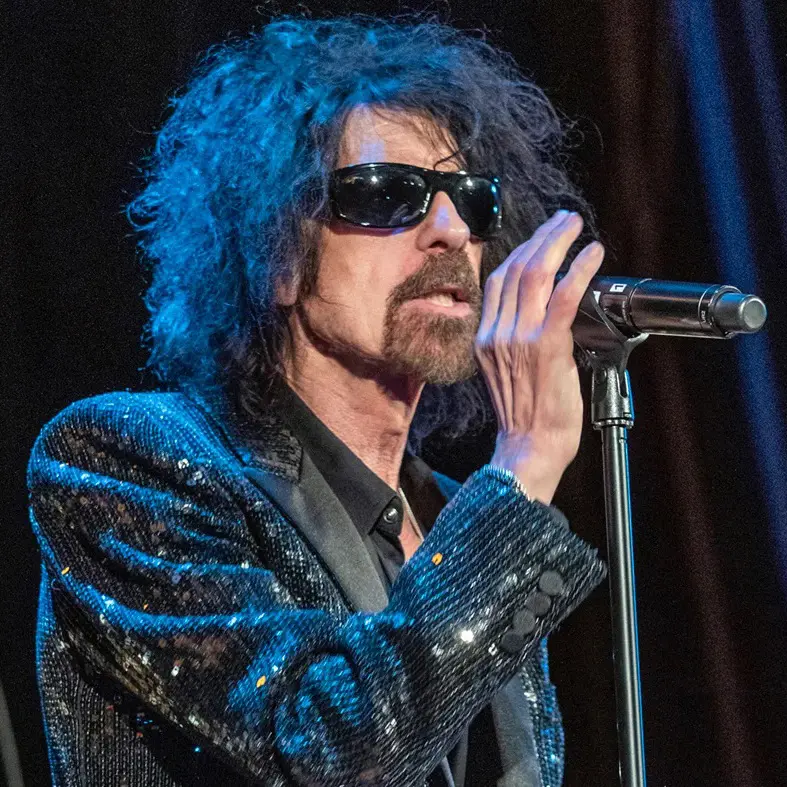
That attitude has led to both long-standing loyalty and great music. Performers get to know each other well, often sing each other’s songs (and share equipment, if need be), like they’re part of a huge musical family. More than a few notable artists have been Lizard Lounge patrons over the years including Peter Wolf, who Christopher says once came running down the stairs, slid across the floor on his knees, grabbed a mic and picked up right where the singer was singing.
When COVID-19 lockdowns hit, the venue stayed out of commission for over two and a half years. In addition to the pandemic, staffing issues prevented a swift reopening after the number of infections had dissipated. Booking agent Beard moved on during that time, replaced by musician Matt Murphy. “It’s a return to the kind of thing that’s made Lizard Lounge special,” co-owner Heslop told Boston magazine shortly before the club reopened. “It’s very intimate. There’s no stage. You are essentially right in the performer’s lap. You are up close and personal, and it feels very personal. There’s an incredible connection between the audience and the band members. It’s kind of magic, when that happens, and it’s the perfect environment for that.”
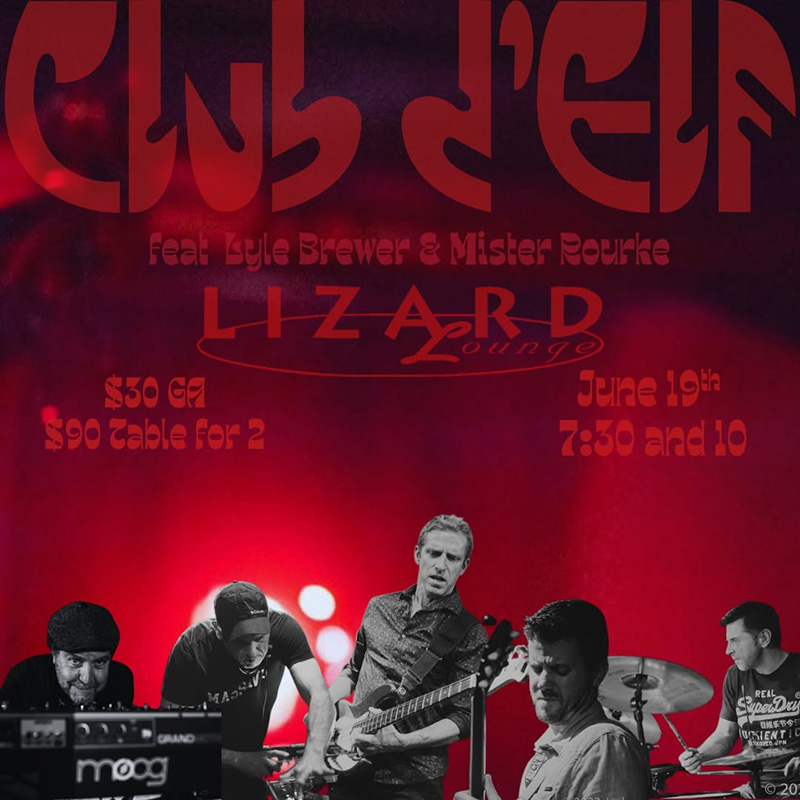
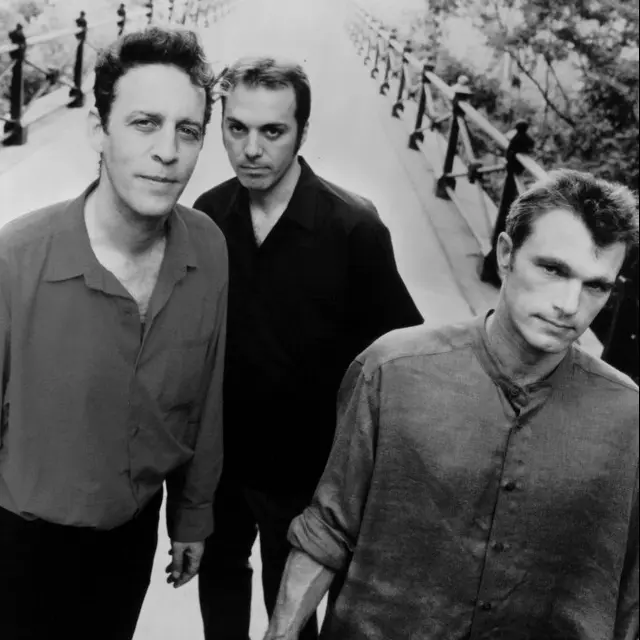
Club d’Elf, a Moroccan-jazz fusion collective that’s appeared at the Lounge more than 100 times, played the first post-reopening show. “Let’s start this off like it’s kind of a sacred event, because it is for us,” said the band’s founder/bassist Mike Rivard at the beginning of their set. “It’s been a long time. We’ve lost a lot of people in the last couple years. It’s been a hard time. So put away your devices, let’s lose track of time for a little bit.”
NOTABLE APPEARANCES
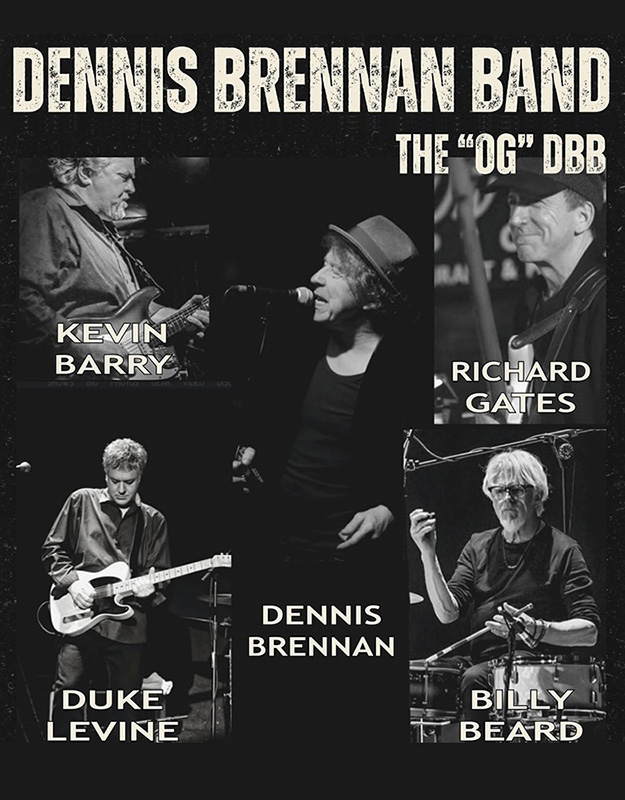
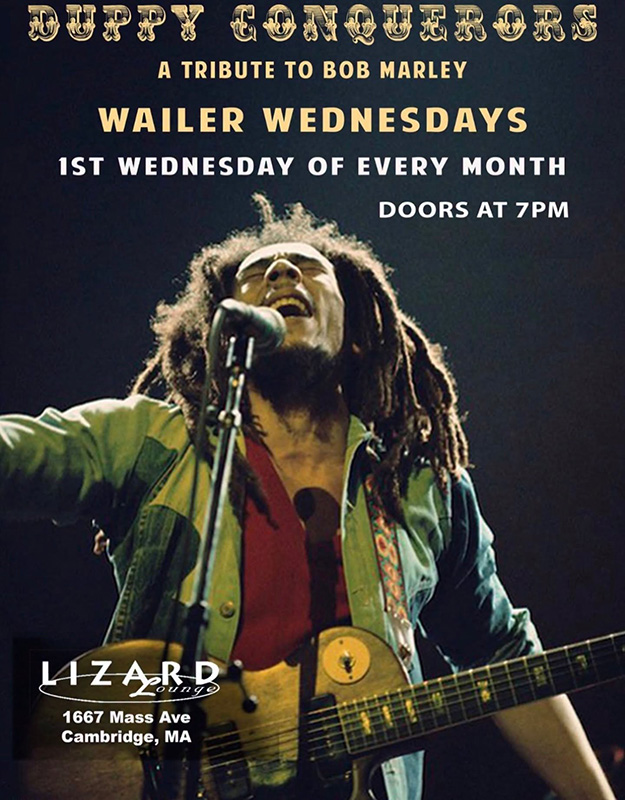
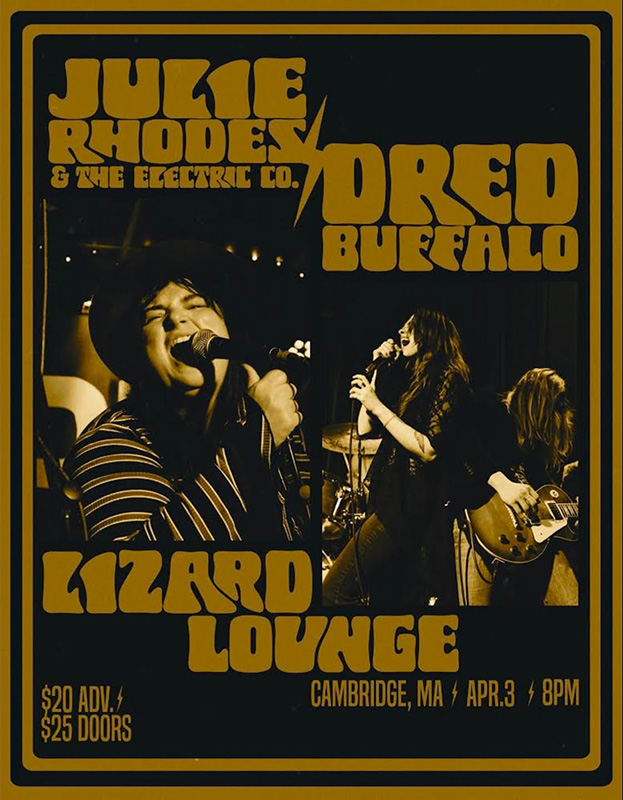
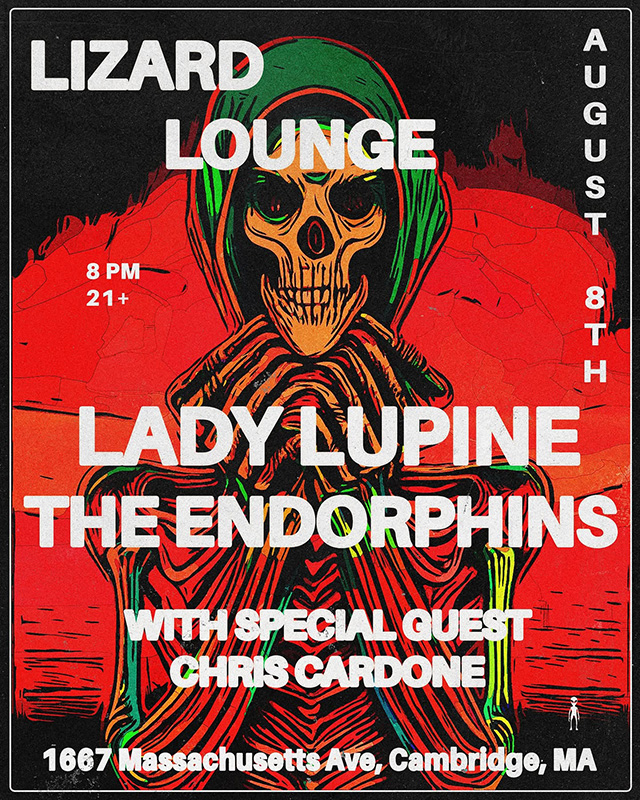
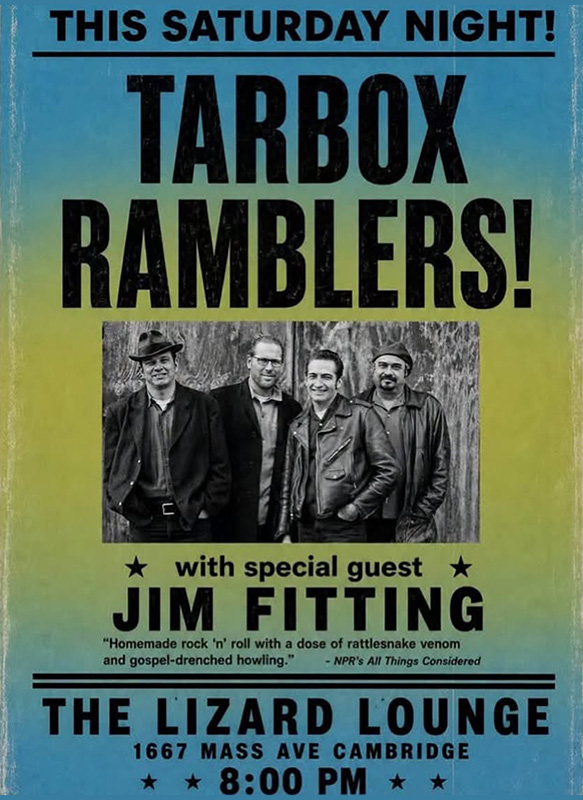
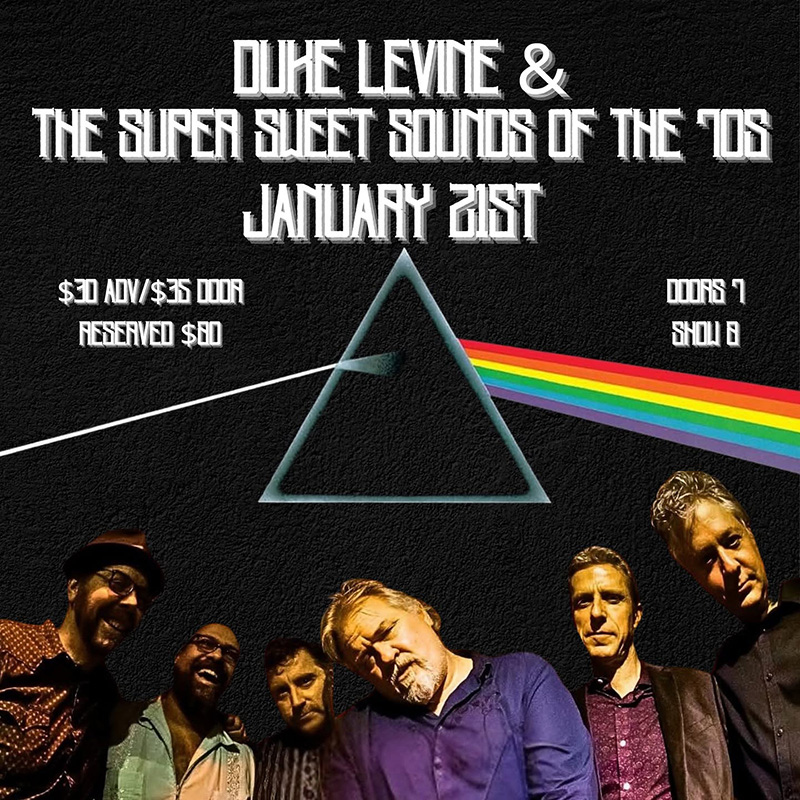
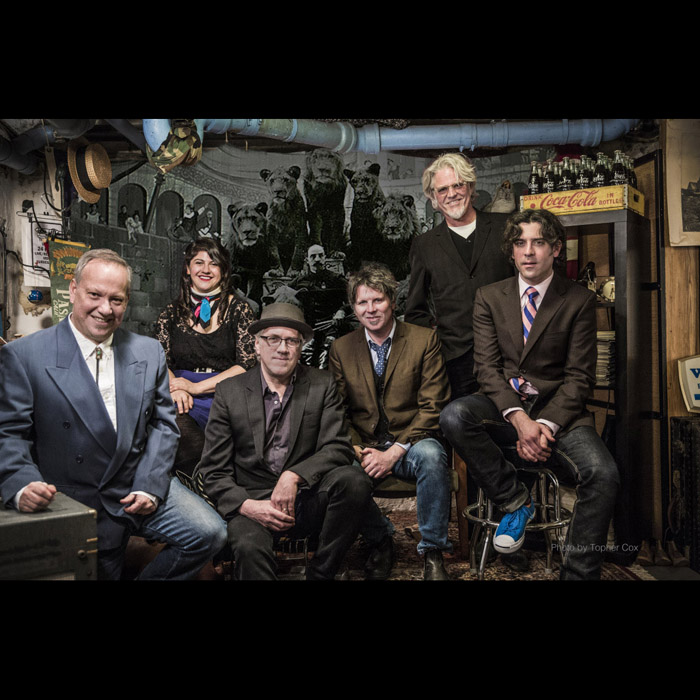
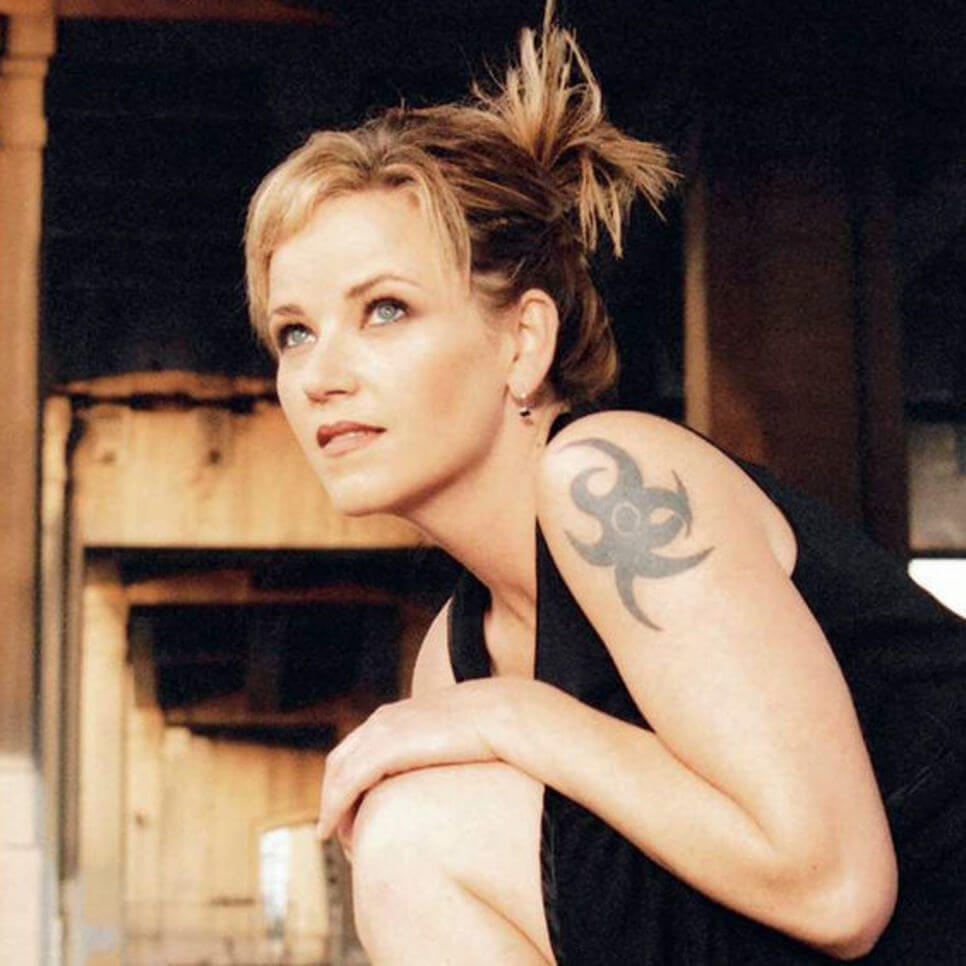
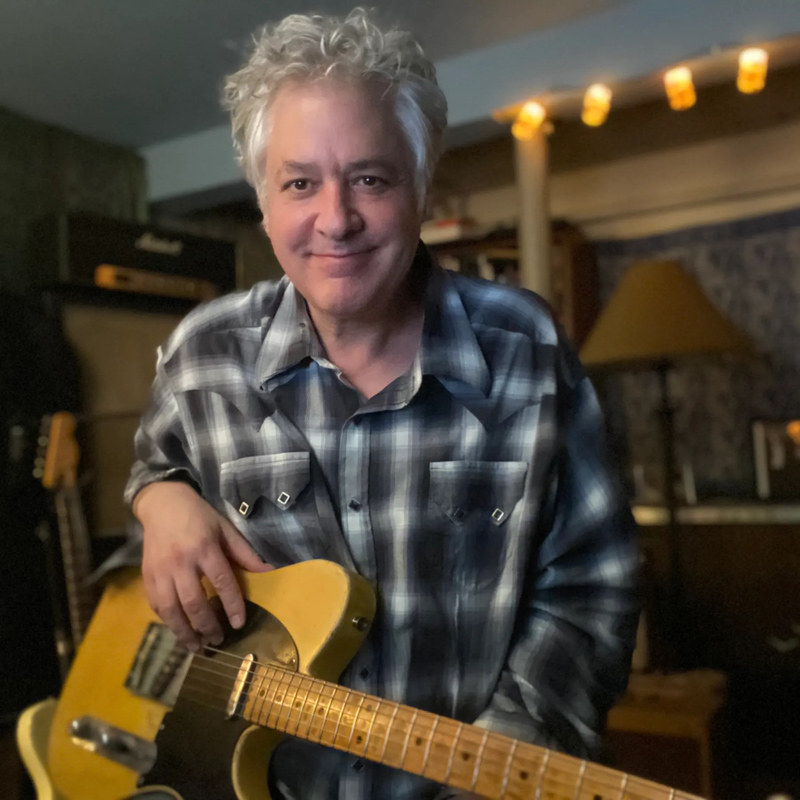
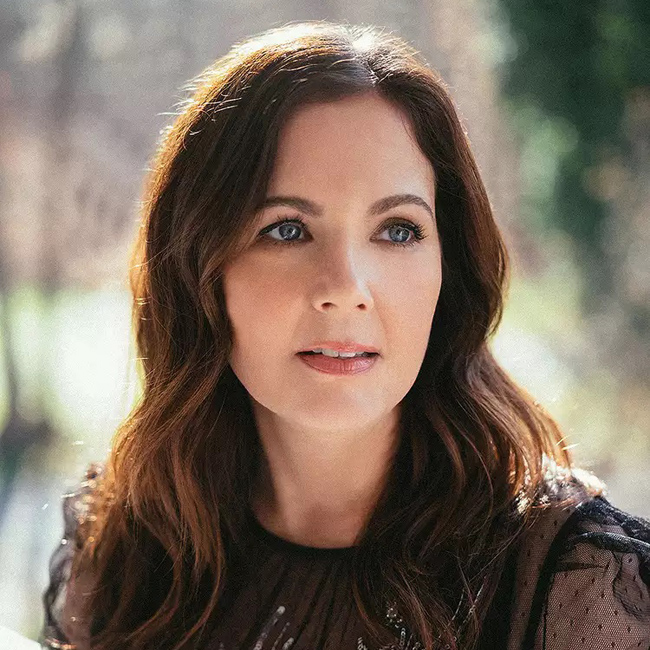
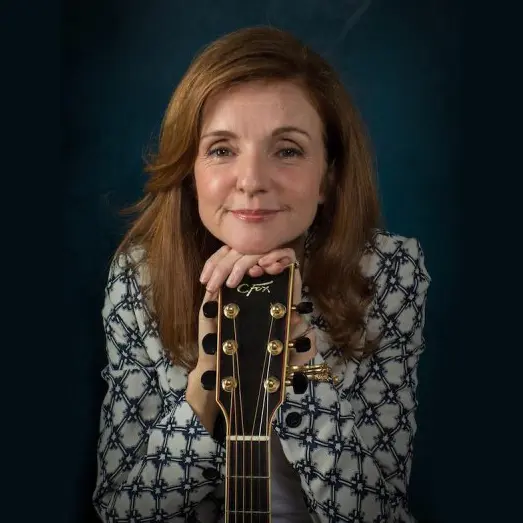
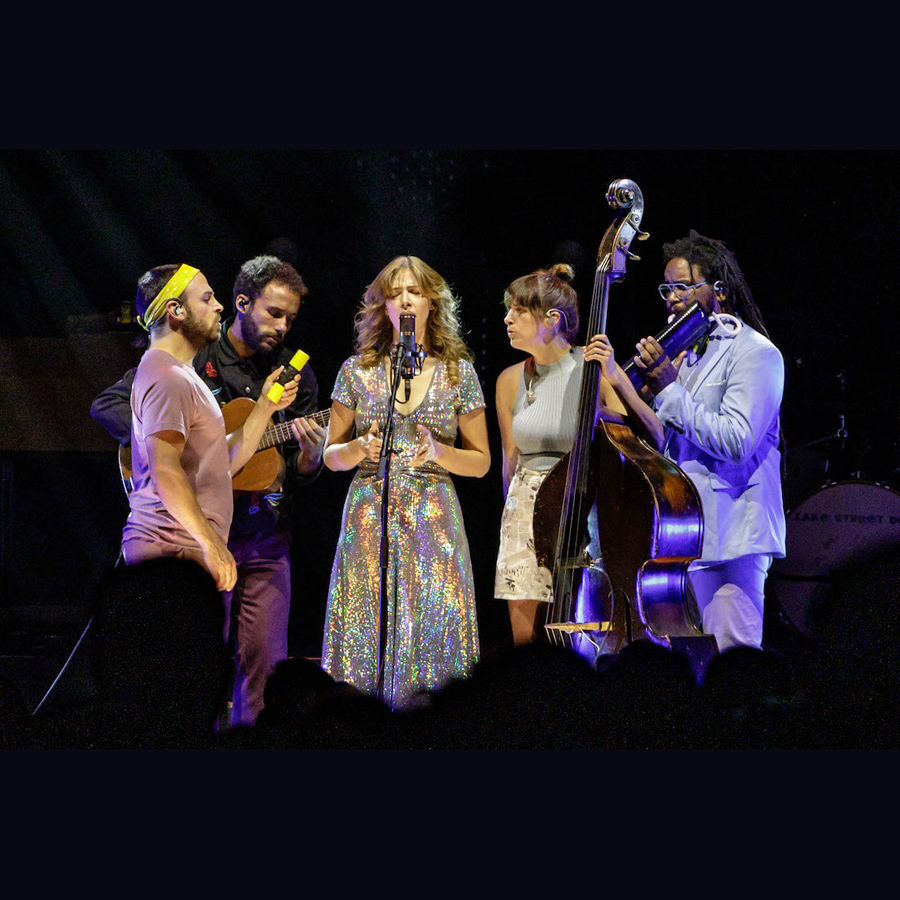
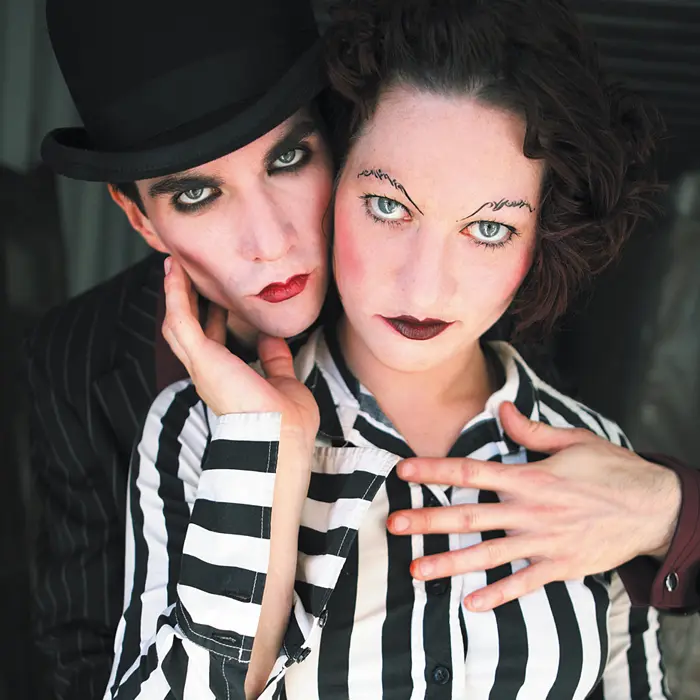
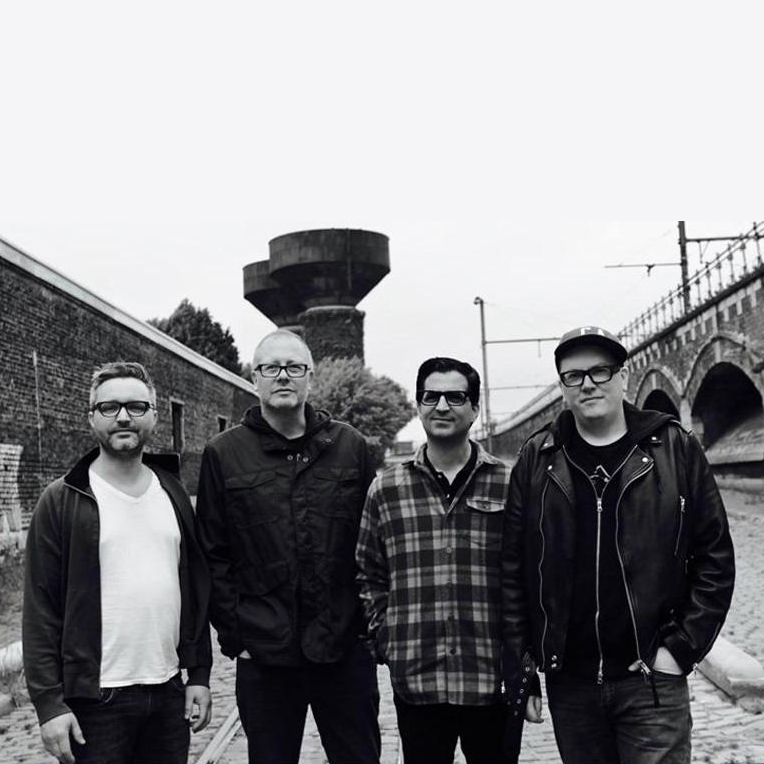
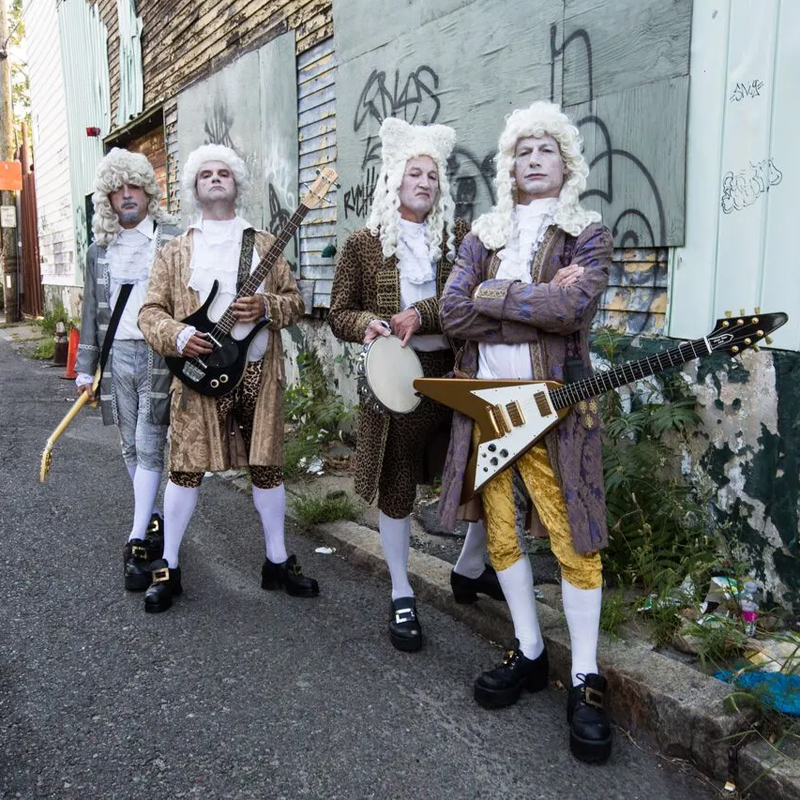
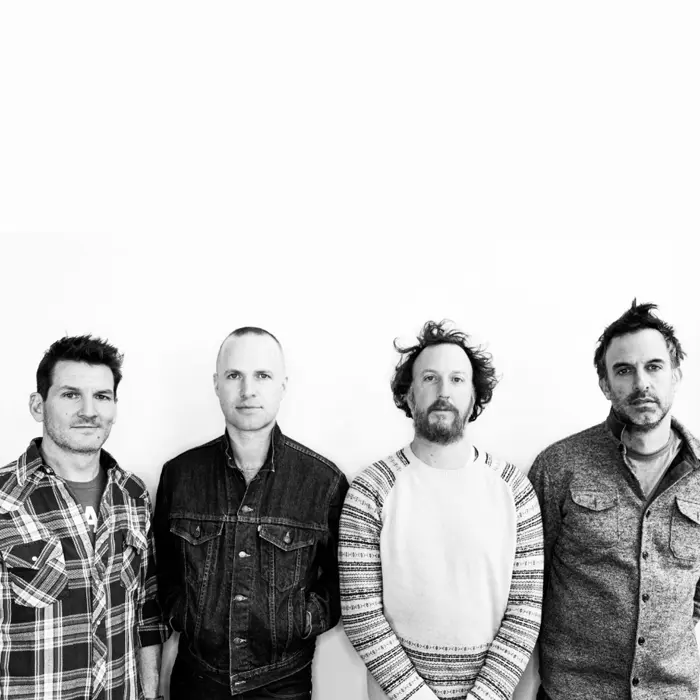
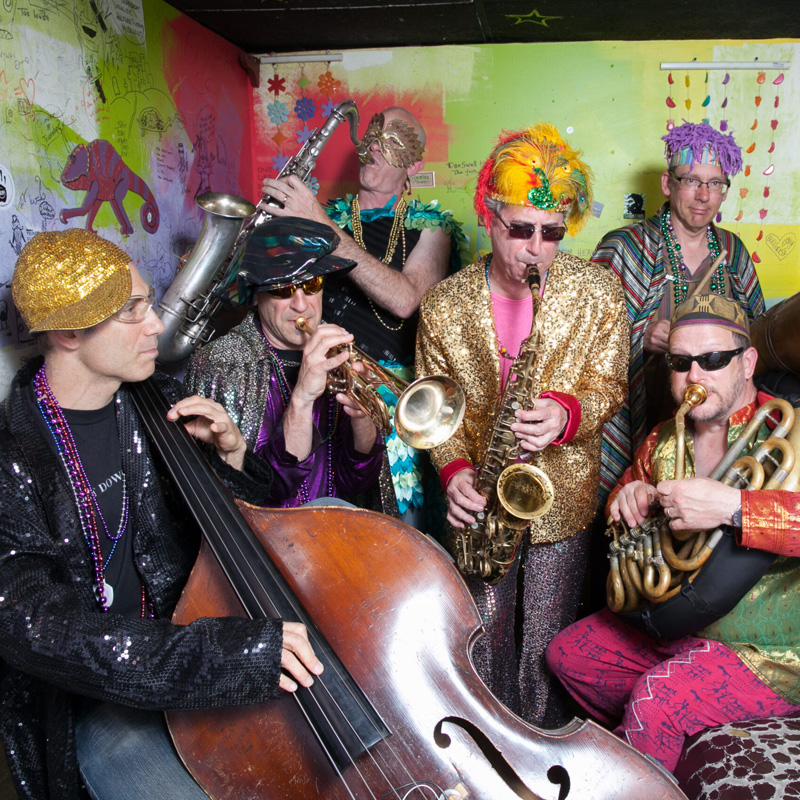
Since Groovasaurus played the inaugural show at Lizard Lounge in ‘96, the venue has hosted an impressive range of acts, living up to Rolling Stone’s description of the room as an “eclectic, intimate hot spot.” Sticking to the original premise, many of those acts have been locally based. The band that has played most often is Club d’Elf, often joined by guitarist Duke Levine, who’s also appeared at the Lounge multiple times as a solo artist. Session Americana has a residency and Martha Wainwright (daughter of Loudon Wainwright III) has appeared, as have Kay Hanley (of Letters to Cleo), Tanya Donelly (of Throwing Muses and The Breeders), Lori McKenna and Patty Griffin. The tea lights and Persian rugs have also welcomed Lake Street Dive, who appeared as a “thank you” to the owners for helping them get their start at Toad and whose three-night stay sold out in “about 45 seconds,” Christopher says. The Dresden Dolls, The Sheila Divine, The Upper Crust, Guster and Revolutionary Snake Ensemble have taken the floor and, in addition to finishing songs for others, Peter Wolf once did a two-night stint.
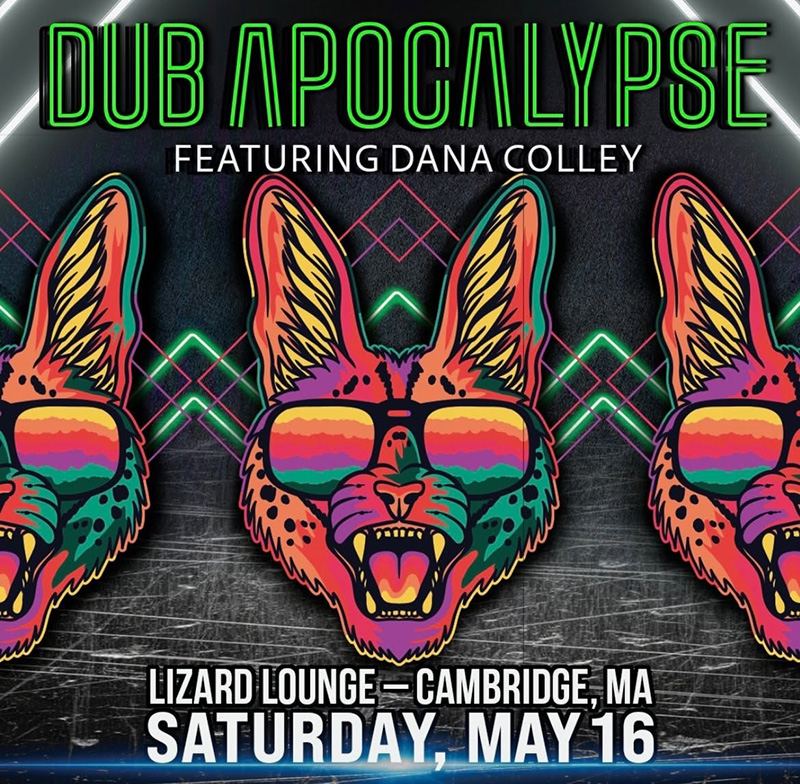
Rick Berlin has performed at the Lounge and hosts “Marlene Loses It at the Lizard.” Billy Conway of Treat Her Right played there. The Hypnosonics (Mark Sandman’s “secret band”) have shown up, as well as Morphine member Dana Colley, who still plays there in various bands. Morphine offshoot Vapors of Morphine have appeared, as have Humanwine (formally based in Boston and now in Vermont), Boston-based quintet The Reckoning Crew, Boston-based dub reggae band Flying Vipers, New Jersey-based The Angels and globally renowned artists including English deejay-musician-producer Fatboy Slim and German deejay-musician-producer Paul van Dyk.
These days, according to Christopher, Heslop does most of the heavy lifting in the business. “She does everything that needs to be done, and she’s killing it,” he says. Asked about Lizard Lounge’s place in the ever-competitive local landscape, he said he’s happy that it’s become such a significant element of the scene. “It feels good to be a part of it. Many places have come and gone, and now there’s some new folks out there that I think are doing some good, good work. But we roll to our own whims, and it seems to be working.”
(by John Radosta)
Lifelong Boston resident John Radosta is the co-author (with Keith Naimby) of Bob Dylan in Performance: Song, Stage, and Screen (Lexington, 2019) and has written numerous articles about Dylan and Woody Guthrie for a variety of publications.