Third Rail
Third Rail
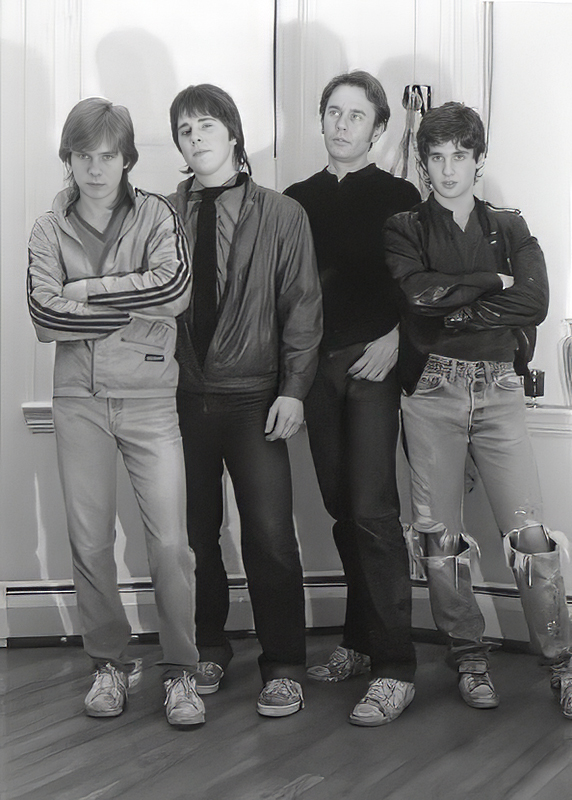
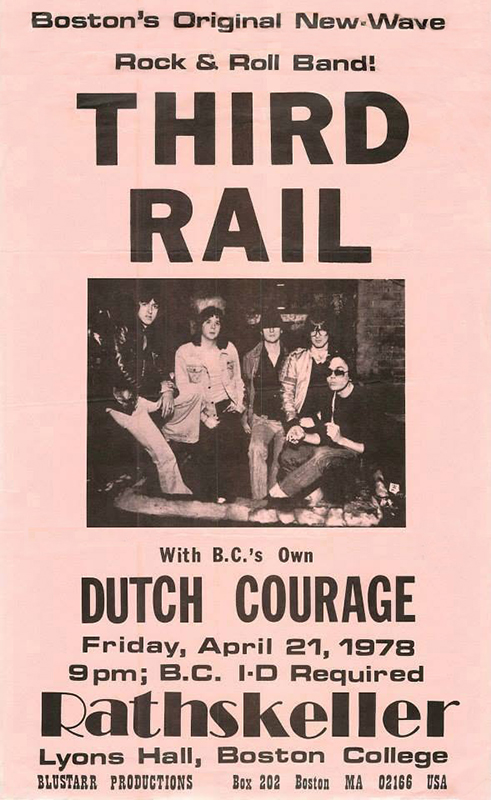
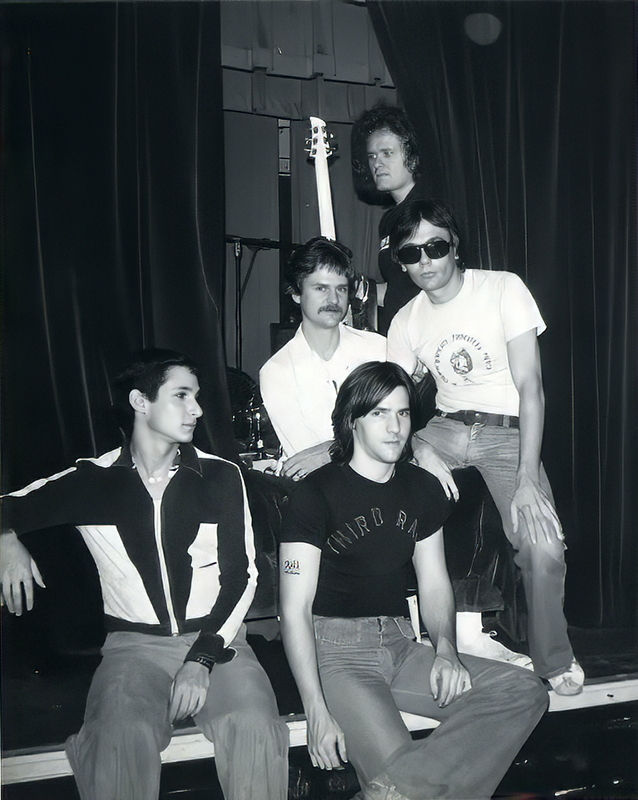
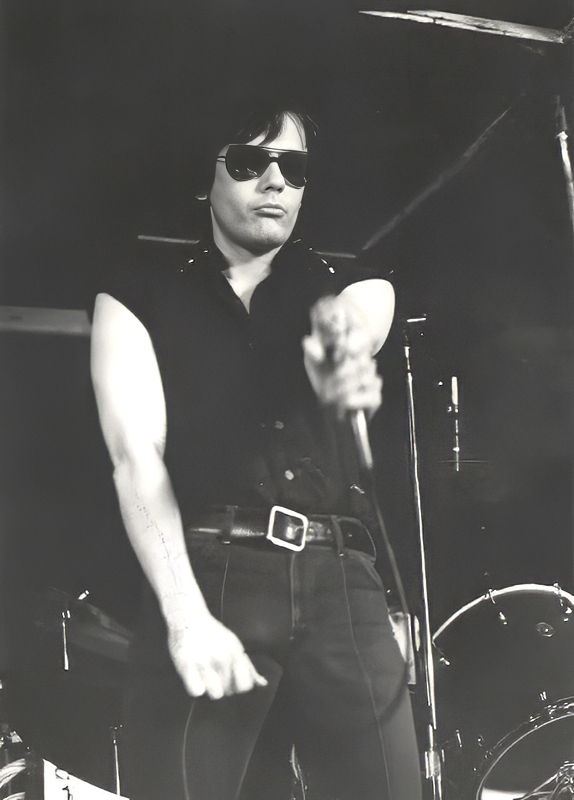
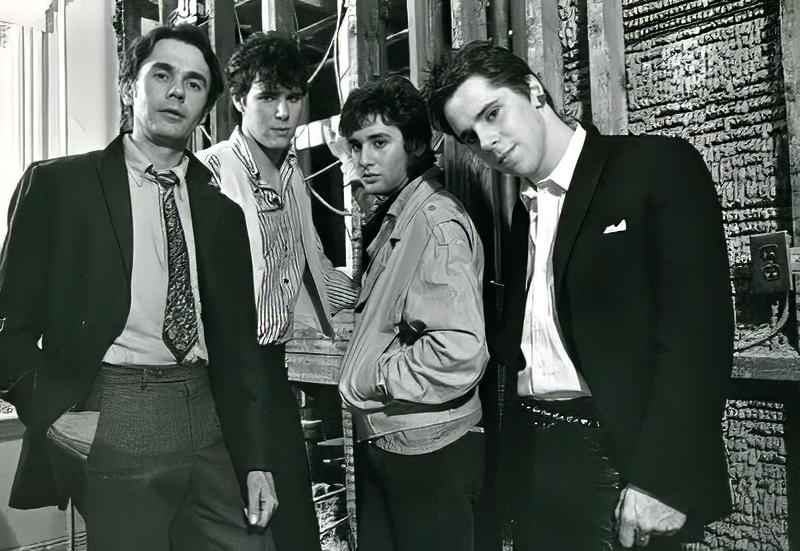
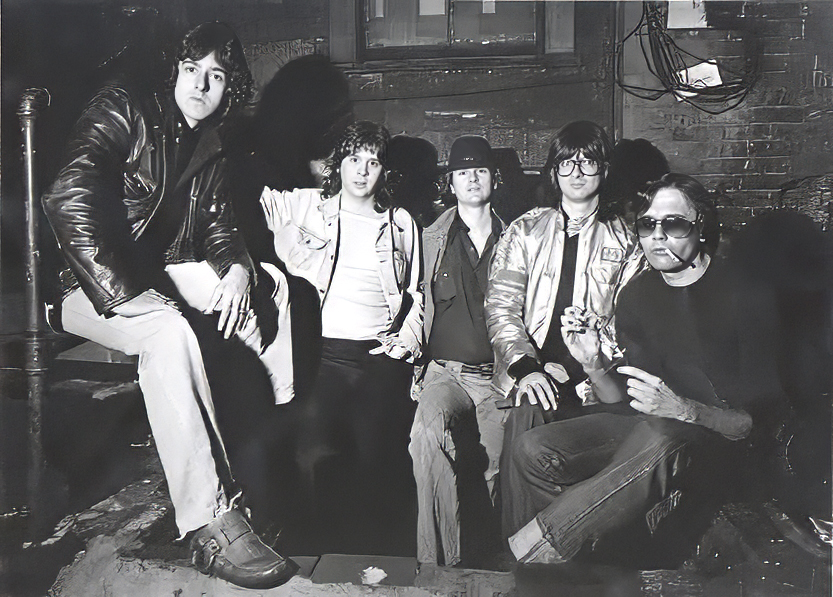
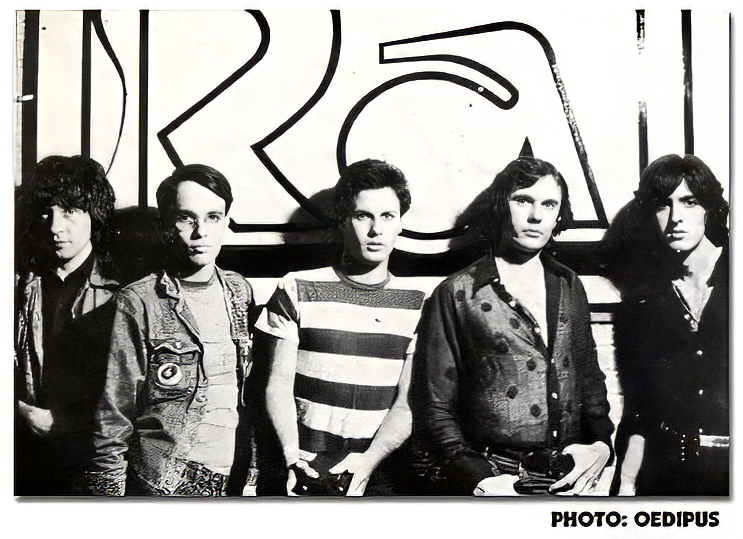
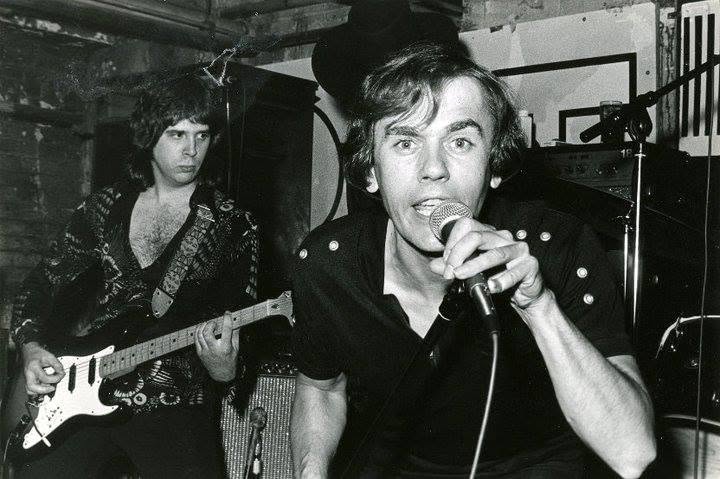
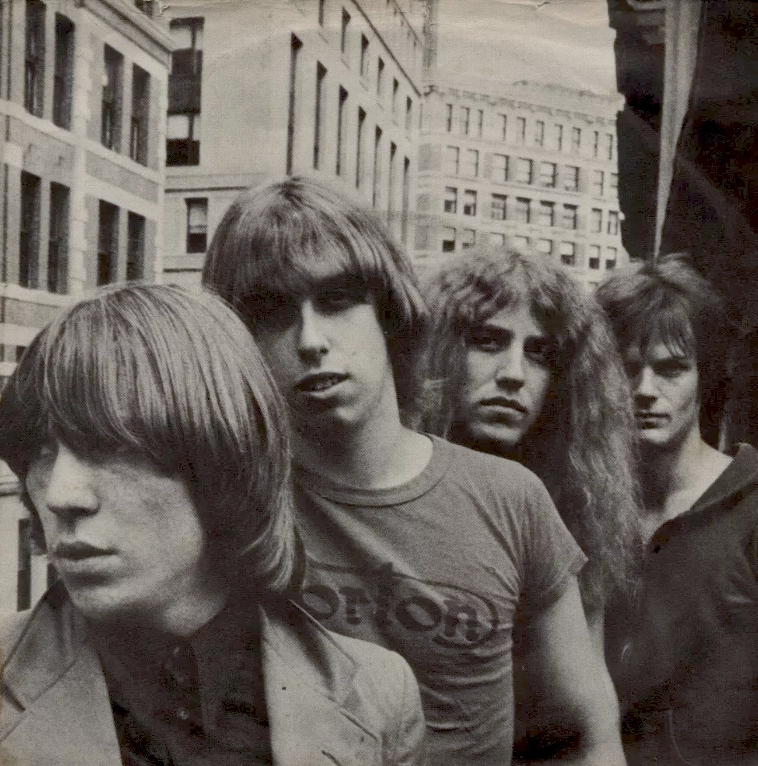
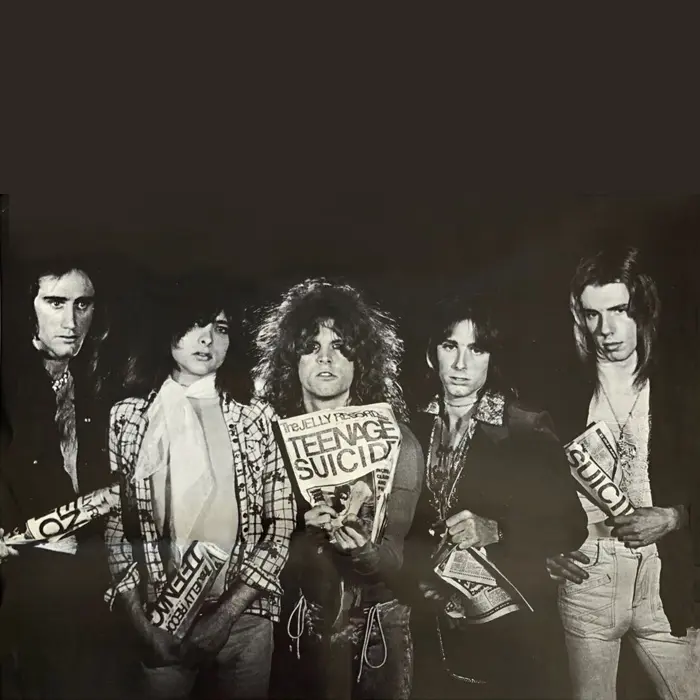
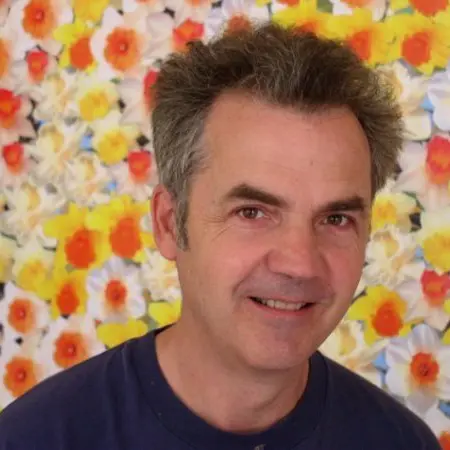
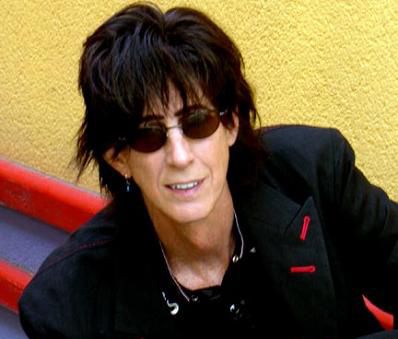
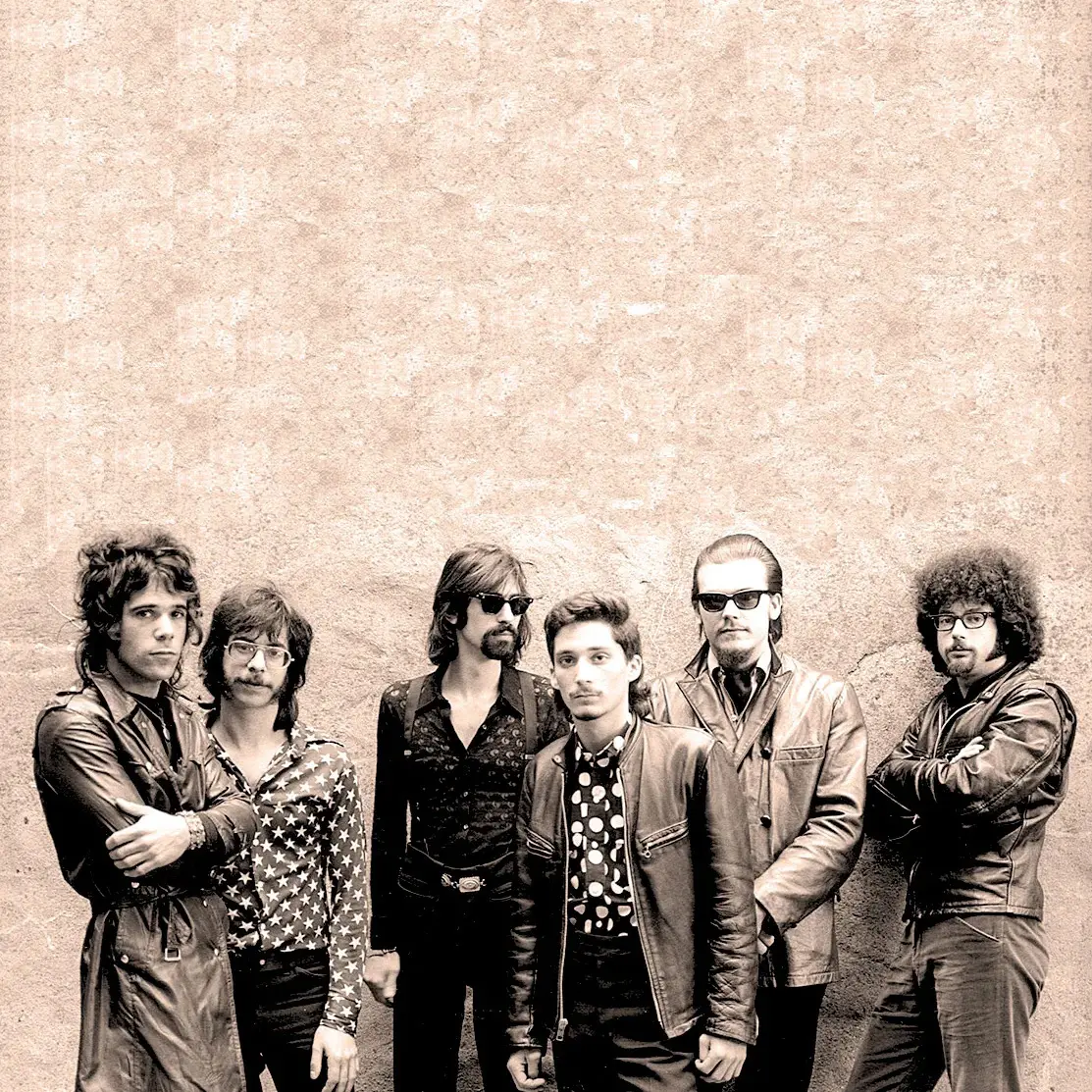
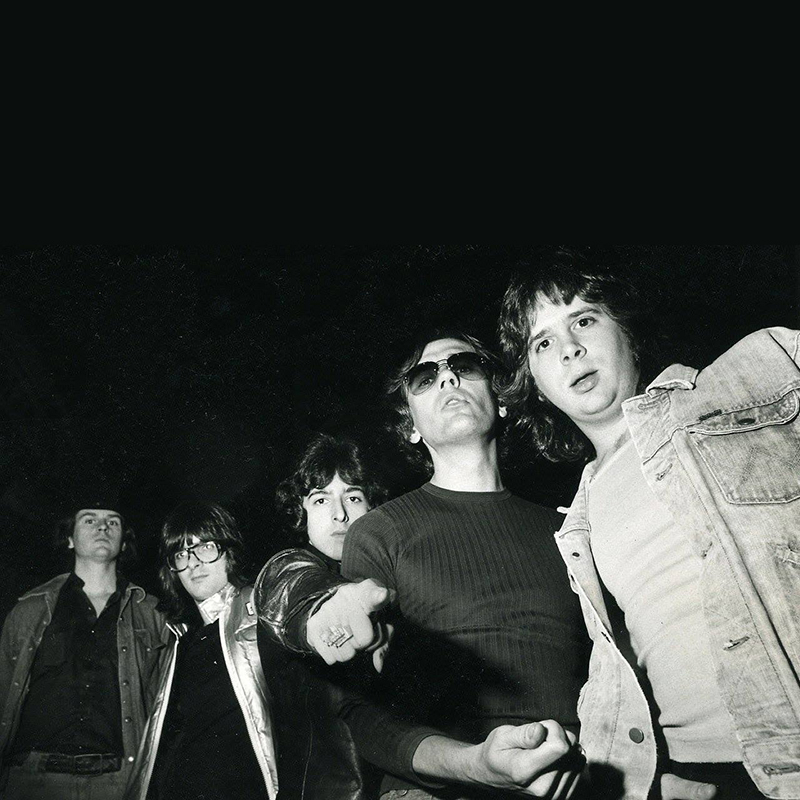
Third Rail stood tall in Boston’s protopunk scene even before The Ramones got their first album out in 1976. Conceived by its singer and main songwriter Richard Nolan, who earned a bachelor’s in finance from Boston College, studied mortuary and embalming services and was a professional mortician for much of his adult life, the band served as a vehicle for performing and recording the songs he’d been writing since he was a kid. More than 30 musicians checked in and out of the lineup during Third Rail’s 11-year run, but Nolan remained the guiding light through the revolving door of personnel shifts.
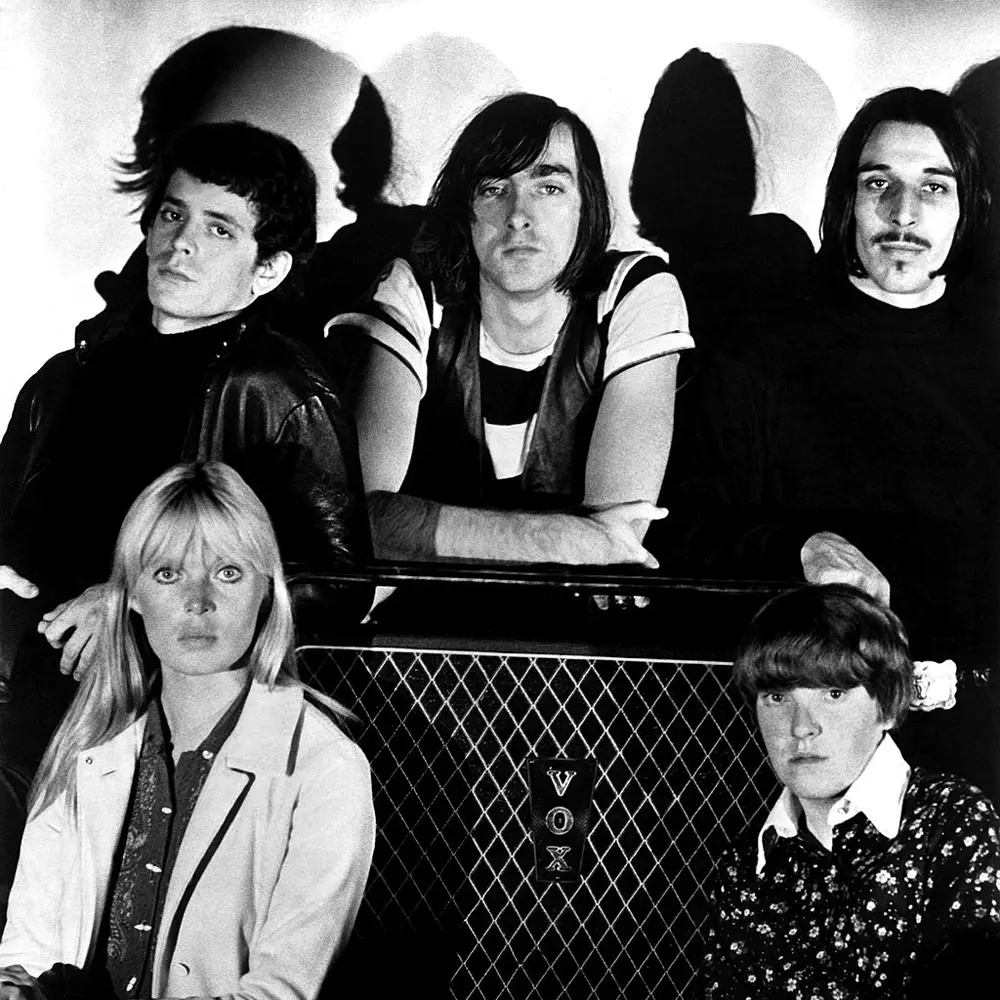
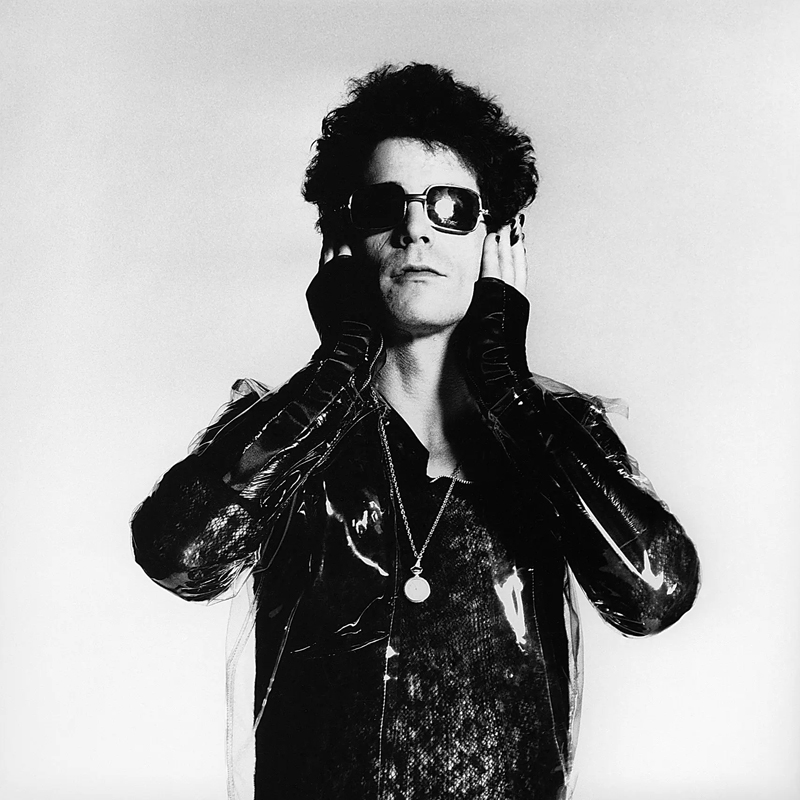
The group’s backstory begins when Nolan witnessed Lou Reed and The Velvet Underground performing in Boston (before Reed left the group in August 1970). The show turned his world upside down and, though punk didn’t explode on the scene until about five years later, he sensed a certain “street” mood in the Velvets’ sound and sought to bring that feeling to the group he conceived in 1974, White Heat (inspired by the Velvets’ song of the same name), with lead guitarist and recording engineer Gary Soprano. Early the following year, however, they discovered that soul serenader Barry White also led a band called White Heat, so a new ID arrived compliments of a dusty sign hanging in the subway warning passengers not to touch the third rail on the tracks. Electricity? Danger? Nolan thought it was perfect.
EARLY GIGS, THE RATHSKELLER, LIVE AT THE RAT
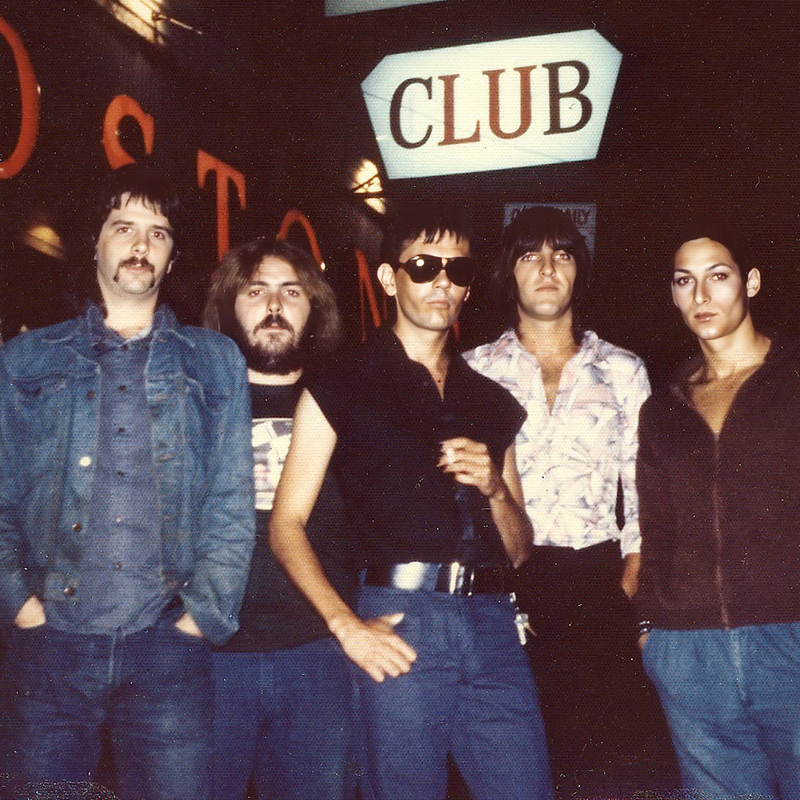
The group’s first proper gig as Third Rail occurred in the spring of 1975 at the Boston Club on Commonwealth Avenue (present location of the Paradise Rock Club). The venue hired Third Rail to play music sets on Thursday nights in between the female wrestling bouts that sometimes took place in a pool of Jello. Business was booming; by the summertime people lined up eagerly to see the scantily clad combatants do battle and then hear Third Rail rocking out from a balcony above the action. In August, though, a full-scale brawl in the audience spilled out onto the sidewalk, across Commonwealth Avenue and even onto the trolley tracks. Police showed up to quell the riot, and the city promptly shut the club down.
Fortunately, jobs were becoming more plentiful as bars and clubs began taking a chance on rock bands playing original music. The Boston Club reopened as Dummies, and Nolan managed to secure a regular gig in the main room at the place. When Third Rail played at The Club in Cambridge, a venue down the street from the Necco Factory, The Ramones opened for them, a gig the Boston band would reciprocate when they opened for the Ramones on their home turf in Manhattan.
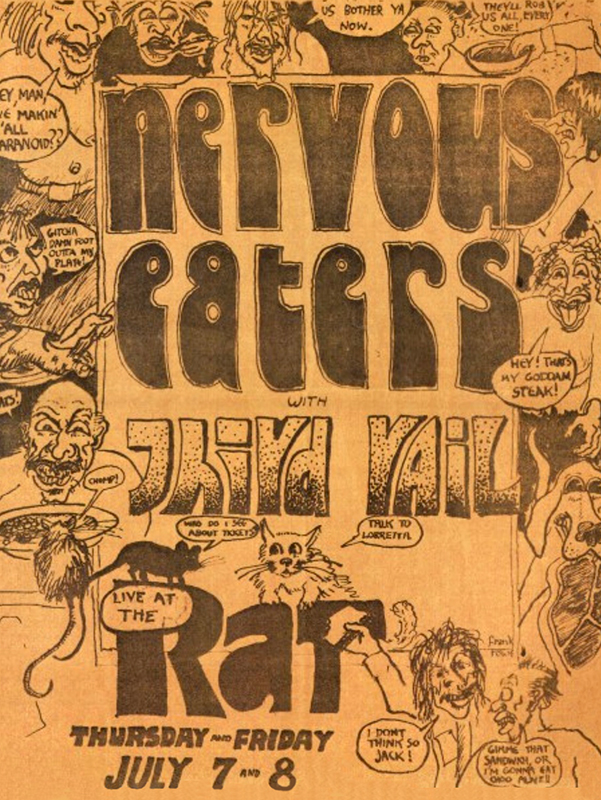
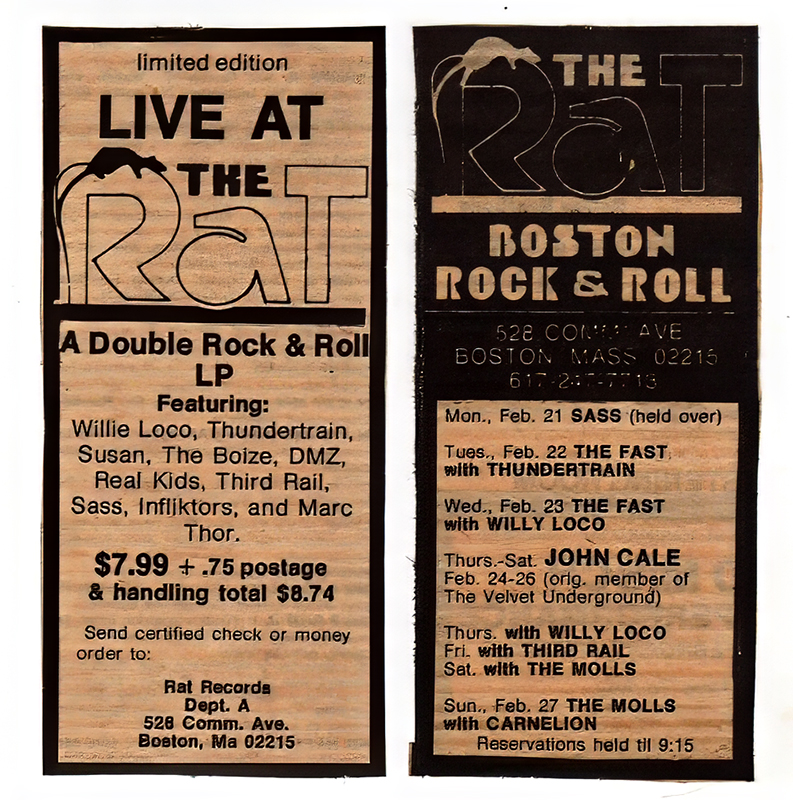
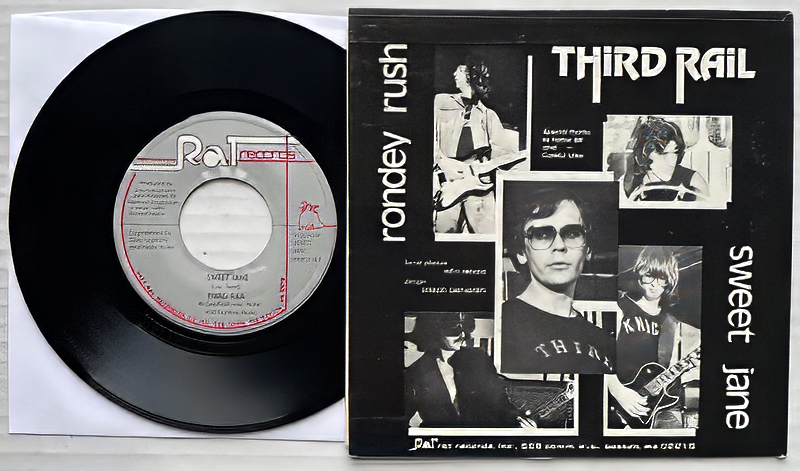
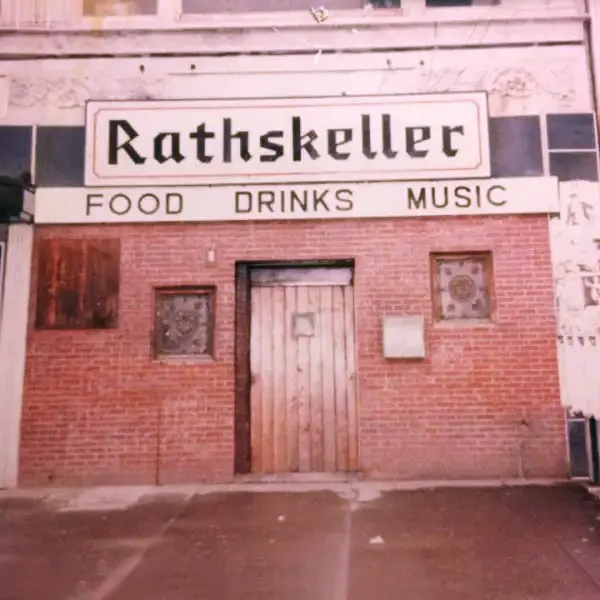
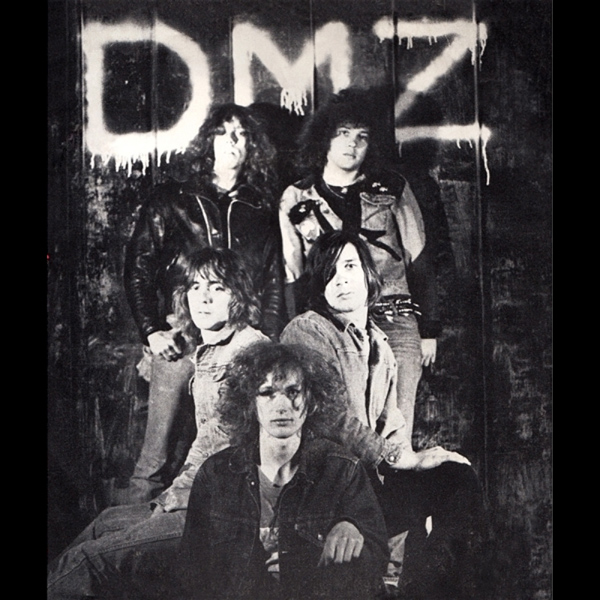
Soon, Third Rail stood amongst the initial wave of groups that rocked The Rathskeller in Boston’s Kenmore Square alongside Willie “Loco” Alexander, DMZ, Reddy Teddy, Foxpass, Thundertrain and The Real Kids. Indeed, when Rathskeller owner Jimmy Harold recorded and released the Live at the Rat album in 1976, two Third Rail songs, “Rondey Rush” and “Bad Ass Bruce,” were on the double-record set. Harold chose the former track for release as a single on Rat Records, but it was the restrained energy and fond treatment of one of Nolan’s favorites, The Velvet Underground’s “Sweet Jane,” on the studio B-side that drew the most attention. Acoustic guitar and lilting flute accentuated one of Lou Reed’s loveliest melodies and stood in contrast to the hard-rocking A-side.
“IT’S OVER NOW,” “DARK AGES,” ROCK ‘N ROLL RUMBLE, OTHER SINGLES
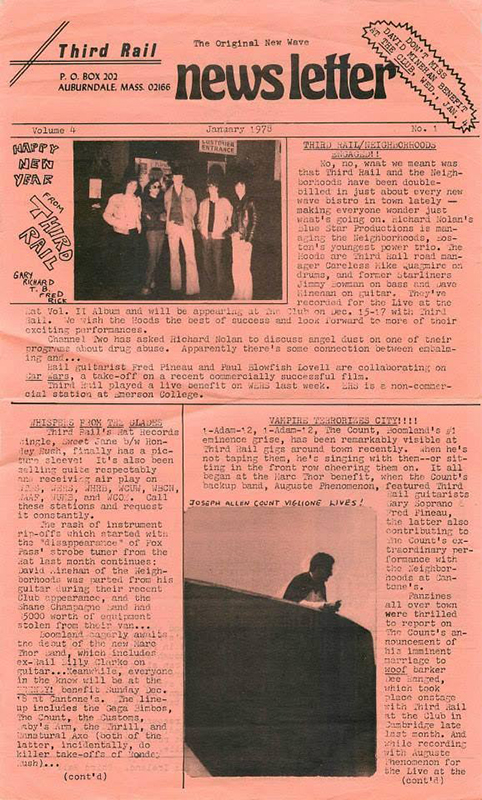
Nolan spent a great deal of effort in perfecting his songs, organizing them in Third Rail sets, curating several lineups of his band and promoting the efforts of others on the developing scene (including the band Tracks and local sensation The Neighborhoods); he wore black onstage, sometimes with painted black fingernails or even black lipstick; perhaps a natural look considering his career in mortuary. In fact, Nolan often had to schedule gigs around his funeral responsibilities and once raced off a stage after a show to go fetch a body.
Ric Ocasek was one of Nolan’s earliest fans. In 1978, when the singer-songwriter-guitarist was on the threshold of major stardom with The Cars, he agreed to produce Third Rail’s next single and brought Cars’ keyboardist Greg Hawkes into the studio for the session. His organ floats above a biting guitar attack on “It’s Over Now,” which lamented the fleeting ethos of the punk rock movement. The “Dark Ages” B-side was unapologetic punk rock, perhaps to demonstrate Nolan’s defiance against the musical ground changing beneath his feet. The seven-inch single on blue vinyl was pressed by Spoonfed Records, working out of a quiet side street in Cambridge.
In June 1980, Third Rail appeared in the second annual WBCN Rock ‘n’ Roll Rumble at The Rathskeller and broke through into the semi-final round facing the trio France and The Peter Dayton Band. Sam Whitmore of Sweet Potato wrote: “Third Rail was hot, as Nolan’s understated vocals and gentlemanly demeanor (a la Bryan Ferry, or the undertaker Nolan is in real life) complemented his band’s tight, energetic rock tunes.” Both Third Rail and Dayton fell short of France’s hard-rock assault, but Nolan’s ensemble demonstrated world class chops and celebrated with a third seven-inch single that year.
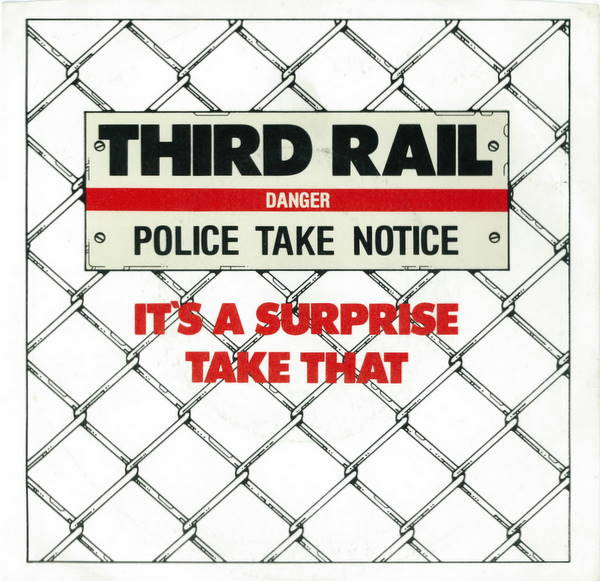
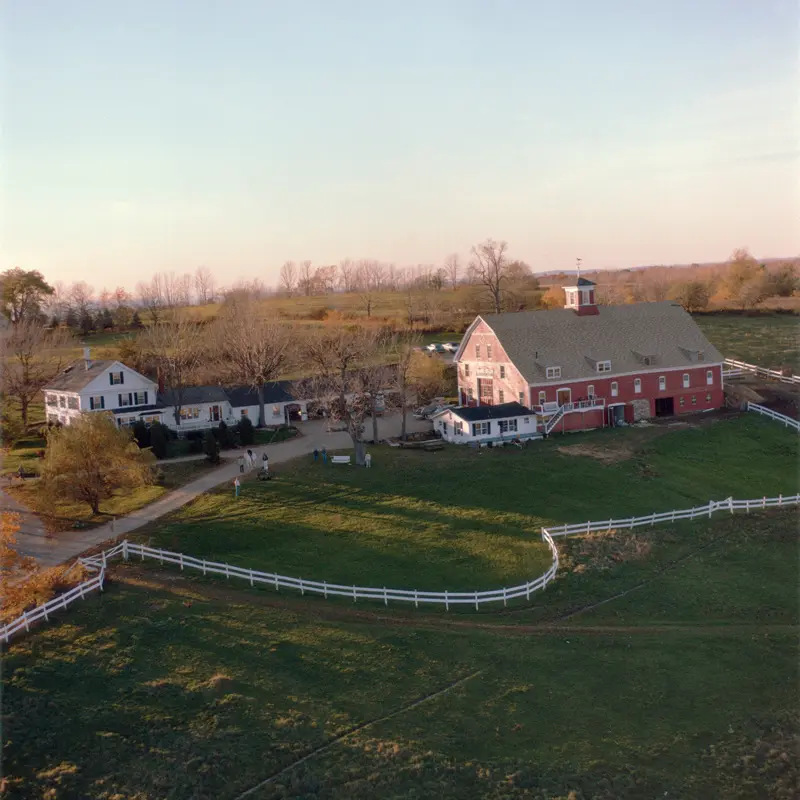
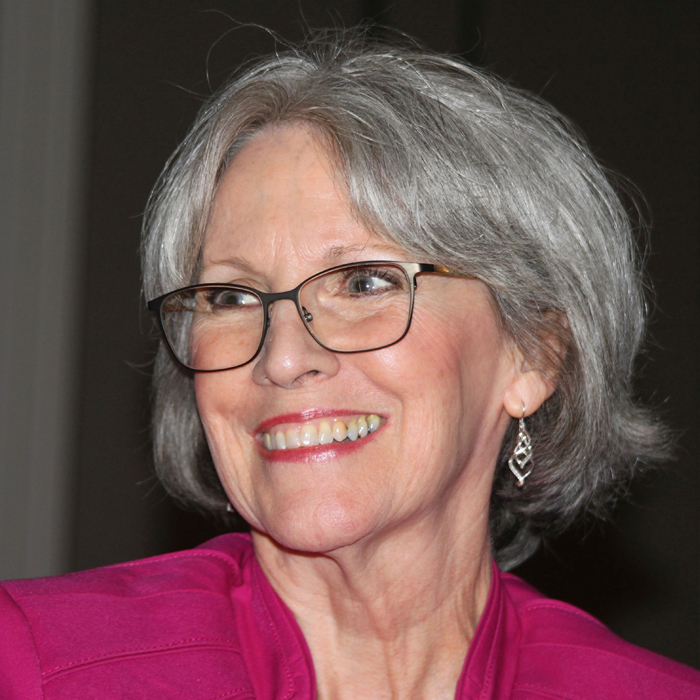
Produced by the group’s guitarist Jack Morgan at the fabled Long View Farm Studios in North Brookfield, Massachusetts (site of famous sessions by The J. Geils Band and a future visit from The Rolling Stones), “It’s a Surprise” and its flip side “Take That,” marked a move to a more commercial sound and gained the band increased spins on WBCN and WCOZ (where deejay Lesley Palmiter was a big fan).
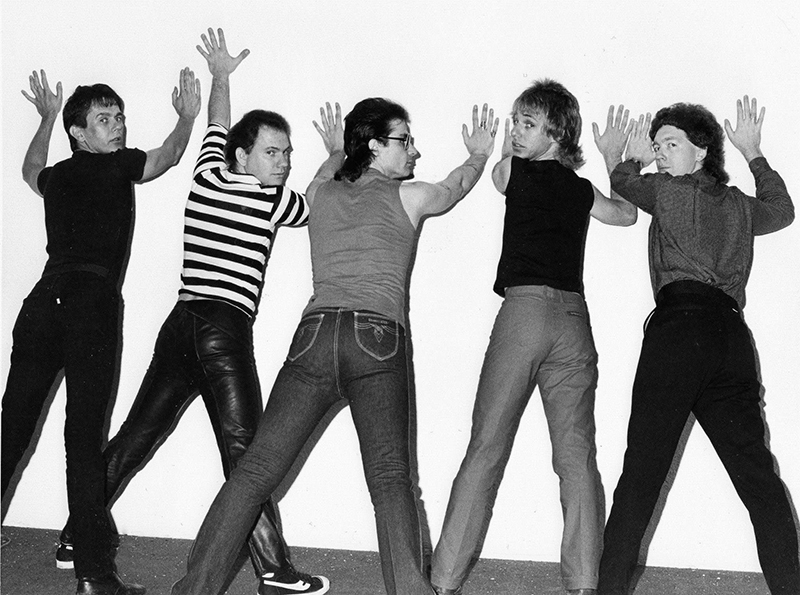
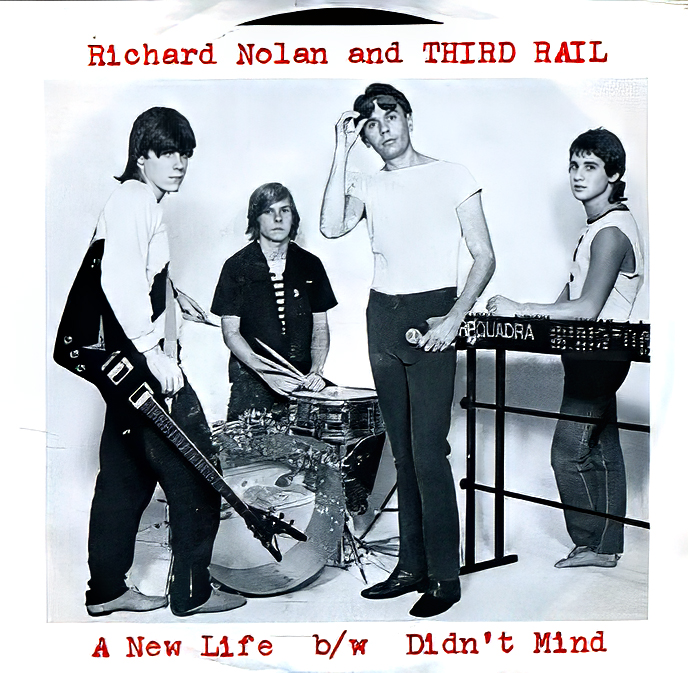
The “It’s a Surprise” single was released on the independent Long View Records, the recording studio’s indie label, which also waxed Third Rail’s next and final seven-inch, “A New Life” b/w “Didn’t Mind.” Both songs were group-composed efforts featuring some dance beats and prominent keyboard backing common to the new wave style that was flooding the market at the time. In a fashion not unusual for Nolan, the entire Third Rail lineup had changed in the year between the two Long View Farm singles. The singer mentioned on the single liner notes that the session was jammed in at the studio during a weekend between the departure of The J. Geils Band and the arrival of The Rolling Stones.
DISBANDING, 30TH ANNIVERSARY TOUR, NOLAN’S DEATH
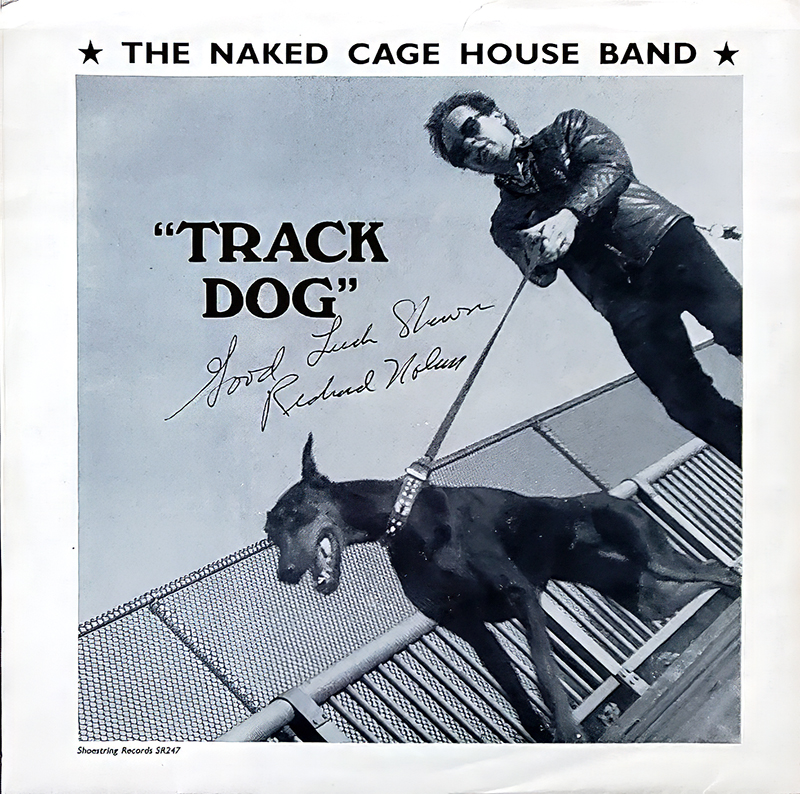
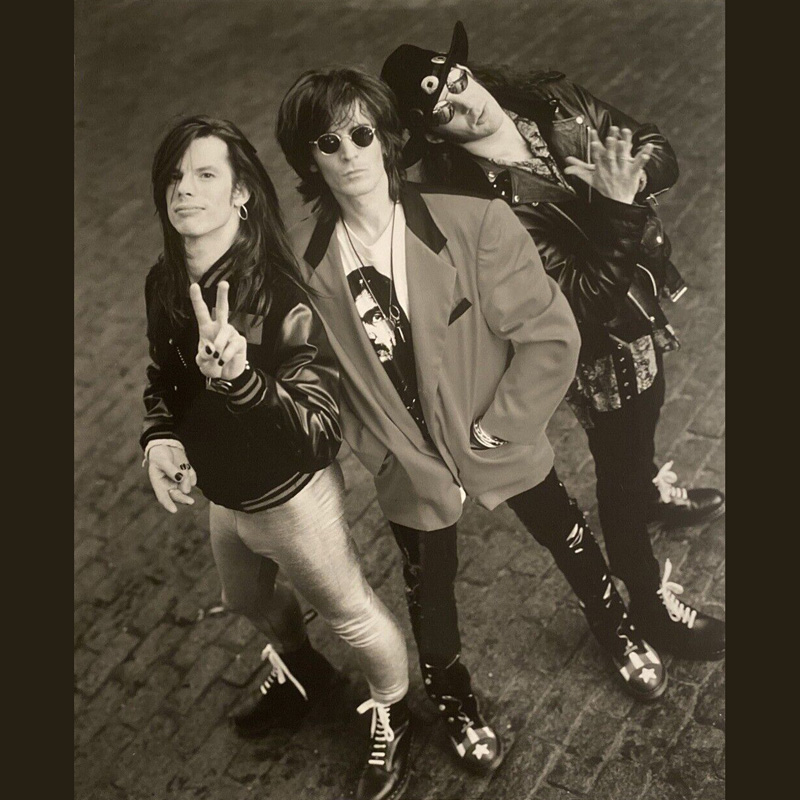
Third Rail soldiered on in the clubs while no new recordings appeared and wrapped it up in 1985 with a final Boston show at the Jumping Jack Flash nightclub a couple streets over from Fenway Park. Although now focused on his undertaking work, Nolan continued to play music in a new unit called The Naked Cage House Band and in 1988 recorded the single “Track Dog” b/w ”Rolling in Clover,” which featured guitarist Michael “Dog” Powers and drummer David Birmingham from the final lineups of Third Rail.
It appeared Third Rail’s chapter had finished, but in 2005 Nolan contacted some past members and assembled the eleventh lineup of the group to perform shows on a 30th Anniversary Tour. The band kicked off the reunion with a sellout at Kirkland Café in Somerville on March 5th and continued gigging sporadically to 2010 but, after suffering a stroke the following year, Nolan found it difficult to perform. Some asserted, including longtime supporters at Boston Groupie News, that he could sing better than he could talk at that point. There was a final gig in 2012, when Nolan guested with the band Cadillac Heart, riding that electrified third rail one more time. He passed away at age 72 on October 27, 2015.
(by Carter Alan)
Carter Alan is a former WBCN deejay now heard on WZLX-FM in Boston. He’s the author of Outside is America: U2 in the U.S. (Faber & Faber, 1992), U2: The Road to Pop (Faber & Faber, 1997), Radio Free Boston: The Rise and Fall of WBCN (University Press of New England, 2013) and The Decibel Diaries: A Journey Through Rock in 50 Concerts (University of New England Press, 2017).