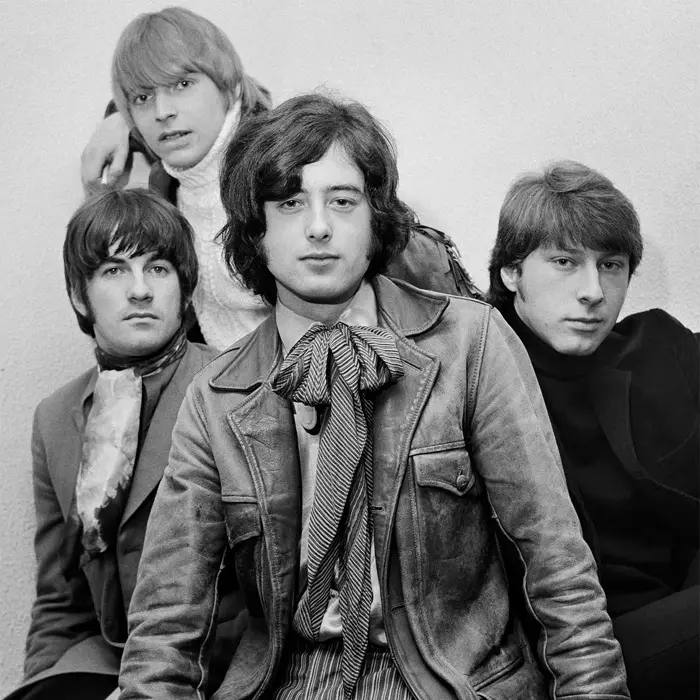
The Blackjacks
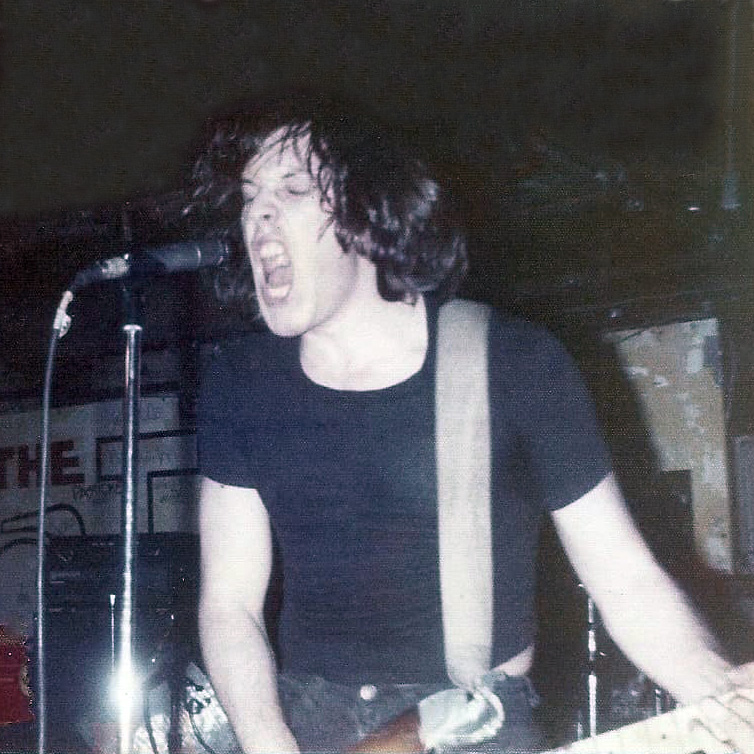
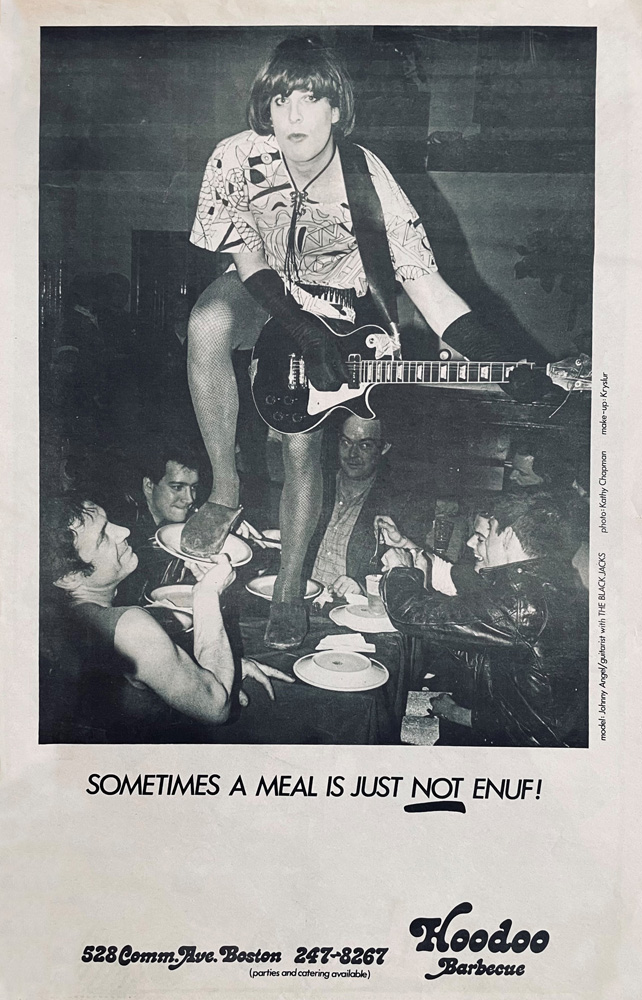
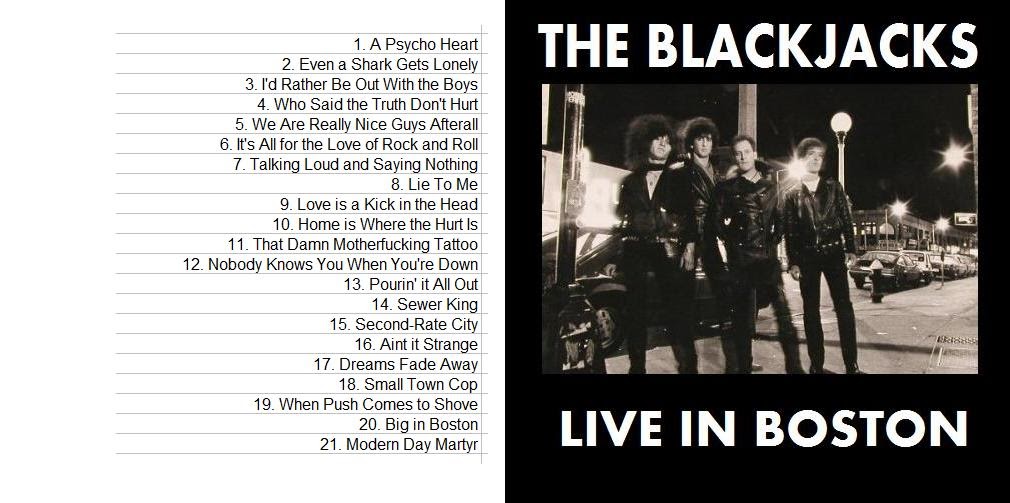
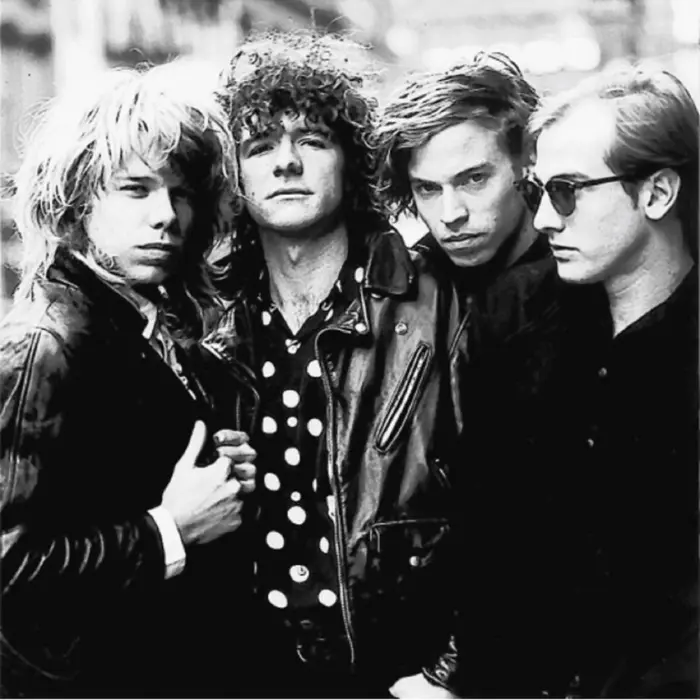
The Blackjacks were probably the only Boston-based band to receive hate mail in the 1980s. Why? It might be because they broke free from what many audiences were used to hearing, playing rock ‘n’ roll exactly as they felt it should be played: hard. There were no sappy love songs or ballads, just in-your-face rock from start to finish. “They hated us!” recalls guitarist-vocalist Johnny Angel, the band’s frontman. “When we got on stage, the audience just didn’t know what to do with us. I’d pick up my guitar and tune it up. I’d play and be like, ‘These are the songs. This is the vibe. Take it or leave it. This is what we do.’”
FORMATION, MUSICAL APPROACH, INFLUENCES
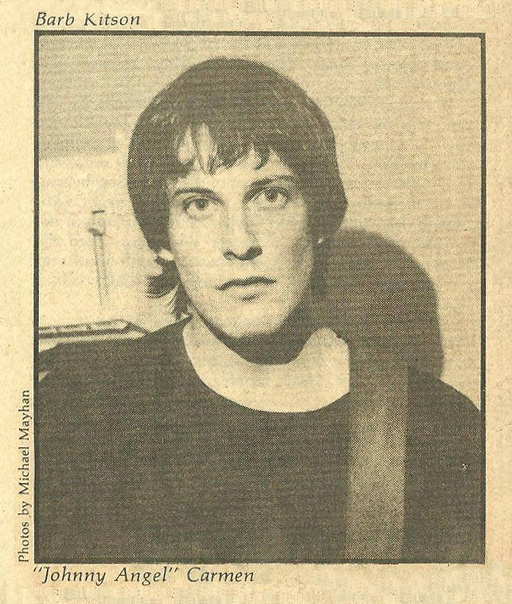
Born Jonathan Carmen in 1956, Massachusetts native Angel attended Emerson College and his family expected him to follow in his father’s footsteps as a stockbroker. He was one of the youngest in Massachusetts to receive his Series 7 license (formally known as the General Securities Representative license), but soon decided that the Wall Street path wasn’t for him. Instead, he launched his music career in 1977 with punk-influenced The Thrills, which became City Thrills before disbanding in ’83 due to financial issues and burnout.
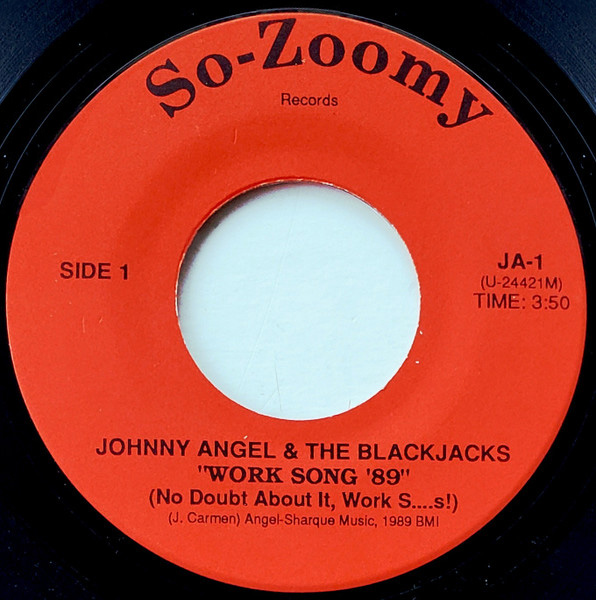
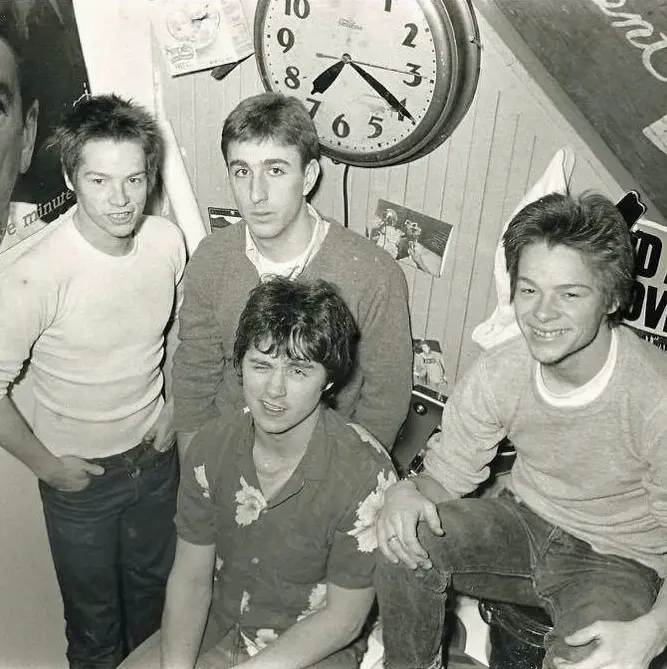
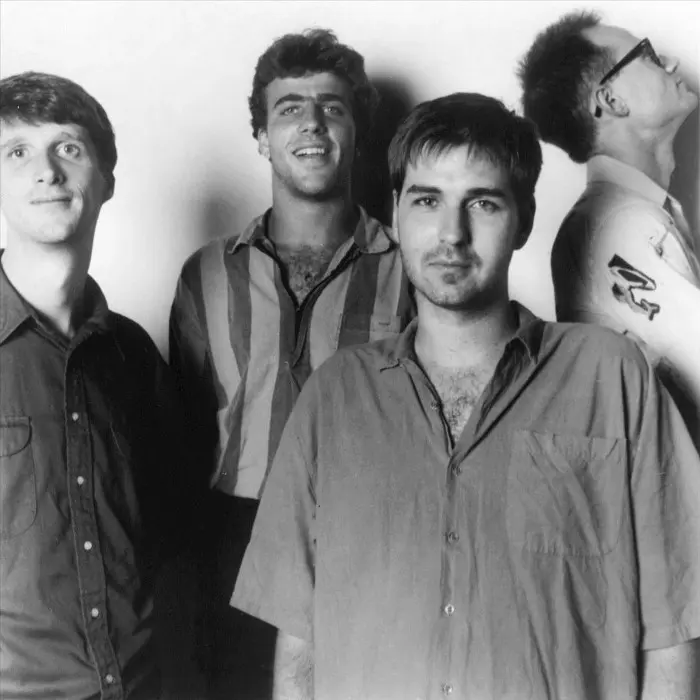
That same year, Angel co-formed The Blackjacks with Michael “Whitey” White (bass and vocals) and Jeff Erna (drums); guitarist Rafe Mabry joined the group later. The trio had a very clear idea of what they wanted to be: innovators, not imitators. They scoffed at the outlandish outfits of pop bands like Haircut 100 and wearing all black was their uniform of choice years before “goth” became a thing. Angel says he took his stage name from the title of Shelly Fabares’s 1962 chart-topper “Johnny Angel” since he didn’t want to be yet another rocker with a name that fit the “punk” mold.
According to Angel, there were basically two types of bands in Boston in the early ‘80s: new-wave acts such as ‘Til Tuesday and standard rock groups like The Del Fuegos. The Blackjacks didn’t want to be either of those, he says, as they had no interest in what Angel refers to as the “elegant pop” such groups played. Instead, they were inspired by the likes of Iggy Pop, The New York Dolls, The Gun Club and other raw rock played on local college stations such as MIT’s WMBR. They were also influenced by groups from the ’50s and ’60s (especially The Yardbirds, Angel says) but never wanted to come across as overly goofy or sing-songy. In essence, The Blackjacks wanted their songs to be tough, but funny. Some of their material was profane because that’s how the band members spoke. They figured, “Why change it?”
BASIC BLACKJACKS, DRESS IN BLACK, NOTABLE SINGLES, DISBANDING
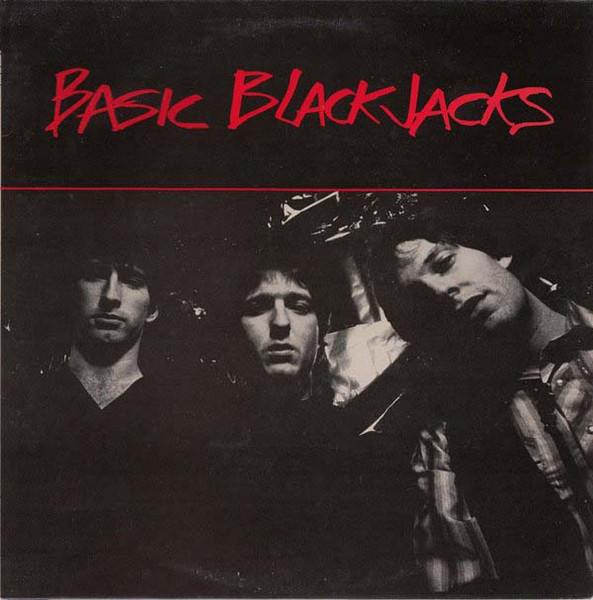
In 1984, the band became the first-ever group signed by Homestead Records, which released their first album, Basic Blackjacks, in 1984. Other Boston bands including The Dogmatics, Big Dipper and Salem 66 recorded for the label in later years. The debut disc featured six tracks, among them “Dreaming of Saturday,” which people interpreted in quite different ways. While some took it at face value, i.e., someone anxious for the weekend to start, others perceived it as flipping a middle finger at the Reagan-era conservative establishment. The latter view led to a boatload hate mail and the band being called “communists.” “If you hate it all so much, just cut your throats,” one letter said. While the LP fared quite well in Europe and saw 4.5-star reviews in England, it didn’t gain much traction in the US.
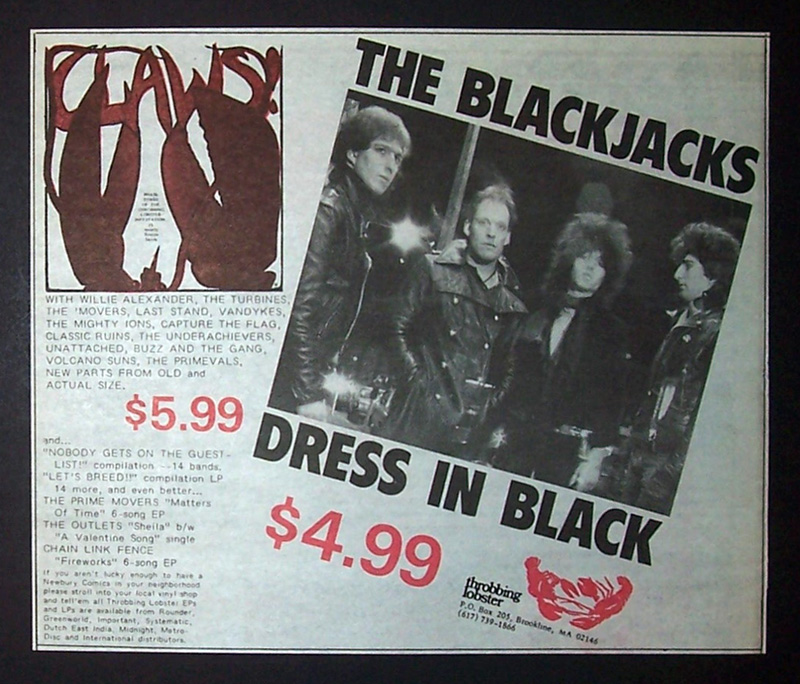
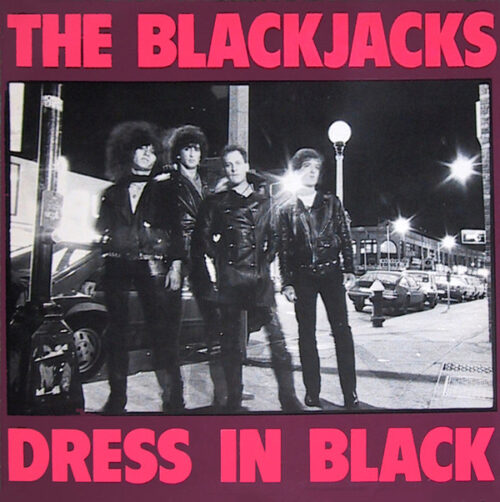
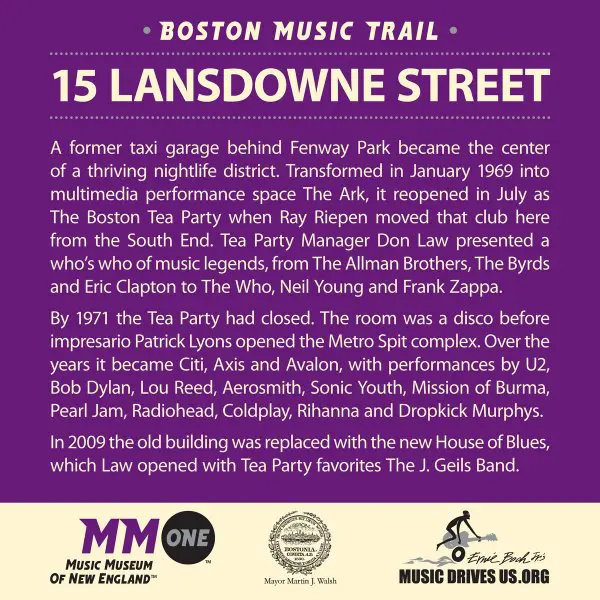
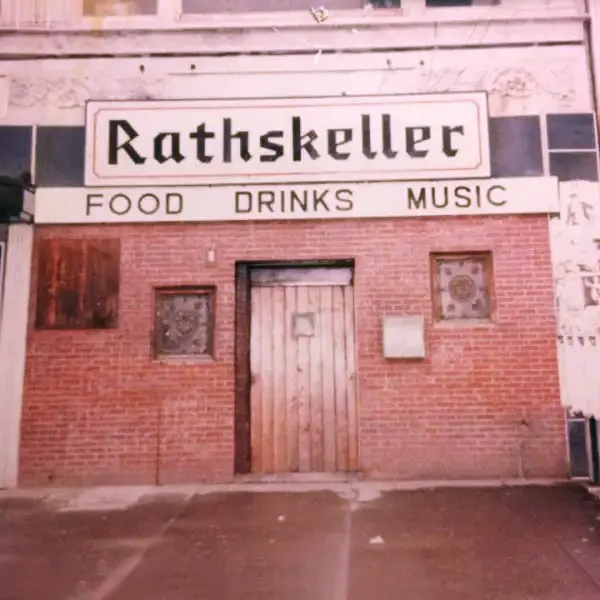
The band participated in the WBCN Rock ‘n’ Roll Rumble in June ’84 (held at Spit on Lansdowne Street) and recorded their sophomore studio outing in 1985, Dress in Black, released by Throbbing Lobster Records. The title track was a local hit, staying at #1 on ‘BCN for nine weeks, and in October that year they opened for The Clash at the Centrum in Worcester. Next came an opportunity to tour with Run-DMC, but challenges with substance abuse and alcoholism brought the tour to a halt after just six shows. The band tried a number of things to keep going but started on a downward slide as their audience thinned. Their last gig was at The Rathskeller in July 1989.
ANGEL’S LATER/CURRENT ACTIVITY
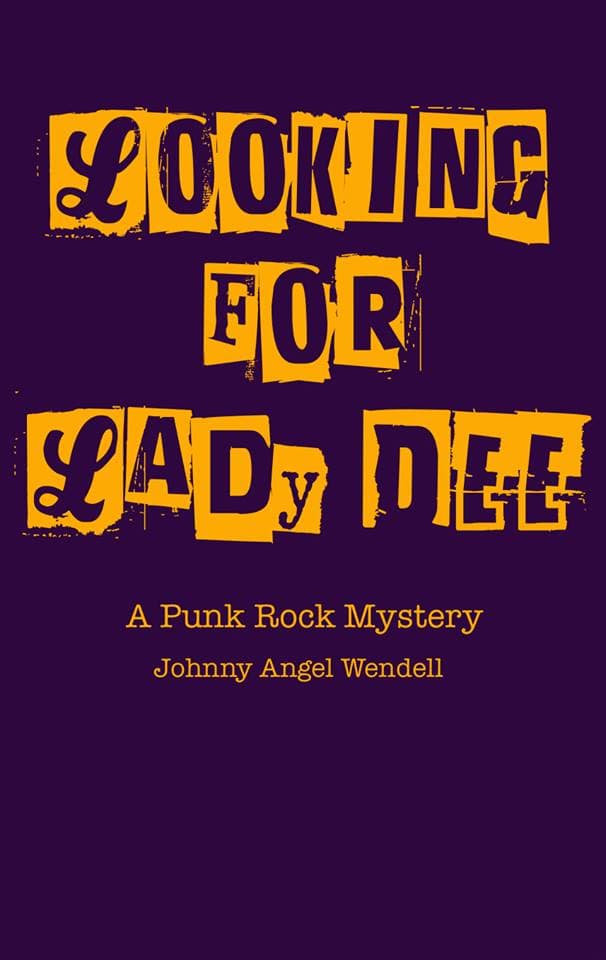
For Angel, fronting The Blackjacks was the start of a very interesting and eclectic journey outside of the music business but still within the broader entertainment industry. Since moving to Los Angeles in July 1989, he’s written for LA Weekly and the San Francisco Bay Guardian, acted in commercials and indie films and penned two books under the name “Johnny Angel Wendell”: Looking for Lady Dee: A Punk Rock Mystery (2015) and In This Darkness, I Disappear: A Novel Kind of Mystery (2018).
He’s also hosted talk shows on Los Angeles AM stations KFI, KEIB and KTLK (the last of which broadcast his show Southern California Live with Johnny Wendell) and these days he spends his time as personal trainer. Asked what it’s been like to have spent the past several decades living with no guitars, no microphones and no screaming crowds, he said he doesn’t miss his old life very much since he finds one-on-one time with other people “extremely satisfying.”
(by Jeff Booth)