Salem 66
Salem 66
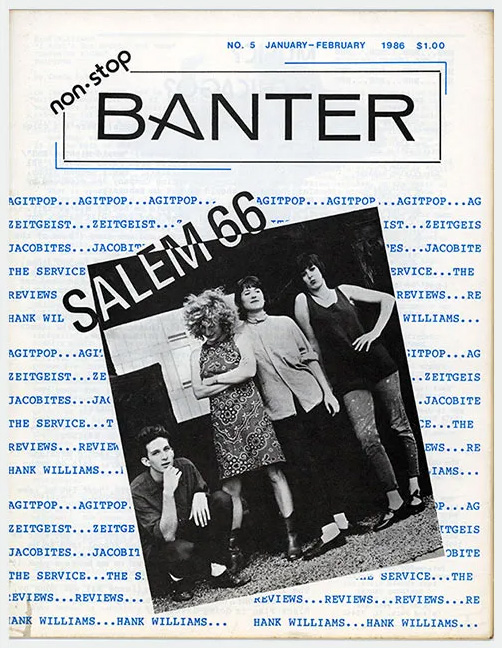
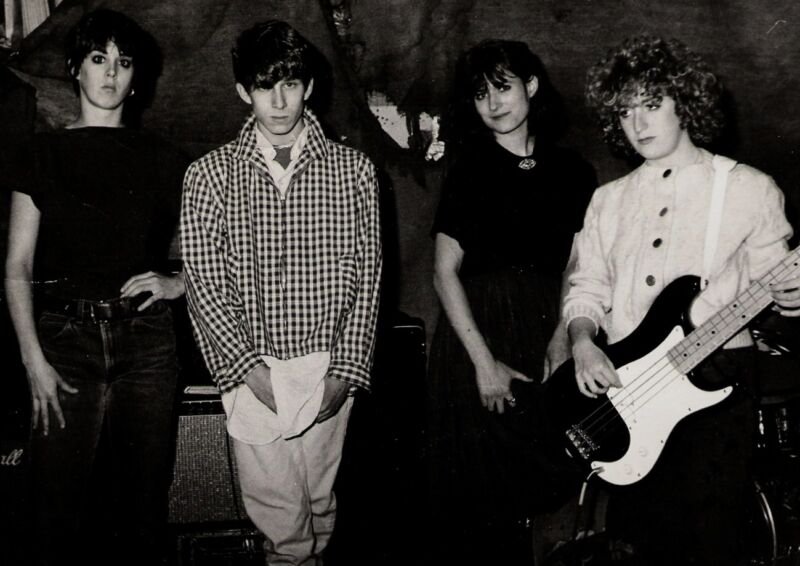
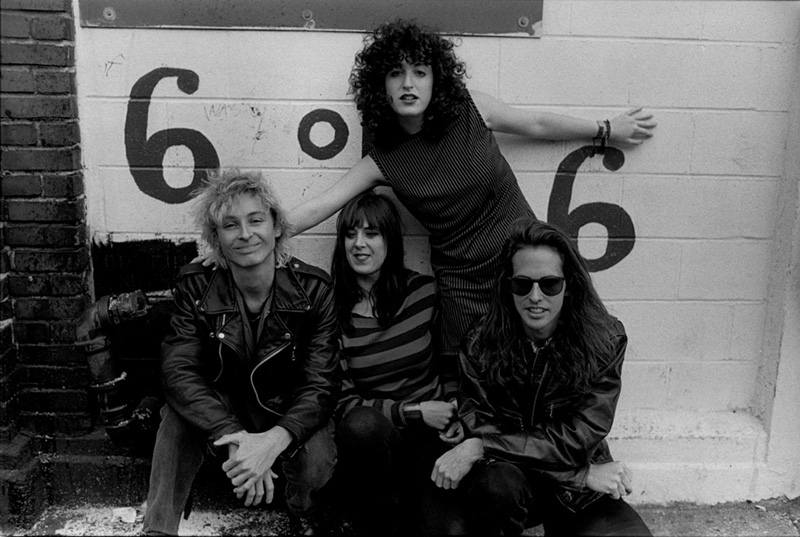
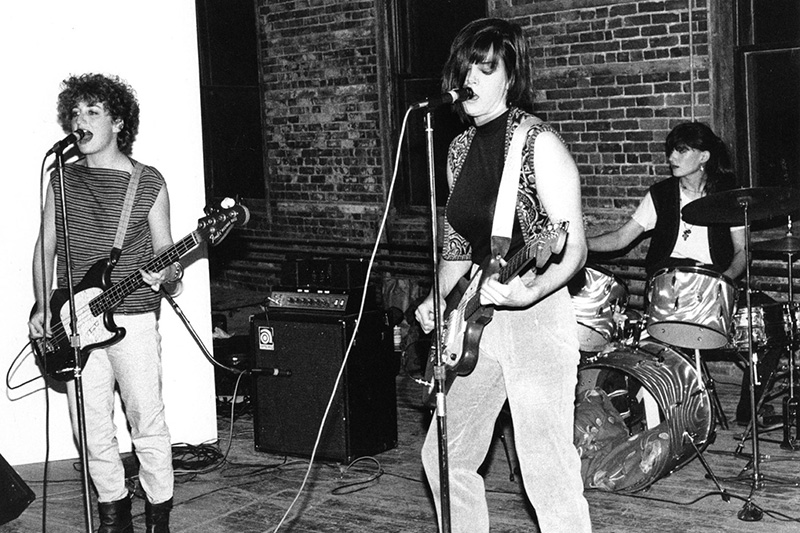
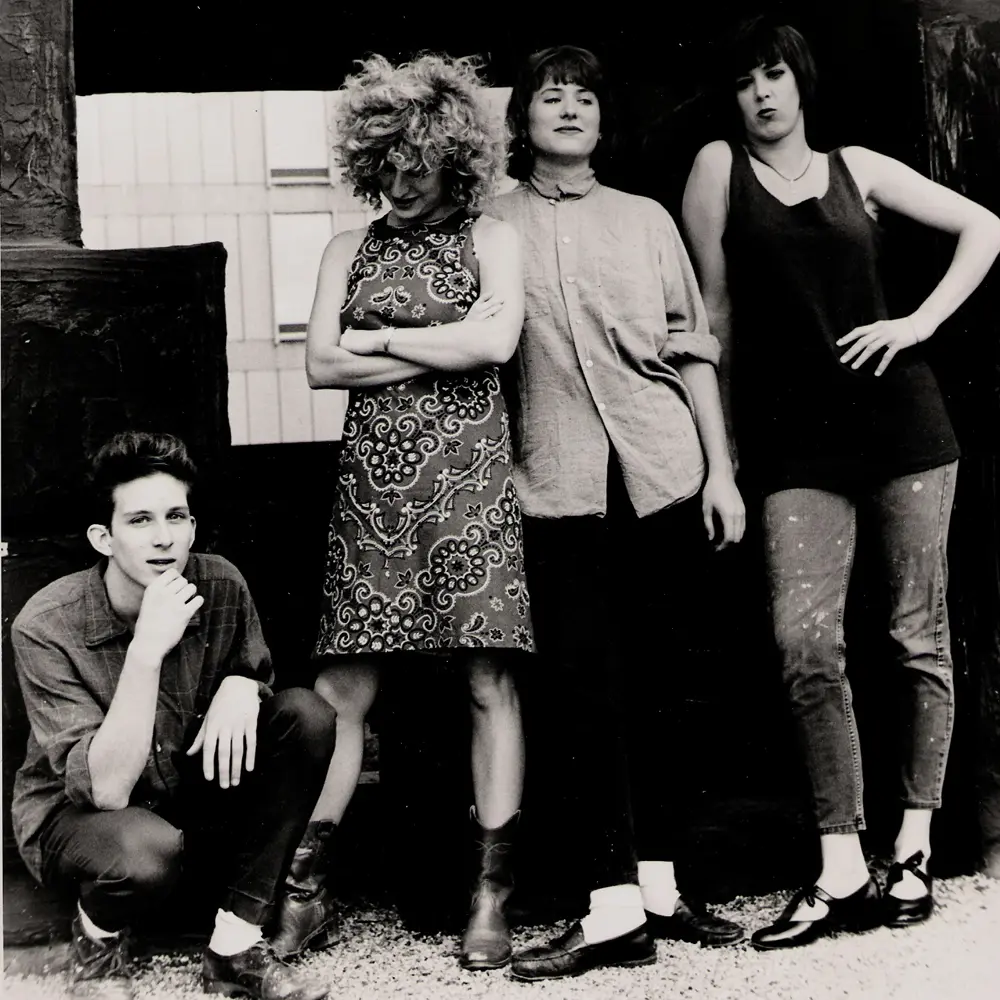
Salem 66 competed successfully for attention on the early and mid-‘80s alt-rock scene in Boston and across the United States, its original core of three women embarking at a time when plenty of bands included female members but there were very few all-female groups. Although The Go-Go’s and The Bangles were building platinum-selling careers at the time, Salem 66 took its cue from far less commercial and more dissonant-sounding female outfits like The Slits and The Raincoats from the early days of do-it-yourself UK punk.
The band was born in Boston’s Allston neighborhood, alongside miles of rusty railroad marshalling yards and the western encroachment of Boston University along Commonwealth Avenue. Guitarist and singer Judy Grunwald had split from local group The Maps, which released one single in 1980 and attracted a lot of interest in the clubs. After being introduced to Beth Kaplan, who’d played bass and guitar in a band called The InSteps and wanted to explore songwriting more actively, the two discussed whether a collaboration was possible and beneficial artistically. In that mutual audition, they didn’t even bother to bring instruments; instead, they sat for hours, poring over each other’s lyrics and song ideas, their excitement growing immediately into laying plans for a fresh start.
During the meetings that followed, the question of rhythm came up and the two began talking to drummers. Although an all-female lineup was never the goal, when Susan Merriam sat down for a try out, they knew that she was the perfect fit. It had to have been an instinctive reach for them; Merriam had actually never played the drums, but she possessed a strong physical attack and learned quickly. Along with Grunwald’s husky voice and Kaplan’s lighter pitch singing, their own songs and weaving together on the other’s, the seeds of something quite original and unpretentious were sown in those early rehearsals.
By 1982, the band had chosen its name from a simple combination of the famous city in Massachusetts and fad allure of the TV show “Route 66.” While the group’s musicianship was a bit shaky at first, the songwriting and lyrical depths plumbed never lacked honesty and personality, leading Salem 66 to its unique place in music, never really emulating anybody because they lacked the skill and desire to copy anybody. Inexperience would prove to be critical in defining their style as crafting the songs remained the foremost goal of the band.
EARLY APPEARANCES, ROCK ‘N’ ROLL RUMBLE, “SLEEP ON FLOWERS”
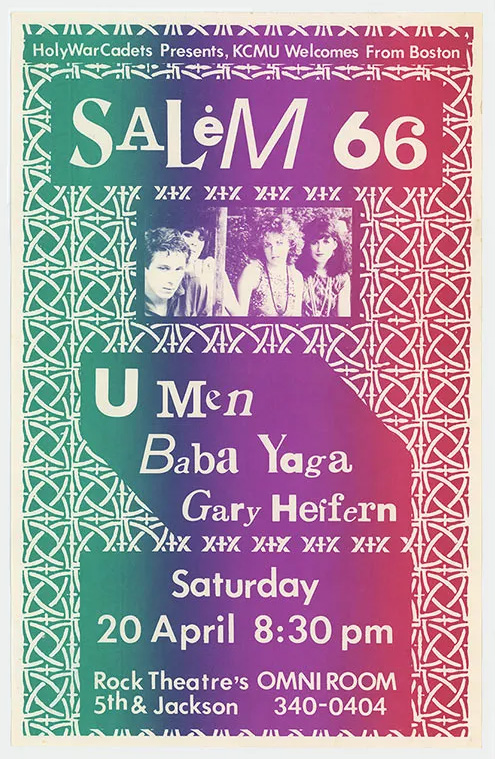
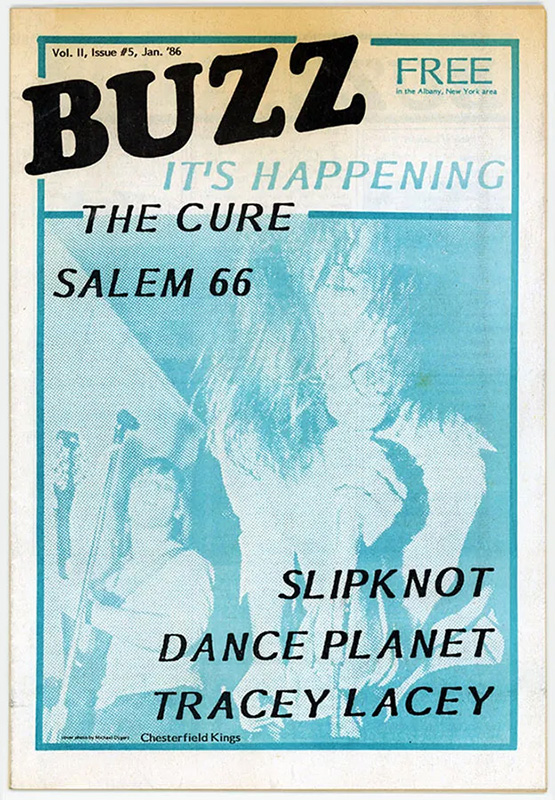
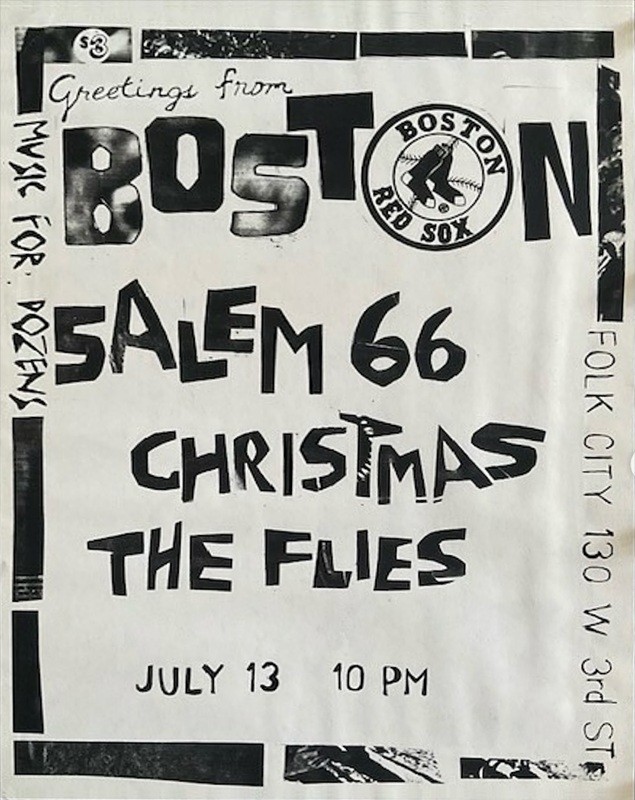
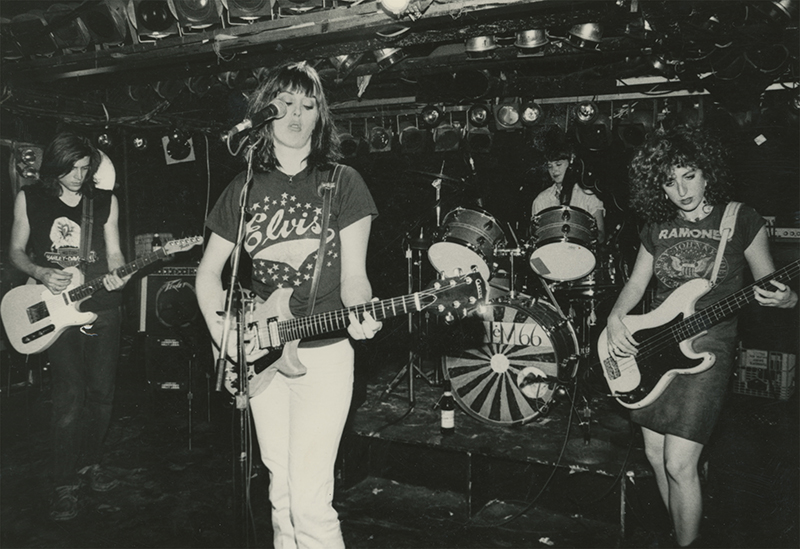
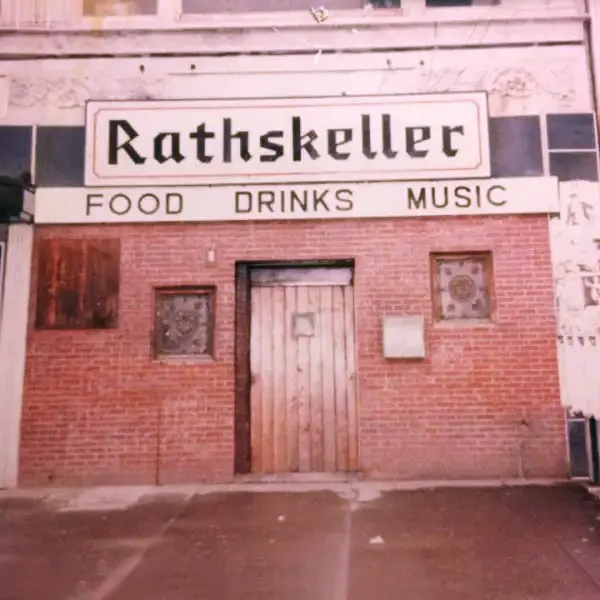
The group began playing the local circuit early in ’82, booked and managed by Kaplan’s sister Emily, as the vibrant Boston rock scene grew nightly with clubs opening their doors to bands playing original music and new venues debuting all the time. They became regulars at The Rathskeller and shared stages with bands including Flipper, Hüsker Dü and The Raincoats. The group played in New York City regularly, gigging at CBGBs, Danceteria and The Knitting Factory, and traveled further south to college towns such as Athens, Georgia.
The band slipped into the studio from time to time to record a few demo tapes including “The Pony Song” and “Shimmery Fish,” which received airplay on college radio and even on WBCN, where the on-air exposure won them an invitation to perform in its high-profile Rock ‘n’ Roll Rumble in 1983 (won by ’Til Tuesday). That exposure to the mainstream plus the appearance of their song “Sleep on Flowers” – a professionally recorded track produced by The Neighborhoods’ David Minehan and released on the local album Bands That Could Be God: The Conflict Collection – advanced Salem 66 into the “groups you needed to see” category.
HOMESTEAD SIGNING, DEBUT EP, EXPANDED LINEUP, A RIPPING SPIN
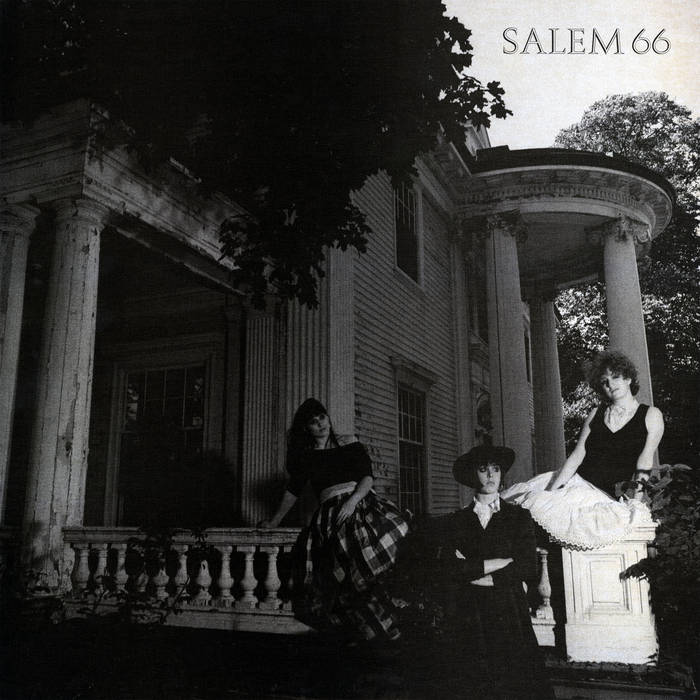
The newfound attention prompted Sam Berger, founder of Long Island based Homestead Records, to check out Salem 66 shows in New York City and Boston, which resulted in the band signing with what soon became one of America’s most important independent labels. In 1984, Homestead collected five of the group’s demos plus “Sleep on Flowers” into the 12-inch EP Salem 66. Critics praised the band’s ethereal instrumental approach and vague vocal blend, not unlike the blurry mix of REM’’s Chronic Town EP or Murmur album, released shortly before. Unsurprisingly, the Minehan-produced track brought the guitar, bass and vocals into sharper focus and directed more attention to Grunwald’s and Kaplan’s lyrical depth.
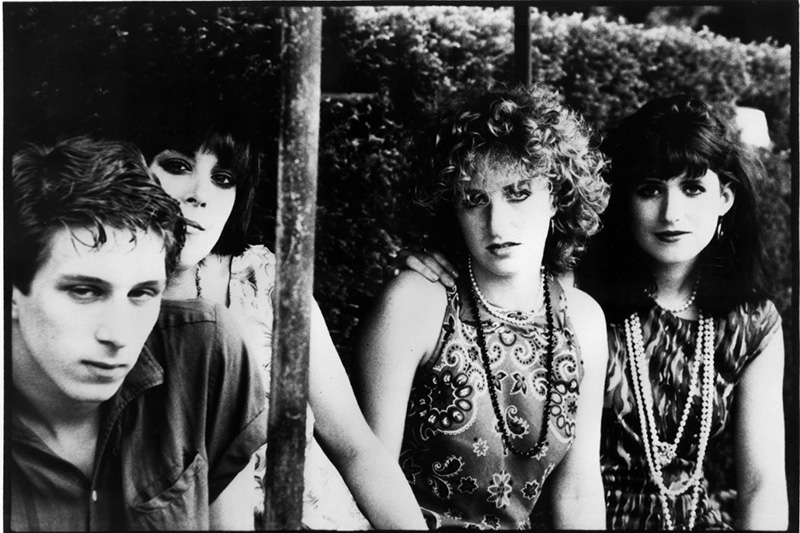
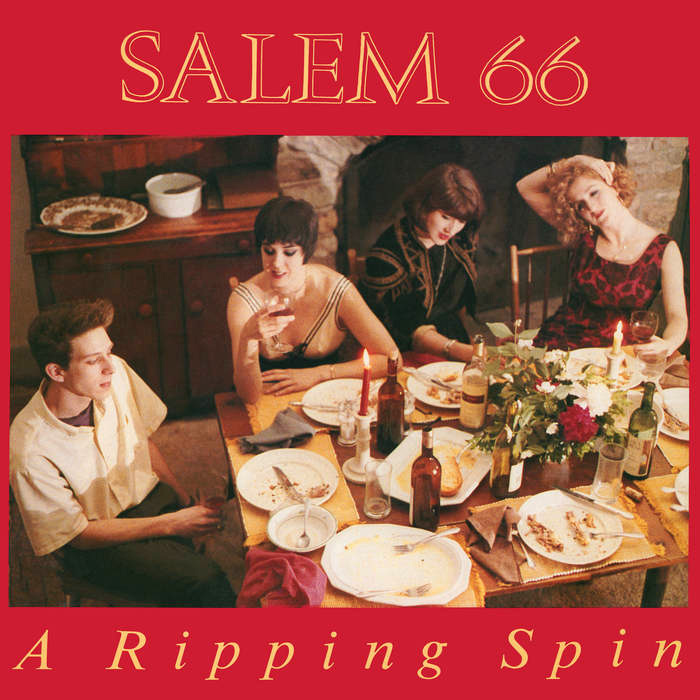
In time, as their musical proficiency improved, the band added guitarist Robert Wilson Rodriguez to fatten the sound. In the fall of ’84, he debuted on a new Salem 66 seven-inch single, “Across the Sea,” with the original demo of “Pony Song” on the flipside. Homestead (which issued all the band’s EPs and LPs while they remained together) put out another seven-incher, “Love and Truth” b/w “Primavera,” which previewed the first Salem 66 album, 1985’s A Ripping Spin, a collection of originals and an enlightened cover of “Fragile” by English art-punk band Wire. The vocals had become less tentative and the guitar sound had expanded, enhanced by Minehan’s production and from the band playing a steady slate of concerts that took them all the way out to the West Coast.
FREQUENCY AND URGENCY, NATURAL DISASTERS, NATIONAL TREASURES
By this time, Salem 66’s profile had risen to the point where their name was mentioned in discussions and reviews about the growing California-born “Paisley Underground” movement of ‘60s-revival bands, noted for their folksy, psychedelia-inspired guitarwork. Appropriately, Salem 66 traveled to Los Angeles’s Venice neighborhood to record at Radio Tokyo, an important studio where paisley bands like Rain Parade, The 3 O’Clock and The Bangles had cut sides. Ethan James, keyboardist for the ‘60s underground band Blue Cheer, produced 10 songs for Salem 66’s album Frequency and Urgency in 1987, which brought another guitarist change, with Stephen Smith replacing Rodriquez.
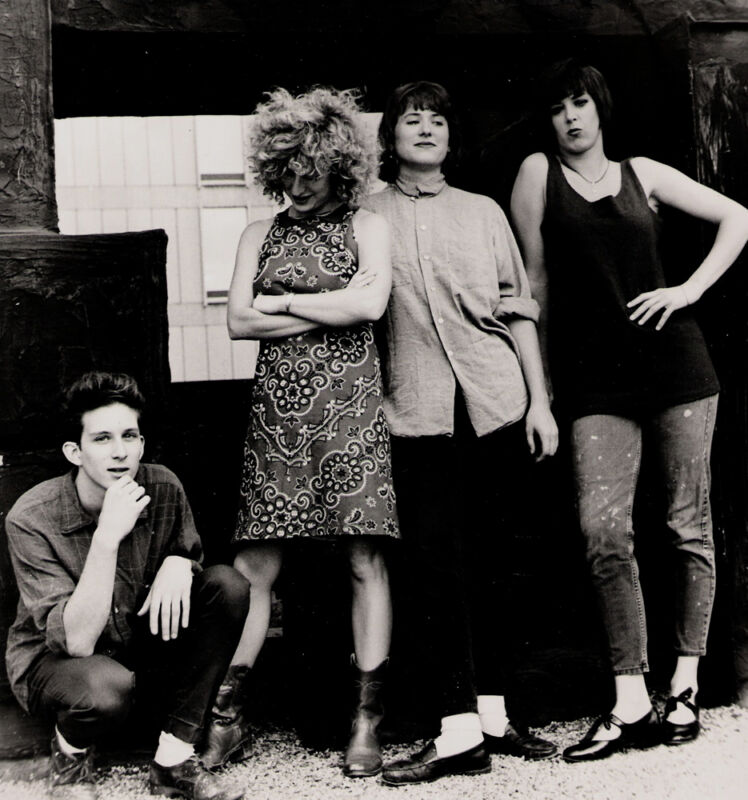
The band’s material had improved remarkably, the playing far more assured; criticisms of inexperience and diffidence all but vanished. During and after the sessions, Salem 66 performed up and down the West Coast, drawing a host of new fans, but Merriam soon departed (wanting time to concentrate on her painting). Smith also exited, the two replaced in the lineup by drummer James Vincent and guitarist Tim Condon, who brought a harder sound to the band’s 1988 album Natural Disasters, National Treasures.
Also recorded at Radio Tokyo and produced by Ethan James, the release gave Salem 66 their closest facsimile of a national radio hit, with Kaplan’s “Lucky Penny” garnering college airplay across the country and exposure on MTV’s 120 Minutes. Along the way, Homestead thought enough of its Boston-based client to release the 18-song compilation 1983-1987 (Your Soul is Mine, Fork it Over) to mark the end of a first era for the group. Sadly, however, there would not be another.
DOWN THE PRIMROSE PATH, DISBANDING, LATER ACTIVITY, SALT
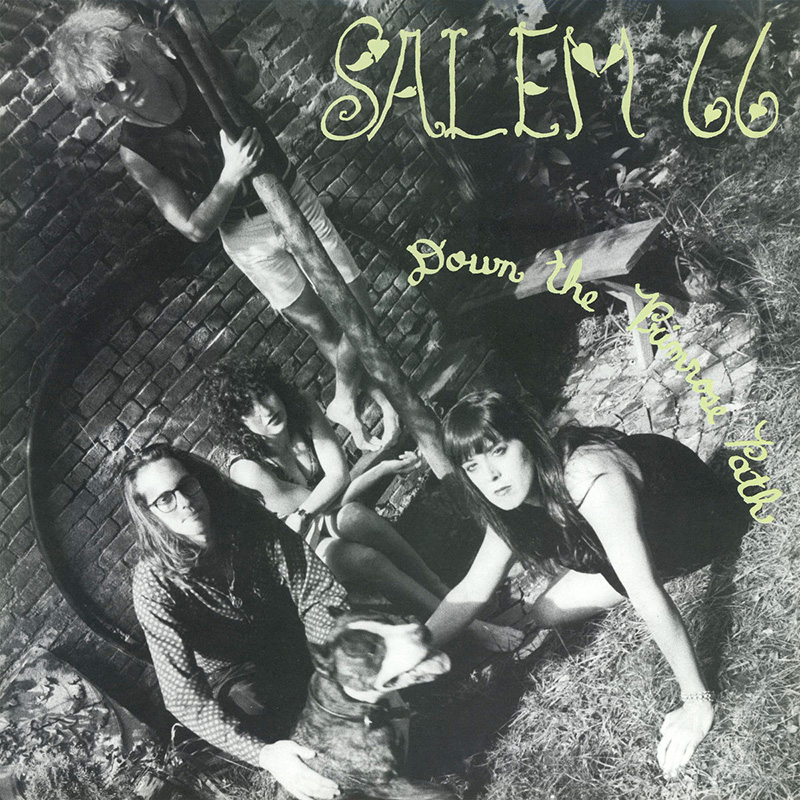
Salem 66 packed it in after the next album, Down the Primrose Path, recorded back in Boston at the famed Fort Apache Studios with Sean Slade and Paul Kolerie producing. Vivid and confident, the 1990 effort advanced the maturity of the musicians’ singing, songwriting and playing, but left no clue that it would be the final chapter. Disappointed that there hadn’t been more career momentum, like a jump to a major label, the band members quietly parted ways after the album release.
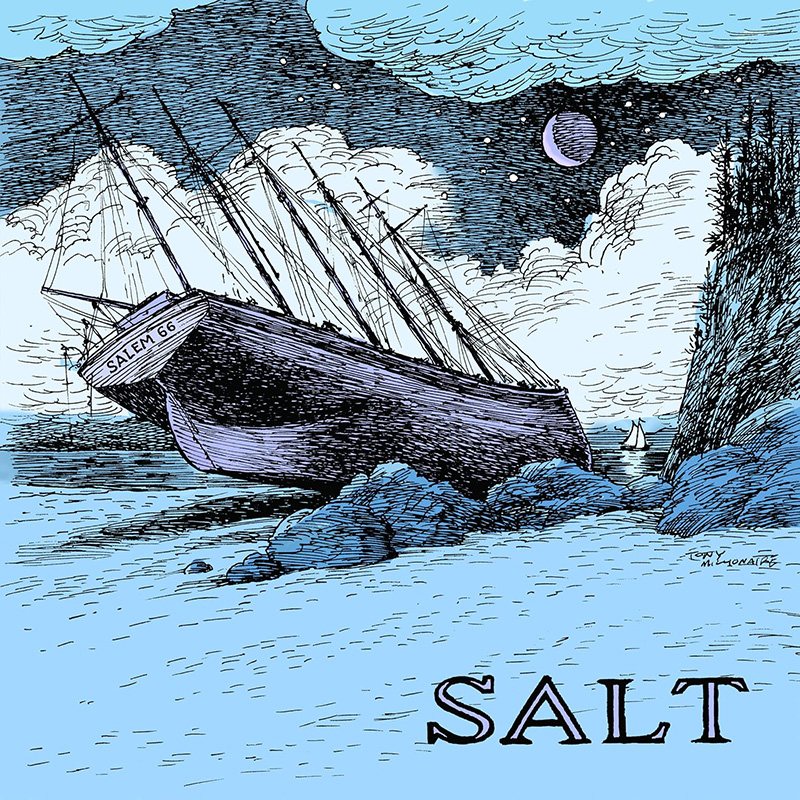
Grunwald and Kaplan both left music; the former enrolled in culinary school, married David Minehan and settled in Essex, Massachusetts. The latter worked as an archivist and taught yoga, eventually moving to Rhode Island. During and following the Covid-19 pandemic, the pair began to curate a collection of their favorite Salem 66 songs, which were released by New Jersey label Don Giovanni as the 10-track LP Salt in June 2025. With their vinyl catalog out of print for decades and no music available to stream, the album was a welcome reminder of how brave, original and influential this Boston band truly was.
(by Carter Alan)
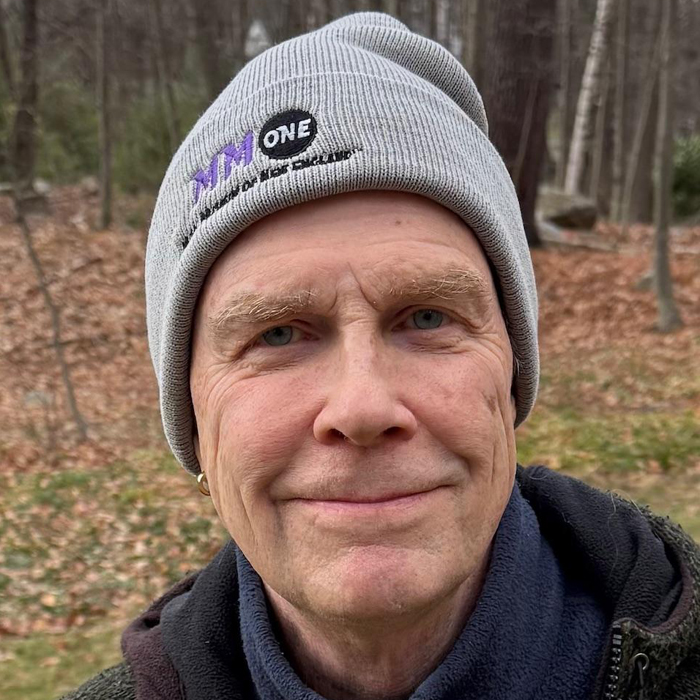
Carter Alan is a former WBCN deejay now heard on WZLX-FM in Boston. He’s the author of Outside is America: U2 in the U.S. (Faber & Faber, 1992), U2: The Road to Pop (Faber & Faber, 1997), Radio Free Boston: The Rise and Fall of WBCN (University Press of New England, 2013) and The Decibel Diaries: A Journey Through Rock in 50 Concerts (University of New England Press, 2017).