Stephen Martin
Stephen Martin
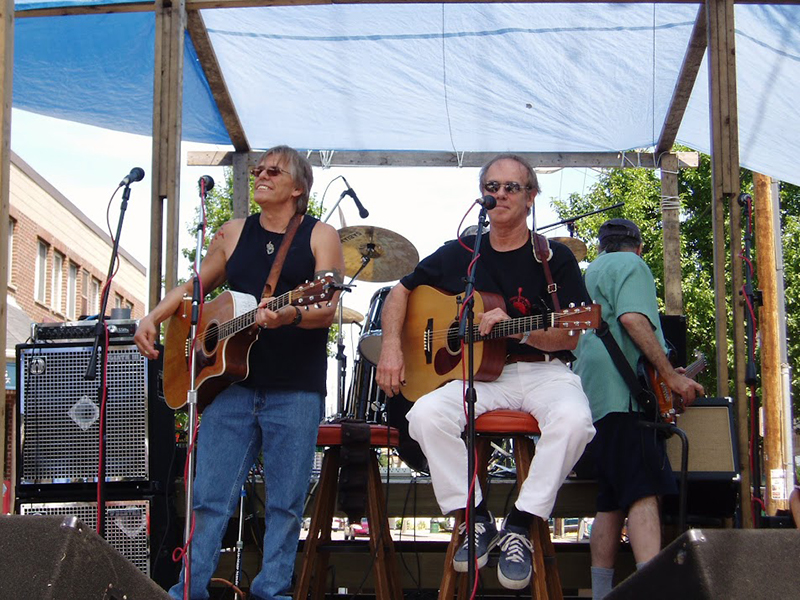
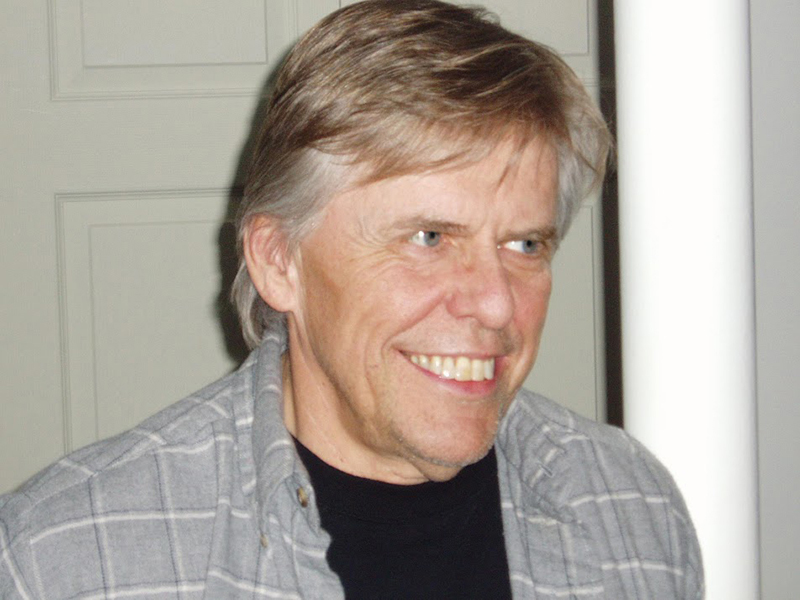
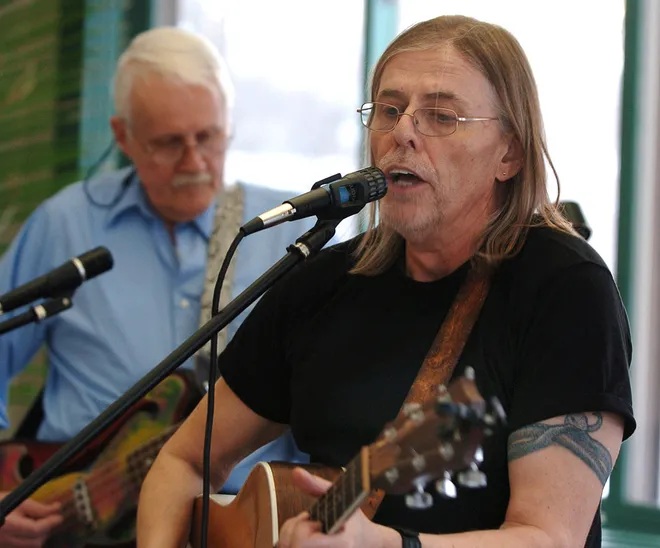
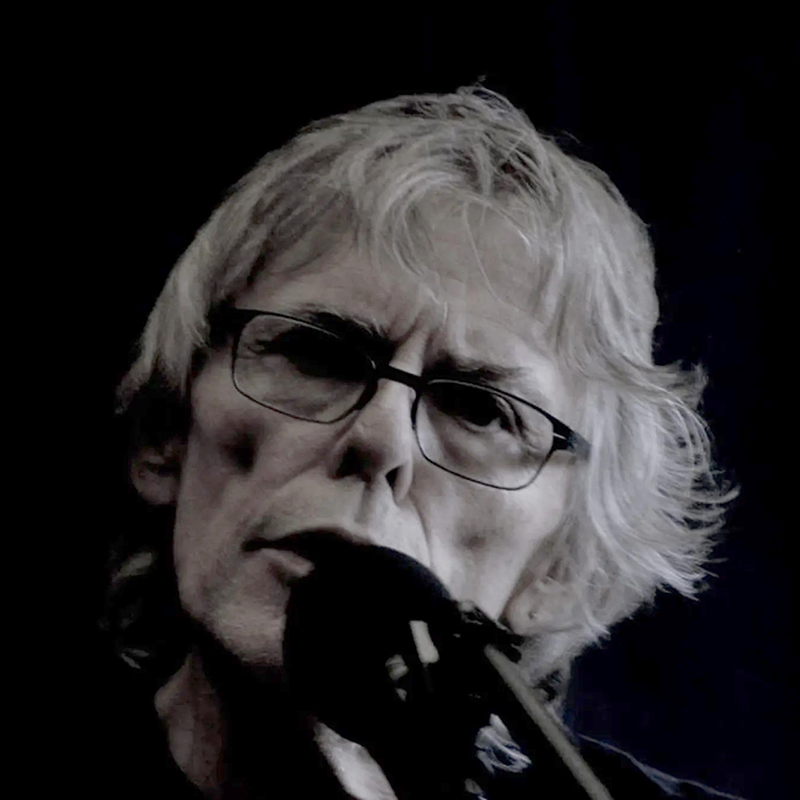
Stephen Martin began his musical career as a singer-songwriter on the hard-nosed mid-’60s Worcester, Massachusetts folk scene. He wrote his first song, “When I Was Young,” at age 16 and his first instrument was the ukelele, from which he transitioned to baritone ukulele and guitar. “I enjoyed performing as part of Worcester’s great music scene,” he says. “There were [and still are] lots of places to play.”
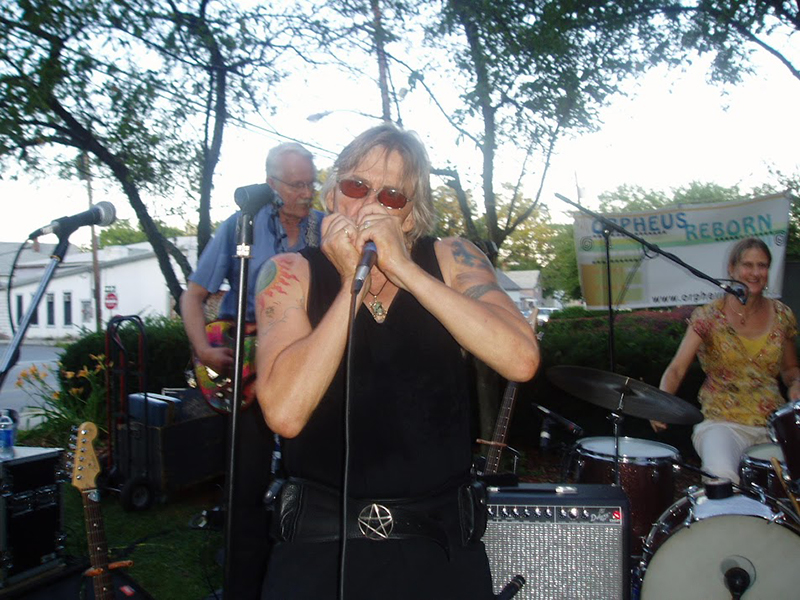
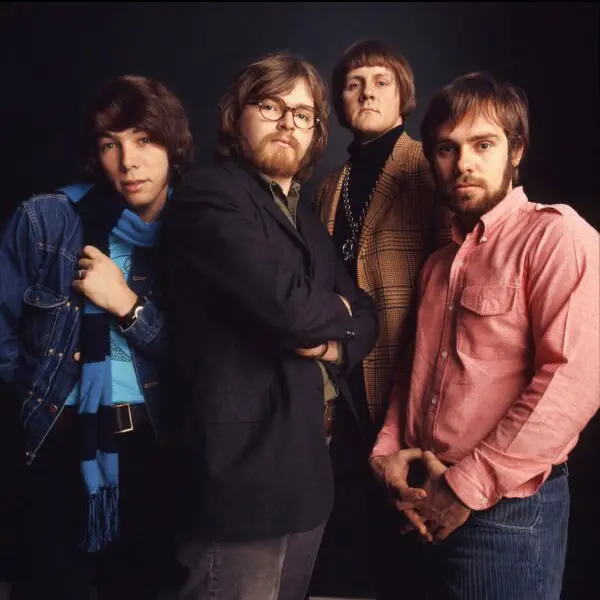
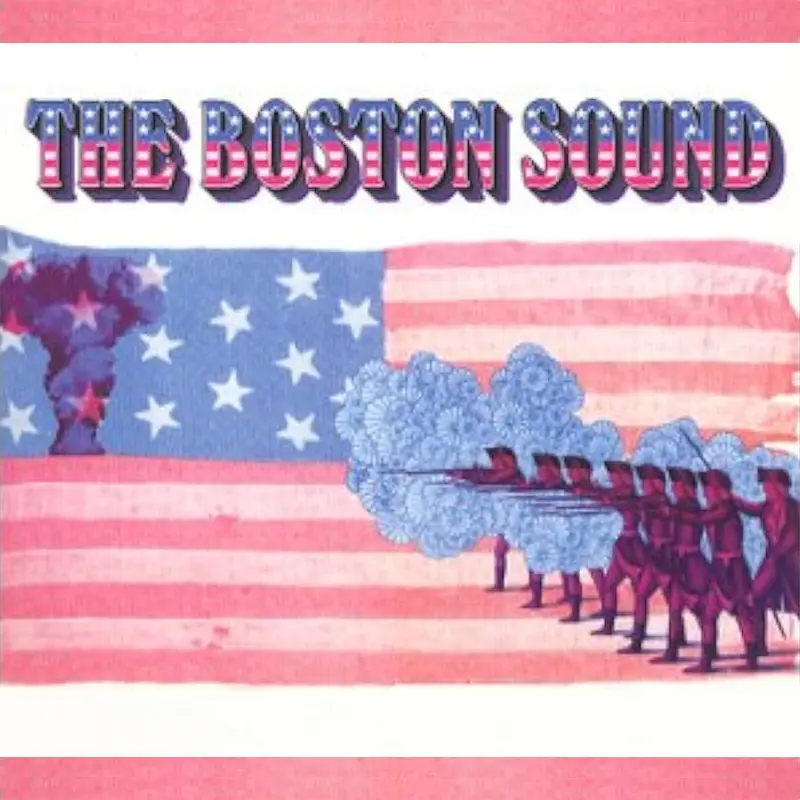
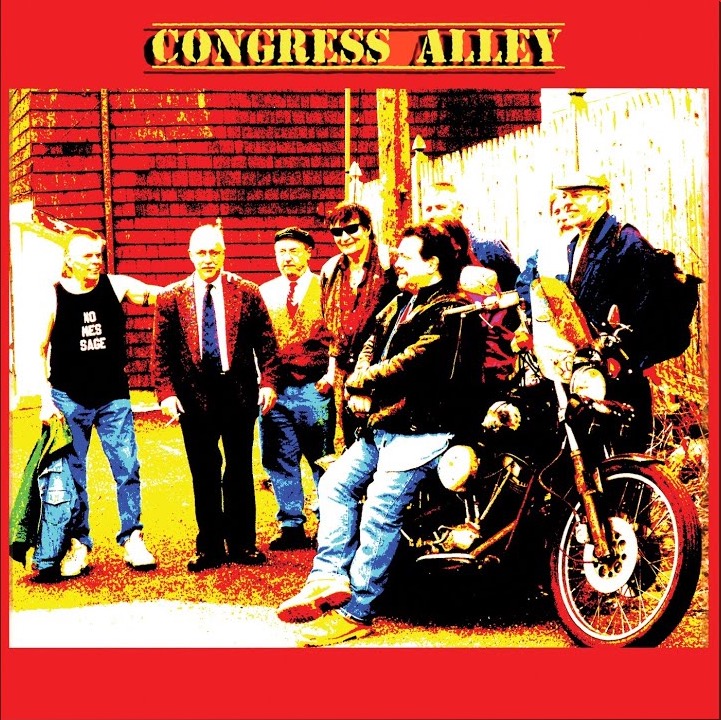
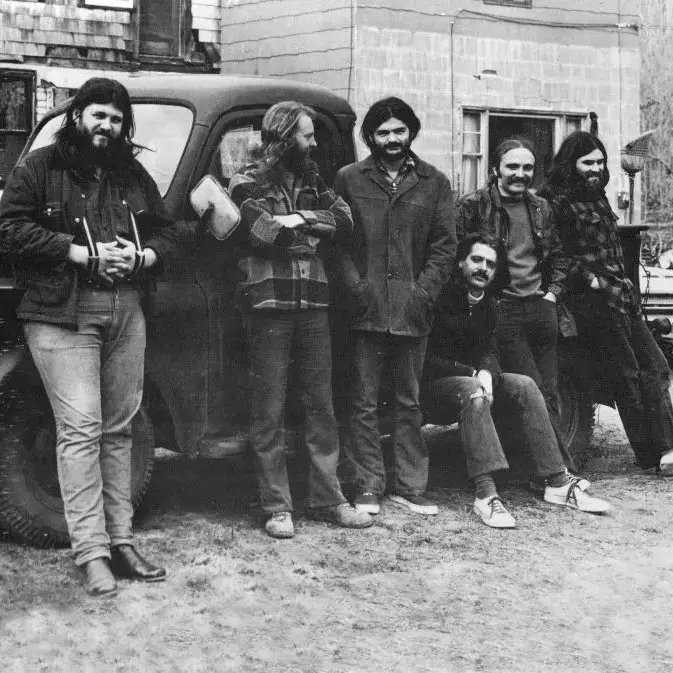
Though he penned 15 songs that acclaimed “Bosstown Sound” band Orpheus recorded, he didn’t record or perform with the group until the release of their final LP, singing and playing the guitar and harmonica. Twenty-one of his tunes have been released on major labels, 30 have been issued on independent labels, and his “Congress Alley” has been recorded by five other artists (including Orpheus). “I visited San Francisco during the summer in the late 1960s – the “summer of love with flowers in my hair” – and I was so impressed with Haight-Ashbury that when I returned to Worcester, I created my own mini-version, Congress Alley, with 300 people living there,” he says. Like its famed San Francisco counterpart, the area was a mecca for musicians, artists, poets, writers and activists.
MOVE TO SAN FRANCISCO, RETURN TO NEW ENGLAND, 2000S ACTIVITY
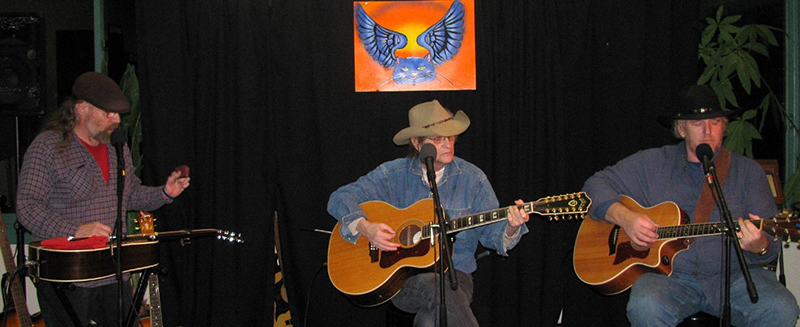
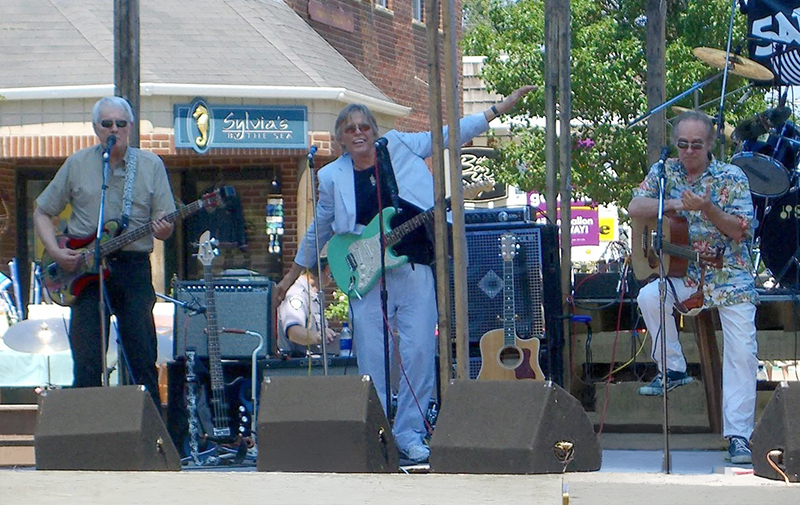
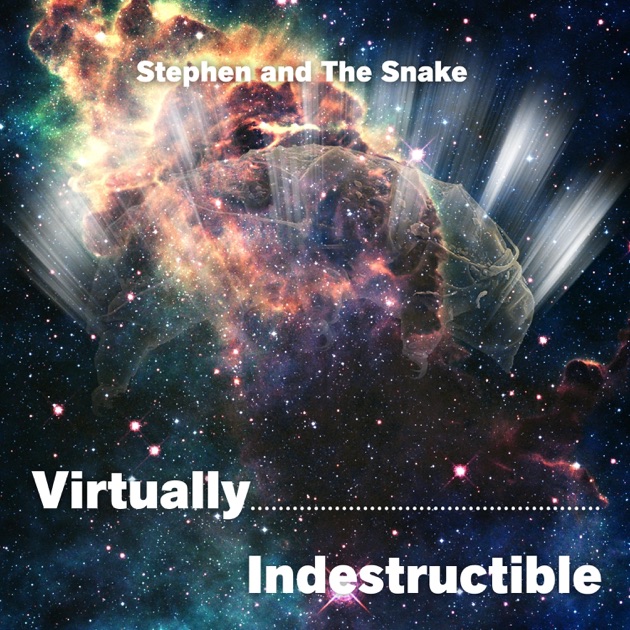
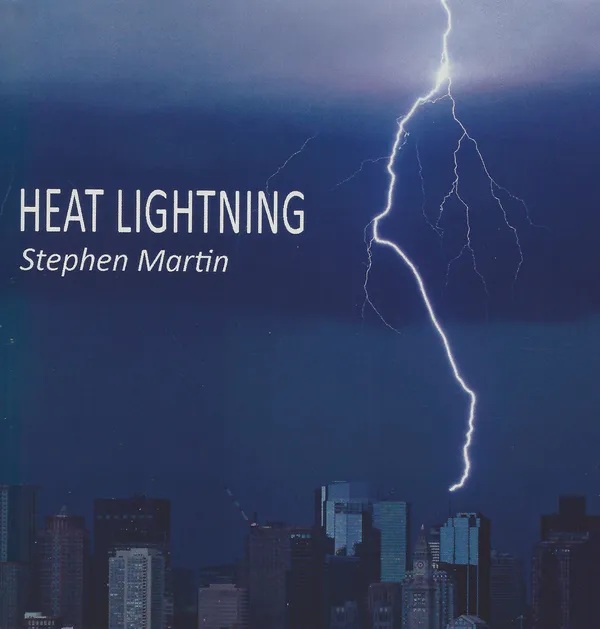
In 1973, Martin moved to San Francisco, where he played in several popular groups and worked as a music therapist for Mission Mental Health Services. When California halved mental health funds, he began a 25-year career in market research, becoming president of the Northern California Market Research Association. After returning to New England in 1987, he continued writing, performing and recording; among the dozens of songs he and others have recorded are those on the 2017 LP Virtually Indestructible by Martin and Eric Gulliksen (aka “The Snake”), 2022’s Leftovers and 2023’s Heat Lightning. Several members of Orpheus reunited as Orpheus Reborn in the 2000s, though no official recordings resulted, and Martin has produced more than a dozen recordings over the past 15 years.
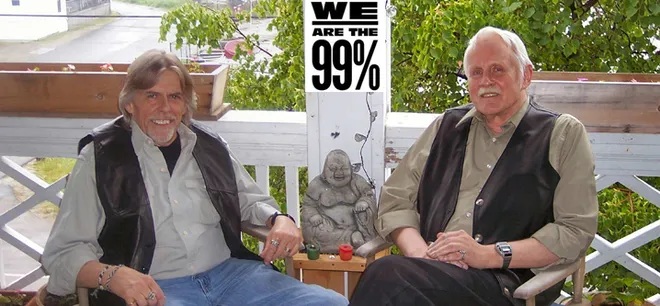
He’s played a variety of roles outside his musical activity since the dawn of the 21st century: Upon retiring from Market Research in 2001, he worked as a newspaper reporter for five years and as special projects coordinator at the New England Wildlife Center in South Weymouth, Massachusetts, where he managed a volunteer force of over 30. In the early 2000s, Martin co-founded Lakota Kidz, which helps people on the Pine Ridge Reservation in South Dakota to pay for heat. He’s also the cofounder of Musicians for the Greater Good, “which holds concerts to benefit various progressive organizations and candidates and other causes,” he says.
OPEN-MIC NIGHTS, NOVELS, COMMENTS ON CURRENT MUSIC SCENE
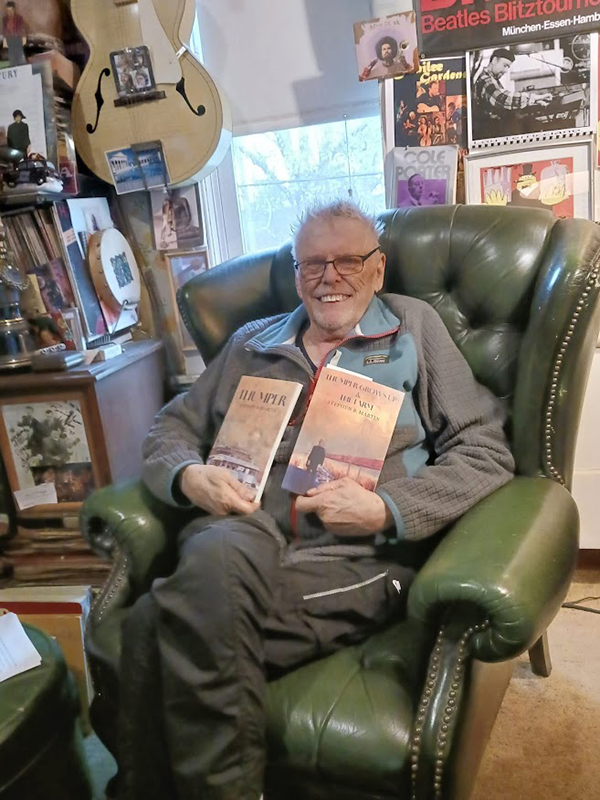
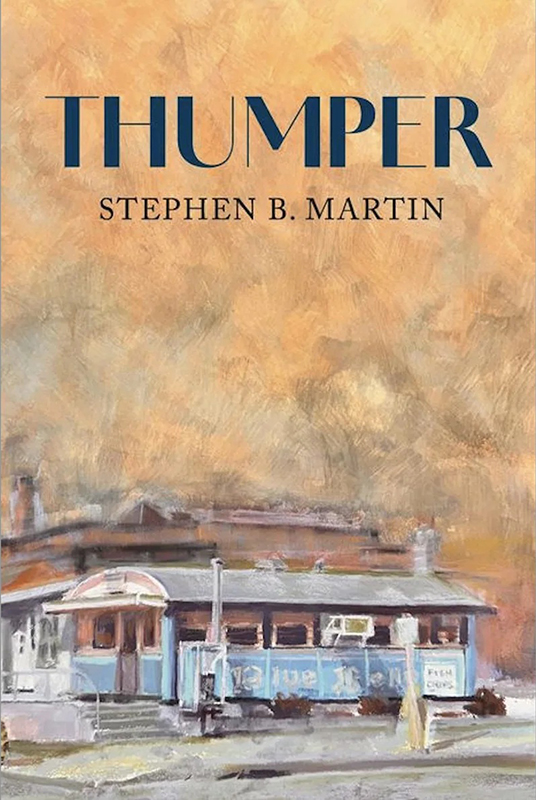
For the past 20-odd years, Martin and his wife have run open-mic nights on Saturdays (billed as “the Catbird Café”) at the New England Wildlife Center. Now the longest-running open-mic event on the South Shore, they started as in-person events but transitioned to virtual ones during Covid shutdowns and continue as such today, drawing performers from across the globe; Martin serves as emcee while performing both originals and covers. He’s written two novels in recent years, Thumper (BookBaby, 2024) and Thumper Grows Up & The Farm (BookBaby, 2026), which he refers to as “autobiographical fiction” and are about “a precocious troubled kid navigating the travails of growing up in a fractured family in a gritty New England factory town in the 1950s,” according to a review by Dominican University of California Professor Robert L. Bradford. “My first job was as a copy boy for The Worcester Telegram & Gazette,” Martin says, noting that his writing is influenced by Jack Kerouac. “I always wanted to write a novel, and when I retired from my day job, I got that chance.”
More than a few readers have noted Martin’s unique connection to American youth culture in the late ‘60s. “Stephen Martin’s writing of Thumper and the sequel, Thumper Grows Up, are an important literary contribution to the history of Worcester’s working class and its art and music culture,” according to guitarist-vocalist Norman Schell of Clean Living. “He was and is one of the fathers and architects of the rich music and artistic scene of the city: the Y-Not Coffeehouse, Congress Alley and Orpheus, as well as the counterculture of Worcester in the ‘60s.”
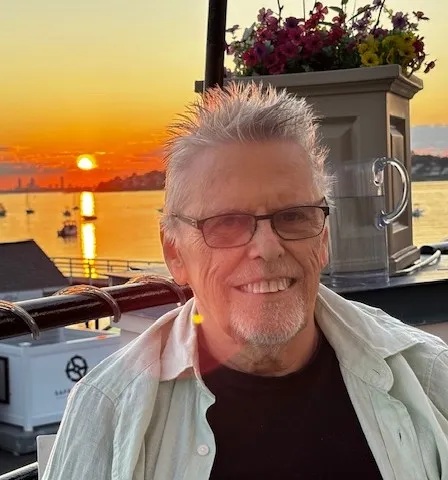
These days, Martin lives with his wife and his parrot on the windy Hull peninsula, just south of Boston. Asked for his thoughts on today’s music scene compared to that of the ‘60s and ‘70s, he said it’s important for today’s artists to understand both. “I would encourage folks to not close their minds to the music that’s happening today while still enjoying the music of yesterday, including [Orpheus hit] “Can’t Find the Time,” to bring back memories,” he said.
(by Kathe Donlan)