Monster Mike Welch
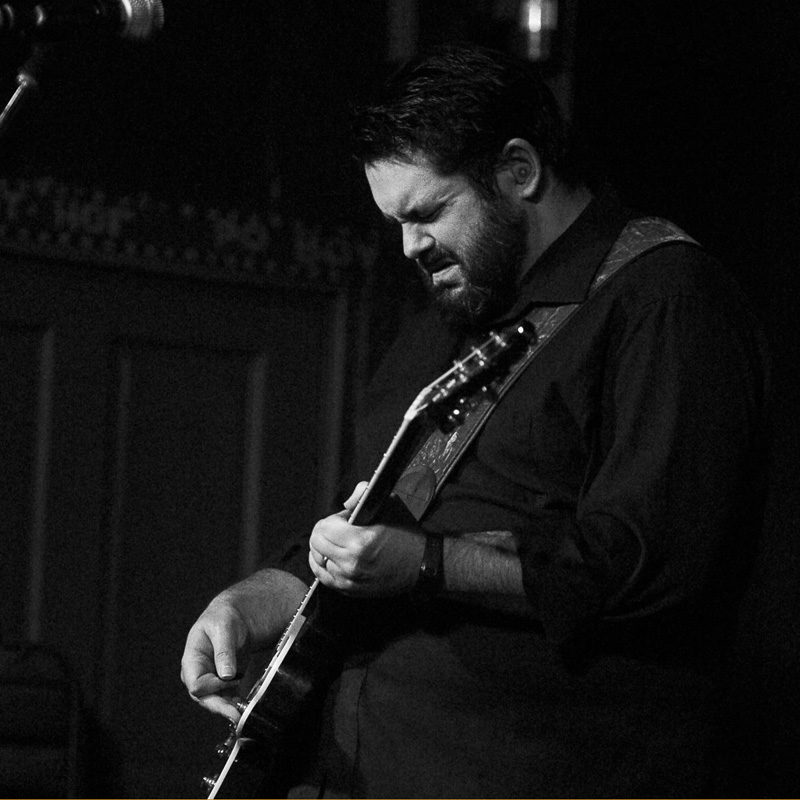
Monster Mike Welch
On April 22, 1978, about 14 months before Mike Welch was born, John Belushi and Dan Aykroyd debuted as the Blues Brothers on Saturday Night Live, belting out their raucous rendition of “Hey Bartender” and becoming such an embedded element of American pop culture that plenty of GenZers know who they were. And on October 1, 1992, about 14 weeks after Welch turned 13, none other than Aykroyd bestowed him with the nickname he’s used ever since: Monster Mike. Some would consider that an omen foretelling the guitarist-singer-songwriter’s future success while others would see it as nothing beyond an adorable anecdote, but this much is certain: the former seems more likely than the latter given the upward trajectory of Welch’s career.
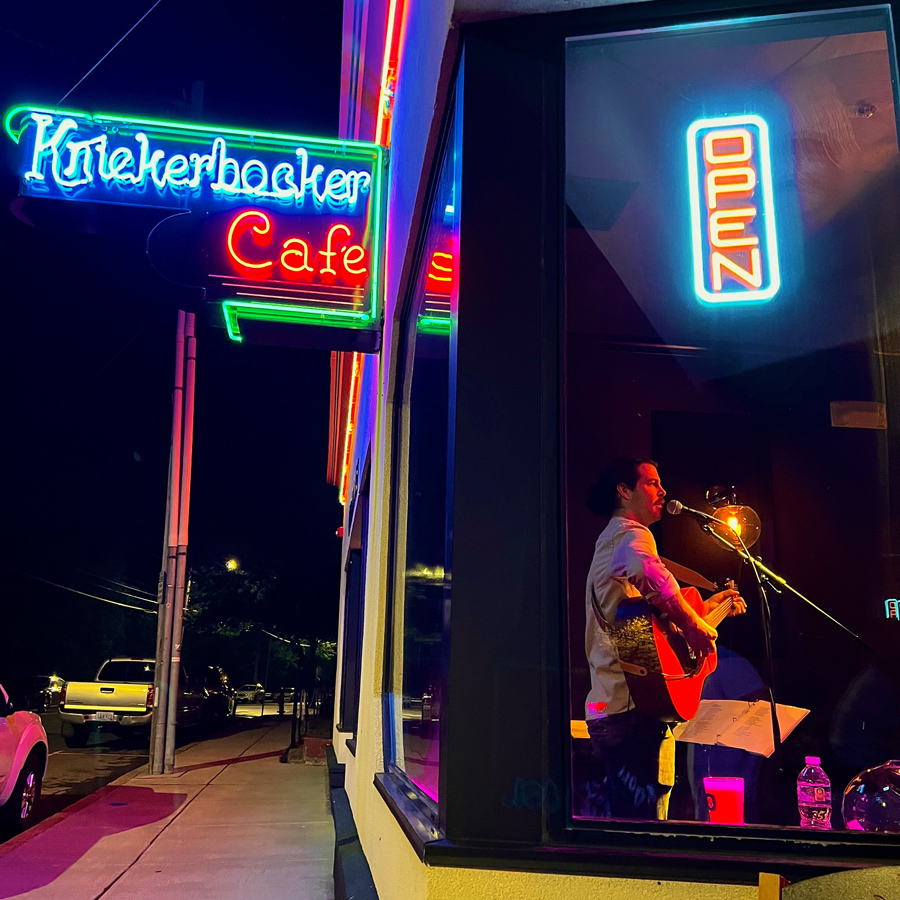
Consider this: Since 1996, Welch has recorded nine albums, been nominated for and won multiple Blues Music Awards and become one of the genre’s most sought-after sidemen. He’s appeared and/or recorded with fellow New Englanders Ronnie Earl, Sugar Ray Norcia and Duke Robillard in addition to The Knickerbocker All-Stars, The Boston Blues All-Stars and broad range of other artists including James Cotton, Johnny Winter, Jimmy Vaughan, Shemekia Copeland, Darryl Nulisch, Nick Moss and Danielle Nicole. Considering how often critics wax poetic about his six-string skills, it’s no surprise that Living Blues magazine called him an “all-around guitar master” and, though the “omen or anecdote” debate will never end, Welch’s contribution to and impact on the blues scene in New England and elsewhere is beyond dispute.
MUSICAL BEGINNINGS
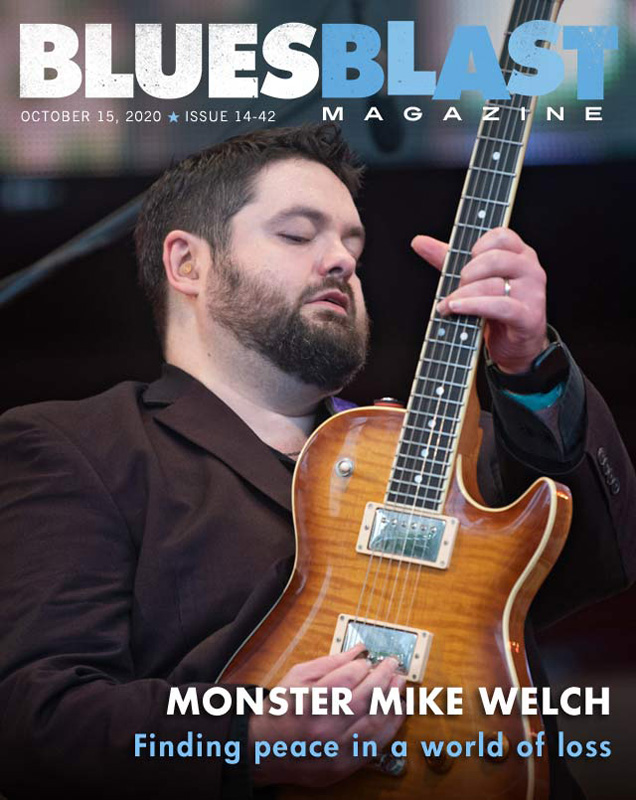
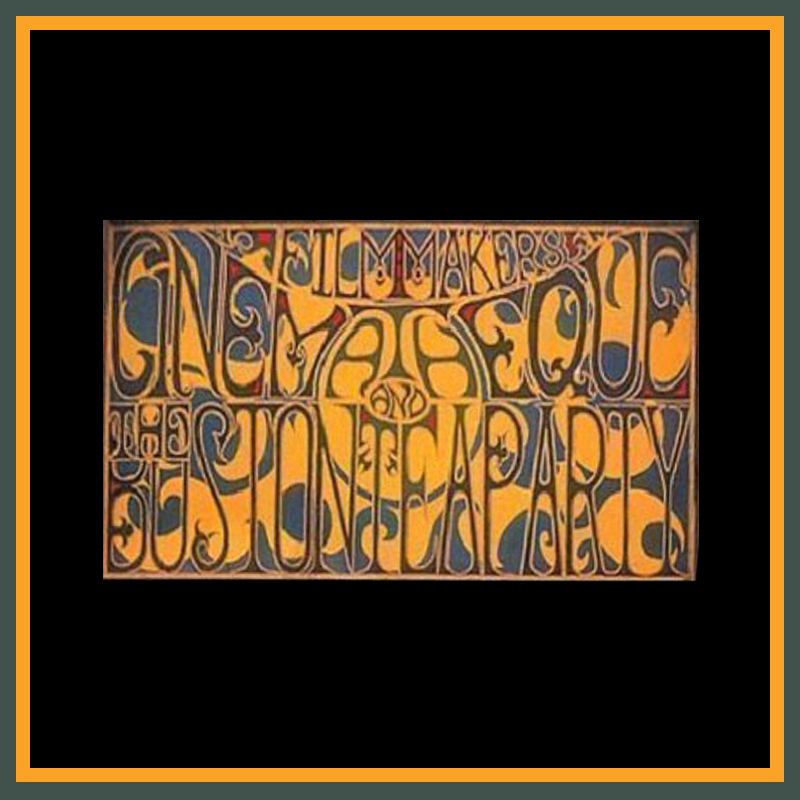
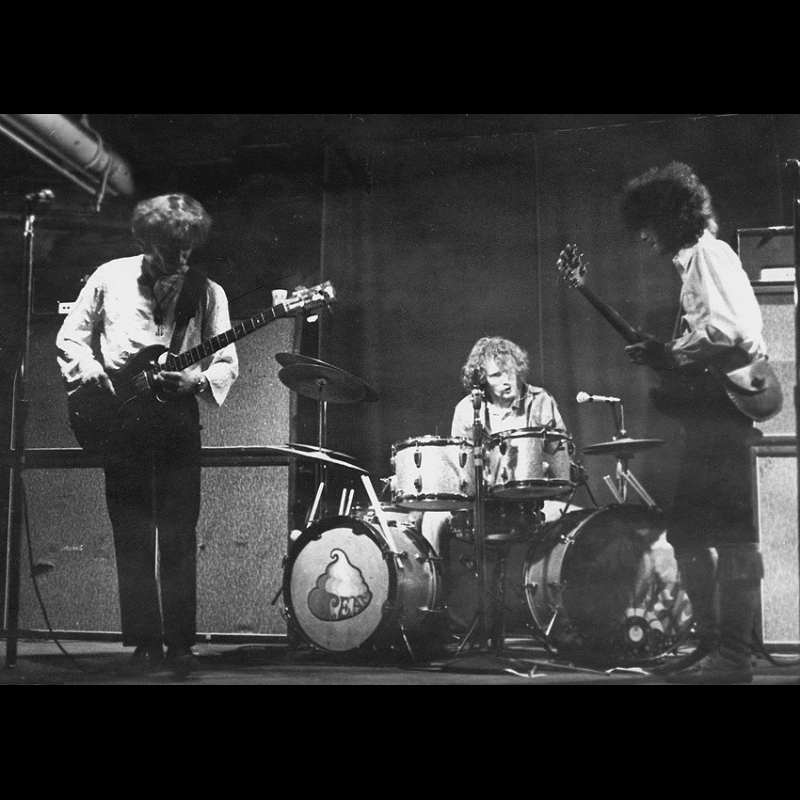
Welch was born in Boston on June 11, 1979, and he’s lived in the city for his entire life. Growing up in New England allowed him to develop his skills more quickly than he might have in another region, he told Marthy Gunther of Blues Blast in 2020, because many first-generation bluesmen performed in the area during the ‘60s thanks to the Newport Folk Festival and venues including Paul’s Mall and The Boston Tea Party. That led to the formation of local acts like Roomful of Blues in the late ‘60s and early ‘70s, which inspired countless young musicians to focus on blues. “The musicians I grew up around were a product of those things,” he said.
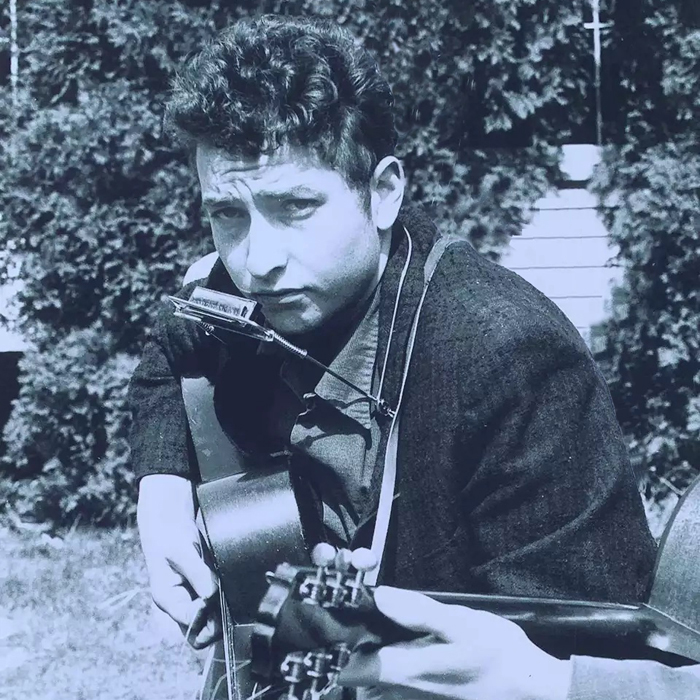
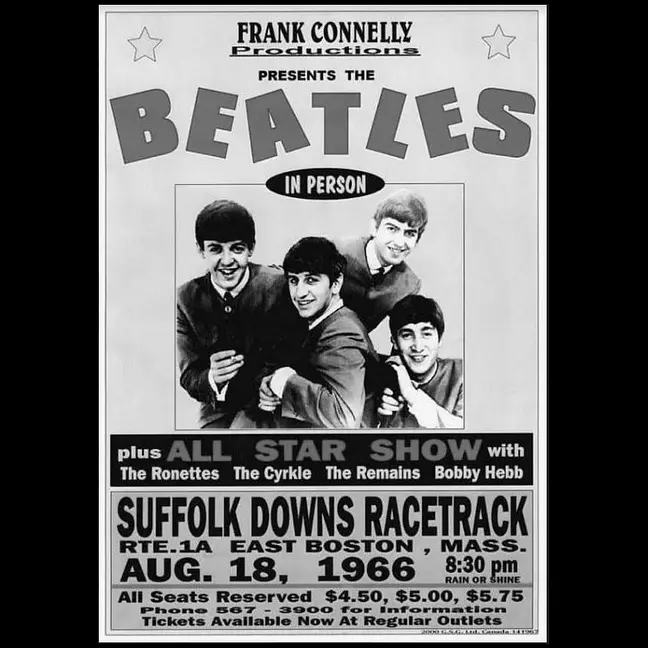
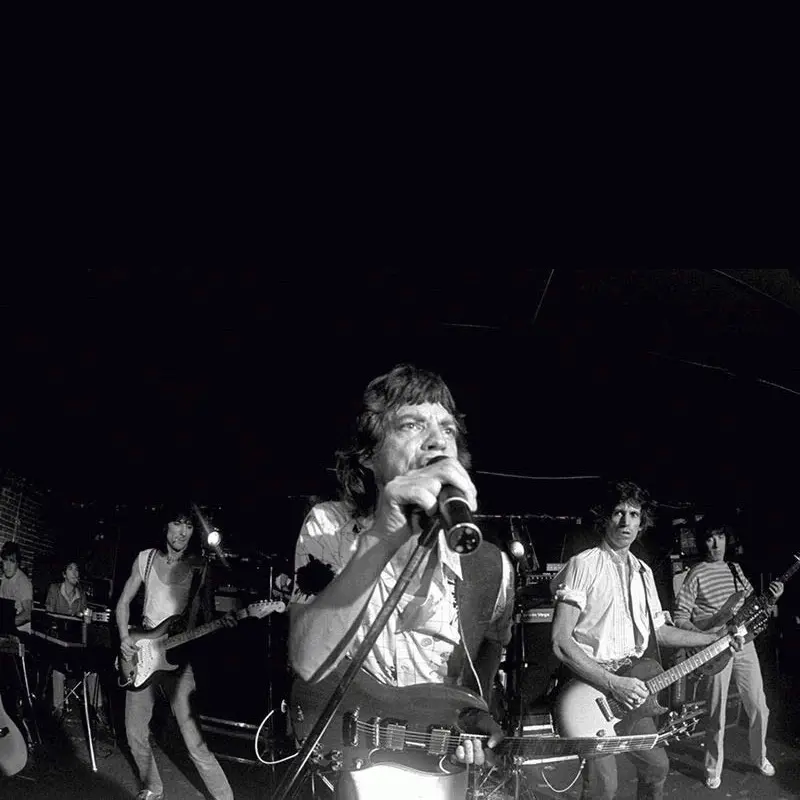
Welch’s earliest influences came from listening to his father’s album collection, which didn’t include much old blues but led him to look backwards and discover the genre’s defining artists. “He had one of those ‘60s record collections: Dylan, Beatles, Stones, Clapton, Hendrix,” he told Gunther, noting that Clapton was especially important in helping him learn about early bluesmen. “Before I was born, someone broke in and stole most of [my father’s] blues records, but there were still a few. I was always the kind of kid who obsessively read about things when I got into them, and one of the things about Clapton is that he’s really good about crediting his sources. I remember one interview in a guitar magazine in particular, because it was the first time I really heard about Freddie King, Buddy Guy and Otis Rush, Ray Charles and Little Walter. I’d read all these names, and I’d be, ‘Okay, that must be the source.’”
The musician who originally grabbed his attention wasn’t from the Mississippi Delta or Chicago’s South Side, however; it was a guy from Liverpool whose band ushered in the British Invasion 15 years before Welch came out of the womb. “The first thing I heard that triggered that sensation in me – the first thing that had that edge that made me want to know more – was John Lennon’s voice,” he told Gunther. “I was always kinda searching out that feeling. And then, when I heard the blues, it was a whole genre that was dependent on that. It had the core tenet: Making you feel something without a lot of window dressing.”
The largely self-taught Welch started playing guitar at age eight, inspired by a 13-year-old cousin who played Beatles tunes at family gatherings. Drawn to the styles of Magic Sam, Earl Hooker, B.B. King and especially Albert King, he’d developed his playing to such an extraordinary level by age 11 that his parents began taking him to jams where he could sit in and shows by artists including Ronnie Earl and Luther “Guitar Junior” Johnson, both of whom gave Welch some pointers and encouraged him to keep practicing and gigging, which he did as early and often as possible.
BECOMING “MONSTER MIKE,” 1990S ALBUMS, COLLABORATIONS
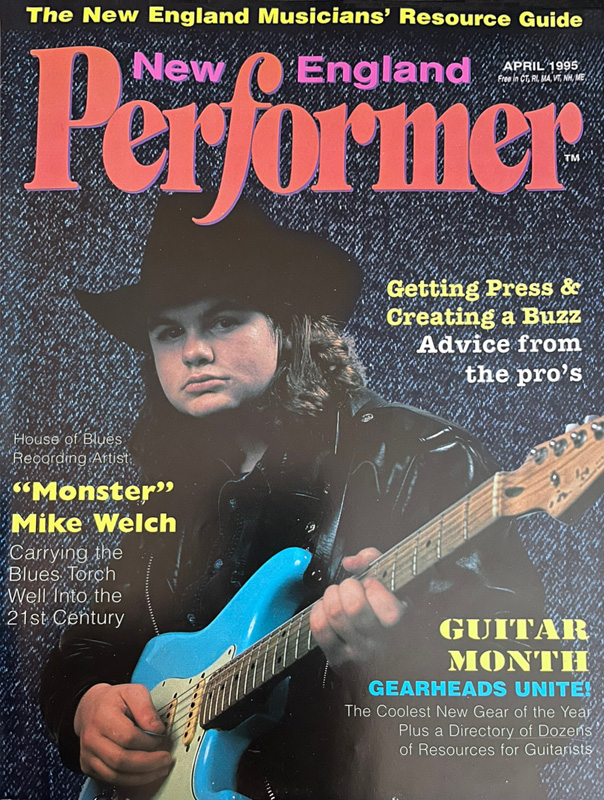
On October 1, 1992, by which time he was widely known as a child prodigy on the Boston-area blues scene and being billed as “Little Mikey,” Welch performed at the opening of the House of Blues in Harvard Square, hosted by co-owner Dan Aykroyd and The Blues Brothers Band. Welch’s playing so impressed the Ontario-born-and-raised “Elwood Blues” that he jokingly referred to him as “Monster Mike.” The new moniker stuck, though Welch abandoned it for a time before his then girlfriend and future wife Jeannette told him something that led to him readopting it: “Every time I say I’m dating a guitar player named Mike Welch, they go, ‘Monster Mike Welch?’”
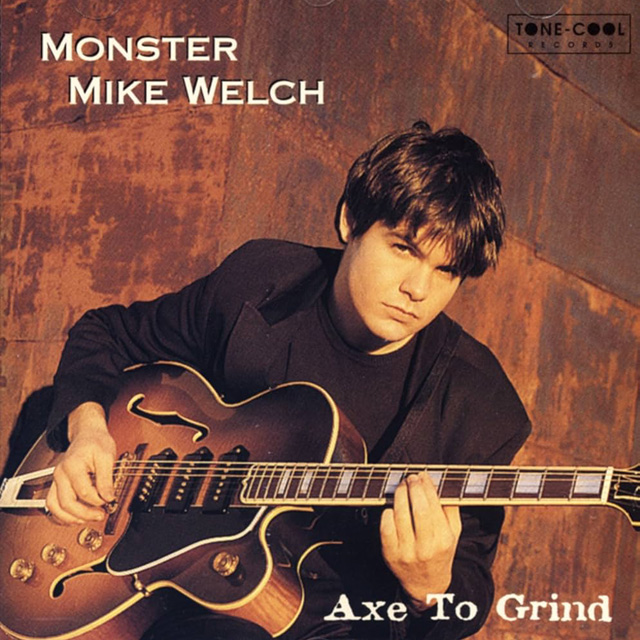
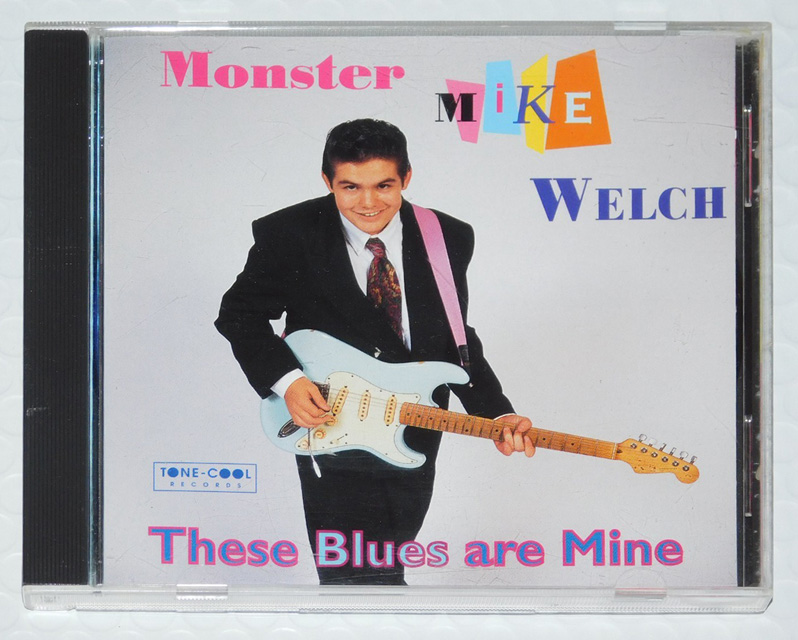
By the time he turned 14, he’d shared stages with legends including Junior Wells, James Cotton, Hubert Sumlin and Johnny Copeland. In 1993, he formed The Mike Welch Band, which included guitarist and House of Blues jam leader George Lewis, bassist Jon Ross and drummer Warren Grant. The quartet won a Boston Music Award for Outstanding Blues Act in ‘95 and recorded three albums on Tone-Cool Records over the next few years: These Blues Are Mine (1996), Axe to Grind (1997) and Catch Me (1998). In addition to touring the US and Europe fronting the group, teenage wunderkind Welch was featured in national publications including Rolling Stone, USA Today and People, and on the TV shows Entertainment Tonight, A Current Affair and Extra.
In the fall of 1999, after about a year of touring to promote Catch Me, 20-year-old Welch decided to take a break from regular performing/recording and enrolled at Berklee College of Music. “I’d been going in different musical directions, some of which worked and some of which didn’t,” he told Blues Blast’s Gunther. “I said, ‘Okay, I’ll step back, go to Berklee and fill in the gaps, learn things about music that I don’t know about.’ And the first semester I did, I felt, was the best move I’d made in a long time. I was learning so much, succeeding and getting all these new ideas.”
JAMES COTTON, SUGAR RAY & THE BLUETONES, 2000S ALBUMS
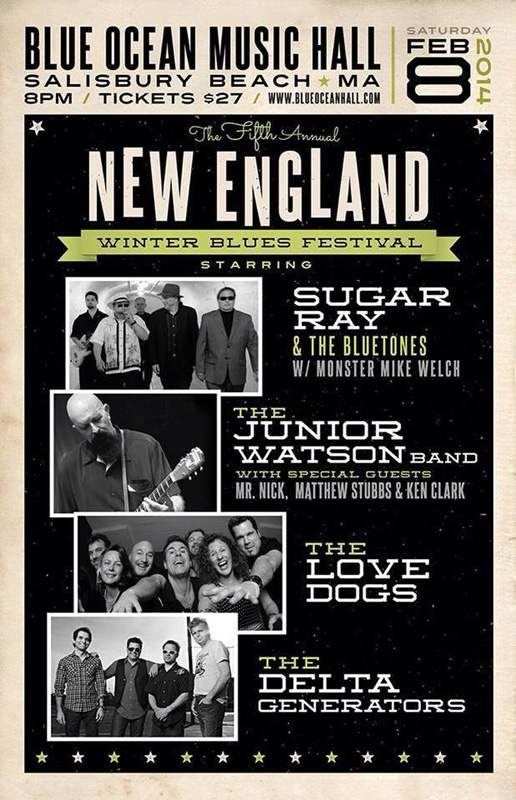
His classroom studies came to an end during his second semester in early 2000, however, due to a pair of opportunities he thought were too good to pass up. “I got two phone calls; one was from [pianist] Dave Maxwell, asking me if I wanted to play some gigs with James Cotton; the other was from [bassist] Mudcat Ward, asking me if I wanted to join Sugar Ray & The Bluetones,” he told Gunther. “When I got those calls, I realized that I could continue in school and ‘succeed’ or I could actually give this music the attention it needed.” He did only a few shows with Cotton because of scheduling conflicts, but he joined Sugar Ray & The Bluetones in 2001. His first LP with the group was 2003’s Sugar Ray & The Bluetones Featuring Monster Mike Welch, which included five Welch-penned tunes and stayed at #4 on the Living Blues chart for two months. He toured extensively with the group and cut four more albums with them before leaving in 2017.
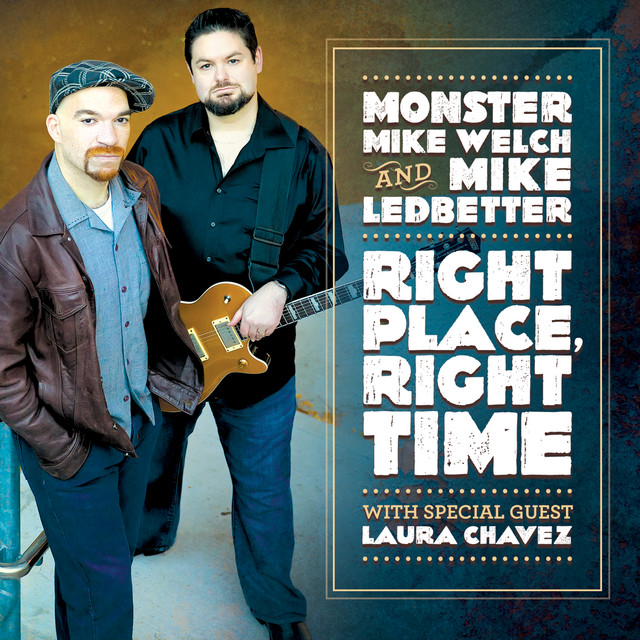
In 2004, 95 North Records issued Welch’s fourth album, Adding Insight to Injury, after which he toured Europe with pianist Maxwell and French blues harpist Nico Wayne Toussaint. He recorded his next two discs on French independent label DixieFrog: Cryin’ Hey! Monster Mike Welch Plays the Blues (2005, his first all-traditional outing), and Just Like It Is (2007). After nearly a decade out of the studio, he cut Right Place, Right Time, a collaboration with Mike Ledbetter that Delta Groove Productions released in 2017. It won a Blues Music Award for Best Traditional Blues Album, but that success was overshadowed by Ledbetter’s sudden death in January 2019 at age 33 following an epileptic seizure. In the months after the tragedy, Welch crisscrossed the country performing benefit shows for Ledbetter’s young family.
NOTHING BUT TIME, KEEP LIVING TIL I DIE
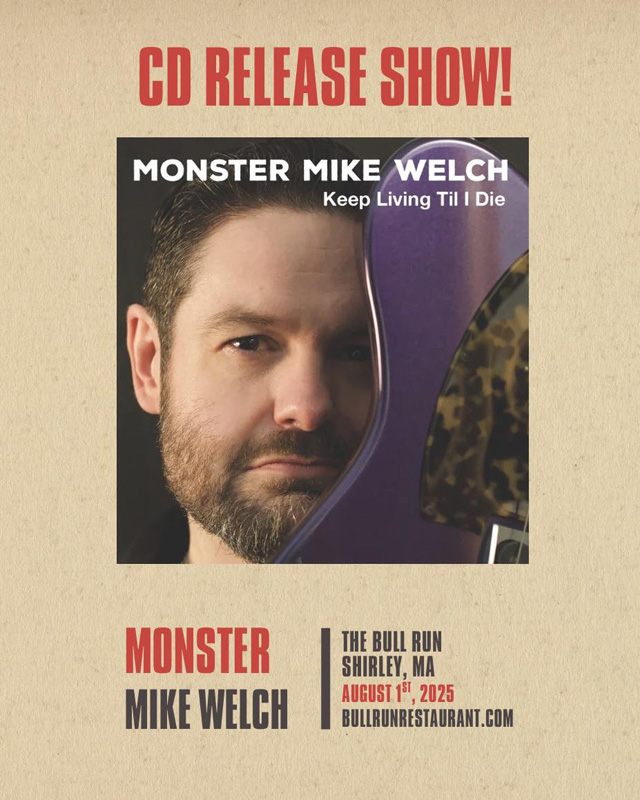
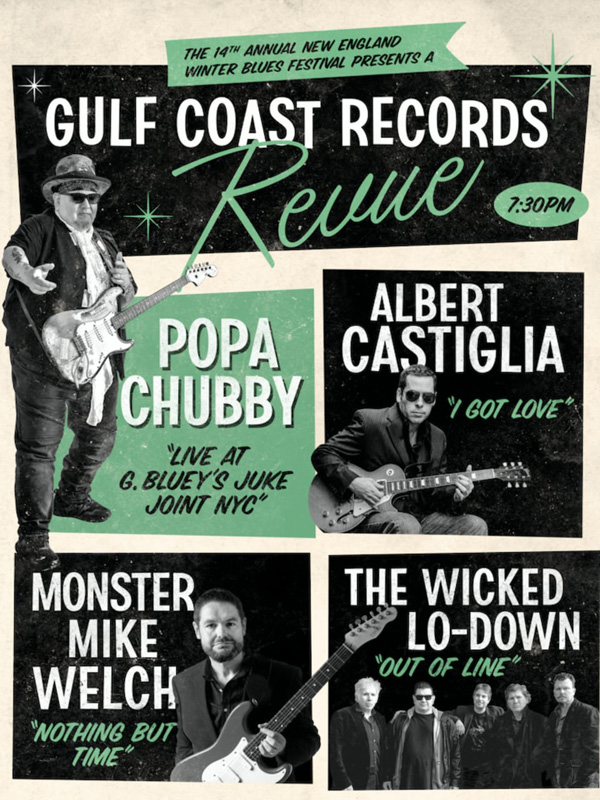
Welch battled long COVID from December 2021 until June 2023, which at times left him wondering if he’d ever play, let alone perform, again. He says blues guitarists Kid Andersen and Mike Zito, the latter of whom cofounded Gulf Coast Records in 2018, gave him the inspiration he needed to make his eighth LP, Nothing but Time, which Gulf Coast issued in June 2023. Backed by an all-star band featuring two-time Grammy winner Jerry Jemmott on bass, it includes a cover of George Harrison’s “I Me Mine,” which surprised many fans and critics. “I’m a huge Beatles fan,” he told Ray Chelstowski of the online magazine Copper when asked why he recorded it. “That’s how I got into music, and I got it in my head that ‘I Me Mine’ would work as an Otis Rush-type blues shuffle. I actually Googled it to see if a million bands had already covered it, and it seemed that no one had.” His latest LP is the self-released, 13-track Keep Living Til I Die, which includes covers of songs by Robert Johnson (“Hell Hound on My Trail”), Aretha Franklin (“Good to Me as I Am to You”) and Bob Dylan (“Dear Landlord”). Released in August 2025, it was nominated for a Blues Music Award for Best Contemporary Blues Album in 2026.
In a July 2023 interview, Copper’s Chelstowski mentioned that Welch takes “a very specific New England kind of approach to the blues” but has developed his own unique sound at the same time, which Welch took as a major compliment. “That’s really nice to hear because I can hear all those [New England] influences in every note,” he said. “I did spend 15 years or so playing with Sugar Ray & The Bluetones, so that will always be in my blood regardless of what I decide to do with the rest of my life.”
(by D.S. Monahan)