Mike Stern
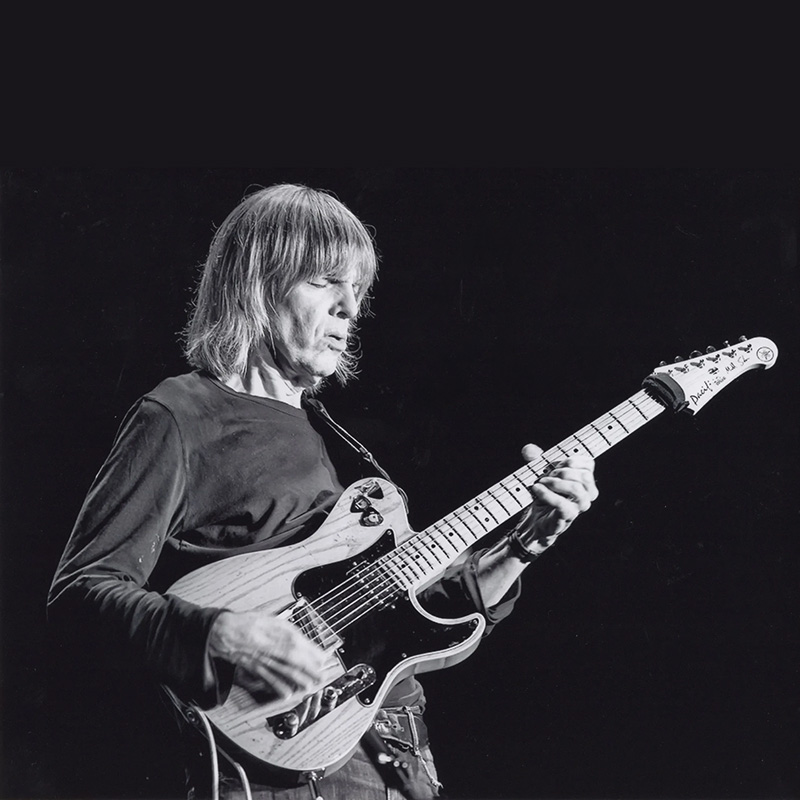
Mike Stern
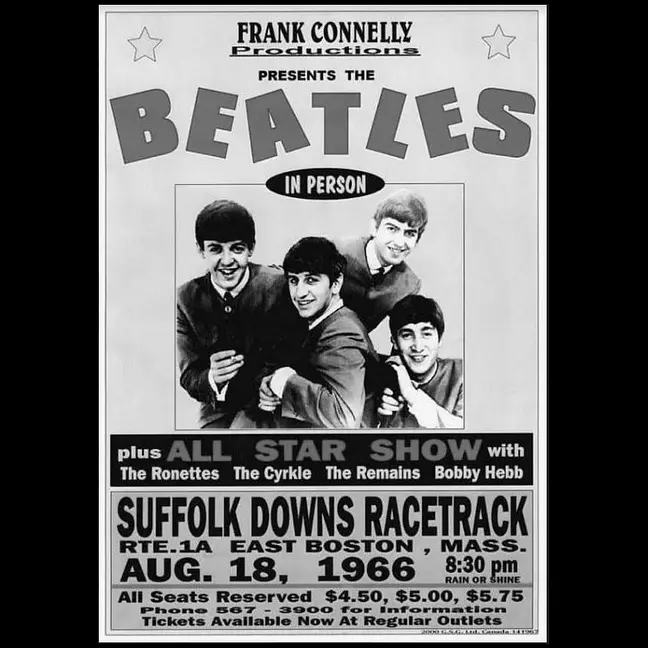
Similar to how Elvis Presley’s appearance on The Ed Sullivan Show in 1956 and The Beatles’ in 1964 transformed pop music by inspiring countless wannabe rockers, the rise of prog-rock pioneers such as Pink Floyd and King Crimson in the late ‘60s sparked what became a seismic shift in jazz. Drawn to the experimental nature of such acts’ material – not to mention the exponentially larger crowds and incomes they enjoyed compared to jazz artists – many young musicians developed a dual allegiance to both genres, resulting in what was originally called “jazz-rock” and is now known as “fusion.” Trailblazers included John McLaughlin, Herbie Hancock, Wayne Shorter, Joe Zawinul, Tony Williams, Gary Burton and Chick Corea.
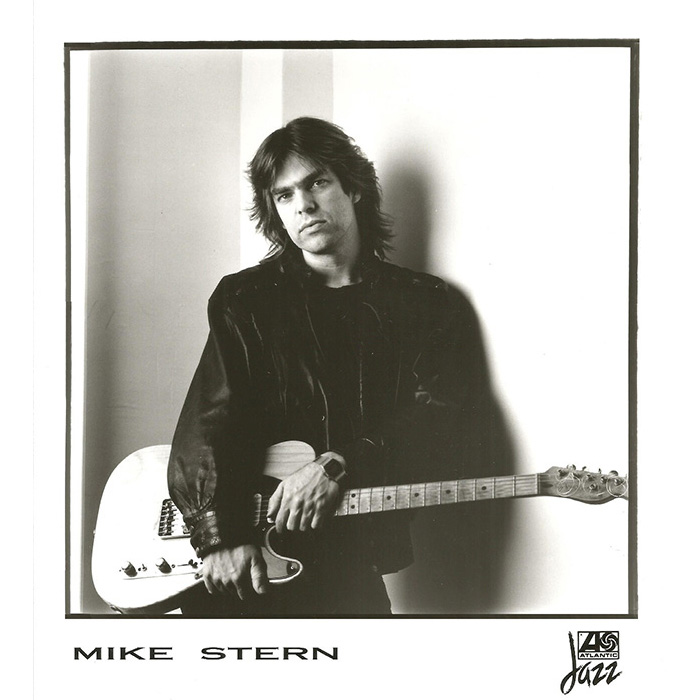
Then, in much the same way that The Beatles were rock’s next wave following Elvis, a new generation of fusion artists appeared on the scene in the mid ‘70s, among them Boston-born, Berklee-trained guitarist Mike Stern. Like John Scofield, Al Di Meola, Jaco Pastorius, Pat Metheny and others of his generation, he’s brought the genre to new artistic and commercial heights during his 50-plus-year career, first as a member of Blood, Sweat & Tears, then as a sideman for Billy Cobham and Miles Davis, and most recently as a solo artist.
Since 1985, Stern’s recorded 18 solo albums and cut four LPs as a co-leader while making guest appearances on some three dozen discs. Known for his expansive range, ferocious chops, blues expressiveness and bebop sensibilities, the six-time Grammy nominee has won an Orville W. Gibson Award for Best Jazz Guitarist, a Certified Legend Award from Guitar Player magazine, and is included on DownBeat magazine’s “75 Best Jazz Guitarists of All Time” list. In a 2022 piece for the website JazzWax, critic Marc Myers commented on Stern’s sophisticated-but-soulful style; “Mike plays with enormous imagination and emotion,” he wrote, “He has a warmth and groove that wins over the ear.”
MUSICAL BEGINNINGS
Stern was born Michael Sedgwick on January 10, 1953 in Boston. At age three, he moved to Washington, DC with his mother, after she and his father divorced, and she married arts patron Philip Stern, who became her son’s legal father. Though he started playing guitar at age 12, he’s said that he didn’t start taking the instrument very seriously until age 18, when he returned to Boston to attend Berklee College of Music, from which he graduated in 1975. In other words, he didn’t germinate his playing style in New England, but he developed much of it in the region during his formative years.
Interestingly, it wasn’t listening to the radio or his parents’ records that propelled his early interest in music; it was singing in a church choir when he was in grade school. “I started singing and appreciating singing early, and a vocal teacher in school urged my parents to take me to this really great choir master. He said, ‘Your son will learn a lot’ and he was right,” he told JazzWax’s Myers. Keen to encourage his newfound interest in melody, his mother, an amateur pianist, arranged for him to take piano lessons starting at age nine, but Stern had limited interest. “I didn’t love it, so one day I said that the piano was her thing, not mine. I wanted to play guitar,” he told Myers. His parents gave him his first six-stringer, a Fender Mustang, when he was in sixth grade and, though he took a few lessons, he learned mostly by playing along with blues and rock LPs, especially those by Albert King, Freddie King and B.B. King, Cream and Jimi Hendrix.
Stern’s mother was a jazz fan, and hearing the jazz discs she played sparked Stern’s initial interest in the genre. Soul was also a significant part of his radio diet during his teens, though he listened to a wide range of other music, honing his chops to everything from Merseybeat and Motown to Mingus and Mozart. “What’s special about the guitar is that it turns up in all kinds of music – classical, jazz, rock, pop, country. soul and other forms,” he told Meyers. “That forces you to be open-minded about letting in influences.”
BERKLEE, BLOOD, SWEAT & TEARS
Stern took some summer courses at Berklee when he was in his mid-teens, and he enrolled there full-time in the fall of 1971, having graduated from high school that spring. Asked why he chose Berklee over other options, he said he’d heard great things about its programs and was intent on building his skills. “I told myself, ‘I can learn what I need to learn here’,” he told Meyers. “I was so motivated at that point, I just said, “Whatever it takes, I want to do this.” Among his teachers were guitarists Mick Goodrick and Pat Metheny.
He learned how to read music during his four-year tenure at Berklee and shifted his primary focus to jazz, immersing himself in albums by greats including Miles Davis, John Coltrane, McCoy Tyner and Bill Evans and becoming particularly influenced by the guitarists Wes Montgomery and Jim Hall. He played gigs at various jazz venues in and around Boston in his student days, among them Wally’s Cafe Jazz Club, and he’s returned to the city regularly over the years to host clinics and master classes at his alma mater.
In 1975, Pat Metheny introduced 22-year-old Stern to drummer Bobby Colomby of Blood, Sweat, & Tears, who were looking for a new guitarist. Colomby arranged an audition, Stern passed, and that was that; he spent the next three years with the chart-topping group, appearing on two of their albums, More Than Ever (Columbia, 1976) and Brand New Day (ABC, 1977). In ‘75 and ‘76, he also played in DC-based glam-rock band The Dubonettes (later Charlie & The Pep Boys); he appears on their LP Daddy’s Girl (A&M, 1976). “Before joining, I was scared to get a jazz gig for three musicians. All of a sudden, I’m playing in front of 3,000 people,” he told Meyers about his Blood, Sweat & Tears period, adding that the anxiety of facing massive crowds led to years of substance abuse and addiction.
BILLY COBHAM’S GLASS MENAGERIE, MILES DAVIS, JACO PASTORIUS
Following his run with BS&T, Stern returned to Boston and studied privately with pianist, composer and jazz-education legend Charlie Banacos. In 1979, he joined Billy Cobham’s Glass Menagerie, remaining with the group until mid-’81, when he joined a band fronted by the man he’s referred to as his “main hero,” Miles Davis. The notoriously demanding and abrasive trumpeter, with whom Stern says he got along with well, gave Stern the nickname “Fat Time” since “my sound was really fat at that time and he liked my time feel,” he told Meyer.
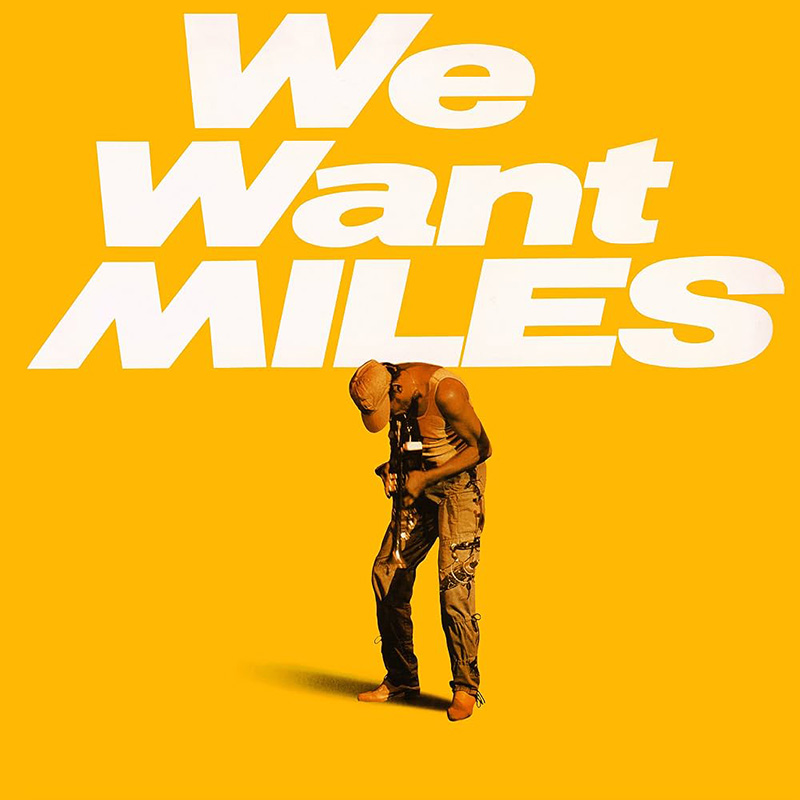
Rather appropriately given Stern’s Boston roots, he debuted with Davis on June 27, 1981 at KIX Club in Kenmore Square; the gig was recorded and CBS Records issued it in ‘82 as We Want Miles. Stern stayed with Davis through 1983 and appears on his studio albums Man With The Horn (Columbia, 1981) – which includes the song “Fat Time,” on which Stern plays an extended solo – and Star People (Columbia, 1983).
He toured with Jaco Pastorius’s band in ‘83 and ‘84 before returning to Davis in ‘85 for nearly a year.
In the late ‘70s and early ‘80s, Stern was a heavy drinker and regular heroin user, which resulted in him going to rehab at one-time heroin addict Davis’s insistence. “If Miles wants to put you in a rehab, then you know you’ve got something wrong,” he told jazz journalist Ted Panken in 2009, noting that he’s been booze- and dope-free since 1984.
DEBUT SOLO ALBUM, COLLABORATIONS, ‘80S, ’90S, EARLY 2000S ALBUMS
Stern made his recording debut as a leader with 1985’s Neesh, a collection of seven originals released by the Japanese label Trio. A year later, Atlantic Records issued his second solo disc, Upside Downside, which features an all-star cast of musicians. He played in Michael Brecker’s quintet between ‘86 and ‘88, the year that Atlantic released his third solo outing, Time in Place, which includes another top-tier roster of players, as did his third Atlantic disc, 1989’s Jigsaw, and every LP he’s recorded since.
Also in 1989, Stern formed a touring group with saxophonist Bob Berg, drummer Dennis Chambers and bassist Lincoln Goines. They recorded a live album, Live at New York (Sakura, 1991), and stayed together until 1992, when Stern joined Steps Ahead, which also recorded a live LP, Live in Tokyo (NYC, 1994). He was active on the road and in the studio throughout the ‘90s, winning his first Grammy nominations for 1994’s Is What It Is and 1996’s Between the Lines. His ninth Atlantic release and final LP of the 20th century was 1999’s Play, which includes contributions from John Scofield and Bill Frisell.
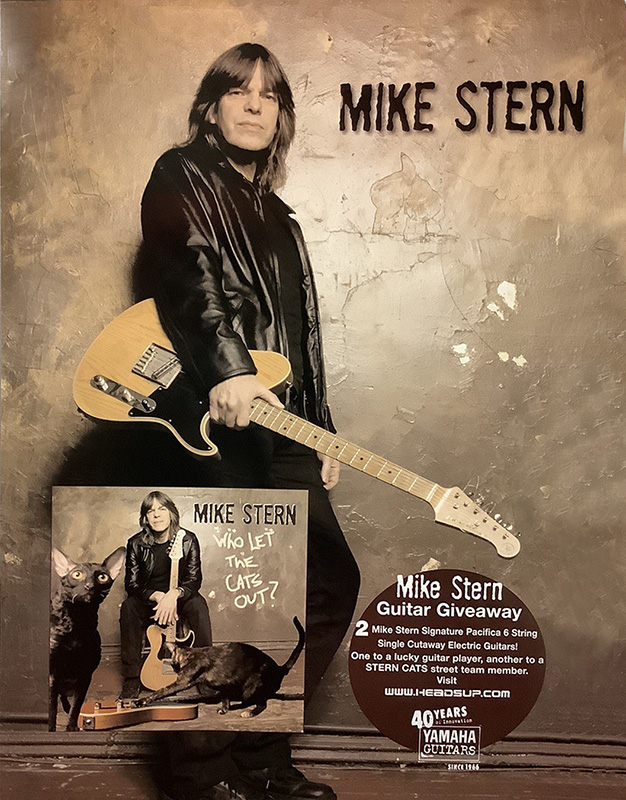
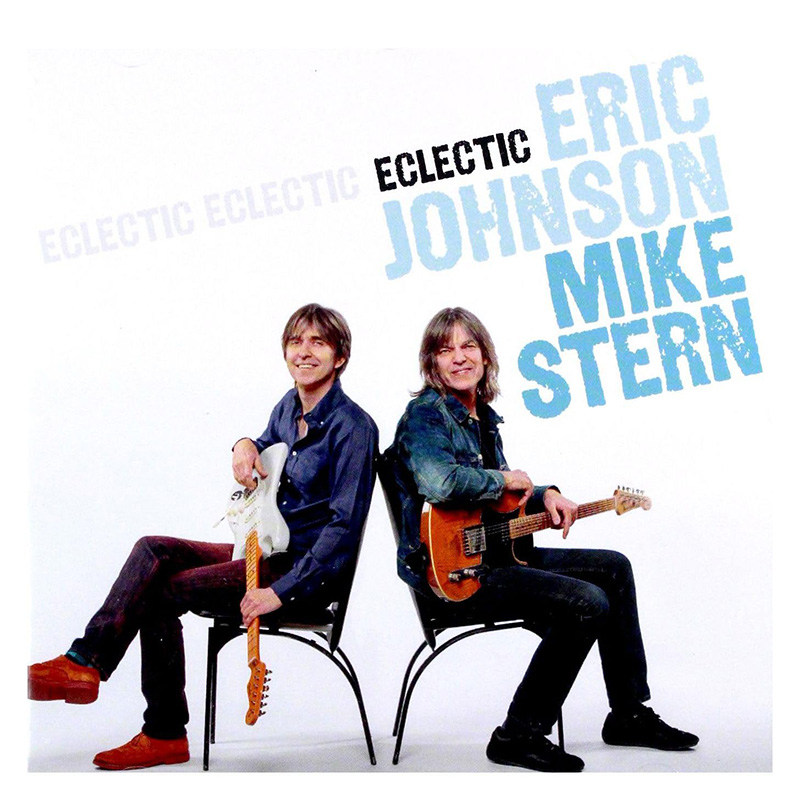
Stern recorded six studio albums during the first 15 years of the 21st century, the first being his final album for Atlantic, 2001’s Voices. Next came These Times (ESC, 2003), which featured a guest appearance from banjo ace Béla Fleck, followed by four LPs on the Heads Up label: Who Let The Cats Out? (2006); Big Neighborhood; (2009); All Over the Place (2012); Eclectic (2014, with Eric Johnson).
2016 ACCIDENT, RECENT ALBUMS
In the summer of 2016, Stern broke both of his arms and suffered severe nerve damage in his right hand after tripping and falling in New York City. The accident forced him to cancel a scheduled European tour, required five hand surgeries, and forced him to modify playing technique in order to continue performing.
“There was construction material left on 23rd Street when they were changing it from two lanes to four or something,” he told JazzWax’s Meyers about the accident. “If you weren’t looking right at this yellow pole with a white thing that looked like a bowling pin on top, it was easy to get caught up in it. Anyway, I was walking across the street, looking left to right to make sure I wasn’t going to get clipped by a car or a bike. I went right into the pole and fell really hard in the street.” Asked if he was able to play guitar while recovering, he said he could thanks to a substance that’s common among actors. “I began applying my wig glue to my thumb and affixing a guitar pick to it,” he told Meyers. “It’s really sticky, but it’s safe for your skin.”
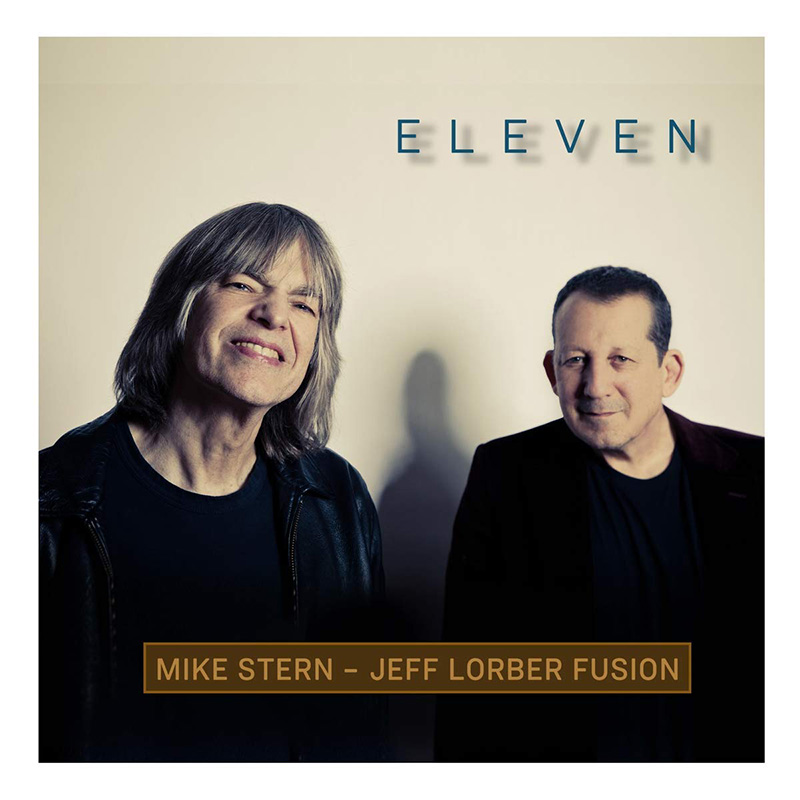
Since his recovery in 2017, Stern’s been about as busy as ever, touring Europe with the Mike Stern/Randy Brecker Band that summer and cutting his first post-accident album later that year, the aptly titled Trip, issued by Heads Up. He’s recorded two more LPs since: Eleven (with Jeff Lorber Fusion), released by Concord Jazz in 2019, and Echoes (and Other Songs), released by Mack Avenue Records in 2024.
(by D.S. Monahan)