Dumptruck
Dumptruck
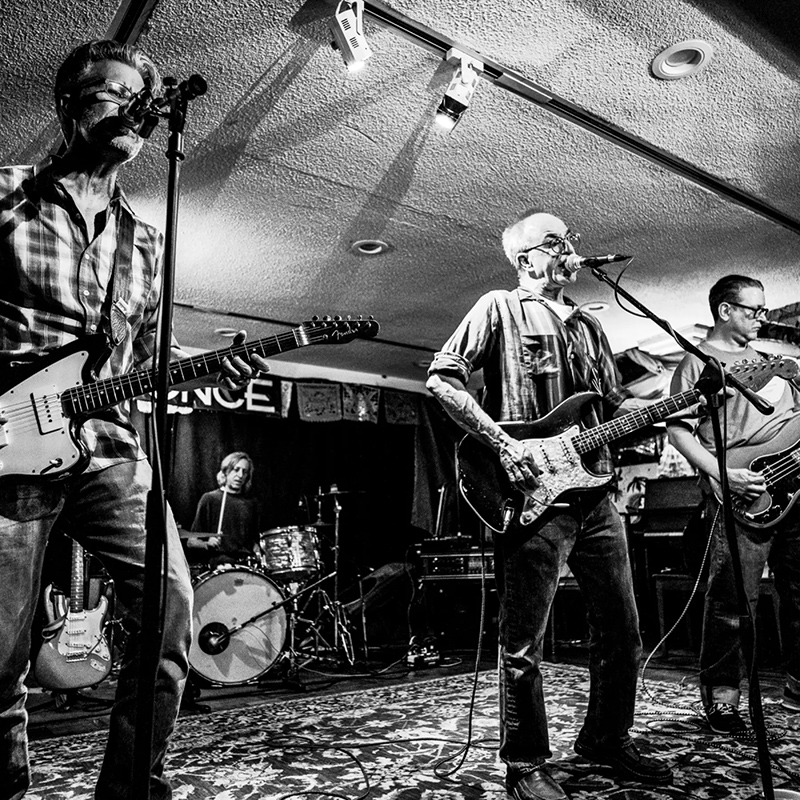
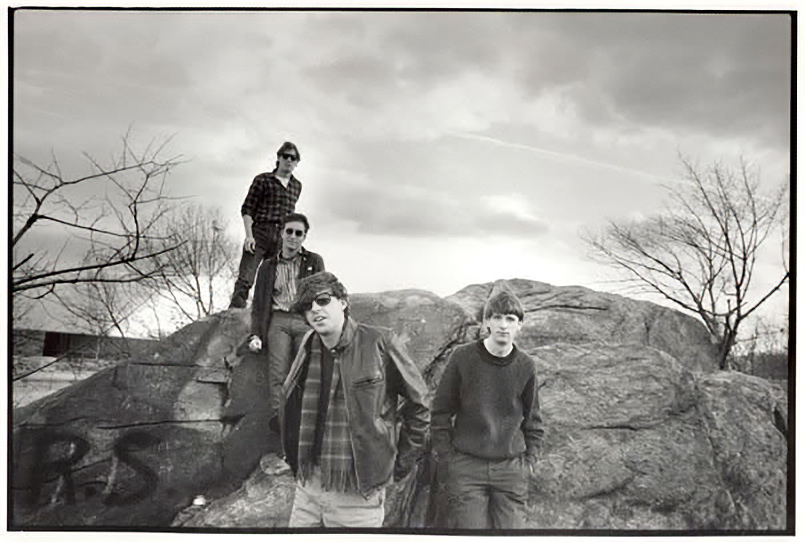
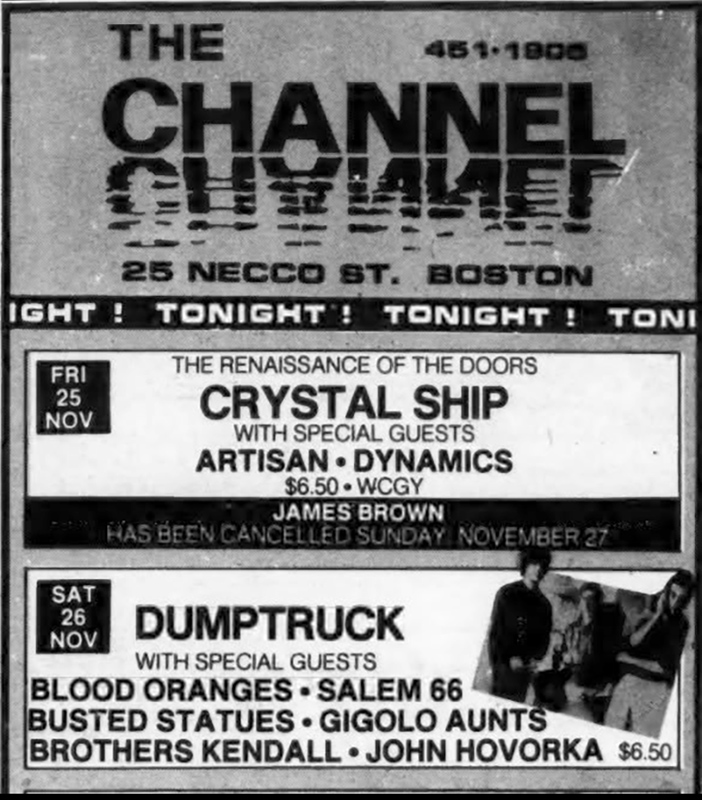
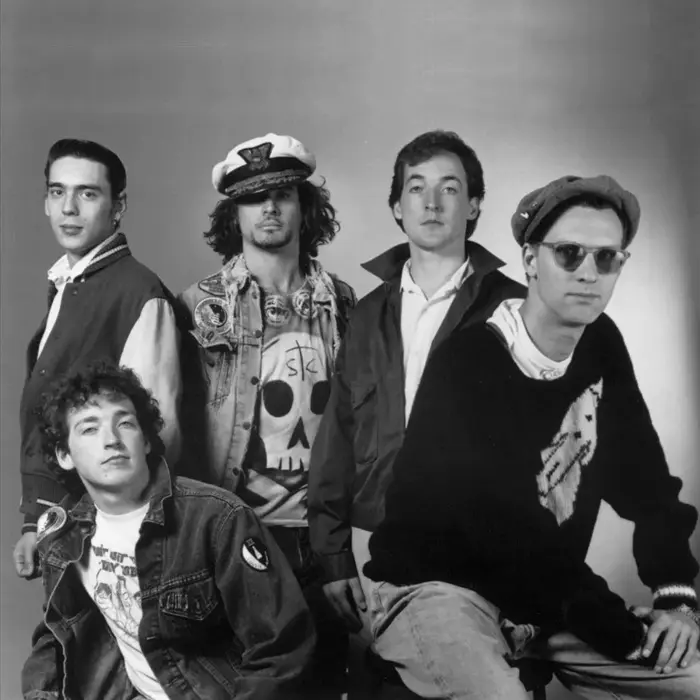
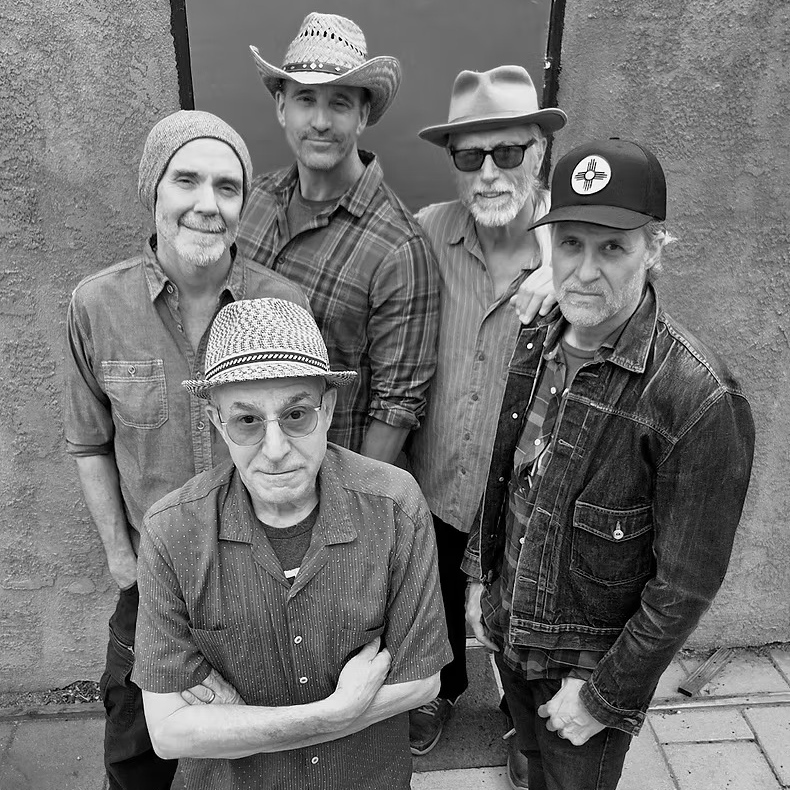
Rising from Boston’s fruitful early-80’s scene, Dumptruck delivered the sort of jangly rock pioneered in the ‘60s by The Byrds and The Beatles, then renewed 15 years later by postpunkers including R.E.M., The Church, Let’s Active and Dream Syndicate. Thanks in large part to their potent and strikingly mature songwriting, the quartet graduated from their modest beginnings as new faces on the local club circuit into players in America’s indie-label big leagues less than four years after forming, but their impending step to fame was disastrously interrupted and nearly obliterated the group.
The band’s origins go back to the New Haven, Connecticut area, where singer and guitarist Seth Tiven had been in several bands, fronting one when he was only 16. After graduating from Wesleyan University in 1980, he moved north to the musicians’ mecca of Boston, looking for inspiration and potential connections. Ironically, his greatest artistic stimulation came from a fellow Connecticut native he already knew, singer and guitarist Kirk Swan, who traveled regularly to Boston and visited Tiven to play and write songs together. The synergy proved irresistible; by 1983, Swan had moved north permanently and the pair were officially a team.
D IS FOR DUMPTRUCK, ROCK ‘N’ ROLL RUMBLE
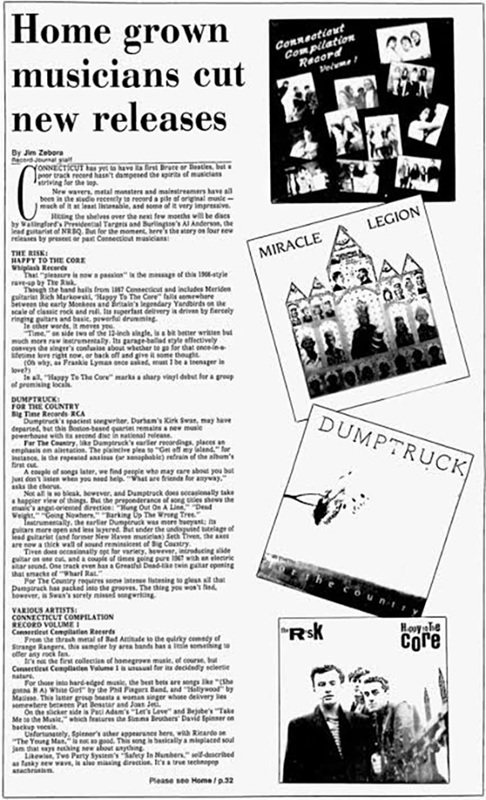
Initially working with three songs apiece, Tiven and Swan played bass on each other’s compositions and borrowed another transplant from New Haven, drummer Mark Mulcahy, to record the tracks. A further half-dozen demos were committed to tape with another drummer, but no plans were made to release the 12 demos to the public. Positive reaction from those who heard the demos, though, prompted Tiven and Swan to pull a Tom Scholz/Boston-like trick by recording an album before they’d actually put a group together: D is for Dumptruck, released through Incas Records, a tiny label out of Bridgeport, Connecticut.
The disc received high praise from none other than Robert Christgau of The Village Voice, who gave it an A-. “One key difference is that they never try to be tuneful, another is that they never try to be cute. Instead, they get so into being down they convince you it’s interesting,” he wrote, referring to Dumptruck as “smart, young depressives.”
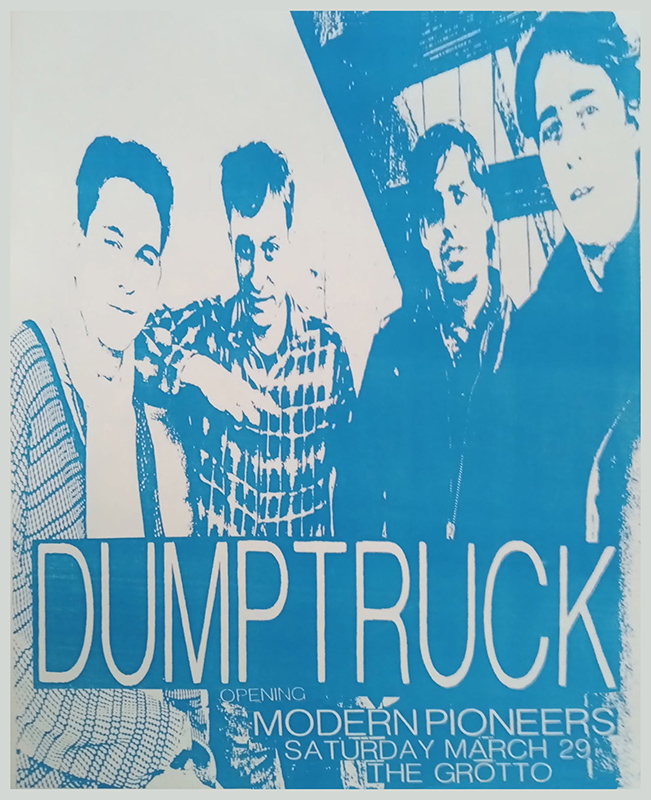
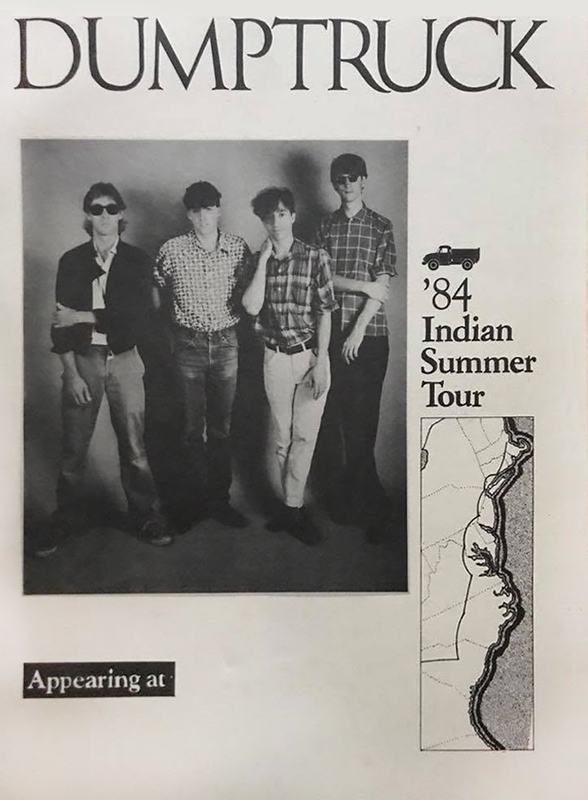
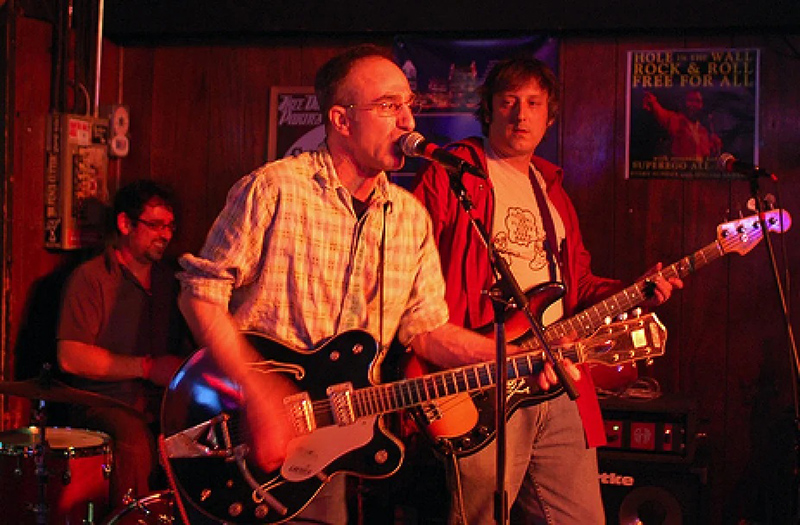
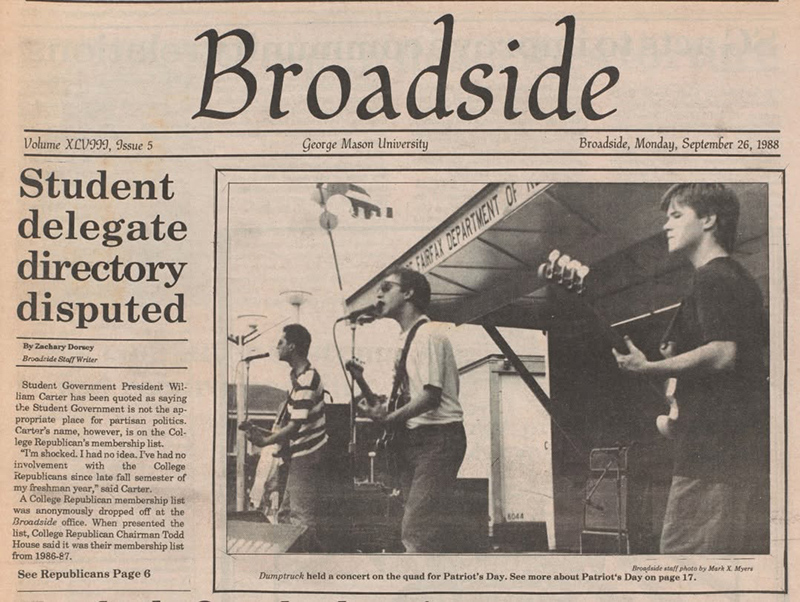
In 1984, as airplay sparked on college radio stations, Dumptruck began performing in Boston and Cambridge after adding drummer Shawn Devlin and Steve Michener on bass. Despite the live dynamics possible with the full lineup, Dumptruck’s dour onstage demeanor often veiled the melodic beauty and tone of their songs. When airplay on WBCN led to an invitation to participate in the 1985 Rock ‘n’ Roll Rumble, reviewer Eric Van in The Noise commented that the middle of their set was “just too uniformly low-key,” summarizing that “they just need someone to kick them in the ass and remind them to kick us back a little.” Scruffy the Cat won the battle that particular night, kicking Dumptruck to the curb and advancing to the semi-finals.
BIG TIME SIGNING, POSITIVELY DUMPTRUCK, LINEUP CHANGE
But even as the musicians learned how to craft their onstage posture and flow, the songs themselves were busy making inroads. Finding potential gold in Dumptruck’s chiming guitars, heartfelt vocals and lyrical melancholy, labels lined up to court the group, with Tiven and Swan ultimately choosing Sydney, Australia-based Big Time Records, which released college-radio classics by bands such as Dream Syndicate, Hoodoo Gurus and Alex Chilton.
The immediate result was an indie band’s dream: production by Don Dixon at Mitch Easter’s Drive-In Studio in Winston-Salem, North Carolina, using the same team that had recorded/shaped the sound of the early R.E.M. records. The sessions resulted in 1986’s Positively Dumptruck, which marked a significant step forward with its assured songwriting, confident musical blend, and Dixon’s addition of keyboards and backing vocals to the mix. The singles “Secrets” and “Back Where I Belong” garnered strong airplay across the country as critics fell over themselves and tossed out accolades.
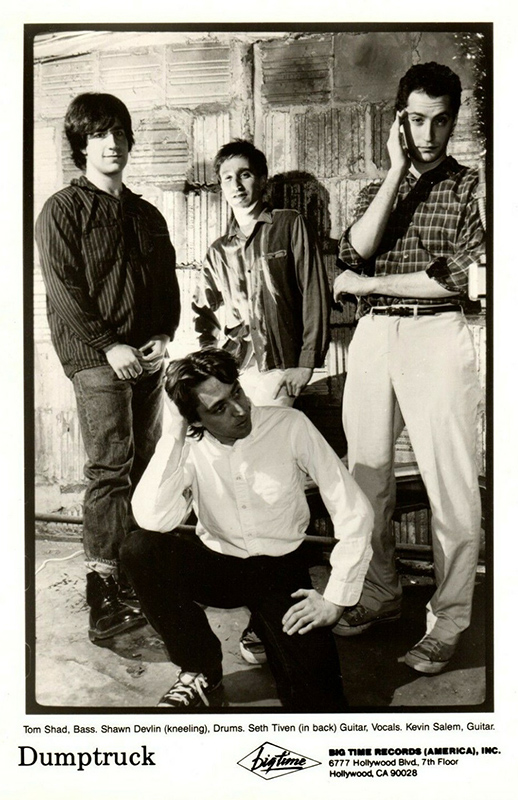
Success exacted its toll, however, as non-stop touring led to bassist Michener leaving the band, followed shortly thereafter by his replacement. Those departures seemed inconsequential after Dumptruck co-founder Swan decided to exit as well, citing the ever-popular “artistic differences” as a reason in addition to personal disagreements with Tiven. With one half of the band’s creative vision having walked out the door, most onlookers assumed that the group would call it quits, but Tiven and drummer Devlin were determined to continue; Positively Dumptruck had been a commercial windfall for Big Time, which assured the band there was an ample budget available to record another album. Tiven stepped up to take sole charge of the songwriting, then found guitarist Kevin Salem and bassist Tom Shad to patch up the holes in the lineup.
FOR THE COUNTRY, LABEL TROUBLES, LEGAL DISPUTE
The refurbished quartet entered Rockfield Studios in Wales with English producer Hugh Jones, who’d become renowned for his work with bands such as Simple Minds, Echo & The Bunnymen and Modern English. Released in September 1987, the resulting album For the Country drew instant critical acclaim and is widely considered Dumptruck’s masterpiece. The single “Going Nowhere” became a radio hit with its infectious driving guitars and soothing pedal steel counterpoint (deftly added by English session player B.J. Cole, who’d added the distinctive “crying” guitar lines to Elton John’s “Tiny Dancer” years earlier).
But as the band left the studio and headed out on tour, there were premonitions of trouble with their record label. Hugh Jones and Rockfield hadn’t received payment in a timely manner and Dumptruck’s tour support money began arriving late, if at all. Making matters worse, there’d been little publicity or fanfare when For the Country dropped and the new album often wasn’t stocked at stores near where the group was playing. Supporting themselves most of the time, the band limped along on the road before discovering that Big Time was failing financially and in negotiations to sell itself to Phonogram Records, one of industry giant PolyGram’s subsidiaries.
Tiven found out that Dumptruck was not technically under contract with Big Time at all, the label having failed to pick up the band’s option on time. Being free and clear legally, he sought to sign a contract directly with Phonogram, but Big Time intervened and sued the group for $5 million. The ensuing wreckage of lawsuits, creditor disputes and court proceedings dragged on interminably, with Dumptruck unable to release any new music; the band toured for three years solely to pay their legal costs until the Big Time lawsuit was finally dismissed. By that time, the group’s career momentum had evaporated, Phonogram had disappeared, and there wasn’t even enough cash left at Big Time to pay the band’s awarded damages.
DAYS OF FEAR, TERMINAL, LEMMINGS TRAVEL TO THE SEA, WRECKED
Despite the brutal flogging, Dumptruck refused to die. Between 1989 and ‘91, with its lineup altered but Tiven and Devlin still together, the band recorded Days of Fear, which wasn’t released until four years later (by Texas-based Unclean Records). Tiven, who’d settled in Austin by that time, assembled a new version of Dumptruck with Texas-based musicians and recorded 1999’s Terminal, which featured his former sparring partner Kirk Swan on guest vocals and legendary Faces keyboardist Ian McLagen.
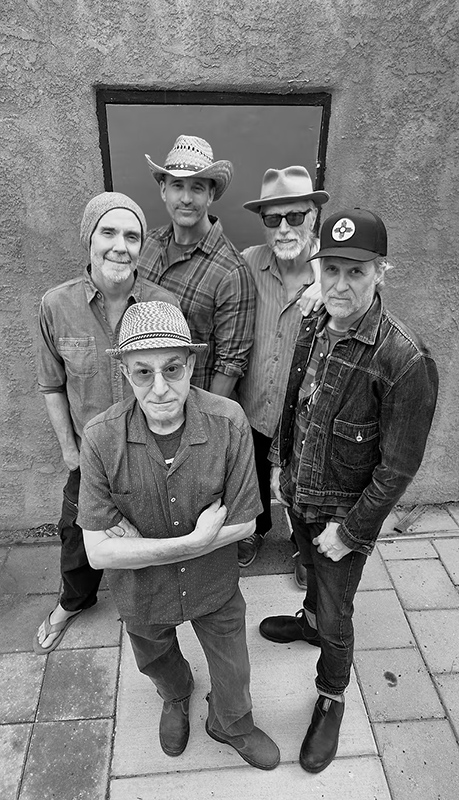
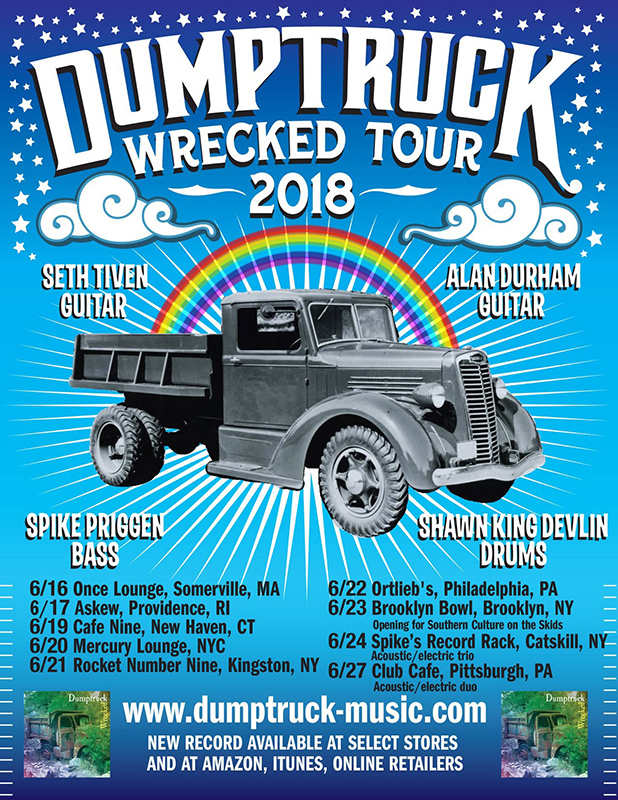
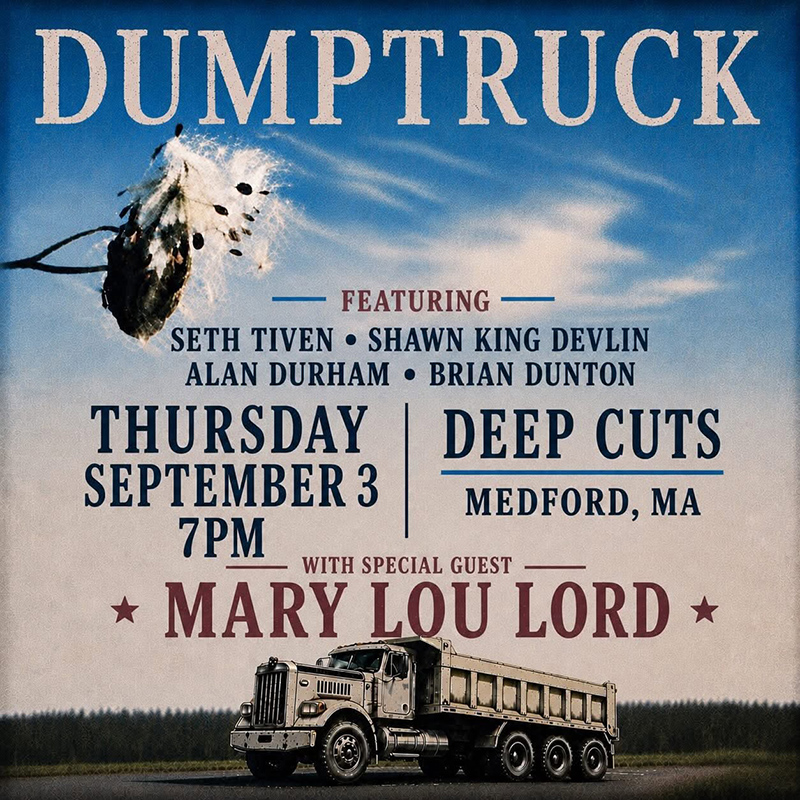
The second wind continued in 2001 with the double-disc release Lemmings Travel to the Sea, which featured new studio tracks recorded in Austin and a second CD of ‘80s live recordings made at CBGB in New York City. The band’s last studio outing, 2018’s Wrecked, includes 12 new Tiven-penned songs and Swan playing on more than half of them, making it a happy, if bittersweet ending to an all too familiar music-biz tale. Tiven has since relocated Dumptruck to Albuquerque, and the band’s catalog is still available; Rykodisc has released expanded reissues of their first three albums plus a 2006 compilation of 20 tracks called Haul of Fame.
(by Carter Alan)
Carter Alan is a former WBCN deejay now heard on WZLX-FM in Boston. He’s the author of Outside is America: U2 in the U.S. (Faber & Faber, 1992), U2: The Road to Pop (Faber & Faber, 1997), Radio Free Boston: The Rise and Fall of WBCN (University Press of New England, 2013) and The Decibel Diaries: A Journey Through Rock in 50 Concerts (University of New England Press, 2017).