Al Coury
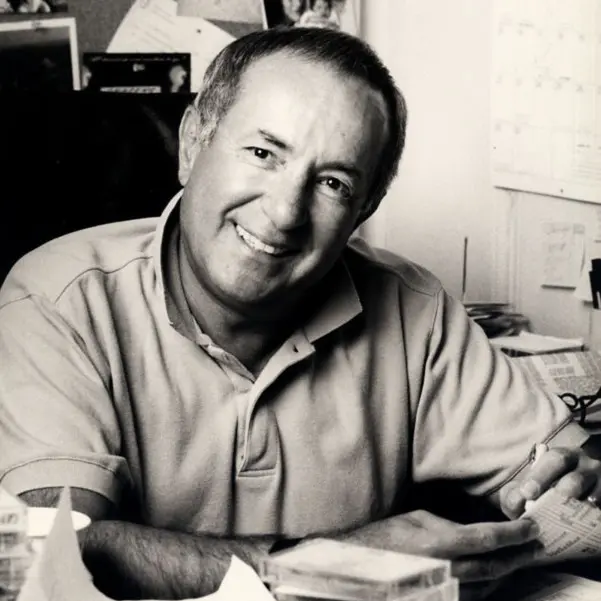
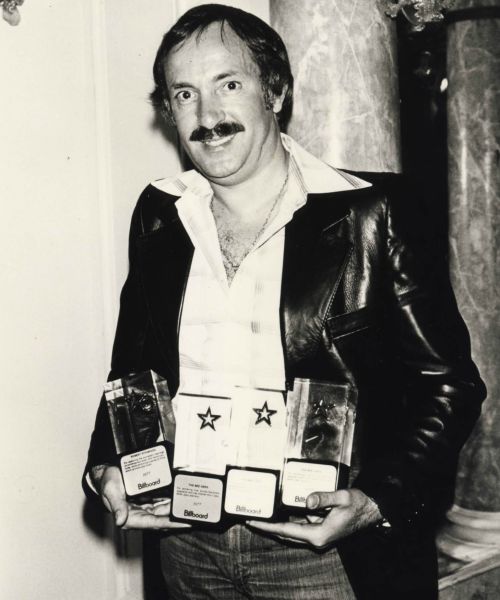
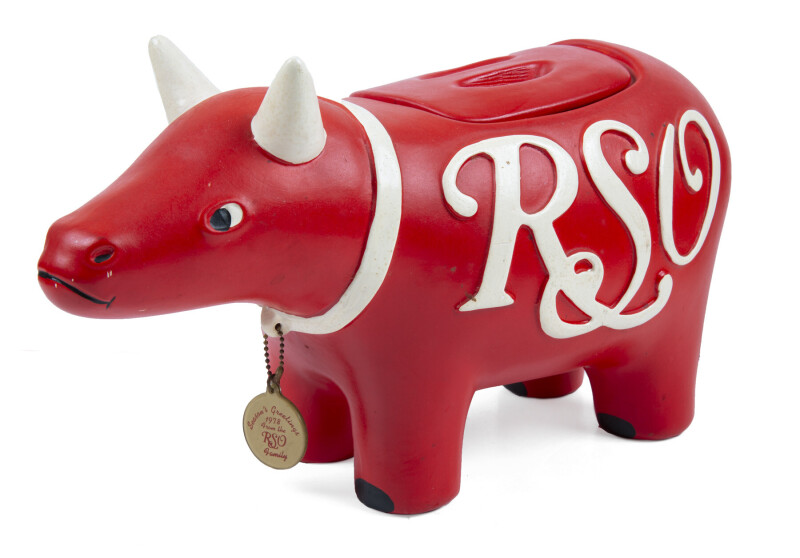
“Al Coury Owns Number One.” That was the headline of a feature in the October 5, 1978 edition of Rolling Stone. And it was absolutely spot-on.
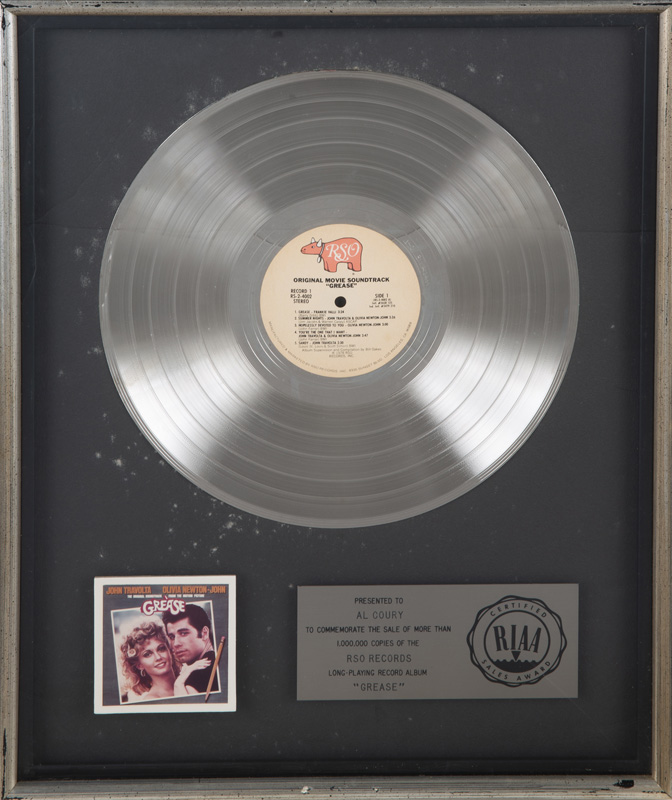
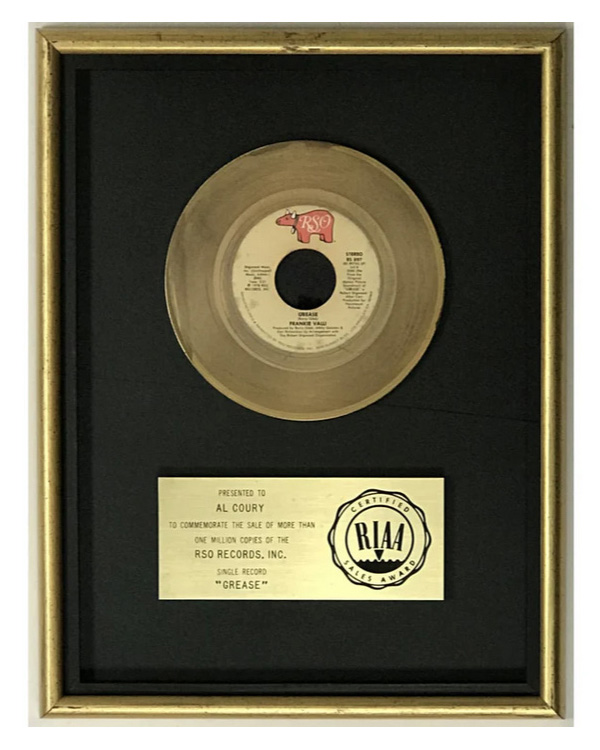
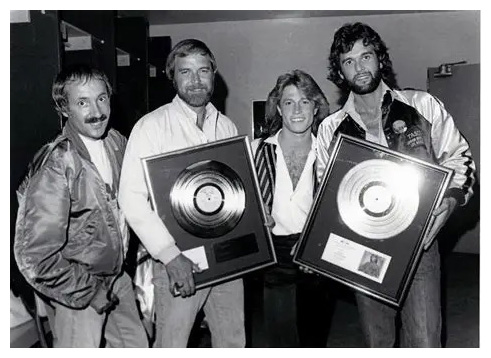
Coury’s label, RSO Records, dominated the charts that year with four gold and six platinum singles on the heels of two record-shattering soundtracks, Saturday Night Fever and Grease, and three blockbusting albums, Eric Clapton’s Slowhand, Andy Gibb’s Shadow Dancing and Player’s self-titled debut. And while many assumed that such success was coming from a decades-old record-making behemoth, the truth was precisely the opposite: RSO had just 68 employees – half of them working in promotion – and a mere 15 acts on its roster. And the company hadn’t yet celebrated its fifth birthday.
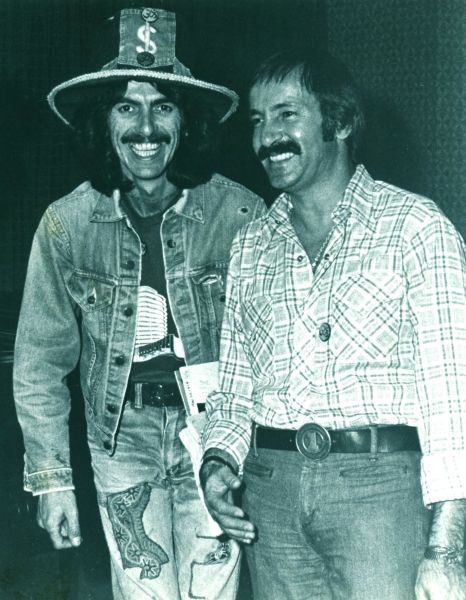
Coury was a leading figure at four labels during the course of his nearly 40-year career – Capitol, Network, RSO and Geffen – and was instrumental in discovering, signing and/or developing an extremely diverse array of talent including Nat King Cole, The Beatles, The Beach Boys, Pink Floyd, The Bee Gees, Eric Clapton, Irene Cara, Glen Campbell, Bob Seger, Cher, Don Henley, Linda Ronstadt, Guns N’ Roses and Aerosmith. Taking what he called a “street-oriented” approach to his job, the notoriously no-nonsense, old-school “record man” thought that never-ending, boots-on-the-ground hustle was critical to acquiring the top artists, near-constant elbow-to-elbow involvement with them was fundamental, outrageous advertising expenses were simply par for the course and relentless promotion was a matter of commercial life and death.
EARLY YEARS, JOINING CAPITOL, “THE MAN WITH THE GOLDEN EARS”
Albert Eli Coury was born on October 21, 1934 and raised in the Grafton Hill section of Worcester, Massachusetts, the son of Amelia and Eli Coury, a clothes presser from Lebanon from whom relatives say Coury inherited his unwavering work ethic. He took an interest in music from a young age and played trumpet in his pre-rock ‘n’ roll teen years with his high-school orchestra, big-band ensemble and marching band. After graduating, he worked as a dishwasher at the El Morocco Restaurant in Grafton Hill, then as an usher at what’s now The Hanover Theatre and Conservatory in Worcester, then as the manager of a movie theatre in Hartford, Connecticut. His next job was radically different from those three – and it changed his life forever.
In 1957, 23-year-old Coury joined Capitol Records’ New England promotion team, just as the tidal wave called “rock ‘n’ roll” started crashing down on the US and the world at large. His first role was going door-to-door to AM-radio stations like WPRO in Providence, WHEB in Portsmouth and WLAM in Lewiston, but he was quickly promoted to manager of Capitol’s Boston office, where he built close relationships at leading AM stations WMEX and WBZ, the latter of which had the most powerful signal in New England. In that Boston-based role, Coury found his calling.
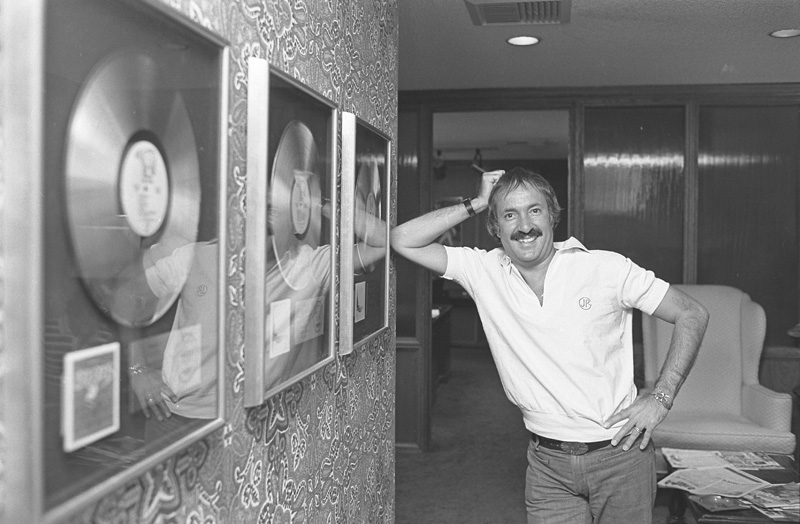
In 1974, 17 years after joining Capitol in that entry-level promotions job (and just a few months shy of his 40th birthday), Coury was named senior vice president of the label’s A&R division. Nicknamed “the man with the golden ears” for his uncanny ability to pick top-10 singles from the hundreds of tracks he heard every week, he was an unapologetically hands-on leader who spoke almost daily with regional promotion managers – an anomaly among executives at his level – and dove into every creative aspect of the business, from designing marketing strategies and brainstorming song ideas to recommending album-cover art and choosing what singles to release. The famously plain-spoken Coury, who eschewed the glitz of the record business and lived a bare-bones lifestyle compared to other industry bigwigs, was laser focused on three things: sales, sales and sales. In its December 25, 1978, issue, Time magazine ran a feature story on him headlined “The Man Who Sells the Sizzle.”
THE BEATLES, THE BEACH BOYS, OTHER NOTABLE ARTISTS/SUCCESSES
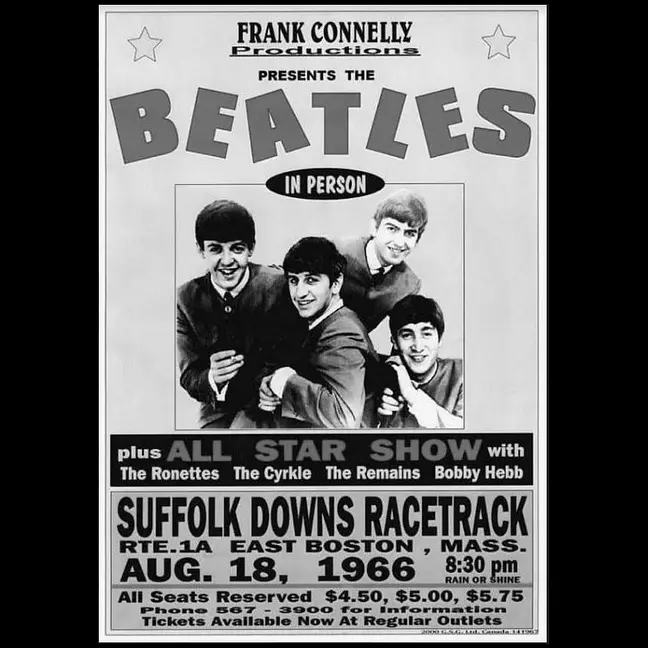
In the 1960s, Coury’s insights were instrumental as Capitol navigated away from jazz and pop vocalists and into the largely uncharted waters of rock. He worked closely with members of The Beatles both before and after they went solo, and his decisions were absolutely pivotal to The Beach Boys’ success after he signed them in 1962. For example, Coury decided to release “Barbara Ann” as a single in 1965 without bothering to consult with the band; it shot to #2 in the Billboard Hot 100 and became a key part of ‘60s rock canon.
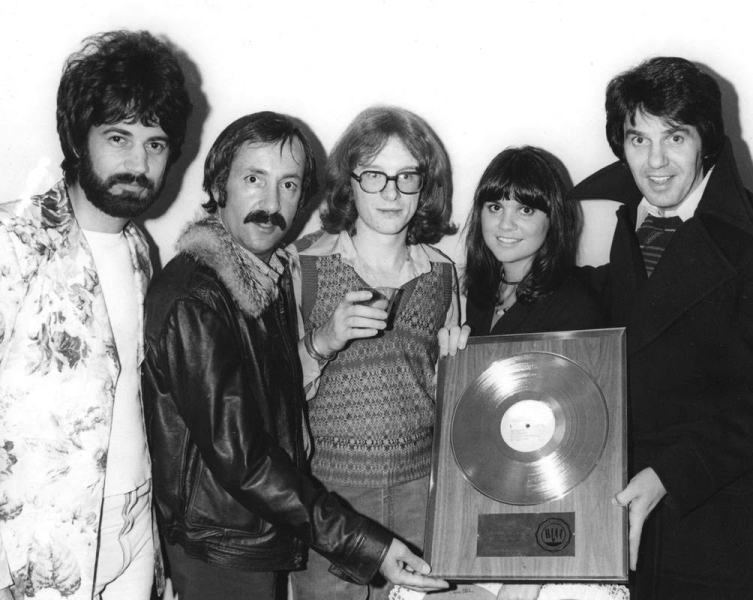
Capitol faced a potential crisis in 1970 when The Beatles broke up and The Beach Boys left the label to sign with Warner-owned Reprise Records. Thanks to Coury’s signings, however, the label thrived between then and ‘74 with chart-topping discs from Helen Reddy, Pink Floyd, Grand Funk Railroad, Linda Ronstadt, Glen Campbell and Natalie Cole. In 1972, Reddy’s single “I Am Woman” reached #1 in the Billboard Hot 100 and won Best Female Pop Vocal Performance Grammy. In 1973, Floyd’s The Dark Side Of The Moon became one of the best-selling albums of all time after Coury convinced the group that “Money” should be released as a single; band members were vehemently opposed to the idea at first, but it became their first American hit, reaching #13 in the Billboard Hot 100. In 1974, as if following Reddy’s lead from the previous year, Ronstadt’s Heart like a Wheel won the Album of the Year Grammy and its single “You’re No Good” soared to #1 in the Billboard Hot 100. Also that year, Coury encouraged Campbell to record “Rhinestone Cowboy,” which became his very first #1 single and his signature song.
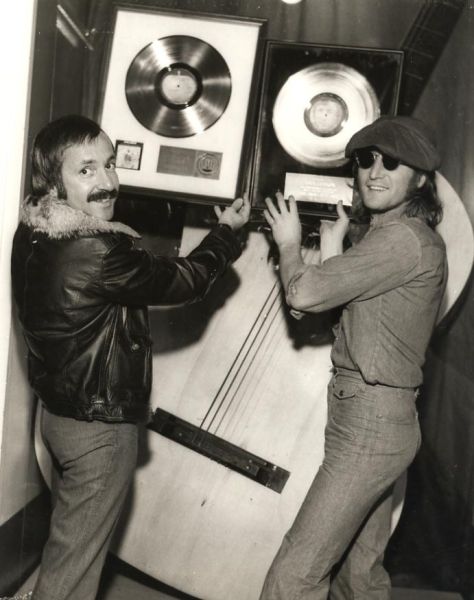
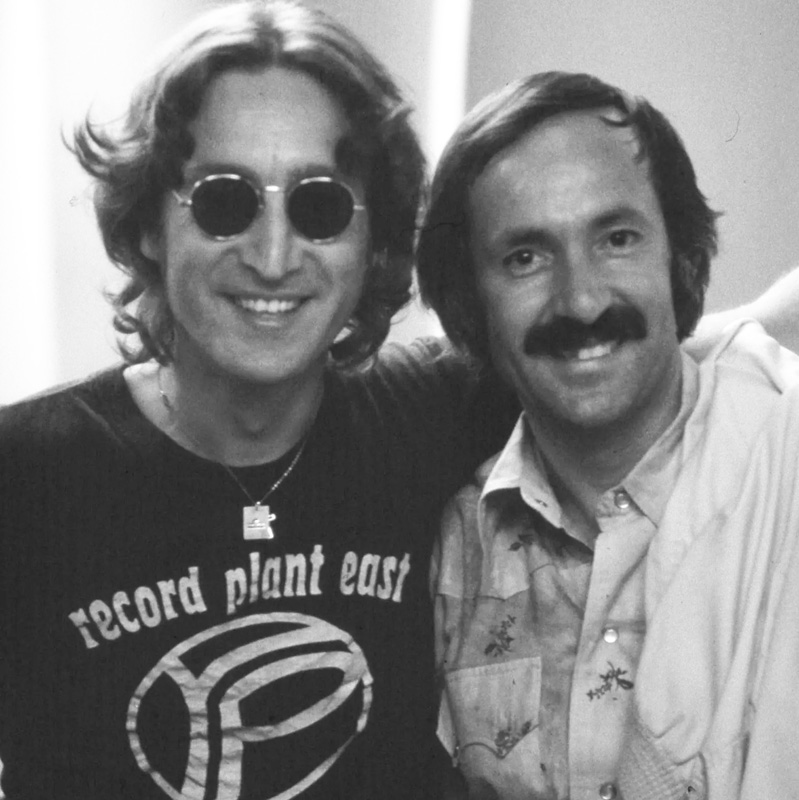
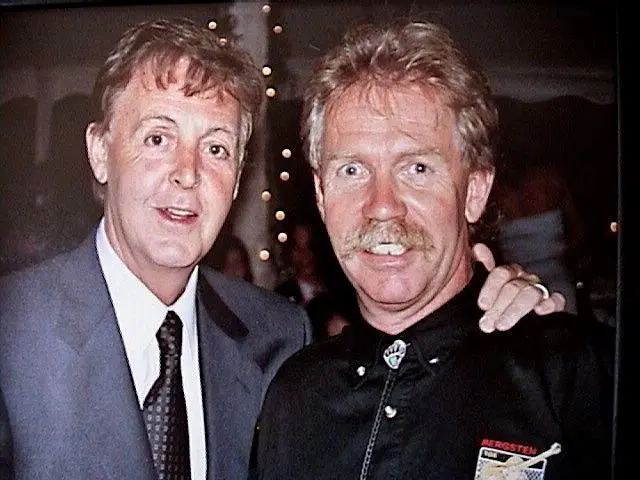
After The Beatles broke up in 1970, Coury collaborated closely with two members of the Fab Four. The first was Paul McCartney on his biggest-selling album, 1973’s Band on the Run (the success of which McCartney has attributed directly to Coury’s input) and the second was John Lennon on his 1974 LP Walls and Bridges (on which Boston native Shelly Yakus was an engineer). Both albums included singles that hit #1 in the Billboard Hot 100 – McCartney’s “Band on the Run” and Lennon’s “Whatever Gets You Though the Night” – and Coury teamed up with Lennon again on his 1975 album Rock ‘n’ Roll (on which Yakus was also an engineer).
FOUNDING RSO, NETWORK, JOINING GEFFEN, AEROSMITH, GUNS N’ ROSES
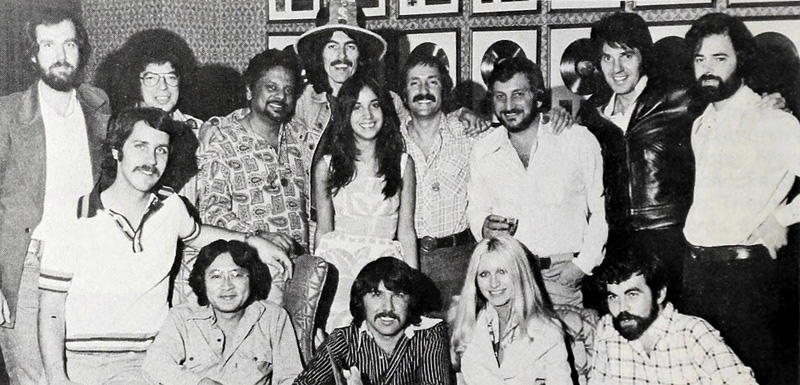
In 1976, after having been passed over to become Capitol president 18 months earlier, Coury left the label and co-founded RSO with entertainment entrepreneur and Bee Gees’ manager Robert Stigwood; the fraternal trio became one of the label’s flagship acts along with Eric Clapton. Following the success of the Saturday Night Fever and Grease soundtracks, RSO released additional chart-toppers for the Hollywood movies Fame, Sparkle, The Empire Strikes Back, Return of the Jedi and Times Square. In 1981, Coury established Network Records and signed Irene Cara, whose now-classic single “Flashdance…What a Feeling” went to #1 in the Billboard Hot 100 in 1983 and sold over 20 million copies as theme song for the film Flashdance.
In 1985, Network merged with Geffen Records, which had seen several years of dismal album sales, and Coury became the company’s general manager, tasked with saving the near-bankrupt label. Within two years, Geffen became the most successful independent record company of the ‘80s thanks to Coury’s prescient signings, among them Peter Gabriel, Don Henley, Whitesnake and Cher. Coury also signed two now-legendary rock bands, almost single-handedly rescuing the first – a wildly popular quintet from Boston – from internment in a musical mausoleum and the second – a largely unknown band from Los Angeles – from near-certain musical obscurity.
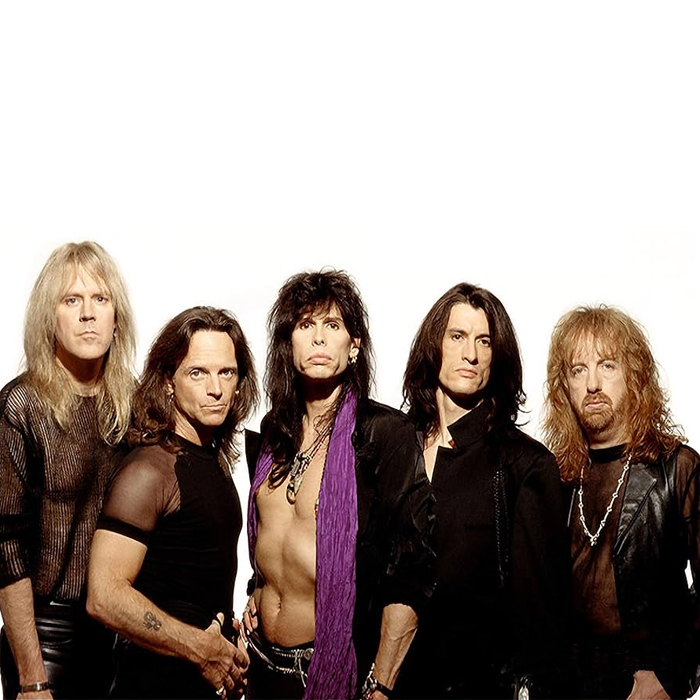
The first was Aerosmith. By signing them at a time when other labels were reluctant to take the risk due to the band’s infamous substance-abuse issues, Coury spearheaded a comeback that put the group back in the saddle for the next several decades. The collaboration’s first result was 1985’s Done with Mirrors, which sold a disappointing (by Aerosmith standards) 320,000 copies and peaked at #70 in the Billboard 200, followed by 1987’s Permanent Vacation, which sold more than five million – Aerosmith’s most successful album in over 10 years – and hit #11. Coury worked side-by-side with the band on their albums until 1993.
The second was Guns N’ Roses. When their debut album, Appetite for Destruction, sold only 200,000 copies in three months, with radio stations unwilling to play the single, “Welcome to the Jungle,” Coury persuaded MTV to run the video once a night for three consecutive nights. When it became their most requested video, radio stations changed their tune and the song made it all the way to #7 in the Billboard Hot 100 in 1988 – more than a year after its release. And the success didn’t stop there, as Appetite for Destruction became the best-selling debut album of all time.
RETIREMENT, DEATH, LEGACY
Coury retired from the music business in 1994 at age 60 and the “street-oriented” promoter extraordinaire who “sold the sizzle” died on August 8, 2013 at age 78 in Thousand Oaks, California. Though it’s been decades since he walked away from the music biz, his impact on the industry is heard on radio stations and streaming platforms across the globe to this day, as it will be for many more years to come. For countless musicians, record producers, filmmakers and music lovers, the no-nonsense, old-school, golden-eared Worcesterite will always “own number one.”
(by D.S. Monahan)