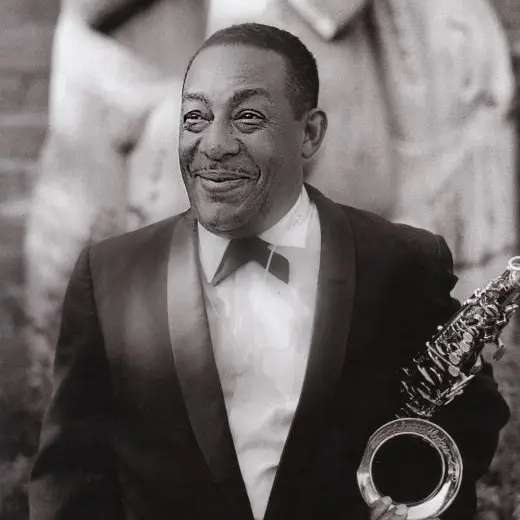
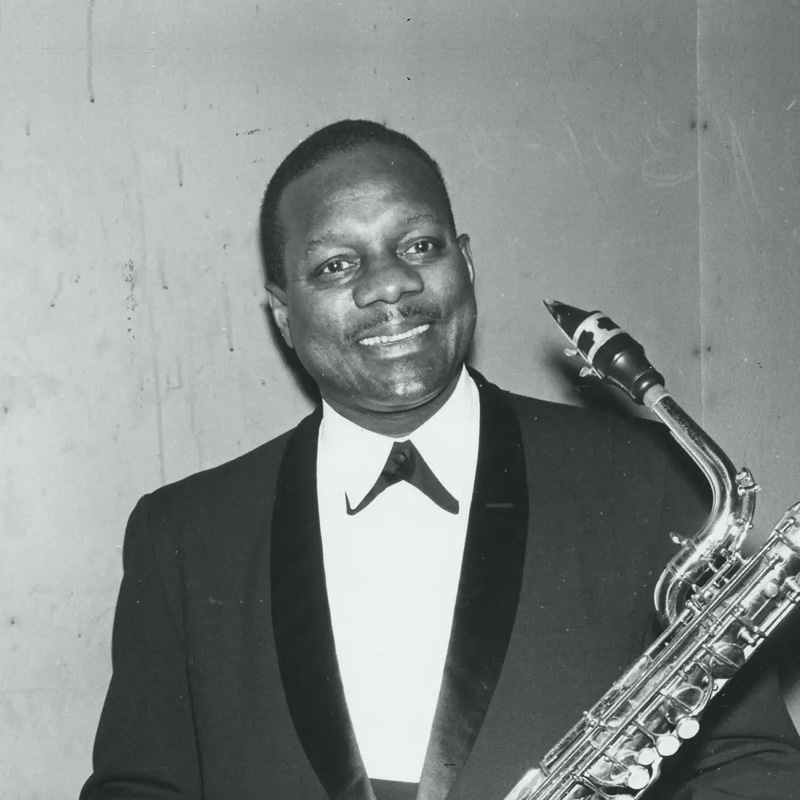
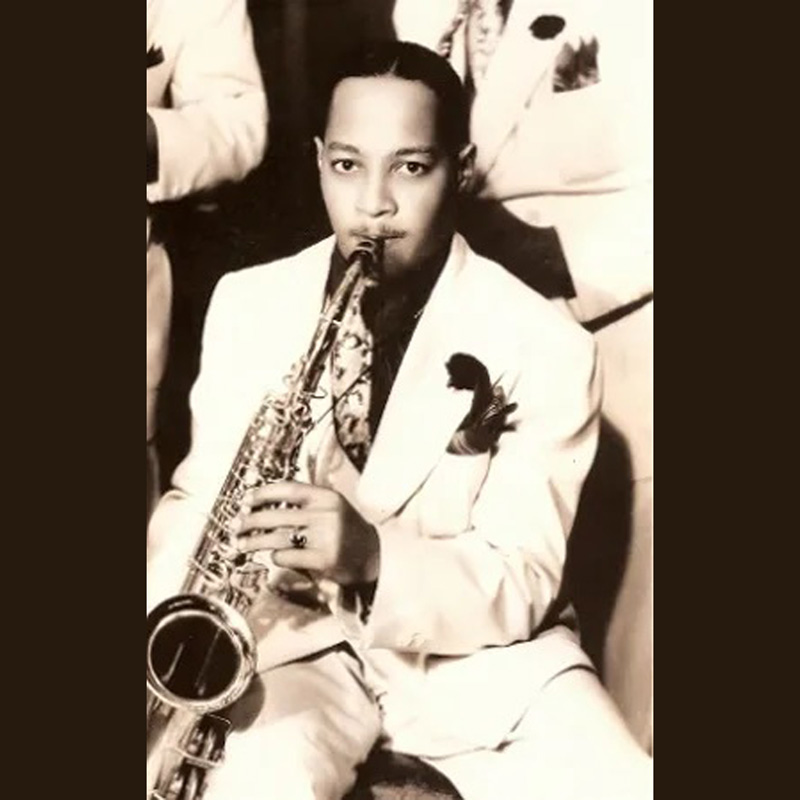
Howard “Swan” Johnson
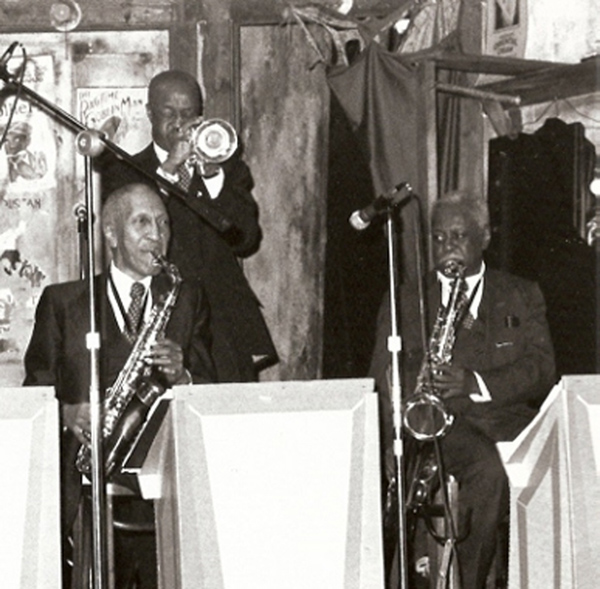
Howard "Swan" Johnson
The average number of children born to American parents has been steadily declining over the past two centuries, from a 19th century high in 1800 of 7.04 (!) to the current level of 1.94. While this can be viewed as either positive or negative, more siblings means more opportunities to grow and practice together as musicians, rather than spending time finding and connecting with compatible-but-unrelated contemporaries who don’t live in the same dwelling. Thus there are the Jones brothers of Detroit (Hank, Thad and Elvin), the Montgomerys of Indianapolis (Wes, Buddy and Monk), the Heaths of Philadelphia (Jimmy, Percy and Albert [“Tootie”]), Julian “Cannonball” and Nat Adderley of Tallahassee, and the Marsalis family of New Orleans (Wynton, Branford, Delfeayo and Jason).
During the early years of the 20th century, a similar group of musical brothers grew up in Boston in a family with 11 children: pianist Walter Johnson, the eldest of four, was dubbed the “Jazz King of Boston” as he was also a booking agent, band leader and nightclub owner; younger brothers George and Bobby played guitar and banjo, and Bobby played some saxophone as well. Howard “Swan” Johnson, born 15 years after Walter, was the youngest of the four. He learned to play at least the rudiments of the saxophone from brother Bobby and went on to play with some of the biggest names in jazz from the swing through the bop eras and beyond.
MUSICAL BEGINNINGS, NICKNAME ORIGIN
Howard William Johnson was born in 1908, a year after Johnny Hodges, who also grew up in the South End neighborhood that came to be known as “Saxophonists Ghetto” because of the number of young sax players in the area. In addition to Hodges and Johnson, alto sax players Charlie Holmes and Harry Carney lived nearby, and all would go on to some degree of success as professional musicians. While slightly younger than Hodges, Johnson is credited with teaching the former some of the fundamentals of the sax, although Hodges acquired them by stealth. When Hodges’s mother finally gave in to her son’s persistent pleas to buy him the instrument, he sent another boy over to the Johnsons to invite Howard to view it. When Johnson arrived, Hodges persuaded him to show him how to play scales on it. “That was what he wanted to know,” Johnson said.
Hodges soon entered, in Johnson’s words, “into the big world” of jazz in Boston’s clubs at an early age, while Johnson himself “was still in the little world.” Hodges “used to hang out nights, while I was more or less a home boy,” he said. Hodges came to be known as “Rabbit” for reasons that are in dispute; he himself said it was because he could outrun truant officers, while his neighborhood pal and later Duke Ellington bandmate Harry Carney said it was because he looked like a rabbit when eating lettuce and tomato sandwiches. Johnson came to be known as “Swan,” but no one seems to know why; one suggestion is that the moniker was applied because of his graceful, elongated style of play.
EARLY BANDS, MOVE TO NEW YORK CITY, NOTABLE COLLABORATIONS
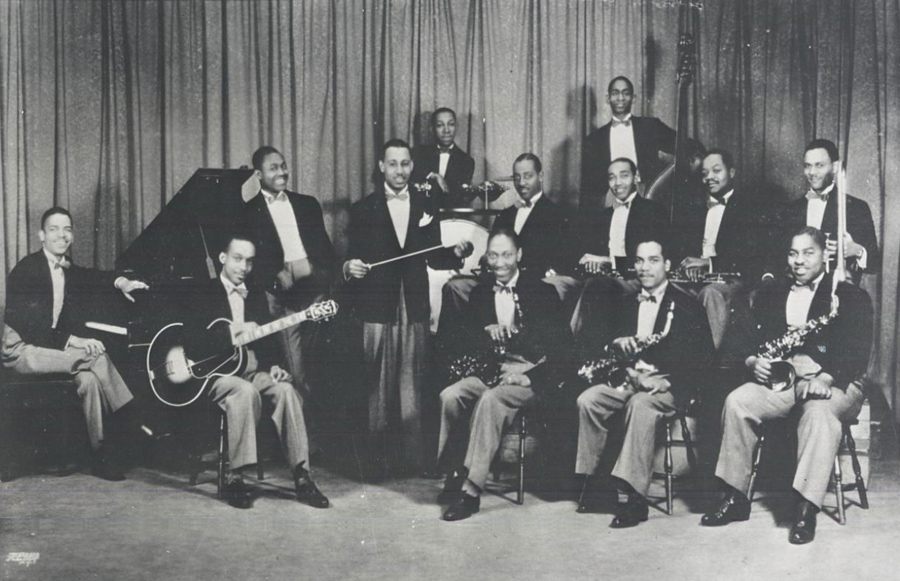
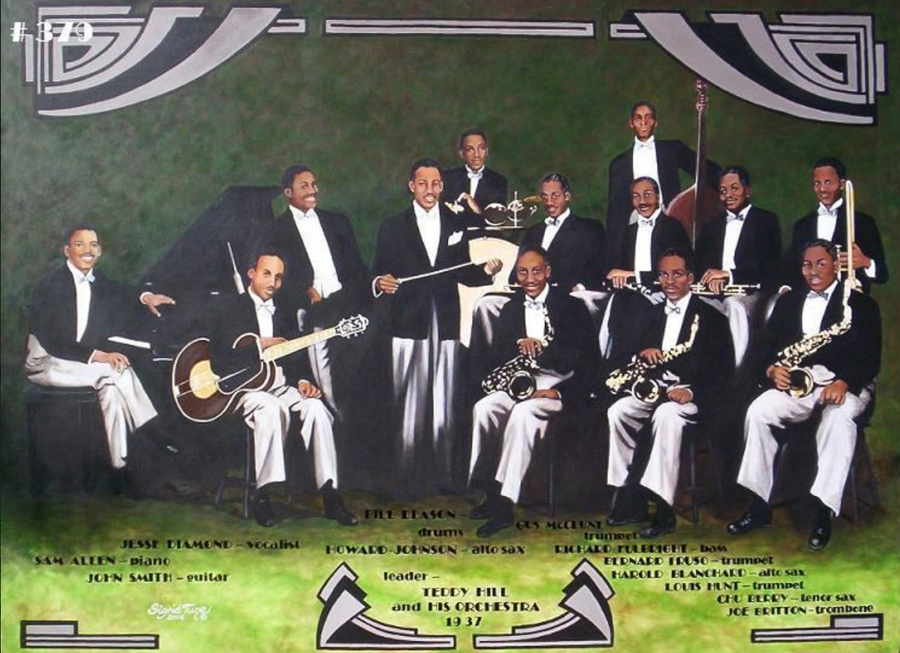
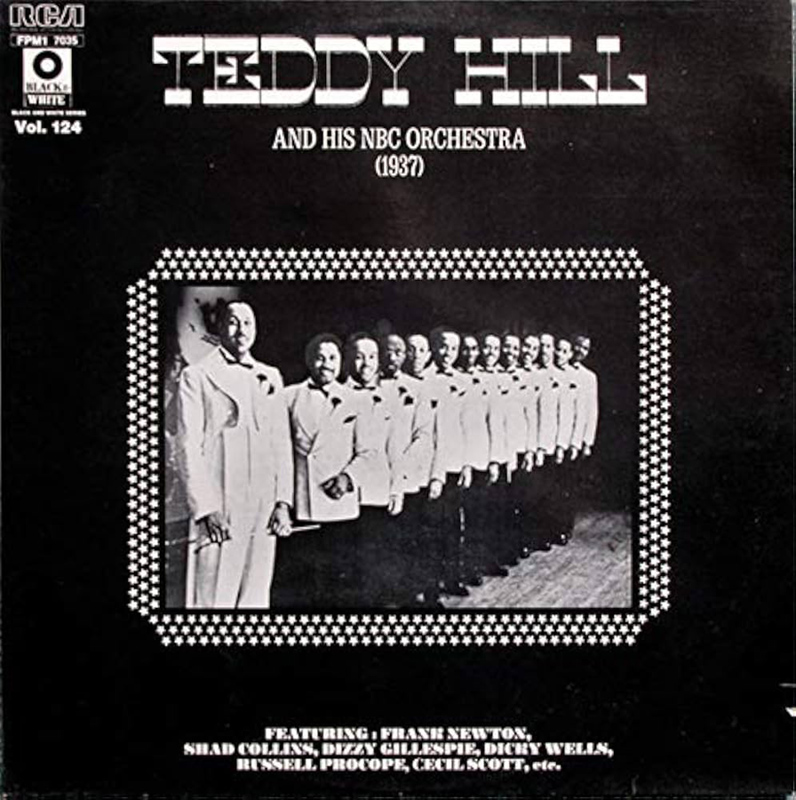
Howard played with various Boston-based bands in the late ‘20s and early ‘30s before moving to New York City, where he played with the band of Stanley “Fess” (short for “Professor”) Williams, trombonist Billy Kato and stride pianist James P. Johnson. He worked with banjoist Elmer Snowden, whose Washingtonians were eventually taken over by Duke Ellington, then joined Benny Carter’s Orchestra in 1932. He spent several years with Teddy Hill’s band, touring Europe in 1937 while making several recordings as a member of Hill’s NBC Orchestra.
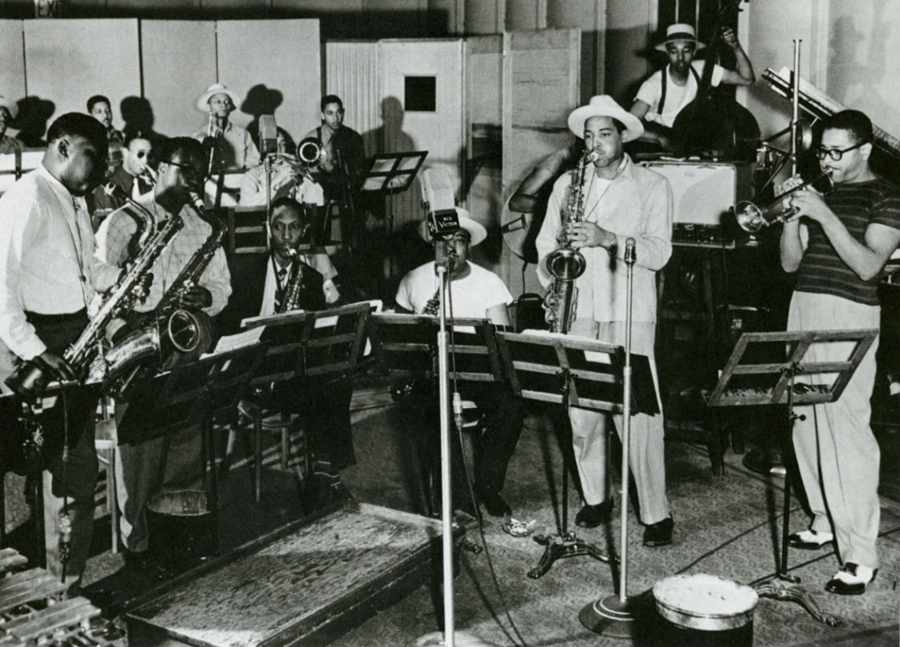
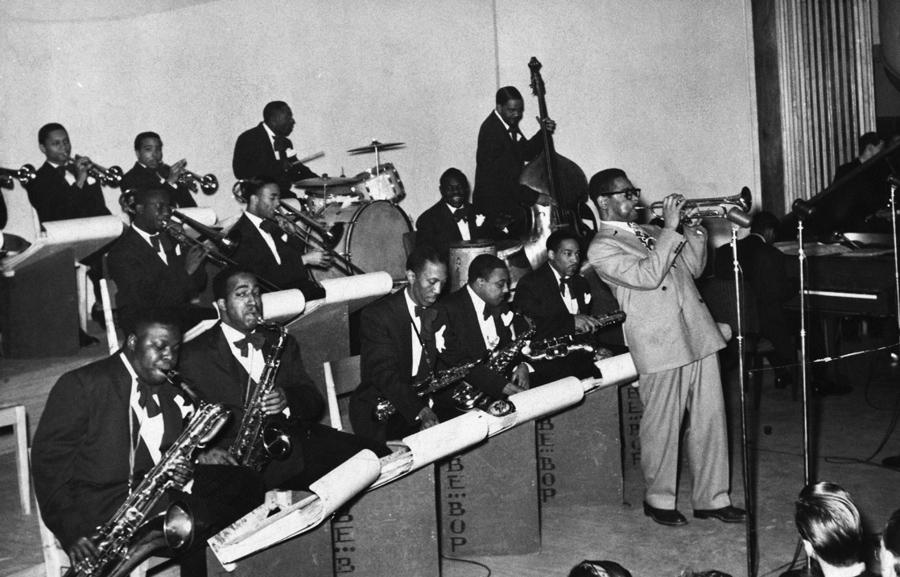
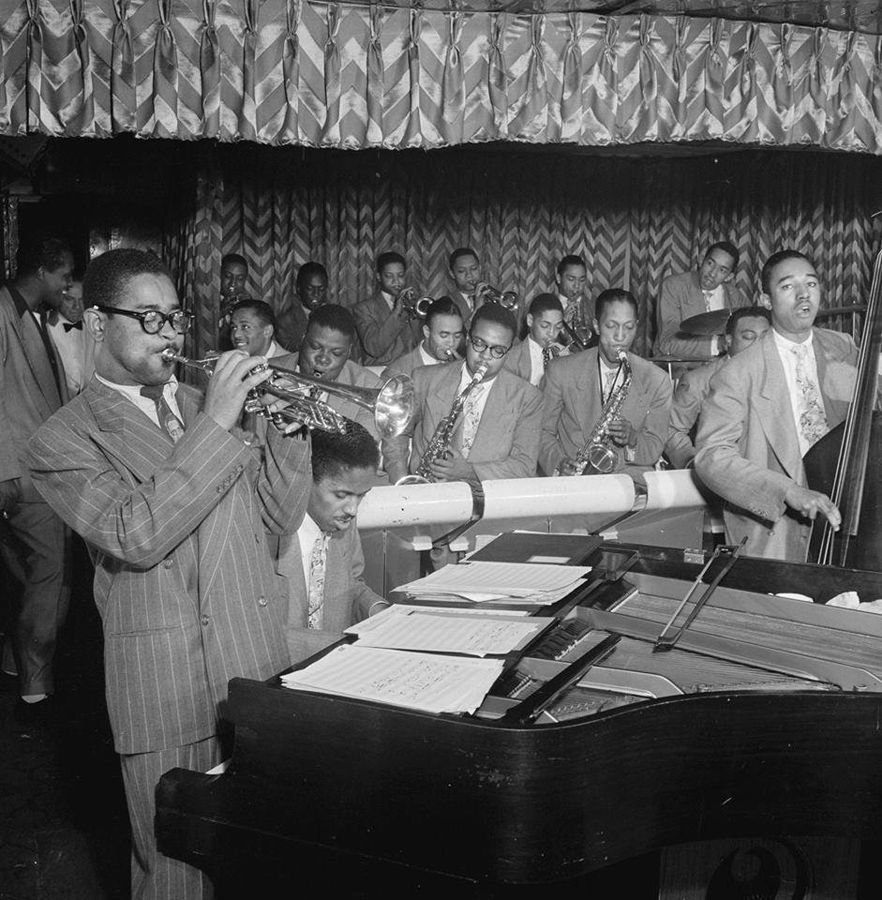
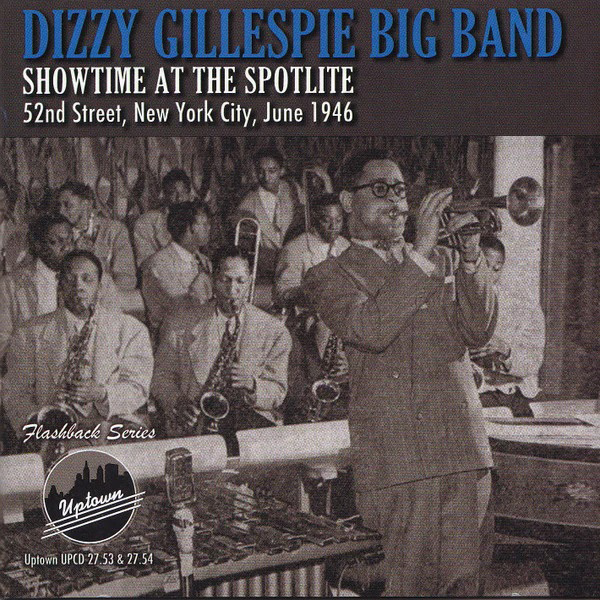
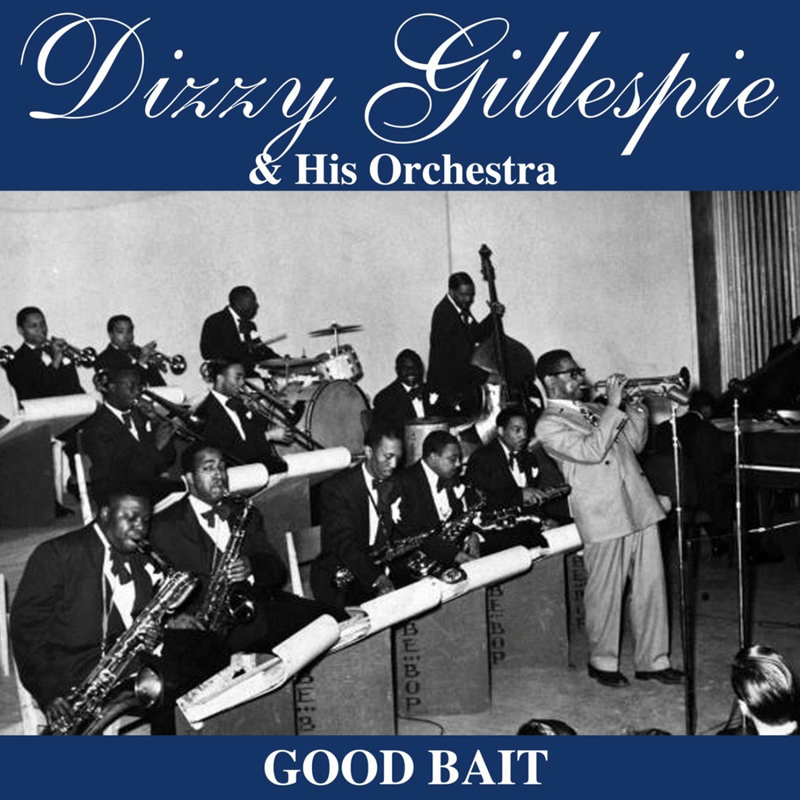
In the 1940s, Johnson worked with pianist Claude Hopkins’s band as well as with singer Maxine Sullivan. He then crossed over the swing bridge to more modern settings, serving as arranger for Dizzy Gillespie’s big band from 1946 to 1948, and working with Red Norvo. In the ‘50s and ‘60s, he worked with saxophonist Lemuel “Lem” Johnson, and during the ‘70s he played with the Harlem Blues and Jazz Band.
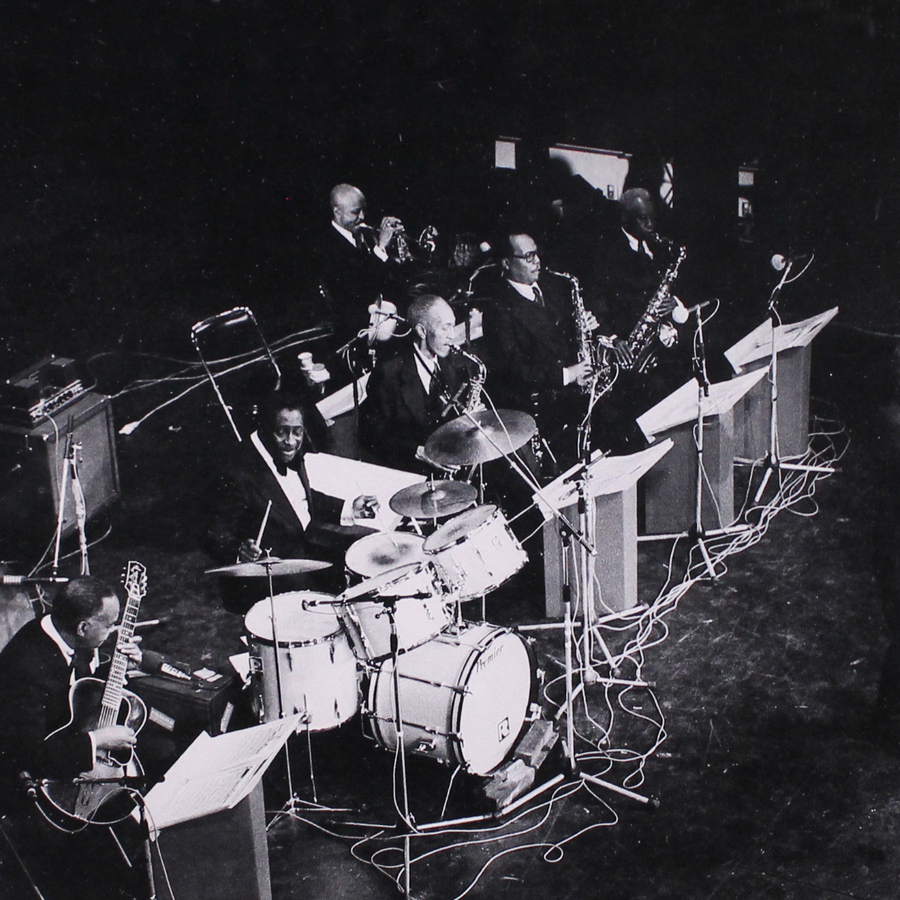
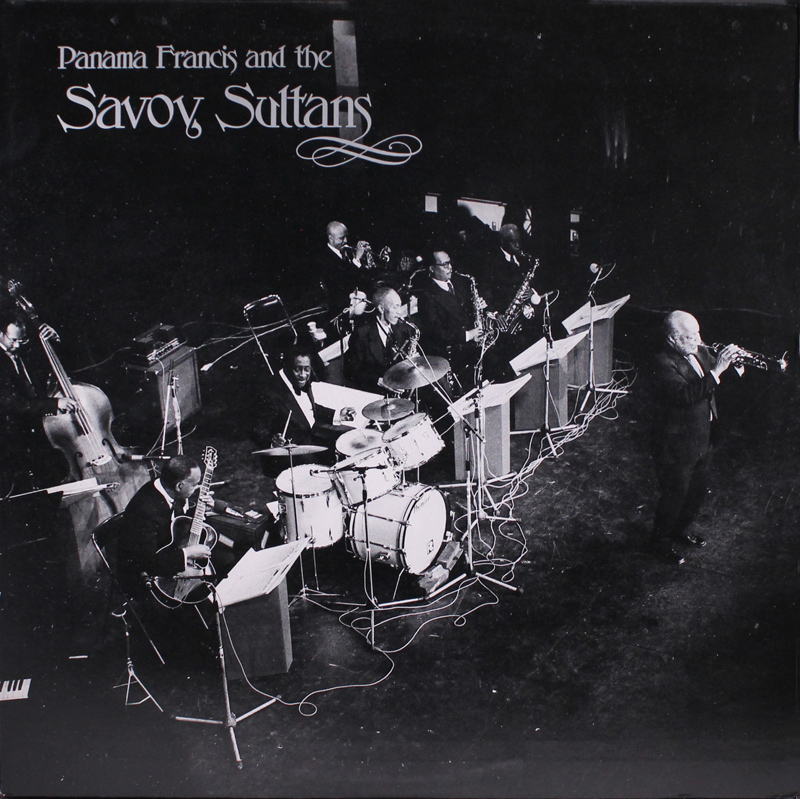
Jazz scholar Jan Evensmo has compiled a solography of Johnson’s recorded solos from 1933 with Benny Carter to 1982 as a member of Panama Francis & The Savoy Sultans, and notes that even in 1979, “this septuagenarian plays with the spirit and spontaneity of a young man.” Johnson continued to work through the ‘80s and died in 1991 in New York City at the age of 93.
(by Con Chapman)
Con Chapman is the author of Rabbit’s Blues: The Life and Music of Johnny Hodges (Oxford University Press, 2019), Kansas City Jazz: A Little Evil Will Do You Good (Equinox Publishing, 2023 and Sax Expat: Don Byas (University Press of Mississippi, 2025).