Zamir Chorale of Boston
Zamir Chorale of Boston
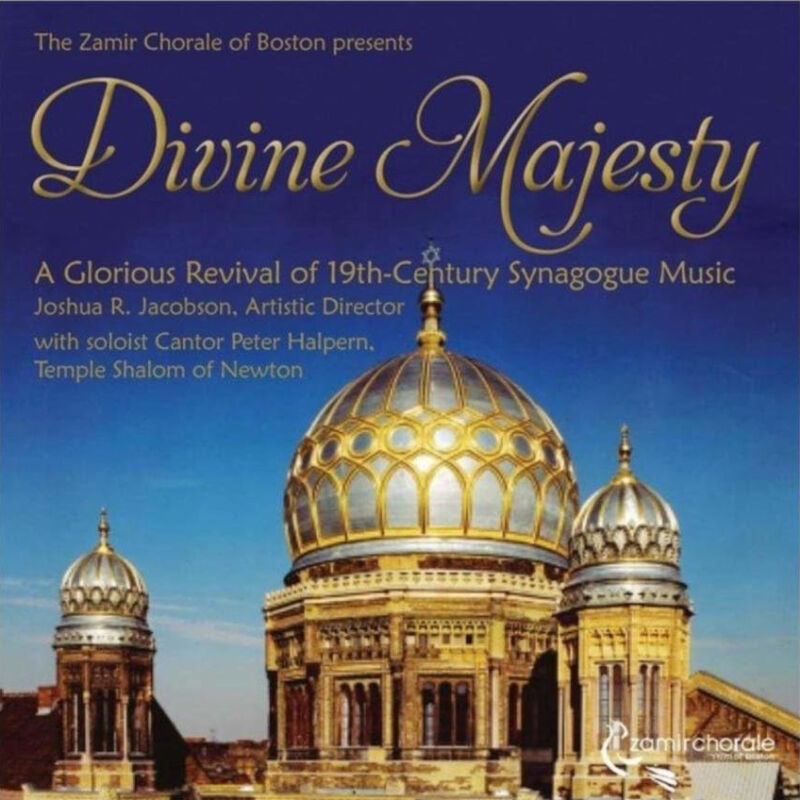
Before the Zamir Chorale of Boston was founded in 1969, a Zamir Chorale had been in full swing in New York City since 1960, initially under the name the Massad Choir. But Zamir Chorales – vocal groups that presented concerts with examples of non-religious Jewish music – actually started in 1899 in Lodz, Poland. Those groups spread throughout Europe and had vanished by the end of World War II, but the New York City choir and its offshoot in Boston are still going strong.
BACKGROUND, FOUNDING
Joshua R. Jacobson, who has a bachelor’s in music from Harvard, founded Zamir Chorale of Boston and remains its artistic director to this day, has a fascinating story about its beginnings and how the organization has progressed over the past nearly 60 years. “When I was 14 years old, in 1962, I was at Camp Yavneh, a Hebrew-speaking summer camp in New Hampshire,” he said in 2018. “The music counselor, Stanley Sperber, had just started the Massad Choir in New York; the name was changed to Zamir – which translates as both ‘music’ and ‘nightingale” – two years later. I was a folk singer back then and wasn’t interested in choirs, but when I heard them, I said, ‘Whoa! That’s pretty good!’ I was soon hooked, and the following summer I became Stanley’s assistant.”
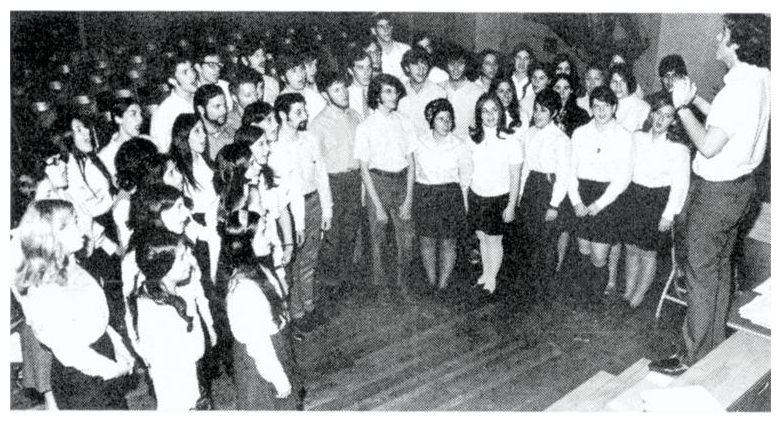
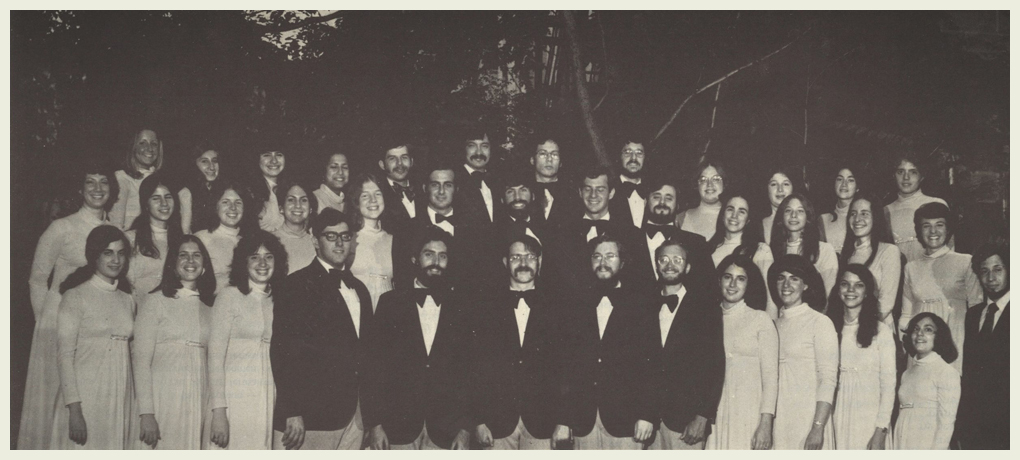
In early 1969, Sperber asked Jacobson to start a Zamir Chorale in Boston. “I had just graduated from Harvard and was starting graduate school in choral conducting at New England Conservatory,” he said. “I got together with a bunch of my camp friends, we rounded up some students from the dorms at Boston University and we formed the choir. That first year we had no auditions; anybody could join. We started it in October 1969, and there was tremendous excitement.”
DEBUT CONCERT, PROGRAM DEVELOPMENT
Jacobson and his singers, who then numbered about 40, worked up a set of pieces and played their first concert in January 1970. Another one followed shortly after that, and Jacobson started auditioning singers the following year while putting more thought into repertoire. “I was doing research into Jewish music that nobody knew about, we commissioned new pieces and I started writing arrangements of popular Jewish songs,” he said about the early days of the Boston-based choir. “We began to get a following, and I took it as a mission to get this music better known in the general world of choral music and choral conducting.”
The idea was to rehearse and perform Jewish choral music, much of which was chosen by the New York City contingent. Things soon took a new direction, though, after Jacobson got a call from the New England Jewish Music Forum, which was presenting a concert of new Jewish music by young composers at Temple Ohabei Shalom in Brookline. Word had gotten out that Jacobson had written a rock version of the traditional Havdalah Service that concludes worship on the Sabbath, and the Forum invited him to be part of the program. His response: “Sure, and I have a group to perform it.” Programs eventually included major works for chorus and orchestra, including Leonard Bernstein’s “Chichester Psalms,” Ernest Bloch’s “Sacred Service” and the New England premiere of Arnold Schoenberg’s “Kol Nidre.”
TOURING, ANNUAL CONCERTS, PERSONNEL, REPERTOIRE
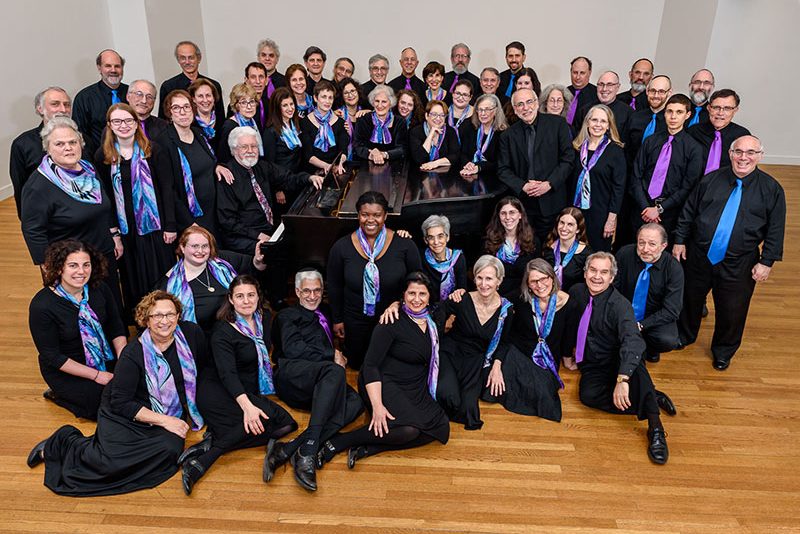
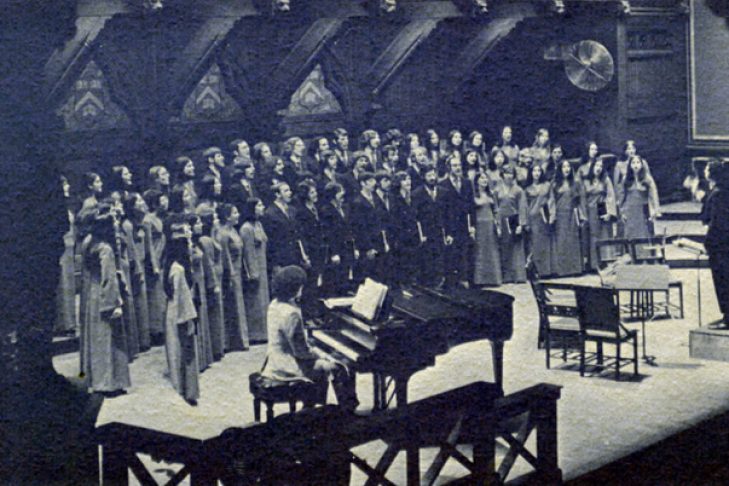
In recent years, the Zamir Chorale of Boston has played all over the United States and, in 1999, the choir toured Eastern Europe, including a stop in the founding city of Lodz. They currently average between seven and ten concerts per season, with about 60 singers; at one point in the late 1970s, there were close to 100. Some of their pieces are performed a cappella, but a typical concert is accompanied by piano, percussion and clarinet.
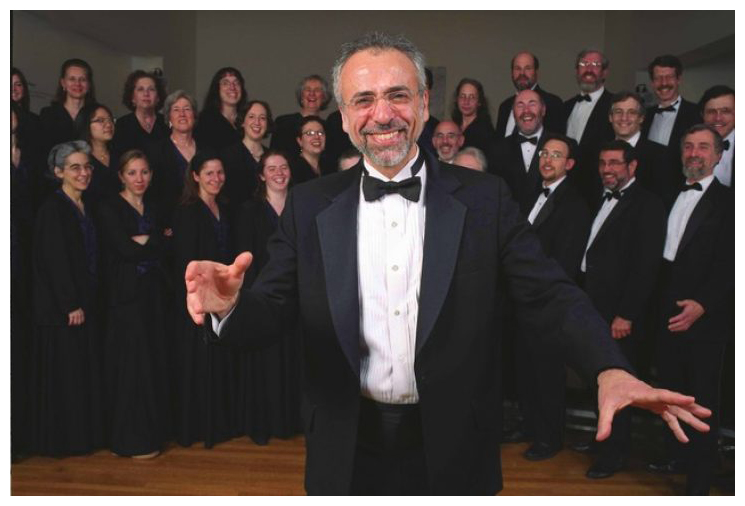
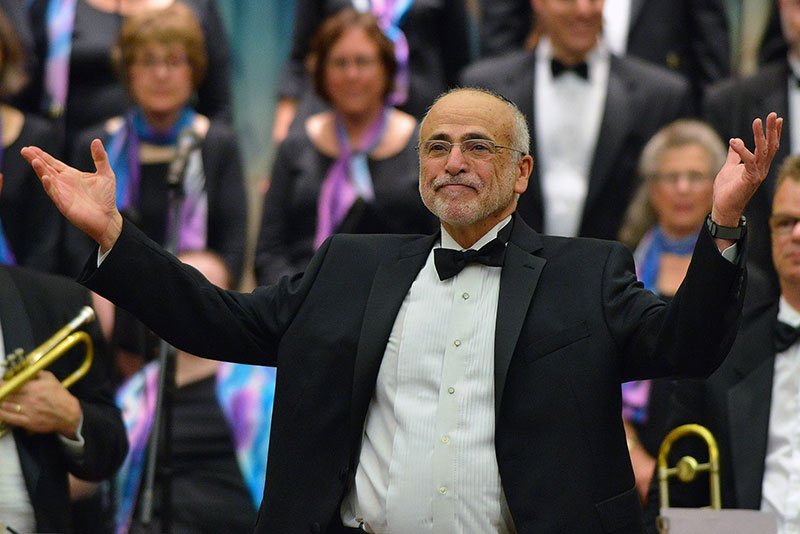
These days, Jacobson, now retired from his position as music professor and director of choral activities at Northeastern University, is putting even more energy into Zamir, choosing the repertoire, planning the programs, auditioning new singers, rehearsing the chorus, conducting and introducing the pieces at concerts. “I tell the audience that there’s more to Jewish music than just ‘Hava Nagila’ and ‘My Yiddishe Mama’,” he said. “Our repertoire is much more sophisticated and varied than when we started, and many members of the chorus now are also professional musicians and music teachers. I love doing this.”
(by Ed Symkus)