The Hanover Theatre and Conservatory for the Performing Arts
Hanover Theatre Conservatory for the Performing Arts
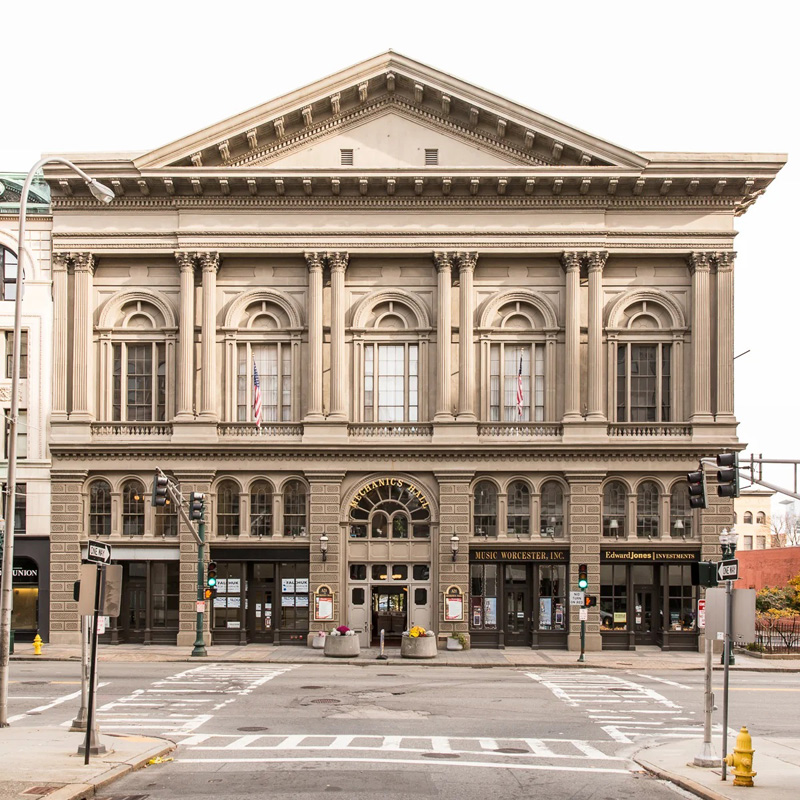
The Hanover Theatre and Conservatory for the Performing Arts in Worcester, Massachusetts is similar to the city’s Mechanics Hall in several ways, though they were built nearly five decades apart and for completely different reasons. Specifically, both are elegant architectural examples of a bygone era; both showed silent films and hosted vaudeville in the first half of the 20th century and became movie theatres in the second; both house a unique, historically significant pipe organ; and both are in the National Register of Historic Places.
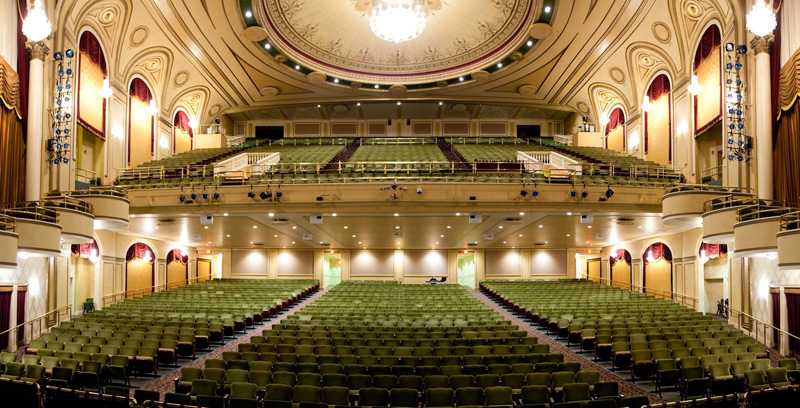
But for many music lovers in Worcester and the surrounding area, the most interesting parallel is that both were transformed into modern music meccas in the early 2000s thanks to the support and generosity of the local community. Since that rebirth, the Hanover has become one of the best-known performance and training spaces in New England, with its grand staircase, chandeliers and gilded accents transporting patrons back in time and its state-of-the-art sound and lighting systems making it a 21st-century take on the most luxurious venues of the Roaring Twenties.
THE FRANKLIN SQUARE THEATRE, THE GRAND, POLI’S PALACE THEATRE
The Hanover’s story begins in 1904 with the opening of the Franklin Square Theatre, commissioned by New Hampshire native Ransom Clarke Taylor, a Worcester-based real estate developer who’d built Lothrop’s Opera House on Pleasant Street in 1891 and owned over half of the buildings on Front Street. Designed by local firm Cutting, Carleton & Cutting, the 1,700-seat space hosted plays and musicals in addition to vaudeville and burlesque acts, becoming one of the area’s most popular entertainment destinations.
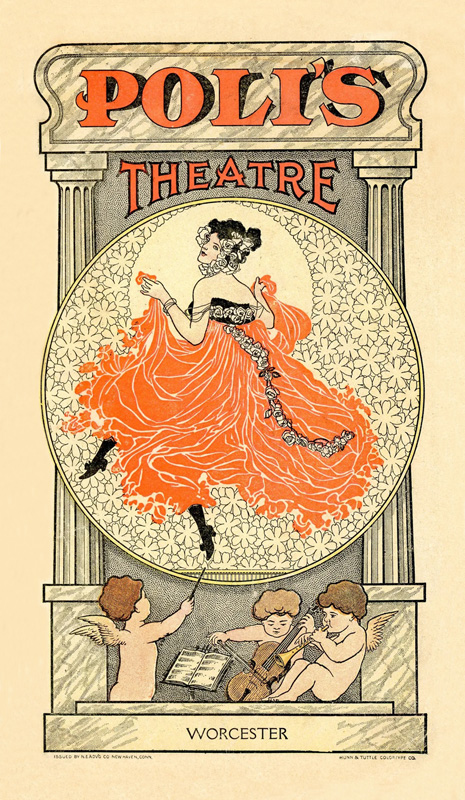
In 1912, Taylor sold the building to Sylvester Z. Poli, an Italian immigrant and museum/theatre owner who’d moved to Worcester from New Haven in 1905 with his sights set on opening a string of venues that presented what he called “clean shows” – meaning not burlesque or “freak exhibitions” – at 10, 20 and 30 cents a ticket. Poli remodeled the theatre substantially, renamed it The Grand and used it for silent movies and vaudeville; he also assembled his own stock company, The Poli Players, sending them on tours of the region. Unsurprisingly given his entrepreneurial bent, Poli made a fortune during the “movie palace” craze that started sweeping the US around 1912, opening his first such venue in Springfield, Massachusetts in 1913; over the following 12 years, he opened a chain of movie palaces stretching as far south as Washington DC.
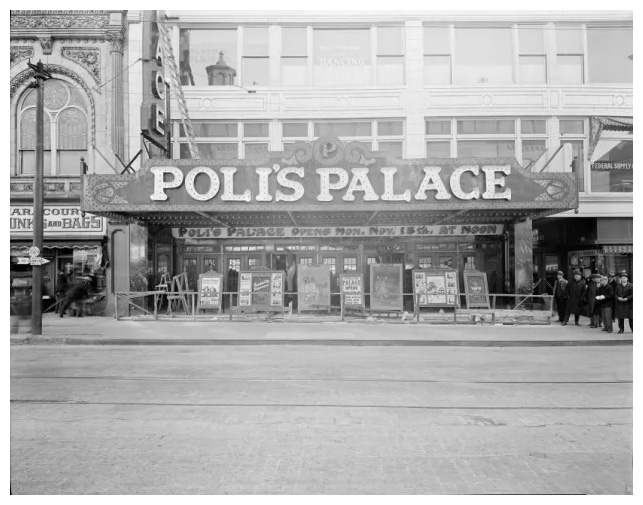
By 1925, Poli was convinced that movies, not the stage, were the future of entertainment. As a result, he decided to turn The Grand into a full-scale movie palace, hiring acclaimed architect Thomas Lamb to oversee the project. Lamb, who’d designed the Boston Opera House and many other noteworthy spaces, chose the Classical style for the structure, adding a two-story lobby, an ornate staircase, a huge chandelier and a dome encircled by gilded rosettes. True to Poli’s grand vision, the seating capacity expanded to 3,500, more than double that of The Grand and the Franklin Square Theatre.
Renamed Poli’s Palace Theatre and commonly known as “Poli’s Palace,” the new venue opened in November 1926 with a newsreel, five vaudeville acts and a showing of the newly released silent film Ace of Cads. Rave reviews followed the next day, noting the magnificence of its design and commending Poli and Lamb. “S.Z. Poli has built a theatre that will thrill not only the regular patron of vaudeville, but even those who are interested in architectural beauty alone,” one critic wrote in The Worcester Telegram.
FOX-POLI, LOEW’S-POLI, SHOWCASE CINEMAS, CLOSING
Effusive reviews aside, however, Poli’s Palace lasted less than two years. In 1928, “the Grand Old Monarch,” as Poli was known, put his entire theatre chain and other property holdings up for sale. According to reports, the then 68-year old had never recovered from the unexpected death of his son, Edward (whom Poli had expected to take over the business), following an operation to remove his appendix. Some said that Poli was also concerned about vaudeville’s steady decline and rise of “talkies” (films with sound, introduced in 1927), because he believed the latter added a degree of realism that was contrary to the escapist ambiance of movie palaces.
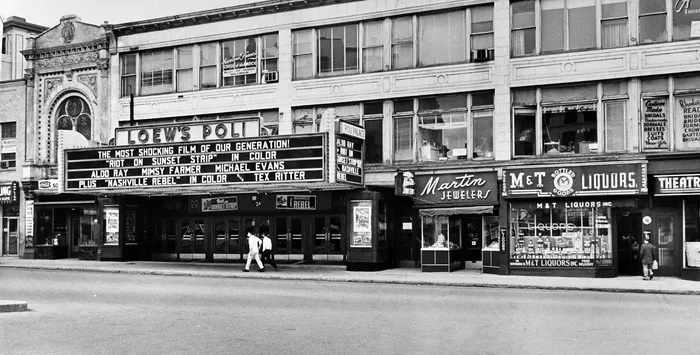
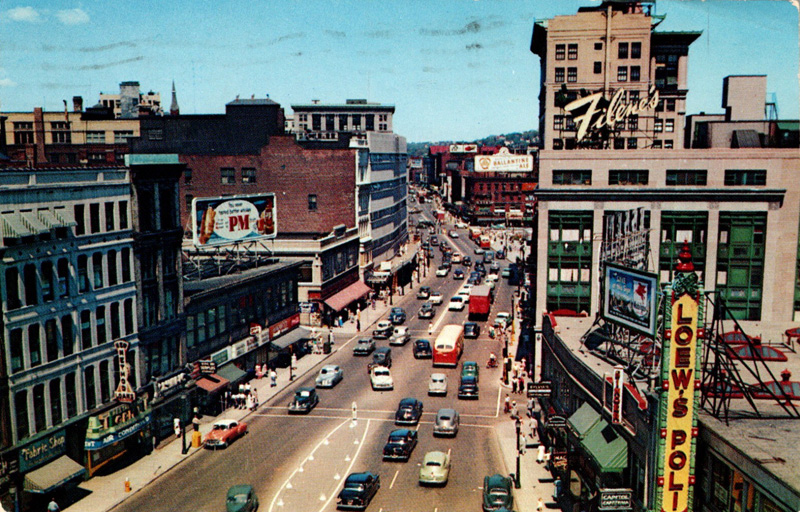
Poli sold a percentage of Poli’s Palace and some other holdings to Fox Theatre Corporation and all venues in the Poli chain were renamed Fox-Poli until 1932, when the Great Depression led to Fox declaring bankruptcy and Poli regaining control. Loew’s Theatres bought a majority share in 1934, renaming the Poli properties Loew’s-Poli, but sold them all between the early ‘40s and mid-‘60s, including the former Poli’s Palace in Worcester, which Boston-based Redstone Theatres Corporation purchased in 1967 and rebranded as Showcase Cinemas. Though most of the original interior was removed to make room for new seats, a new lobby, a panoramic movie screen and a projection room – erasing most of Lamb’s design – the grand staircase and balcony remained largely intact. The theatre remained open for the next 31 years, closing in 1998 after the opening of a new multiplex cinema on the outskirts of the city.
EDWARD MADAUS, PAUL DEMOGA, RENOVATION, WURLITZER ORGAN
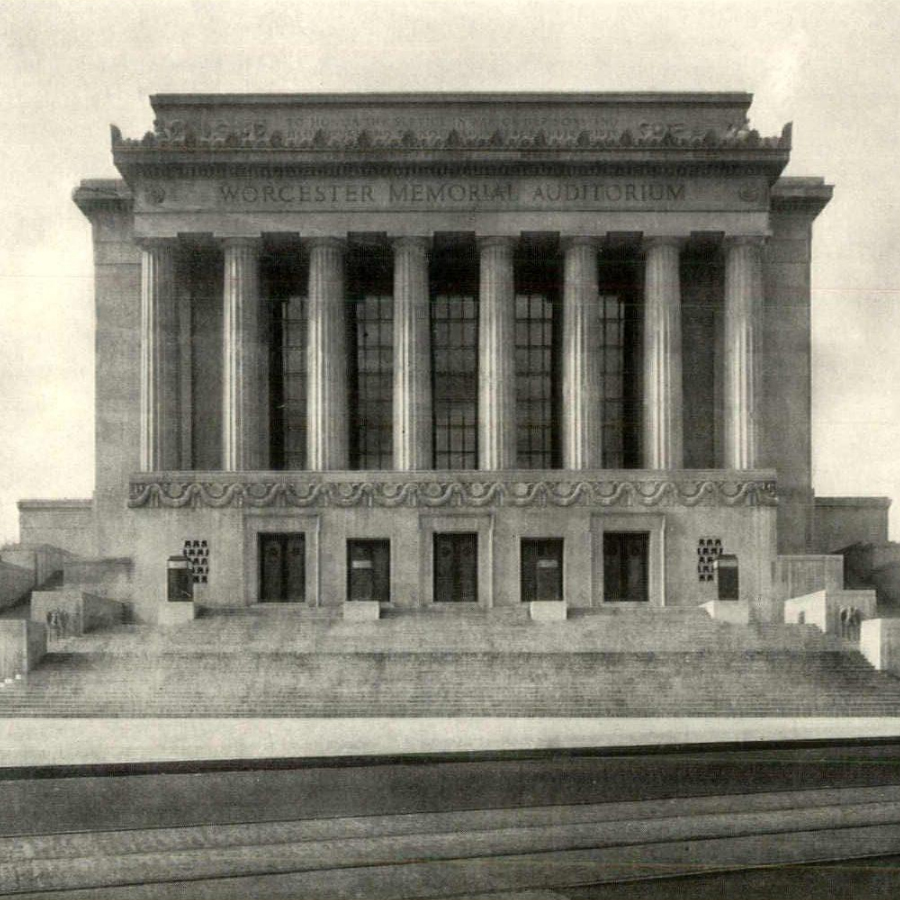
Fast forward to 2000, by which time the building had been empty for nearly two full years, when Edward P. Madaus, a Worcester native with a keen interest in the arts, and his friend Paul J. Demoga, a local attorney, noticed a “for sale” sign on the dilapidated structure. Thinking that the city could use a venue to replace the recently shuttered Worcester Memorial Auditorium, they put a deposit on it the next day, formed a nonprofit called the Worcester Center for Performing Arts and gained ownership of the building for a nominal fee.
Their initial renovation plans were modest, but they soon realized that they’d taken a multi-million-dollar reconstruction project on board, making the idea of turning the building to is glory days seem unrealistic, if not impossible. The project eventually gained momentum, however, with funds coming in from a broad range of sources, including a $3 million naming gift from The Hanover Insurance Group, a $1 million contribution from local philanthropist Mary C. DeFeudis, $11 million in federal tax credits and hundreds of donations from local businesses and individuals.
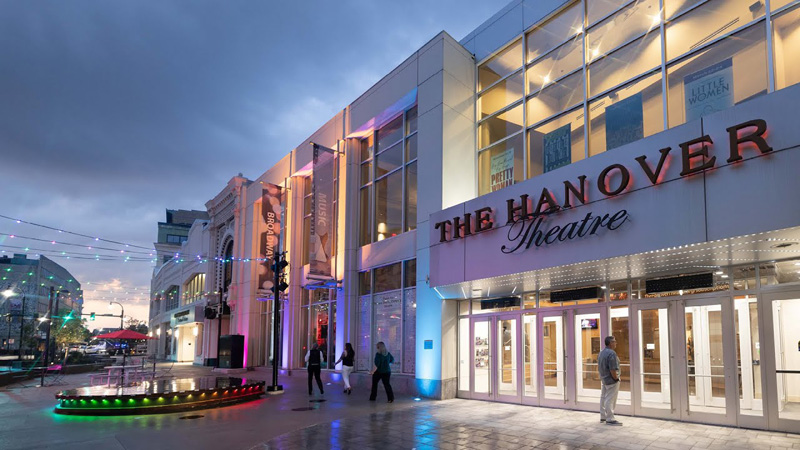
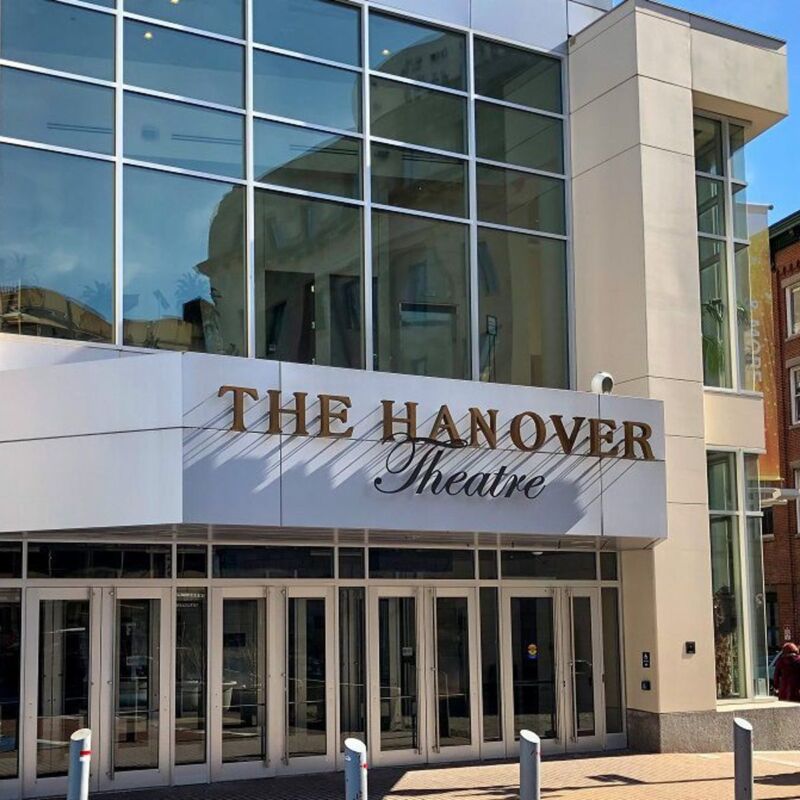
After raising a reported $32 million, Madaus and Demoga hired Worcester architectural firm Lamoureux Pagano & Associates to handle the design and reconstruction. Since Lamb’s original designs were unavailable, a team of five measured scars on the exposed walls and studied historic photos for about 18 months to create a reasonably accurate set of drawings. After reconstruction was complete, they installed modern lighting and sound systems, expanded the stage, recreated some decorative elements and added a two-story glass pavilion while preserving the façade of the Franklin Square Theatre from 1904.
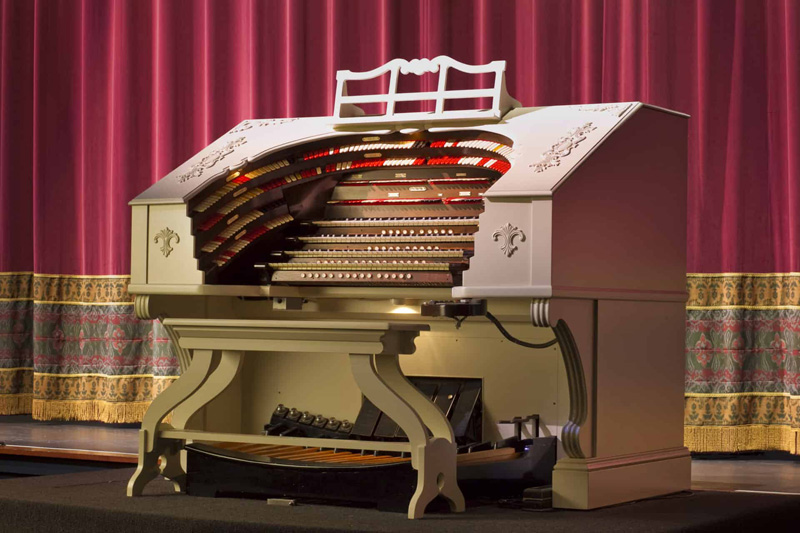
In November 2007, local engineer Donald Phipps and a crew of volunteers began installing a 2,495-pipe Wurlitzer organ in the theatre. Phipps built it himself using parts of other Wurlitzer organs that he rescued from those in various movie palaces; when original parts were not available, he obtained historically accurate replicas. Valued at over $500,000, it’s the largest pipe organ in New England and was played in public for the first time in March 2009.
REOPENING, NOTABLE APPEARANCES
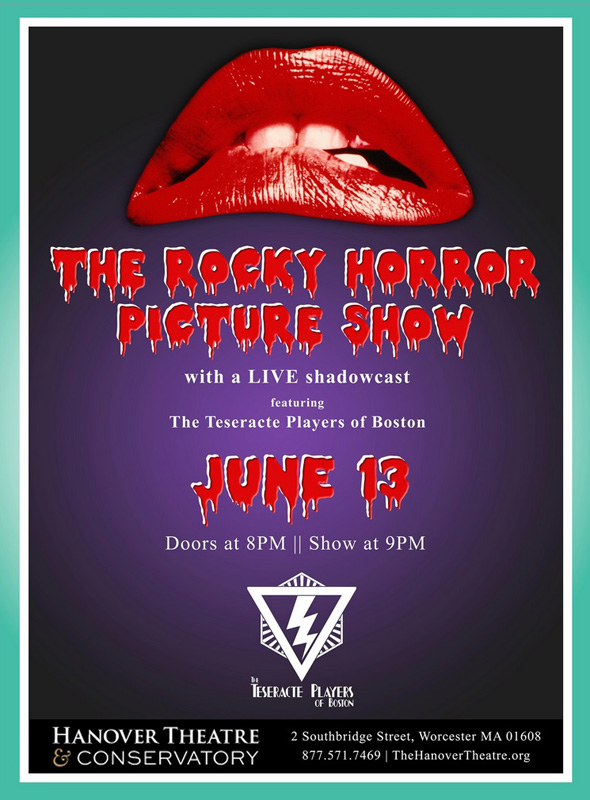
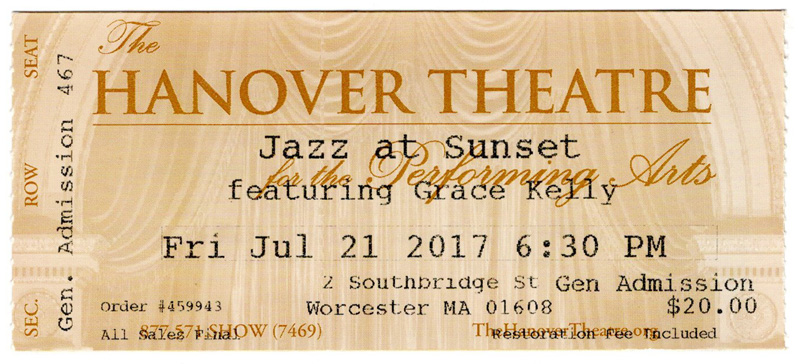
The 2,300-seat Hanover Theatre for the Performing Arts opened on March 14, 2008, with Broadway singer and actress Bernadette Peters taking the stage on the first night and commenting on the venue’s updated look. “The restoration is gorgeous!” she exclaimed to a packed house. Since reopening, the venue has hosted a multigenred array of top-tier talent, including Broadway companies, internationally renowned pop, rock, folk, soul and country acts and comedians, among them George Carlin, Bill Murray, Jerry Seinfeld and John Cleese.
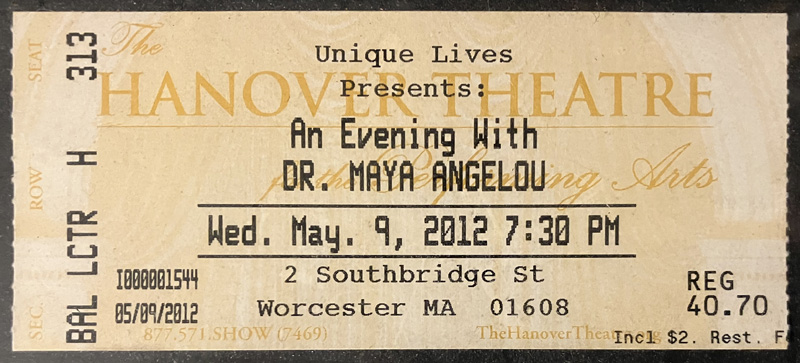
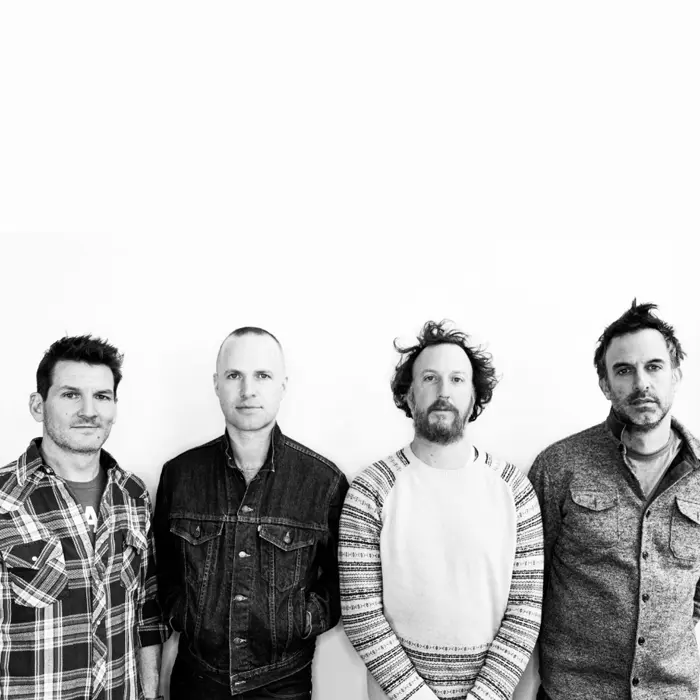
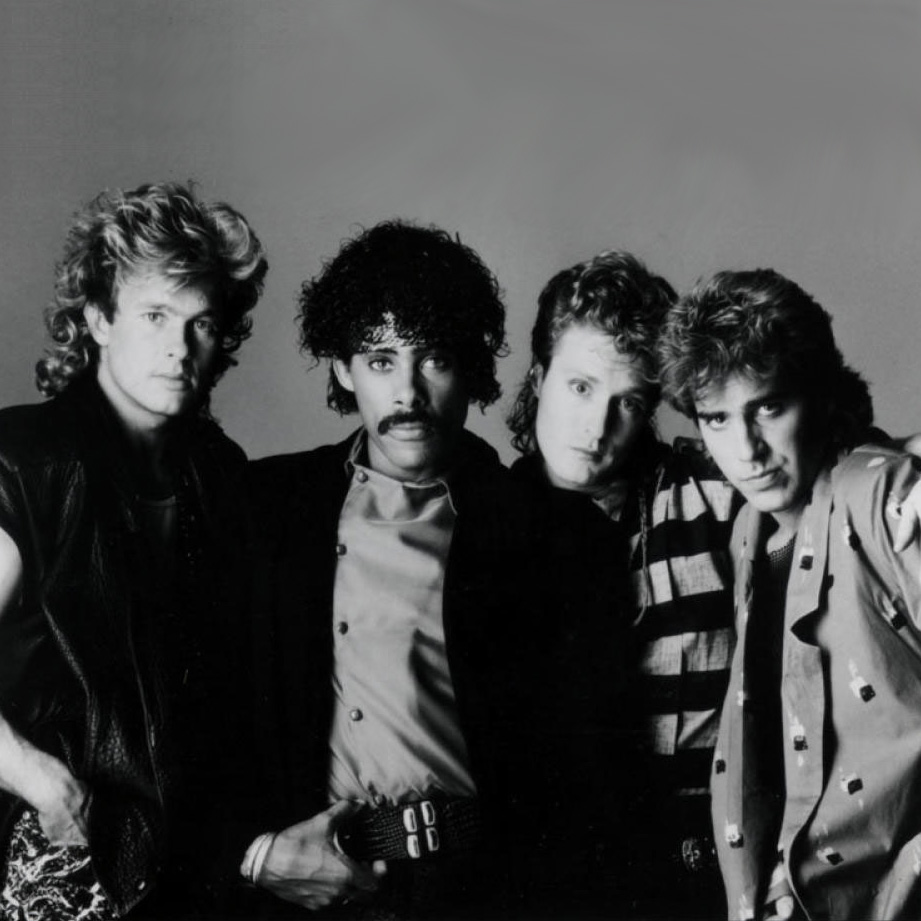
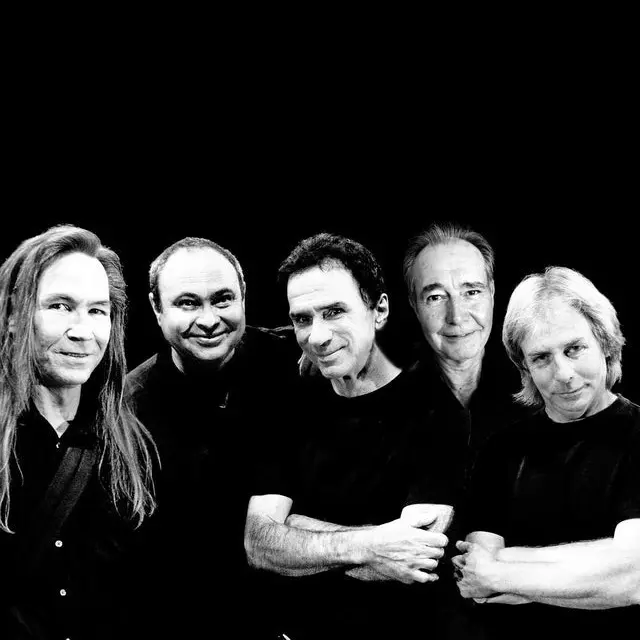
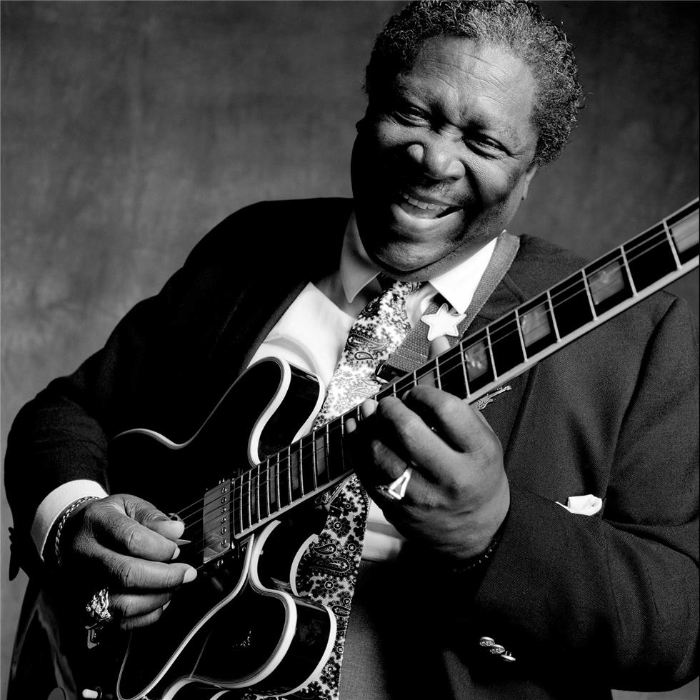
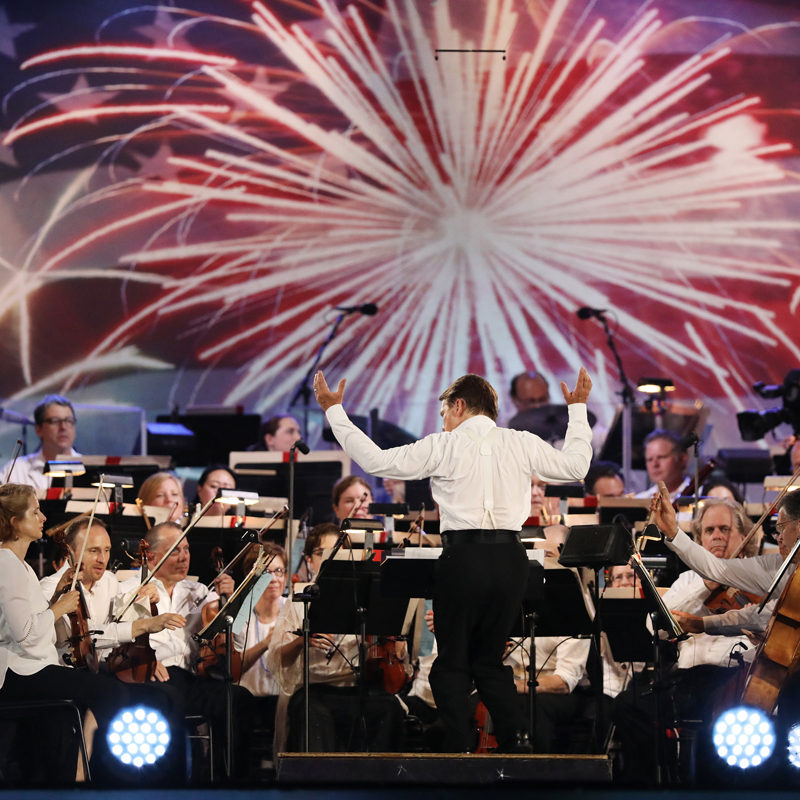
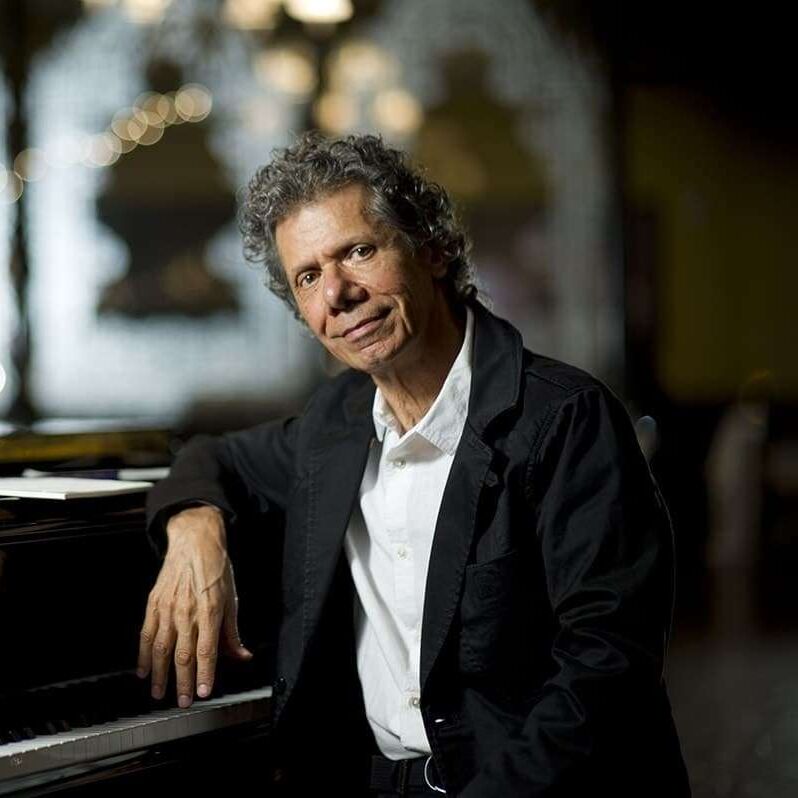
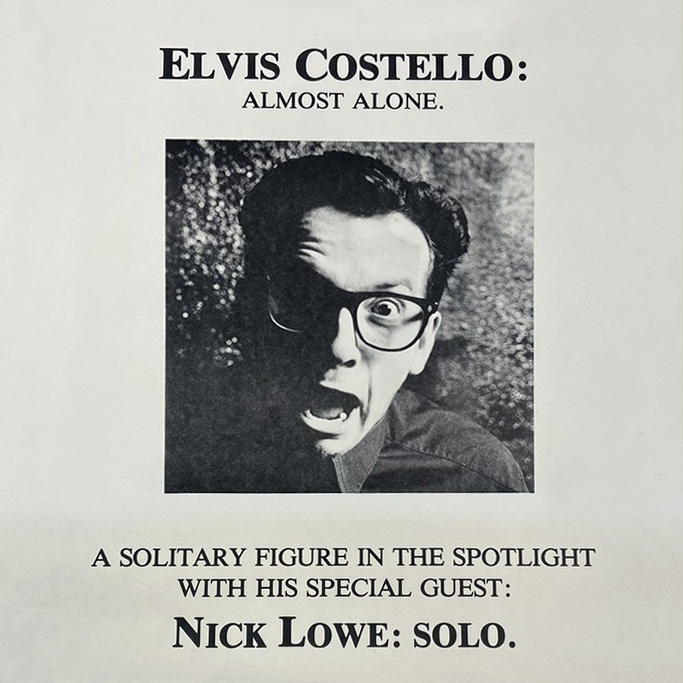
A number of New England-rooted artists and bands appeared between 2008 and 2014, including Guster, Jon Butcher Axis and The Fools. Among others were Aretha Franklin, Diana Ross, The Temptations, The Beach Boys, Emmylou Harris, Neil Young, Kris Kristofferson, B.B. King, Boys II Men, Heart and John Legend. The roster has continued to be as varied as it is impressive since then, with acts ranging from Air Supply, John Mellencamp, Englebert Humperdinck, Wynton Marsalis and the Boston Pops Orchestra to Culture Club, John Prine, Chick Corea, Donny Osmond and Three Dog Night. Others who’ve taken the stage include Béla Fleck, Gordon Lightfoot, Morrissey, Elvis Costello & The Imposters and Ringo Starr & His All-Starr Band.
REGISTER OF HISTORIC PLACES, CONSERVATORY, DOCUMENTARY
The venue was included in the National Register of Historic Places (under the name Poli’s Palace Theater) in 2011, and the Conservatory for the Performing Arts became part of the facility in 2017; it provides training in areas including acting, singing, ballet and lighting, costume, scene, and prop design. A 36-minute documentary about the theater’s history, On a Wing and a Prayer: Achieving the Impossible Dream, premiered in September 2024. Available on YouTube and the theatre’s website, it features interviews with the key figures behind the venue’s revival in addition to rare photographs from its storied past.
“It tells an inspirational story that reminds us of the power of perseverance by a small few and a community’s ability to create meaningful and lasting change,” wrote the theatre’s co-founder Mary C. DeFeudis in The Worcester Telegram & Gazette in December 2024. “I am extremely proud and happy that our dream to create a successful, world-class theater in downtown Worcester became a reality. Not many believed in the task we had undertaken. We had many naysayers. They thought we couldn’t resurrect this broken-down building. They thought we could never raise the money here in Worcester. They thought we could not have Broadway in Worcester.”
(by D.S. Monahan)