Stormin’ Norman & Suzy
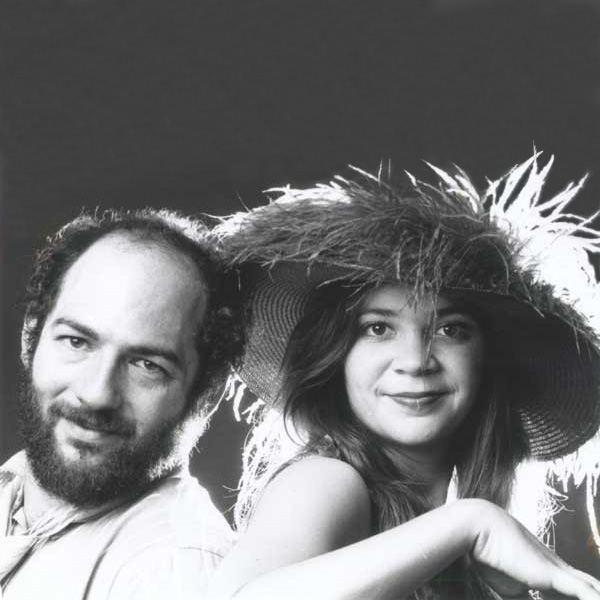
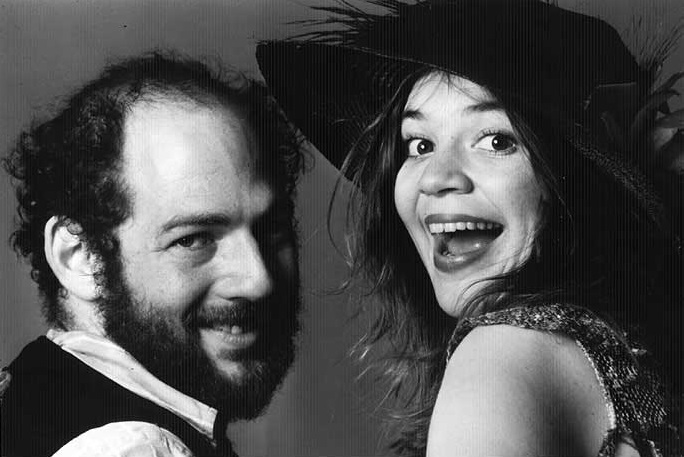
Stormin' Norman and Suzy
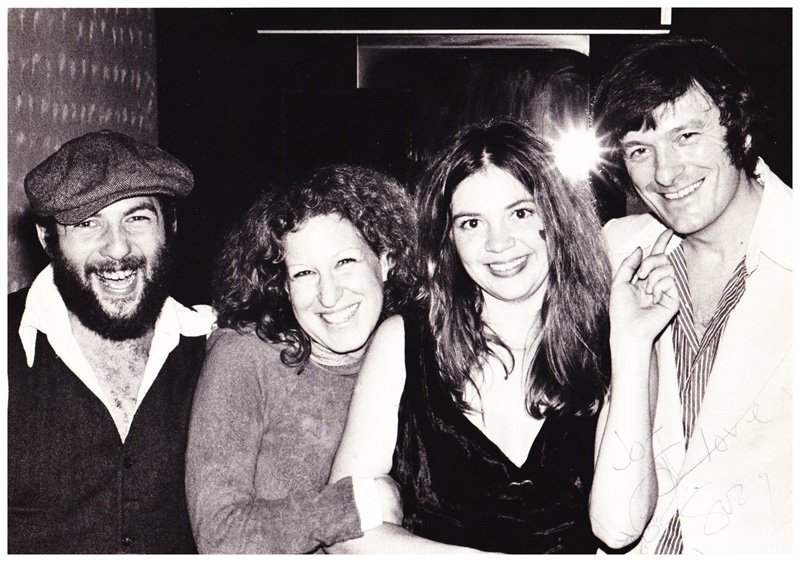
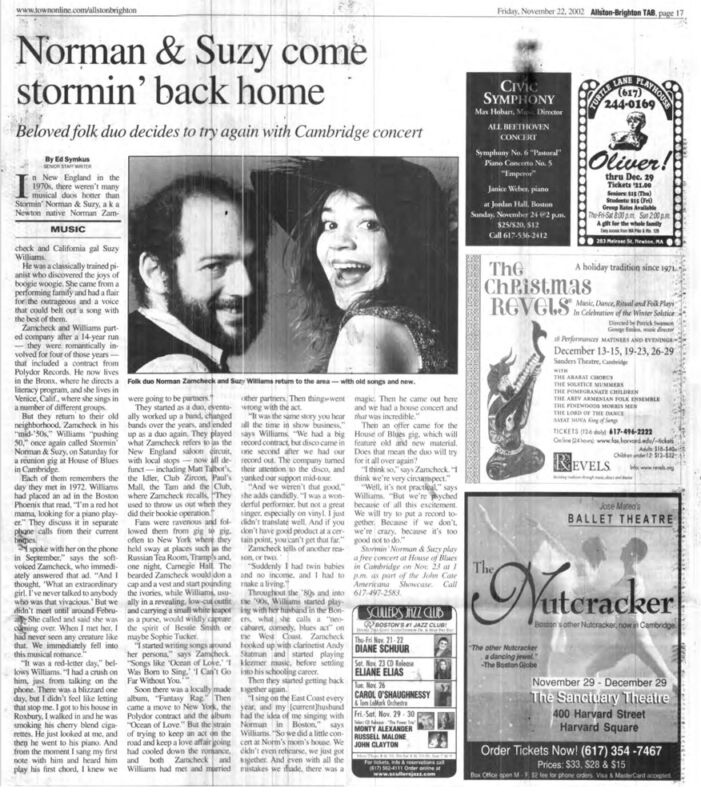
Norman Zamcheck and Suzy Williams met during a blizzard in 1972 after connecting through Suzy’s personal ad in The Boston Phoenix: “Singer needs piano player; I’m a real hot mama looking for a man strong enough to hold on to me.” Barely 18 and new to Boston, she was raised in Gridley, California by her mother, Barbara Artie King Liggett, an artist, pianist and torch singer.
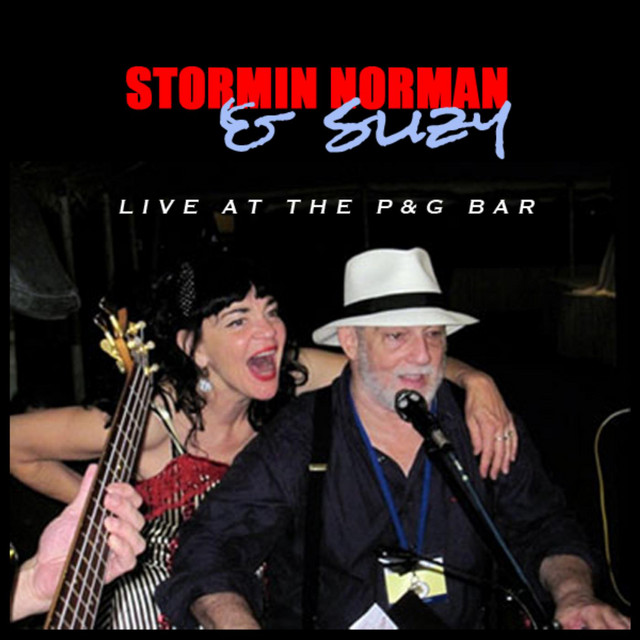
Norman, who worked with Nicholas Ray (Rebel Without a Cause) on music for his last underground film, I’m a Stranger Here Myself, in October ‘72, was a 23-year-old law student when the pair began working together. They developed a style rooted in Bessie Smith-style blues and old-style boogie-woogie piano, with Norman bringing a repertoire of original songs that fit Suzy’s brassy torch-singer style. Thanks to her unique showmanship, beauty and extraordinary voice, Rolling Stone magazine once described her as “a mixture of Bessie Smith, Sophie Tucker, and perhaps a trace of Janis Joplin.”
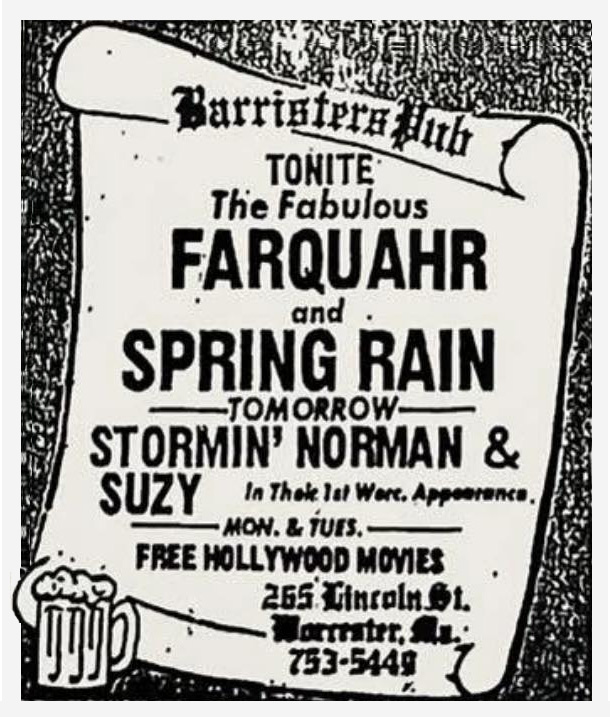
Starting on Block Island, the duo began 14 years of steady touring, performing on Martha’s Vineyard, Nantucket, in Vermont ski lodges, and in bars throughout New Hampshire and Maine. In 1974, they began hitting venues around Cambridge – The Idler, Jonathan Swift’s, Orson Welles Cinema and others – and played their first gigs in New York City. Soon after that, traveling in a beat-up Indigo blue Chevy Nova painted with fluffy clouds, they toured the Berkshires in Western Massachusetts, playing clubs in Pittsfield such as Alice’s Restaurant, the Red Lion and a crazy dive called Mundy’s in Lenox.
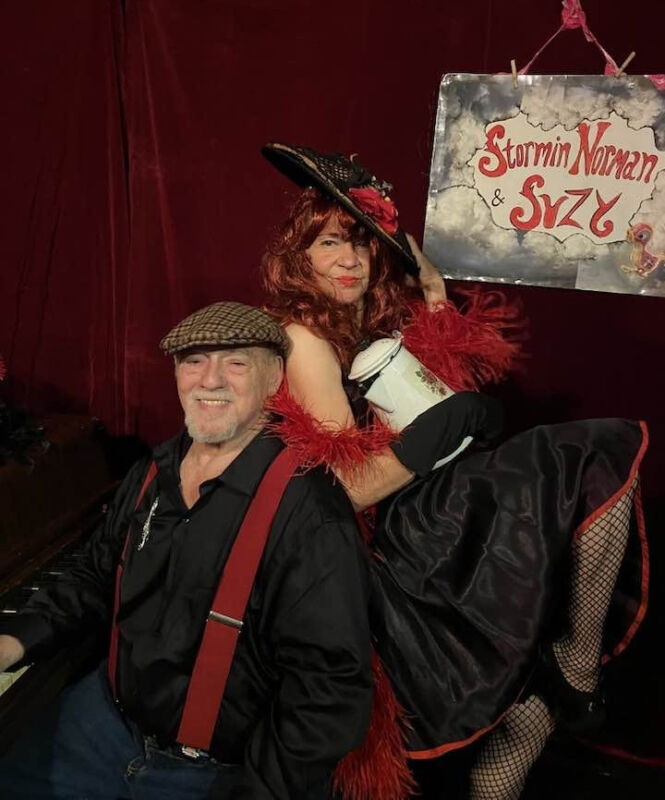
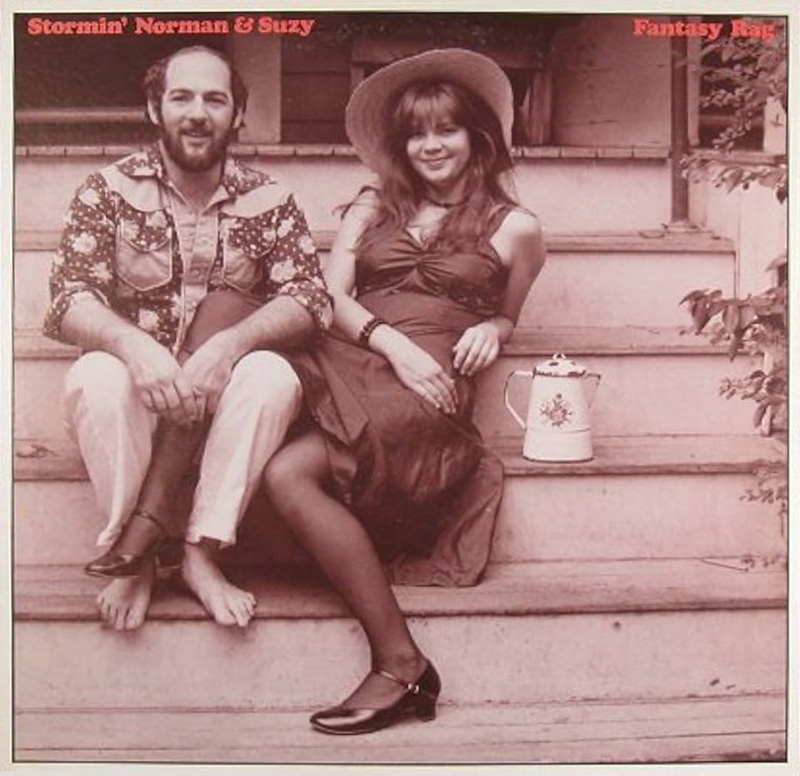
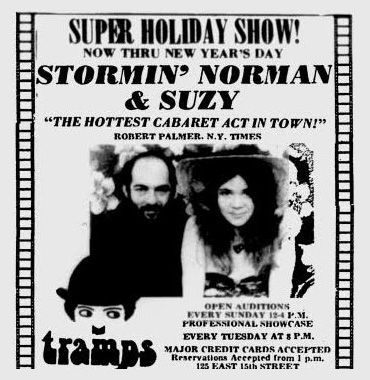
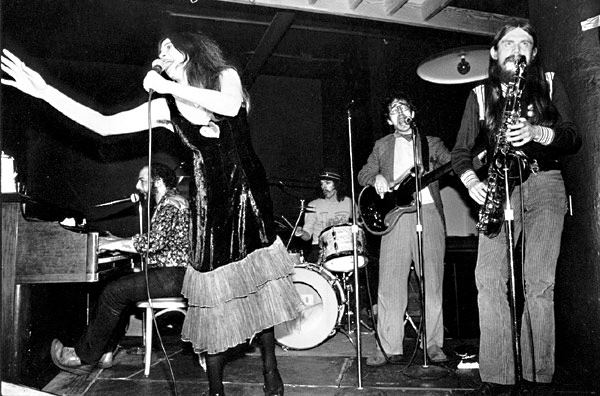
They recorded their first album, Fantasy Rag, in a basement in the Boston suburb of Newton Highlands for Perfect Crime Records in 1975, then hired a full band to tour all the New England states. The group featured Tom MacDonald on drums, Bobo Lavorgna on bass and vocals, and Dave Stringham on clarinet and sax, with Suzy often performing in black velvet Diamond Lil dresses with a red boa, her signature floppy black hat, and a coffee pot for a purse. The Boston Phoenix labeled them the “Hottest Cambridge Bar Band” and a 1976 review in The New York Times called them the city’s “Hottest Cabaret Act,” which helped the group land a spot opening for The Manhattan Transfer at Carnegie Hall and a deal with Polydor Records.
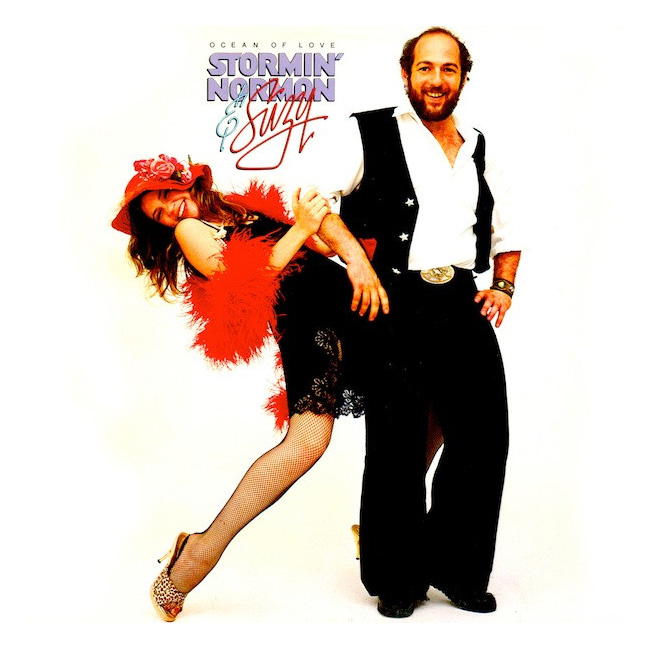
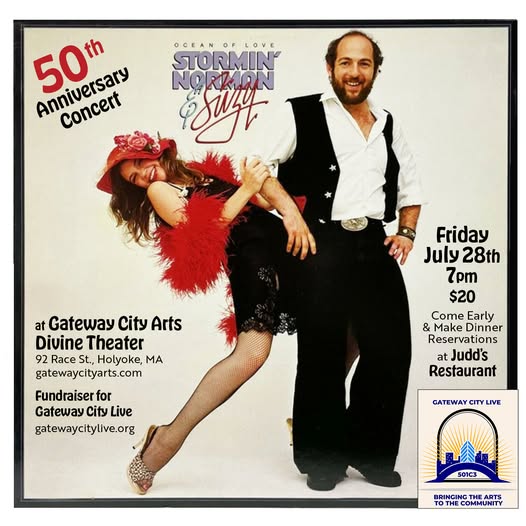
Polydor released their second album, Ocean of Love, in 1978. Recorded at Nimbus Studios in Toronto, it received positive reviews in national magazines including Rolling Stone and Cosmopolitan and in major daily newspapers. In a glowing review for The New York Times, Robert Palmer commented on Williams’s unique style; “Suzy Williams interprets Mr. Zamcheck’s captivating songs with a controlled sort of frenzy, shaking and shimmying across Tramp’s tiny stage and belting out the more extroverted tunes without once overdoing her red hot‐mama mannerisms,” he wrote. “She is a natural performer and an original whose style seems to owe little to anyone, with the possible exception of her confessed idol, Bessie Smith.”
A new band that included me, John Daniels and a horn section toured to support the record. The group appeared on the TV show Gabe Kaplan Presents the Future Stars in Hollywood, California, and opened for Kaplan in Hollywood, Florida at the Diplomat Hotel, where Suzy’s racy antics brought admonishments from the owner. Specifically, she had a routine where she’d come on stage carrying a huge suitcase and perform a reverse striptease to “I Need a Little Sugar in My Bowl” (which resulted in the group being banned from women’s colleges in New England). In 1980, a different Stormin’ Norman & Suzy band collaborated with Pilobolus Dance Theater on a “punk ballet” at the American Dance Festival.
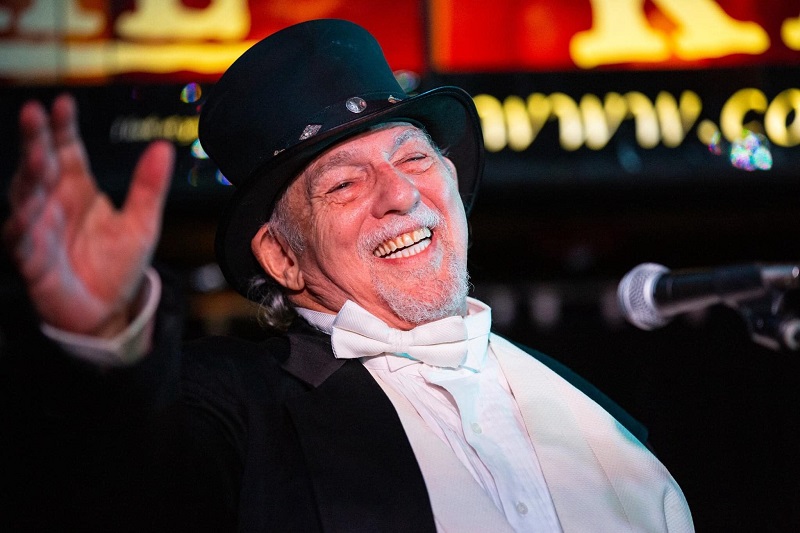
By 1986, Suzy had married another Boston musician, Bill Burnett, and moved back to Los Angeles, where she continues to perform regularly as the “Diva of Venice.” Norman worked as a public-school teacher and administrator for decades in New York City and Connecticut, raising his three kids. Since retiring in 2008, he’s recorded eight albums of original music, performing regularly as “The Real Stormin’ Norman.” He also fronts a “newgrass” trio.
(by Tim Jackson)
Tim Jackson played drums in The Chartbusters and has directed the documentaries, When Things Go Wrong: Robin’s Lane Story (2014) and Marblehead Morning: Daring and Stahl Fifty Years in Harmony (2026). These days he plays in The Band That Time Forgot.