Ralph Graham
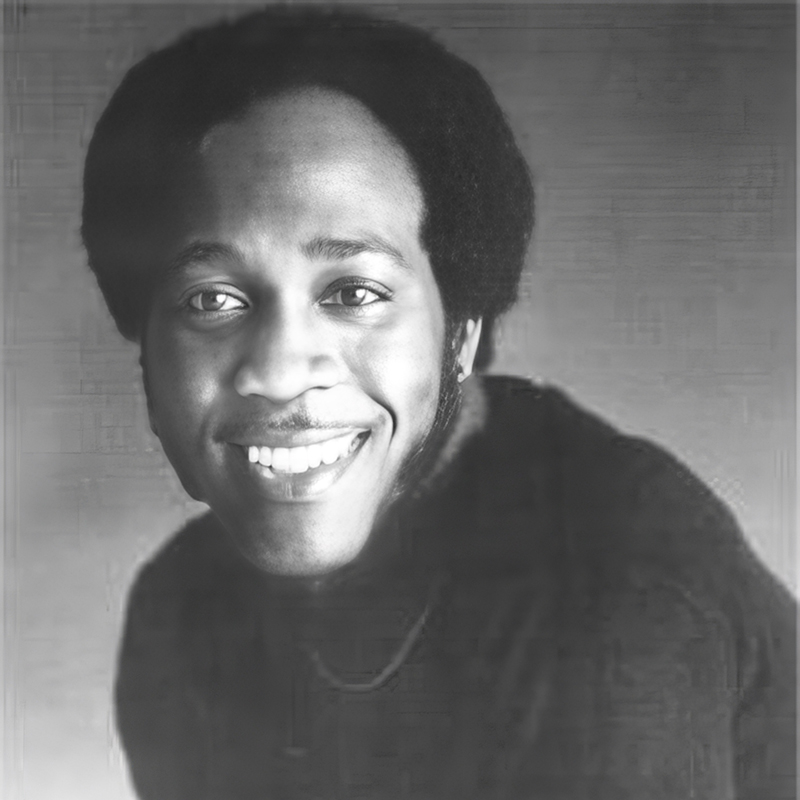
Ralph Graham
Between the pre-disco late ‘60s and post-disco late ‘70s, Boston’s soul scene was as vibrant and varied as those in exponentially larger cities like New York, Chicago and Los Angeles, with clubs like The Sugar Shack hosting nationally and internationally acclaimed solo acts and bands on an almost nightly basis. But while appearances by James Brown, Ray Charles, Sam & Dave, Gladys Knight, Jackie Wilson, Nina Simone, The O’Jays, Stevie Wonder and other icons may be the most memorable, the scene also included an army of seriously talented local cats, among them Berklee-trained Herschel Dwellingham, known as “Boston’s Number One Soul Man,” who led the house band at The Sugar Shack.
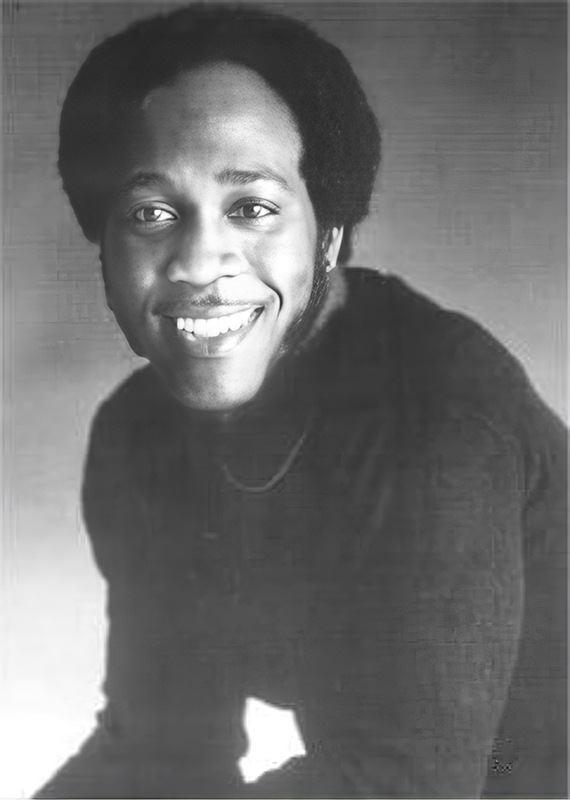
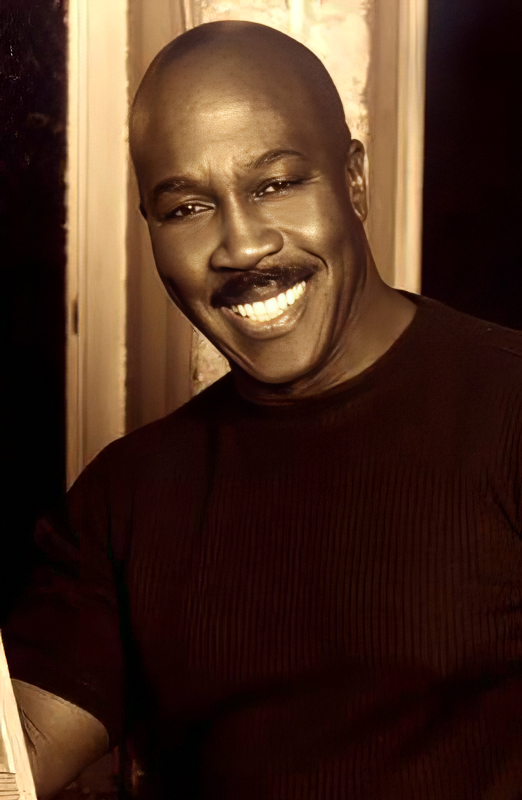
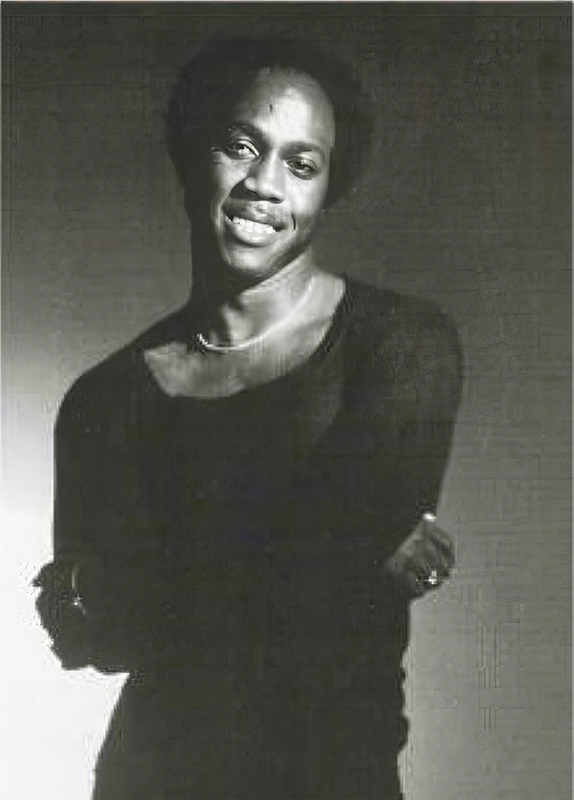
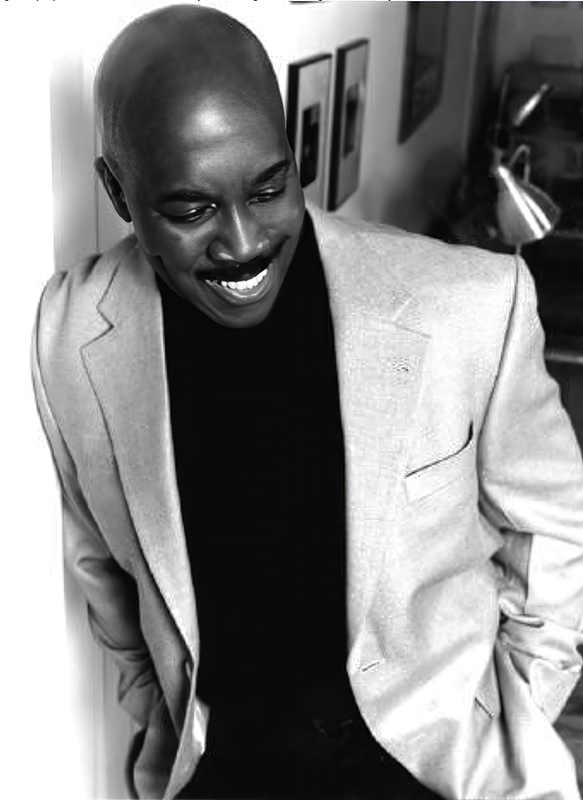
And when it comes to vocalists who were a regular presence on the Boston scene and made a lasting impression on the national one, the name that leaps to mind for many is Ralph Graham, whose baritone was so simultaneously silky and sweet that more than a few critics said he had “a voice like chocolate.” His mellifluous set of pipes aside, however, the native Bostonian became better known as a songwriter than as a singer during his roughly 30-year career, with artists including Lou Rawls, Patti LaBelle, Al Wilson and José Feliciano recording at least one of his tunes.
After cutting his musical teeth in and around his hometown in the late ‘60s and early ‘70s, Graham recorded three albums in the mid-‘70s, each of which received plenty of critical praise while having only modest commercial success. Following a 15-odd-year break from music between the late ‘70s and early ‘90s, he cut a fourth disc in 2003 and his fifth and final one in 2023. Both showcased his remarkable gift for blending heartfelt lyrics with soulful rhythms and, like his other studio outings, saw broad critical acclaim despite selling in the tens of thousands, not hundreds of thousands.
MUSICAL BEGINNINGS
Born in Boston on May 6, 1944, when the Big Band Era was in full swing and “rock ‘n’ roll” was just a euphemism for sex, Graham grew up in a music-rich environment in the city’s Roxbury neighborhood. His father was in a gospel group that rehearsed in the family home, which sparked his lifelong passion for music before he’d started kindergarten. “That was primarily where I got my inspiration,” he told David Cole of the London-based magazine In the Basement in 2003. “My father was with the group and would hear them rehearse all the time.”
Surrounded by gospel music since birth, Graham wrote his first song at age six. By the time he’d reached third grade, his tastes had expanded to include a number of other genres, including country and cowboy-style songs, which he listened to alone. “I would listen to and write cowboy-style songs and country songs, but I would have to go hide, because that was not very popular in my neighborhood to go listening to that type of music,” he told Cole. “I also listened to a lot of classical things when I was eight, nine, ten years old. Only because I liked the strings, but that wasn’t that popular where I was back then.” Among his other earliest influences were Motown acts, especially Marvin Gaye, and (“believe it or not,” he told Cole) Johnny Mathis.
Largely self-taught, Graham had developed his singing and songwriting skills to such a degree by the time he reached junior high that he became “kind of like the star at school,” he told Cole, singing at various events and widely considered to be the best vocalist in his class. At age 15, he and some classmates formed their own singing group with Graham as frontman; they appeared at venues in and around Boston over the next several years, performing covers of soul, R&B and doo-wop hits and Graham’s gospel-, Motown-, classical-influenced originals.
EARLY CAREER, FIRST SINGLES, NOTABLE APPEARANCES, “DIFFERENTLY”
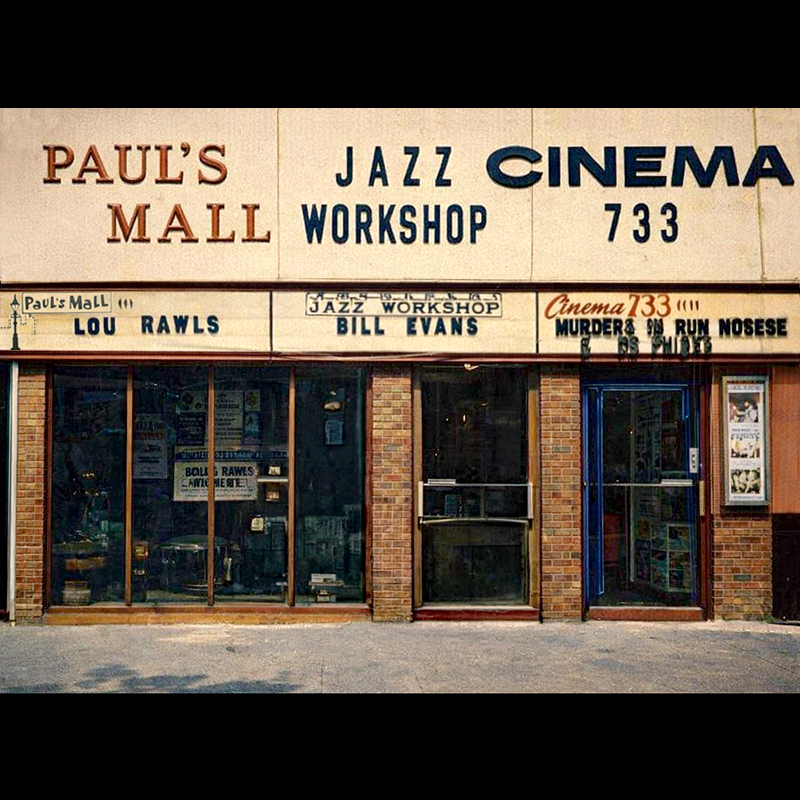
Though he began performing regularly in his mid-teens, Graham didn’t break onto the professional scene in a big way until he was well into his 20s. “Actually, I rather stopped for a while because I got married at a very early age – when I was 18,” he told Cole. “I continued singing for a year [into marriage] but I then went back into school and I didn’t go back to music [full time] for about eight years after that.” By 1968, he was fronting a band that played popular spots in Boston and Cambridge including The Sugar Shack, Paul’s Mall, The Jazz Workshop, Burke’s Place and Jacks; he appeared at those venues regularly over the next decade and took the stage at the Playboy Club in Boston’s Park Square frequently in the ‘70s.
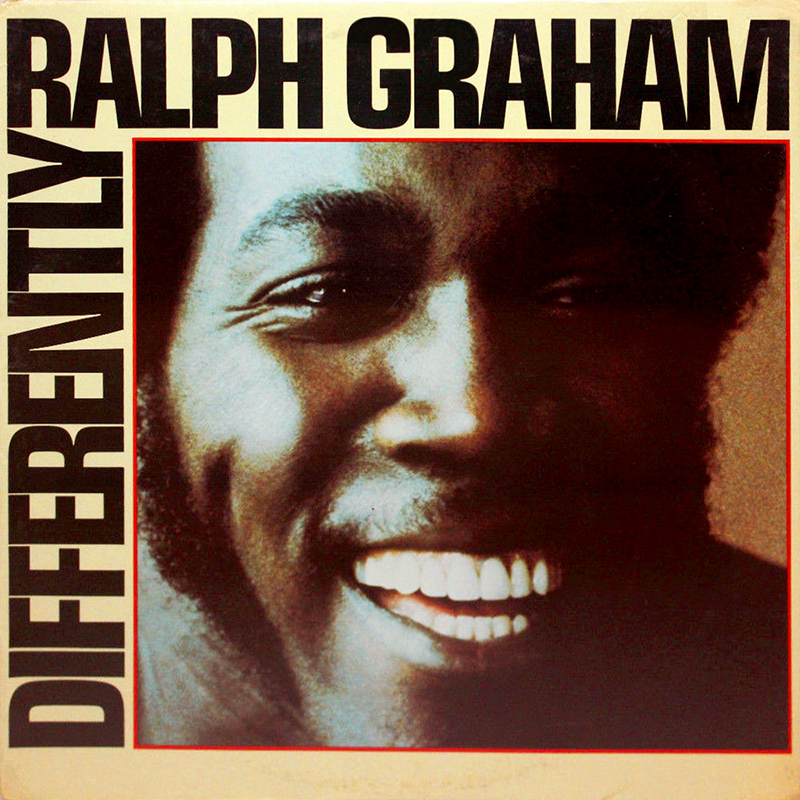
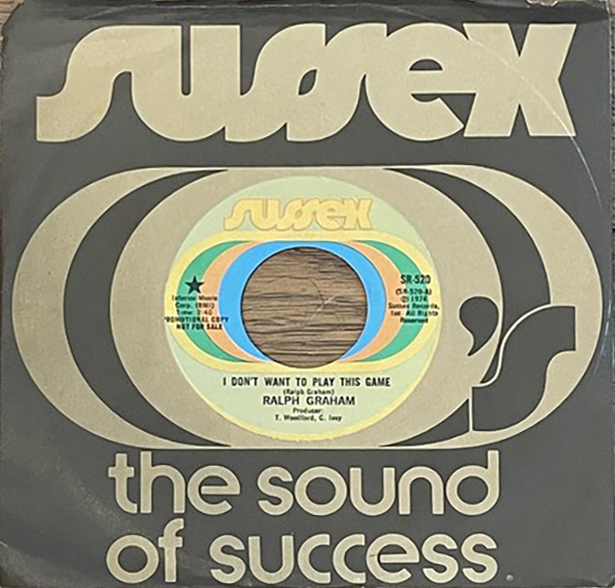
Graham’s first recordings were the singles “She Just Sits There” b/w “‘You Had To Hurt Someone” (UpFront, 1968), “Footsteps In My Dreams” b/w “Good Friends” (A&M, 1969) and “More To Life’ b/w ‘Coldwater Flat” (Evolution, 1971). None made a dent in the charts, but his profile soared in ‘74 after he signed with Sussex Records and penned “Differently,” his best known and most often covered tune, “I wrote [it] in literally 10 to 15 minutes, sitting in the car,” he told Cole, adding that it was “born out of frustration” with label execs telling him he should change his sound in order to maximize his marketability. “I was trying to get a [recording] contract and people were telling me, ‘You’ve got to do this with your music, you’ve got to take this song, you’ve got to do it this way, you’ve got to do it that way,’ you know what I mean? So I just sat in the car and wrote that song out.”
DIFFERENTLY, RCA SIGNING, WISDOM, EXTENSIONS
Ironically, some might say, since the song flips the proverbial bird at the “business” side of the music business, Sussex made “Differently” the title track and lead single of Graham’s debut album, released in October 1974. While both the album and the single failed to chart, they put him on the national map, which led to appearances at prestigious venues including The Bottom Line in New York City. Artists who’ve recorded their own rendition of “Differently” include Thelma Houston, Al Wilson, Freddy North, José Feliciano and Jerry Butler.
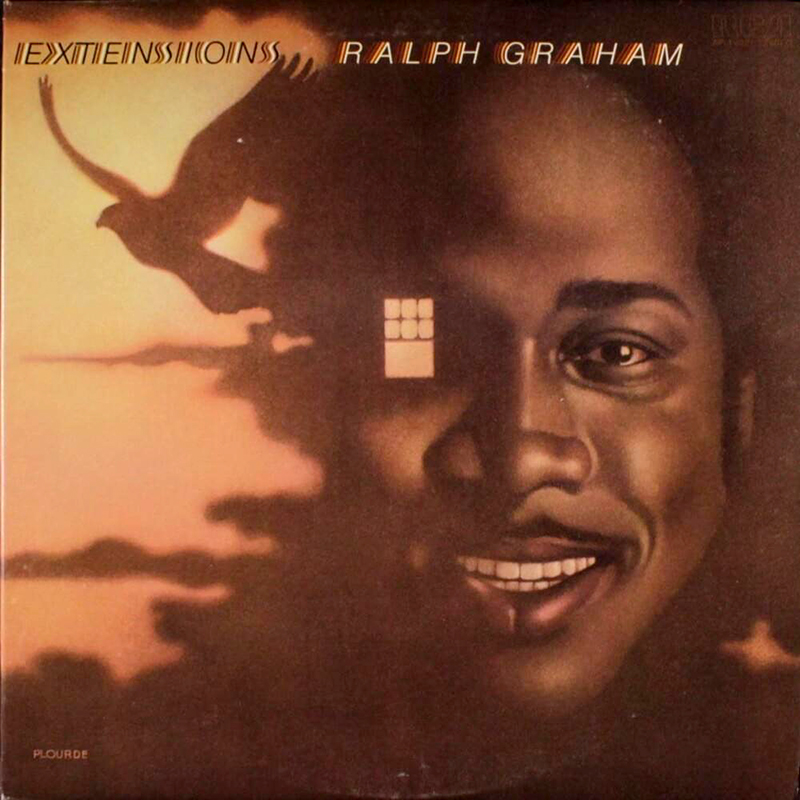
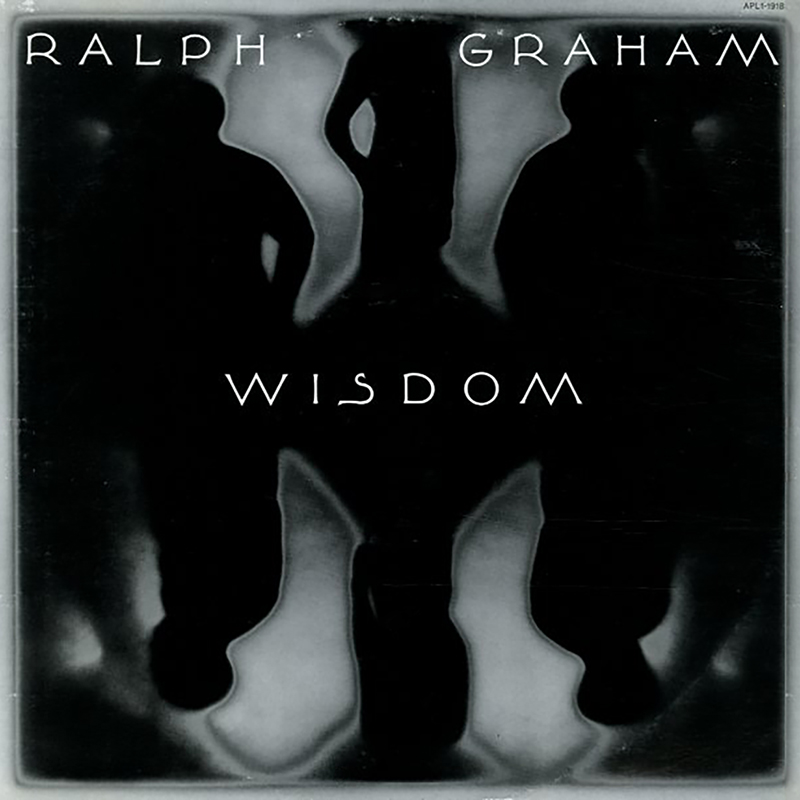
In 1976, Graham landed a deal with RCA that significantly expanded his production resources, which the label thought would help broaden his audience. His first RCA LP, 1976’s Wisdom, featured sophisticated horn and strings arrangements, first-call session players including bassist Ron Carter and drummer Steve Gadd, and was produced by acclaimed pianist-composer-arranger Leon Pendarvis. His next album for the label, Extensions, dropped in ‘77 with Graham credited as producer. Both discs, which include only Graham’s originals, not covers, received strong reviews, with critics noting his unique position as an introspective soul singer amidst the mainstream funk and disco trends of the day.
COLUMBIA SIGNING, HIATUS, RETURN TO MUSIC
The RCA albums were successful enough to attract the attention of an even bigger, more prestigious label, Columbia, which signed Graham in 1978. In an event too tragic for even the most gifted songwriters to explain in a tune, however, his wife died of cancer shortly after the signing, which led to Graham spending the next 15-odd years away from music and not recording any singles or albums for the label. “Columbia wanted me to move out to California [since] I was doing a lot of co-writing out there. I was all packed and ready to go, but I had two children and, when she passed away, I made the decision to get out [of the contract],” he told Cole. “They were young and I would’ve had to drag them to California, to a whole new climate and a whole new support system, and I was going to be in the studio 24/7. I just couldn’t do it. As a result, I didn’t do anything. I didn’t even listen to my own music for nine years. It was a pretty depressing time.”
Graham, who remarried during the extended hiatus and returned to songwriting when his youngest son headed off to college, eased back into music in the early ‘90s by singing and occasionally soloing in a church choir. Unsurprisingly, people began inviting the former RCA/Columbia recording artist to appear at various events. “I was just singing in the choir and started doing a couple of solos. Then I got asked ‘Can you do my wedding? Can you do this? Can you do that?’ So I started with a concert and it just snowballed,” he told Cole. By 1993, he was performing nearly as often as he had some two decades before, taking the stage at nightclubs, churches, country clubs, private parties and corporate functions across New England and the greater Northeast. As for his repertoire, it was about as varied as any soul singer’s has ever been: a mix of his own songs and ones recorded and/or popularized by an eclectic assortment of others, among them Frank Sinatra, Elton John, Lionel Richie, Luther Vandross and Babyface.
DIFFERENTLY…STILL, MIGHT BE THE ONE, DEATH, LEGACY
By the early 2000s, about eight years after his resurfacing “snowballed,” Graham had rebuilt his national profile with the help of Sunnyvale, California-based booking agency Icarian Productions. He didn’t plan on making a new album, however, so he offered his new material to others instead. “I originally started out pitching songs to other artists and I had a publisher, but he got rather sidetracked with 9/11,” he told Cole. “As a matter of fact, Whitney Houston was interested in a couple of the songs, and Destiny’s Child showed interest in one, but you know how it is. It’s hot for the moment. Finally I said, ‘I’m just going to do it myself.’”
His DIY attitude bore fruit in 2003, when he self-released his first album in 26 years: the aptly titled Differently…Still. The 10-song LP features remixed tracks from his ‘70s catalog, the previously unreleased originals “If I Should Lose You” and “Life in the Game of Love,” and an expertly delivered selection of covers: “Fly Me to the Moon,” “My Funny Valentine,” “You Are So Beautiful,” “All the Way,” and “Long and Winding Road.” Having reaffirmed his skills to countless thousands who may have forgotten his name – and introduced himself to a younger generation who never even knew it – he spent the next two decades performing regionally and nationally, and in 2023 he self-released Might Be the One, a nine-track collection of originals.
Remembered as a brilliant talent whose resilience and perseverance allowed him to overcome personal struggles and continue writing, performing and recording deeply soulful, often timeless tunes, Graham died on September 12, 2025 at age 81.
(by D.S. Monahan)