Longy School of Music
Longy School of Music Logo
Ask folks on either side of the Atlantic what they associate with Cambridge and you’ll probably get a reply related to education. In Old England, many would say “Cambridge University,” the 800-plus-year-old institution some 55 miles northeast of London. In New England, many would say “Harvard,” the nearly 400-year-old university that’s arguably the iviest of the Ivys, and many others would say “MIT,” the 160-plus-year old bastion of science, technology, engineering and mathematics tutelage.
But ask music lovers in and around Cambridge, Massachusetts the same question and you might get a different education-related response: Longy School of Music, which was founded in Boston in 1915 but moved to Cambridge in 1930. Along with Berklee College of Music, New England Conservatory and Boston Conservatory at Berklee across the Charles, it’s among the region’s most acclaimed educational and training institutions and, while it has far fewer students than those three and lacks much of their global name recognition, its faculty and programs have made it one of the most respected music schools on the planet.
FOUNDING, TRAINING APPROACH, CURRICULUM
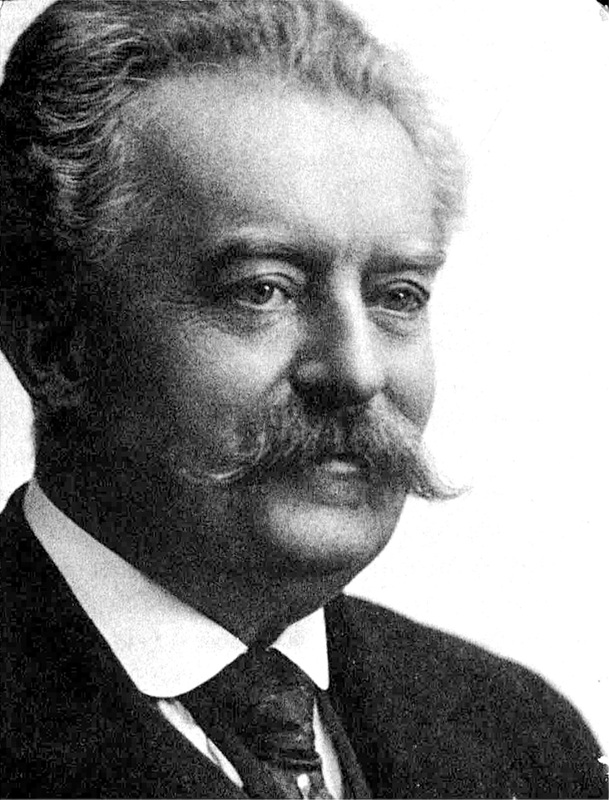
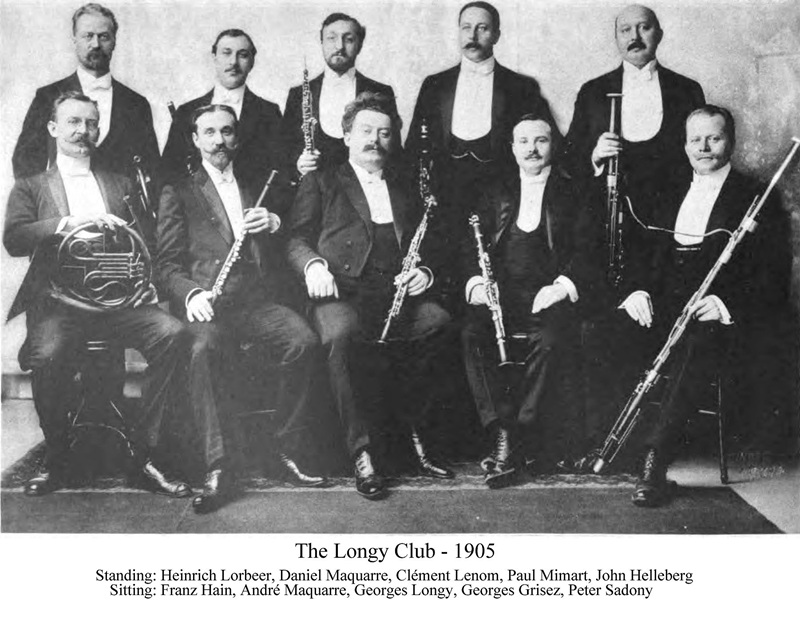
Longy School of Music was founded by Georges Longy, who was born in Abbeville, France in 1868, graduated from Paris Conservatoire and became principal oboist of the Boston Symphony Orchestra in 1898. Before opening the school, he formed three instrumental ensembles, The Boston Orchestral Club (1899), The Longy Club (1900) and The New York Chamber Music Association (1913); after establishing the school, he conducted two Boston-based ensembles, The MacDowell Club Orchestra (1915-1925) and The Cecilia Society (1916). According to David Whitwell, author of 2011’s The Longy Club, Longy played an enormous role in establishing his adoptive city’s reputation as a classical-music mecca, and the late New York Times critic Olin Downes once said that Longly “probably influenced the music life of Boston more than any other one man.”
Longy used the Paris Conservatoire educational model as the foundation for his school’s training in musicianship and performance, with the curriculum stressing individual attention to each student. Central to the boutique-style approach was a focus on theory and solfège (a mnemonic used in teaching aural skills, pitch and sight reading), as Longy believed those were the basis of musical understanding; they remain core elements of the school’s approach today. “We still really believe that if a musician is going to be successful in life, they’re going to have to have serious musicianship skills, so theory and ear training isn’t a walk in the park at Longy,” said Karen Zorn, the school’s director since 2007, in a 2015 interview with Aaron Keebaugh of Boston Classical Review.
CURRICULUM/FACULTY EXPANSION, MOVE TO CAMBRIDGE
In 1925, Longy retired and returned to France, replaced as the school’s director by his 27-year-old daughter, pianist Renée Longy-Miquelle, who was teaching at New England Conservatory and performing with the Boston Symphony Orchestra at the time. In addition to recruiting a number of BSO musicians as faculty members, she established Dalcroze eurythmics – the practice of putting steps, gestures and body movements to music so that musicians learn how to hear with their eyes as well as their ears – as a fundamental part of Longy’s curriculum. The school began offering continuing studies programs to area residents and college-preparatory classes to teenagers in the ‘20s, and in 1978 it introduced programs for younger children.
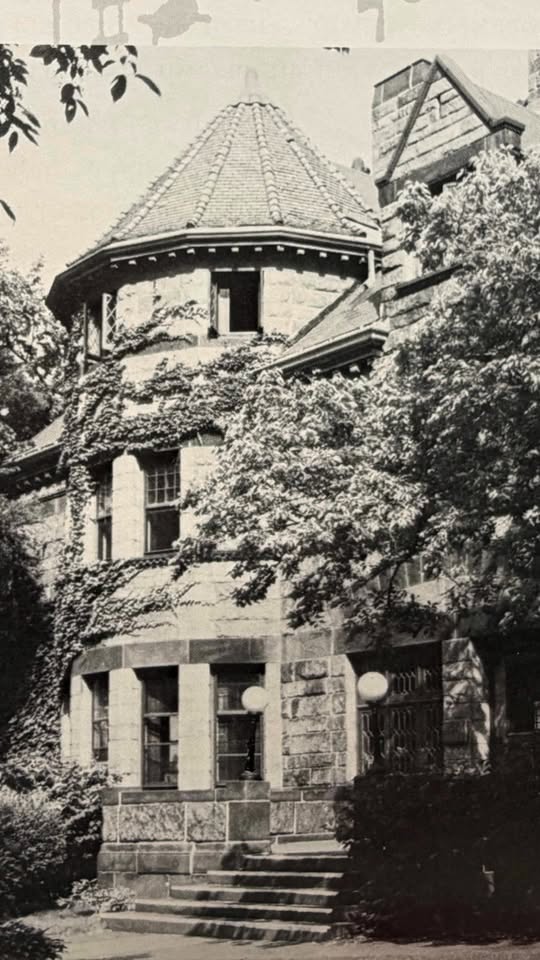
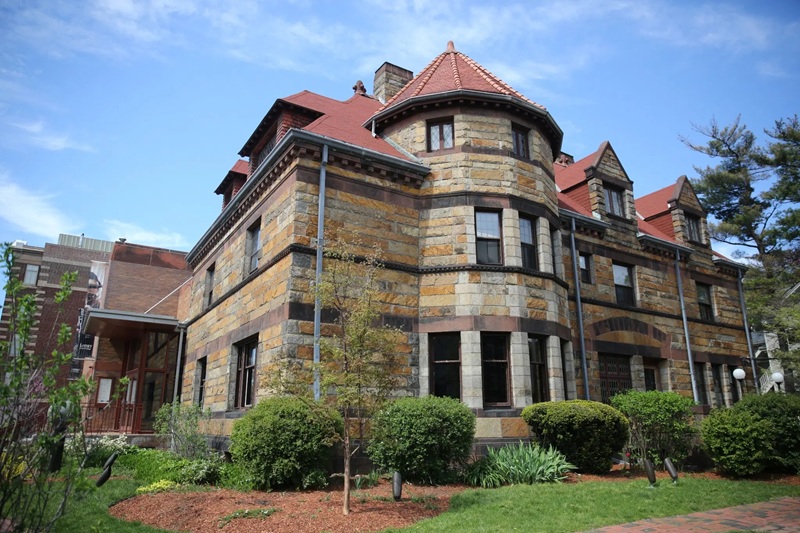
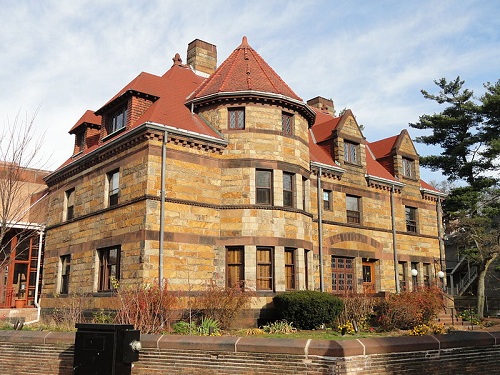
After moving to Cambridge in 1930, Longy built close relationships with Harvard and Radcliffe Colleges, which resulted in many of those school’s most gifted music students, among them composers Eliot Carter and Daniel Pinkham, studying with faculty such as conductors Walter Piston and Sarah Caldwell, composer-conductor Nadia Boulanger, violinist Wolfe Wolfinsohn and pianist Lilly Dumont. In 1937, the school bought the stone house built by railroad baron Edwin Hale Abbot in 1889 at 27 Garden Street, on the edge of Cambridge Common; it remains Longy’s primary building to this day and was included in the National Register of Historic Places in 1979.
DIRECTORS, MAIN FACILITIES, NOTABLE ALUMNI
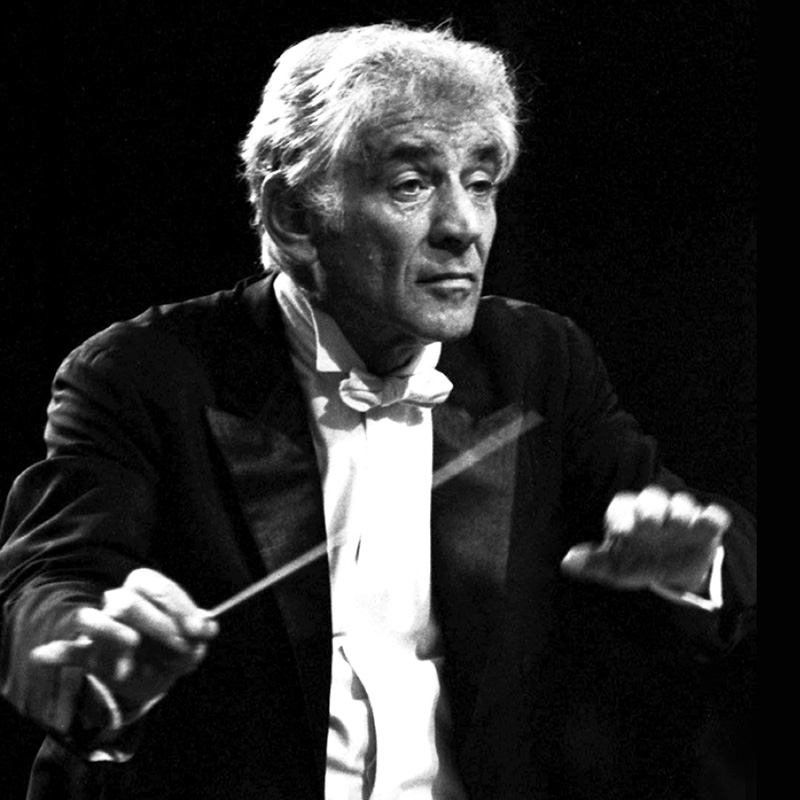
Longy-Miquelle stepped down as director in 1926, a year after taking the post, to join the faculty at Philadelphia’s Curtis Institute of Music, where Leonard Bernstein was one of her pupils in the early ‘40s. Later in her career, she taught at Peabody Conservatory in Baltimore, the University of Miami and Juilliard School of Music. Other Longy directors have included organist-theorist Melville Smith (1941-1962); pianist-composer Nicholas Van Slyck (1962-1978); violinist Roman Totenberg (1978-1985); pianist Victor Rosenbaum (1985-2001); pianist Kwang-Wu Kim (2001-2006); and pianist Karen Zorn (2007-present), who was previously on the faculty to Berklee College of Music.
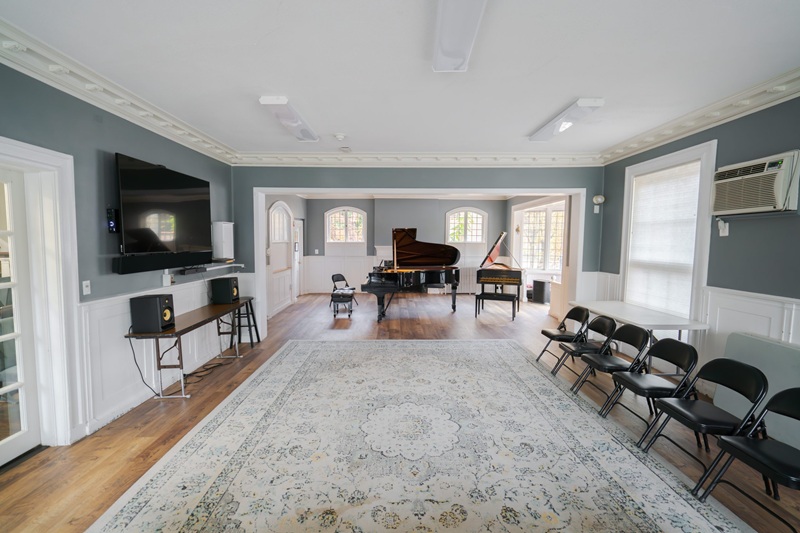
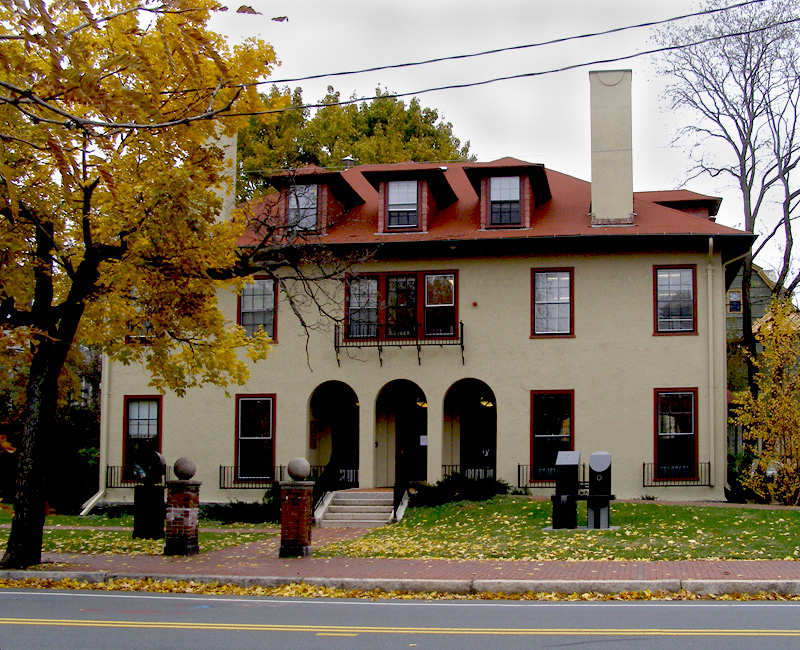
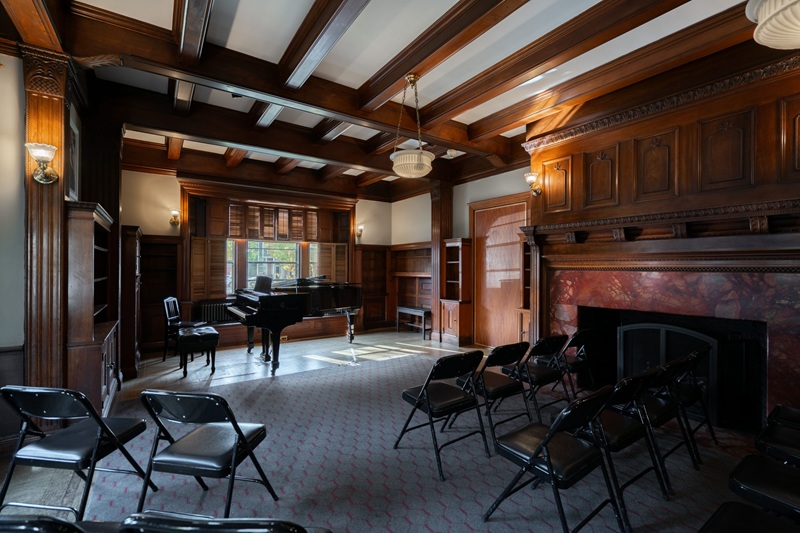
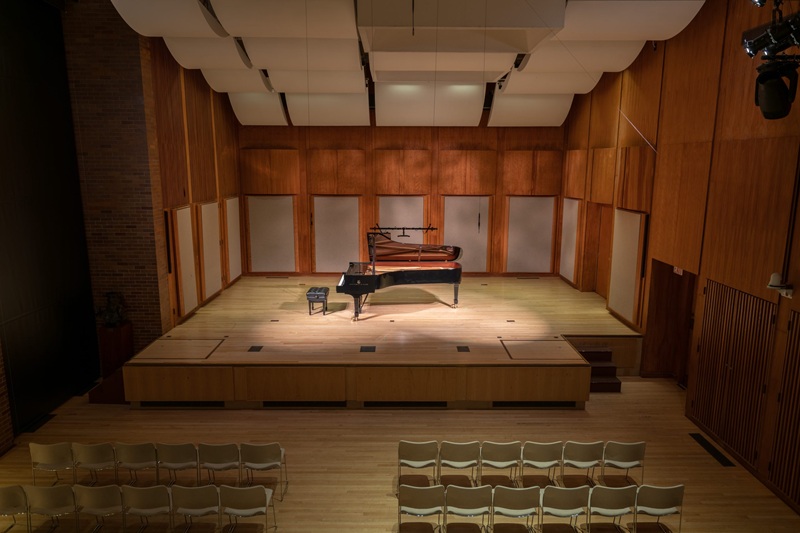
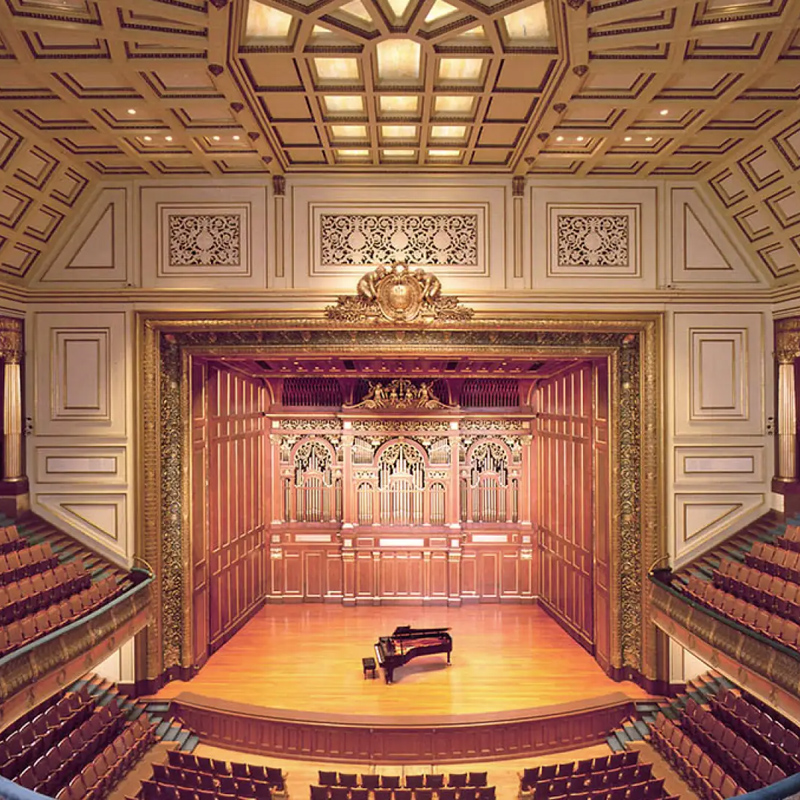
Longy’s facilities include the Edwin Hale Abbot house it acquired in 1937, known as Zabriskie House, which the school uses for teaching, administration, performance and practice; the Rey-Waldstein Building at 33 Garden Street, which houses offices, classrooms, and practice/performance space; the Edward M. Pickman Concert Hall, which opened in 1970, was renovated in 1993 and 2010 and is the college’s primary performance venue; and Bakalar Music Library, which opened in 1992.
Unsurprisingly, the school’s list of alumni is as impressive as any small educational institution’s has ever been. Among the dozens of noteworthy names are Schuyler Chapin, former general manager of the New York Metropolitan Opera and dean of Columbia University’s School of the Arts; Robert Freeman, former director of the Eastman School of Music; Greg Sandow, former music critic for The Village Voice; composer Jean Papineau-Couture; violist-violinist-composer-arranger conductor-producer Ralph Farris; operatic soprano Polyna Savridi; and operatic basso Dmitri Nabokov.
REFOCUS, BARD COLLEGE MERGER, EL SISTEMA, CENTENNIAL CELEBRATION
In 2006, when Zorn was interviewing for the directorship job, the school was on the verge of a major financial crisis, operating with a $7 million budget and a shortfall of $200,000. By the time she accepted the position, the deficit had increased to $1 million, and the situation became significantly worse in 2008, when endowments and annual gifts plummeted due to the Great Recession. That resulted in the school refocusing on the types of students most likely to choose Longy over other options. “We figured that we were drawing our best students from small liberal arts colleges with good music departments,” she told Boston Classical Review’s Keebaugh in 2015. “There was a kind of student who had a good, well-rounded education who was really drawn to Longy, who was probably not going to apply at Juilliard. Somewhere in the middle of that, Longy looked really appealing.”
The newfound concentration on undergrads at liberal arts colleges led the school to add a social thrust to its mission: “Preparing musicians to make a difference in the world.” One element of that is the Teaching Artists Program, where every student undergoes training on how to reach different audiences from diverse communities and musical experiences. The refocus also led to Zorn meeting with Leon Botstein, president of Bard College in Annadale-on-Hudson in New York, in 2008 to discuss a possible collaboration. Things clicked in a big way, and the schools merged on April 1, 2012, with Longy School of Music being renamed Longy School of Music at Bard College. Since then, they’ve established a Master of Arts in Teaching in Music degree program in Los Angeles.
Longy-Bard have also formed a close working relationship with the Los Angeles Philharmonic and its conductor Gustavo Dudamel, an outspoken advocate of the Venezuela-born community programs for children in underserved areas known as El Sistema. Since the merger, Longy students have served as mentors in the Side-by-Side Orchestra, which pairs them with musicians from El Sistema programs in Los Angeles and Massachusetts. “We try to give students a thoughtful, curated kind of experience with El Sistema,” Zorn said in 2015. “I really hope that a lot of them will discover that, “My god, this is really meaningful work, this may be the thing for me.”
There have been other changes since the merger, among the most controversial being the discontinuation of Longy’s college-prep programs in 2013. One thing that isn’t in dispute, however, is that the Longy-Bard partnership has created a far better balance sheet; the school’s operating budget is now $9 million, and it’s in the black. “We’re not a wealthy organization,” Zorn told Boston Classical Review’s Keebaugh. “We’re always having to be incredibly creative about where we put out resources.” These days, the school offers two four-year programs, an Undergraduate diploma and a Bachelor of Music degree (the latter in conjunction with Emerson College in Boston), and two two-year programs at the graduate level, a Graduate Performance diploma and a Master of Music degree. The total number of students enrolled for the 2024/’25 school year was 318 (34 undergraduate and 284 graduate).
In September 2015, to celebrate its centennial, the school hosted SeptemberFest, a two-day event that featured Longy ensembles, faculty and students in addition to special guests. Performing artists played pieces that highlighted the connections between Paris and Boston as well as material by Charles Martin Loeffler, a former faculty member, “Rhapsodie pour Saxophone,” composed by founder Georges Longy, popular songs from 1915 and an assortment of Broadway classics. “We’ve been around for 100 years, we’ve made it through plenty of choppy water, and we’re deeply committed to what we do,” Director Zorn told Boston Classical Review’s Keebaugh, noting that the school has “managed to maintain the spirit of its founder” through the decades. “And it really does feel like people are catching on to what we do here.”
(by D.S. Monahan)