Jeffrey Osborne
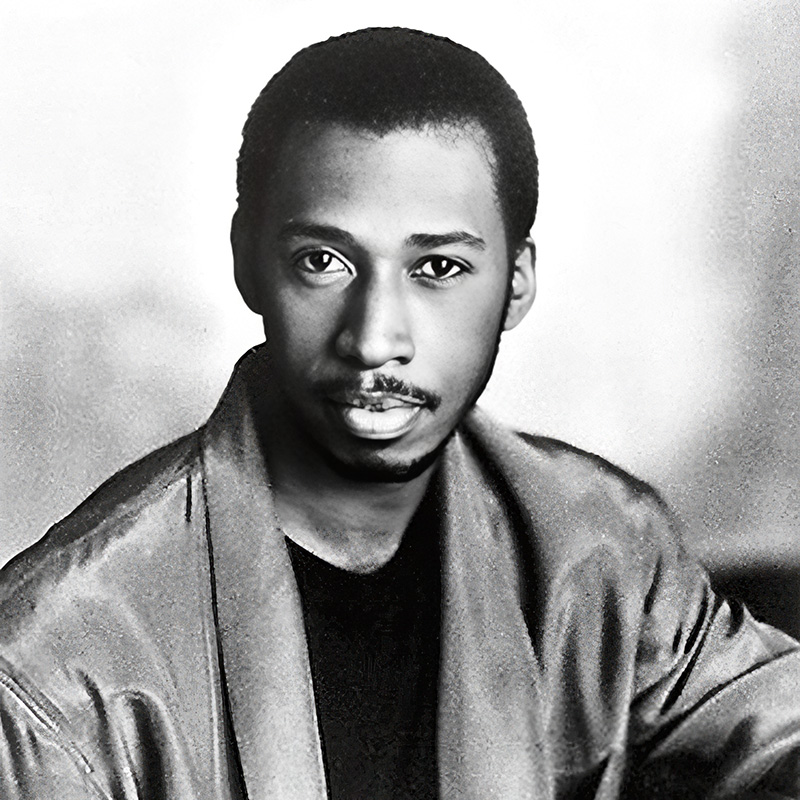
Jeffrey Osborne
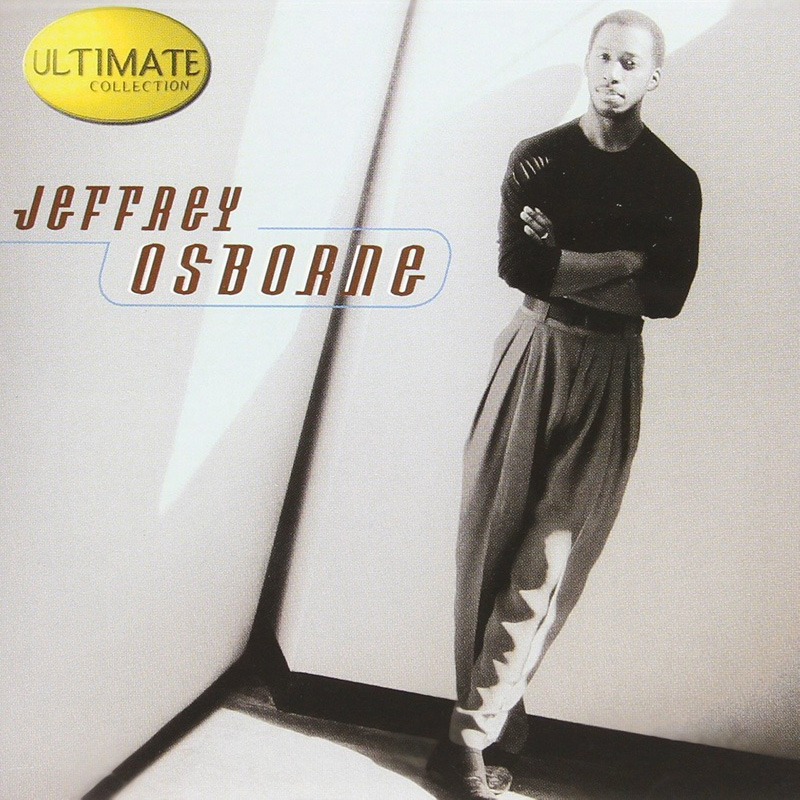
Countless millions know Jeffrey Osborne as the honeyed baritone behind “On the Wings of Love,” the ballad from 1982 that became a global hit and karaoke staple from Toledo to Tokyo, establishing him as one of the era’s most soulful voices. On the other hand, not many know that he penned the lyrics to a tune that’s equally recognizable, Whitney Houston’s “All at Once” from 1985, which established him as one of the era’s most successful songwriters. And even fewer know that he began his career behind the drums, not center stage with a mic, and honed his chops in his home state of Rhode Island for years before gigging nationwide and becoming the internationally renowned balladeer that he is today.
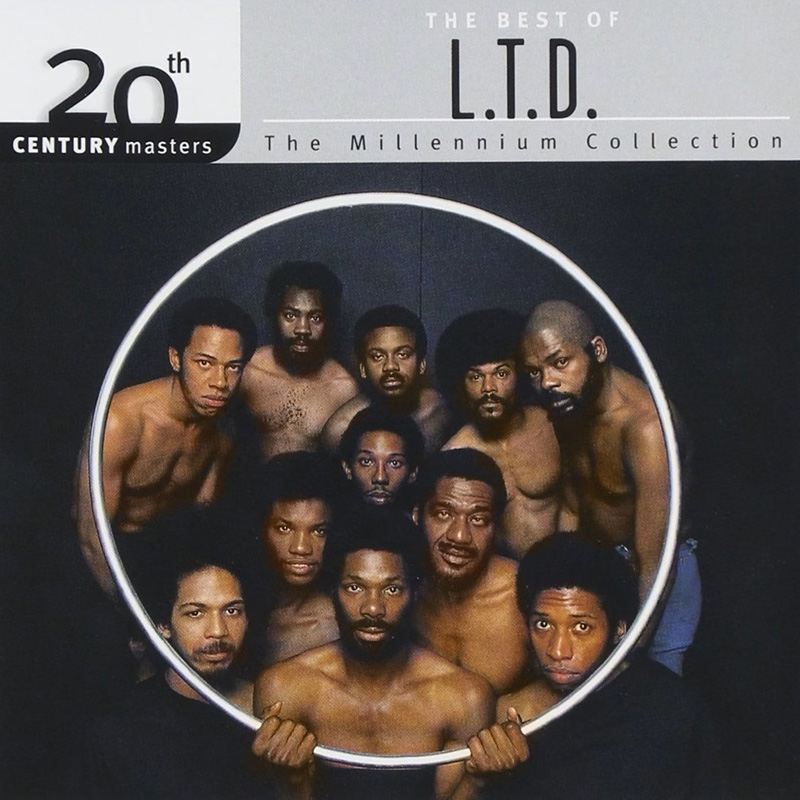
A four-time Grammy nominee who spent the ‘70s playing drums and singing with funk/soul group L.T.D., Osborne’s recorded 12 solo albums, three of which have gone gold, and he had more top-five singles in Billboard charts than any solo artist except Michael Jackson in the ‘80s. Twenty-two of his songs have made it to the top 50 in the Billboard R&B chart, 12 have cracked the mainstream Billboard Hot 100, and he sang alongside a star-studded assortment of household names on 1985’s “We Are the World,” which hit #1 in over 20 countries. In terms of style, he’s widely known for his precise, sensual phrasing, often likened to that of Marvin Gaye, and the combination of tenderness and raw power in his delivery, often likened to that of Teddy Pendergrass.
Osborne was inducted into the Rhode Island Music Hall of Fame in 2004 (and the National Rhythm & Blues Hall of Fame in 2024), but he’s nearly as well-known in the Ocean State for his philanthropy and the educational initiatives he’s spearheaded as for his golden set of pipes. Along with the Jeffrey Osborne Foundation and the Clay Osborne Foundation (named after his late brother), both of which raise funds for music education in Rhode Island’s schools and for nonprofits that support the underprivileged, he established the Jeffrey Osborne Celebrity Classic, an annual charity golf tournament in which dozens of famous figures have played, among them John Havlicek, Reggie Jackson, Julius “Dr. J” Erving, Earvin “Magic” Johnson, Sugar Ray Leonard and Smokey Robinson.
MUSICAL BEGINNINGS
Born on March 9, 1948 in Providence, Osborne and his 11 siblings (five brothers, six sisters) grew up in a music-filled home. His father, Clarence “Legs” Osborne, was a trumpeter who’d sat in with jazz icons including Count Basie, Duke Ellington and Lionel Hampton, and his mother, Wanita M. Lindsey Osborne, encouraged his early interest in music, believing it showed young Jeffrey’s desire to follow a path similar to his father’s. He had an appreciation for the highly emotive type of singing heard in gospel and traditional jazz long before starting elementary school, and by the time he was in fifth grade he’d developed a lifelong passion for ‘50s-era R&B and soul.
Osborne enjoyed singing in church from the time he was a toddler and appeared with the church choir a number of times as a youngster. His first instrumental love was the drums, which he’d learned to play so well by age 14 that he began sitting in with professional groups. In 1963, the 15-year-old got the opportunity of a lifetime when he was invited to sit in with The O’Jays at a Providence club when their usual drummer didn’t show up, and in 1966, the year that he graduated from Hope High School, he started playing and singing in regional R&B/soul bands, gigging around New England over the next few years and developing the drum and vocal prowess of a seasoned club veteran.
JOINING L.T.D., NOTABLE ALBUMS, SINGLES
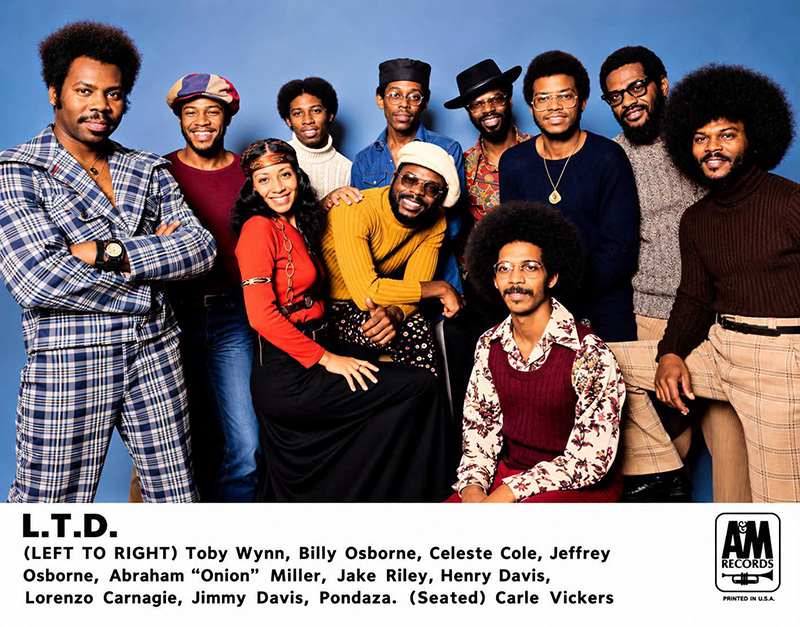
Osborne’s move from the regional scene to the national one began in 1969, when he sat in with Love Men Limited, a 10-piece funk/soul group that formed in North Carolina in ‘68 whose drummer couldn’t make it that night, having been arrested for marijuana possession earlier that day and tossed in the local clink. Impressed with his licks and solid time, the Love Men asked the 21-year-old to join the band full time and, to use the standard phrase, the rest is history.
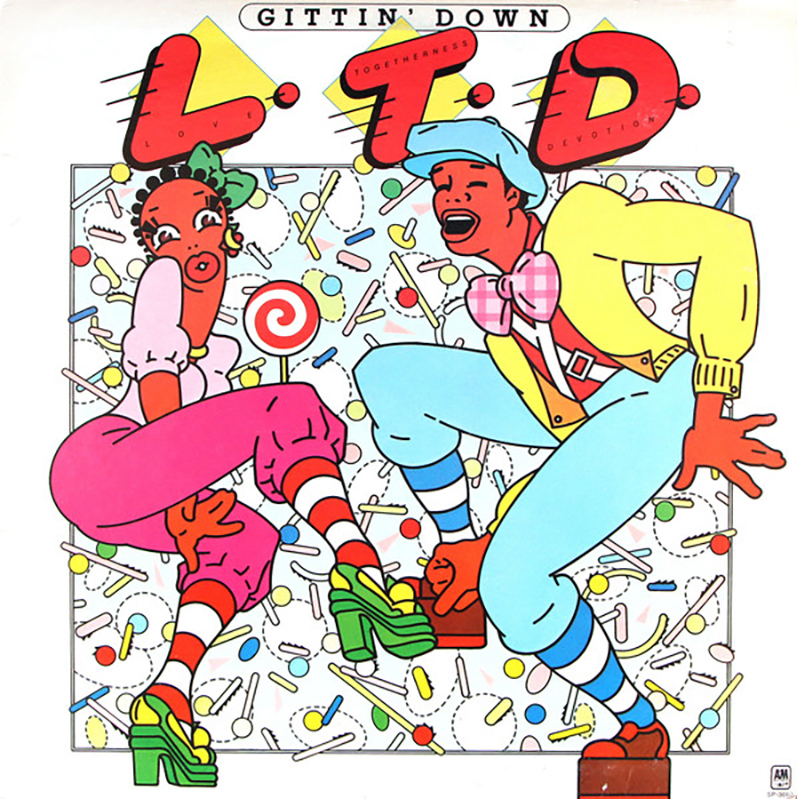
The group was based in New York City at the time of Osborne’s hiring, but moved to Los Angeles in 1970 with hopes of landing a deal with a major label. That decision bore fruit three years later when they signed with A&M and changed their name to L.T.D. (an initialism for “love, togetherness and devotion”). On their 11-track debut album , which A&M issued in January ‘74 and peaked at #54 in Billboard’s Top R&B Albums chart, Osborne played drums on every song and handled lead vocals on six. He played drums on each song and sang lead on five for the band’s sophomore LP, the 11-tracker Gittin’ Down, which dropped in November ‘74 and made it to #40 in the R&B chart.
Disappointed with the lukewarm commercial results, A&M told the band to focus more on ballads on their next album and, in an even more notable change, have Osborne sing all lead and background vocals. Though there was some pushback within the group at first, the success of 1976’s Love to the World seemed to prove that A&M execs were on the right track; it climbed to #7 in the R&B Albums chart, cracked the Billboard 200 at #52, and the single “Love Ballad” hit #1 in the Hot Soul Singles chart and #20 in Billboard Hot 100. The band recorded four more albums with Osborne as its sole lead vocalist, the first of which, Something to Love (1977), went all the way to #1 in the R&B chart. The next two, Togetherness (1978), and Devotion (1979), hit #3 and #5 respectively, and the last, Shine On (1980), went to #6 in the Soul LPs chart and included the single “Where Did We Go Wrong,” which hit #7 in the Hot Soul Singles chart.
LEAVING L.T.D., GOING SOLO, 1980S/’90S ACTIVITY
Though L.T.D. was at the top of their game and had become as famous as any ‘70s band of their ilk, Osborne left the group in late 1980 to focus on a solo career; he stayed with A&M, however, which released his eponymous debut solo effort in May 1982. Produced by Grammy-winning keyboardist-composer George Duke, the LP became a significant crossover success, reaching #3 in the R&B chart, #49 in the Billboard 200 and including two singles that fared well in the Billboard rankings: “I Really Don’t Need No Light,” which hit #3 in the R&B chart and #39 in the Hot 100, and “On the Wings of Love,” co-written by Osborne and pianist-composer Peter Schless, which went to #7 in Billboard’s Adult Contemporary chart, #13 in the R&B chart and #29 in the Hot 100.
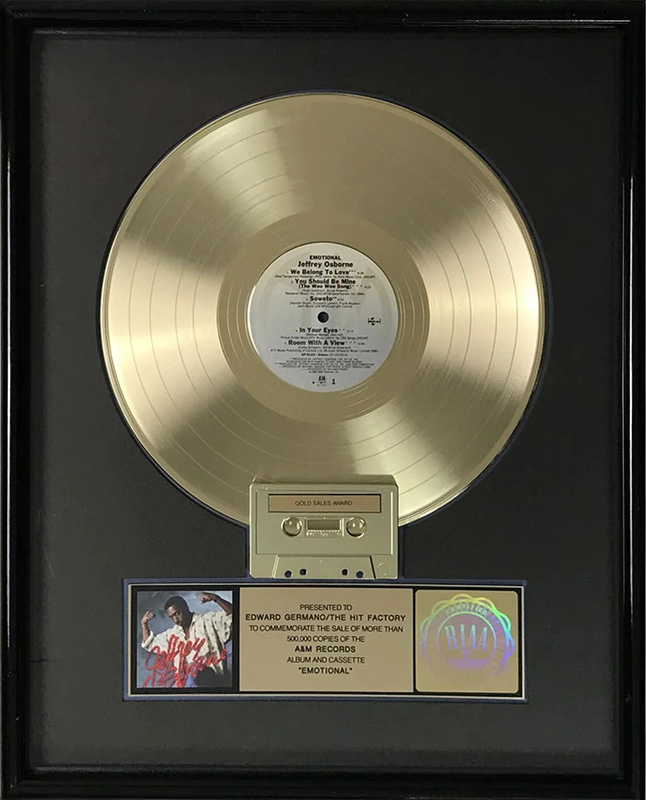
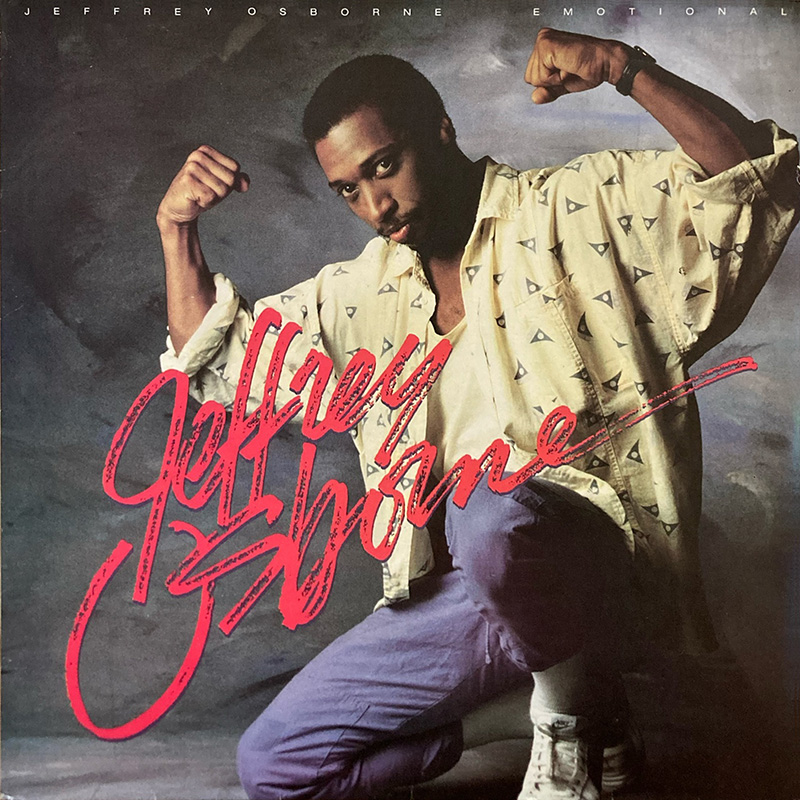
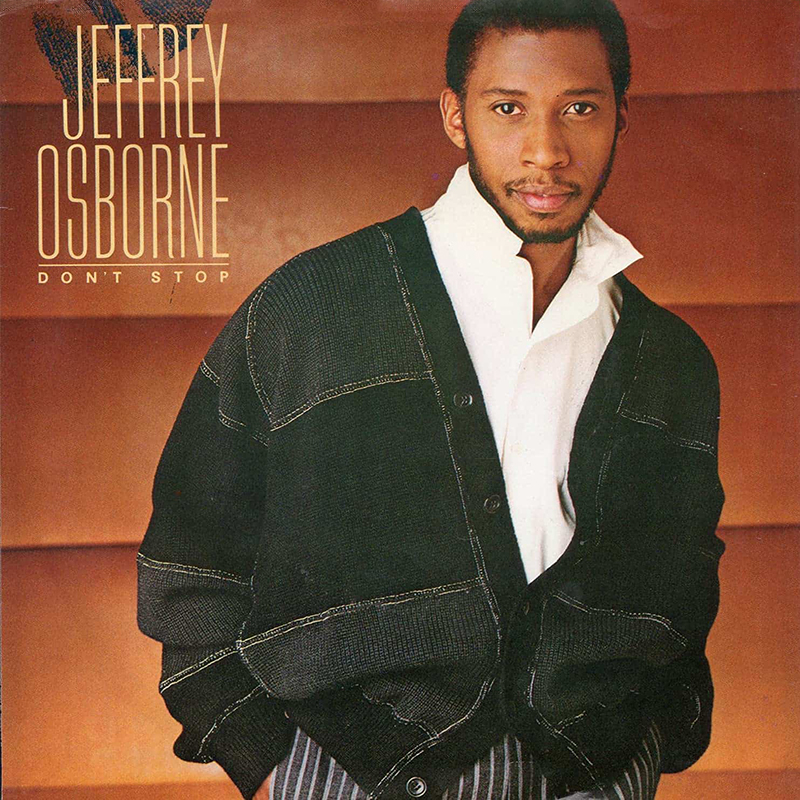
He continued building momentum with his second solo disc, 1983’s Stay with Me Tonight, which hit #3 in the R&B chart and #25 in the Billboard 200 while the title track went to #4 in the R&B chart and #30 on the Hot 100; other singles also saw significant crossover success. In May 1986, A&M issued his third album, Don’t Stop, which peaked at #7 in the R&B chart, and in 1987 the label released his fourth LP, Emotional; it included his biggest mainstream pop hit to date, “You Should Be Mine,” which made it to #13 in the Hot 100. Osborne’s highest-charting single arrived in 1987 with “Love Power,” a duet with Dionne Warwick that made it to #1 in the Adult Contemporary chart and #12 in the Hot 100. His fifth and final LP for A&M, 1988’s One Love – One Dream, included his first and only #1 in the R&B chart, “She’s on the Left.”
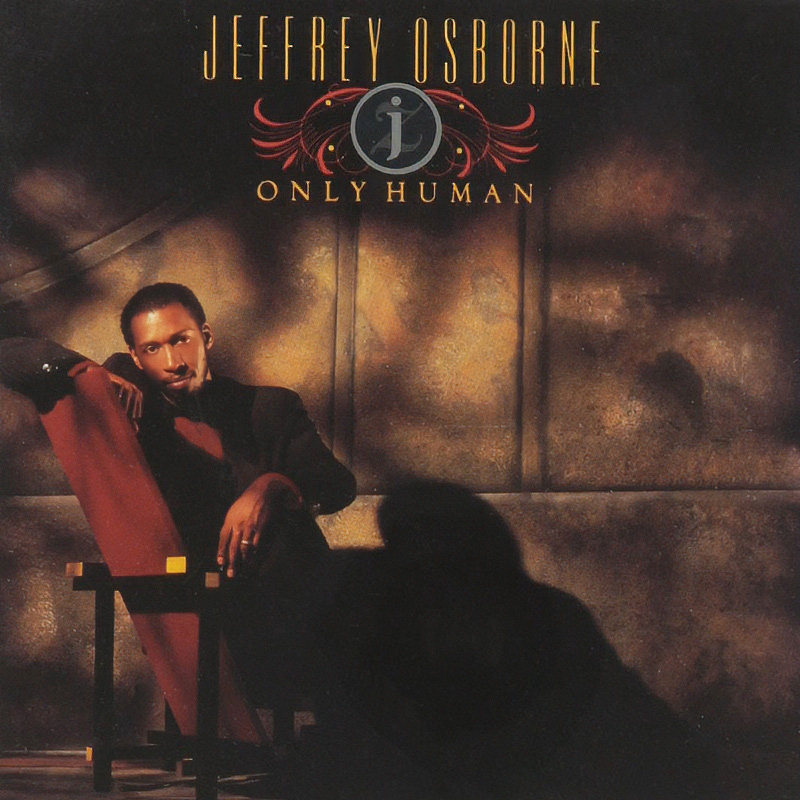
Osborne and A&M parted ways in 1989, and Arista released his sixth album, Only Human, in November 1990. It saw modest mainstream success, peaking at #95 in the Billboard 200, but it made it to #9 in the R&B chart. The results weren’t enough for Arista to keep Osborne on the roster, however, and, though he had a massive fan base that spanned the globe, he found himself without a recording contract in 1992. As a result, he recorded only one more LP during the ‘90s, Something Warm for Christmas, which Modern Records released in November ‘97.
2000S ACTIVITY, PHILANTHROPY, EDUCATIONAL INITIATIVES
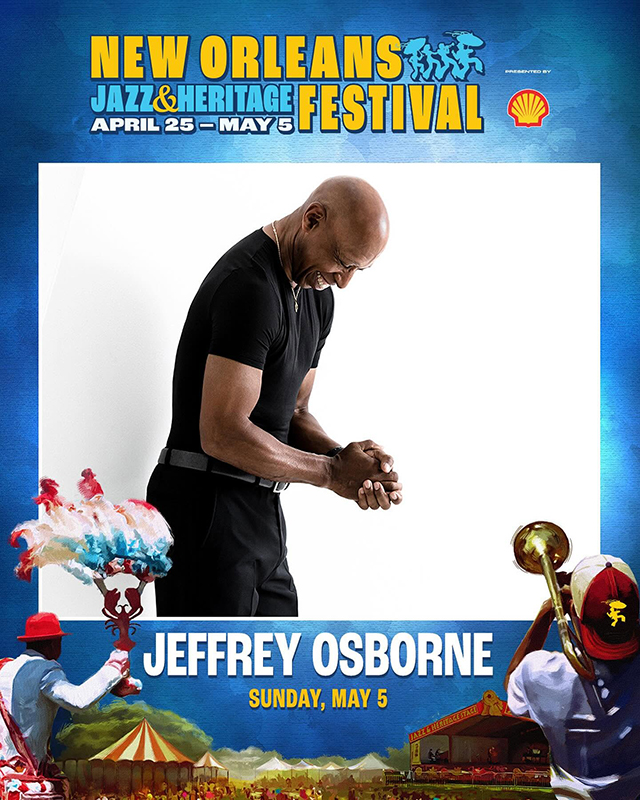
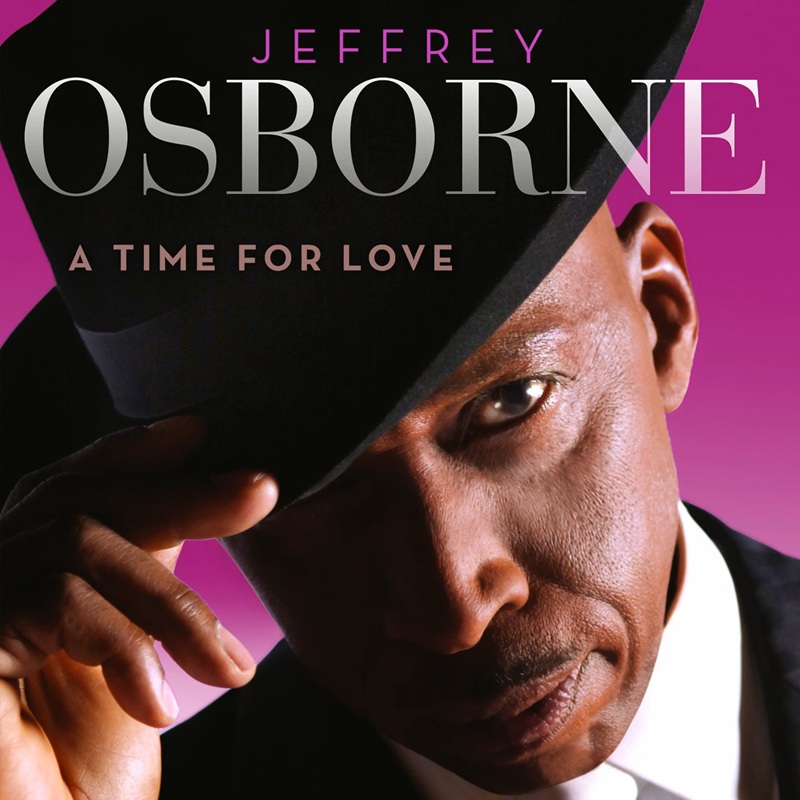
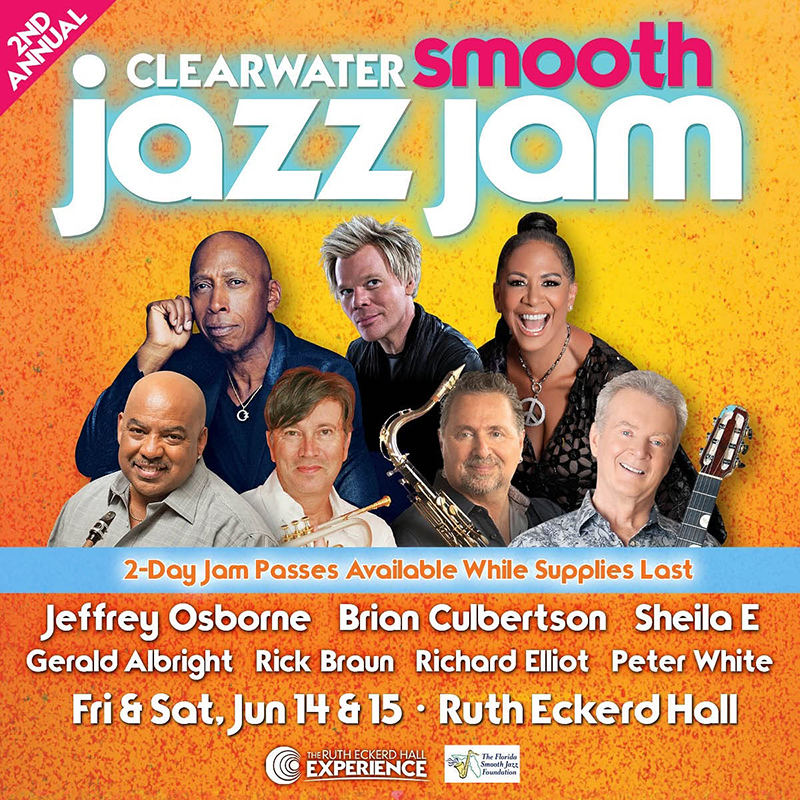
Since the dawn of the 21st century, Osborne’s recorded five albums on a variety of labels, the first four of which had moderate success on the R&B chart: That’s for Sure (2000, Private Music, #50); Music Is Life (2003, Koch, #50); From the Soul (2005, Koch, #72); A Time for Love (2013, Saguaro Road, #34); and Worth It All (2013, Artistry Music). Unsurprisingly given the level of acclaim he had with L.T.D. in the ‘70s and the household-name status he achieved in the ‘80s, he’s as in-demand as any active solo artist his age and continues performing regularly at theaters, casinos, R&B/soul festivals and other venues throughout North America, singing tunes from his solo albums and his L.T.D. period.
Osborne has always maintained close ties to Providence, and in recent years he’s spent a substantial amount of time on philanthropic and educational initiatives in Rhode Island. In 2012, he founded the Jeffrey Osborne Celebrity Classic, an annual charity golf tournament that supports educational and community organizations in the state. He also founded the Jeffrey Osborne Foundation and the Clay Osborne Foundation, which raise money for music education, fund scholarships, and support nonprofits that help those in need. As of August 2026, the Foundations had donated some $1.5 million to Rhode Island schools and youth-support organizations and about $50,000 to nonprofits including the Boys & Girls Clubs of Providence, the Rhode Island Philharmonic Music School, and the Metropolitan Regional Career and Technical Center (known as the MET, a public high school at which students choose their particular academic and/or technical focus)
Asked why he’s made supporting local music education, arts organizations and arts-focused nonprofits such a high priority, Osborne commented on his own experience growing up in Providence, noting that music and arts programs have been disappearing from public schools because people often undervalue them. “Growing up in a low-income family and one of 12, I wanted to give back through these initiatives,” he told Savanna Rust of The Bay State Banner in May 2024. “The MET allows students to pursue what they want to study; a lot of schools don’t do that. The Rhode Island Philharmonic Music School is important because music programs are usually the first thing that gets cut [in public schools].”
(by D.S. Monahan)