Della Mae
Della Mae
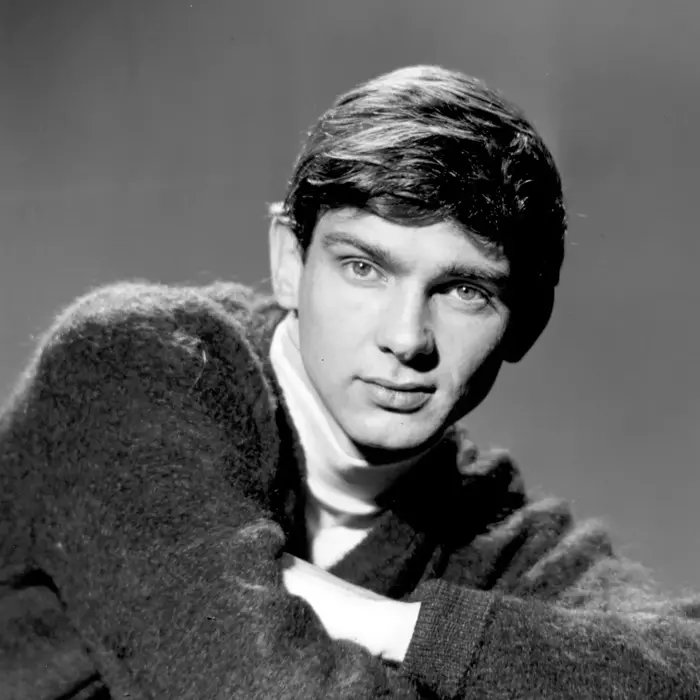
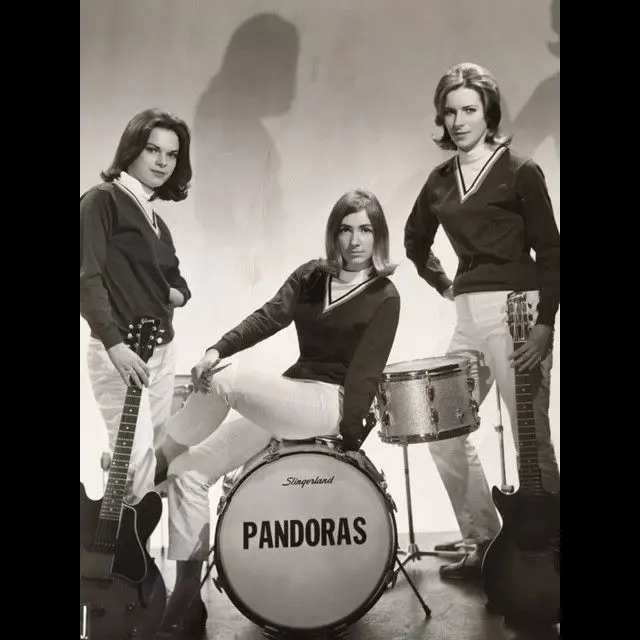
For those of a certain age, any mention of all-female musical acts brings thoughts of the 20th century’s most famous “girl groups”: Rock & Roll Hall of Famers The Supremes, The Ronettes, The Shirelles and Martha & The Vandellas; The Crystals, whose classic rendition of the Gene Pitney-penned “He’s a Rebel” hit #1 in 1962; Fanny, who formed in ‘69 and cracked the Billboard Hot 100 multiple times; Joan Jett-fronted The Runaways, who came together in ‘75; The Go Go’s, who first “got the beat” in ‘78; and The Bangles, who formed in ‘81 and “walked like an Egyptian” to the top of the charts in ‘87. Some Baby Boomers from New England might even recall The Pandoras, the all-female trio of Simmons College students that formed on Cape Cod in ‘64.
But those familiar with the 21st-century bluegrass scene will think of a band that’s about as distant from those acts as the Appalachians are from the Himalayas: Della Mae, who’ve been reimagining the genre on an international scale since forming in Boston in 2009 and are a regular presence at #1 in the Billboard Bluegrass Albums chart. “Each generation, perhaps once a decade, bluegrass experiences a band or an artist that redefines and recenters the genre itself. Della Mae is one such band,” according to Bluegrass Today. “They’ve demonstrated to the roots music world, once and for all, that a band of all women is not, nor has ever been, a mere novelty. They remain at the forefront of the explosion of women instrumentalists and all-women acts in roots music and their impact is striking and measurable – not just in North America, but around the globe.”
Thanks in part to a US State Department initiative, the group has performed in over 30 countries, among them England, Scotland, Germany, Sweden, the Netherlands, Pakistan, Uzbekistan, Kazakhstan, Turkmenistan, Kyrgyzstan, Tajikistan, the Marshall Islands and the United Arab Emirates. In their role as cultural ambassadors, they’ve established themselves as a band with a mission that goes far beyond their music, outspokenly advocating for gender equality, LGBTQ+ rights and workers’ rights in places where such things are often as uncommon as all-female bands. As a result of their globetrotting, seven LPs and two EPs, Della Rae has helped dispel generations of negative stereotypes about bluegrass and bluegrass artists and, more importantly, challenged archaic attitudes and tiresome clichés about identity, diversity, inclusivity and equality.
FORMATION, ORIGINAL LINEUP, FIRST EP, CURRENT LINEUP
Kimber Ludiker, a Spokane, Washington native, fifth-generation fiddler and two-time Grand National Fiddle Champion, spearheaded Della Mae’s formation after moving to Boston in 2009. They took their name from the female character in the Osborne Brothers’ 1966 song “Big Spike Hammer,” according to profile by The Boston Globe’s Noah Shaffer, who noted that the song’s protagonist pledges to “get even some day” with Della Mae since she’s “not satisfied” with the money he earns doing manual labor. “There’s a huge tradition of songs about blaming women and killing women,” Ludiker said when Shaffer pointed out the obvious irony. “We can play the music we love, and we can also change the conversation lyrically.”
One of her main inspirations for the assembling the group was the all-female string band Uncle Earl, which formed in Ann Arbor, Michigan in 2000 and at one time had renowned clawhammer banjoist Abigail Washburn as a member, and Boston’s tightly knit bluegrass community provided a uniquely fertile environment in which the band could develop and thrive, she told Shaffer. “It definitely helped us in a lot of ways to be outside the noise of the Nashville scene,” she said
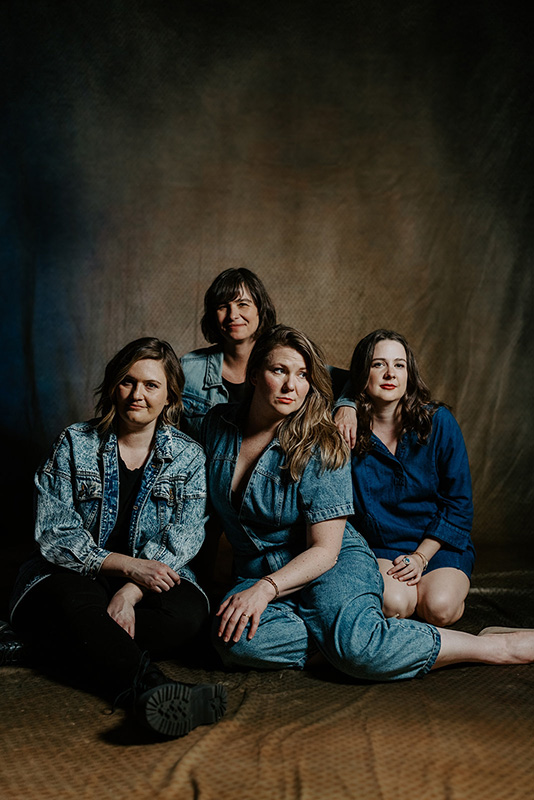
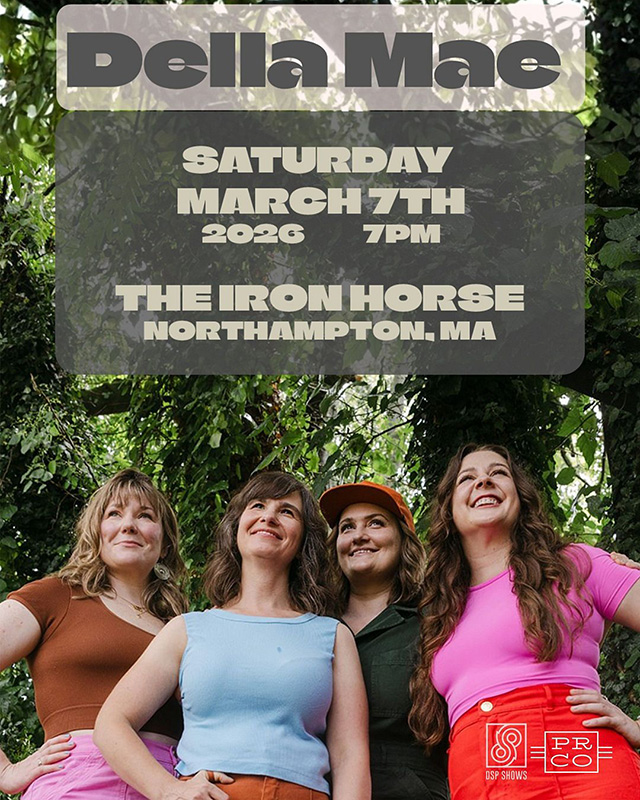
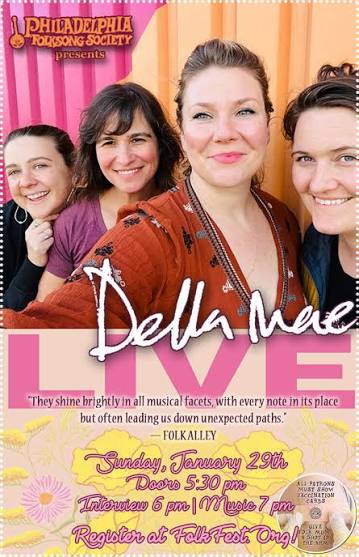
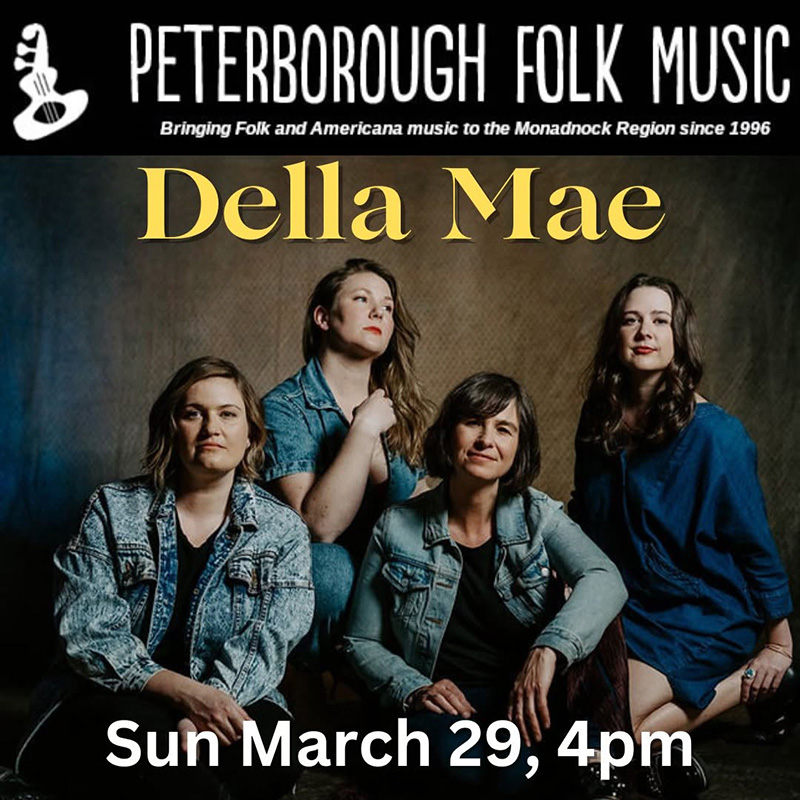
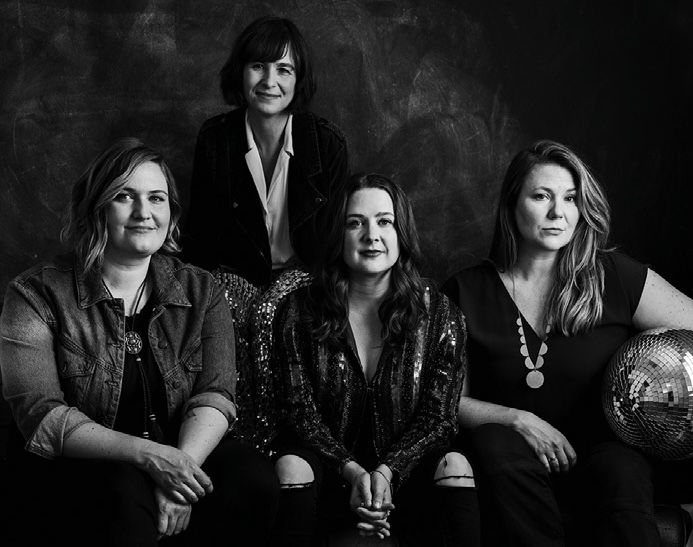
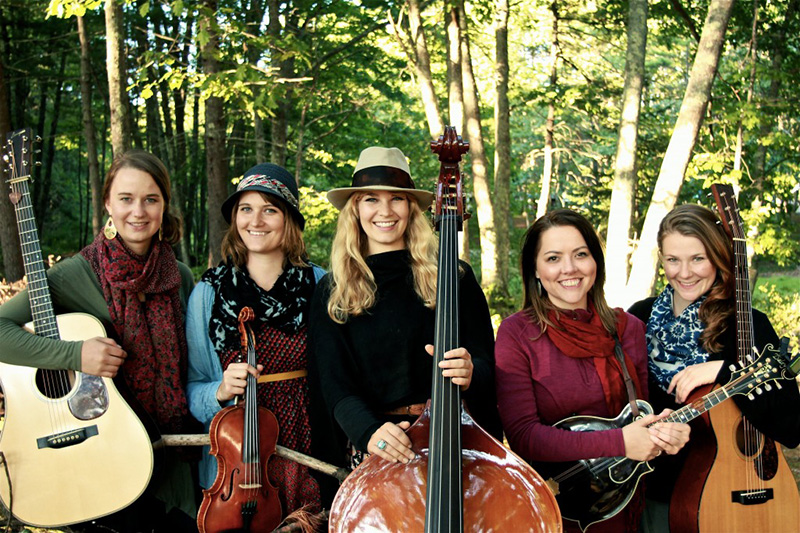
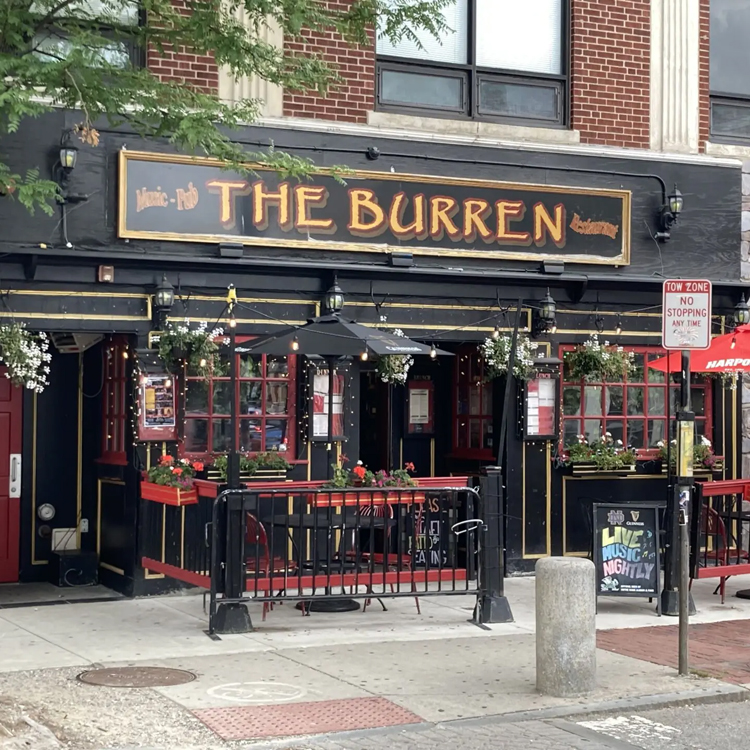
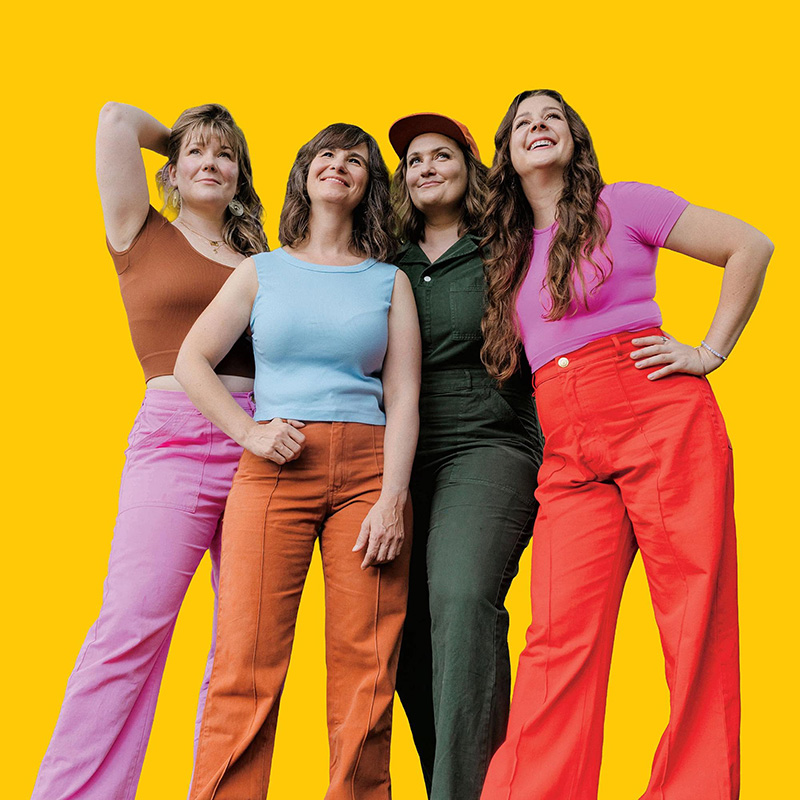
The original lineup, which included Ludiker, Michigander Grace Van’t Hof (banjo), West Virginian Amanda Kowalski (bass) and Tarrytown, New York native Avril Smith (guitar, mandolin), self-released a seven-track EP, called simply Acoustic EP, in 2010. The following year, after meeting Ludiker at an event at The Burren in Somerville, Norwich, Vermont native and University of Vermont grad Celia Woodsmith joined the group on guitar and vocals. Though the band has been a quintet at times and has included about a dozen members in total, the latest lineup is the quartet of Ludiker, Woodsmith, Smith and bassist-vocalist Vickie Vaughn, a Symsonia, Kentucky native who the International Bluegrass Music Association (IBMA) has named Bass Player of the Year three times since she joined Della Mae in 2020 (2023, 2024 and 2025). Many critics have called the current roster as the most impressive to date because all four members are exceptionally skilled singers, songwriters and instrumentalists.
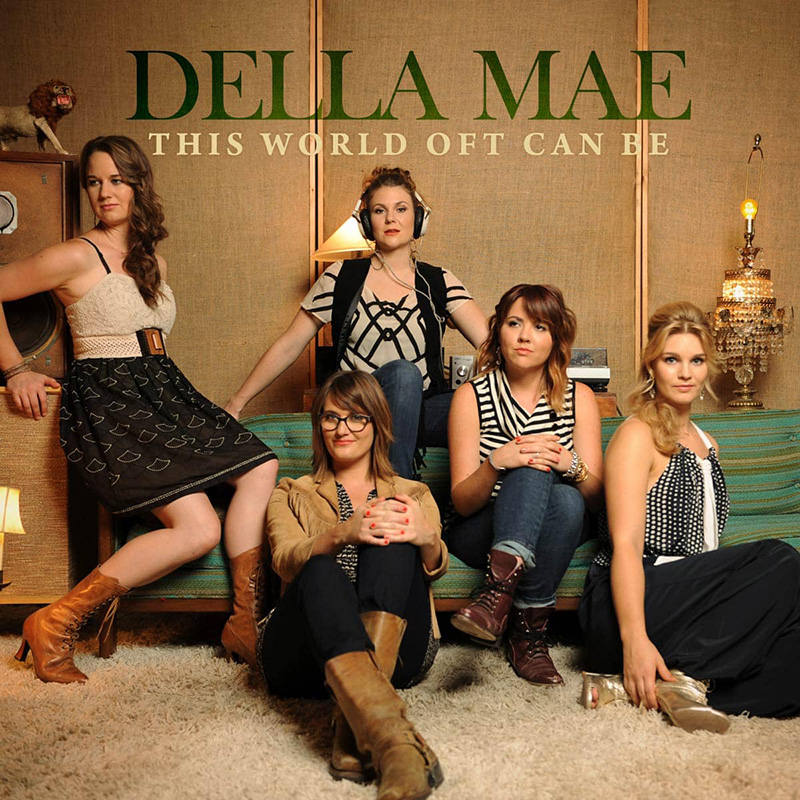
DEBUT ALBUM, THIS WORLD OFT CAN BE, DELLA MAE
The group self-released their first full album, the 12-track I Build This Heart, in 2011 after recording it at Q Division Studios in Boston and Austin’s Studio in Somerville; true to their classification as a “roots” band, it came to fruition through crowdfunding. The disc caught the attention of Rounder Records, which issued the group’s 12-song second album, This World Oft Can Be, in January 2013. That LP made it to #3 in Billboard’s Bluegrass Albums chart while the IBMA named Della Mae Emerging Artist of the Year; in 2014, the disc was nominated for the Best Bluegrass Album Grammy.
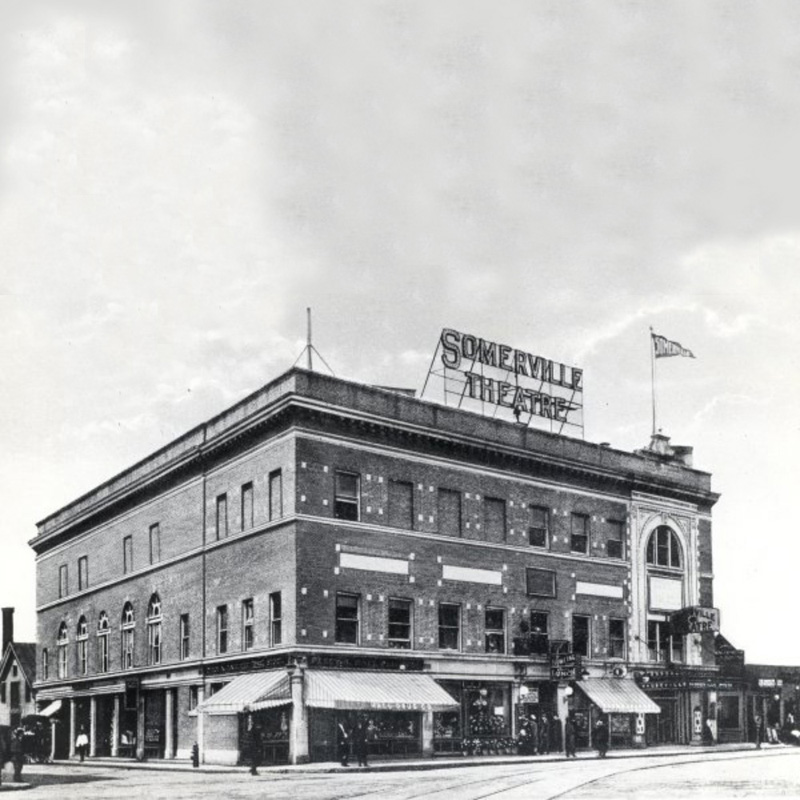
The band had been performing at popular venues like Club Passim and Lizard Lounge in Cambridge and Iron Horse Music Hall in Northampton long before gaining significant national attention, but their newfound name recognition led to an extended period of 200-plus shows per year, crisscrossing North America while making their first of many trips across the Atlantic. It also highlighted the unique challenges faced by a group that lacks Y chromosomes. In a particularly amusing example, all-female acts were such an anomaly when they started performing at major bluegrass festivals that they insisted on a contract rider that read “When you introduce us, it cannot be ‘Here are the beautiful ladies of Della Mae.’ Please don’t introduce us based on how we look,” Woodsmith told the Globe‘s Shaffer in March 2026, when Della Mae appeared at the Crystal Ballroom in Somerville.
In 2015, Rounder released the band’s eponymous third album, an 11-tracker cut at Sound Emporium in Nashville that featured Ludiker, Woodsmith, mandolinist-vocalist Jenni Lyn Gardner and guitarist-banjoist-vocalist Courtey Hartman. The album hit #1 in Billboard’s Bluegrass Albums chart and drew widespread critical praise – a review in Pop Matters called it “thrusting, driving, rootsy and gutsy” – and its opening track, “Boston Town,” simultaneously an ode to its titular city and a statement on broader social issues such as women’s rights, became a crowd favorite. Showcasing Della Mae’s willingness to expand their material beyond a traditional roots repertoire, the LP includes an extended, dobro-infused intro to a cover of The Rolling Stones‘ “No Expectations” from 1968’s Beggars Banquet.
BUTCHER SHOPPE EP, HEADLIGHT, FAMILY REUNION, MAGIC ACCIDENT, LEGACY
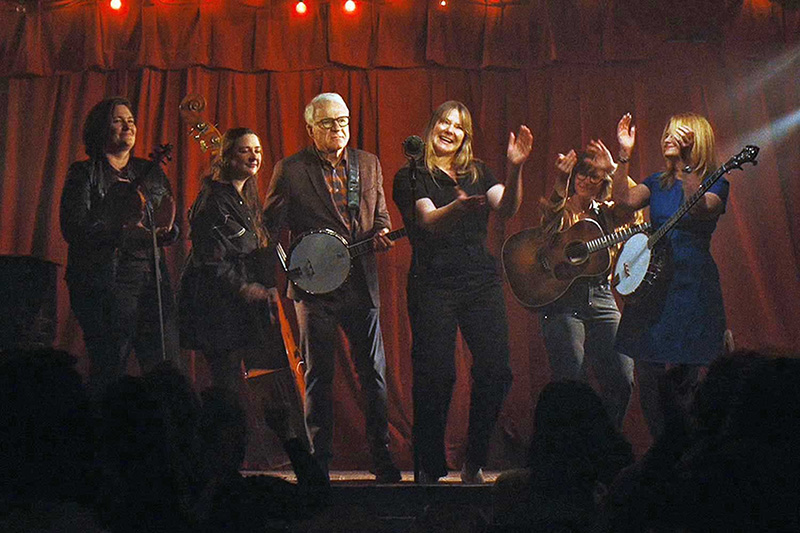
Della Mae’s second EP, Butcher Shoppe EP, which Rounder issued in 2018, became the group’s second #1 in Billboard’s Bluegrass Albums chart, and their final Rounder LP, 2020’s Headlight, became the third. In 2021, the band’s self-released Family Reunion album, which includes “The Way It Was Before,” cowritten by Woodsmith and Mark Erelli, and covers of Hazel Dickens’s “A Few Old Memories” and John Hartford’s “You Don’t Have To Do That,” peaked at #8 in the Billboard chart. Demonstrating how in-demand they’ve become over the years, the band backed famed banjoist-guitarist Alison Brown and comedian-actor-banjoist Steve Martin on one song (“New Cluck Old Hen”) on the pair’s 2025 LP Safe, Sensible and Sane.
They cut their most recent album, Magic Accident, for Compass Records, co-founded by Brown, which released the 10-tracker in January 2026; by the end of March, it had become Della Mae’s fourth album to reach #1 in Billboard’s Bluegrass Albums chart. “Everything [Della Mae] has done has helped create more spaces for women in the genre,” Brown told the Globe’s Shaffer. “They know how to own the stage [so] they’re great entertainers, but not at the expense of the music.”
The band is based in Nashville these days and tours regularly with Big Richard, an all-female outfit that includes guitarist-bassist-vocalist Hazel Royer, who cut her musical teeth in the Boston-based Royer Family Band. Regardless of where Della Mae takes its music and mission in the future, most would agree that their legacy is already as clear and lasting as their influence on the international bluegrass scene. “There has never been a band like Della Mae in roots music before,” according to Bluegrass Today, “but thanks to Kimber Ludiker, Celia Woodsmith, Avril Smith, Vickie Vaughn – and all of the women who have been part of this band over its long life – we know there will be many more bands, singers, songwriters, and pickers just like Della Mae in the future.”
(by D.S. Monahan)