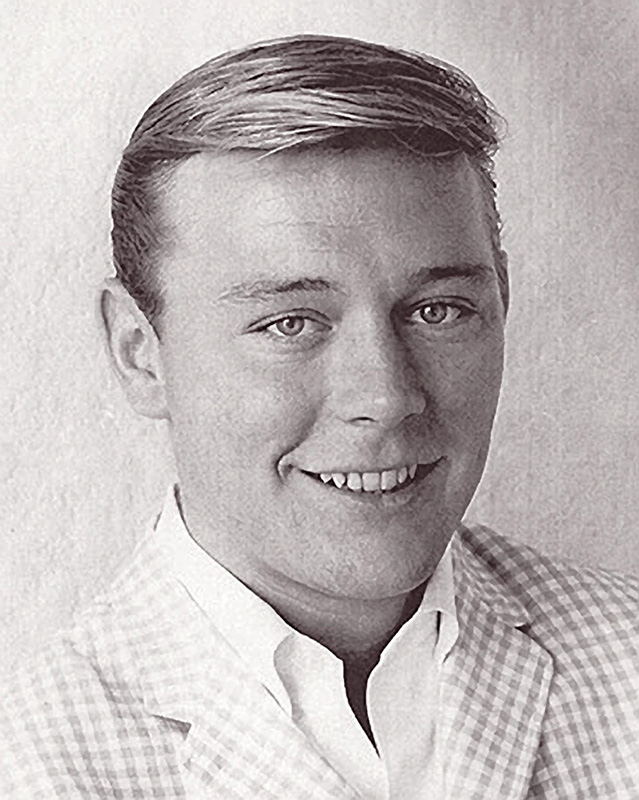
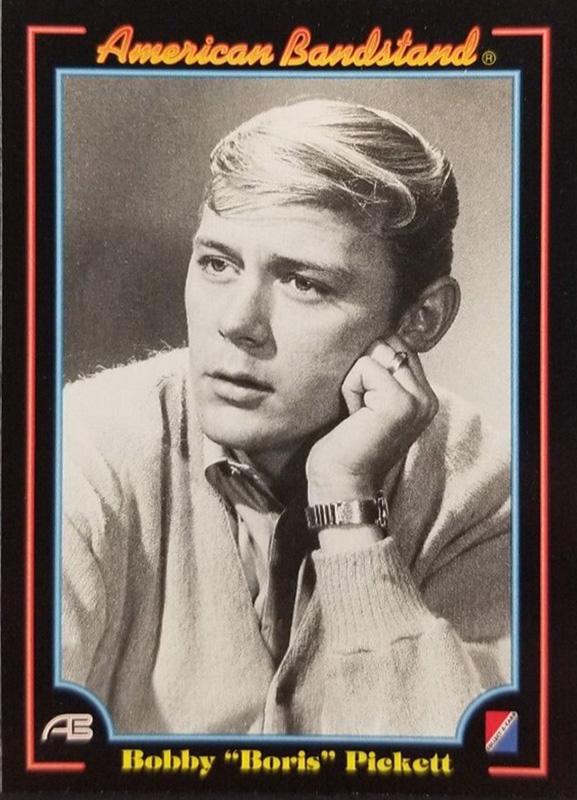
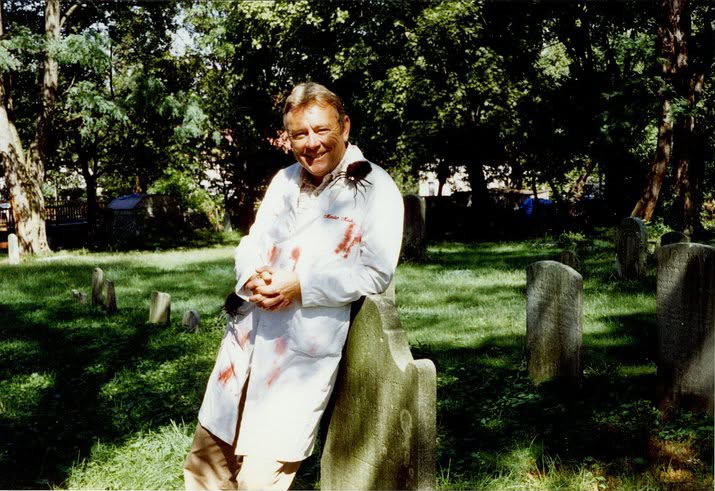
Bobby “Boris” Pickett
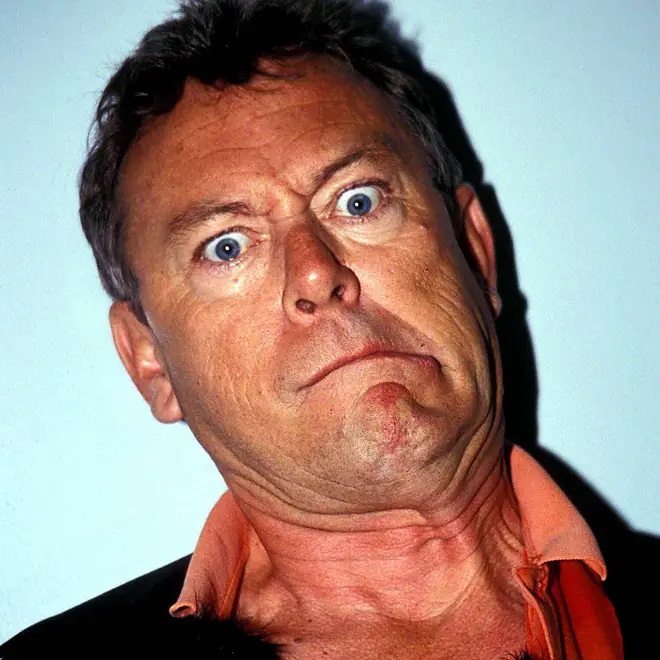
Bobby Boris Pickett
Novelty songs have been around since the rise of Tin Pan Alley in the late 1800s, and each generation has its favorites. Baby Boomers recall hearing Sheb Wooley’s “Purple People Eater” and Brian Hyland’s “Itsy Bitsy Teenie Weenie Yellow Polkadot Bikini” on AM radio; GenXers recall hearing Frank Zappa’s “Valley Girl” and “Weird Al” Yankovic’s “Like a Surgeon” on FM radio; Millennials remember listening to King Missile’s “Detachable Penis” and Aqua’s “Barbie Girl” on their PCs; and GenZers remember listening to Hot Dad’s “Big Money Salvia” and Luke Million’s “Arnold” on their phones.
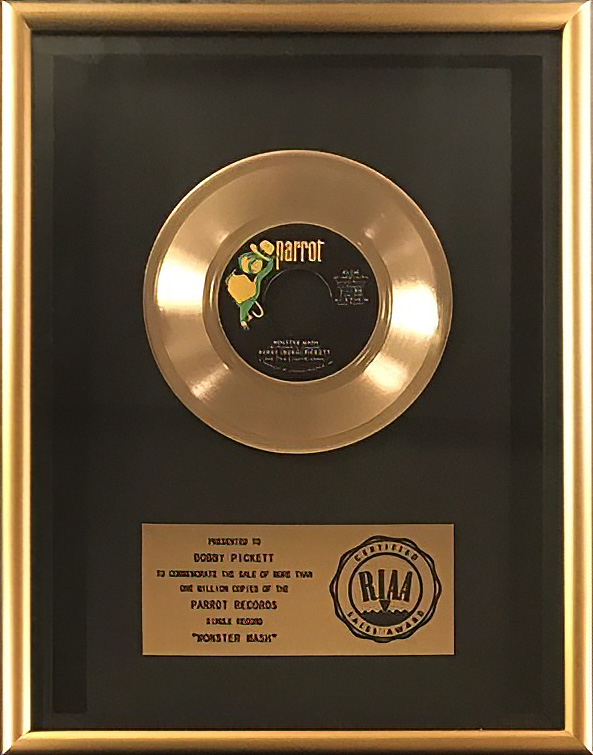
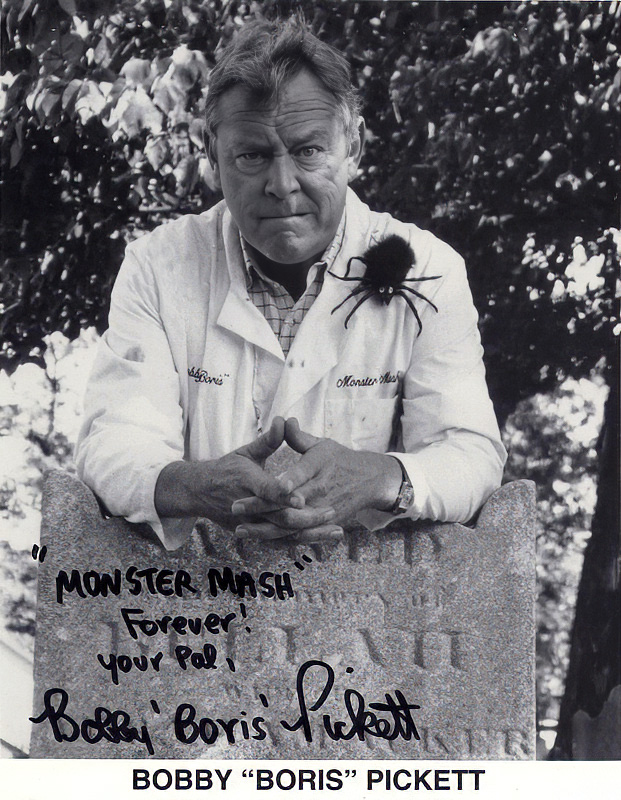
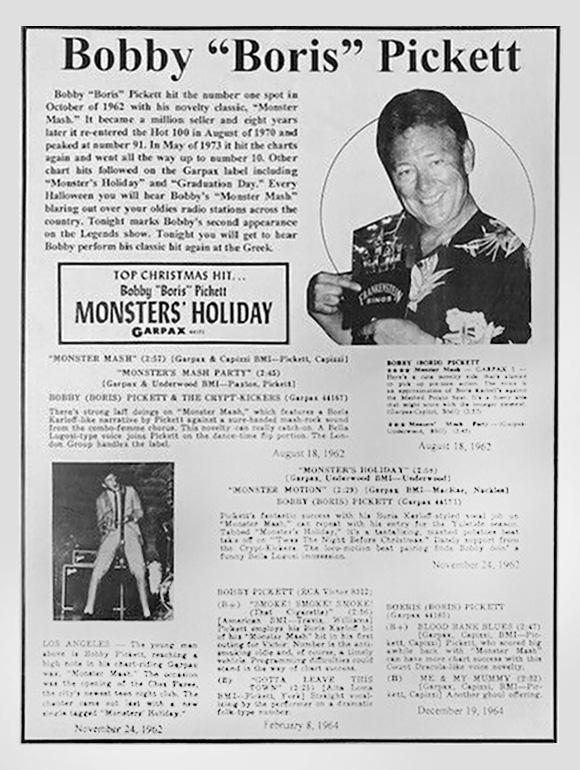
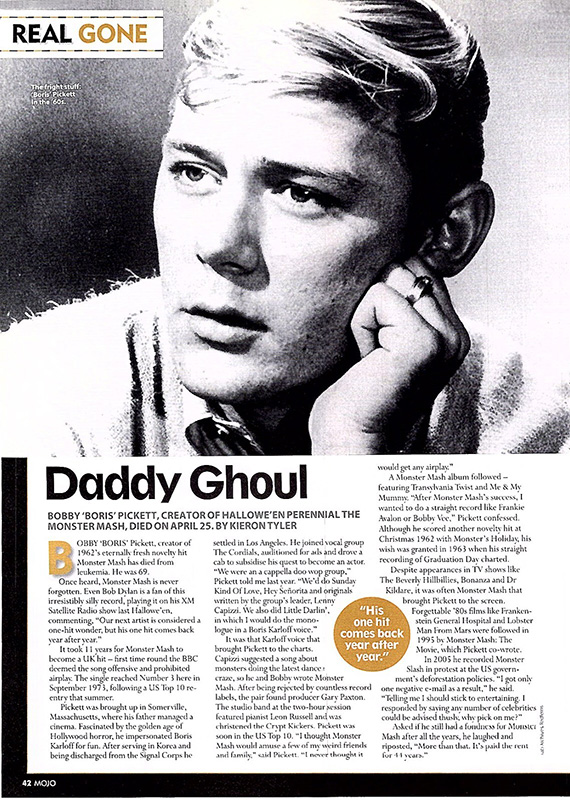
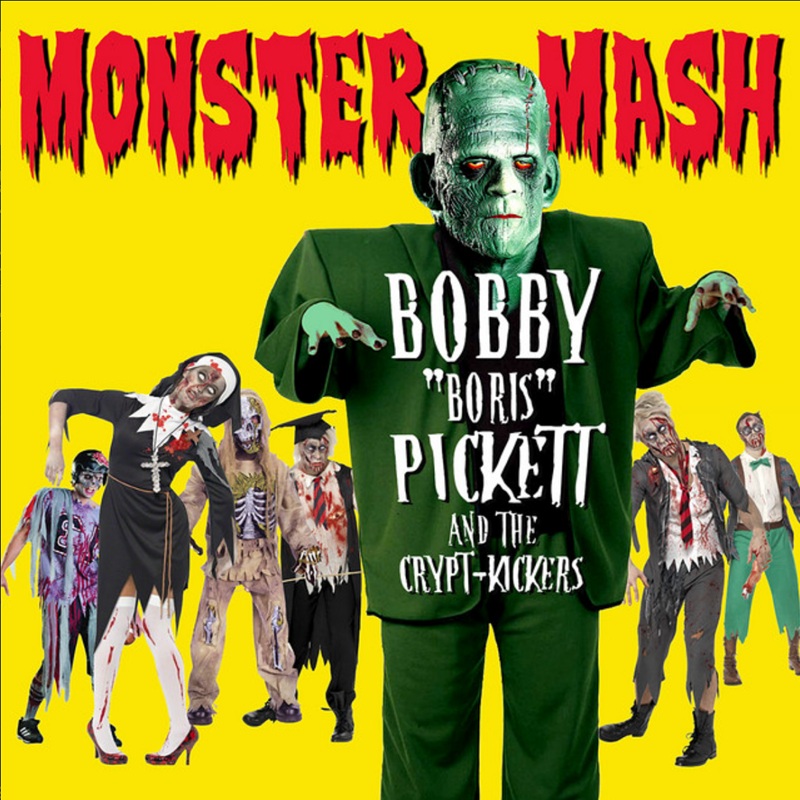
But some novelty songs are recognized across several generations, including one that’s been a Halloween perennial since its release in August 1962: “Monster Mash.” Co-written by Somerville, Massachusetts native Bobby “Boris” Pickett, an aspiring actor-comedian who never intended to pursue a career in music, the iconic tune is a staple on oldies radio across the globe and practically inescapable in malls, retail shops and other public spaces between mid-October and All Saints’ Eve. And that’s no surprise given the song’s record-setting chart history: It’s cracked the Billboard Hot 100 five more times since hitting #1 in that chart in ‘62 (when it also hit #1 in Canada) and it recached #3 in the UK and Australia in ‘73.
EARLY YEARS, MILITARY SERVICE, FIRST LIVE PERFORMANCE
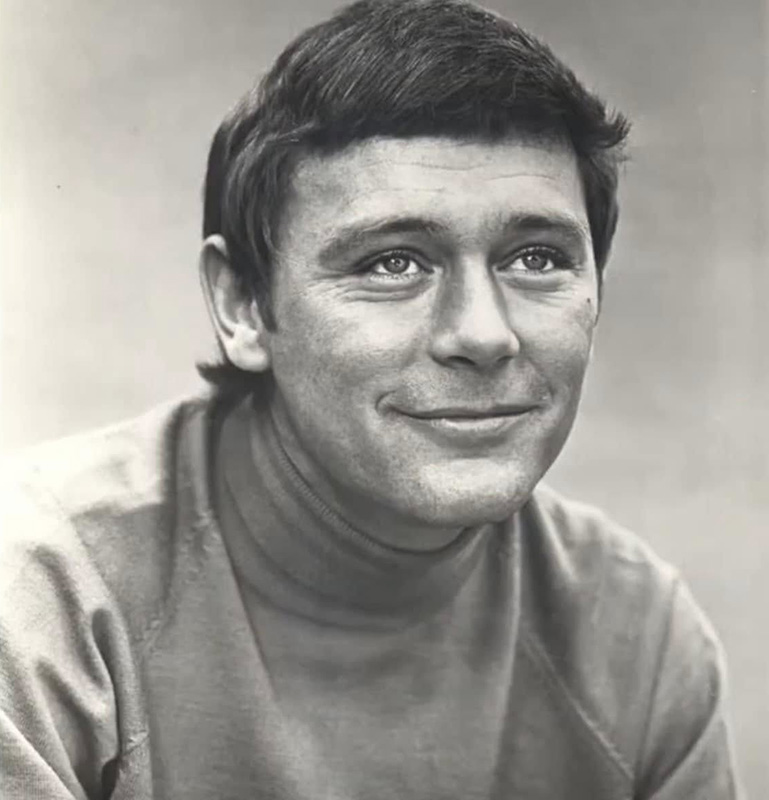
Born in Somerville on February 11, 1938, Robert George Pickett grew up in the city’s Winter Hill neighborhood and went to Somerville High School. His father managed a local movie theater and Pickett’s love of classic horror – the fascination that defined his life and legacy – started when he was in elementary school. He was particularly drawn to films starring Boris Karloff and Bela Lugosi, both of whom he learned to imitate as well as any professional impersonator ever has.
Asked what Somerville was like when he was a kid, he said it was a combination of tough but safe. “It was an industrial city, and you had two choices as a young man: you could be a gangster when you grew up or an athlete,” he told Gary James of the website Classic Bands. “In between were the nerds, but there weren’t very many. Somerville was a tough, tough place to live, but it was a place where you could leave your door open and no one would rob you. Everyone knew everyone, even though it was a city. It was a wonderful place, I thought. I grew up there in the 1940s and it was an innocent time. It was nice.”
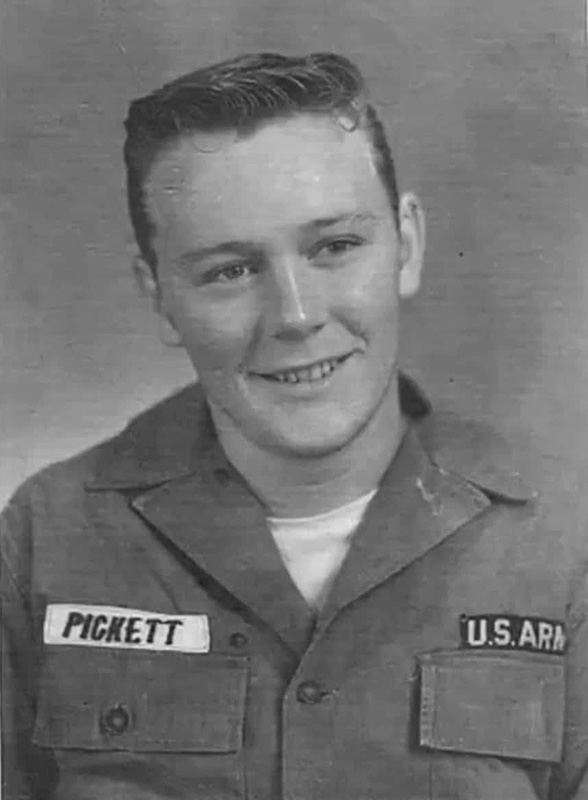
In March 1956, 18-year-old Pickett enlisted in the Army; he was stationed in South Korea until March 1959, at which time he came back to Somerville. He appeared on stage for the first time shortly after his return (as part of a talent show at the Irish American Club in nearby Everett) to do a five-minute comedy bit about monsters, downing a drink or two beforehand in order to calm his nerves. “They were having these talent contests every week where you could win $25, which was a lot of money in those days for an unemployed ex-GI. So, I did have a couple of drinks,” he told James. ”I don’t know if ‘frightened’ is the word as much as ‘excited’ and not quite sure if it could be pulled off or whatever. The second and third time I did the act, it wasn’t necessary for me to take a drink.”
MOVE TO LOS ANGELES, DARREN BAILES & THE WOLF EATERS, THE CORDIALS
Inspired by the films of the ‘30s and ‘40s and the rapid rise of television in the ‘50s, 22-year-old Pickett moved to Los Angeles in 1960, determined to land roles on TV shows and/or in movies. Chasing his lifelong dream, he spent his days going to as many casting calls as possible and paid the rent by singing with Darren Bailes & The Wolf Eaters, a local swing band, several nights a week. After hustling for acting gigs unsuccessfully for months, he hired an agent, but the relationship was short-lived; the agent died of a heart attack just two weeks after Pickett had hired him. Without professional representation and lacking any contacts of his own in the television and movie businesses, his future as an actor looked dim, to say the least. “I was in real trouble as an actor,” he told James.
Hope, and what turned out to be his ticket to stardom, came in the form of two of Pickett’s friends from Somerville, brothers Lenny and Billy Capizzi, who’d moved to Hollywood around the same time as Pickett and were in an a capella group called The Cordials with two other young men, Ronnie Deltorto and Lou Toscano. When they invited Pickett to become the fifth member, he leapt at the opportunity and the quintet began performing around LA, covering hits of the era and doing a few originals. They made enough money to survive, though payment wasn’t always in hard cash. “We literally sang for our supper on Pico Boulevard at a place called Alvultumos, an Italian restaurant,” he told James; the group appeared there on Friday nights in 1961 and much of ‘62, he said, compensated with free spaghetti dinners.
“MONSTER MASH”
The Diamonds’ 1957 hit “Little Darlin’” was the spark that lit the “Monster Mash” flame. During a Cordials rehearsal, Pickett asked Lenny Capizzi what he thought about him singing one of the song’s lyrics in his Boris Karloff voice; Capizzi thought it was worth a try. When Pickett did so at their next performance, the response was overwhelmingly positive, with audience members laughing out loud as soon as they heard Pickett’s spot-on impression. Based on that, Lenny suggested that the group record an original novelty song, recommending Gary S. Paxton of The Hollywood Argyles as producer because he’d produced (and sung lead on) that group’s iconic rendition of “Alley-Oop,” which hit #1 in the Billboard Hot 100 in 1960. “At that point in time, Gary was one of the hottest young producers in Hollywood,” Pickett told James.
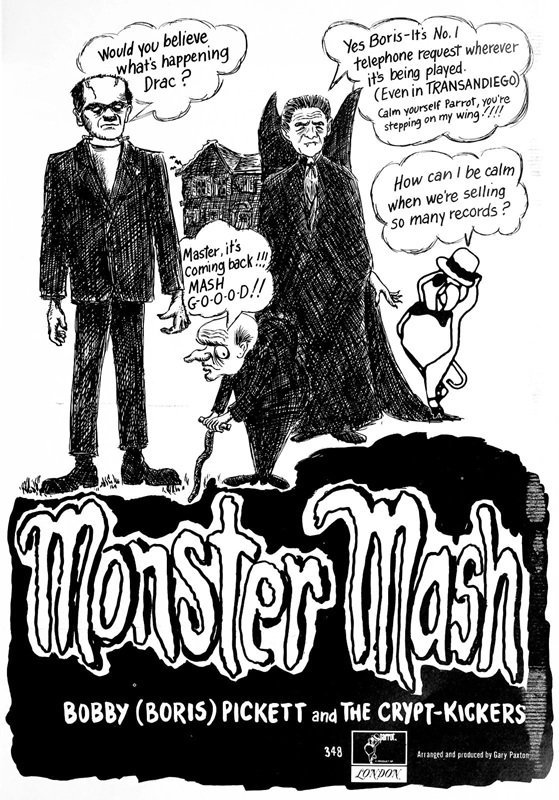
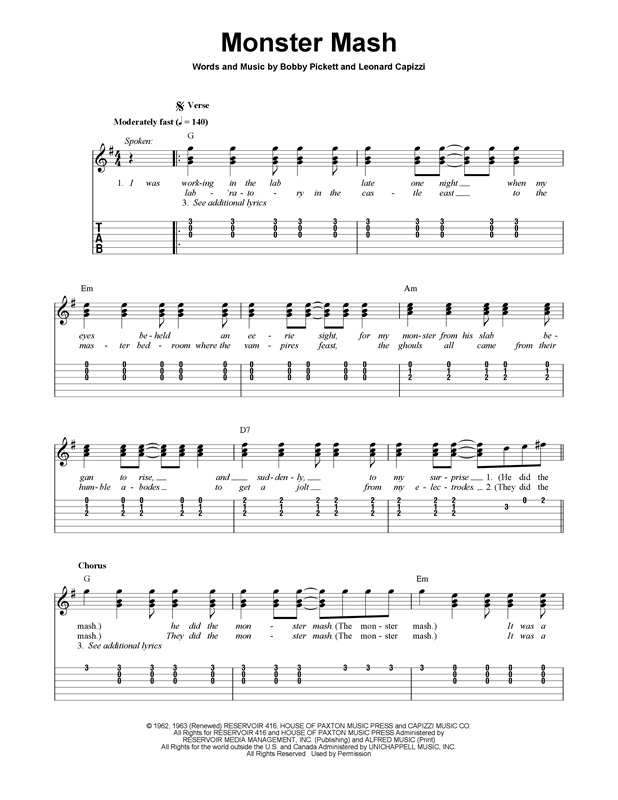
According to Pickett, he and Capizzi conceived “Monster Mash” as a horror-themed spoof on the dance craze of the era that birthed the Twist and the Mashed Potato, and they wrote the entire song over the course of a few hours one Saturday in May ‘62. The pair recorded a demo on a Wollensak tape recorder and took it to Paxton, who agreed to produce a studio recording and assured them that the song would be a hit. “Gary knew from the start, but when I went in to record ‘Monster Mash’ I thought it was just a lark,” Pickett told James. “A few Boris Karloff freaks will enjoy this, I thought, but it gosh, it was #1 one in eight weeks.” The recorded version was performed by a band christened The Crypt-Kickers, which included drummer Mel Taylor of The Ventures.
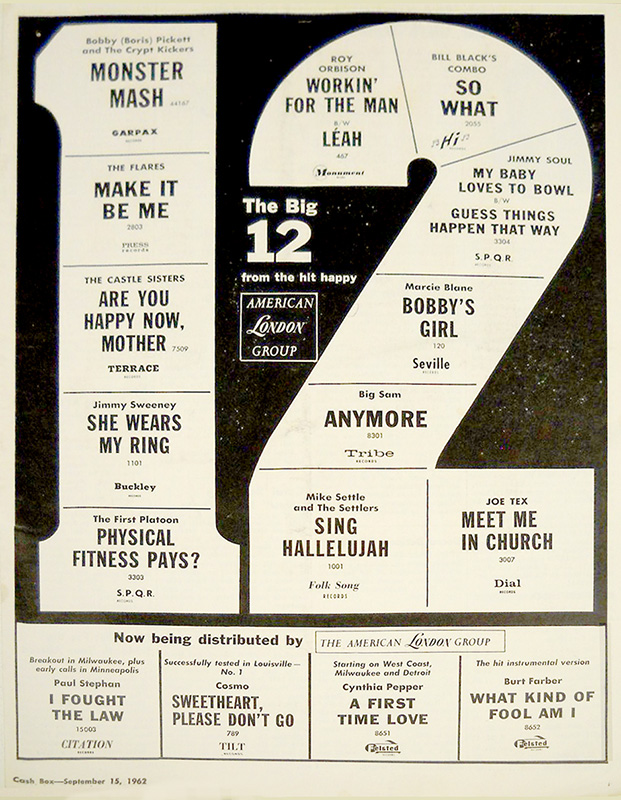
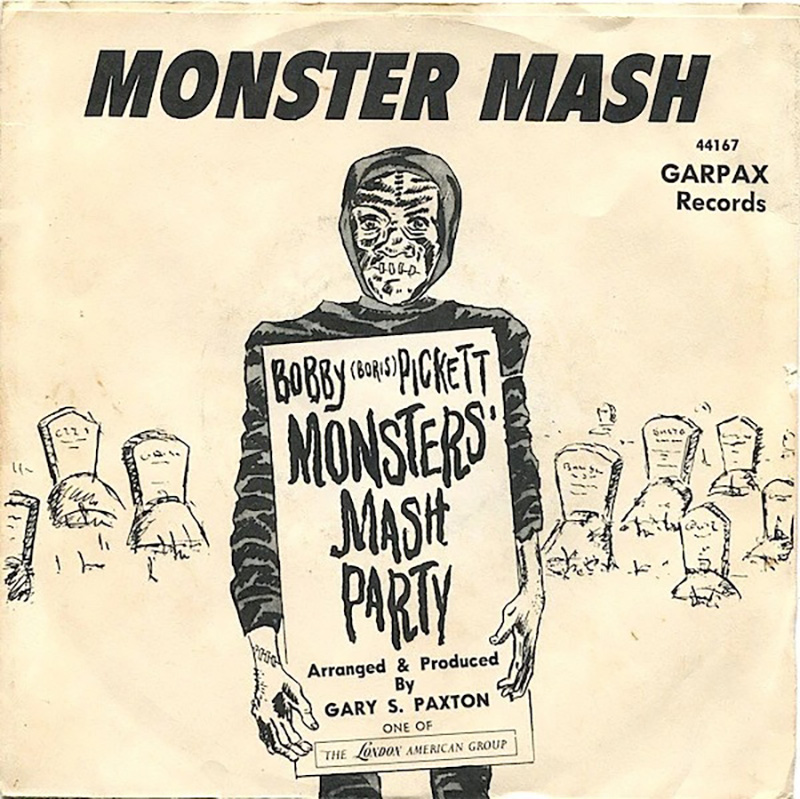
Pickett took the finished track to four major labels, all of which refused to distribute it, mostly because they thought the lyrics were morbid. Paxton was so confident in the song’s potential, however, that he released it in North America on his own label, Garpax, which turned out to be as prescient a decision as anyone on the music biz has ever made. “Monster Mash” topped the Billboard Hot 100 on October 20, 1962, slightly less than two months after its release, and remained at #1 for two weeks. It reentered the chart for the first time just shy of eight years later, in August 1970, at #91, and for the third time in May 1973, when it got all the way to #10. It appeared on the UK Singles chart for the first time in October ‘73, when it reached #3, and it’s cracked the Hot 100 four more times since then: 2021 (#37), 2022 (#30), 2023 (#38) and 2024 (#38).
OTHER CHARTING SINGLES, TV/RADIO/FILM/THEATRE PROJECTS
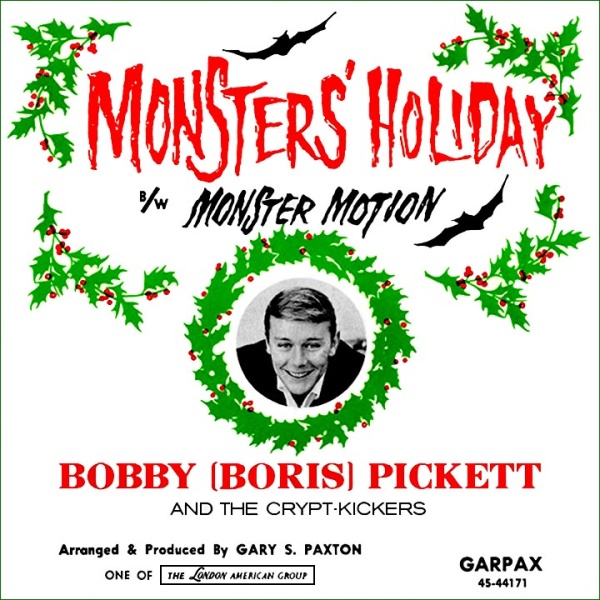
Pickett, who reportedly bristled at being referred to as a “one-hit wonder,” cut two additional singles that reached the Hot 100: “Monster’s Holiday,” which hit #30 in December 1962, and “Graduation Day,” which peaked at #80 in June 1963. What’s arguably his best-known post-’60s musical venture came in the mid-’70s, when he co-wrote (with Peter Ferrara) the Star Trek spoof “Star Drek,” which was one of the most requested tracks in the history of the nationally syndicated Dr. Demento Show.
In 1984, Easy Street Records released “Monster Rap,” written by Pickett, Bobby Paine and Frank Heller, which continues the “Monster Mash” story, with Paine rapping lead and Pickett playing the roles of a mad scientist and Dracula. Pickett wrote and recorded yet another “Monster Mash” sequel, 1993’s “It’s Alive,” which failed to chart (though Dr. Demento spun it occasionally).
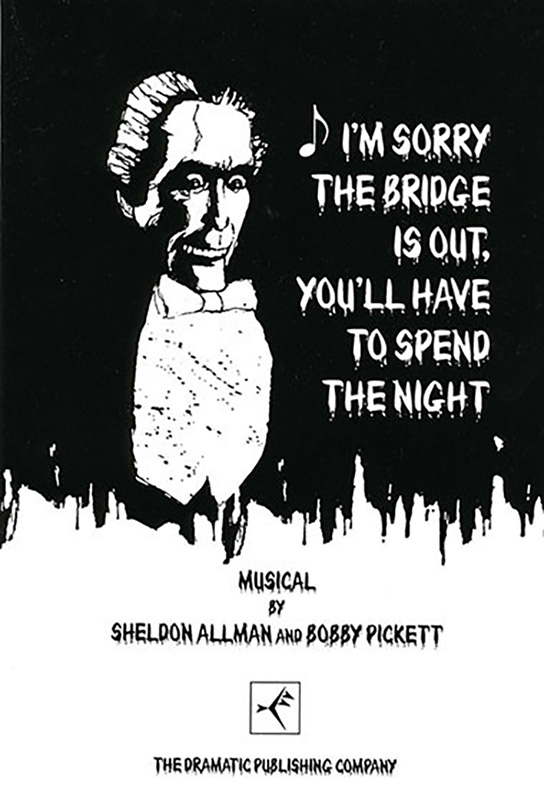
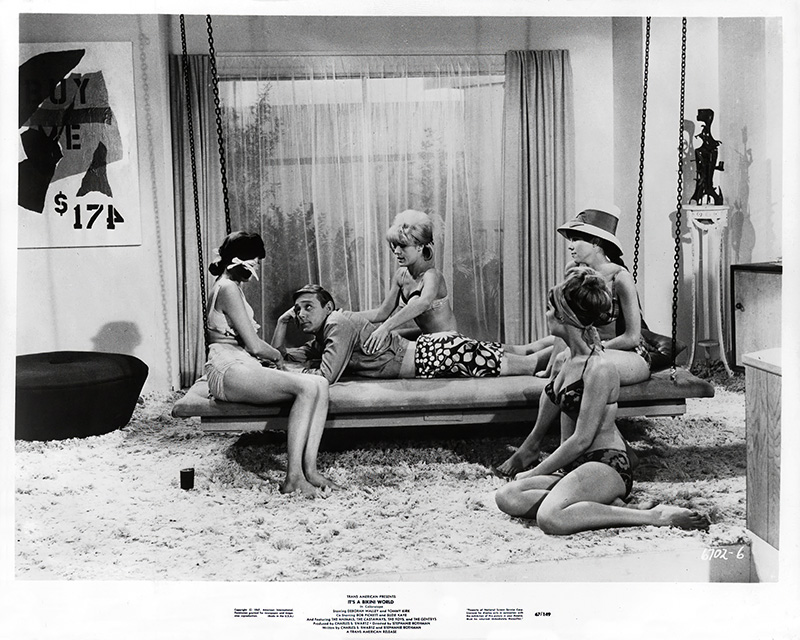
Outside of his musical activities, Pickett found steady work in television, radio and film throughout his 40–plus-year career. He was in several episodes of the sitcom Petticoat Junction in 1964, hosted a weekly radio show on KRLA in Los Angeles in 1965/’66, and appeared in several movies that are considered campy classics: It’s a Bikini World (1967); Chrome and Hot Leather (1971); Deathmaster (1972); and Lobster Man from Mars (1989). He also tried his hand at musical theatre, co-writing (with singer-songwriter Sheldon Allman) “Frankenstein Unbound” in 1962 and “I’m Sorry the Bridge Is Out, You’ll Have to Spend the Night” in 1967. The latter was the basis for 1995’s Monster Mash: The Movie, in which Pickett starred as Dr. Frankenstein.
1990S, 2000S ACTIVITY, AUTOBIOGRAPHY, DEATH, LEGACY
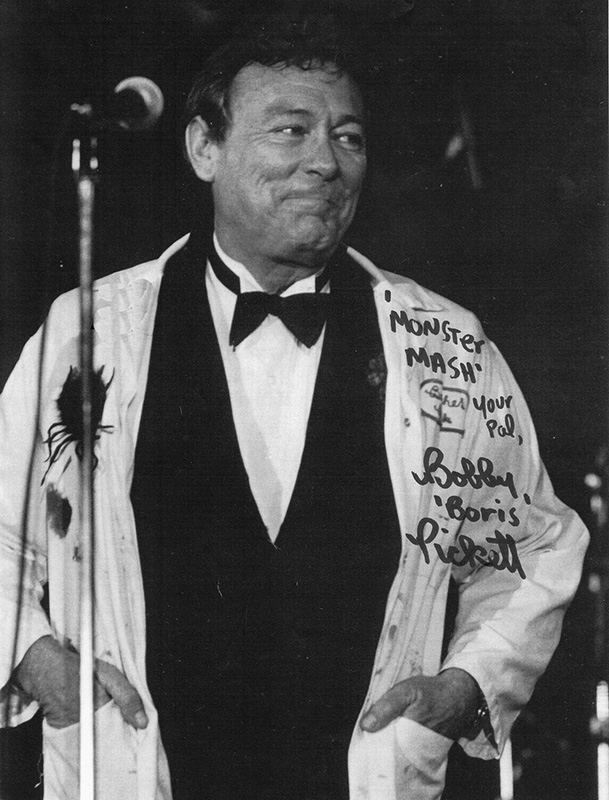
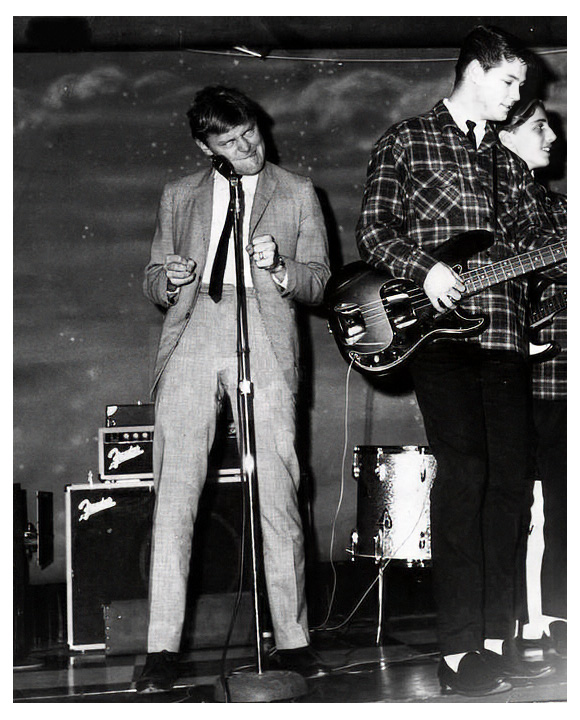
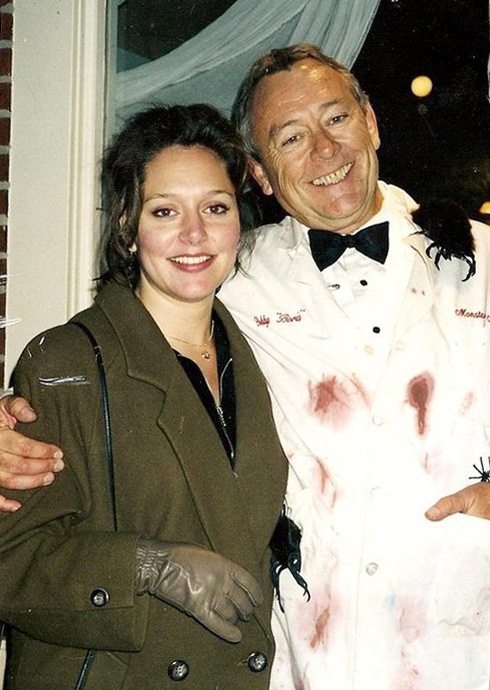
During the ‘90s and early 2000s, Pickett was a frequent presence at oldies festivals, Halloween events and small venues across North America. He made regular guest appearances on television, performed live on The Lost 45s with Barry Scott for years during the show’s annual Halloween broadcast from Boston, and in 2005 Trafford Publishing released his memoir, Monster Mash: Half Dead in Hollywood.
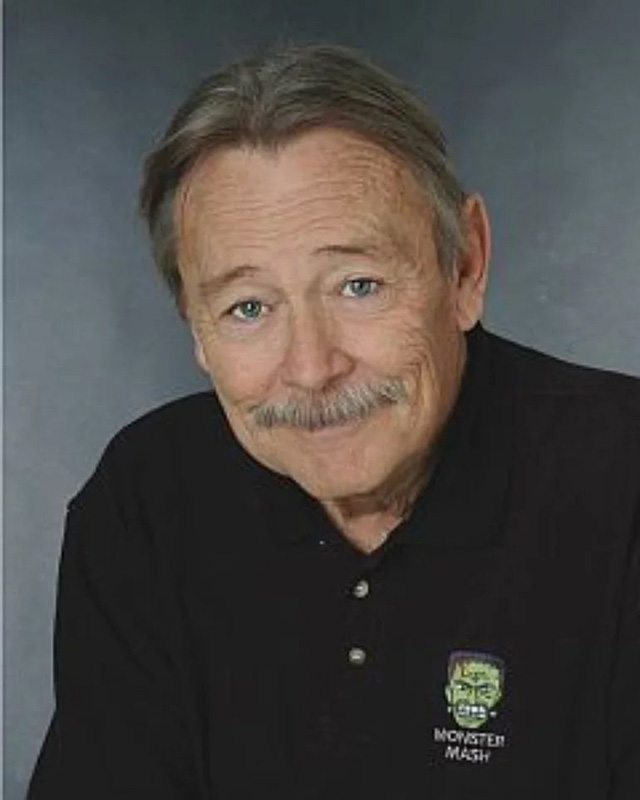
He took the stage for the last time in November 2006. Five months later, on April 25, 2007 in Los Angeles, he died of leukemia at age 69. Two weeks after his passing, the Dr. Demento Show featured a retrospective of his work, with Demento calling “Monster Mash” “the biggest Halloween song of all time” and noting Pickett’s sense of humor regarding his enormous – and utterly unexpected – success. “As he loved to say at oldies shows, ‘And now I’m going to do a medley of my hit,”‘ Demento said.
(by D.S. Monahan)